The ingredient encyclopedia · food
Amla (Indian Gooseberry)
Phyllanthus emblica (syn. Emblica officinalis) · Phyllanthaceae
Tangy amla, the Indian gooseberry, is an Ayurvedic hair tonic that leaves lengths soft, glossy and cared for.
FR Amla (groseille indienne)ES Amla (grosella india)AR الأملجAmalaki (Sanskrit)
- How well proven
- DTraditional wisdom
- Safety
- Low topical risk
- Sun-sensitive
- No
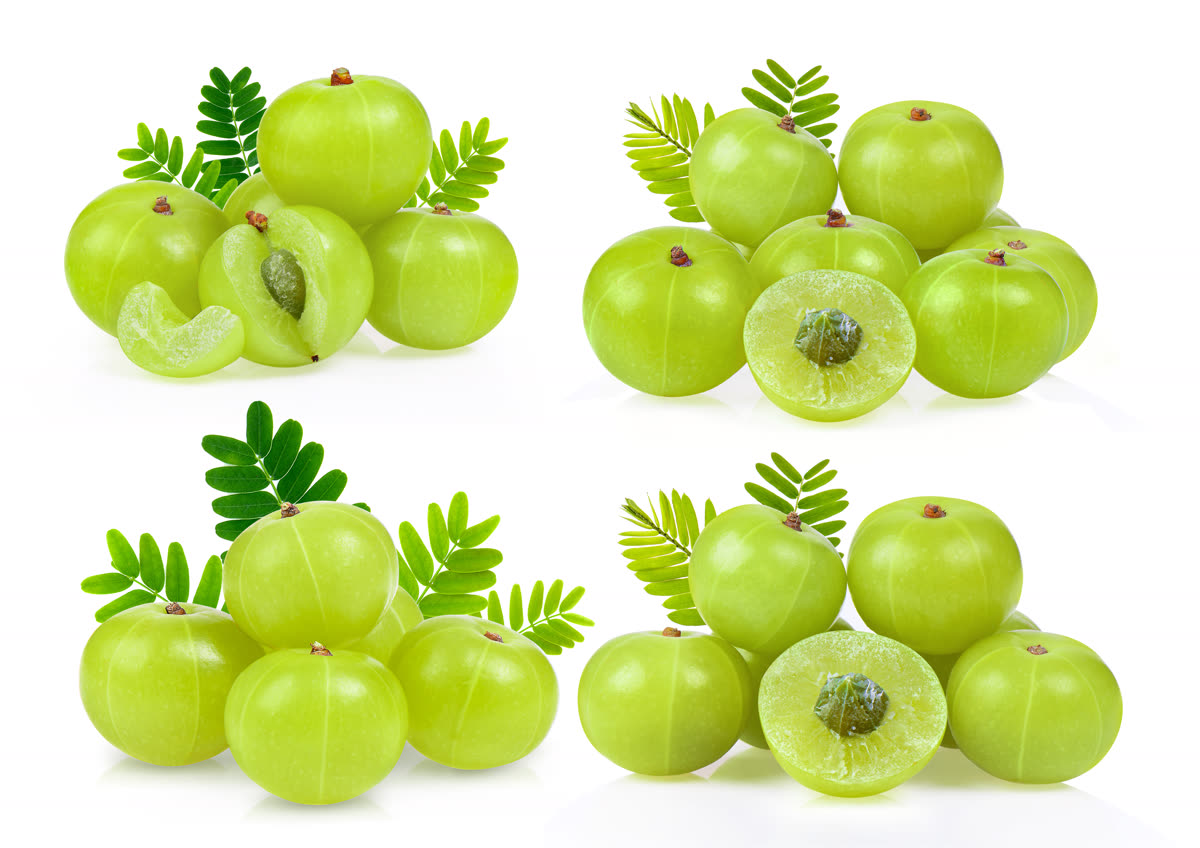
Also known as Phyllanthus emblica (syn. Emblica officinalis)
FR Amla (groseille indienne)ES Amla (grosella india)AR الأملجAmalaki (Sanskrit)
What the evidence says
Hair claims rest on tradition and in-vitro/animal data; skin-brightening uses of standardized extracts have mainly lab and manufacturer data.
- What it does
- Antioxidant protection. Ellagitannins, gallic acid and vitamin C give amla extracts high antioxidant capacity in lab tests.
- How to use it
- Powder hair mask · 10–30% of a mask (mixed with water, yogurt or aloe)
- Watch out for
- Generally well tolerated; allergy is rare.
Checked against the available literature and our safety review · Updated 26 November 2026 · How we grade
Why you’ll love Amla (Indian Gooseberry)
Why you’ll love it
- Leaves hair feeling conditioned, with a healthy shine
- Softens and cools the red of a henna color
- A treasured Ayurvedic ritual, naturally rich in antioxidants
Best forDry or dull hair, henna lovers, and fans of Ayurvedic hair rituals.
Try it today
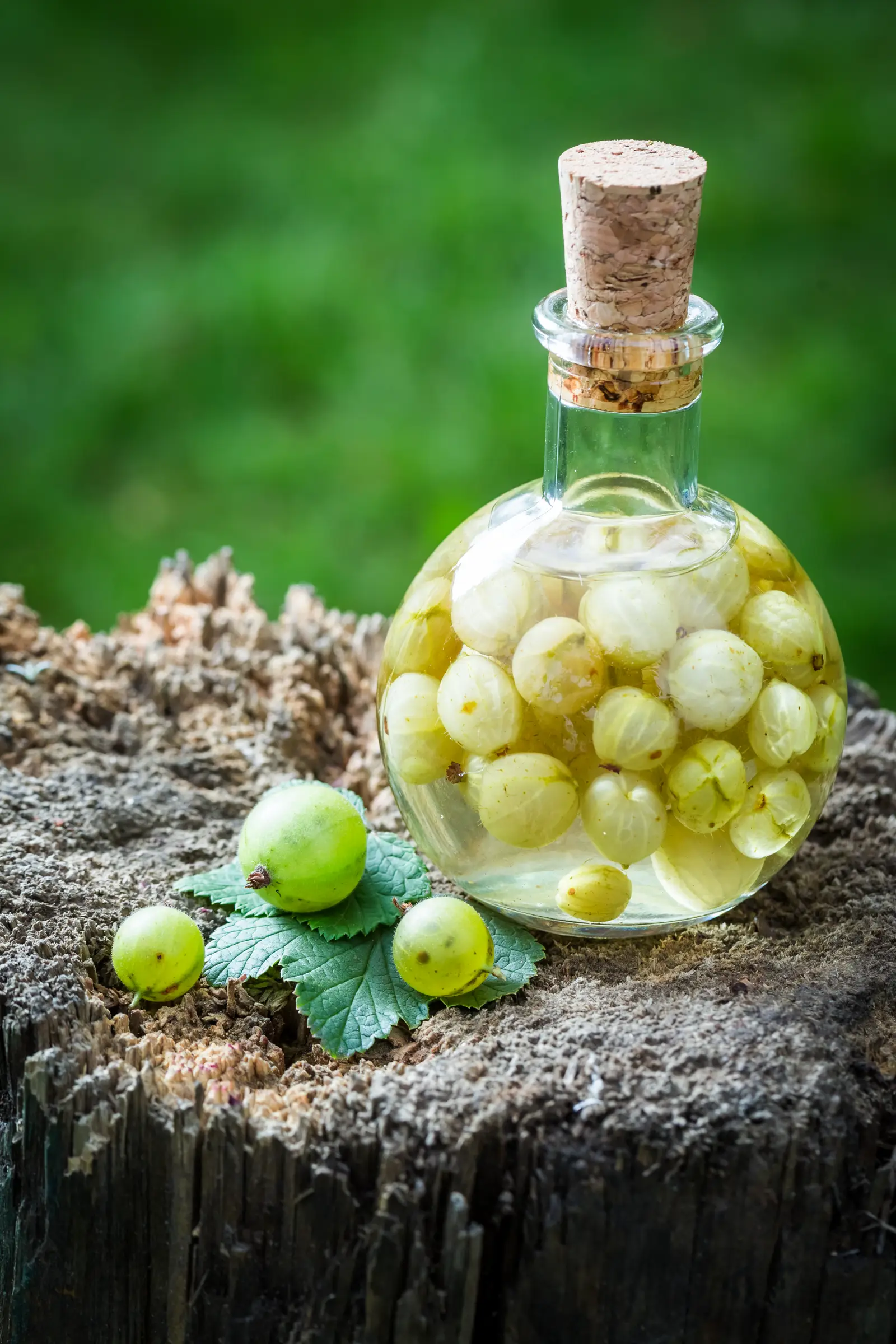
A pre-wash amla oil ritual
- Patch test first, then warm a little amla-infused coconut or sesame oil between your palms.
- Massage it into your scalp and lengths, and leave it 30 minutes or overnight.
- Shampoo it out, then follow with your usual conditioner.
Good to know: Tannin-rich amla masks may slightly tint light or gray hair and feel drying, so condition after. See a doctor for sudden hair loss.
At a glance
| Parts used | Fruit (fresh, dried powder, infused oil, extracts) |
|---|---|
| Key actives | Hydrolysable tannins (ellagitannins), Gallic acid, Ellagic acid, Ascorbic acid (vitamin C), Flavonoids |
| INCI names | Phyllanthus Emblica Fruit Extract Phyllanthus Emblica Fruit Powder |
| Hair & scalp | curly, thick, color treated |
| Pairs well with | HennaFenugreekHibiscusCoconut Oil |
| Evidence grade | DTraditional wisdom Hair claims rest on tradition and in-vitro/animal data; skin-brightening uses of standardized extracts have mainly lab and manufacturer data. |
What it does for skin and hair
Antioxidant protection
Ellagitannins, gallic acid and vitamin C give amla extracts high antioxidant capacity in lab tests.
Conditioning and shine
Tannins tighten the hair cuticle and amla masks leave many hair types feeling smoother and shinier.
Tones henna color
Adding amla to henna gives cooler, deeper reds and can make the paste smoother. See henna.
Skin-brightening extracts (early data)
Standardized emblica extracts are sold for uneven tone; evidence is mostly in-vitro and manufacturer-run. See Dark Spots & Hyperpigmentation.
How to use it
Start low, be consistent, and give it four to eight weeks. These are the amounts that work in real products and home recipes.
| Form | Typical use level | Notes |
|---|---|---|
| Powder hair mask | 10–30% of a mask (mixed with water, yogurt or aloe) | Leave on 20–40 minutes; combine with fenugreek for slip. See Fenugreek & Amla Hair Mask. Mix fresh. |
| With henna | About 10–25% of the henna powder weight | Tones and cools the red result; strand test, as it changes the final shade. |
| Amla-infused oil | Dried amla infused in coconut or sesame oil, used as a pre-wash treatment | Traditional Indian practice; apply 30 minutes to overnight, then shampoo out. |
| Standardized extract in serums | 0.5–2% (per supplier) | Brown to amber in color and prone to oxidation; formulate at an acidic pH with a preservative. |
Use it safely
Low topical risk
- Generally well tolerated; allergy is rare. Patch test, especially on sensitive skin.
- Tannin-rich masks can stain light, bleached or gray hair slightly and may feel drying; follow with conditioner.
- For sudden, heavy or patchy hair loss, see a doctor rather than relying on amla.
- Pregnancy & breastfeeding
- Topical use is considered low-risk; amla is also a common food. No specific safety studies for cosmetic use in pregnancy. Pregnancy guide
- Phototoxicity
- Not phototoxic at normal use levels.
- Declared fragrance allergens
- None expected
New to an ingredient? Patch test first. Stop and seek advice if you get burning, swelling, blistering or a spreading rash.
Make it at home: recipes with amla (indian gooseberry)
Buying well
Sustainability
Amla is widely cultivated and also wild-collected in Indian forests, where it is an important non-timber income for rural and tribal communities. Not threatened; look for organic and fair-trade sources.
How to choose quality
Choose finely sifted, greenish-tan powder that smells tart, not musty; check for heavy-metal testing in Ayurvedic powders. For formulating, use a cosmetic extract with stated INCI and standardization. Store sealed, cool and dry.
The research For professionals
The chemistry, the studies and the evidence by concern, for practitioners, formulators and the curious.
Amla fruit is rich in hydrolysable tannins (ellagitannins such as punigluconin and pedunculagin, and compounds historically described as emblicanins), together with gallic and ellagic acids, flavonoids and ascorbic acid. Fresh amla is one of the richer fruit sources of vitamin C, but drying and heat destroy much of it; in powders and extracts, the tannins provide most of the antioxidant activity.
For hair, in-vitro studies have reported effects of emblica extracts on dermal papilla cells and on 5α-reductase, and some rodent studies of herbal hair oils containing amla reported faster regrowth. These are early, often multi-herb, studies; no well-controlled human trial shows topical amla prevents hair loss or graying. For skin, standardized emblica extracts have shown tyrosinase-related and antioxidant activity in vitro and are used in brightening formulas, but independent clinical data are limited.
Practically, amla is acidic and astringent: it can leave hair feeling stronger and glossier, but heavy use may feel drying for some. See Hair Science for Natural Hair Care for what topical products can and cannot do for the follicle.
MythAmla reverses gray hair.
EvidenceThere is no evidence amla restores pigment in gray hair. Its tannins can deposit a faint tone, and blended with henna and indigo it helps color gray hair, but it does not “cure” graying.
In tradition
Amalaki is a rasayana (rejuvenating) fruit in Ayurveda and one of the three fruits of Triphala; amla oil is a household hair oil across South Asia. It was also known in classical Arabic medicine as amlaj.
Frequently asked questions
Does amla help hair growth?
Can I mix amla with henna?
Does amla darken hair?
Cite this page
Herbs.Beauty. Amla (Indian Gooseberry) (Phyllanthus emblica): evidence-based monograph. Updated 26 November 2026. https://herbs.beauty/ingredients/amla.html