Concern guide
Oily Skin & Pores
Why skin overproduces oil, what pore size really is, and how green tea, clay and smart formulas help — alongside niacinamide and retinoids.
Start here
Your routine, starting tonight
Simple, gentle and consistent beats complicated. Follow this for six to eight weeks before you judge it.
Morning
- Gentle gel or foaming cleanser (non-stripping).
- Lightweight toner or serum — niacinamide, or a Green Tea & Centella Soothing Toner.
- Oil-free gel moisturizer.
- Broad-spectrum SPF 30+ in a fluid, gel or matte texture.
Evening
- Double-cleanse if wearing makeup or sunscreen — an oil cleanser like Sunflower Cleansing Balm lifts sebum and makeup without stripping, followed by a gentle wash.
- Salicylic acid or a retinoid (not both on the same night when starting).
- Light moisturizer.
Weekly
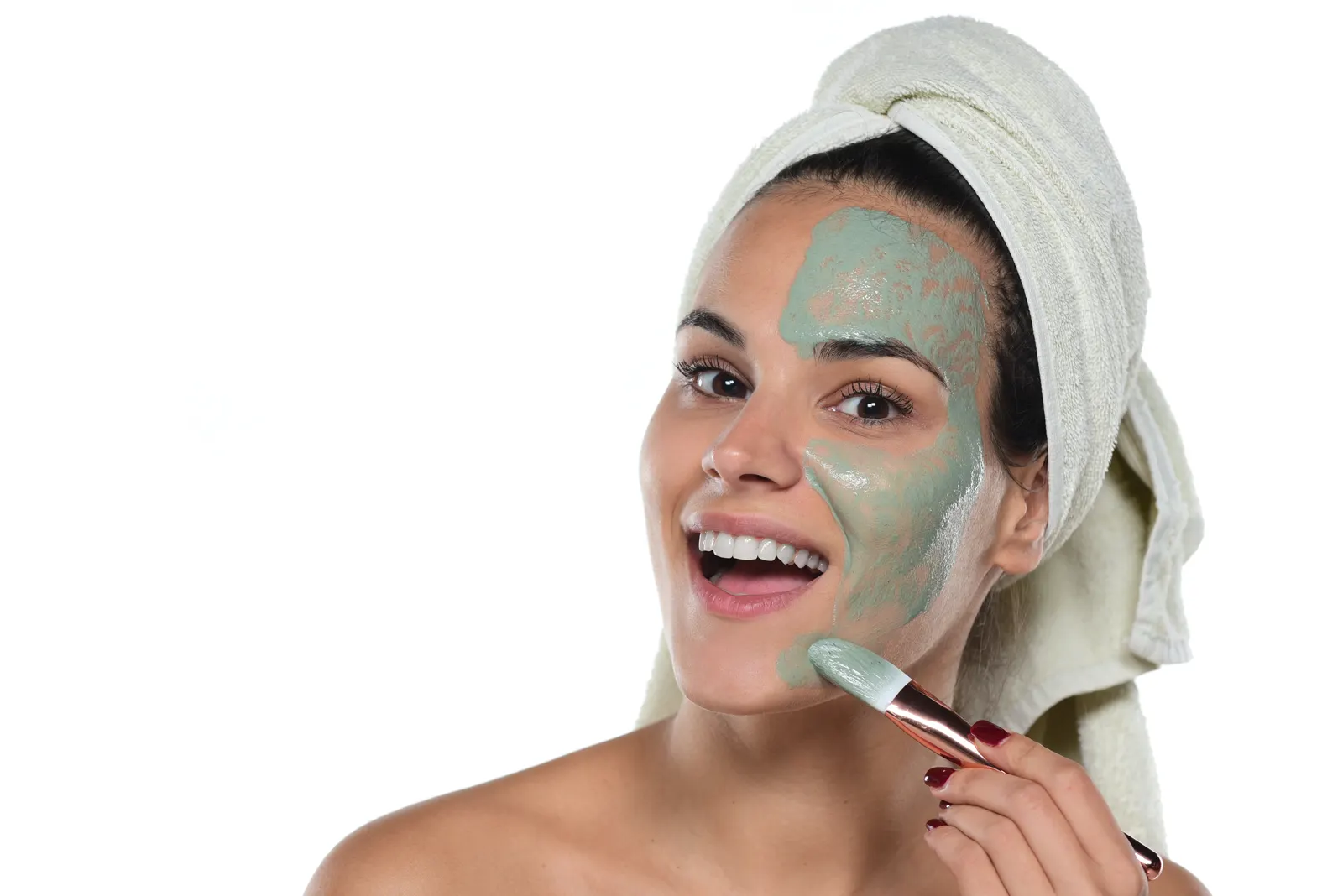
- A Moroccan Rhassoul & Orange Blossom Mask once or twice weekly on the T-zone.
- Clean makeup sponges and brushes, which collect sebum and bacteria.
What is going on
In plain language: sebaceous glands in the hair follicles produce sebum, an oily mix that waterproofs and protects skin. How much you make is largely set by genetics and hormones (androgens), and it peaks in the teens and twenties. Heat and humidity make it spread and shine more.
Expert detail: human sebum is mainly triglycerides and free fatty acids, wax esters and squalene. Androgens — especially dihydrotestosterone formed in the gland by 5-alpha-reductase — drive sebocyte proliferation and lipid synthesis. The density and activity of sebaceous glands are highest on the forehead, nose and chin (the T-zone). Oxidized squalene is comedogenic and pro-inflammatory, linking oiliness to Acne & Breakouts.
Pores: visible “pores” are follicle openings. They look bigger with high sebum output, debris in the opening, loss of the surrounding dermal support with age and sun damage, and enlarged follicles. You cannot open or close pores (they have no muscles), but you can make them appear smaller.
Related conditions: seborrheic dermatitis (greasy, flaky redness around the nose and brows), sebaceous hyperplasia (small yellowish bumps with a central dip, common with age), and androgen excess (as in polycystic ovary syndrome). Oily skin can also be dehydrated, particularly when over-treated.
The plants most worth trying
 No. 005
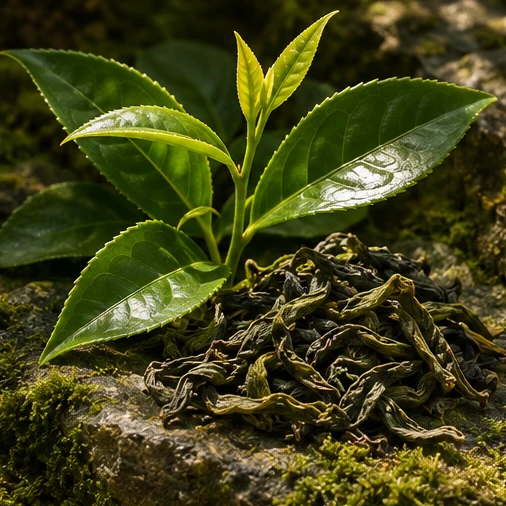
Green TeaCamellia sinensisSmall controlled trials of topical green tea extract emulsions reduced sebum production over several weeks.
 No. 020
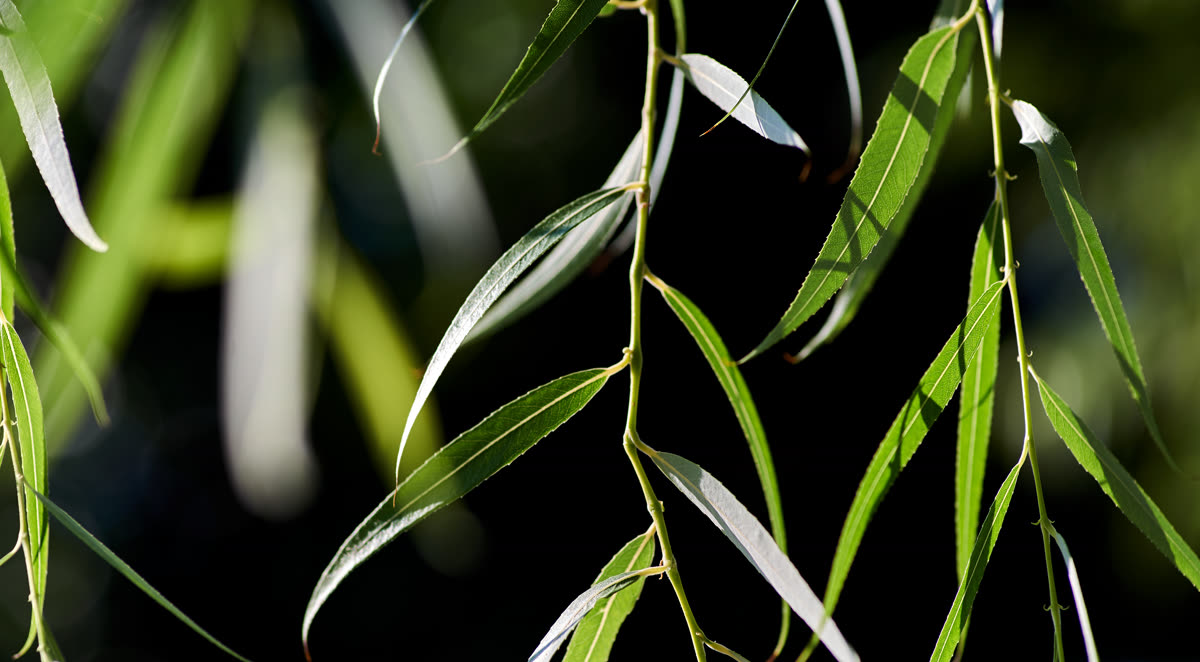
Willow BarkSalix albaNatural salicylates may provide light exfoliation and smoothing, but it is much weaker than salicylic acid and poorly studied.
 No. 008
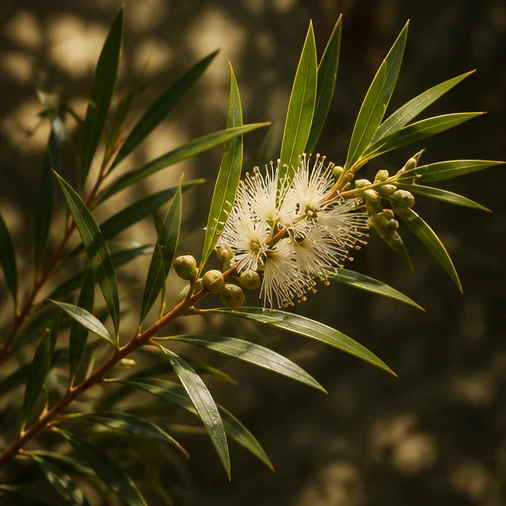
Tea TreeMelaleuca alternifoliaHelpful for acne lesions on oily skin, but there is little evidence it reduces sebum itself.
The full list, best proven first:
| Ingredient | Grade | What the evidence shows |
|---|---|---|
| Green Tea | B | Small controlled trials of topical green tea extract emulsions reduced sebum production over several weeks. |
| Willow Bark | C | Natural salicylates may provide light exfoliation and smoothing, but it is much weaker than salicylic acid and poorly studied. |
| Tea Tree | C | Helpful for acne lesions on oily skin, but there is little evidence it reduces sebum itself. |
| Witch Hazel | D | Tannins give a temporary tightening, matte feel; no good evidence it reduces sebum, and alcohol-containing distillates can irritate. |
| Rhassoul Clay | D | Absorbs surface oil for a temporary matte finish and pleasant texture; does not change sebum production. |
| Jojoba | D | Often claimed to “rebalance” oil production; there is no solid human evidence, though its light, non-greasy feel suits many oily skins. |
Proven partners beyond plants
The best-supported options for oily skin are non-botanical: niacinamide (2–5%, small trials show reduced sebum), topical retinoids including over-the-counter adapalene, and salicylic acid 0.5–2% for clogged pores. Oil-free moisturizers and gel or fluid sunscreens keep skin comfortable without heaviness; blotting papers manage midday shine. For severe oiliness, a dermatologist may discuss oral isotretinoin (the most powerful sebum suppressor, prescription only) or, for women, hormonal options such as spironolactone or a combined pill.
Botanicals like green tea and an occasional rhassoul clay mask are pleasant, low-risk complements. None will permanently shrink pores.
What tends to make it worse
- Over-washing and harsh, high-pH soaps — stripped skin often feels oilier and becomes irritated.
- Alcohol-heavy toners and frequent “mattifying” astringents.
- Pore strips and squeezing, which damage follicle walls.
- Heavy butters and occlusive oils on the face (e.g. coconut oil, cocoa butter).
- Skipping moisturizer — dehydration makes oily skin look worse.
When to see a doctor
- Sudden increase in oiliness with acne, excess facial or body hair, irregular periods or scalp hair thinning (possible androgen excess or polycystic ovary syndrome).
- Greasy, flaky, red patches around the nose, brows or scalp that persist (possible seborrheic dermatitis).
- A shiny, pearly or translucent bump that grows or bleeds, which can mimic sebaceous hyperplasia but may be a basal cell carcinoma.
- Oily skin with significant acne or scarring, or if you want to discuss prescription options.
Find a dermatologist or report a reaction to a cosmetic, wherever you live.
Myths and evidence
MythOily skin does not need moisturizer.
EvidenceOil (sebum) and water are different. A light humectant moisturizer prevents dehydration and irritation from acne treatments.
MythPores open with steam and close with cold water.
EvidencePores do not have muscles. Heat softens sebum and cold briefly constricts vessels, but neither opens nor closes pores.
MythFace oils will make oily skin worse.
EvidenceHeavy oils can, but light oils used as a cleanser or in small amounts are often well tolerated. Comedogenicity depends on the whole formula, not just one oil.
Recipes to try at home
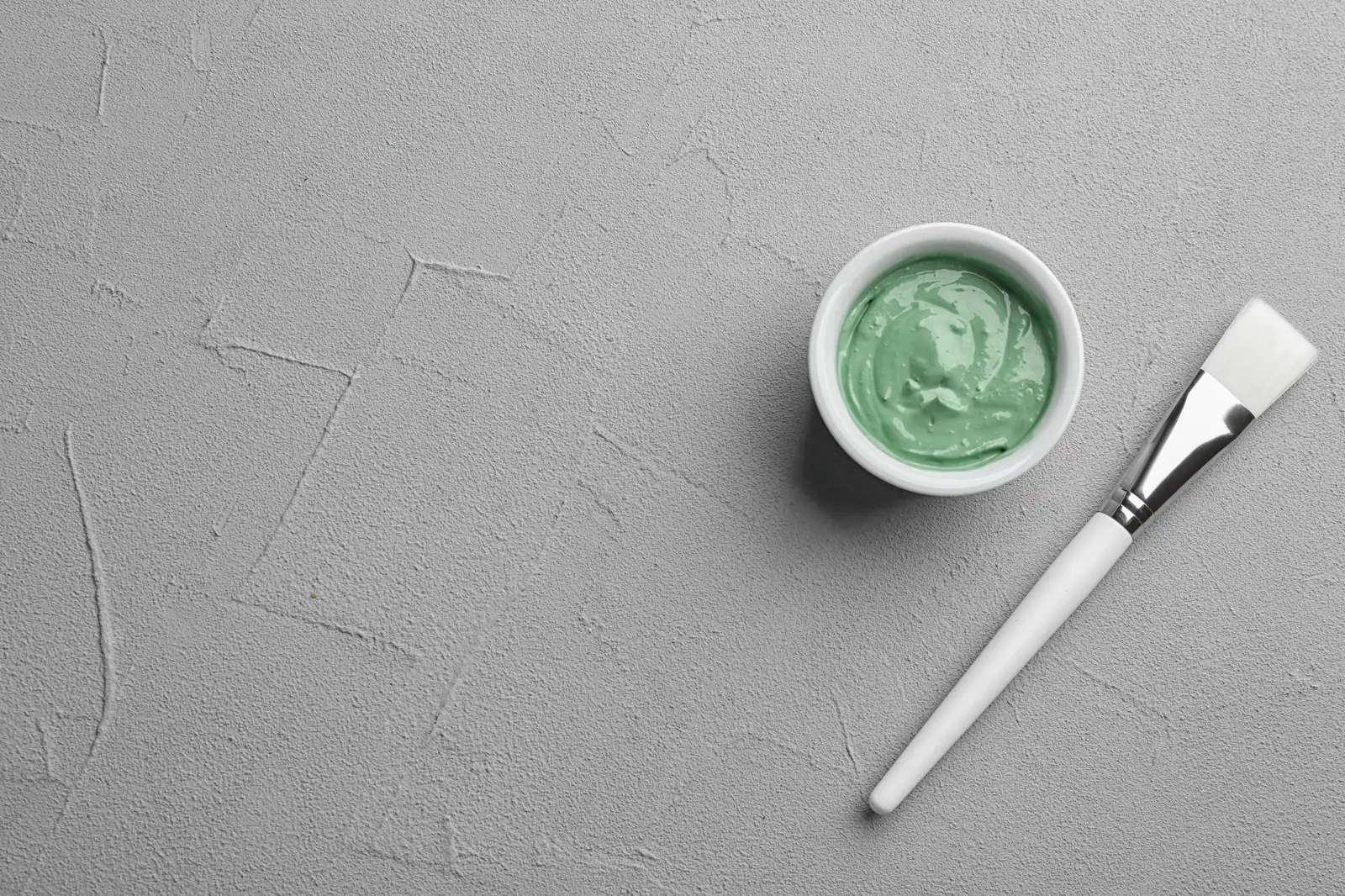 Mask · BeginnerMoroccan Rhassoul & Orange Blossom MaskRhassoul clay whipped with orange blossom water, argan oil and honey: the Moroccan way to cleanse and soften without squeaky tightness.
 Toner · IntermediateGreen Tea & Centella Soothing TonerA preserved, alcohol-free toner with green tea, centella, witch hazel and panthenol to hydrate and calm, formulated to pH 5.0–5.5.
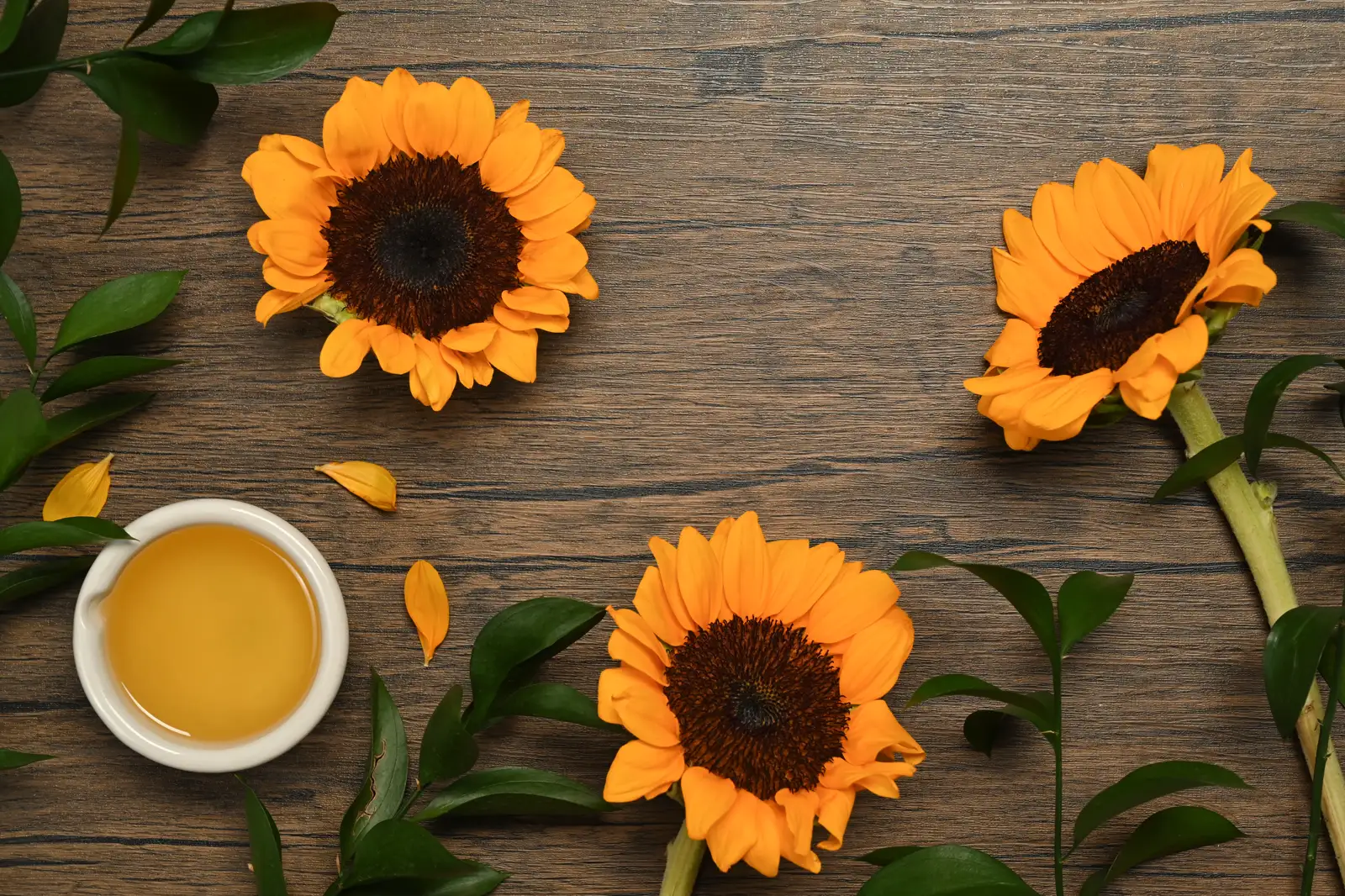 Cleanser · IntermediateSunflower Cleansing BalmA sherbet-textured cleansing balm of sunflower, shea and jojoba with a plant-derived emulsifier that turns milky and rinses clean, sunscreen included.
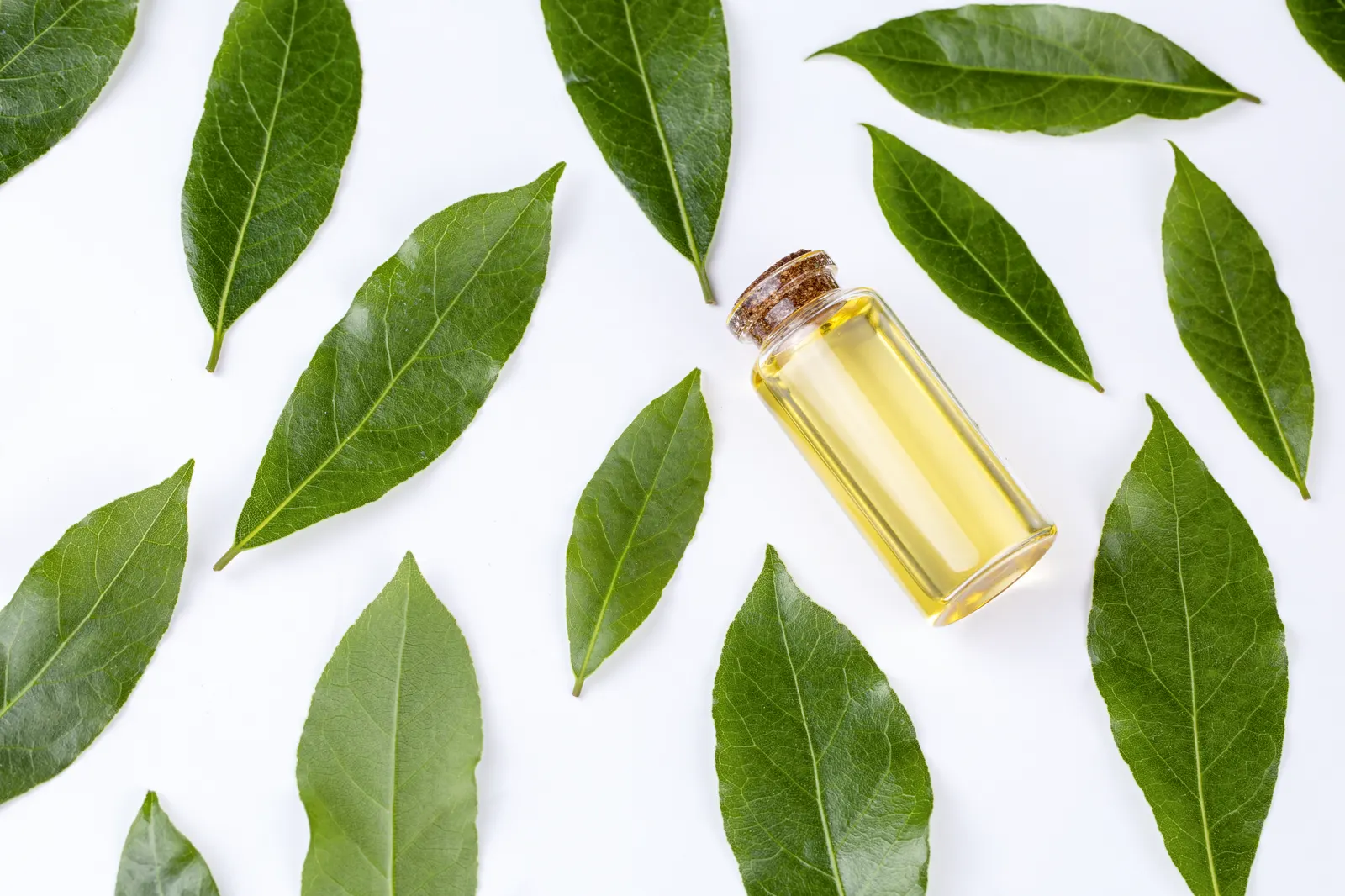 Serum · IntermediateTea Tree Blemish Spot GelA 5% tea tree oil spot gel — the strength used in the classic acne trial — solubilized and preserved for dabbing on individual blemishes.