The ingredient encyclopedia · flower
Orange Blossom (Neroli)
Citrus × aurantium (Bitter or Seville orange; syn. Citrus aurantium var. amara) · Rutaceae
A mist of orange flower water brings the scent of a Seville courtyard in spring to your skin, softly, in one breath.
FR Fleur d’oranger (néroli)ES Azahar (neroli)AR زهر النارنجMa’ zhar, orange flower water (Darija); Nāranj (bitter orange, Arabic)
- How well proven
- DTraditional wisdom
- Safety
- Low topical risk
- Sun-sensitive
- No
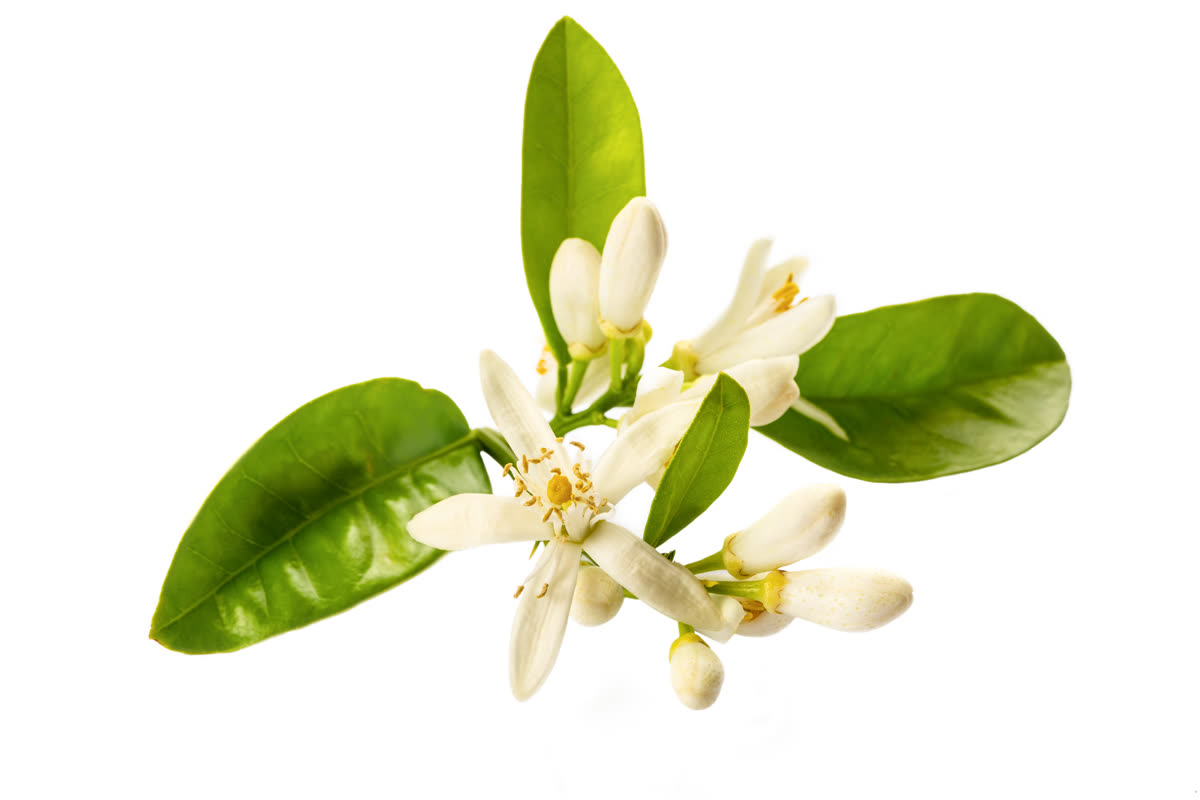
Also known as Citrus × aurantium (Bitter or Seville orange; syn. Citrus aurantium var. amara)
FR Fleur d’oranger (néroli)ES Azahar (neroli)AR زهر النارنجMa’ zhar, orange flower water (Darija); Nāranj (bitter orange, Arabic)
What the evidence says
Small RCTs support relaxing effects of inhaled neroli, but skin benefits rest on tradition and lab data.
- What it does
- Gentle, fragrant toner. Orange flower water refreshes the skin with a light floral scent; it is mostly water with small amounts of aromatic compounds, so it is mild for most people.
- How to use it
- Orange flower water as toner or facial mist · Used neat (if preserved) or 10–50% of a formula’s water phase
- Watch out for
- Contains fragrance allergens (linalool, limonene, geraniol, farnesol).
Checked against 1 cited study and our safety review · Updated 26 November 2026 · How we grade
Why you’ll love Orange Blossom (Neroli)
Why you’ll love it
- A light floral mist that refreshes skin without any heaviness
- Mild enough for most skin types as an everyday toner
- A calming scent that turns skincare into a small ritual
Best forMost skin types wanting a gentle, fragrant toner, and anyone who loves a calm ritual.
Try it today
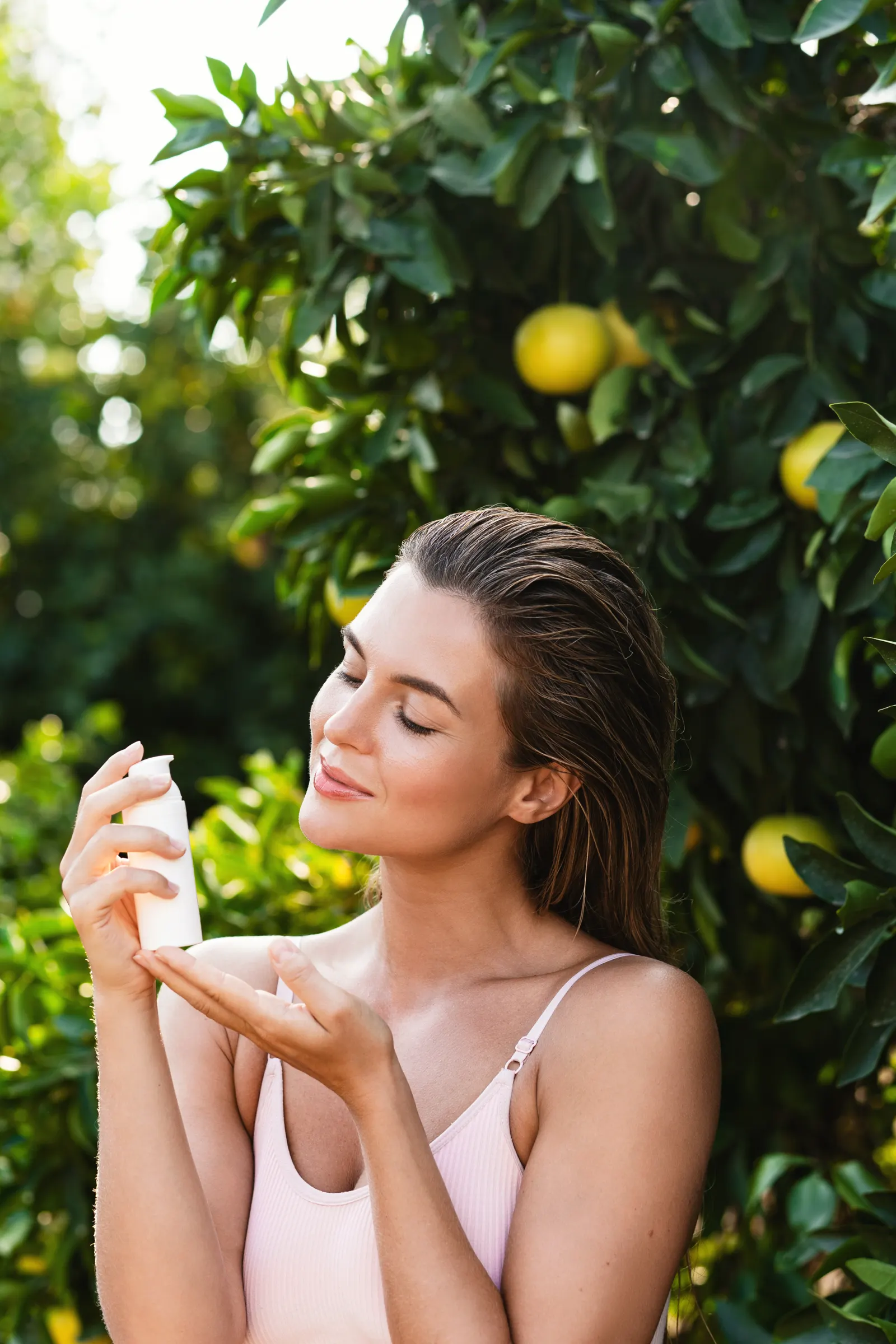
A two-minute floral reset
- Choose a cosmetic-grade, preserved orange flower water rather than the culinary bottle.
- After cleansing, mist or pat it onto your face with clean palms and breathe in slowly.
- Follow with your usual moisturizer while skin is still damp, and keep the bottle in the fridge.
Good to know: It contains natural fragrance allergens, so patch test if perfume bothers you. Discard flower water that turns cloudy, slimy or smells off.
At a glance
| Parts used | Flowers: essential oil (neroli), hydrosol (orange flower water), absolute |
|---|---|
| Key actives | Linalool, Limonene, β-Pinene, Linalyl acetate, (E)-Nerolidol, α-Terpineol, Methyl anthranilate |
| INCI names | Citrus Aurantium Amara Flower Oil Citrus Aurantium Amara Flower Water Citrus Aurantium Amara Flower Extract |
| Skin types | normal, dry, sensitive, mature |
| Pairs well with | Damask RoseArgan OilRhassoul ClayPrickly Pear Seed Oil |
| Evidence grade | DTraditional wisdom Small RCTs support relaxing effects of inhaled neroli, but skin benefits rest on tradition and lab data. |
What it does for skin and hair
Gentle, fragrant toner
Orange flower water refreshes the skin with a light floral scent; it is mostly water with small amounts of aromatic compounds, so it is mild for most people.
A calming ritual
Small randomized trials found inhaled neroli eased stress-related measures; on skin, that translates to a pleasant sensory experience rather than a treatment.
Not phototoxic
Neroli is steam-distilled from flowers and does not carry the furanocoumarins found in cold-pressed citrus peel oils, so it does not cause sun-triggered burns.
Antimicrobial and antioxidant (lab data)
Neroli oil shows antimicrobial and antioxidant activity in vitro; the cosmetic relevance is unproven.
How to use it
Start low, be consistent, and give it four to eight weeks. These are the amounts that work in real products and home recipes.
| Form | Typical use level | Notes |
|---|---|---|
| Orange flower water as toner or facial mist | Used neat (if preserved) or 10–50% of a formula’s water phase | Choose cosmetic-grade, preserved hydrosol; culinary orange flower water is for food and may be diluted or flavored. Refrigerate after opening. |
| Neroli in facial oils and creams | 0.1–1% on the face (its cost usually keeps it at 0.1–0.5%) | Add to argan oil or prickly pear seed oil for a classic Moroccan face oil. See Essential Oil Dilution Calculator. |
| Hammam and body rituals | Hydrosol mixed into clay; neroli at 1–2% in body oils | Mix with rhassoul clay for the traditional mask; see Moroccan Hammam Ritual at Home. |
Use it safely
Low topical risk
- Contains fragrance allergens (linalool, limonene, geraniol, farnesol). People with fragrance allergy should patch test or avoid; see How to Patch Test (and Read the Result).
- Keep neroli tightly closed, cool and dark: oxidized linalool and limonene are much more sensitizing.
- Do not confuse neroli with expressed bitter orange or bergamot peel oils, which are phototoxic. Check the label for “flower oil” and the extraction method.
- Hydrosols can grow bacteria and mold; discard if cloudy, slimy or off-smelling.
- Pregnancy & breastfeeding
- Neroli at low dilution (≤1%) and orange flower water are generally considered acceptable; as with all essential oils, avoid high concentrations. Pregnancy guide
- Phototoxicity
- Not phototoxic at normal use levels.
- Declared fragrance allergens
- Linalool, Limonene, Geraniol, Farnesol
New to an ingredient? Patch test first. Stop and seek advice if you get burning, swelling, blistering or a spreading rash.
Make it at home: recipes with orange blossom (neroli)
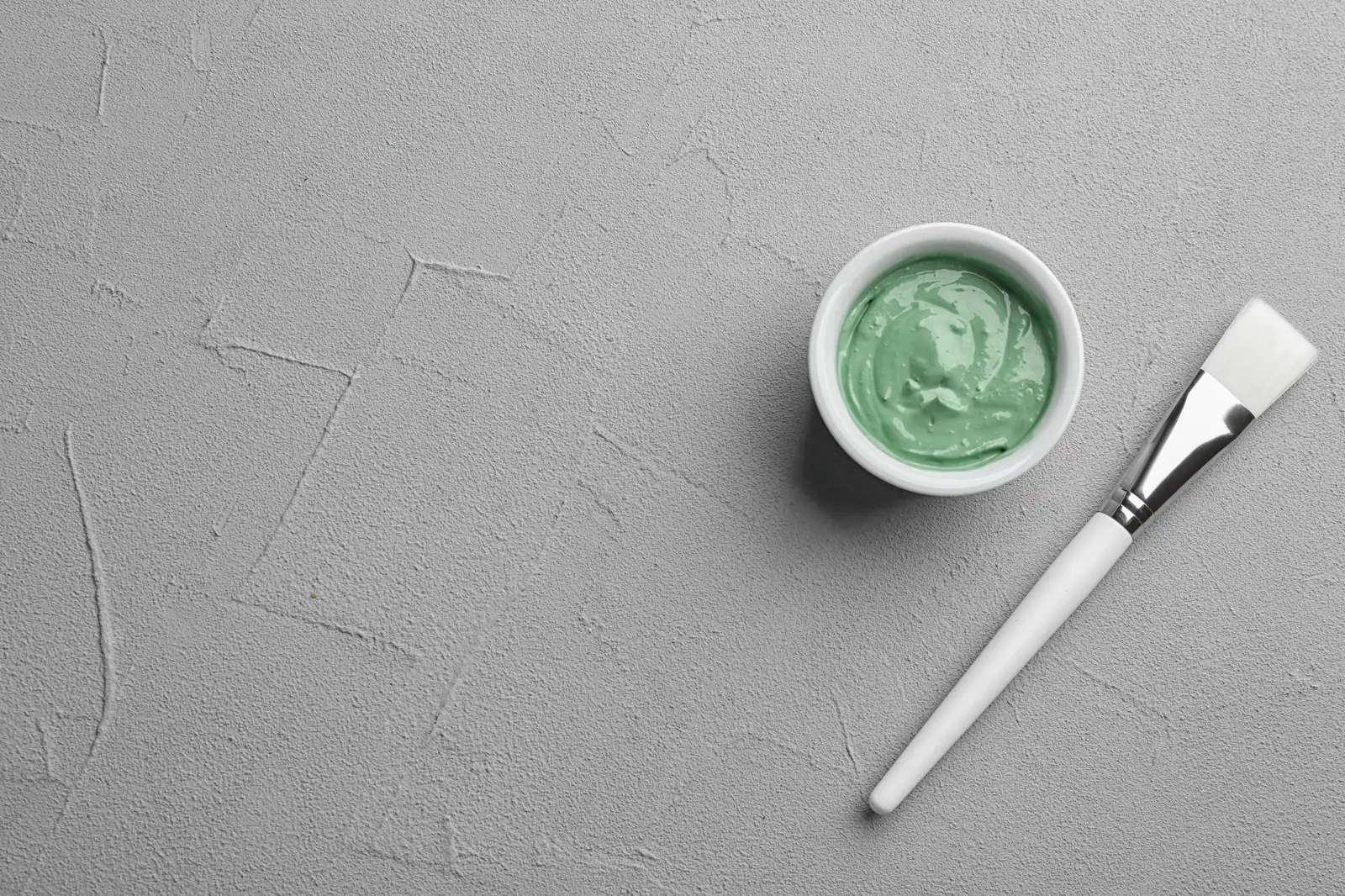 Mask · BeginnerMoroccan Rhassoul & Orange Blossom MaskRhassoul clay whipped with orange blossom water, argan oil and honey: the Moroccan way to cleanse and soften without squeaky tightness.
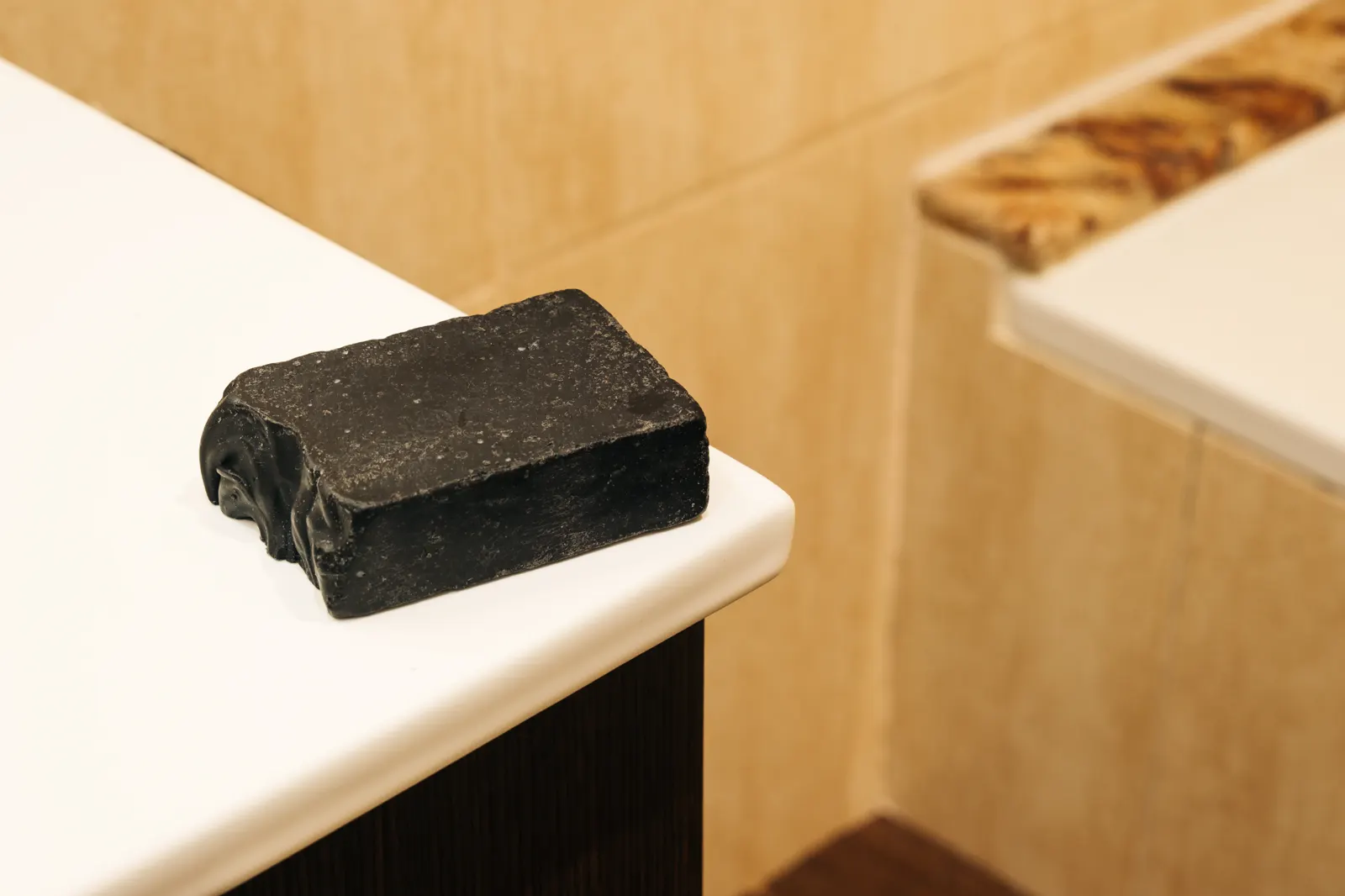 Ritual · BeginnerMoroccan Hammam Ritual at HomeBeldi black soap, the kessa glove, rhassoul clay, orange blossom water and argan oil: the traditional Moroccan hammam sequence, adapted safely for home.
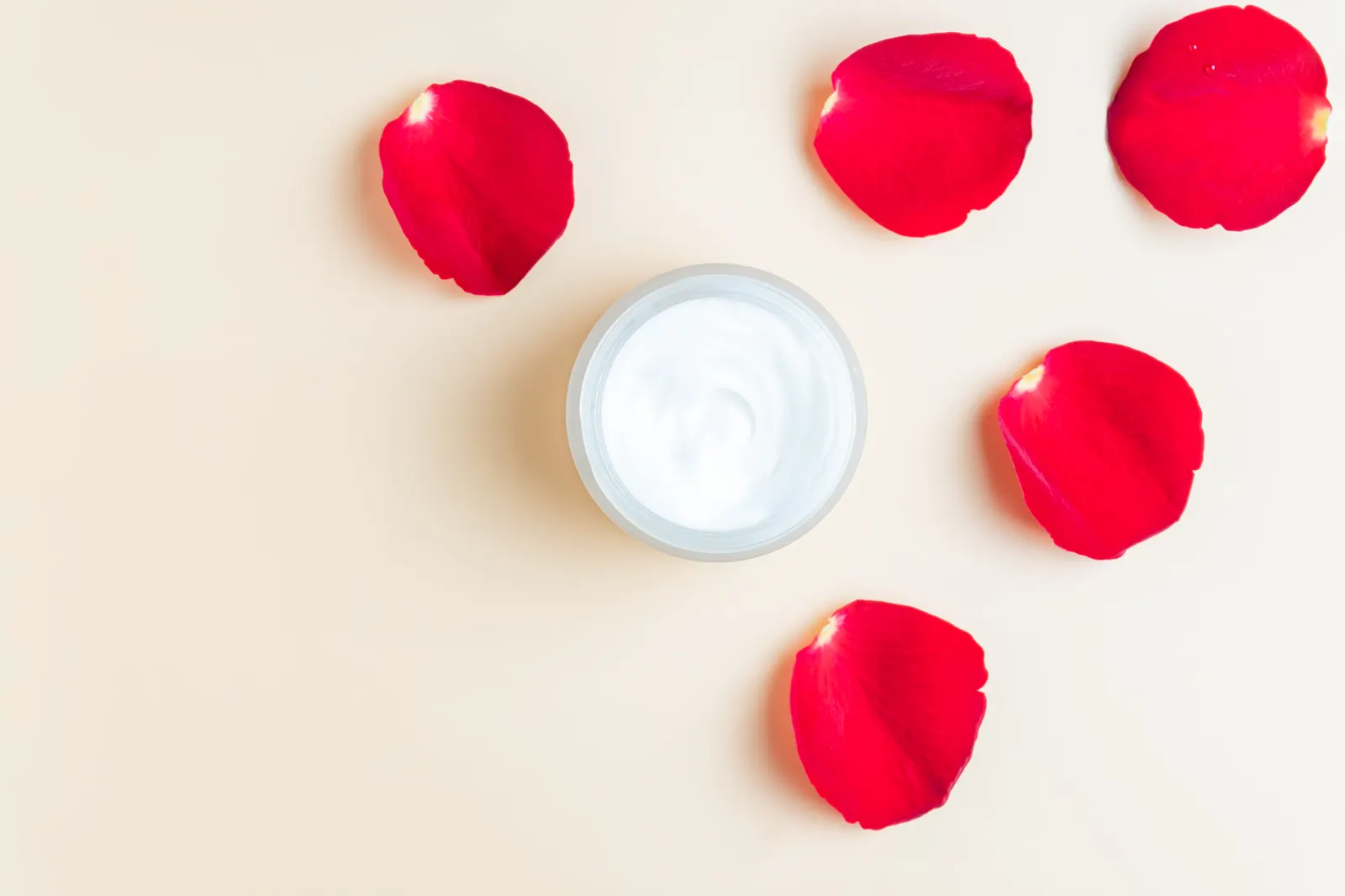 Balm · BeginnerRose & Orange Blossom Hand BalmA silky hand balm of shea, almond and rose-infused oil, lightly scented with neroli and rose geranium — a Moroccan garden in a tin.
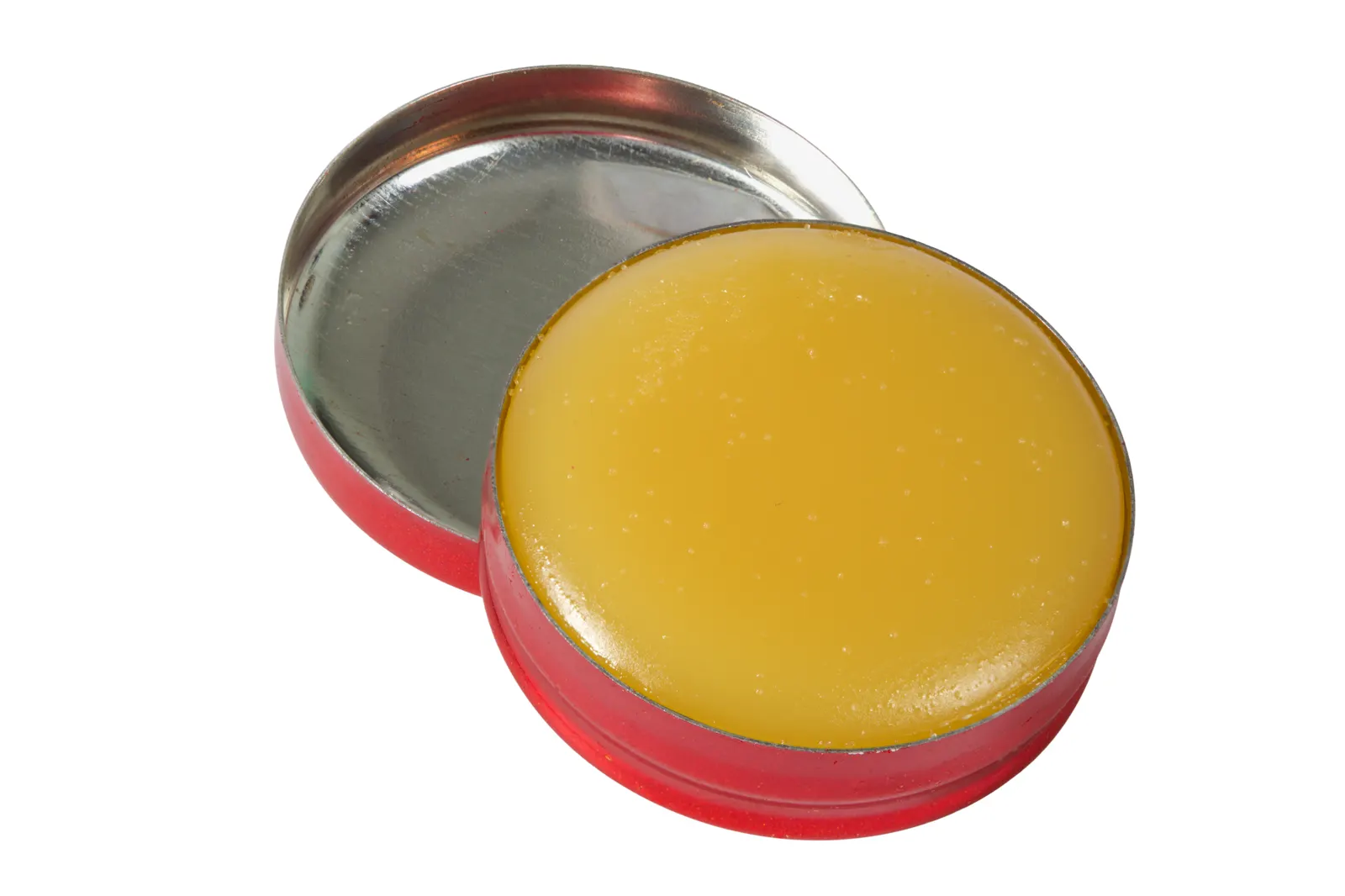 Balm · BeginnerJojoba & Beeswax Solid PerfumeA pocket-sized solid perfume of jojoba and beeswax with a soft, low-dose blend of lavender, Atlas cedar, sandalwood and neroli.
Buying well
Sustainability
Bitter orange is cultivated around the Mediterranean, notably in Tunisia, Morocco, Egypt, Spain and southern France. Roughly a tonne of blossoms yields only about a kilogram of oil, so neroli is expensive and frequently adulterated with petitgrain or synthetic linalool.
How to choose quality
For neroli, look for Citrus aurantium var. amara flower oil with origin and a GC-MS report; very cheap “neroli” is usually diluted or a blend. For orange flower water, choose a preserved cosmetic hydrosol labeled Citrus Aurantium Amara Flower Water, not a food flavoring.
The research For professionals
The chemistry, the studies and the evidence by concern, for practitioners, formulators and the curious.
Neroli oil is steam-distilled from the fresh flowers of bitter orange. Linalool is usually the main component, with limonene, β-pinene, linalyl acetate, (E)-nerolidol, α-terpineol, geraniol and geranyl acetate, plus a trace of methyl anthranilate that gives orange blossom its distinctive note. The hydrosol (orange flower water) is the condensed water from distillation and carries only a small fraction of these aromatic compounds, which is why it is so mild. Orange flower absolute, made by solvent extraction, is a separate, richer perfumery material.
Phototoxicity, accurately. Phototoxic citrus oils are those that contain furanocoumarins such as bergapten, which are non-volatile and found in the peel. Cold-pressed (expressed) bergamot and bitter orange peel oils are phototoxic and restricted by IFRA in leave-on products. Neroli comes from flowers and is distilled, so it is not phototoxic, and neither is petitgrain (from leaves). The real risk with neroli is fragrance allergy, especially once linalool and limonene oxidize.
Human data are about inhalation, not skin: for example, Choi and colleagues (2014) found that inhaling diluted neroli improved menopausal quality-of-life scores and lowered systolic blood pressure in a small randomized trial. Cosmetic claims such as scar-fading or anti-aging are not supported by clinical studies.
Key studies
Randomized trial in 63 postmenopausal women: inhaling diluted neroli oil improved menopausal quality-of-life measures and lowered systolic blood pressure versus control. Inhalation, not skin use.
Choi SY, et al. Evid Based Complement Alternat Med. 2014 Read it in the bibliography Find on PubMed
MythAll citrus oils make your skin burn in the sun.
EvidenceOnly those with furanocoumarins, mainly cold-pressed peel oils such as bergamot and bitter orange peel. Neroli (from flowers) and petitgrain (from leaves) are not phototoxic.
In tradition
In Morocco, households distill ma’ zhar each spring; it is sprinkled on guests from silver flasks, perfumes pastries, and is used in hammam and bridal beauty. In Andalusia, the scent of azahar (from Arabic al-zahr) fills Seville’s streets each spring. See Moroccan Beauty Rituals: Hammam, Rhassoul & Argan.
Frequently asked questions
Is neroli oil phototoxic?
Can I use orange flower water on my face?
What is the difference between neroli and orange blossom absolute?
Is orange blossom water good for sensitive skin?
Cite this page
Herbs.Beauty. Orange Blossom (Neroli) (Citrus × aurantium): evidence-based monograph. Updated 26 November 2026. https://herbs.beauty/ingredients/orange-blossom.html