The ingredient encyclopedia · oil
Hemp Seed Oil
Cannabis sativa L. · Cannabaceae
Light, green and grassy-fresh: hemp seed oil feels weightless on oily and dry skin alike.
FR Huile de chanvreES Aceite de cáñamoAR زيت بذور القنبIndustrial hemp; huo ma ren (hemp seed, Chinese medicine)
- How well proven
- CPromising
- Safety
- Low topical risk
- Sun-sensitive
- No
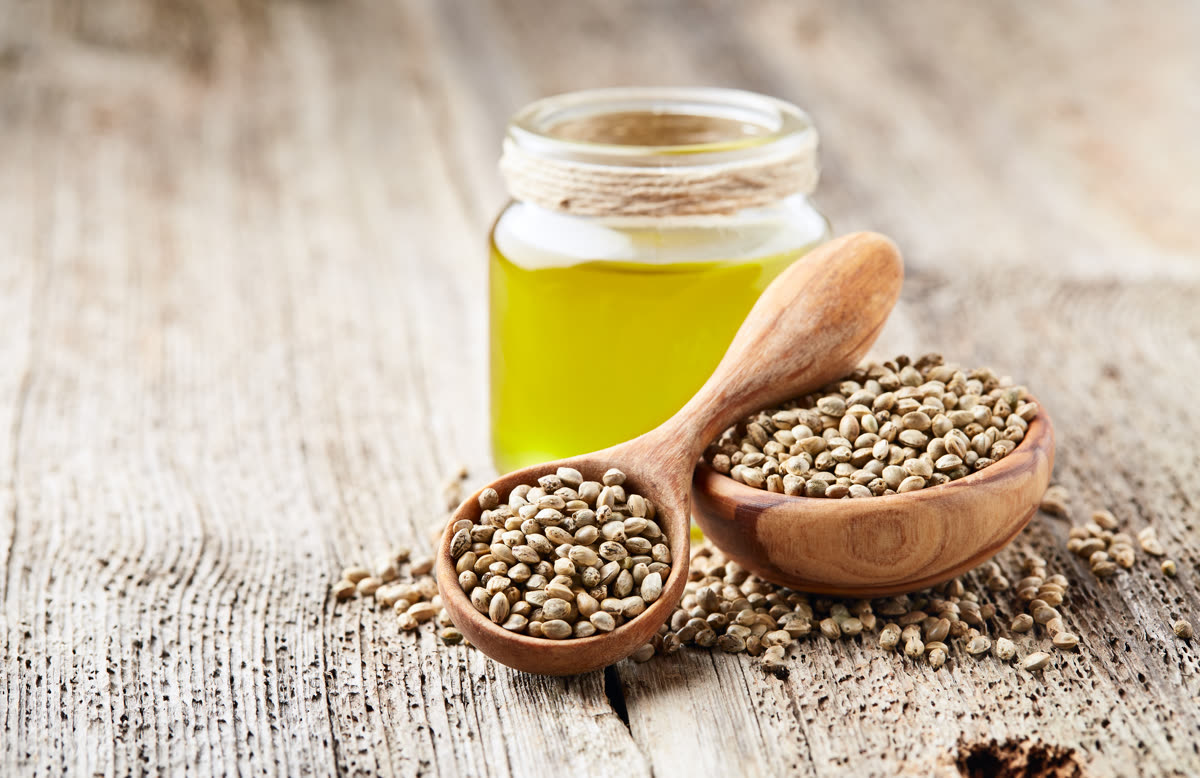
FR Huile de chanvreES Aceite de cáñamoAR زيت بذور القنبIndustrial hemp; huo ma ren (hemp seed, Chinese medicine)
What the evidence says
A small randomized trial of oral hemp seed oil in atopic dermatitis plus a plausible barrier mechanism; topical trials are lacking.
- What it does
- Light, fast-absorbing emollient. A thin, quickly absorbed oil that suits oily and combination skin as well as dry skin.
- How to use it
- Face oil · 10–50% of a blend, with tocopherol 0.2–0.5%
- Watch out for
- Topical hemp seed oil is well tolerated; patch test if your skin is reactive.
Checked against 1 cited study and our safety review · Updated 26 November 2026 · How we grade
Why you’ll love Hemp Seed Oil
Why you’ll love it
- Absorbs fast, with no heavy or greasy feel
- Barrier-friendly fatty acids for dry and eczema-prone skin
- Suits oily and combination skin that avoids richer oils
Best forOily, combination or dry skin that wants a light, fast-absorbing oil.
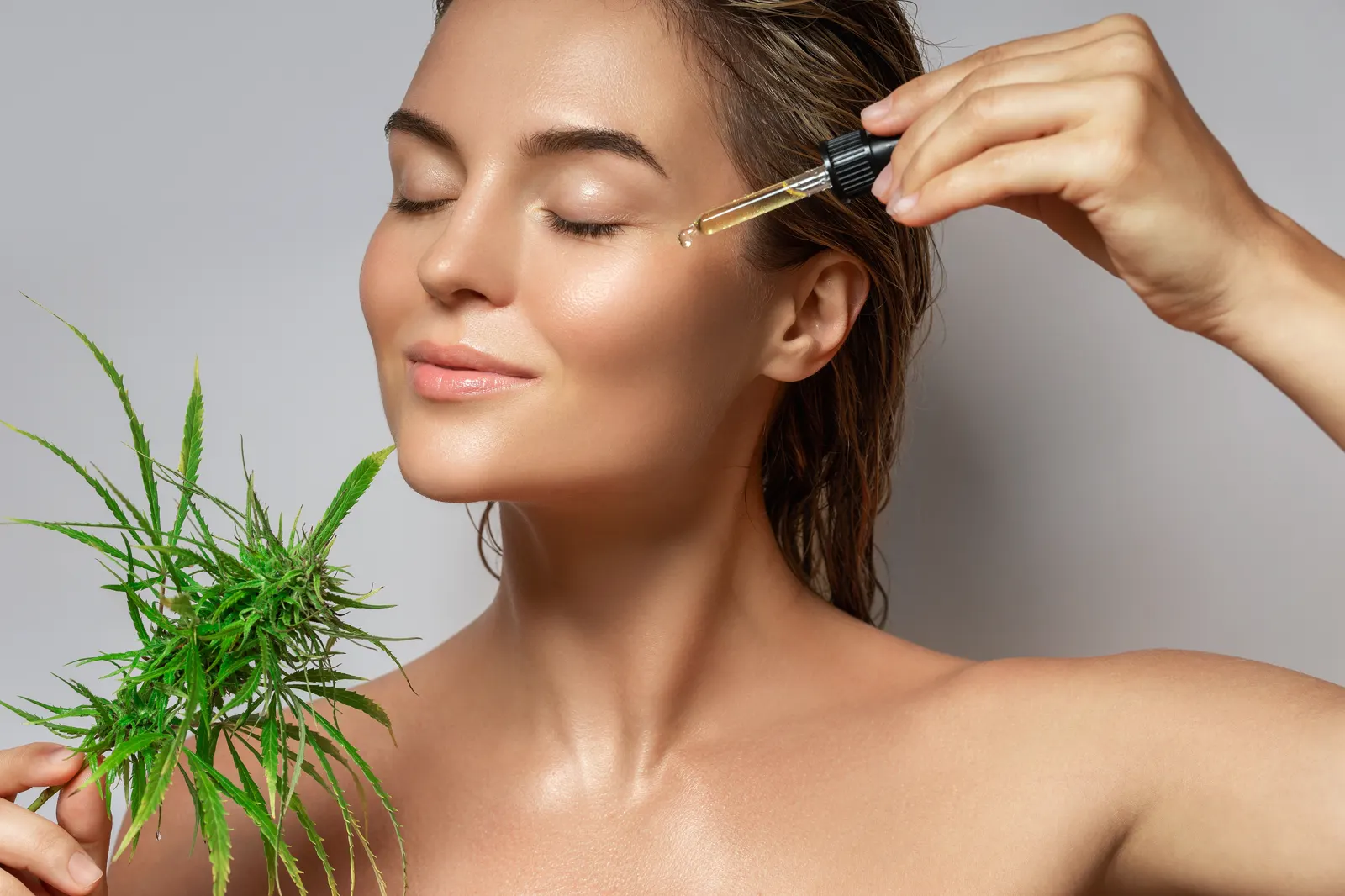
Try it today
A featherweight face oil
- Mix hemp seed oil with a stable oil such as jojoba in a small, clean dark bottle.
- Patch test, then press a few drops onto clean skin morning or night.
- Store the bottle in the fridge and use it up within a few months.
Good to know: Hemp seed oil contains no meaningful CBD or THC. If a product truly contains CBD, Cannabidiol is listed separately on the label.
At a glance
| Parts used | Oil cold-pressed from hemp seeds; unrefined (green, nutty) or refined |
|---|---|
| Key actives | Linoleic acid (omega-6), α-Linolenic acid (omega-3), γ-Linolenic acid (GLA), Stearidonic acid, Oleic acid, Tocopherols (mainly γ-tocopherol), Chlorophyll and carotenoids (unrefined) |
| INCI names | Cannabis Sativa Seed Oil |
| Skin types | oily, combination, dry, sensitive |
| Pairs well with | Evening Primrose OilJojobaSqualaneSunflower Oil |
| Evidence grade | CPromising A small randomized trial of oral hemp seed oil in atopic dermatitis plus a plausible barrier mechanism; topical trials are lacking. |
What it does for skin and hair
Light, fast-absorbing emollient
A thin, quickly absorbed oil that suits oily and combination skin as well as dry skin.
Barrier-friendly fatty acids
Rich in linoleic acid, the fatty acid skin uses to build barrier ceramides — helpful in dry and eczema-prone routines.
May suit acne-prone skin
Linoleic-rich oils are a reasonable choice for acne-prone skin, though there is no direct evidence that hemp seed oil treats acne.
How to use it
Start low, be consistent, and give it four to eight weeks. These are the amounts that work in real products and home recipes.
| Form | Typical use level | Notes |
|---|---|---|
| Face oil | 10–50% of a blend, with tocopherol 0.2–0.5% | Combine with stable oils such as jojoba or squalane. Refrigerate and use within a few months. |
| Creams and lotions | 2–10% of the formula (oil phase) | Add an antioxidant and minimize heat exposure. Balance the oil phase with the Formula & Cost Calculator. |
| Cleansing balm or oil | 10–30% of the formula | Adds a light feel; see Sunflower Cleansing Balm for a template. |
Use it safely
Low topical risk
- Topical hemp seed oil is well tolerated; patch test if your skin is reactive.
- Hemp seed oil contains no meaningful CBD or THC and does not cause intoxication. Topical use is not expected to affect drug tests; athletes and people subject to testing should use products from suppliers that test for THC if eating hemp foods.
- Hemp seed allergy is rare but documented; stop use if you react.
- Rancid oil is more irritating — discard oil that smells sharp or paint-like.
- Pregnancy & breastfeeding
- Topical hemp seed oil raises no specific concerns. Avoid products containing CBD or THC during pregnancy and breastfeeding unless advised by your doctor. Pregnancy guide
- Phototoxicity
- Not phototoxic at normal use levels.
- Declared fragrance allergens
- None expected
New to an ingredient? Patch test first. Stop and seek advice if you get burning, swelling, blistering or a spreading rash.
Buying well
Sustainability
Hemp is a fast-growing crop that generally needs few pesticides and can fit well into crop rotations, though “eco” claims are sometimes overstated. Seed oil is a co-product of seed and fiber production. In Morocco, a 2021 law created a licensed framework for cannabis cultivation for medical, cosmetic and industrial uses. Buy from traceable suppliers with THC testing and, ideally, organic certification. See Sustainable & Ethical Botanical Sourcing.
How to choose quality
Read the INCI: Cannabis Sativa Seed Oil is hemp seed oil; CBD appears separately as Cannabidiol. Be wary of products with cannabis-leaf imagery and words like “hemp extract” that imply CBD effects without listing it. Unrefined oil is green with a grassy, nutty smell; refined oil is pale and neutral. Buy small quantities, store in the fridge in dark glass, and use within about six months.
The research For professionals
The chemistry, the studies and the evidence by concern, for practitioners, formulators and the curious.
Hemp seed oil is a highly polyunsaturated oil: roughly 50–60% linoleic acid, 15–25% α-linolenic acid, 10–15% oleic acid and 5–7% palmitic acid, plus small amounts of GLA (about 1–4%) and stearidonic acid (about 0.5–2%). Unrefined oil is green from chlorophyll and smells grassy and nutty; it also contains tocopherols, mainly γ-tocopherol. With so much polyunsaturated fat, oxidative stability is low: hemp seed oil needs dark, cool storage — ideally refrigeration — and a short use-by window.
Hemp seeds do not produce cannabinoids; CBD and THC are made in resin glands on the flowers and leaves. Seed oil can carry trace THC only through contamination during harvest and pressing, which is why food regulators set maximum THC limits for hemp seed products. Real CBD appears on cosmetic labels as Cannabidiol; a label reading only Cannabis Sativa Seed Oil means no meaningful CBD. Hemp varieties are legally defined by low THC content — in the EU, varieties grown under farm subsidy rules must stay at or below 0.3% THC, and in the United States the 2018 Farm Bill defines hemp as no more than 0.3% Δ9-THC by dry weight.
Evidence is limited. A small randomized single-blind crossover trial (Callaway and colleagues, 2005) of dietary hemp seed oil versus olive oil in about 20 people with atopic dermatitis reported less skin dryness and itch and reduced use of skin medication during the hemp oil period. There are no robust trials of topical hemp seed oil; its role rests on its linoleic acid and general emollient effects.
Key studies
Small randomized single-blind crossover trial (about 20 patients with atopic dermatitis): 20 weeks of dietary hemp seed oil versus olive oil reduced skin dryness and itch and use of skin medication.
Callaway J, et al. J Dermatolog Treat. 2005 Read it in the bibliography Find on PubMed
MythHemp seed oil is the same as CBD oil.
EvidenceHemp seed oil is pressed from seeds, which contain essentially no CBD or THC. CBD oil is an extract of the flowers and leaves, usually diluted in a carrier oil. Products that blur the two may mislead buyers.
In tradition
Hemp seeds have been eaten in China for millennia, and in traditional Chinese medicine hemp seed (huo ma ren) is used as a gentle laxative. In Europe, hemp was grown for fiber, oil and seed food.
Frequently asked questions
Does hemp seed oil contain CBD?
Is hemp seed oil comedogenic?
Is hemp seed oil legal?
Is hemp seed oil good for eczema?
Cite this page
Herbs.Beauty. Hemp Seed Oil (Cannabis sativa L.): evidence-based monograph. Updated 26 November 2026. https://herbs.beauty/ingredients/hemp-seed-oil.html