India & South Asia
The Ayurvedic Shelf
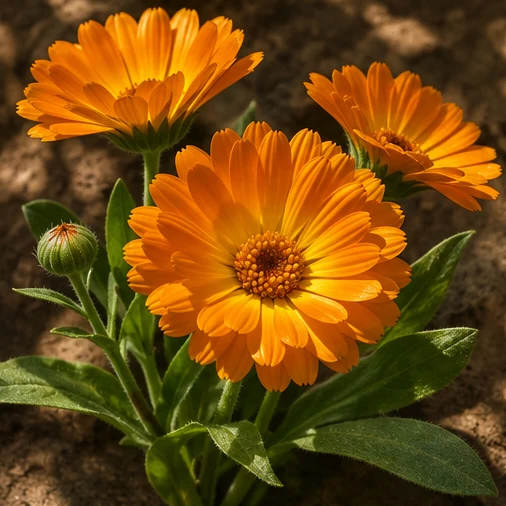
Ayurvedic practitioners, and the families who keep the everyday practice of oiling, ubtan and home remedies.
Keeper wanted Write for this tradition
Tradition Keepers
We are inviting people who practice the world’s beauty traditions to write their rituals in the first person, under their own name. A hammam attendant, an Ayurvedic practitioner, a monoï maker in the Pacific: each paid a fee agreed in advance, and each piece backed by a fund that shares the benefit with the communities whose knowledge it is.
An open call: No keeper has been commissioned yet. Every tradition below is waiting for its first keeper, no keeper pieces are published, and the community benefit-sharing fund has not received or paid out any money.
Our apothecary essays are written by our editorial team from research and published sources. We write them with care, but we write them from the outside. A ritual learned from a grandmother, a teacher or a bathhouse carries what no book holds: the order of the steps, the gestures, the reasons behind them, what goes wrong, and when not to do it at all.
First-person voices also correct us. A keeper can tell us where our telling is incomplete, too tidy or simply wrong. And when a tradition is shared, the credit and the income should reach the people whose knowledge it is, not only the people who write about it.
The site is global, and no single culture owns beauty. Tradition Keepers is how we hope to let each tradition speak for itself.
Each piece is a ritual told by someone who practices it. It has four parts, in whatever order feels natural to the writer.
Part 1
How you would explain it to someone you are teaching: what it is for, when it is done, and what it feels like. Your voice, your phrasing, your words for the plants.
Part 2
Where you learned it and from whom: a grandmother, a teacher, a bathhouse, a cooperative, a community. Credit goes to them as well as to you.
Part 3
The ingredients, how they are prepared, the steps in order, the timing and the gestures, including the small details that no book records.
Part 4
What should not be copied or sold, what belongs to a place or an occasion, how the tradition should be credited, and what you wish outsiders understood.
Keepers can write in their own language, dictate or record their words, or work through an interpreter. The how to apply page explains the process.
Every keeper piece is paired with our evidence notes, the same graded notes readers find on every ingredient page. The two never mix.
The keeper’s words
The ritual as the keeper tells it, under their byline. We edit only for clarity, and only with their approval. We never change the meaning.
The editors’ notes
Set apart and clearly labeled: the grade for each plant, the studies behind it, and a safety note where one is needed.
Read how we grade evidence.
Open call
These are the traditions our apothecary pages already cover. Each one is waiting for its first keeper. If you practice one of them, or a tradition we have not covered yet, we would love to hear from you.
India & South Asia
Ayurvedic practitioners, and the families who keep the everyday practice of oiling, ubtan and home remedies.
Keeper wanted Write for this tradition
China, Japan & Korea
Practitioners and makers in Chinese, Japanese and Korean beauty traditions, from camellia oil pressers to bathhouse keepers.
Keeper wanted Write for this tradition
North Africa & the Middle East
Hammam attendants and bathhouse keepers, and the families who make black soap, rhassoul blends and flower waters at home.
Keeper wanted Write for this tradition
West, East, North & Southern Africa
Shea, marula and baobab producers, including women’s cooperatives, and the people who teach the rituals around these oils.
Keeper wanted Write for this tradition
Andalusia & southern Spain
Gardeners, distillers of orange blossom water, olive growers and the families who keep old household recipes.
Keeper wanted Write for this tradition
Europe & the North Atlantic
Herbalists, community and monastery gardeners, and the people who keep family recipes for salves and infusions.
Keeper wanted Write for this tradition
Mexico, Central & South America and the Caribbean
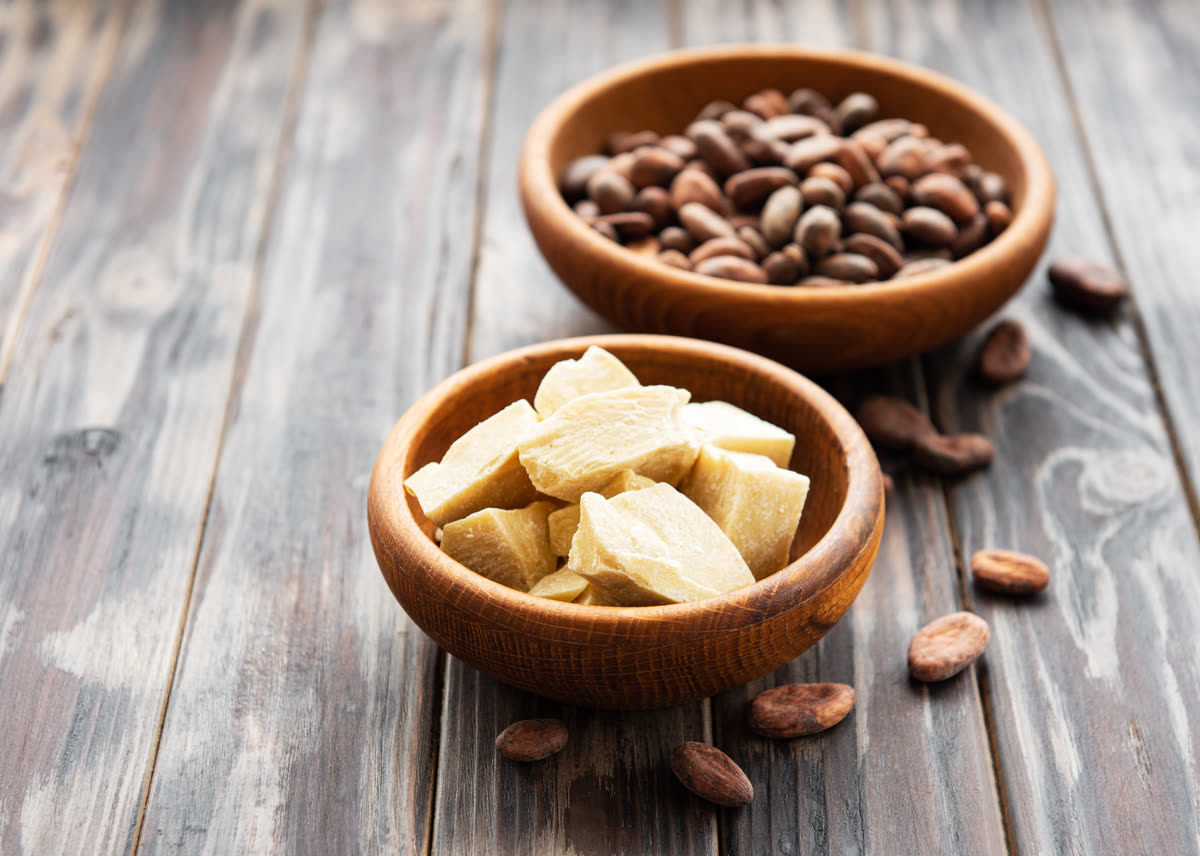
Herbalists, cacao and butter producers, and keepers of Indigenous and Afro-descendant plant knowledge, where their communities agree.
Keeper wanted Write for this tradition
The United States, Canada & northern Mexico
Indigenous knowledge holders, where their nations agree, and the herbalists and growers who work with these plants.
Keeper wanted Write for this tradition
Polynesia, Melanesia, Australia & New Zealand
Monoï makers, tamanu oil pressers, and Pacific, Māori and Aboriginal knowledge holders, where their communities agree.
Keeper wanted Write for this tradition
Finland, Sweden, Norway, Denmark & Iceland
Sauna keepers, foragers and berry seed oil pressers, and Sámi knowledge holders, where their communities agree.
Keeper wanted Write for this tradition
Anywhere in the world
Many traditions are missing from our pages. Tell us about yours, and we will build its page with you.
Keeper wanted Write for a new tradition