Face oil · Make it at home
Rosehip & Sea Buckthorn Glow Oil
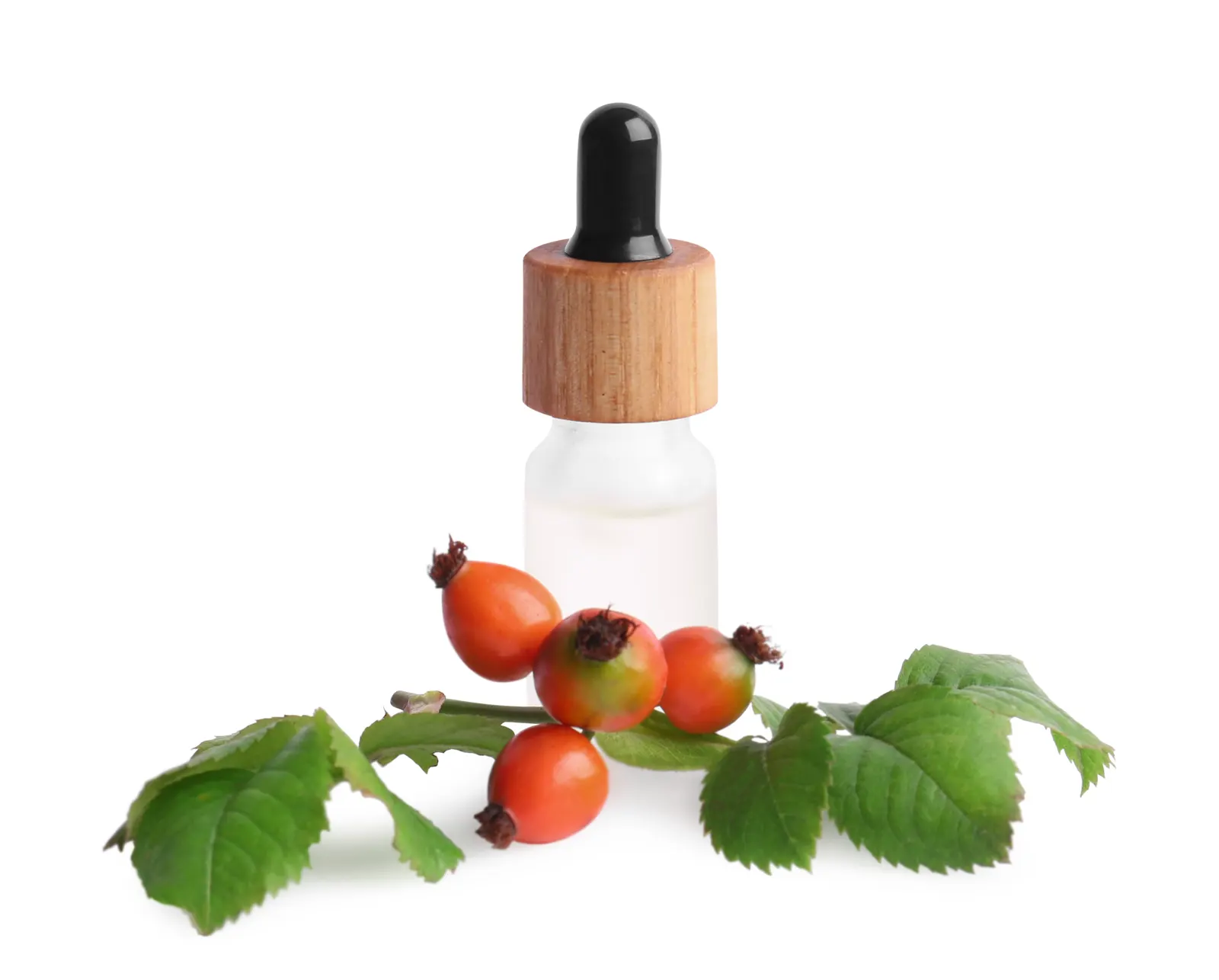
A light face oil of rosehip, jojoba and squalane with a touch of sea buckthorn, protected with vitamin E. Three or four drops at night.
- Time
- 15 min
- Level
- Beginner
- Makes
- 30 g
- Type
- Anhydrous
- Keeps
- About 3–6 months, cool and dark (refrigeration extends it); discard if it smells of crayons or stale nuts
What you need
- Rosehip seed oil
- Jojoba oil
- Squalane
- Sea buckthorn fruit oil
- Vitamin E
- Rosemary CO₂ extract
Formula
| Phase | Ingredient | % | Grams |
|---|---|---|---|
| A | Rosehip seed oil (Rosa canina, cold-pressed, fresh) | 50 | 15.00 |
| A | Jojoba oil (Simmondsia chinensis seed oil) | 25 | 7.50 |
| A | Squalane (olive- or sugarcane-derived) | 21.8 | 6.54 |
| A | Sea buckthorn fruit oil (Hippophae rhamnoides, CO₂ or pressed)Intensely orange; above about 2% it can tint skin and pillowcases | 2 | 0.60 |
| A | Vitamin E (tocopherol, antioxidant)Natural mixed tocopherols; slows rancidity of these PUFA-rich oils | 1 | 0.30 |
| A | Rosemary CO₂ extract (antioxidant grade)Optional; if omitted, add 0.2% more squalane | 0.2 | 0.06 |
| Total | 100.0 | 30.00 |
Weigh everything on a 0.01 g scale; volume measures are not accurate enough for actives or preservatives. Open in the formula & cost calculator.
Equipment
- Digital scale (0.01 g)
- Small glass beaker
- Glass stirring rod or spatula
- 30 ml amber or violet glass dropper bottle
- 70% isopropyl alcohol
- Label
Method
- Sanitize the beaker, rod, bottle and dropper with 70% isopropyl alcohol and let them air-dry completely — no water droplets.
- Tare the beaker and weigh in 15 g rosehip seed oil, 7.5 g jojoba and 6.54 g squalane.
- Weigh in 0.6 g sea buckthorn oil, 0.3 g vitamin E and 0.06 g rosemary CO₂ extract on a 0.01 g scale (drops vary too much to count).
- Stir gently until uniform in color. No heat is needed, and heat would speed oxidation.
- Pour into the dropper bottle, filling close to the neck to minimize air.
- Label with the name, ingredients and date made. Store cool and dark, ideally in the fridge.
- To use: warm 3–4 drops between your palms and press onto slightly damp skin at night, or over a water-based serum.
Why it works
Rosehip oil is high in linoleic and alpha-linolenic acids, which feed the barrier lipids of the skin; small studies suggest rosehip preparations may improve the look of scars and photoaged skin. Sea buckthorn fruit oil adds carotenoids and palmitoleic acid (omega-7), while jojoba and squalane resemble components of sebum, are very stable and dilute the oxidation-prone oils.
Safety notes
- Patch test before first use, as in our guide: twice daily for 7 days, read at 48 and 96 hours.
- Rosehip and sea buckthorn oils are rich in polyunsaturated fats that go rancid, and oxidized oils can irritate. Buy small, fresh bottles and smell the oil before each use.
- Vitamin E slows rancidity but is not a preservative. Keep water out — never add hydrosols, and do not touch the dropper with wet fingers.
- Sea buckthorn can stain fabric orange; let the oil absorb before bed.
- If you are acne-prone, try it on one area for 2 weeks first; any oil can contribute to congestion in some people.
- Contains no sun protection: wear a tested broad-spectrum SPF by day (Sun Care & After-Sun).
Read DIY safety & preservation before making water-based products.
Variations
- Oily or combination skin: reduce rosehip to 30% and raise squalane by 20%.
- Night-retinol alternative: add 0.5–1% bakuchiol, reducing squalane to match — or make the Argan & Prickly Pear Night Serum.
- Scented: up to 0.5% frankincense or lavender essential oil, keeping total essential oils at or below 1% on the face (Essential Oil Safety: The Complete Guide).
Featured ingredients
 No. 029
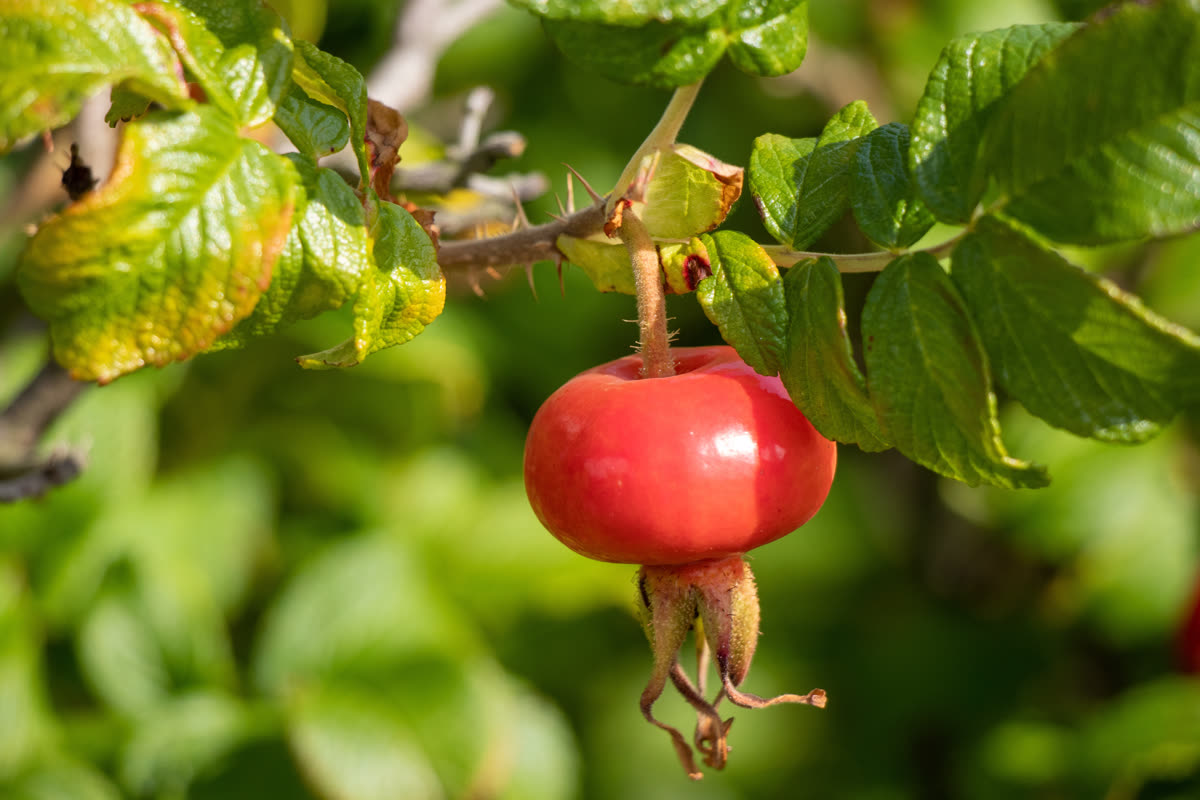
Rosehip OilRosa canina L.Light, fast-absorbing and full of essential fatty acids, rosehip is the night oil that leaves skin soft and supple by morning.
 No. 038
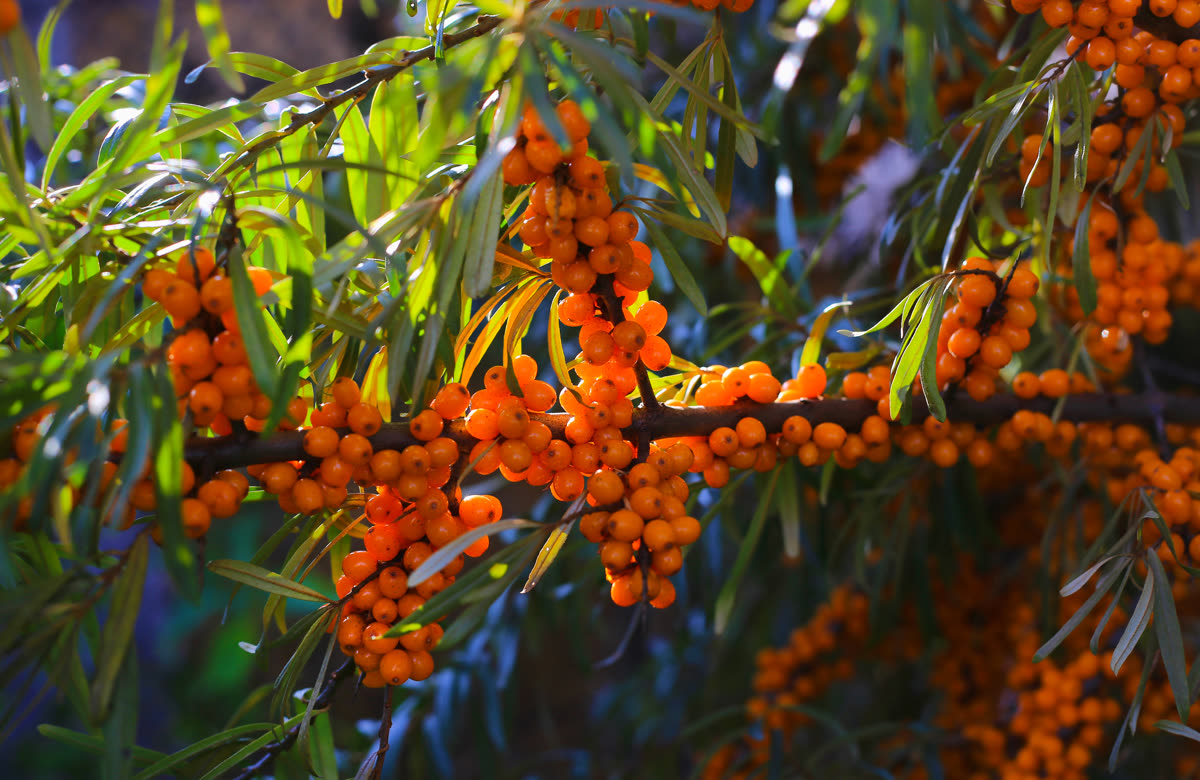
Sea BuckthornHippophae rhamnoides L.A drop of sunset-orange sea buckthorn oil gives a face oil or balm a golden glow and a comforting feel for dry, weathered skin.
 No. 028
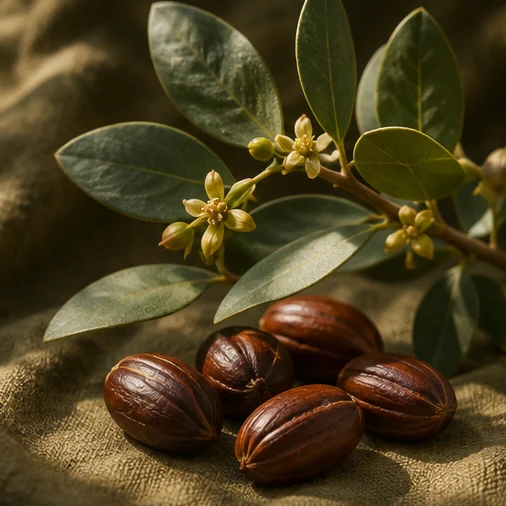
JojobaSimmondsia chinensis (Link) C.K.Schneid.Jojoba is really a liquid wax, which is why it feels so silky, sinks in with a satin finish and keeps for years.
 No. 039
SqualaneSqualane (C30H62)Weightless, silky and barely there once it sinks in, squalane is the perfect first oil for people who think they hate oils.
Formulator
Selling what you make? Get the batch record, label template and cost sheet for this formula, plus a regulatory checklist for the EU, UK and US.
See Formulator membership