Concern guide
Dark Spots & Hyperpigmentation
Melasma, post-acne marks and sun spots explained: why sunscreen comes first, what licorice and other botanicals can add, and when to see a dermatologist.
Start here
Your routine, starting tonight
Simple, gentle and consistent beats complicated. Follow this for six to eight weeks before you judge it.
Morning
- Gentle cleanse.
- Antioxidant serum (vitamin C, or a Licorice & Niacinamide Brightening Serum).
- Moisturizer.
- Generous broad-spectrum SPF 30–50 (tinted with iron oxides for melasma); reapply every two hours outdoors or near bright windows. Add a wide-brimmed hat.
Evening
- Cleanse and remove sunscreen thoroughly.
- Targeted treatment: azelaic acid, a retinoid, or a prescribed lightening cream as directed — introduce one at a time.
- Barrier-supporting moisturizer; irritation itself causes pigmentation, so comfort matters.
Weekly
- Photograph your skin monthly in identical light; pigment changes are slow.
- Optional gentle exfoliation (a low-strength lactic or mandelic acid) once a week if tolerated — never scrubs.
- Check the expiry date and amount left in your sunscreen; most people use far too little.
What is going on
In plain language: pigment cells (melanocytes) make melanin, using the enzyme tyrosinase, and hand it to surrounding skin cells as natural protection. Inflammation, hormones and light can switch this system into overdrive in one area, leaving a darker spot or patch.
The main types:
- Post-inflammatory hyperpigmentation (PIH): flat brown to gray-brown marks left after acne, eczema, insect bites, burns or aggressive treatments. Much more common and longer-lasting in Fitzpatrick skin types IV–VI. Epidermal PIH fades over months; dermal PIH (blue-gray) can persist for years. Pink or red marks after acne are post-inflammatory erythema — a vascular problem that pigment treatments do not target.
- Melasma: symmetrical, blotchy brown patches on the cheeks, forehead, upper lip or jawline, mainly in women. Drivers include genetics, UV and visible light (especially in darker skin), and hormones — pregnancy (“the mask of pregnancy”), hormonal contraception and hormone therapy. Melasma involves an abnormal dermal environment, including blood vessels and the basement membrane, which is why it relapses so readily and why aggressive heat or lasers can make it worse.
- Solar lentigines (“sun” or “age” spots): well-defined brown spots on chronically sun-exposed skin; a marker of photoaging.
- Others: freckles (ephelides), drug-induced pigmentation, and pigmentation from medical conditions such as Addison’s disease or hemochromatosis.
Why light is the key variable: UVA and high-energy visible light stimulate melanin even through windows; a few unprotected days can undo months of progress. For melasma, tinted sunscreens containing iron oxides, which block visible light, are better than untinted ones.
The plants most worth trying
 No. 010
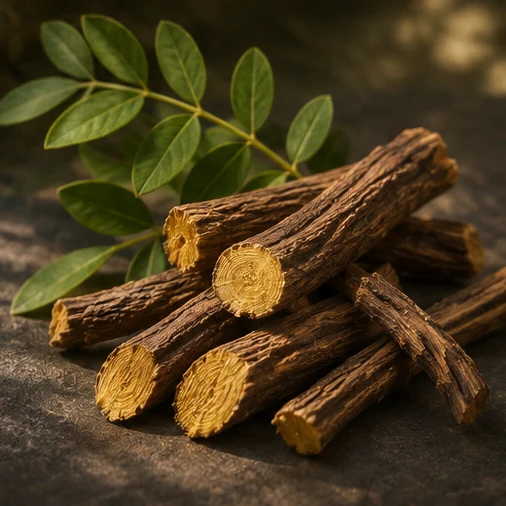
Licorice RootGlycyrrhiza glabraGlabridin and liquiritin inhibit tyrosinase and disperse melanin; small controlled trials of liquiritin and licorice-extract creams improved melasma…
 No. 014
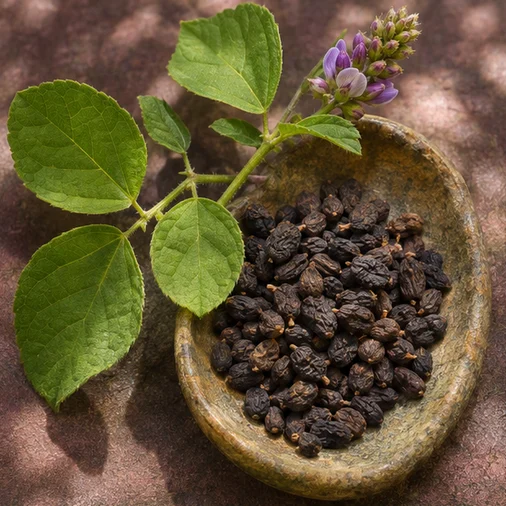
BakuchiolCullen corylifoliumIn a randomized trial against retinol for photoaging, 0.5% bakuchiol improved mottled pigmentation; it has not been properly tested in melasma.
 No. 001
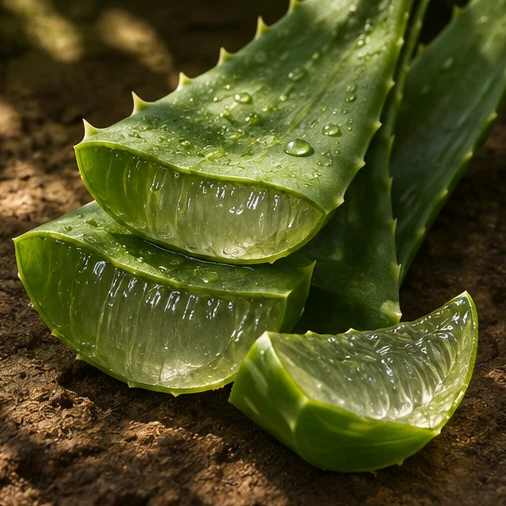
Aloe VeraAloe veraAloesin inhibits tyrosinase in the lab, and small human studies of aloe-based products suggest mild lightening, including a small trial in pregnancy…
The full list, best proven first:
| Ingredient | Grade | What the evidence shows |
|---|---|---|
| Licorice Root | B | Glabridin and liquiritin inhibit tyrosinase and disperse melanin; small controlled trials of liquiritin and licorice-extract creams improved melasma and PIH. |
| Bakuchiol | C | In a randomized trial against retinol for photoaging, 0.5% bakuchiol improved mottled pigmentation; it has not been properly tested in melasma. |
| Aloe Vera | C | Aloesin inhibits tyrosinase in the lab, and small human studies of aloe-based products suggest mild lightening, including a small trial in pregnancy melasma. |
| Green Tea | C | EGCG reduces melanin production in the lab and protects against UV-induced inflammation; clinical depigmenting data are limited. |
| Turmeric | C | Curcuminoids inhibit tyrosinase in vitro, and a small study of a turmeric-extract cream reported modest reduction of facial spots. Raw turmeric stains and can irritate. |
| Rosehip Oil | D | Often marketed for dark marks, but its trans-retinoic acid content is unproven and human data for pigmentation are lacking; useful as a light emollient. |
Proven partners beyond plants
Daily, broad-spectrum sunscreen SPF 30+, ideally tinted with iron oxides for melasma, is the single most important treatment — without it, nothing else works for long. Beyond that, the strongest options are:
- Hydroquinone 2–4%, used only under medical supervision and for limited periods (risk of irritation and, with long or high-strength use, exogenous ochronosis). It is prescription-only in the EU and UK and no longer sold over the counter in the US. The triple-combination cream (hydroquinone, tretinoin and a mild steroid) remains a gold standard for melasma.
- Tranexamic acid — topical, intradermal or oral (oral is prescription-only and not suitable for people with clotting risks) — has good evidence in melasma.
- Azelaic acid 15–20% (effective for PIH and melasma; pregnancy-compatible), topical retinoids, niacinamide, vitamin C, kojic acid, cysteamine and thiamidol (isobutylamido thiazolyl resorcinol), which has a growing body of trials.
- Chemical peels and carefully chosen lasers in experienced hands; heat and aggressive procedures can trigger rebound pigmentation, especially in darker skin.
Botanicals like licorice root are reasonable gentle complements or maintenance options, particularly for sensitive skin. Avoid unlicensed “skin-lightening” creams, which may contain mercury, high-dose hydroquinone or potent steroids.
What tends to make it worse
- Skipping sunscreen on cloudy days or indoors near windows (UVA and visible light pass through glass).
- Picking spots and scabs, which creates new PIH.
- Lemon juice, undiluted essential oils, bergamot and other furocoumarin-containing preparations on the face — they can cause phytophotodermatitis and new dark patches.
- Unregulated “whitening” creams, especially imported ones without full ingredient lists.
- Heat-heavy treatments (saunas, hot yoga, aggressive lasers) if you have melasma — heat is a recognized trigger.
- Harsh scrubs and frequent high-strength peels that inflame the skin.
When to see a doctor
- Any spot that is changing in size, shape or color, has irregular borders or several colors, is larger than about 6 mm, itches, bleeds or crusts (the ABCDE warning signs of melanoma).
- A new dark streak in a fingernail or toenail, or a dark spot on the palm, sole or mucosa.
- Widespread, unexplained darkening of the skin, gums or skin creases, especially with fatigue, weight loss or dizziness.
- New or changing pigmentation in pregnancy that worries you — most is harmless melasma, but a changing mole should always be checked.
- Pigmentation that does not improve after 3 months of strict sun protection and treatment, or if you want prescription options.
- A dark patch that started after a new medicine (e.g. minocycline, some antimalarials or chemotherapy).
Find a dermatologist or report a reaction to a cosmetic, wherever you live.
Myths and evidence
MythLemon juice naturally lightens dark spots.
EvidenceLemon is acidic and irritant, and lime and some citrus contain light-reactive compounds. The likely result is irritation and more pigment, not less.
MythMelasma can be permanently removed with a laser.
EvidenceMelasma is chronic and relapsing. Lasers can help selected patients but may cause rebound darkening; long-term control relies on daily photoprotection and maintenance treatment.
MythDarker skin does not need sunscreen.
EvidenceMelanin offers some protection against burning, but UV and visible light are the main drivers of PIH and melasma, which are more common and persistent in deeper skin tones.
Recipes to try at home
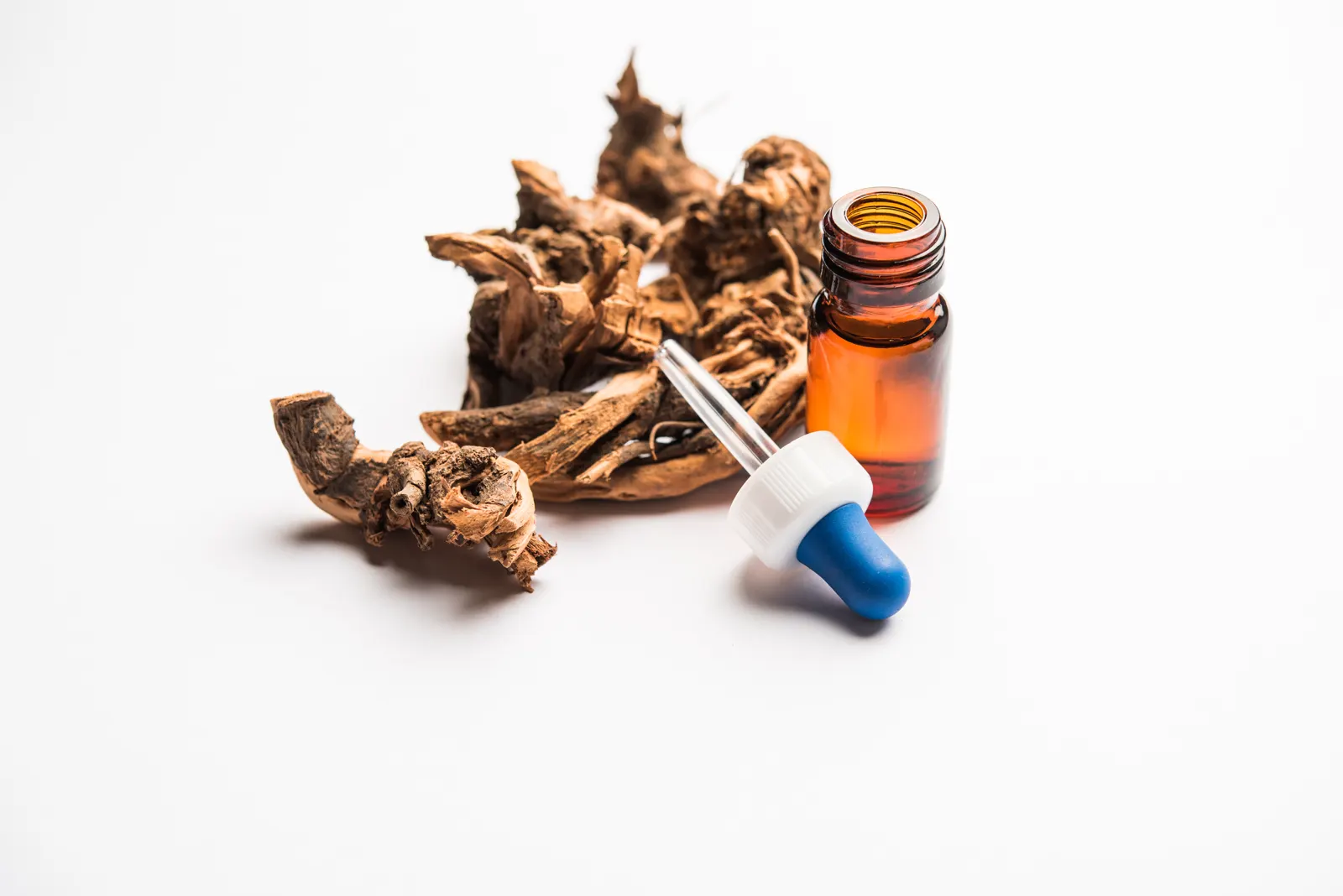 Serum · IntermediateLicorice & Niacinamide Brightening SerumA lightweight serum with licorice root extract and 4% niacinamide to help even out the look of dark marks over time, always paired with daily SPF.
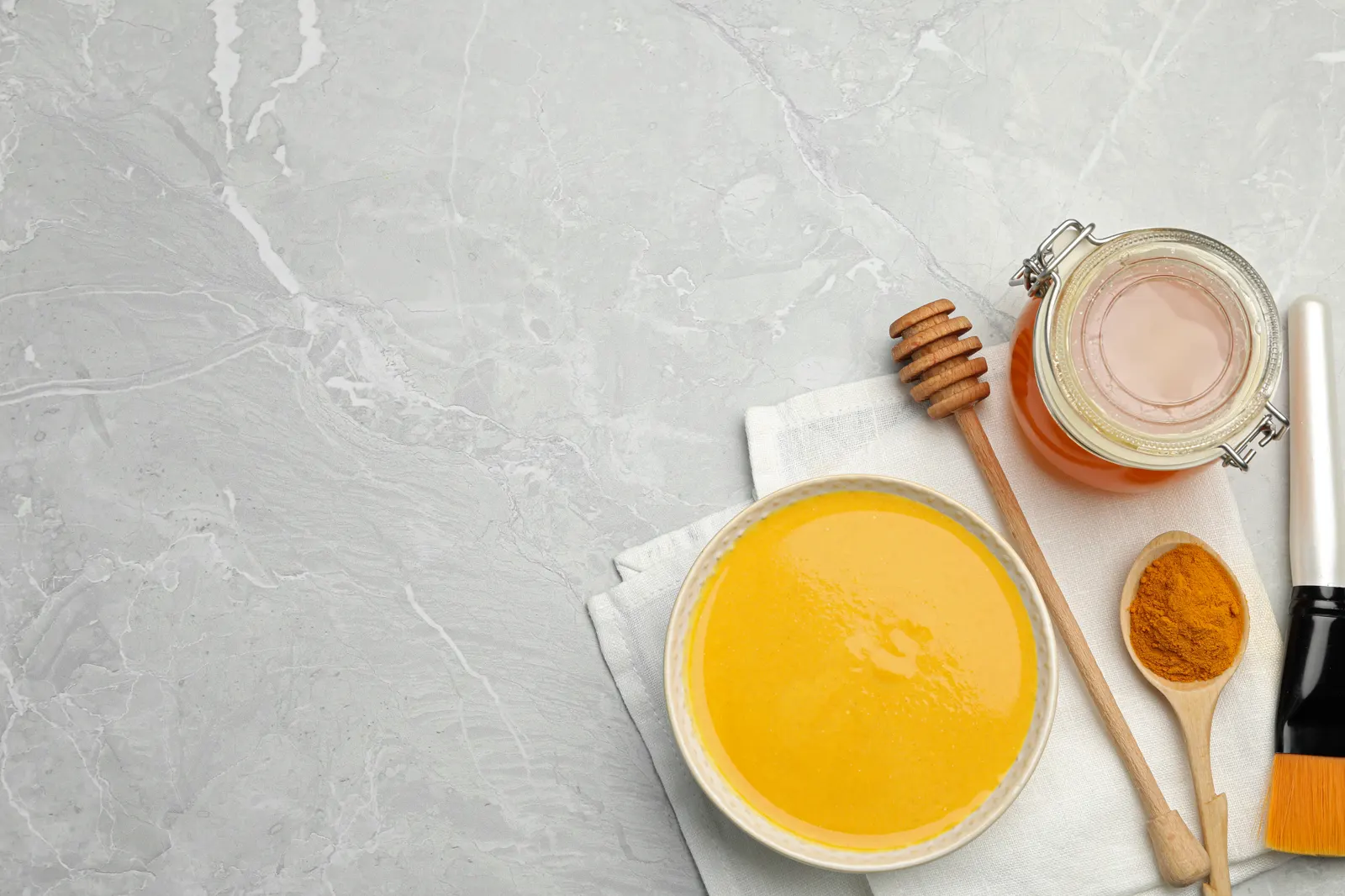 Mask · BeginnerTurmeric & Honey Glow MaskA quick ubtan-inspired mask of honey, yogurt, chickpea flour and a pinch of turmeric. Mind the yellow stain and patch test first.
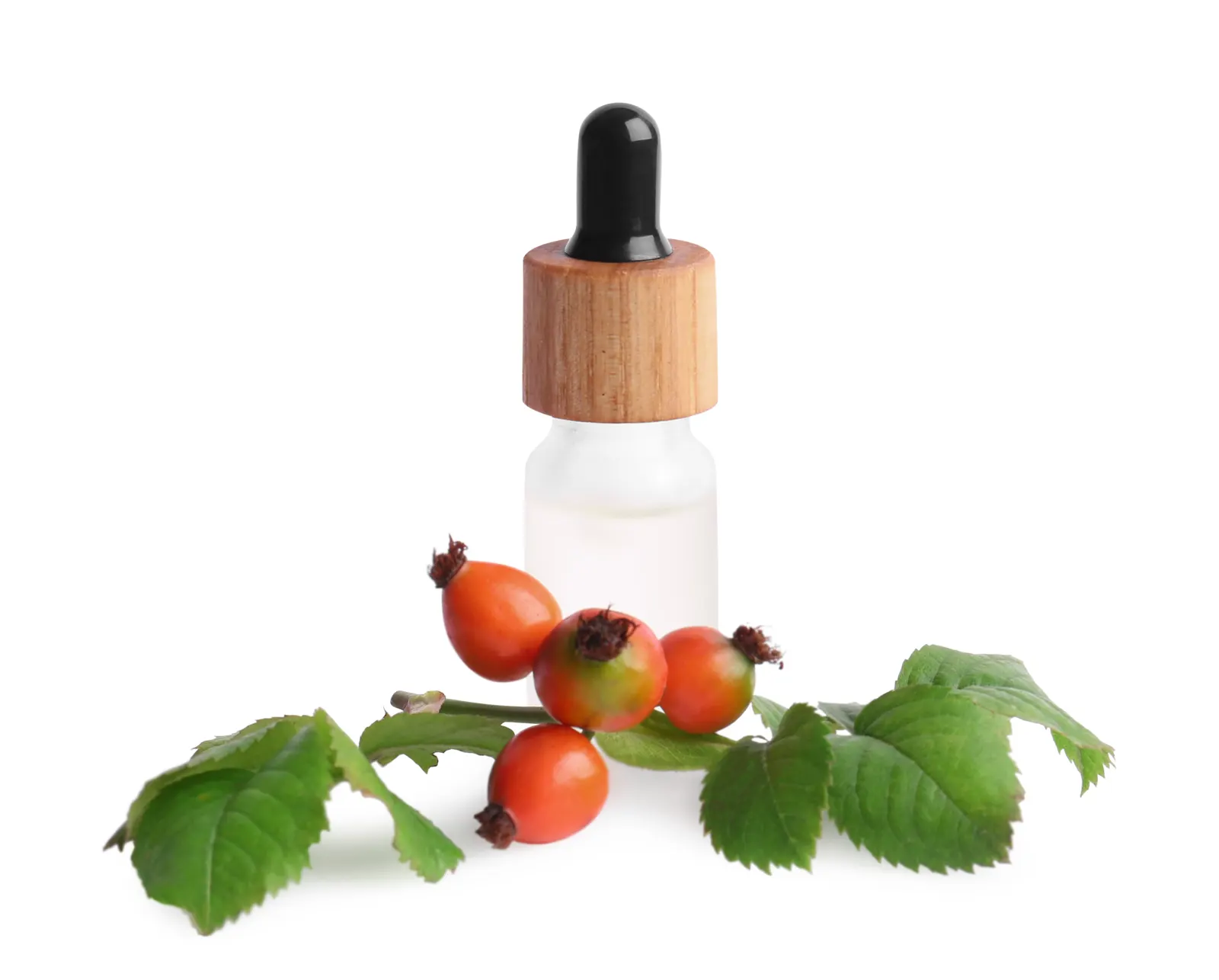 Face oil · BeginnerRosehip & Sea Buckthorn Glow OilA light face oil of rosehip, jojoba and squalane with a touch of sea buckthorn, protected with vitamin E. Three or four drops at night.