World traditions · North Africa & the Middle East
The Hammam Apothecary
Clay, steam, flower waters and argan
A pharmacy kept in kitchens and souks
Walk into the shop of an attar in the medina of Fez or Marrakech and the whole apothecary is there at once: pyramids of henna powder the color of dried moss, sacks of cracked rhassoul, bundles of dried rosebuds, glass jars of black soap that look like olive tapenade, sticks of Atlas cedar and twists of paper holding a few threads of saffron. The attar sells spices, perfumes and remedies across the same counter, because for most of Moroccan history they were the same trade.
The knowledge behind these shelves is layered. Amazigh (Berber) communities of the mountains and the Souss plain brought argan, henna and the plants of the Atlas. Arab dynasties brought the distilling and perfuming arts of the Islamic world. Families expelled from al-Andalus after 1492 settled in Fez, Tetouan and Rabat and carried the gardens and recipes of Granada with them, and trans-Saharan trade linked all of this to West Africa. What emerged is not a single “Moroccan beauty secret” but a practical, regional, largely oral body of care, passed between mothers, aunts, neighbors and the women who work in the hammam.
Much of it is sensible, some of it lovely and unproven, and a small part, as we will see with kohl, genuinely hazardous. Holding all three at once is the only respectful way to write about it.
Argan: the tree of the Souss
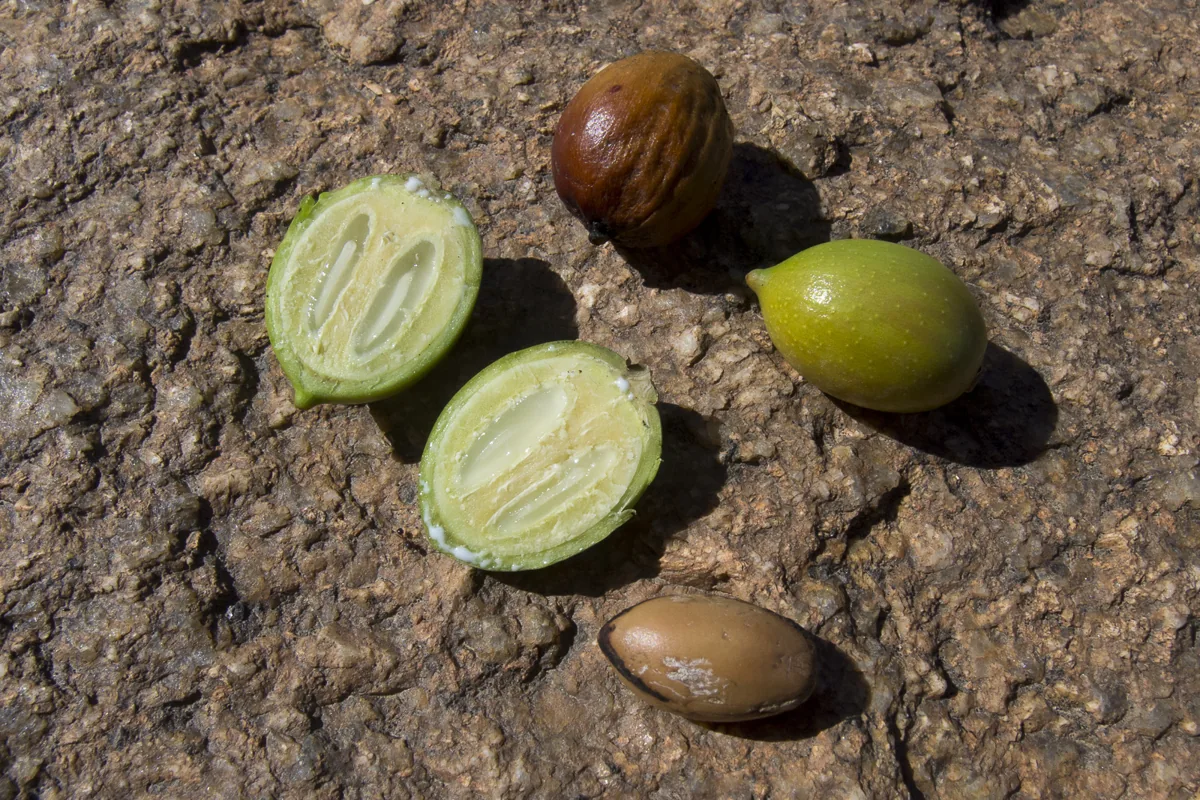
The argan tree, Argania spinosa, grows naturally almost nowhere else on earth but the semi-arid southwest of Morocco, between Essaouira, Agadir and the slopes of the Anti-Atlas. It is a thorny, gnarled, drought-hardy tree whose roots hold back the desert, which is why UNESCO designated the Arganeraie a biosphere reserve in 1998 and, in 2014, inscribed the knowledge and practices around argan on its list of intangible cultural heritage.
The work of argan oil is women’s work, and slow. The fruit is gathered and dried, the pulp removed, and then the nut, one of the hardest in the plant world, is cracked between two stones to free the kernels inside. For the culinary oil, and for amlou, the argan, almond and honey spread eaten at breakfast, the kernels are roasted, which gives a deep, nutty flavor. For cosmetic oil they are pressed raw, and the oil is pale gold and smells faintly of seeds rather than toast. Since the 1990s, women’s cooperatives have organized much of this labor, bringing wages, literacy classes and a measure of independence, though how fairly the value is shared still varies a great deal from one cooperative and one buyer to another.
The goats photographed in argan branches are real, though the roadside ones posed for tourists have drawn criticism from animal welfare groups. Quality cosmetic oil comes from hand-gathered fruit, not from anything a goat has eaten.
What does the science say? Argan oil is rich in both oleic and linoleic acid, with a notable share of vitamin E (especially gamma-tocopherol) and unusual plant sterols. In small human studies it softens and hydrates skin the way a well-made plant oil should, and one small trial in postmenopausal women reported improved skin elasticity, though it could not show that argan does more than any good emollient. On hair, it smooths the cuticle and adds shine. That is a real, modest benefit, not a treatment for any skin disease. Allergic reactions are uncommon but have been reported, so a patch test is still worth doing.
Clay, soap and steam: the hammam
For centuries the neighborhood hammam has stood near the mosque, the bakery and the fountain as one of the fixed points of Moroccan city life. It is a place to get clean, but also to talk, to prepare a bride, to spend an unhurried afternoon among women. The sequence is broadly the same everywhere: heat, soap, scrub, clay, rinse. Our Moroccan Beauty Rituals: Hammam, Rhassoul & Argan guide walks through it step by step.
The soap is sabon beldi, “country soap”: a soft paste of olive oil saponified with potash, often darkened with crushed olives. It is smeared over steam-softened skin and left for a few minutes, then rinsed. Then comes the kessa, a rough glove of woven viscose or crepe, worked in long firm strokes until gray rolls appear. Those rolls are mostly loosened dead skin cells mixed with soap residue, not “impurities”; the satisfaction is real, but so is the risk of overdoing it.
Last comes rhassoul clay, from the Arabic root for washing. It is a magnesium-rich clay mined in the upper Moulouya valley, between the Middle and High Atlas, and sold in dry plates or powder. Mixed with water or flower water, it washes both hair and skin. Like other clays, it absorbs surface oil and leaves skin and scalp feeling clean without the squeak of harsh detergent. Claims that it pulls “toxins” from the body are not supported, and it is not a treatment for acne on its own.
The honest science of the hammam is mostly about heat and friction. Mechanical exfoliation smooths rough skin, and the ritual is deeply relaxing. But beldi soap is alkaline, and hard scrubbing can damage the skin barrier. Skip the kessa on eczema, rosacea, sunburn, broken skin or the face, and while using retinoids or acids. Heat is also a load on the heart: anyone who is pregnant, has a heart condition or low or high blood pressure, or feels faint should keep it short and cool, or check with a doctor first.
Rose and orange blossom: the art of the still
In May, the valley around Kelaat M’Gouna, where the M’Goun river meets the Dadès, smells of roses. The flowers are Rosa × damascena, grown not in formal beds but as long hedges dividing barley fields and orchards. According to local tradition the plants arrived with travelers returning from the East, perhaps pilgrims; no one can say for certain when. The buds are picked at dawn, before the sun drives off their scent, and the town holds a rose festival each spring to mark the harvest. Much of the crop is dried or distilled into rose water, ma ward, which turns up in cooking, in the hammam and in the silver sprinklers used to welcome guests.
The other great floral water of Morocco comes from the bitter orange, Citrus × aurantium. In spring, cities such as Fez and Tetouan have long distilled the blossom, zhar, into orange blossom (neroli) water, used to perfume pastries, mint tea and skin alike.
Both waters are hydrosols: the fragrant water left after steam distillation, carrying traces of aromatic compounds. On the skin they are gentle, cooling, mildly toning and lovely to use, and Damask rose water in particular has a long, safe track record as a skin freshener. There is little clinical evidence for more than that. Two cautions apply. First, a hydrosol is water, and once opened, an unpreserved one can grow bacteria and mold; buy preserved products, refrigerate, and discard anything cloudy or sour-smelling. Second, the essential oils of rose and neroli contain fragrance allergens such as geraniol, citronellol and linalool, so anyone with fragrance allergy should test even the waters first.
The rose in Morocco is not a luxury ingredient. It is a field boundary, a cash crop and the smell of a particular week in May.
Henna, saffron and cedar
Henna, Lawsonia inermis, is grown in the oases of the south and used for hair color, for the palms and soles, and for the patterns drawn before weddings and religious holidays. The henna night before a wedding remains, in many families, one of the most cherished gatherings of the celebration. The dye molecule, lawsone, binds to keratin, which is why pure henna stains skin and hair orange to deep red-brown, and never black. A paste that promises black in an hour almost always contains para-phenylenediamine (PPD), a hair-dye chemical that on skin can cause blistering, scarring and lifelong allergy to hair dyes. Henna is also unsafe for babies and anyone with G6PD deficiency, in whom lawsone can damage red blood cells.
Saffron in Morocco means Taliouine, a town between the Anti-Atlas and the Siroua massif, where the autumn crocus flowers for a few weeks around late October and November. Families pick the purple blooms at first light and separate the three red stigmas by hand, which is why the spice is so costly and so often adulterated with safflower or dyed fibers. Saffron of Taliouine carries a protected designation of origin. In beauty, it appears steeped in rose water for masks, mostly for its color and symbolism. Its pigments, crocin and crocetin, are antioxidant in the laboratory, but there is no good human evidence that saffron on the skin brightens or rejuvenates.
The Atlas cedar forests of the Middle Atlas around Ifrane and Azrou, home to the endangered Barbary macaque, are themselves listed as Endangered by the IUCN after decades of overcutting, overgrazing and drought. The warm, pencil-shaving essential oil is distilled from the wood and sawmill waste, and traditionally scents chests and scalp oils. A small Scottish trial in alopecia areata used it in a blend with rosemary, thyme and lavender, so its individual contribution is unknown. Use it well diluted, and buy from suppliers who can show legal, residue-based sourcing.
Kohl: the tradition to keep at arm’s length
Lining the eyes with kohl, khol or tazoult, is among the oldest cosmetic practices in North Africa, the Middle East and South Asia, valued for beauty, for shading the eyes from glare and, in some families, as protection for newborns. It deserves respect as a cultural practice. It also deserves a clear warning.
Many traditional kohls are made from ground galena, which is lead sulfide, and laboratory analyses of kohl bought in markets have repeatedly found very high lead content. Lead can be absorbed through the eye and swallowed from fingers, and children are by far the most vulnerable: cases of childhood lead poisoning have been linked to traditional eye cosmetics in several countries. There is no safe level of lead exposure for children. Kohl of this kind is not permitted in cosmetics in the United States, and health agencies in many countries advise against it.
- Never apply traditional kohl, surma or kajal to babies or children.
- If you love the look, use a regulated eyeliner or kohl pencil sold under cosmetic law, with a full ingredient list.
- If a child has been exposed regularly, ask a doctor about a simple blood lead test.
Keeping a tradition alive does not require keeping its most dangerous ingredient.
Buying from the source
Morocco’s botanical economy rests on wild trees, family plots and fragile landscapes, so how you buy matters. For argan, look for cold-pressed oil from unroasted kernels, with a named cooperative or region, a harvest or pressing date, and a mild seed scent; a strong roasted smell means culinary oil, while no scent at all suggests refining or dilution. Very cheap “pure argan” is often blended with cheaper oils. Fair trade or cooperative labels help, but it is still worth asking a brand how much of the price reaches the women who crack the nuts.
Prickly pear seed oil, pressed from cactus fruit seeds around Sidi Ifni and the Aït Baâmrane, has a very small yield and is frequently adulterated; since the 2010s, an outbreak of cochineal insects has devastated cactus stands in parts of Morocco, tightening supply further. Rhassoul should come from licensed mines, sold as plain clay without added fragrance. Henna should state that it is pure Lawsonia inermis, ideally tested for heavy metals. Our Sustainable & Ethical Botanical Sourcing guide covers the questions to ask.
Above all, buy the plain things: the oil, the clay, the water, the soap. The Moroccan apothecary was never about a jar with a long story printed on it. It was about a few good materials, used with care, often in company.
The signature plants
Argan OilCPromisingPressed from the kernels of a tree found almost only in the Souss, mostly by women’s cooperatives; a fine, softening oil for skin and hair.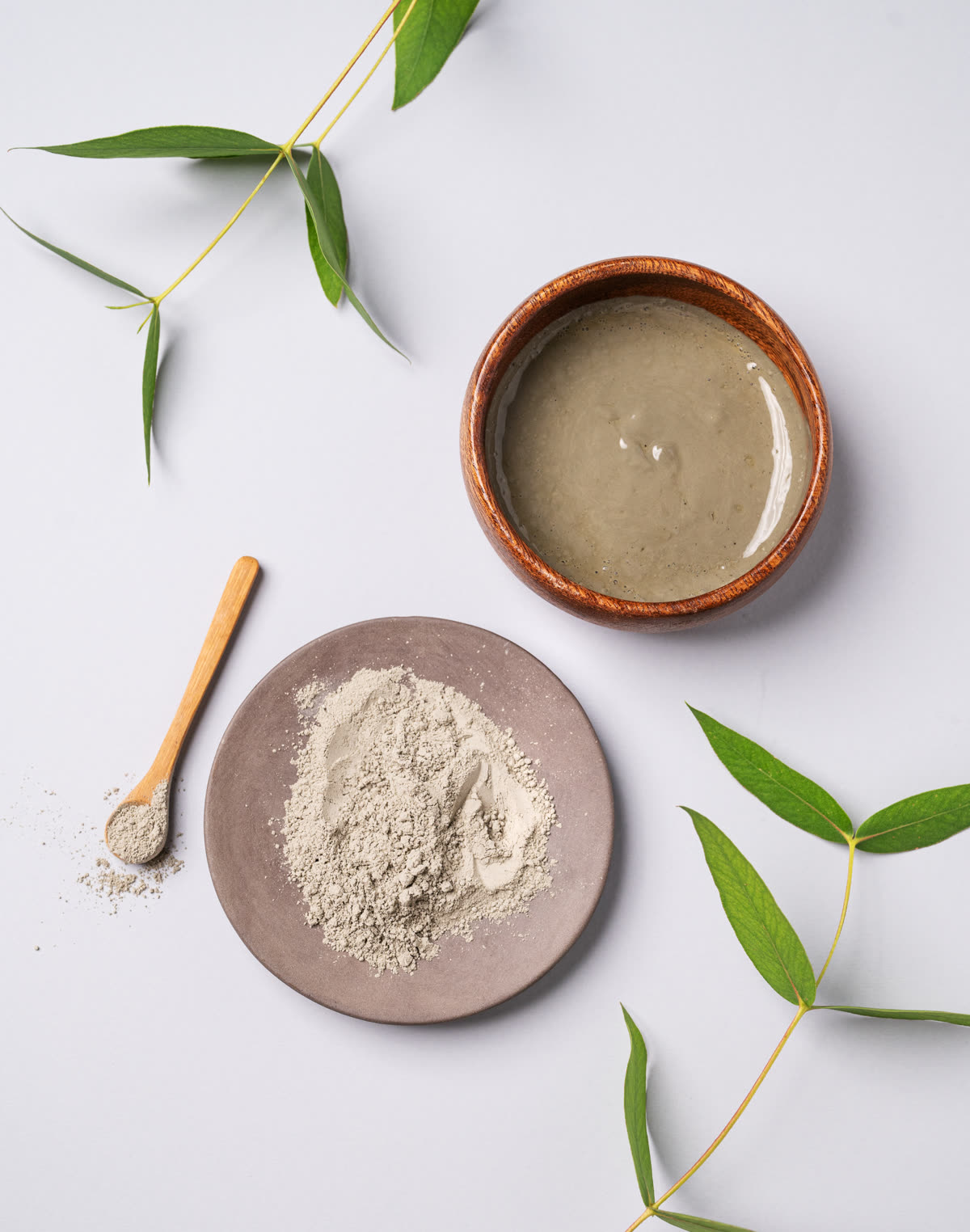 Rhassoul ClayDTraditional wisdomThe washing clay of the upper Moulouya, mixed with water or flower waters in the hammam to cleanse hair and skin without harsh detergents.
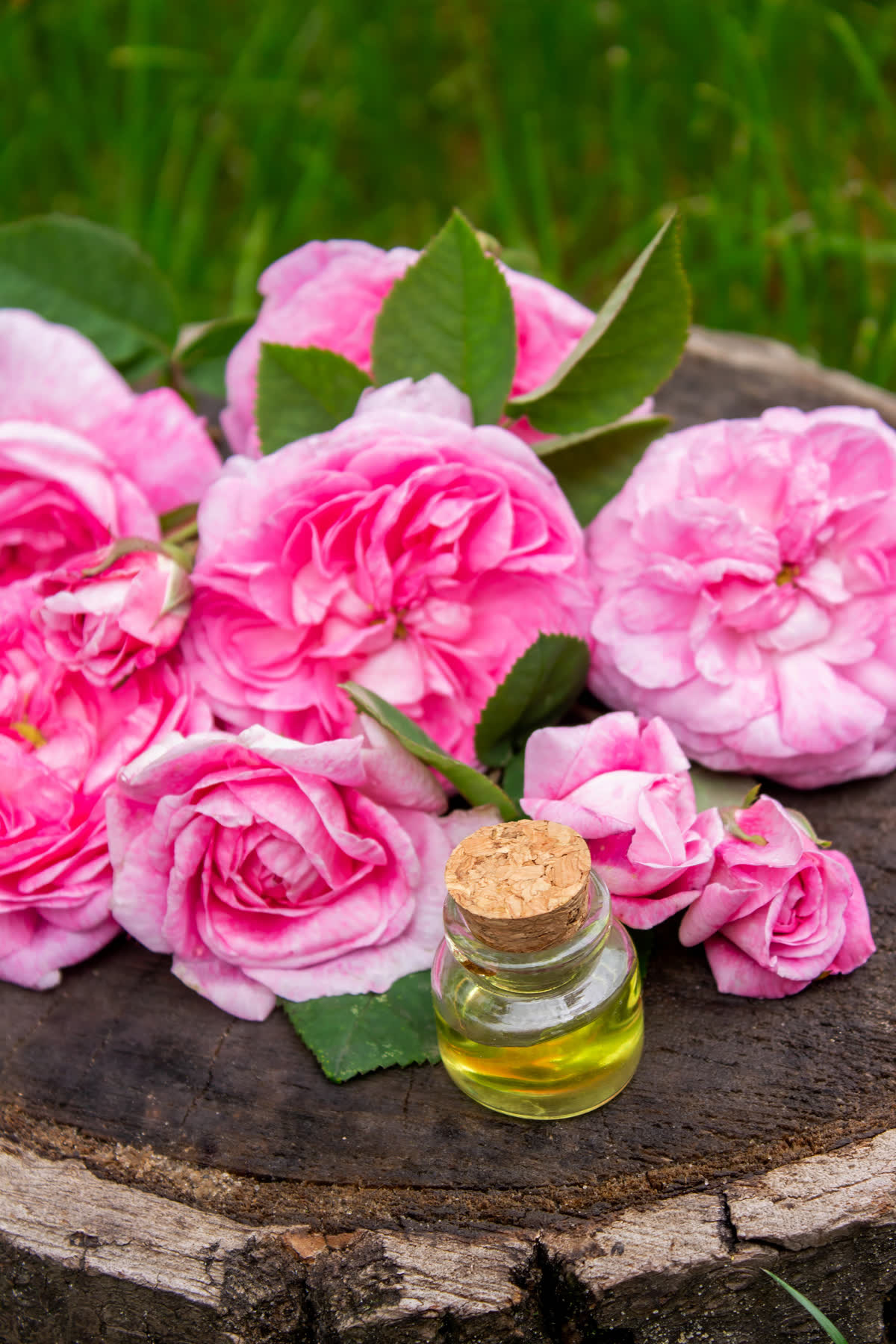 Damask RoseDTraditional wisdomDamask roses from the Kelaat M’Gouna valley, dried or distilled into the rose water that perfumes kitchens, hammams and guests.
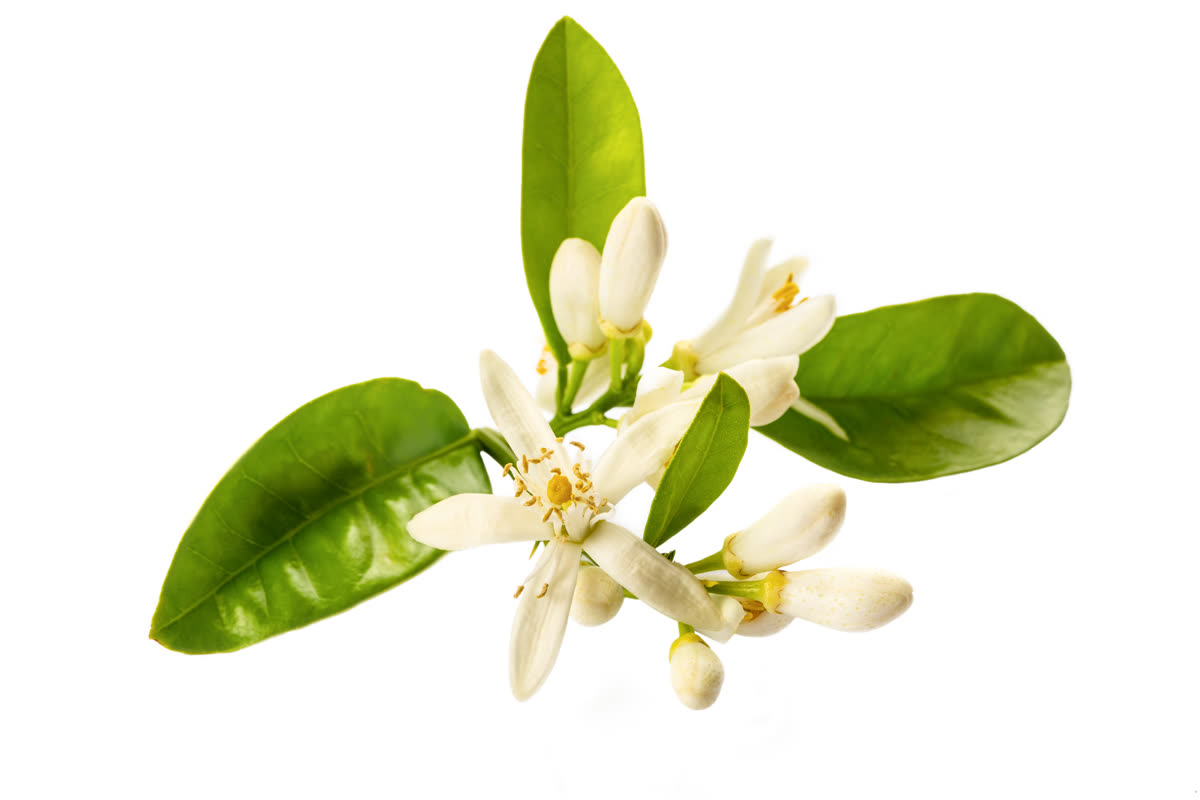 Orange Blossom (Neroli)DTraditional wisdomThe bitter-orange flower water of Fez and Tetouan: a gentle, fragrant skin freshener and a staple of the pastry kitchen.
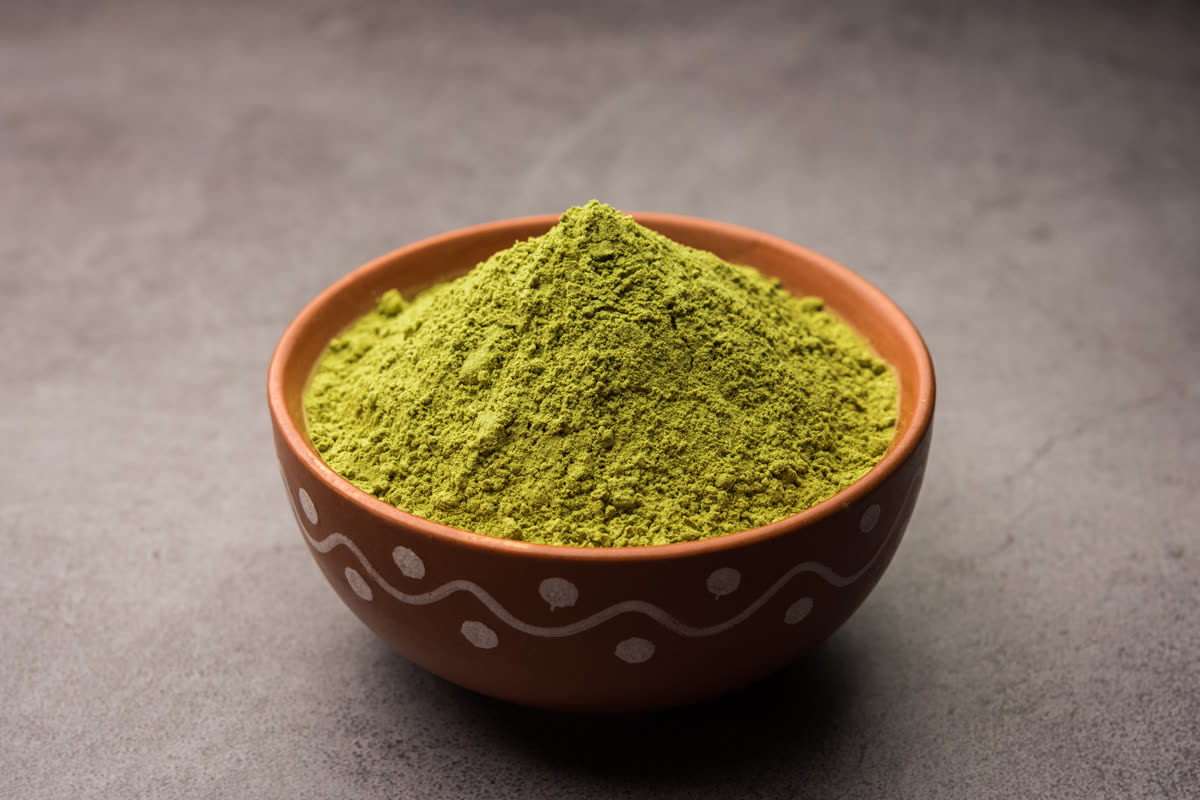 HennaBGood evidenceGrown in the southern oases and central to wedding celebrations; pure henna stains red-brown, never black.
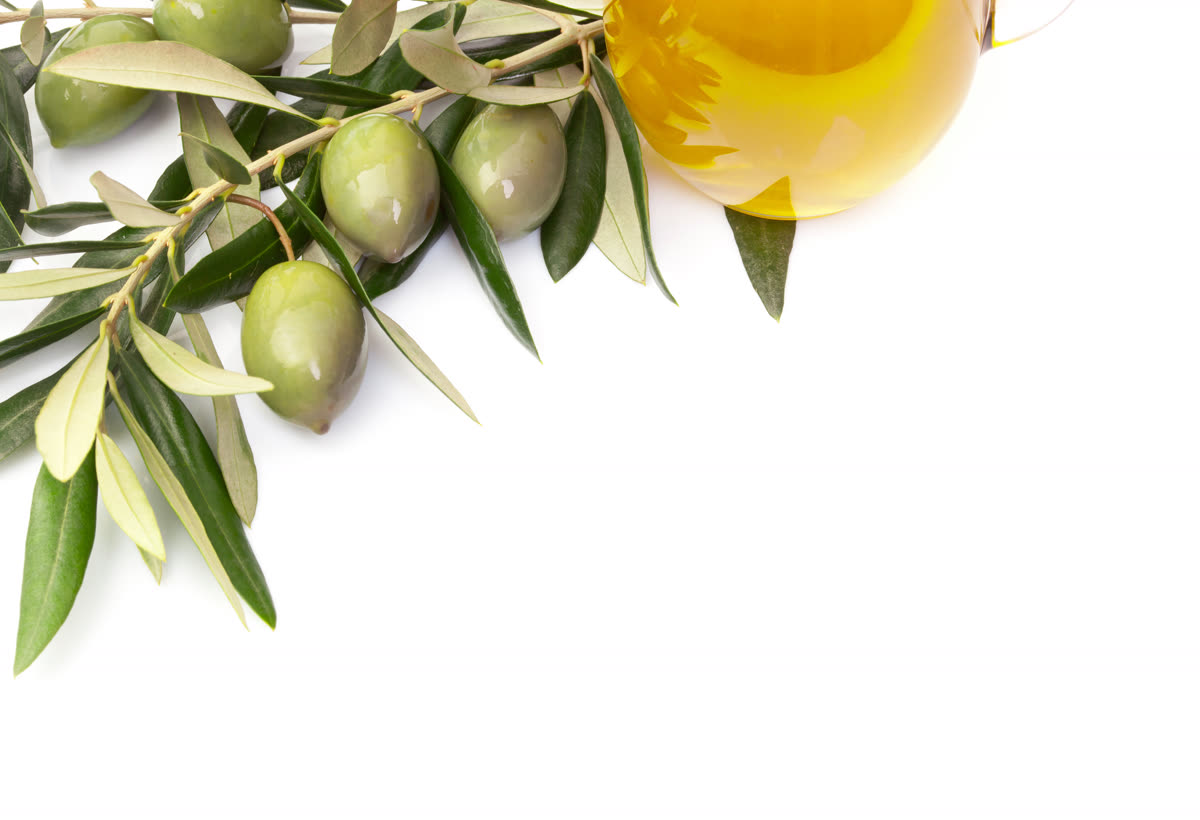 Olive OilCPromisingThe base of sabon beldi, the soft black soap of the hammam, and an everyday body oil across the north.
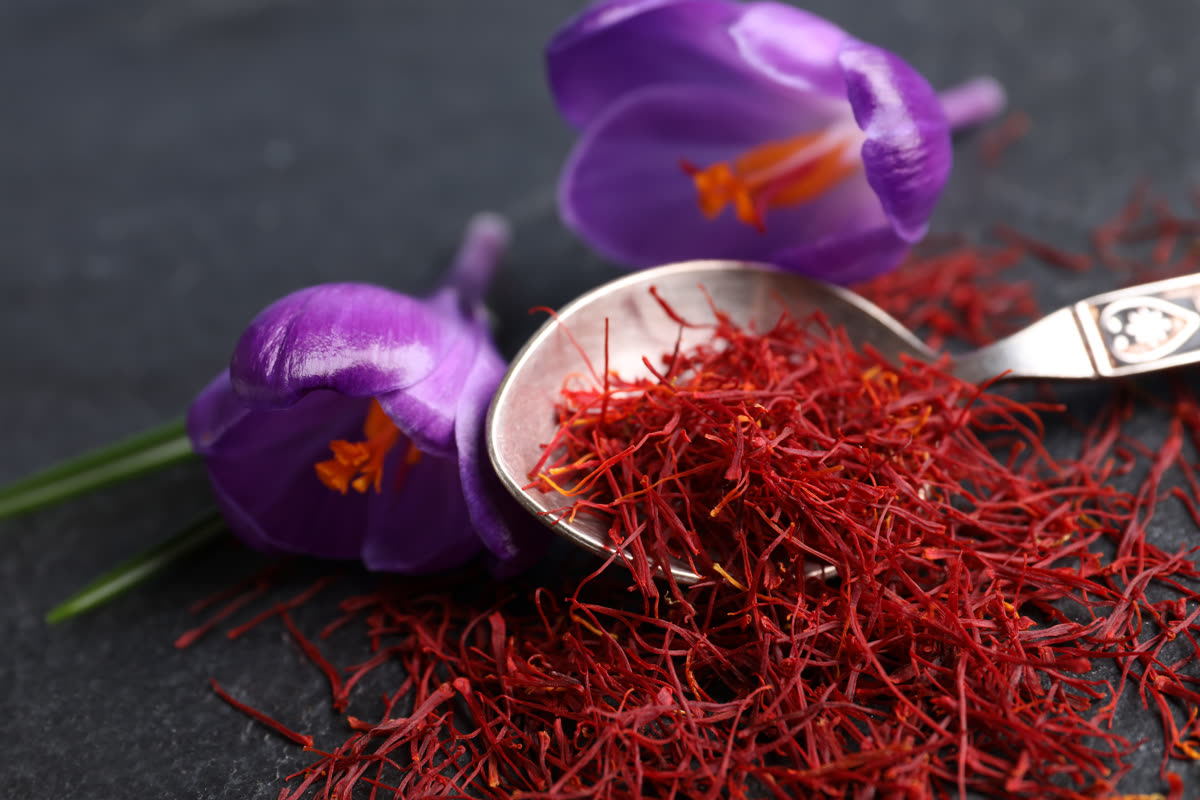 SaffronDTraditional wisdomHand-picked around Taliouine under a protected designation of origin; used in masks mainly for color and ceremony.
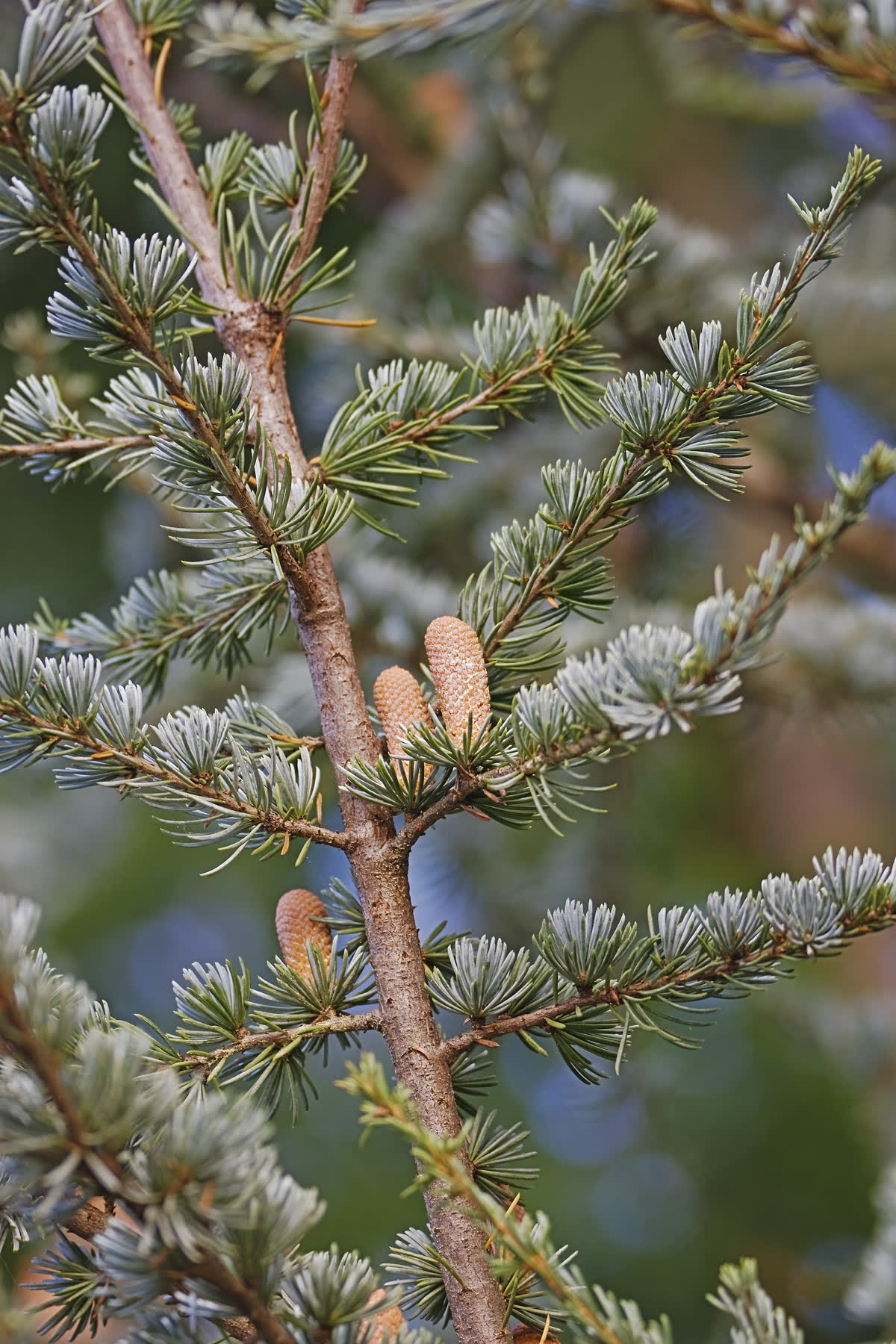 Atlas CedarCPromisingThe warm wood oil of the Middle Atlas forests, traditionally used in scalp oils and storage chests; the trees themselves are Endangered.
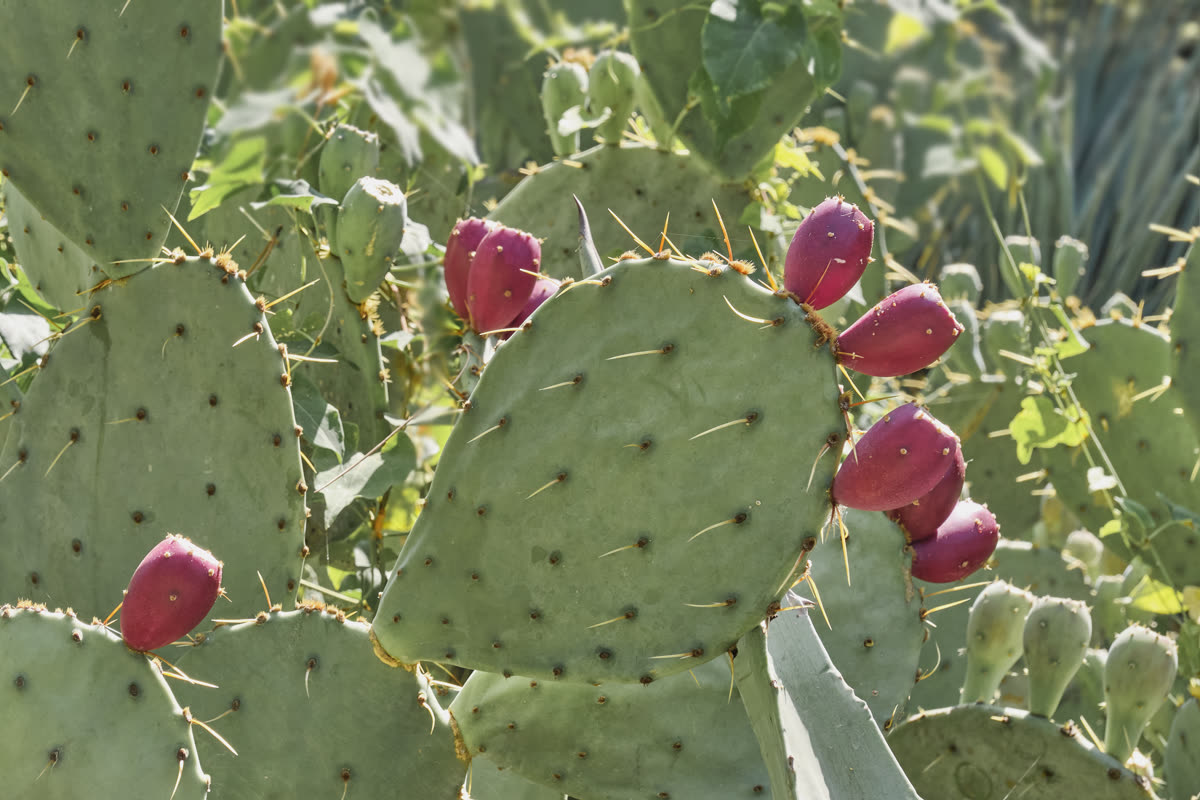 Prickly Pear Seed OilDTraditional wisdomA light, linoleic-rich oil from cactus seeds of the southwest coast, rare and often adulterated.
A home hammam, gently
- A week before, patch test any black soap, clay or flower water you have not used before on the inner arm, as in our guide (twice daily for 7 days, read at 48 and 96 hours). Skip the whole ritual on sunburned, broken or eczema-flared skin, and keep the heat brief and moderate if you are pregnant, have a heart or blood-pressure condition, or feel faint.
- Run a warm, not scalding, shower with the door closed for about ten minutes so the room fills with steam. Sit, breathe and let the skin soften.
- Smooth a thin layer of beldi soap over damp skin on the body (not the face), leave it for three to five minutes, then rinse thoroughly.
- With a kessa glove, use long, light strokes along the limbs and back. Stop when the skin turns faintly pink; it should never sting. Once a week is plenty.
- Mix two tablespoons of rhassoul clay with water or preserved orange blossom water into a smooth paste. Apply to body or face for five to ten minutes and rinse before it dries hard.
- Rinse in cool water and pat dry. While the skin is still slightly damp, press in a few drops of argan oil. Drink a glass of water and rest before you dress.
Continue the journey
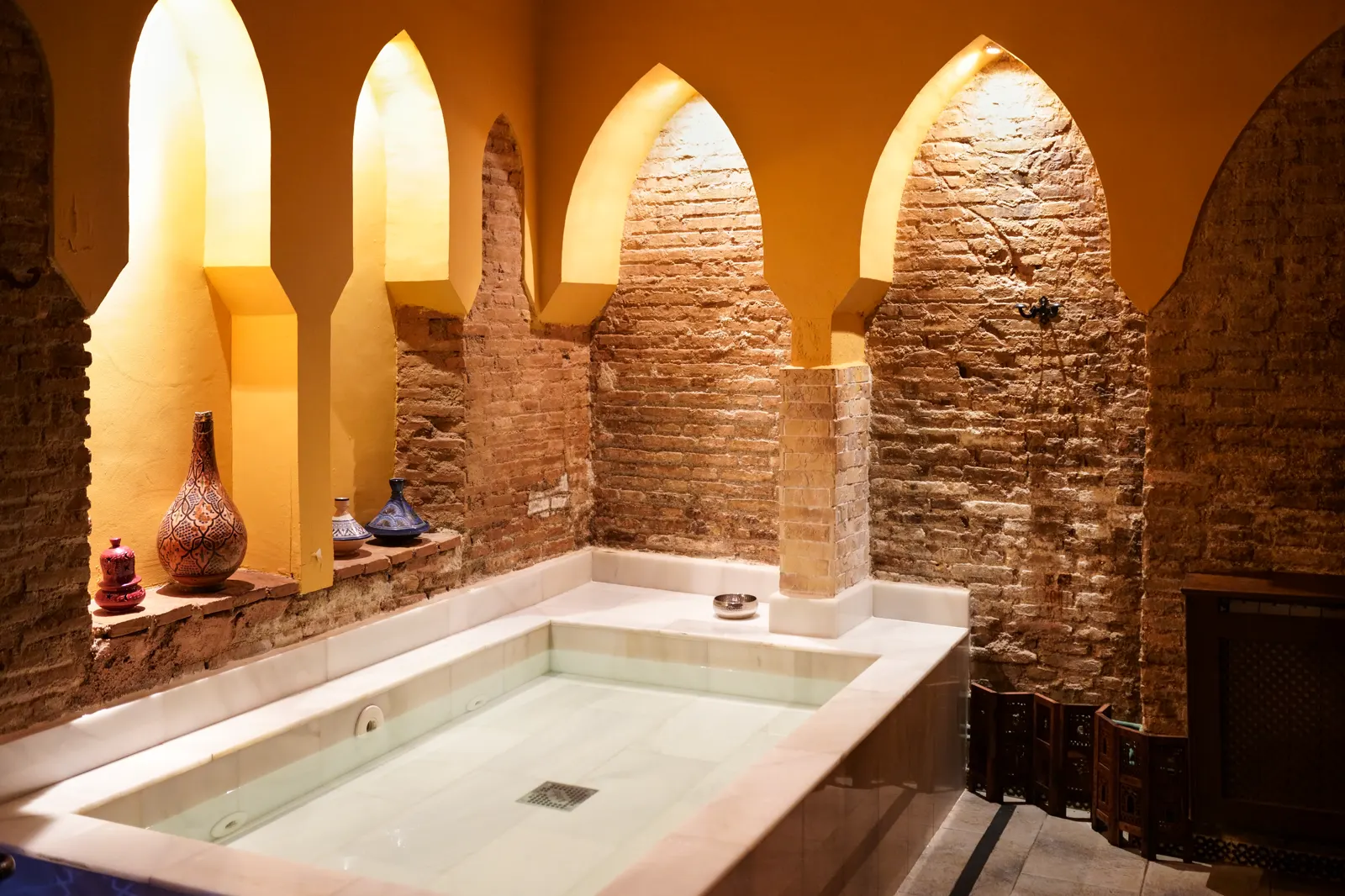 The Home Hammam, Once a WeekBeldi black soap, a kessa glove, rhassoul and argan: a Moroccan weekly bath ritual adapted for home, with honest limits on scrubbing.
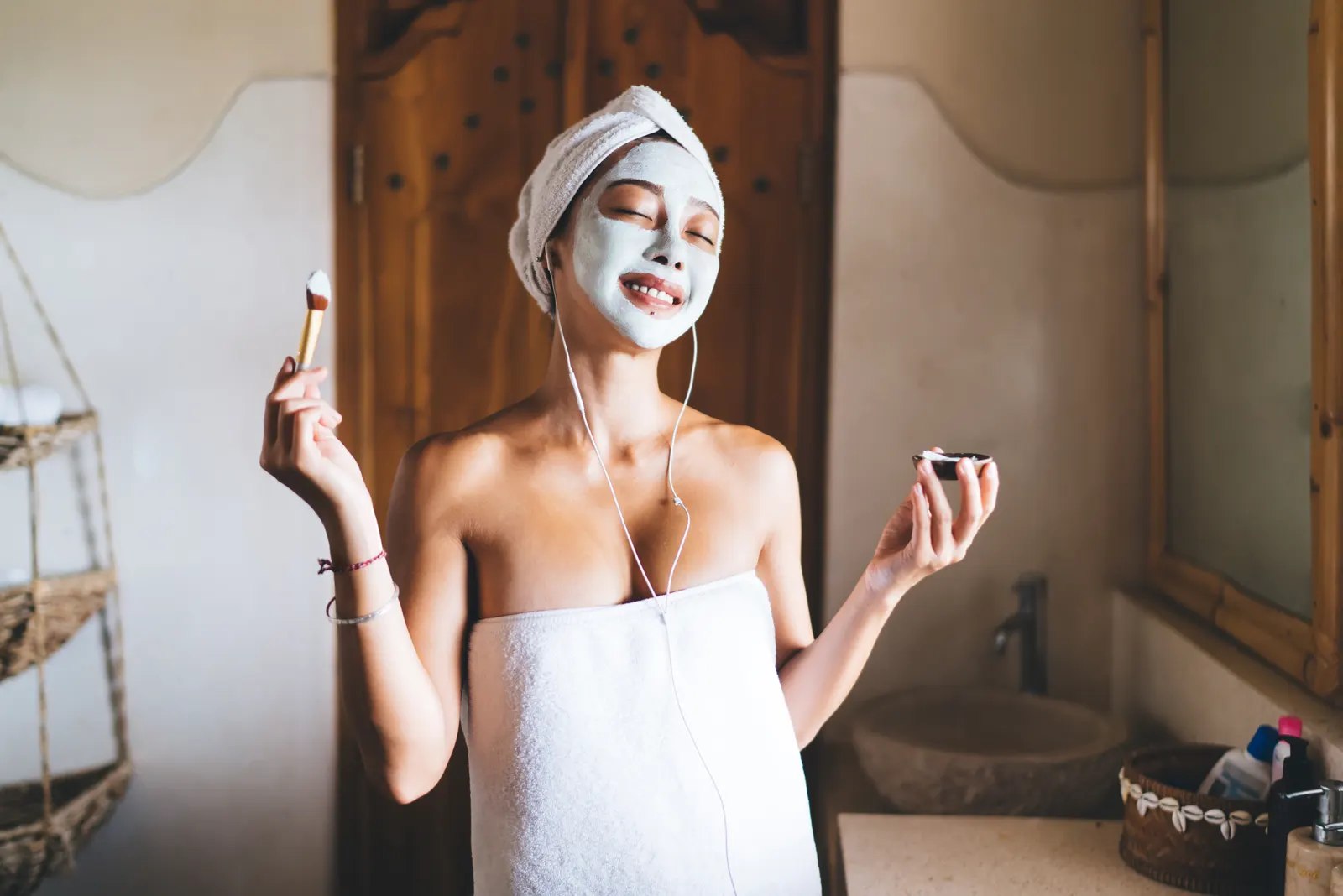 A Weekly Rhassoul Reset for Oily SkinA once-a-week Moroccan rhassoul clay mask for oily and combination skin, with the winter rule that keeps it from over-drying.
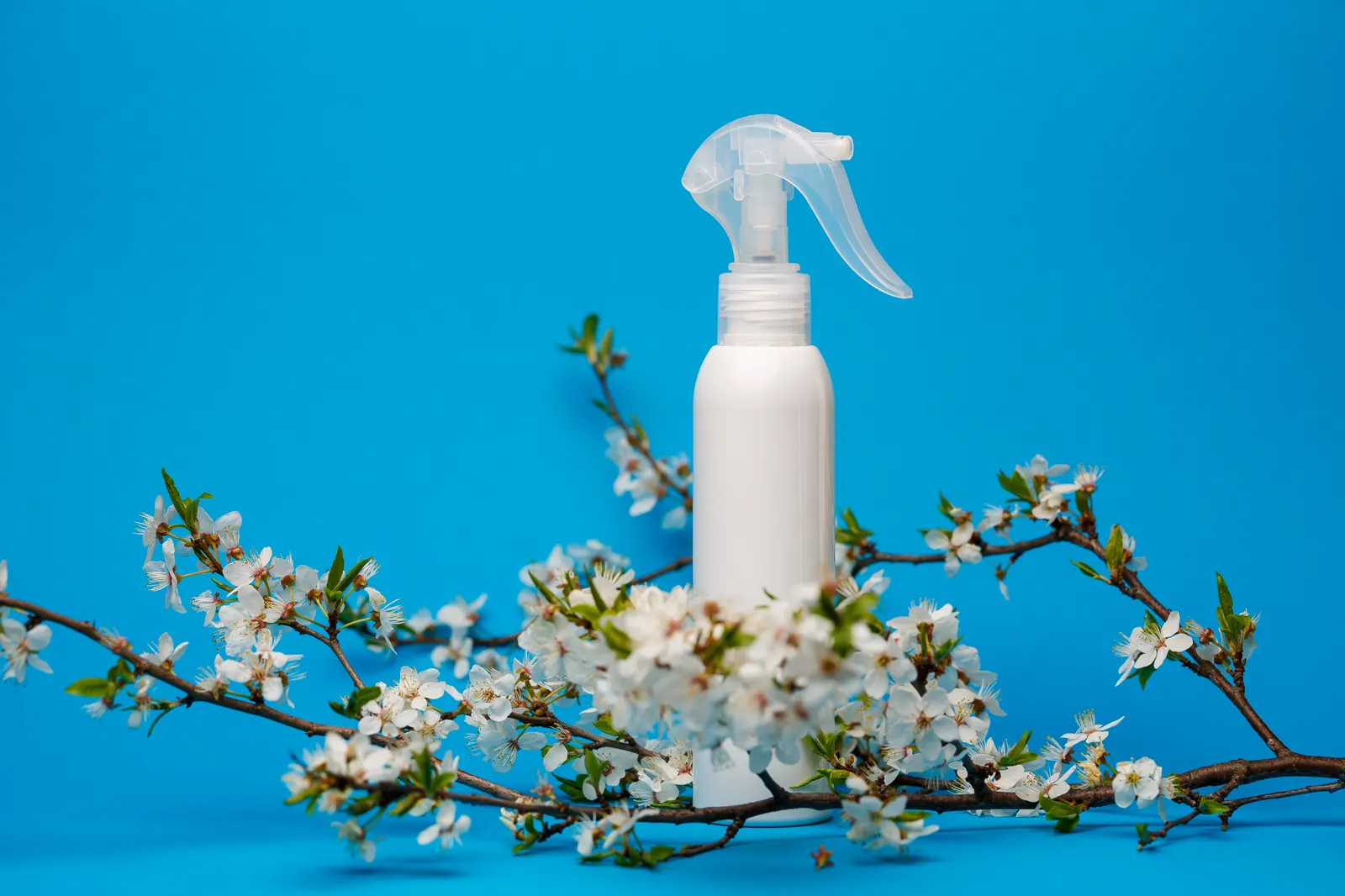 Orange Blossom Water, the Moroccan WayA cool mist of orange blossom water is a Moroccan welcome. How to use it, choose a cosmetic-grade hydrosol and keep it fresh and safe.
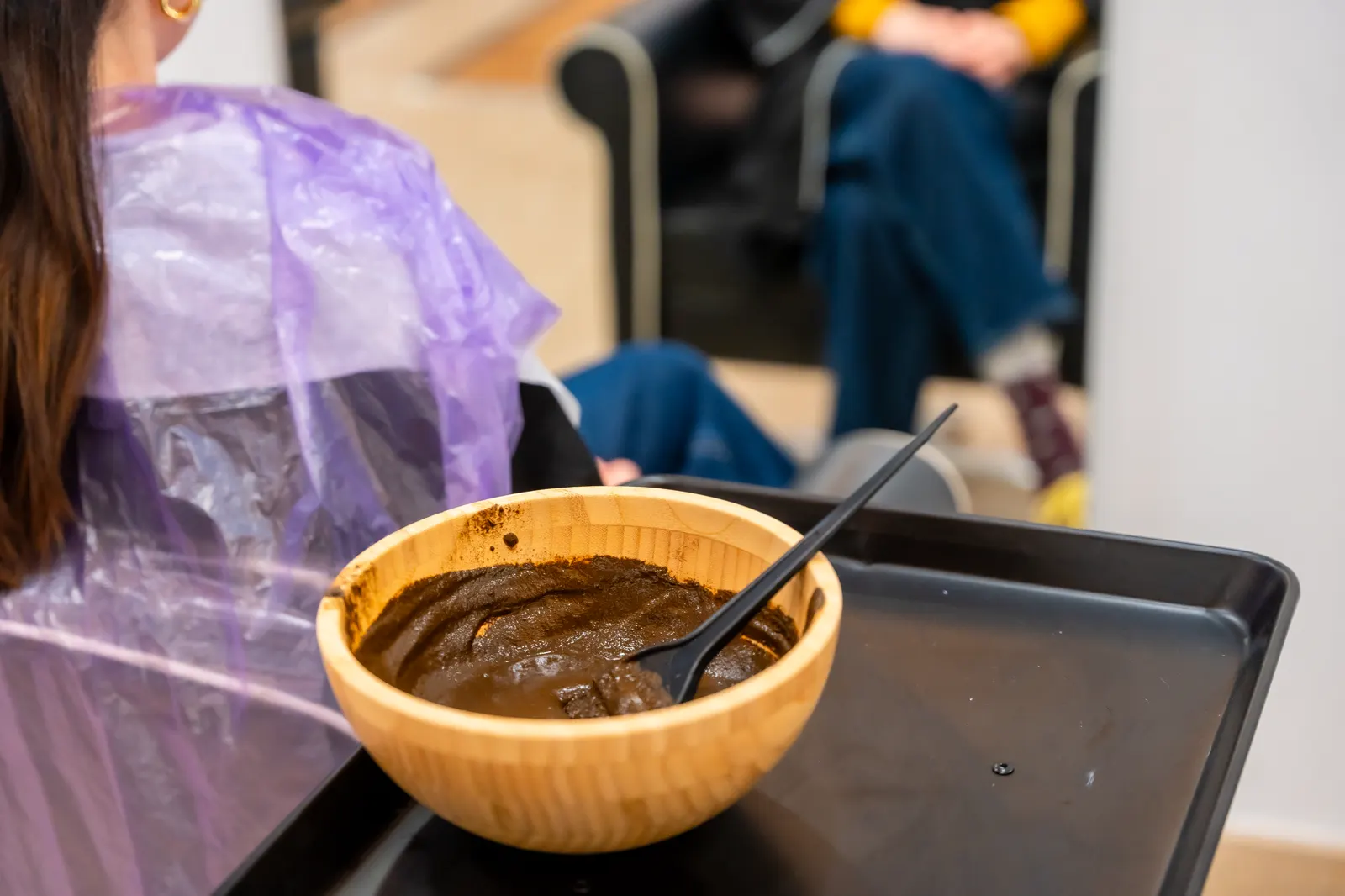 Henna Day, the Pure WayHow to plan a pure henna hair day, why real henna is never black, and how to spot the dangerous PPD “black henna” that can scar.
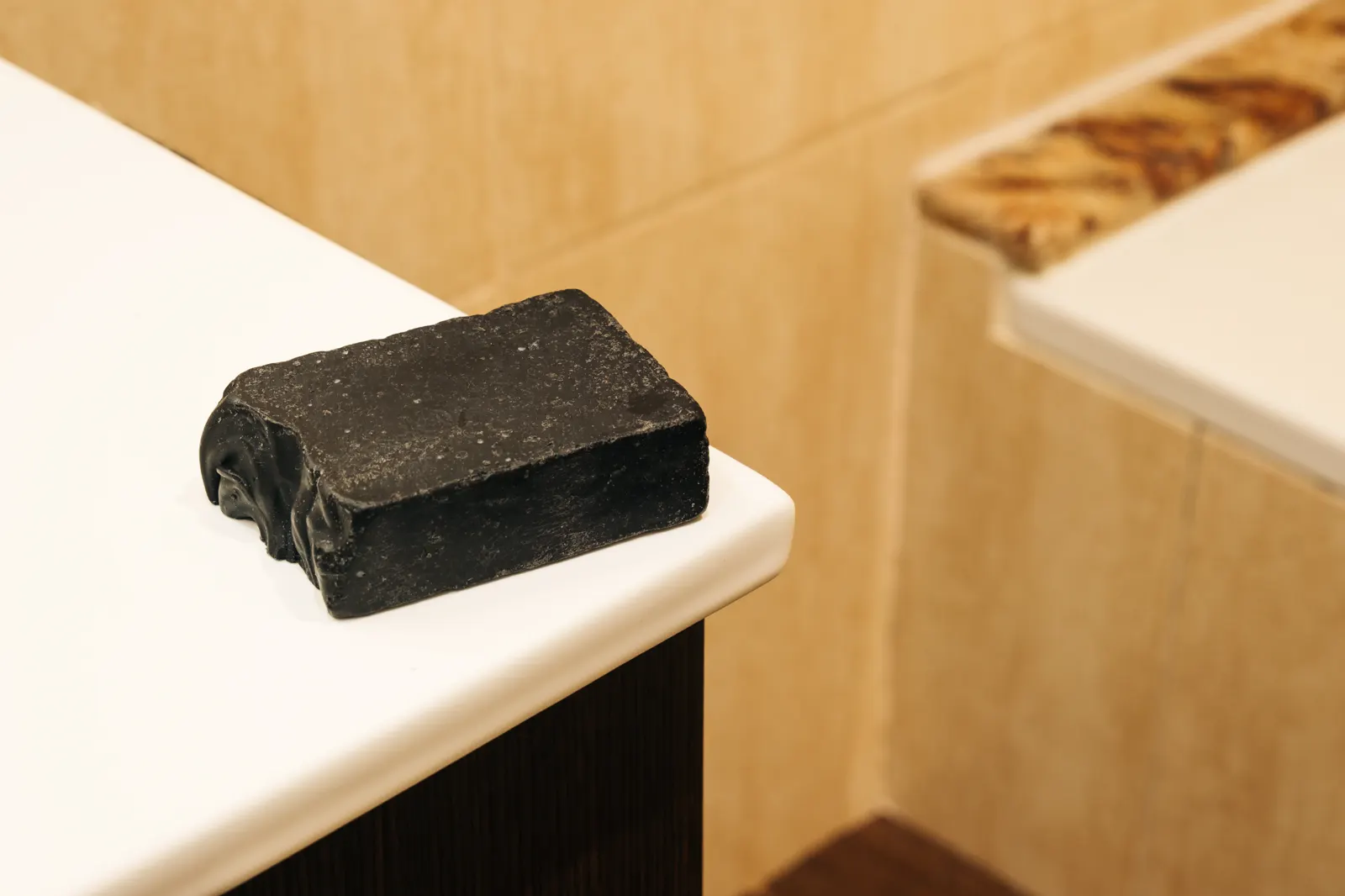 Ritual · BeginnerMoroccan Hammam Ritual at HomeBeldi black soap, the kessa glove, rhassoul clay, orange blossom water and argan oil: the traditional Moroccan hammam sequence, adapted safely for home.
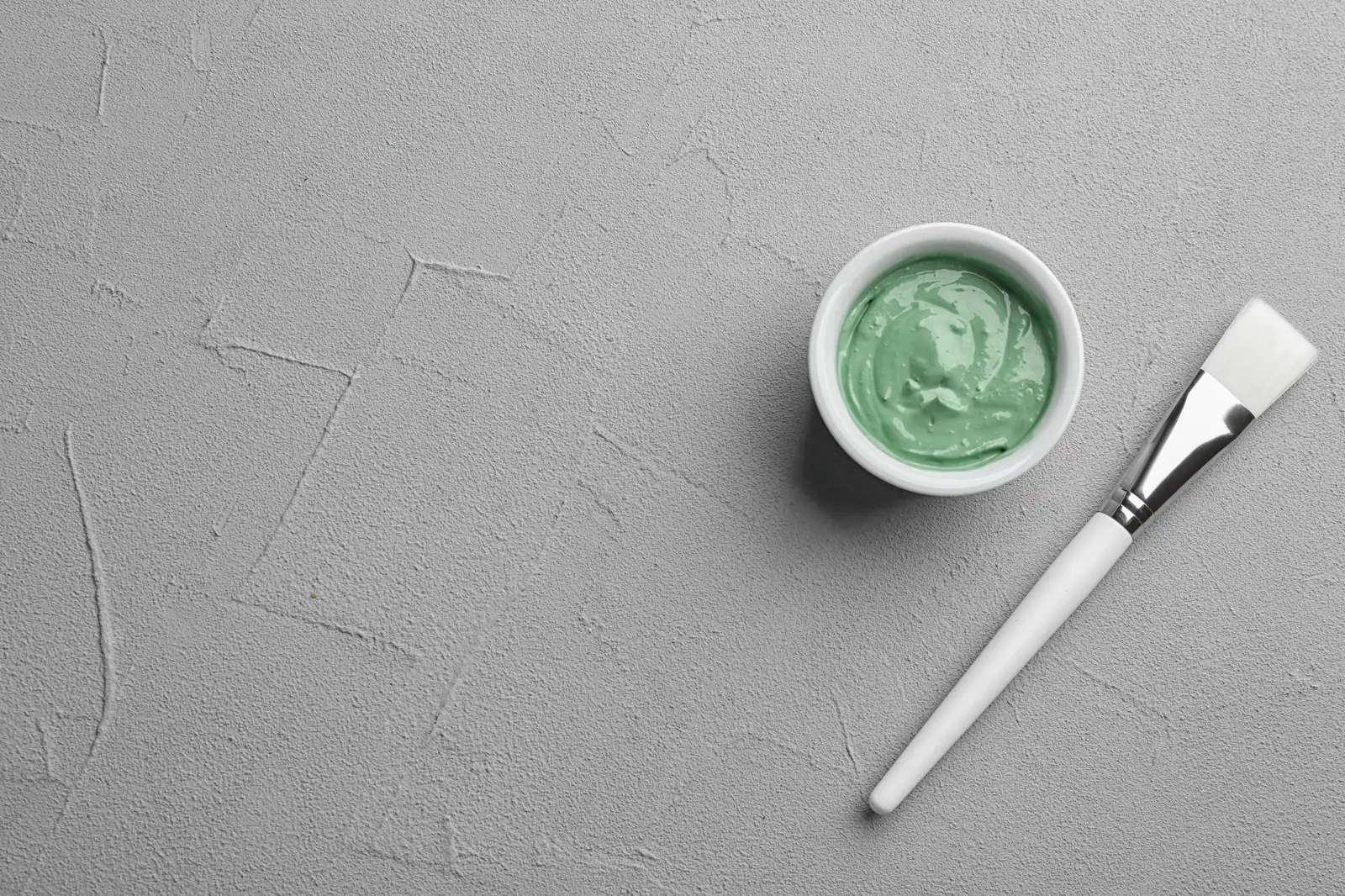 Mask · BeginnerMoroccan Rhassoul & Orange Blossom MaskRhassoul clay whipped with orange blossom water, argan oil and honey: the Moroccan way to cleanse and soften without squeaky tightness.
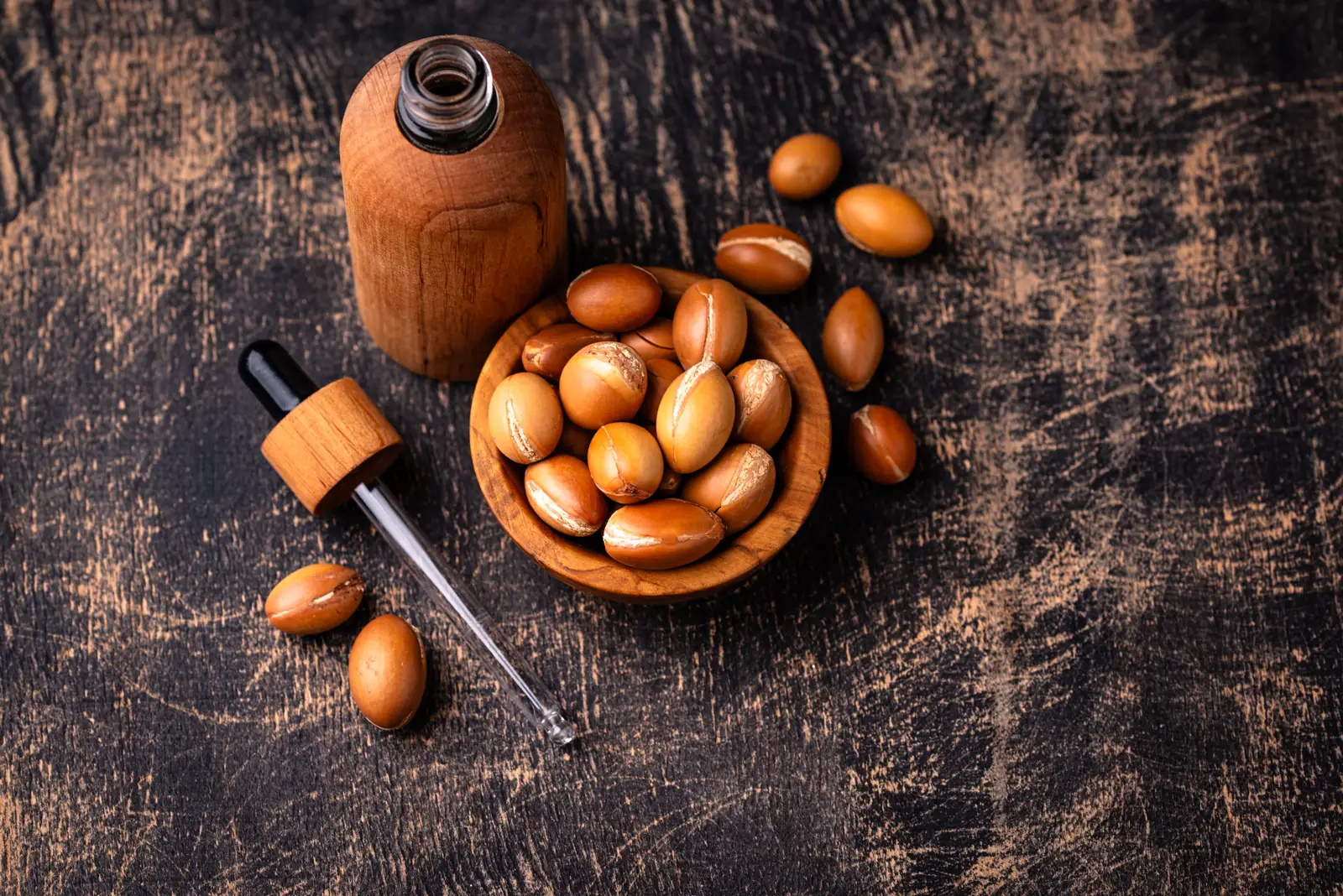 Serum · BeginnerArgan & Prickly Pear Night SerumA Moroccan night oil-serum of argan, prickly pear seed oil and squalane with 1% bakuchiol, a gentle alternative to retinol.
GuideMoroccan Beauty Rituals: Hammam, Rhassoul & ArganThe hammam, beldi soap, kessa, rhassoul, argan, flower waters, henna and kohl: their history, cultural meaning and what science says about each.GuideSustainable & Ethical Botanical SourcingAt-risk botanicals, CITES and the IUCN Red List, argan cooperatives, RSPO palm, upcycled ingredients, adulteration and the questions to ask suppliers.GuideHow to Patch Test (and Read the Result)A step-by-step at-home patch test (ROAT), how to tell irritation from allergy, and when you need proper dermatologist patch testing.