The ingredient encyclopedia · oil
Jojoba
Simmondsia chinensis (Link) C.K.Schneid. · Simmondsiaceae
Jojoba is really a liquid wax, which is why it feels so silky, sinks in with a satin finish and keeps for years.
FR JojobaES JojobaAR زيت الجوجوباGoat nut, coffeeberry (English vernacular)
- How well proven
- CPromising
- Safety
- Low topical risk
- Sun-sensitive
- No
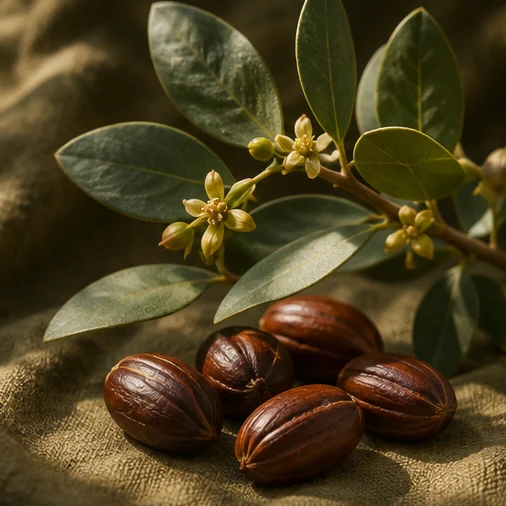
FR JojobaES JojobaAR زيت الجوجوباGoat nut, coffeeberry (English vernacular)
What the evidence says
Strong chemical rationale and lab data, plus small uncontrolled human studies; no well-designed randomized trials of jojoba alone.
- Best supported for
- Dry & Dehydrated Skin COily Skin & Pores DDry, Damaged & Frizzy Hair D
- How to use it
- Face oil or diluent · 2–4 drops neat; 20–80% of face-oil blends
- Watch out for
- Very well tolerated; allergic contact dermatitis is limited to isolated case reports.
Checked against 2 cited studies and our safety review · Updated 26 November 2026 · How we grade
Why you’ll love Jojoba
Why you’ll love it
- Light and silky, with a dry satin finish rather than shine
- A sensible oil for oily and combination skin
- Exceptionally stable, so one bottle lasts a very long time
Best forOily, combination and normal skin, scalp oils, and blending with delicate oils.
Try it today
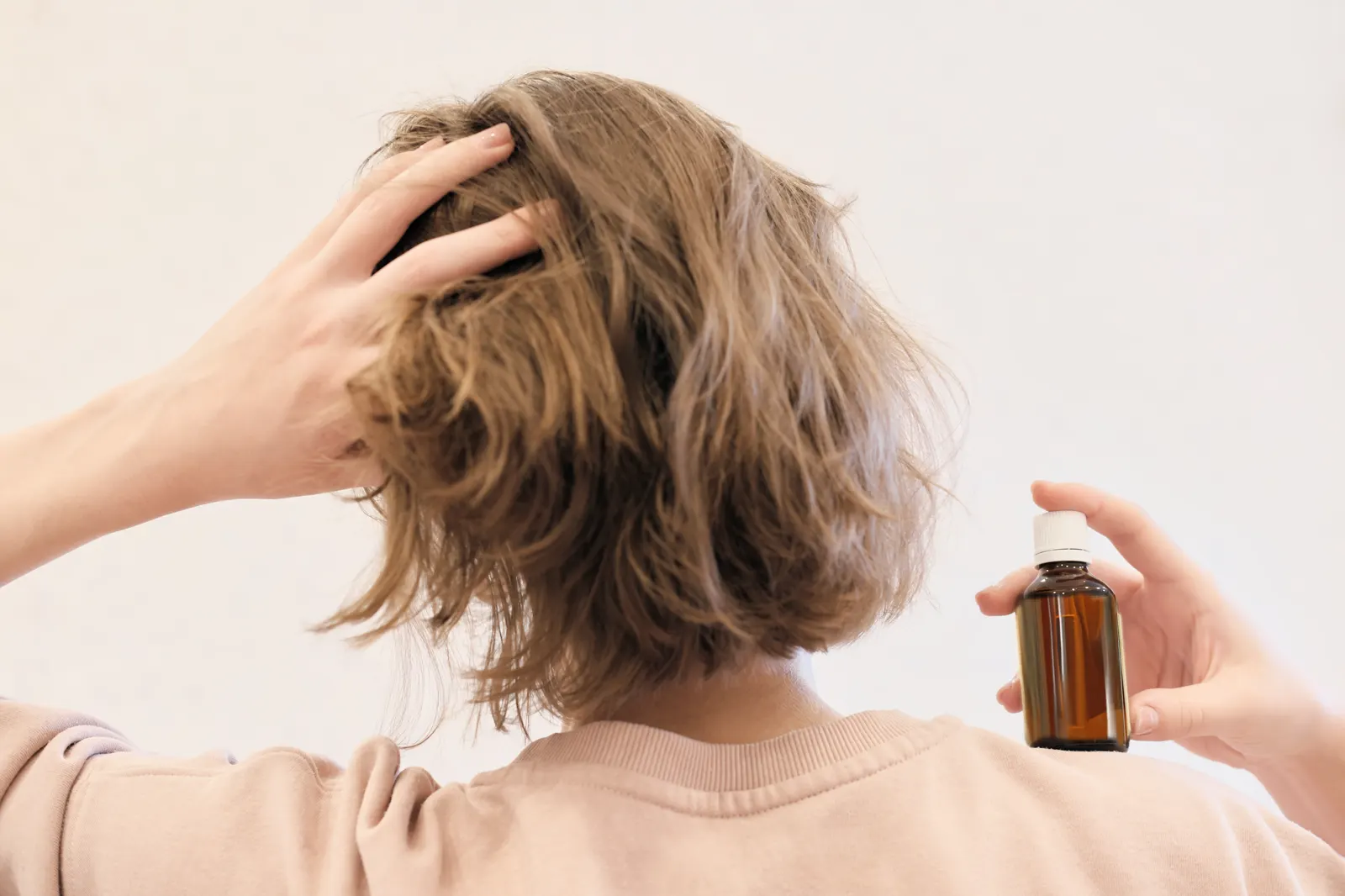
A pre-wash scalp oil
- Patch test a little jojoba at your hairline first if your skin reacts easily.
- Part dry hair into sections and massage a small amount into the scalp with your fingertips.
- Leave it for at least an hour, or up to eight, then shampoo as usual.
Good to know: Jojoba turning cloudy or solid in the cold is normal and clears at room temperature. It is for skin and hair only, never for eating.
At a glance
| Parts used | Seed “oil” (a liquid wax), cold-pressed; hydrogenated or interesterified derivatives (jojoba esters, beads) |
|---|---|
| Key actives | Wax esters (C38–C44), Eicosenoic (gondoic) acid, Eicosenol and docosenol, Tocopherols, Phytosterols |
| INCI names | Simmondsia Chinensis Seed Oil Hydrogenated Jojoba Oil Jojoba Esters |
| Skin types | oily, combination, normal, dry, sensitive |
| Hair & scalp | oily scalp, fine |
| Pairs well with | Tea TreeLavenderRosemaryRosehip Oil |
| Evidence grade | CPromising Strong chemical rationale and lab data, plus small uncontrolled human studies; no well-designed randomized trials of jojoba alone. |
What it does for skin and hair
Light, silky emollient
Spreads easily and absorbs with a dry, satin finish, softening skin without the heaviness of butters or richer oils.
Exceptionally stable
Wax esters resist oxidation far better than triglyceride oils, so jojoba lasts years rather than months and is a good diluent for fragile oils like rosehip oil.
Friendly to oily and acne-prone skin
Low comedogenic potential and a sebum-like texture make it a sensible oil for oily skin — though it is not an acne treatment in itself.
Scalp and hair conditioning
Coats the cuticle to add slip and shine without weighing fine hair down; a common carrier for scalp blends.
How to use it
Start low, be consistent, and give it four to eight weeks. These are the amounts that work in real products and home recipes.
| Form | Typical use level | Notes |
|---|---|---|
| Face oil or diluent | 2–4 drops neat; 20–80% of face-oil blends | Pairs well with fragile, linoleic-rich oils to improve stability and feel. |
| Scalp and hair | 20–50% of a scalp oil; a few drops on ends | Use as the carrier in scalp blends such as Rosemary & Pumpkin Seed Scalp Oil; shampoo out after 1–8 hours. |
| Body and massage oil | 20–100% of the oil base | See Lavender Calm Body Oil. Check essential-oil limits with the Essential Oil Dilution Calculator. |
| Emulsions and balms | 2–10% of a formula | Adds a dry, silky skin feel; jojoba esters (hydrogenated) add structure to balms and sticks. |
Use it safely
Low topical risk
- Very well tolerated; allergic contact dermatitis is limited to isolated case reports. Patch test anyway if you react easily.
- Not for ingestion: the wax is poorly digested and the seed contains simmondsin, an appetite-suppressing compound.
- Cloudiness or solidifying when cold is normal and reverses at room temperature — it is not spoilage.
- Pregnancy & breastfeeding
- No known concerns for topical use in pregnancy or breastfeeding. Pregnancy guide
- Phototoxicity
- Not phototoxic at normal use levels.
- Declared fragrance allergens
- None expected
New to an ingredient? Patch test first. Stop and seek advice if you get burning, swelling, blistering or a spreading rash.
Make it at home: recipes with jojoba
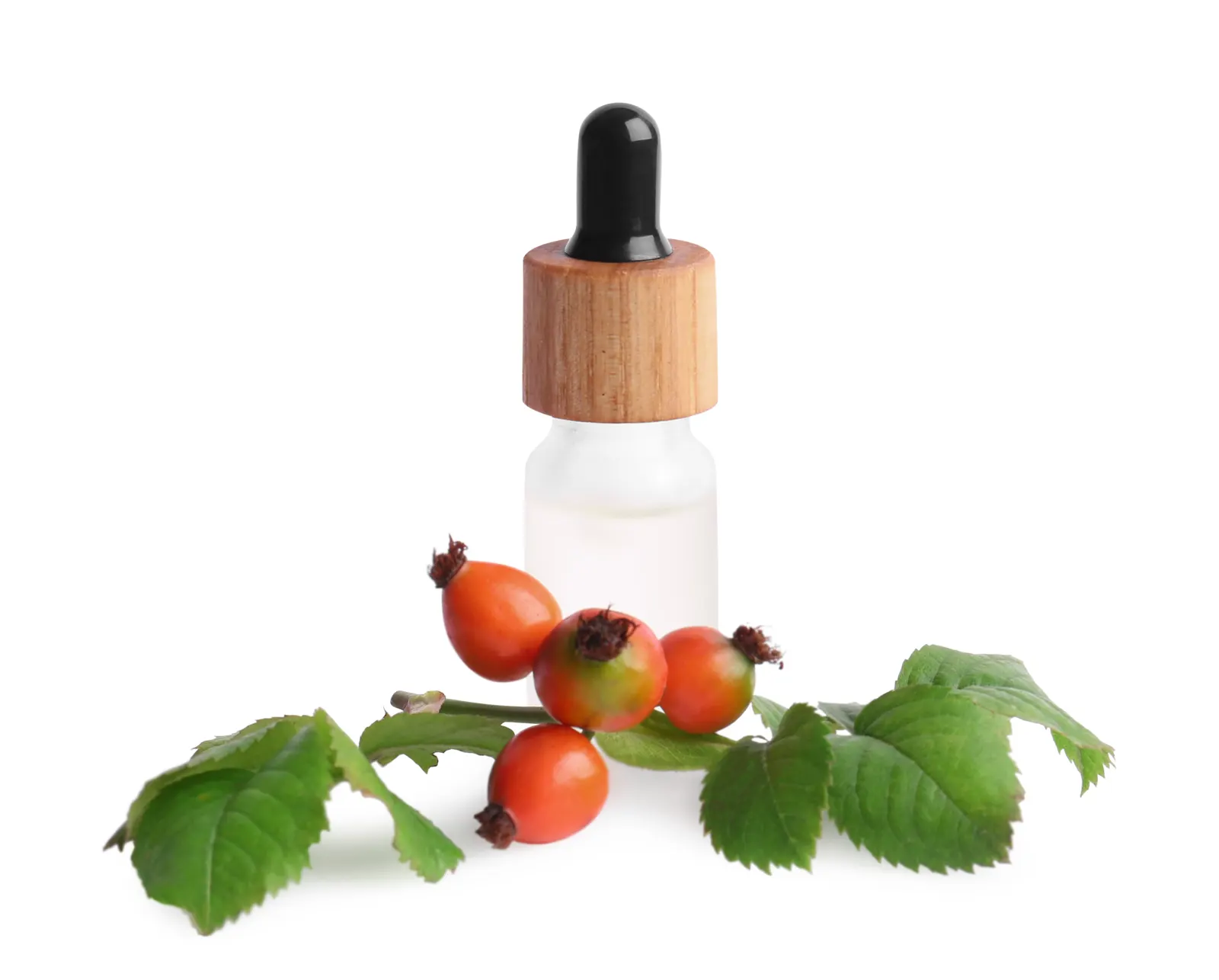 Face oil · BeginnerRosehip & Sea Buckthorn Glow OilA light face oil of rosehip, jojoba and squalane with a touch of sea buckthorn, protected with vitamin E. Three or four drops at night.
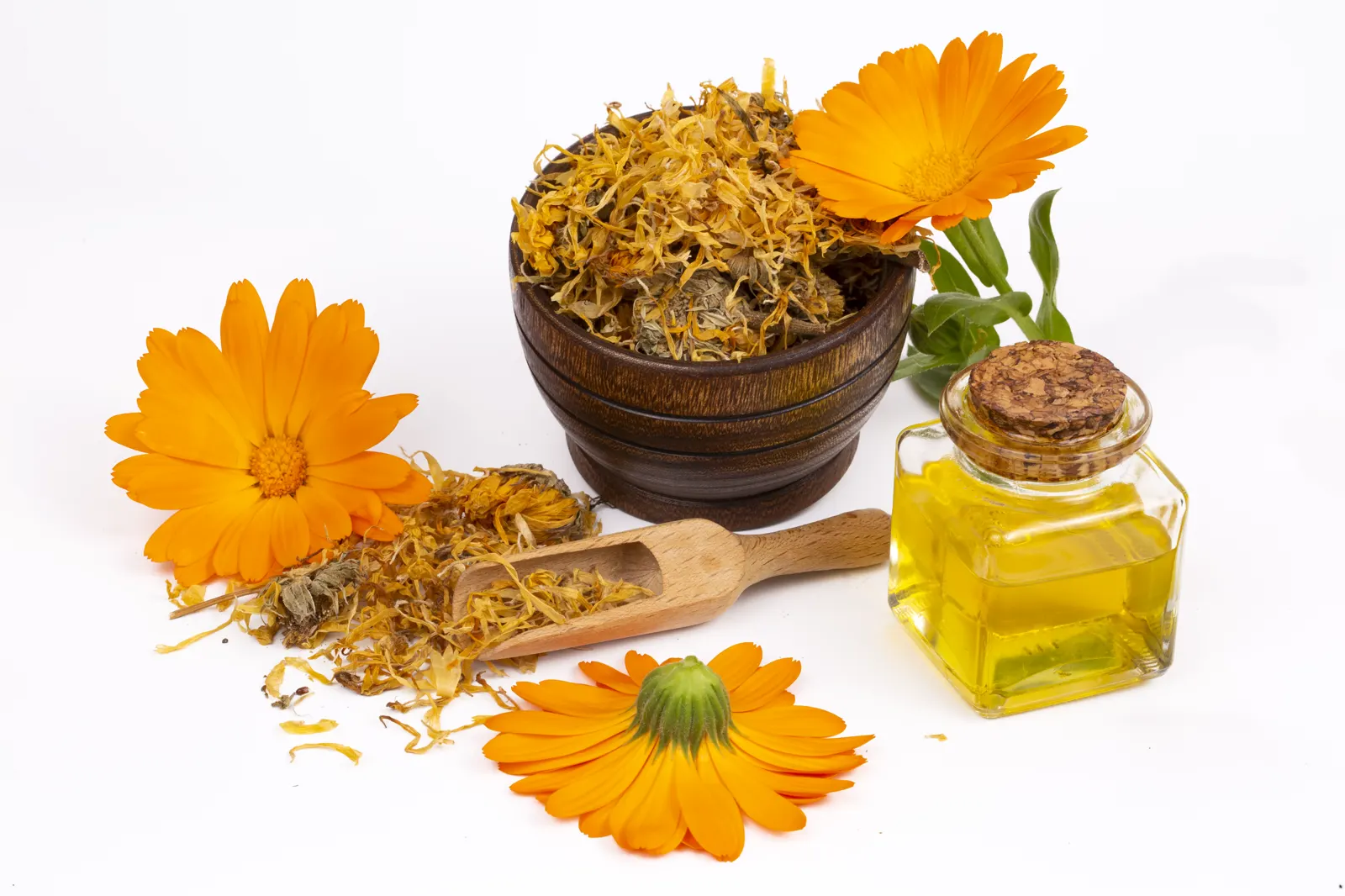 Balm · BeginnerCalendula Comfort BalmA rich, fragrance-free balm of calendula-infused oil, shea and beeswax for chapped hands, dry patches and minor scrapes once they have closed.
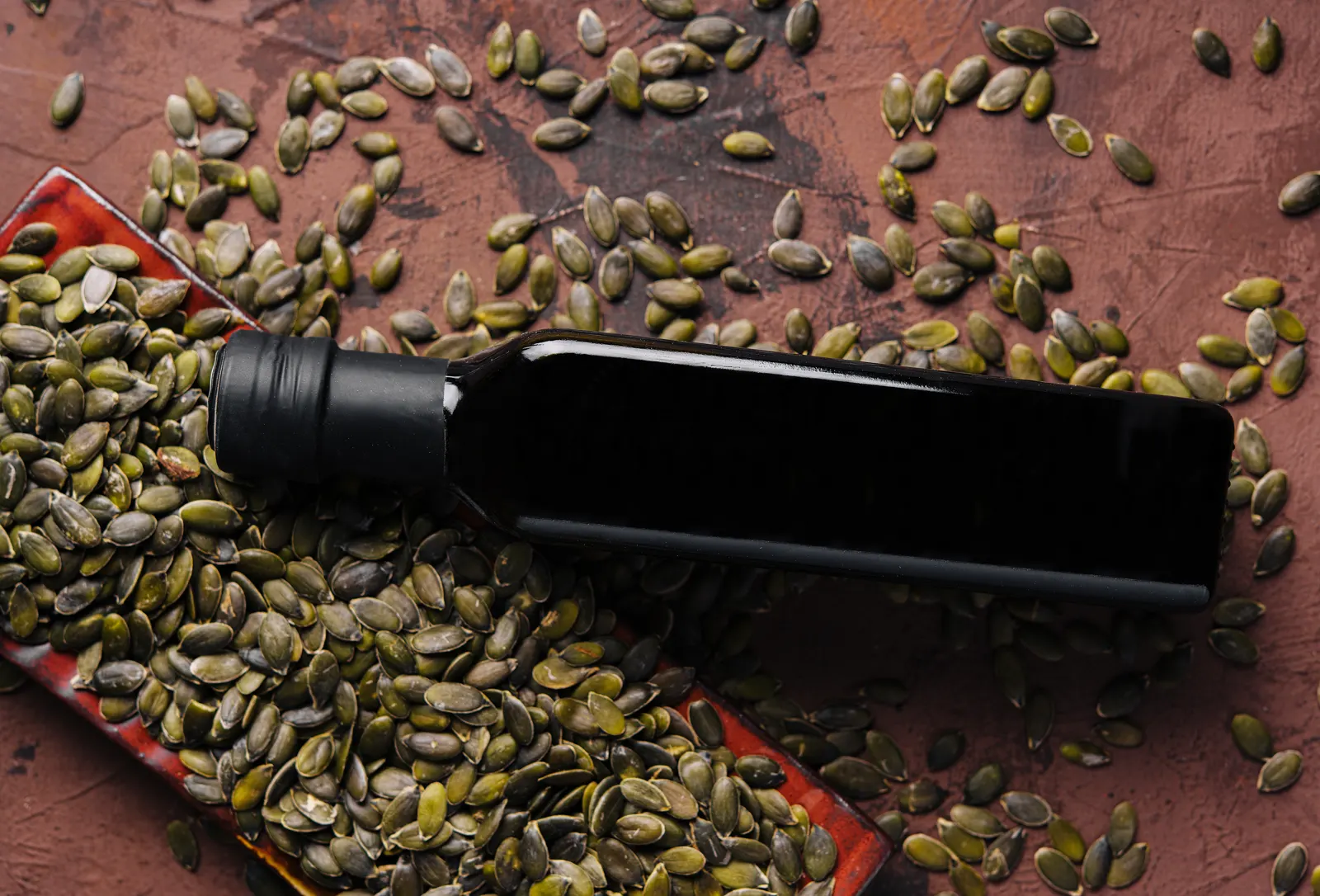 Hair care · BeginnerRosemary & Pumpkin Seed Scalp OilA pre-wash scalp massage oil with 2% rosemary essential oil in pumpkin seed, jojoba and argan oils — a supportive ritual, not a medical treatment.
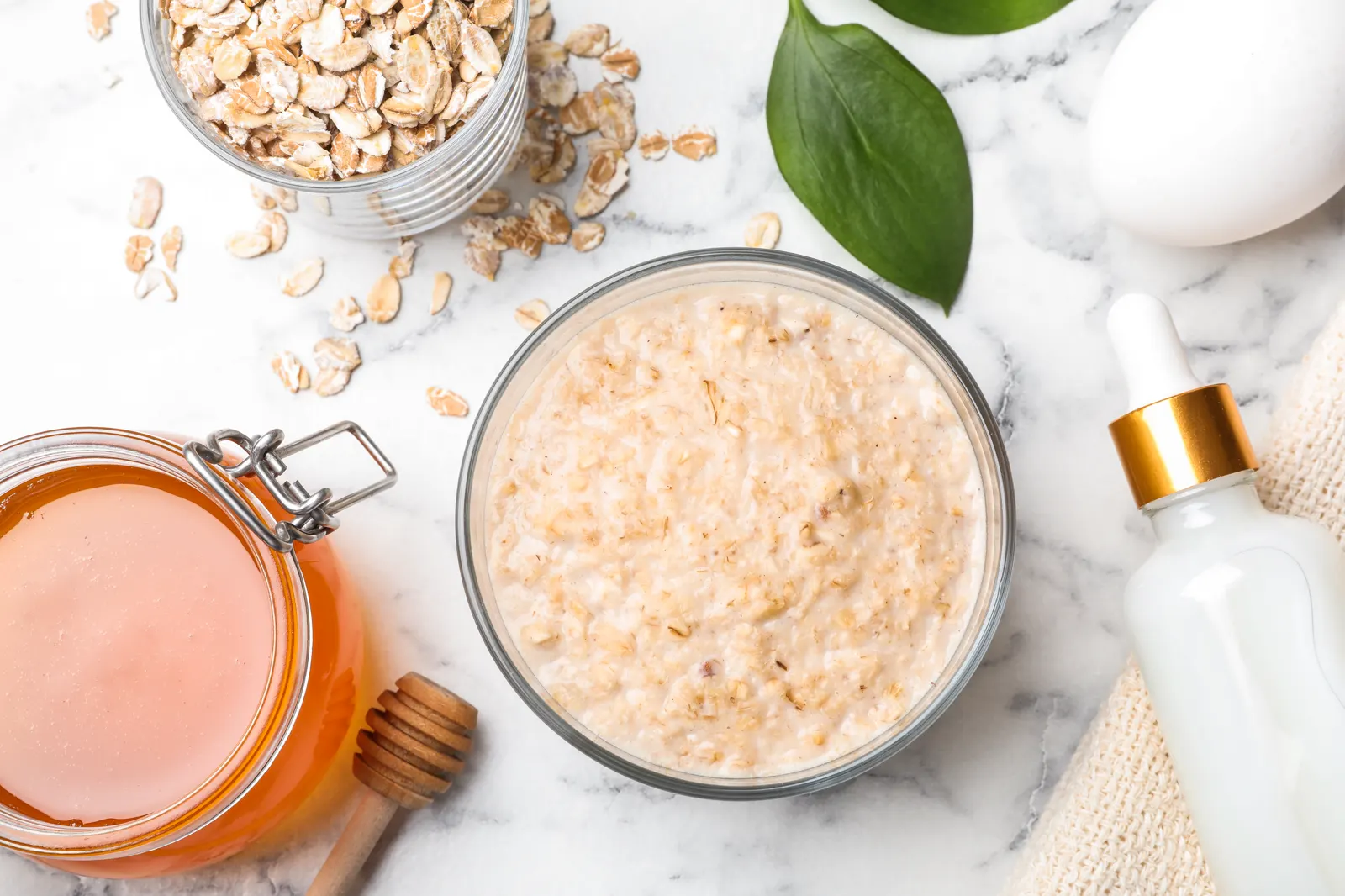 Cleanser · BeginnerHoney & Oat Gentle CleanserA no-foam, single-use cleansing paste of raw honey, colloidal oatmeal, rose water and jojoba for dry or sensitive skin that hates feeling squeaky.
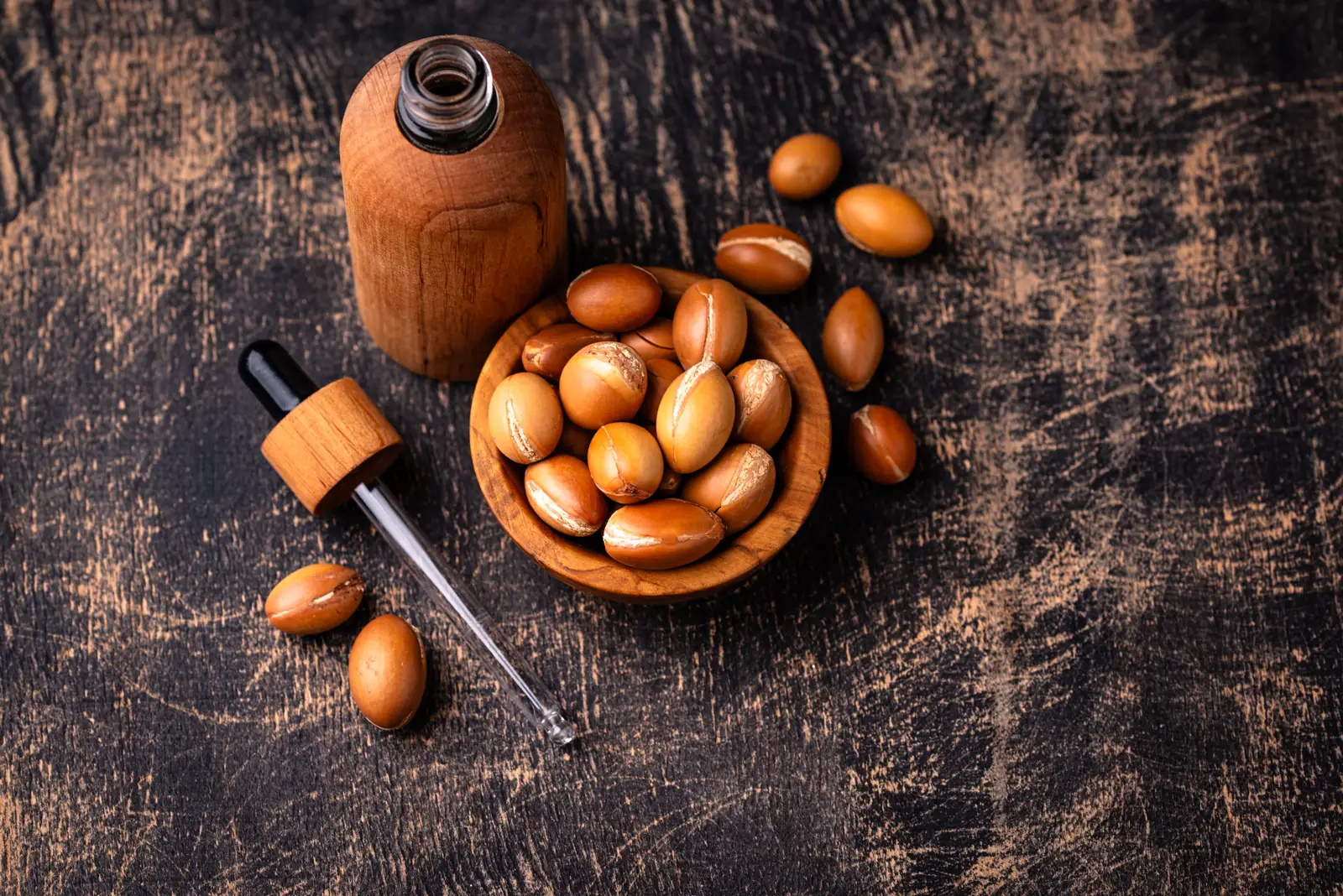 Serum · BeginnerArgan & Prickly Pear Night SerumA Moroccan night oil-serum of argan, prickly pear seed oil and squalane with 1% bakuchiol, a gentle alternative to retinol.
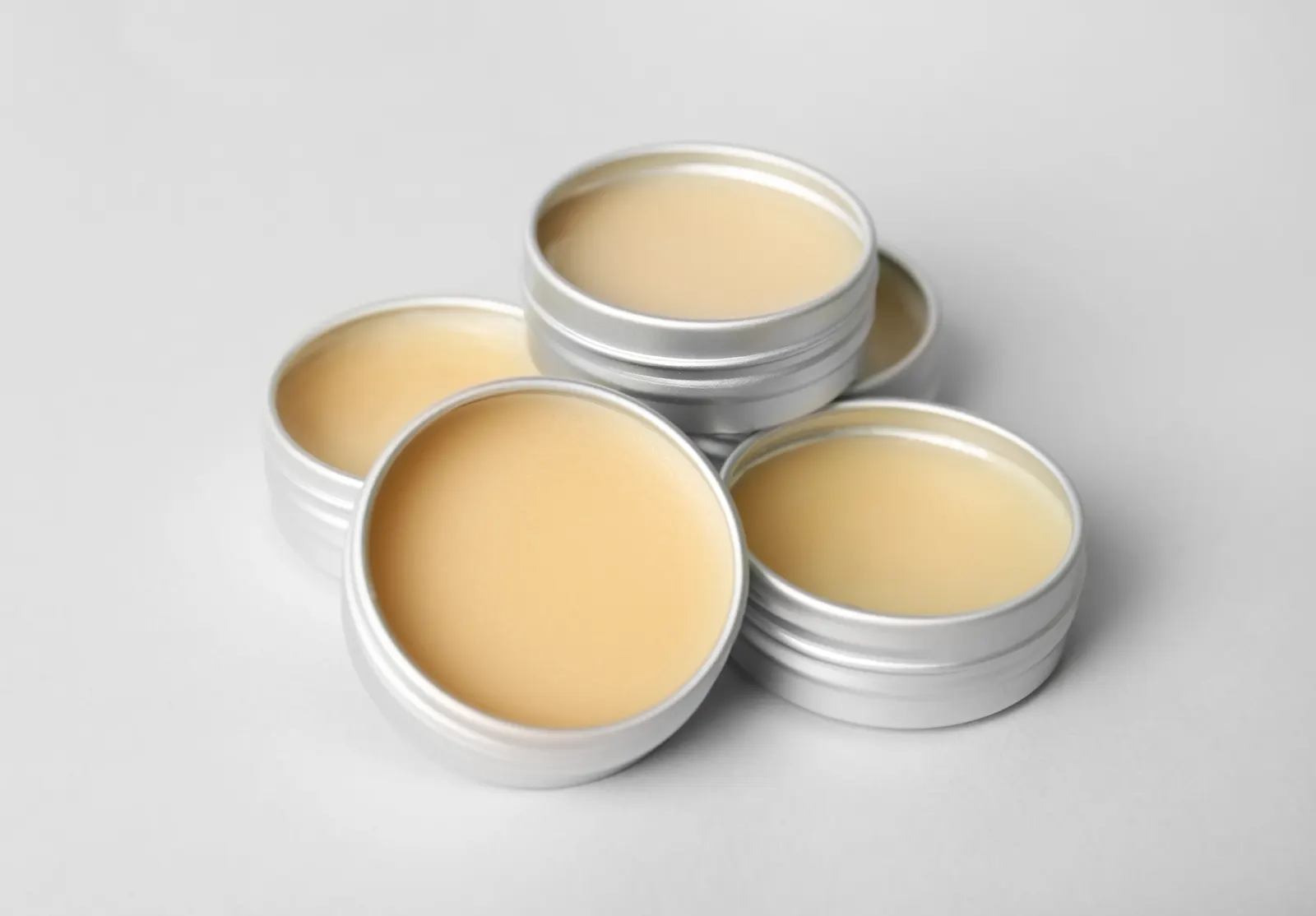 Lip care · BeginnerShea & Calendula Lip BalmA classic fragrance-free beeswax lip balm with shea, castor oil and calendula-infused oil — glossy, protective and easy to make.
 Cleanser · IntermediateSunflower Cleansing BalmA sherbet-textured cleansing balm of sunflower, shea and jojoba with a plant-derived emulsifier that turns milky and rinses clean, sunscreen included.
 Body care · BeginnerLavender Calm Body OilA silky after-bath body oil of sunflower, apricot kernel and jojoba with 2% true lavender — the maximum we recommend for body use.
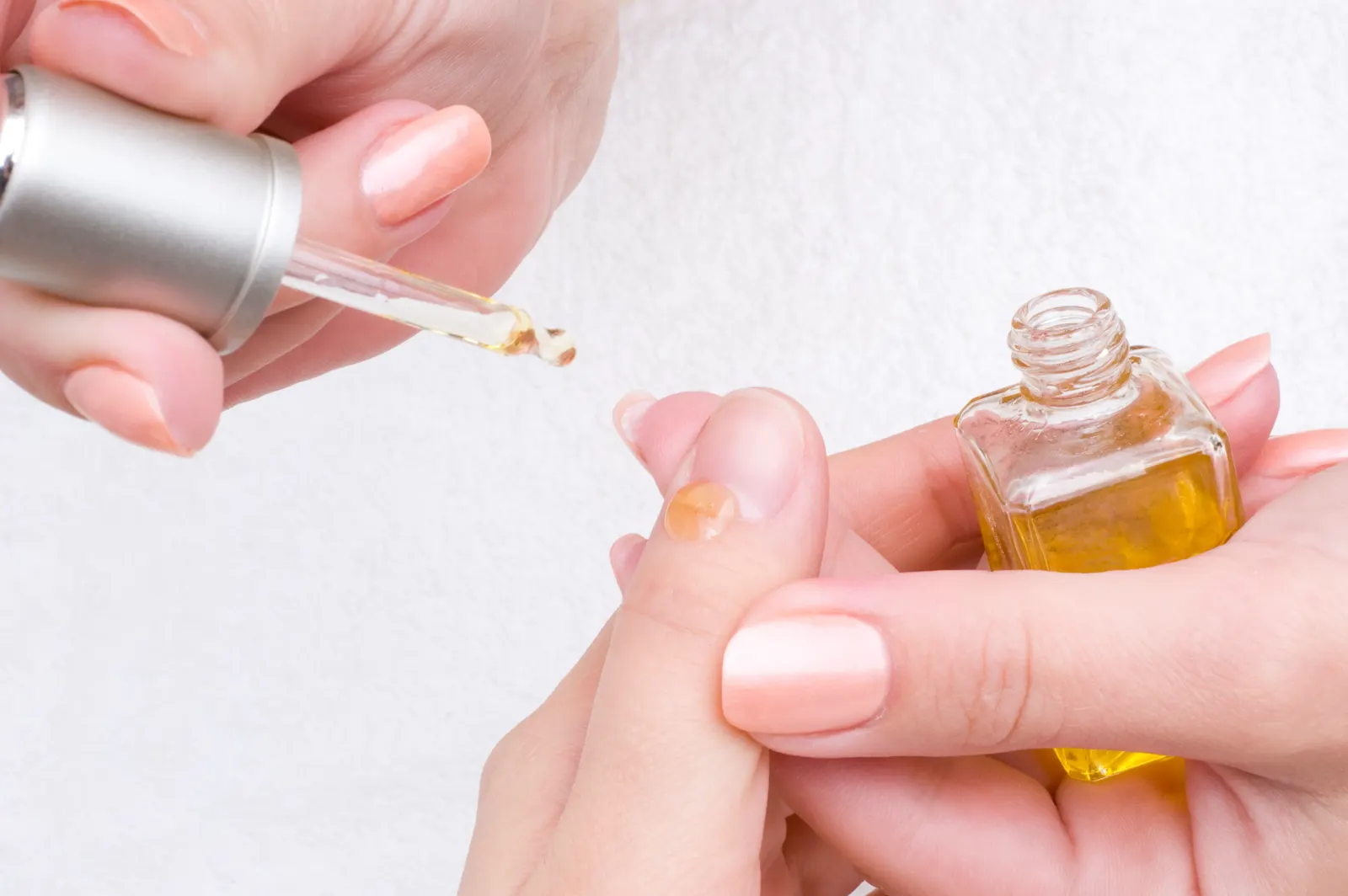 Body care · BeginnerOvernight Cuticle OilA tiny bottle of jojoba, almond, argan and castor oil for ragged cuticles and brittle, peeling nails. One drop per nail before bed.
 Face oil · BeginnerArgan & Jojoba Beard OilA light, woody beard oil of jojoba, argan and sunflower with a hint of Atlas cedar that softens bristles and calms the itchy skin beneath.
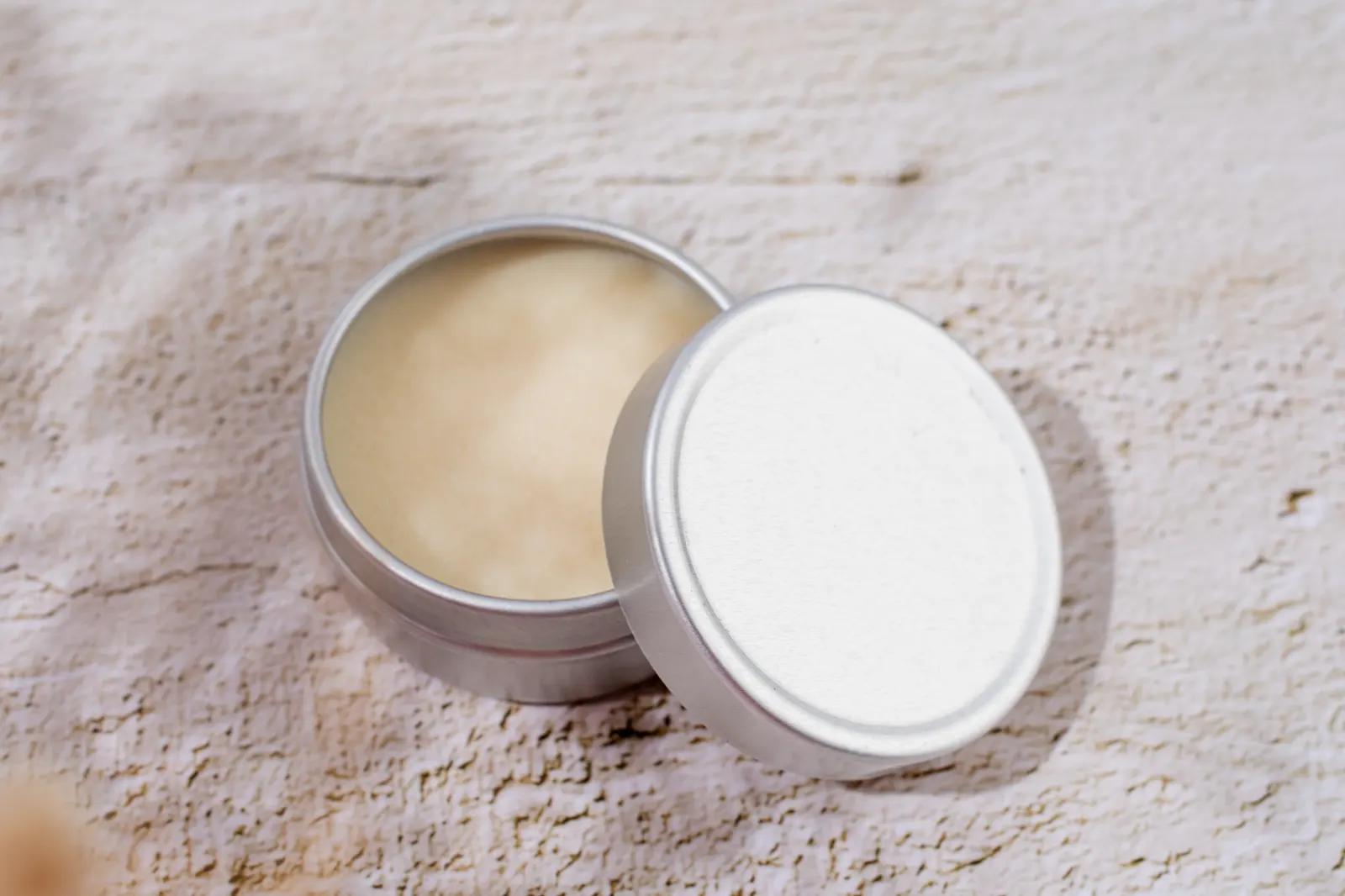 Balm · BeginnerGentle Balm for Dry PatchesAn unscented, fuss-free balm of sunflower oil, mango butter, jojoba and a little colloidal oatmeal for rough, tight patches on elbows, hands and shins.
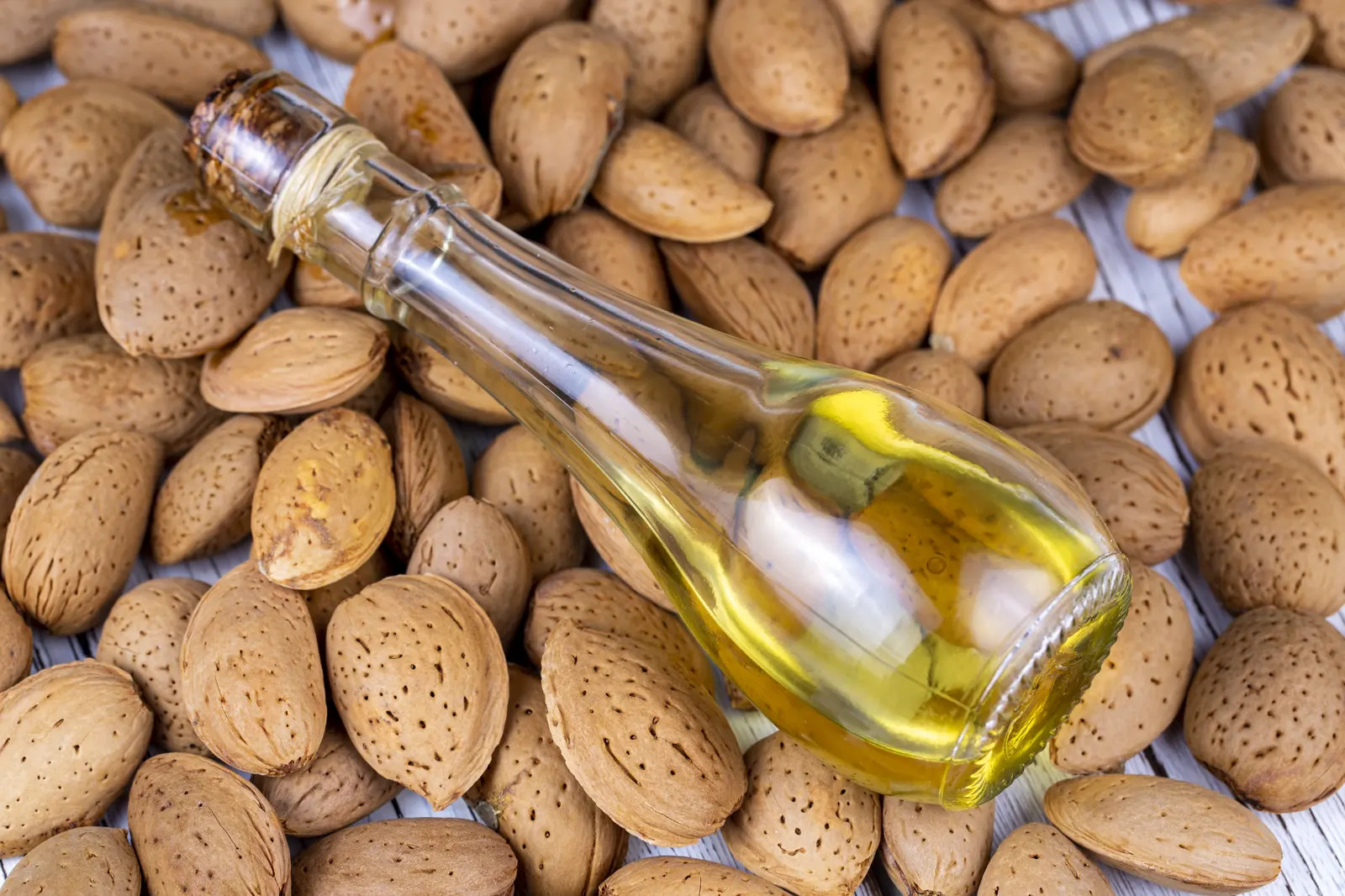 Body care · BeginnerSweet Almond & Vanilla Massage OilA warm, vanilla-infused massage oil of sweet almond and jojoba — silky glide, soft skin and a cozy scent, with no essential oils needed.
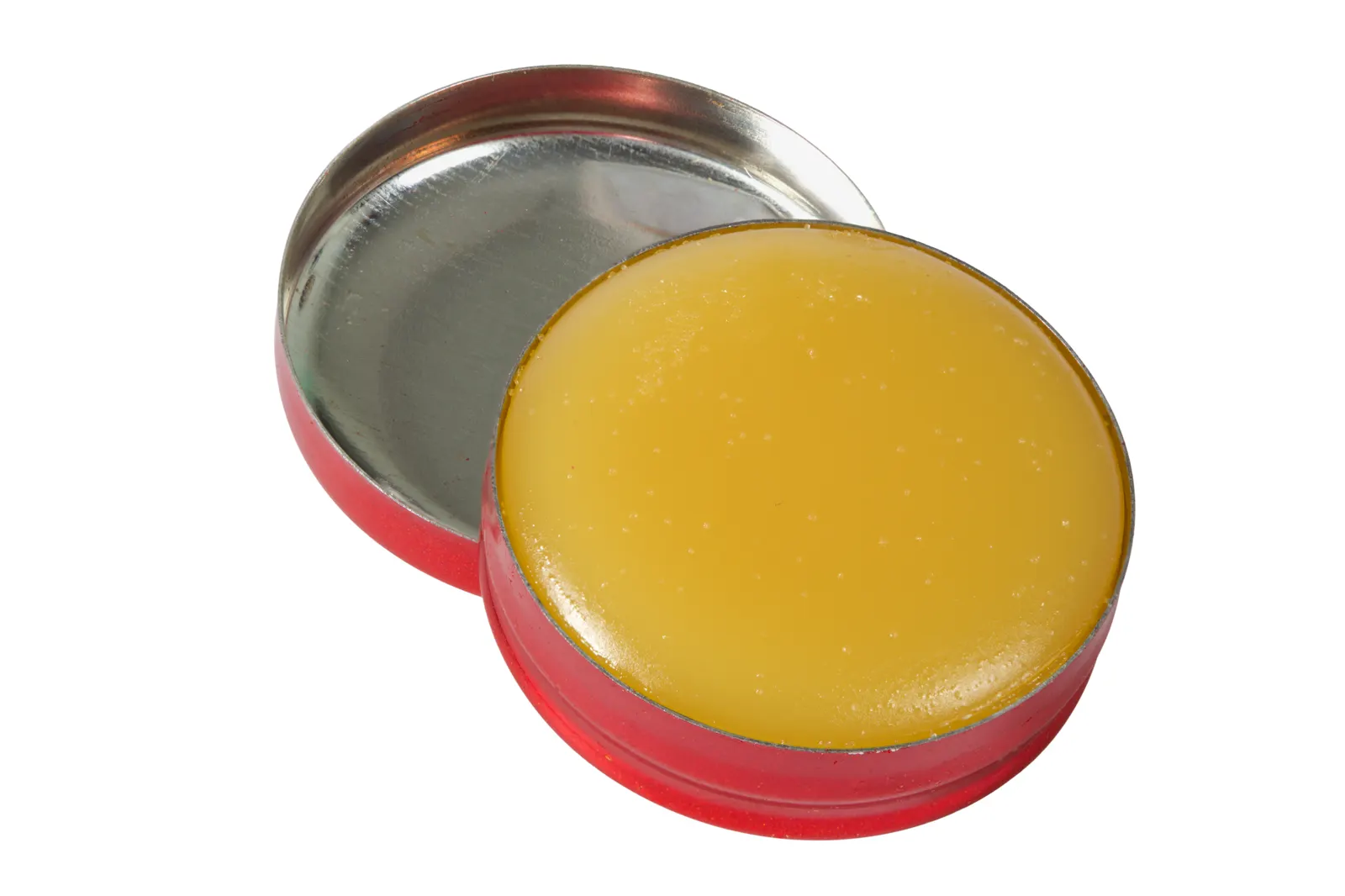 Balm · BeginnerJojoba & Beeswax Solid PerfumeA pocket-sized solid perfume of jojoba and beeswax with a soft, low-dose blend of lavender, Atlas cedar, sandalwood and neroli.
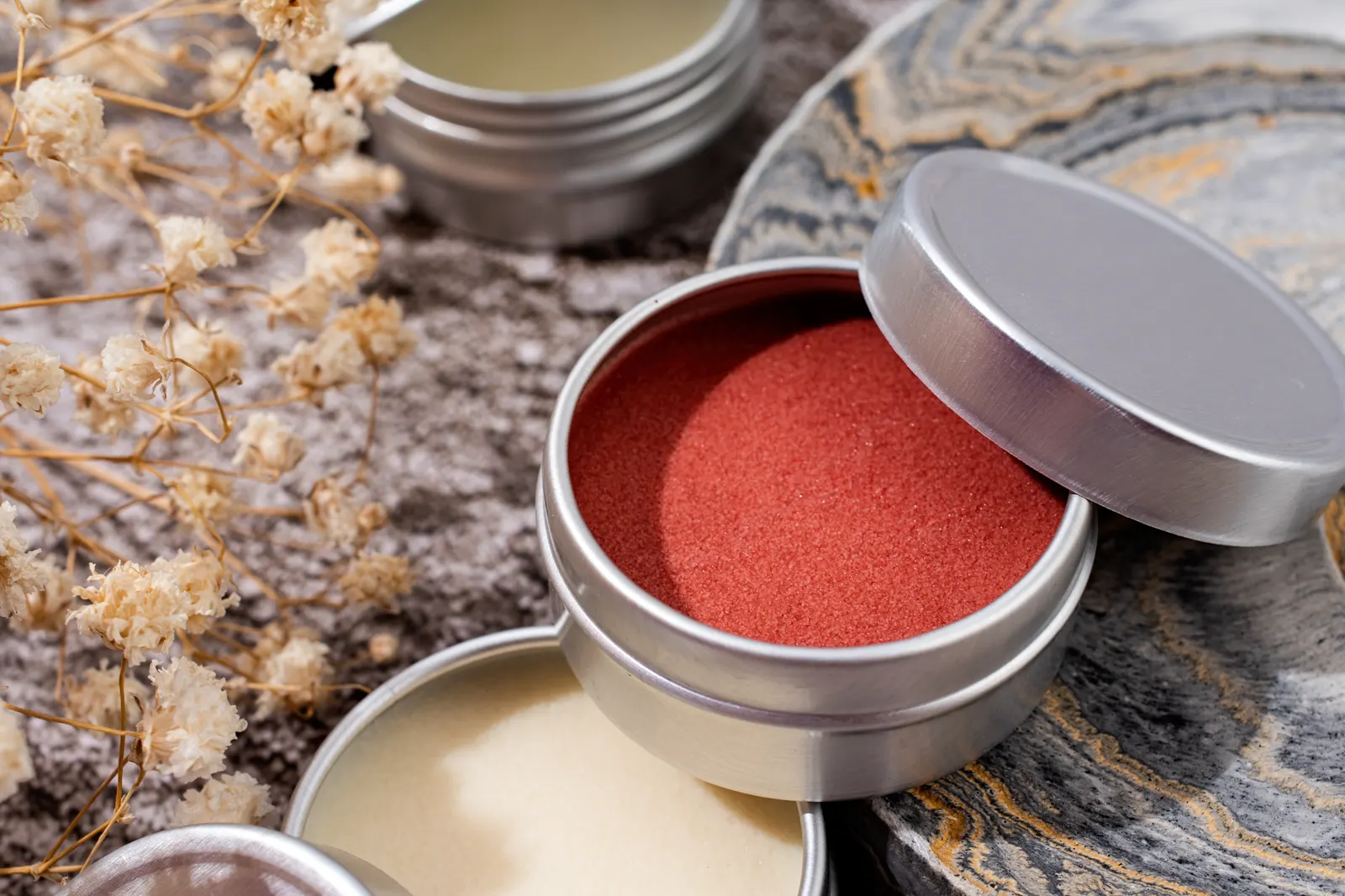 Balm · IntermediateThree-Balm Gift SetOne shea and beeswax base, three little tins: an unscented lip balm, a rose geranium hand balm and a lavender bedtime balm. A handmade gift people use.
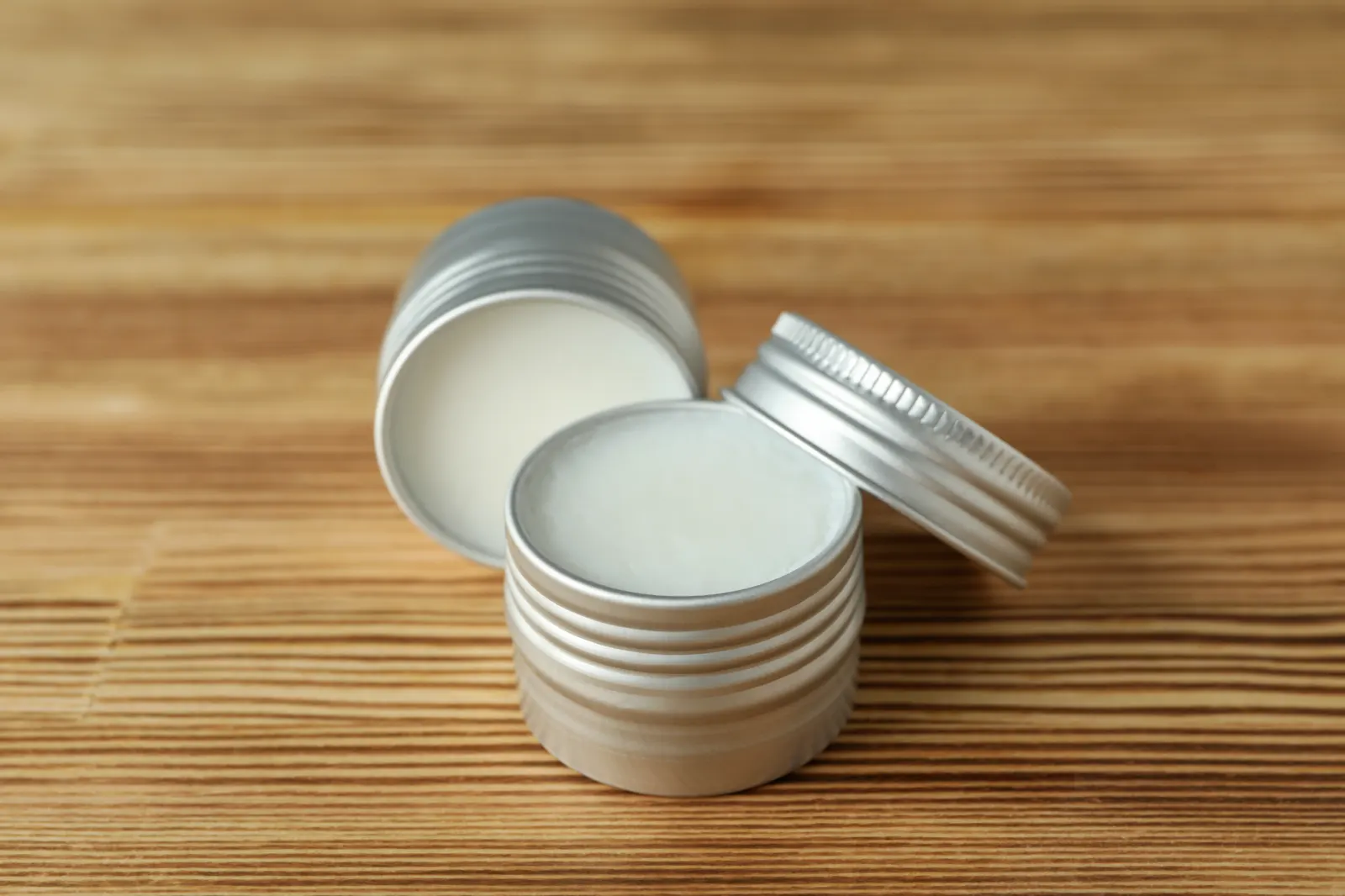 Balm · BeginnerTravel-Size Multi-BalmOne small, plant-based, unscented tin for lips, cuticles, brows, dry knuckles and flyaways, made with mango butter, jojoba, castor oil and candelilla.
Buying well
Sustainability
Jojoba is a drought-tolerant shrub of the Sonoran Desert now farmed in Arizona, Mexico, Israel, Argentina, Peru and Australia, with modest irrigation needs for an oil crop. It is not threatened. Historically it helped reduce demand for sperm whale oil.
How to choose quality
Golden (cold-pressed, unrefined) jojoba is yellow with a faint, nutty smell; clear jojoba is refined and deodorized, useful for white or fragrance-free products. Both are stable. Avoid “jojoba blends” that are mostly mineral oil or cheap seed oils — the INCI should read Simmondsia Chinensis Seed Oil alone. Store at room temperature away from light; shelf life is often two years or more.
The research For professionals
The chemistry, the studies and the evidence by concern, for practitioners, formulators and the curious.
Unlike triglyceride oils, jojoba is roughly 97–98% wax esters: long-chain monounsaturated fatty acids (mainly eicosenoic/gondoic acid, C20:1, with erucic and oleic acids) esterified to long-chain monounsaturated fatty alcohols (eicosenol and docosenol). Total chain lengths cluster around C40–C42. Free fatty acids and triglycerides are minor. This structure explains its long shelf life and its tendency to turn cloudy or solidify in the fridge (reversibly).
Human sebum contains roughly a quarter wax esters (alongside triglycerides, free fatty acids and squalene), so jojoba is often called “sebum-like.” That is a loose analogy: sebum’s wax esters are different molecules, and there is no good evidence that applying jojoba signals the sebaceous glands to produce less oil. Its benefits are better explained by its feel, its low comedogenic potential and its stability.
Anti-inflammatory and wound-healing effects appear in cell and animal studies. Human data are limited to small, uncontrolled studies, such as an observational pilot of a clay–jojoba facial mask in people with lesioned skin and mild acne that reported improvement without a control group. Jojoba was historically promoted as a replacement for sperm whale oil, which is chemically similar, after whale oil imports were banned in the early 1970s.
Evidence by concern
| Concern | Grade | What the evidence shows |
|---|---|---|
| Dry & Dehydrated Skin | C | A liquid wax ester that resembles skin’s own wax esters; small studies support barrier repair and softness. |
| Oily Skin & Pores | D | Often claimed to “rebalance” oil production; there is no solid human evidence, though its light, non-greasy feel suits many oily skins. |
| Dry, Damaged & Frizzy Hair | D | A light liquid wax that adds shine without much weight, suiting fine hair; little formal evidence. |
Key studies
Prospective observational pilot study: a clay mask containing jojoba oil, used two to three times weekly for six weeks, was followed by fewer acne lesions. No control group.
Meier L, et al. Forsch Komplementmed. 2012 Read it in the bibliography Find on PubMedNarrative review of jojoba in dermatology: summarizes anti-inflammatory and barrier-related lab data and small clinical reports; calls for controlled trials.
Pazyar N, et al. G Ital Dermatol Venereol. 2013 Read it in the bibliography Find on PubMed
MythJojoba is identical to sebum and teaches your skin to stop producing oil.
EvidenceJojoba and sebum both contain wax esters, but they are different molecules, and no controlled study shows that jojoba reduces sebum production. It suits oily skin because it is light and low in comedogenic potential, not because it reprograms oil glands.
In tradition
Indigenous peoples of the Sonoran Desert, including the O’odham and Seri, used jojoba seed paste and oil on skin and hair and to soothe sores. Its species name chinensis is a historical labeling mistake: the plant has nothing to do with China.
From the first-edition dossier
From study to shelf
A liquid plant wax for texture and emollience.
On this page
What the studies found
Meier et al. (2012) PubMed
- Study design
- Participants used a clay and jojoba oil mask two or three times weekly for six weeks in an uncontrolled observational pilot. Of 194 questionnaire and diary returns, 133 included complete lesion counts.
- Result
- Among the 133 with complete counts, the mean total lesion count fell by 54% from baseline at six weeks. Participants counted their own lesions.
- Limitations
- The study did not compare the mask with clay alone or a control. Missing counts and changes over time can influence the estimate. The 54% is a within-group observation, rather than an estimate of what jojoba alone achieves.
The seed oil and its derivatives have separate names
Simmondsia Chinensis Seed Oil identifies jojoba seed oil. Jojoba Esters is a separate ingredient name. Check the entire formula before comparing the finish of a single oil, a cream or a clay mask. The observational study tested the mask format.
Checks before you buy
- Read for Simmondsia Chinensis Seed Oil if you want jojoba specifically.
- Choose a light or rich finish based on the entire formula. The ingredient name alone cannot predict how it will wear.
- If a blemish claim comes from a mixed mask, ask what evidence exists for the product you’re buying.
Questions readers ask
Is jojoba chemically an oil like argan?
It is commonly called an oil but is rich in liquid wax esters. Argan and jojoba therefore differ in composition and feel.
Does jojoba balance oil production?
The pilot counted lesions. It did not measure a regulatory effect on sebum production.
Compare the preparations
Jojoba seed oil is rich in liquid wax esters. Pure oil, wax derivatives and a formulated moisturizer produce different sensory experiences.
| Preparation | What to check |
|---|---|
| Jojoba seed oil | Check the plant part or species declared and the manufacturer’s specification. |
| Hydrogenated jojoba oil | Check whether the same preparation appears in the study or the formula you are comparing. |
The research
A six-week pilot study reported fewer lesions among users of a clay and jojoba mask who returned complete counts. The absence of a control and the combined formula prevent attribution to jojoba alone.
Safety and tolerance
Stop use if a cosmetic irritates your skin. A product with jojoba can also contain fragrances and other ingredients that affect tolerance.
What to look for on the label
Look for “Simmondsia Chinensis (Jojoba) Seed Oil”. Compare the finish and the whole list when choosing between formulas.
A real label example
European Union ·
Pai Skincare Love and Haight
- Simmondsia Chinensis Seed Oil
- Persea Gratissima Oil
The EU moisturizer listing names jojoba seed oil alongside avocado oil. This example shows jojoba in a cream formula rather than a standalone oil.
Sources
Continue reading
First published in the original Herbs.Beauty atlas on 11 November 2026, with its sources as checked on that date.
Frequently asked questions
Is jojoba oil good for acne-prone skin?
Is jojoba oil really like the skin’s natural sebum?
Why has my jojoba oil turned cloudy or solid?
Golden or clear jojoba — which is better?
Cite this page
Herbs.Beauty. Jojoba (Simmondsia chinensis (Link) C.K.Schneid.): evidence-based monograph. Updated 26 November 2026. https://herbs.beauty/ingredients/jojoba.html