The ingredient encyclopedia · food
Kakadu Plum
Terminalia ferdinandiana Exell · Combretaceae
A tiny green bush fruit from northern Australia, famous for vitamin C and packed with antioxidants.
FR Prune de KakaduES Ciruela de KakaduAR برقوق كاكادوGubinge (Kimberley, incl. Yawuru); billygoat plum
- How well proven
- DTraditional wisdom
- Safety
- Low topical risk
- Sun-sensitive
- No
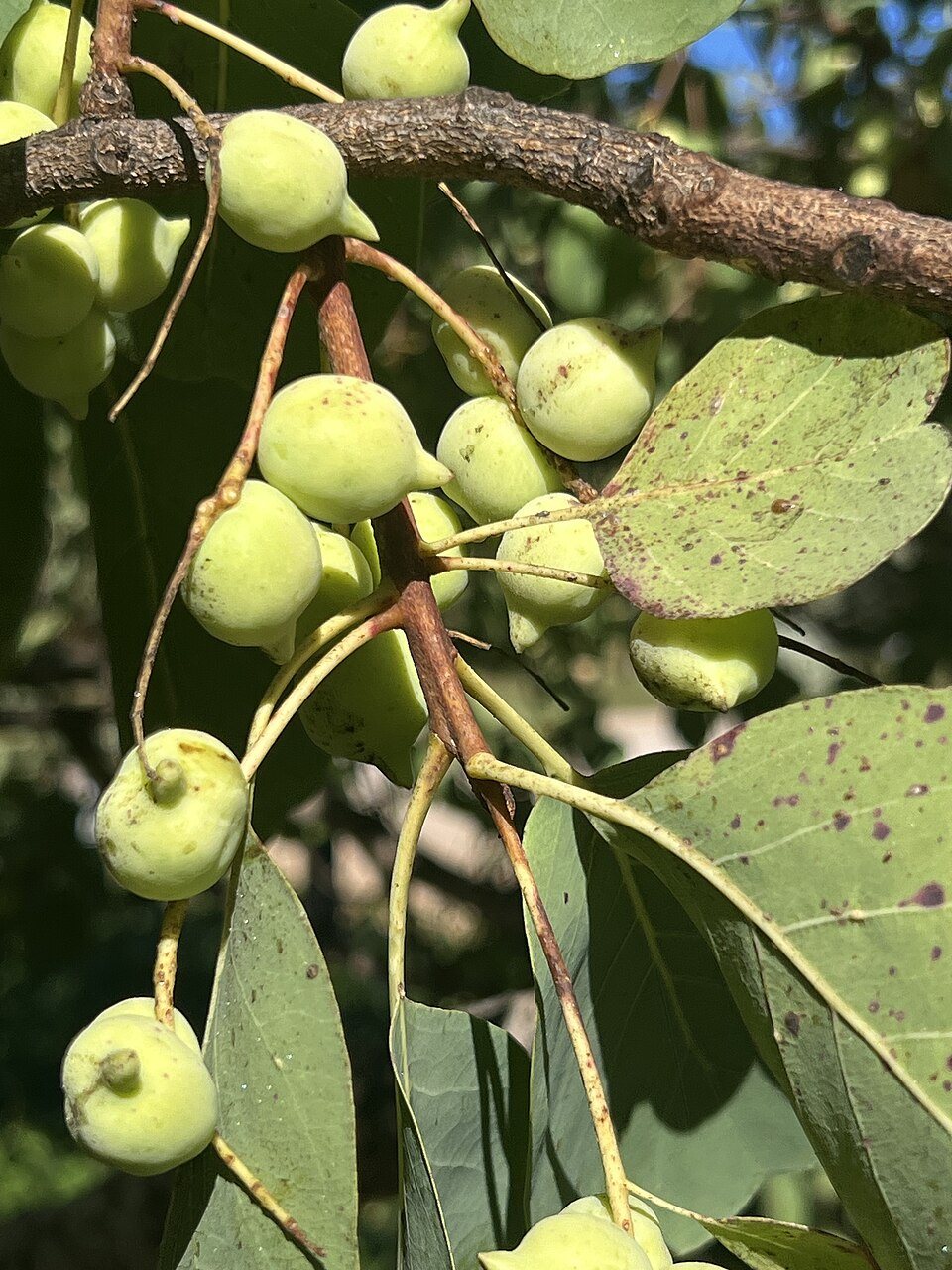
FR Prune de KakaduES Ciruela de KakaduAR برقوق كاكادوGubinge (Kimberley, incl. Yawuru); billygoat plum
What the evidence says
Antioxidant and antimicrobial activity is documented in the laboratory, but there are no published human trials of topical Kakadu plum.
- What it does
- Antioxidant polyphenols. Beyond vitamin C, the fruit is rich in ellagic acid, ellagitannins and gallic acid, which show strong antioxidant activity in lab tests and are more stable than vitamin C in formulas.
- How to use it
- Fruit extract in serums or creams · 0.5–3% (per supplier)
- Watch out for
- Generally well tolerated; acidic, vitamin C–rich preparations can sting sensitive or broken skin — patch test first.
Checked against 1 cited study and our safety review · Updated 26 November 2026 · How we grade
Why you’ll love Kakadu Plum
Why you’ll love it
- Brings antioxidant polyphenols to serums and creams
- A natural source of vitamin C in well-made extracts
- Plays nicely alongside proven brighteners like niacinamide
Best forAntioxidant serums as a supporting player, and curious single-use masks.
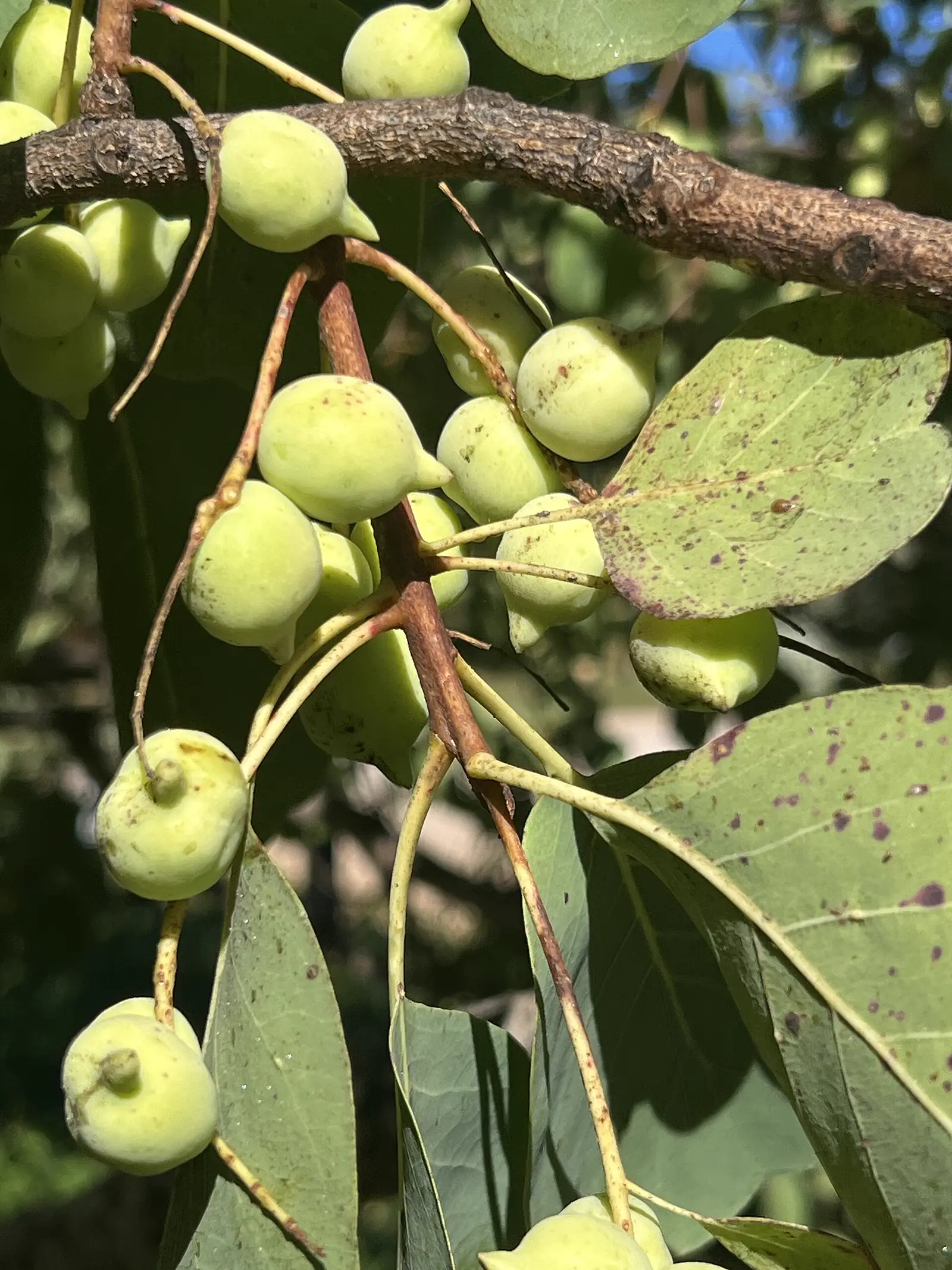 Photo: Allthingsnative, CC BY 4.0
Try it today
A fresh Kakadu mask, made to order
- Stir about ¼ teaspoon of freeze-dried Kakadu powder into a spoonful of yogurt or honey.
- Patch test, then apply to clean skin away from your eyes; rinse straight away if it stings.
- Rinse off, throw away any leftovers, and pair your routine with daily sunscreen.
Good to know: Favor brands that credit Aboriginal custodians and share benefits. Vitamin C products that turn yellow-brown have oxidized; let them go.
At a glance
| Parts used | Fruit (aqueous or glycerin extract, freeze-dried powder) |
|---|---|
| Key actives | L-Ascorbic acid (vitamin C), Ellagic acid and ellagitannins, Gallic acid, Flavonols |
| INCI names | Terminalia Ferdinandiana Fruit Extract |
| Skin types | normal, combination, oily, mature |
| Pairs well with | Licorice RootGreen TeaAloe VeraRosehip Oil |
| Evidence grade | DTraditional wisdom Antioxidant and antimicrobial activity is documented in the laboratory, but there are no published human trials of topical Kakadu plum. |
What it does for skin and hair
Antioxidant polyphenols
Beyond vitamin C, the fruit is rich in ellagic acid, ellagitannins and gallic acid, which show strong antioxidant activity in lab tests and are more stable than vitamin C in formulas.
A natural source of vitamin C
Fresh fruit contains exceptional amounts of vitamin C; well-made extracts can contribute some, though far less than the 10–20% L-ascorbic acid used in evidence-based serums for dark spots and photoaging.
A supporting, not leading, active
At typical use levels it is best seen as a complementary antioxidant in a well-formulated product, alongside proven ingredients such as niacinamide or stabilized vitamin C.
How to use it
Start low, be consistent, and give it four to eight weeks. These are the amounts that work in real products and home recipes.
| Form | Typical use level | Notes |
|---|---|---|
| Fruit extract in serums or creams | 0.5–3% (per supplier) | Add to the cool-down phase of water-based formulas with a broad-spectrum preservative; see DIY Safety: Water, Microbes & Preservatives. Package in airless or opaque containers. |
| Freeze-dried powder in a fresh mask | About ¼ teaspoon in a single-use mask | Mix with yogurt or honey immediately before use and discard leftovers. Its acidity can sting; rinse off if it burns. |
| Alongside proven vitamin C | As a complementary antioxidant | For measurable brightening, pair with a stabilized vitamin C serum, niacinamide or licorice root and daily sunscreen — see Licorice & Niacinamide Brightening Serum. |
Use it safely
Low topical risk
- Generally well tolerated; acidic, vitamin C–rich preparations can sting sensitive or broken skin — patch test first.
- Homemade fruit or powder preparations spoil quickly: make them fresh and discard leftovers.
- Vitamin C products can oxidize and turn yellow-brown; discard discolored product.
- Brightening is pointless without sun protection: use broad-spectrum sunscreen daily (see Sun Care & After-Sun).
- Pregnancy & breastfeeding
- No specific concerns for topical use in pregnancy or breastfeeding; the fruit is a traditional food. Pregnancy guide
- Phototoxicity
- Not phototoxic at normal use levels.
- Declared fragrance allergens
- None expected
New to an ingredient? Patch test first. Stop and seek advice if you get burning, swelling, blistering or a spreading rash.
Buying well
Sustainability
Kakadu plum is mostly wild-harvested on Aboriginal land across the Kimberley and the Northern Territory, increasingly by Aboriginal-owned enterprises, with some plantations. The key issue is fairness: in 2007 the US cosmetics company Mary Kay applied to patent Kakadu plum extracts, which was criticized as biopiracy; after a formal challenge in 2009 and Aboriginal protests it withdrew the Australian application in 2011. Native Title can recognize rights to harvest on country, but Australian law offers limited protection for traditional knowledge itself; the Northern Territory’s Biological Resources Act requires benefit-sharing for bioprospecting, and Indigenous Cultural and Intellectual Property (ICIP) principles guide ethical buyers. Ask suppliers who harvests the fruit and how benefits flow back. See Sustainable & Ethical Botanical Sourcing.
How to choose quality
Check the INCI for Terminalia Ferdinandiana Fruit Extract and where it appears: near the end of the list means a very small amount. Ask suppliers for the extract’s vitamin C content (it varies and declines over time) and for evidence of Aboriginal ownership or a benefit-sharing agreement. Favor opaque, airless packaging and store extracts and powders cool, dry and dark.
The research For professionals
The chemistry, the studies and the evidence by concern, for practitioners, formulators and the curious.
Kakadu plum’s fame rests on vitamin C. Analyses of fresh fruit have reported levels of several grams of ascorbic acid per 100 g — dozens of times the roughly 50 mg per 100 g in an orange — though values vary widely between trees, harvest stages and laboratories. The fruit is also rich in hydrolyzable tannins, ellagic acid and gallic acid. Laboratory studies show strong antioxidant capacity, antimicrobial activity against some food-spoilage and skin bacteria, and anti-inflammatory signaling effects in cells.
The topical reality is different. L-ascorbic acid oxidizes quickly in water, light, heat and air, so much of the fruit’s vitamin C may be lost during processing and storage. To raise vitamin C levels in skin, the benchmark work (Pinnell and colleagues, 2001) showed that L-ascorbic acid needs to be formulated at low pH (around 3.5 or below), with skin levels rising up to concentrations of about 20%. Most cosmetic Kakadu extracts are used at a fraction of a percent to a few percent, and the extract itself contains only part of its weight as vitamin C. A product labeled “Kakadu plum vitamin C” may therefore deliver less vitamin C than its marketing implies.
That does not make the extract useless: its tannins and ellagic acid are antioxidants in their own right and are more stable than ascorbic acid. But there are no published clinical trials of topical Kakadu plum for brightening, wrinkles or acne, so claims remain extrapolations from chemistry and cell studies.
Key studies
Not a Kakadu study, but the benchmark for topical vitamin C: in pig skin, L-ascorbic acid raised skin levels only when formulated at low pH (about 3.5 or below), with levels peaking at around 20% concentration.
Pinnell SR, et al. Dermatol Surg. 2001 Read it in the bibliography Find on PubMed
MythKakadu plum has the most vitamin C of any fruit, so a Kakadu serum is the best vitamin C serum.
EvidenceThe fresh fruit is exceptionally rich, but vitamin C degrades in processing and storage, and most products contain only a small percentage of extract. Proven vitamin C serums use around 10–20% L-ascorbic acid at low pH or a stabilized derivative at a stated strength.
In tradition
For Aboriginal peoples across northern Australia the fruit is a seasonal bush food eaten fresh, and parts of the tree are used in traditional medicine. This knowledge belongs to its custodians; responsible brands credit and share benefits with them.
Frequently asked questions
Does Kakadu plum really have more vitamin C than oranges?
Is Kakadu plum good for dark spots?
Is Kakadu plum skincare ethical?
Can I use Kakadu plum with retinol or acids?
Cite this page
Herbs.Beauty. Kakadu Plum (Terminalia ferdinandiana Exell): evidence-based monograph. Updated 26 November 2026. https://herbs.beauty/ingredients/kakadu-plum.html