Does it work?
Honey for Acne & Breakouts
What the research says about honey for acne & breakouts, how to use it at home and how to stay safe.
The short answer: Antimicrobial in the lab, but a randomized trial of medical-grade kanuka honey added to routine cleansing found no significant extra benefit.
What it does
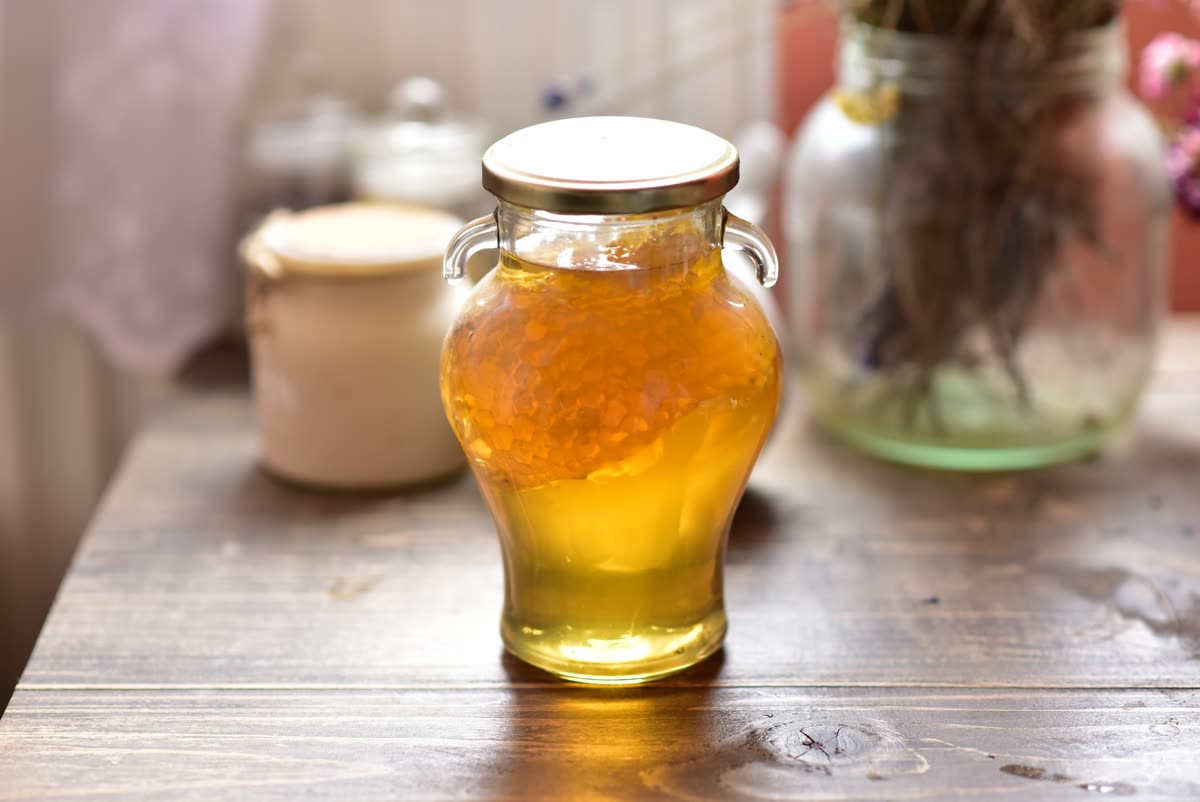
Honey is a supersaturated sugar solution made by bees that has been used on skin for thousands of years. In skin care it is a soothing, humectant mask and gentle cleanser; in medicine, sterilized medical-grade honey dressings have reasonable evidence for healing partial-thickness burns. A randomized trial in rosacea was positive, but one in acne was not — and kitchen honey should never be used on serious wounds.
Why people reach for it
- Humectant hydration. Sugars attract and hold water in the upper skin layers, leaving skin soft and plump after a mask.
- Wound healing (medical-grade only). Sterile, standardized honey dressings help partial-thickness burns heal faster than some conventional dressings — under medical supervision.
- Calming for rosacea. A medical-grade kanuka honey cream improved rosacea more than a control cream in a randomized trial.
- Gentle cleanser and mask base. Rinses off easily and pairs well with oats or turmeric in fresh masks.
How to use it
| Form | Typical use | Notes |
|---|---|---|
| Face mask | 1–2 teaspoons raw honey, alone or in a fresh mask | Apply to clean, damp skin for 10–20 minutes and rinse with warm water; see Turmeric & Honey Glow Mask. |
| Cleanser | A teaspoon massaged onto damp skin | Rinses easily; see Honey & Oat Gentle Cleanser. Make fresh each time. |
| In formulations | 1–10% as a humectant | Needs a broad-spectrum preservative in any water-containing product; see DIY Safety: Water, Microbes & Preservatives. |
| Wounds and burns | Medical-grade honey dressings only | Use under the guidance of a doctor or nurse; never kitchen honey on deep, large or infected wounds. See Scars, Wounds & Stretch Marks. |
Recipes for Acne & Breakouts with Honey
Daily rituals with Honey
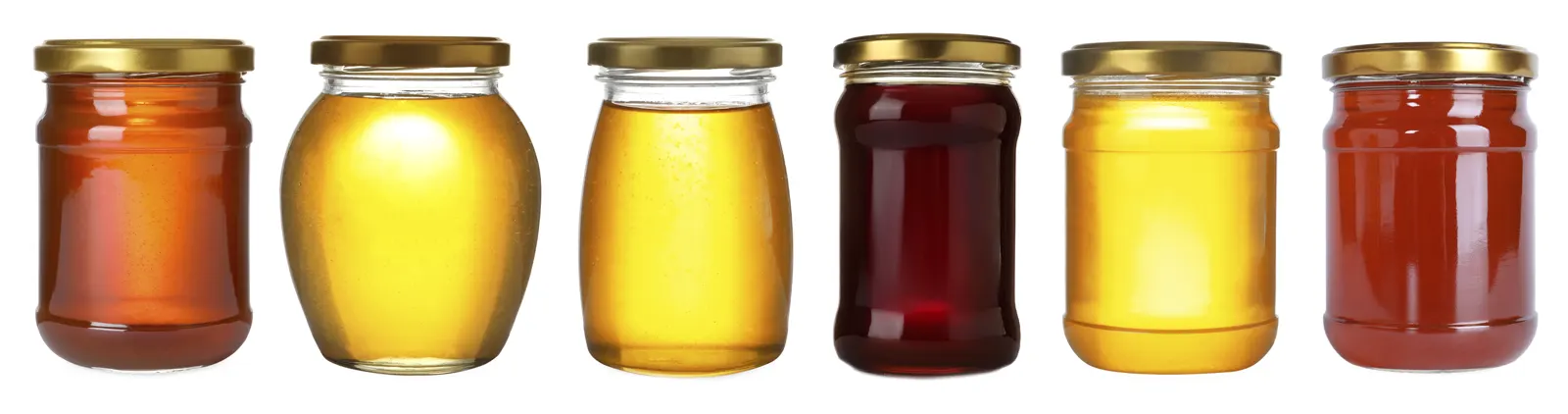 The Honey Mask: Medical-Grade or Supermarket Jar?A weekly honey mask for dry, dull or redness-prone skin, and the honest difference between medical-grade honey and the jar in your kitchen.
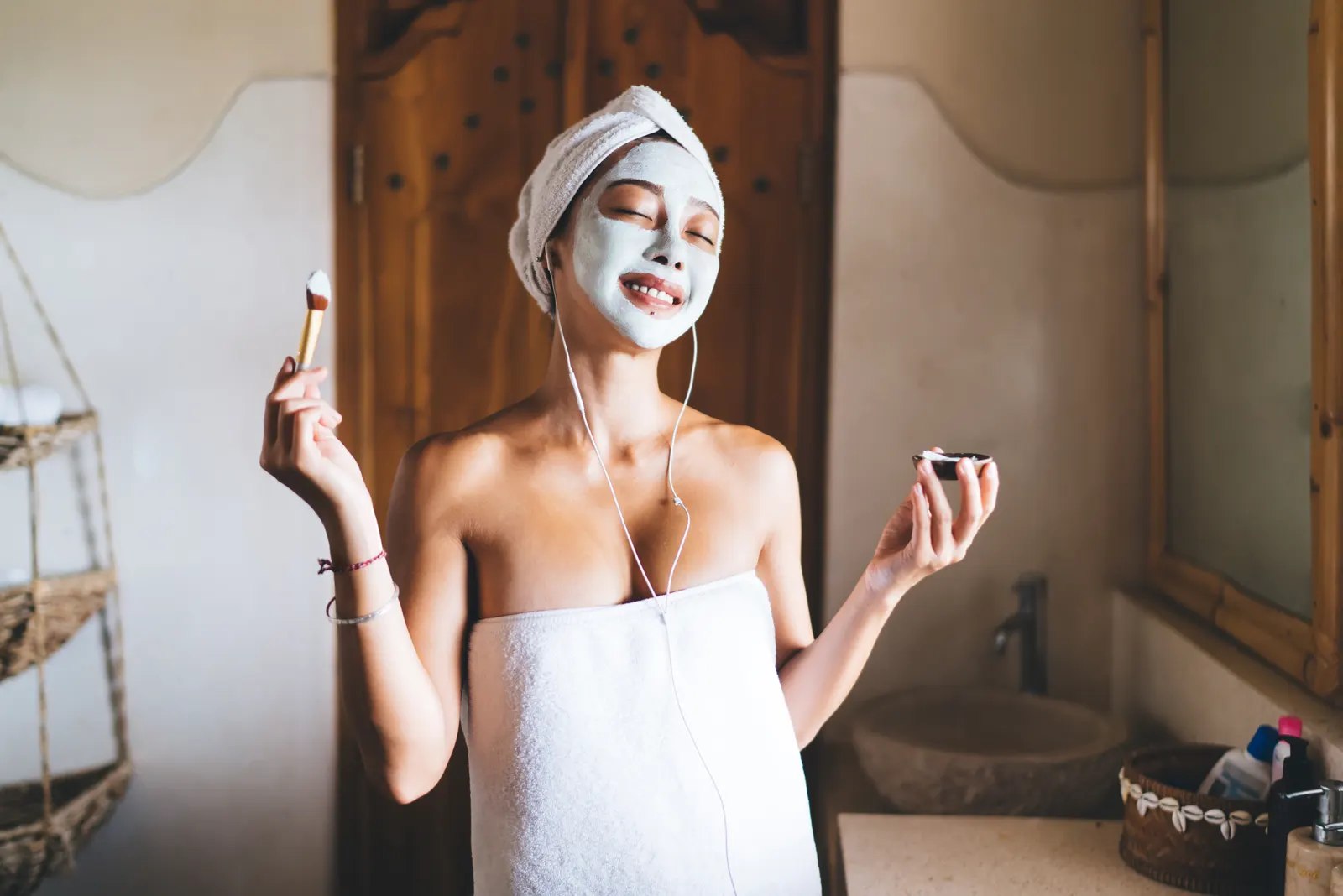 A Weekly Rhassoul Reset for Oily SkinA once-a-week Moroccan rhassoul clay mask for oily and combination skin, with the winter rule that keeps it from over-drying.
Use it safely
- Do not use kitchen honey on deep, large or infected wounds or burns — see a clinician; medical-grade honey is sterile and standardized.
- Bee-product allergies exist; reactions to honey are rare, but propolis and pollen contaminants are more allergenic. Patch test if you react to bee products.
- Never give honey by mouth to infants under 12 months (risk of infant botulism); keep honey masks away from babies’ mouths.
- Medical honey dressings can sting briefly on application.
- Honey diluted with water spoils: mix masks fresh and preserve any aqueous product.
Pregnancy and breastfeeding: Topical honey is safe in pregnancy and breastfeeding.
New to an ingredient? Patch test first.
When to see a doctor
- Deep, painful nodules or cysts, or any acne that is leaving scars (pitted, rolling or raised) — early treatment prevents permanent scarring.
- No meaningful improvement after 2–3 months of consistent over-the-counter treatment.
- Acne with irregular periods, excess facial or body hair, scalp hair thinning or rapid weight gain, which can point to polycystic ovary syndrome or another hormonal cause.
- Sudden, severe, ulcerating acne with fever, joint pain or feeling unwell (acne fulminans) — seek prompt care.
- Acne that started after a new medicine or supplement (e.g. corticosteroids, anabolic steroids, some anticonvulsants).
- Acne affecting your mood, sleep or confidence — this is a valid reason to seek treatment.
Other plants for Acne & Breakouts
| Ingredient | Grade | What the evidence shows |
|---|---|---|
| Tea Tree | B | Several small randomized trials of 5% tea tree oil gel show fewer inflammatory and total lesions than placebo, with slower onset but better tolerability than 5% benzoyl peroxide. |
| Green Tea | B | Small randomized trials of 2–3% green tea extract lotions reduced lesion counts and sebum in mild to moderate acne; effects are modest. |
| Aloe Vera | C | In one randomized trial, aloe gel combined with tretinoin improved results and tolerability versus tretinoin alone — useful as a soothing partner to retinoids. |
| Bakuchiol | C | Small, mostly open-label studies suggest benefit in mild acne, often in combination products; plausible anti-inflammatory and anti-sebum effects. |
| Willow Bark | C | Contains salicin and other salicylates that may gently exfoliate and calm, but it is far weaker than salicylic acid and human data are limited. |
| Witch Hazel | D | Tannins are astringent and anti-inflammatory in vitro; there are no meaningful acne trials, and alcohol-based distillates can irritate. |
| Rhassoul Clay | D | Absorbs surface oil temporarily for a matte finish; no evidence it treats acne lesions. |