The ingredient encyclopedia · oil
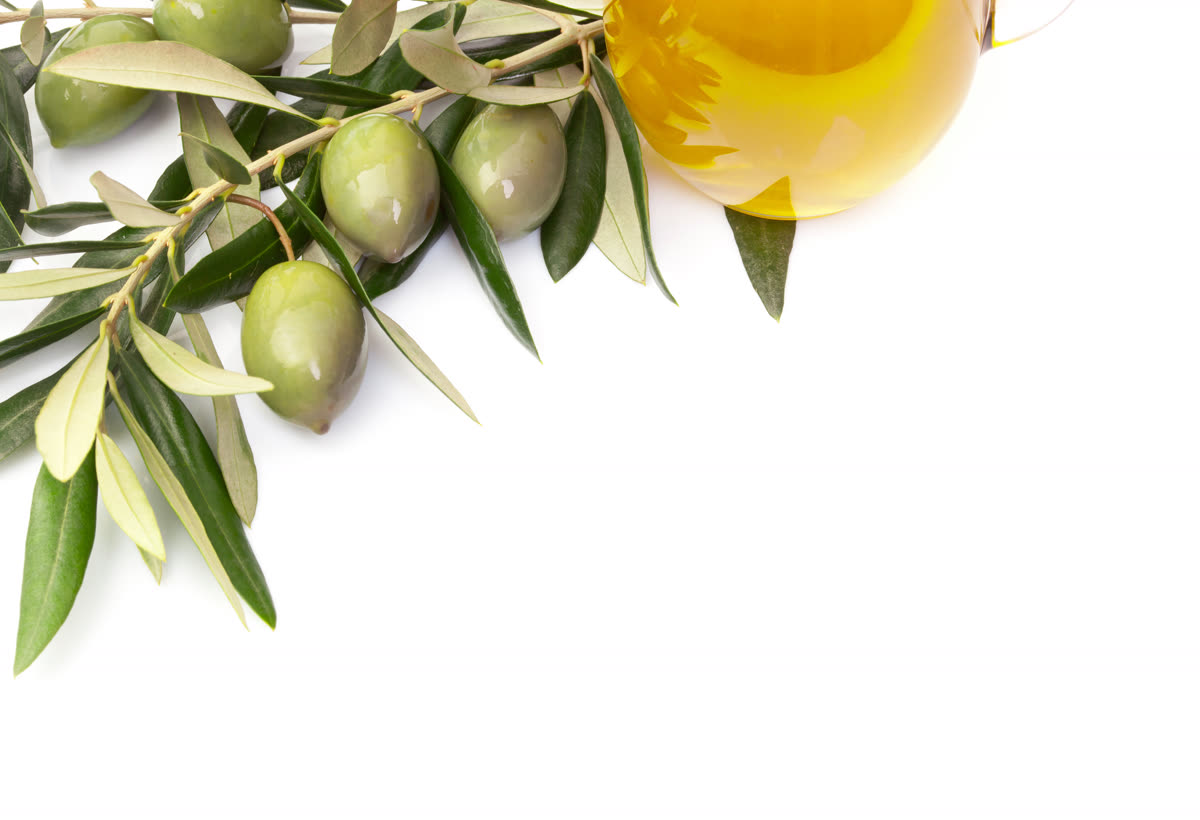
Olive Oil
Olea europaea L. · Oleaceae
Liquid gold of the Mediterranean: the heart of hammam black soap and a rich, comforting oil for dry elbows, knees and feet.
FR Huile d’oliveES Aceite de olivaAR زيت الزيتونZit l-zitoun (Darija)
- How well proven
- CPromising
- Safety
- Low topical risk
- Sun-sensitive
- No
FR Huile d’oliveES Aceite de olivaAR زيت الزيتونZit l-zitoun (Darija)
What the evidence says
Small human studies; the best controlled data are cautionary, showing barrier disruption with repeated topical use compared with sunflower oil.
- Best supported for
- Dry, Damaged & Frizzy Hair DScars, Wounds & Stretch Marks D
- How to use it
- Soap and black soap · Traditional soaps are largely olive oil; use as a cleanser
- Watch out for
- Not recommended as a leave-on oil for newborns or for eczema-prone or broken skin — evidence shows it can weaken the barrier.
Checked against 3 cited studies and our safety review · Updated 26 November 2026 · How we grade
Why you’ll love Olive Oil
Why you’ll love it
- Makes mild, traditional soaps, from Castile to Moroccan black soap
- Melts away long-wear makeup in a cleansing balm
- Rich comfort for rough elbows, knees and feet
Best forRobust, dry body skin, soap lovers and oil cleansing; not babies or eczema-prone skin.
Try it today
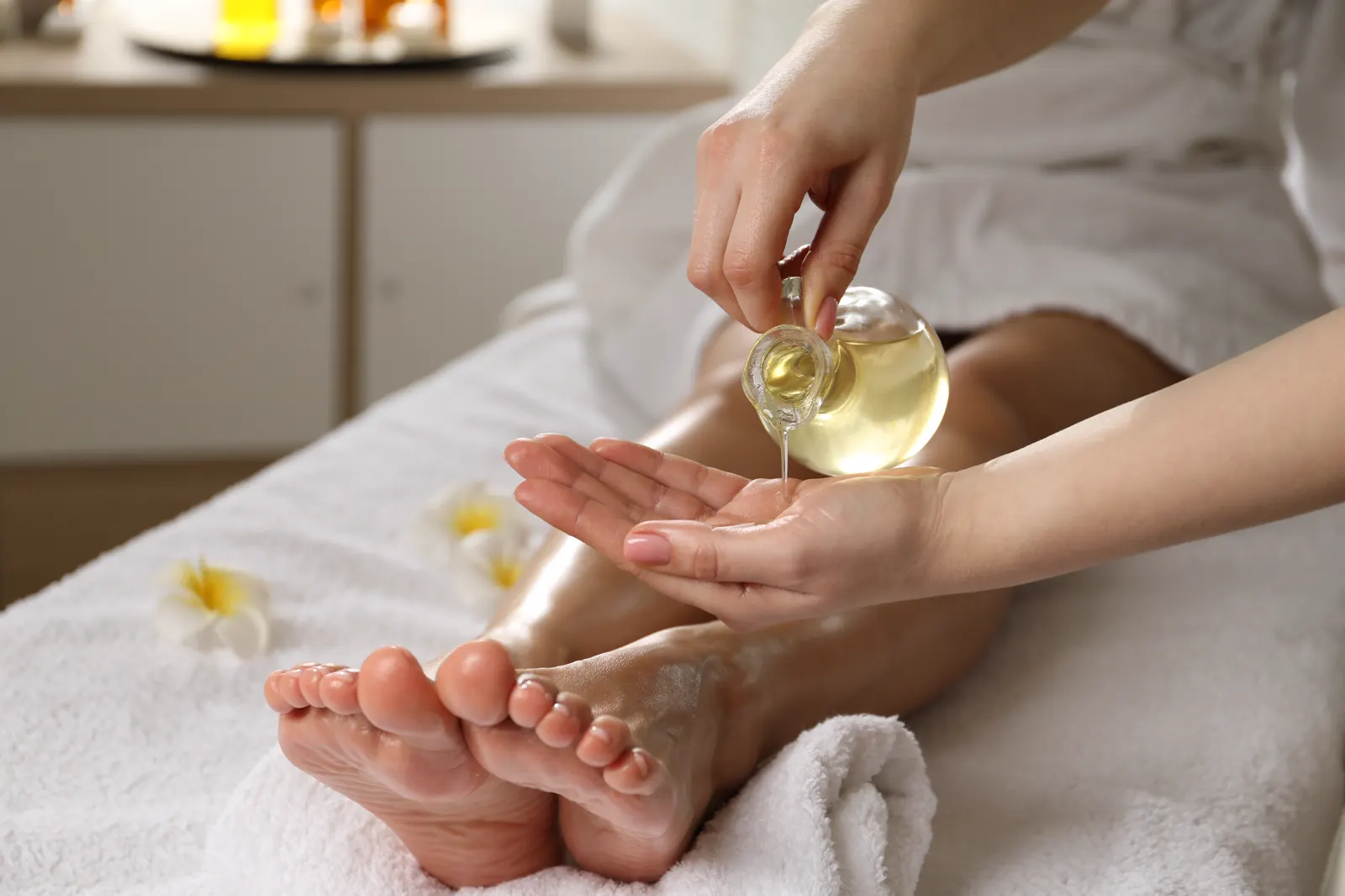
A slow evening foot ritual
- Wash and dry your feet, leaving the skin slightly damp.
- Massage a few drops of olive oil into heels and soles, or mix it half and half with sunflower oil.
- Pull on cotton socks and let it soak in while you relax.
Good to know: Skip olive oil as a leave-on for newborns and on eczema-prone or broken skin: studies show it can weaken the barrier. Sunflower oil is kinder.
At a glance
| Parts used | Fruit oil (extra virgin, virgin, refined, pomace); saponified as olive-oil soap; unsaponifiable fraction; olive-derived squalane |
|---|---|
| Key actives | Oleic acid, Squalene, Hydroxytyrosol and oleuropein (extra virgin), Tocopherols, Chlorophyll |
| INCI names | Olea Europaea Fruit Oil Sodium Olivate Potassium Olivate Olea Europaea Fruit Unsaponifiables |
| Skin types | dry, normal |
| Hair & scalp | thick, curly |
| Pairs well with | RosemaryLavenderRhassoul ClaySqualane |
| Evidence grade | CPromising Small human studies; the best controlled data are cautionary, showing barrier disruption with repeated topical use compared with sunflower oil. |
What it does for skin and hair
Rich emollient for dry, robust skin
Softens rough skin on elbows, knees and feet, and forms a comforting film on dry body skin.
Gentle, traditional soaps
Saponified olive oil makes mild, low-lather soaps (Castile, Nabulsi, Aleppo) and the Moroccan savon beldi black soap used in the hammam.
Oil cleansing and makeup removal
Dissolves sebum and long-wear makeup; emulsifying it into a balm lets it rinse clean.
Antioxidant-rich (extra virgin)
Extra virgin oil contains polyphenols such as hydroxytyrosol and a notable amount of squalene for a vegetable oil.
How to use it
Start low, be consistent, and give it four to eight weeks. These are the amounts that work in real products and home recipes.
| Form | Typical use level | Notes |
|---|---|---|
| Soap and black soap | Traditional soaps are largely olive oil; use as a cleanser | Moroccan black soap (savon beldi) is a potassium olive-oil soap — see Moroccan Hammam Ritual at Home. |
| Cleansing balm | 20–60% of the oil phase | Combine with an oil-soluble emulsifier so it rinses off rather than staying on the skin. |
| Body oil for dry, intact skin | Neat or 20–50% of a body-oil blend | Blend with linoleic-rich sunflower oil for a less barrier-disrupting mix. |
| Hair pre-wash | 1–2 teaspoons on lengths, 30–60 minutes before washing | Shampoo out well; heavy for fine hair. |
Use it safely
Low topical risk
- Not recommended as a leave-on oil for newborns or for eczema-prone or broken skin — evidence shows it can weaken the barrier. Choose sunflower oil or a pediatric emollient.
- Allergic contact dermatitis to olive oil is uncommon but reported, especially on damaged skin such as leg ulcers.
- Olive-oil soaps are alkaline; follow with moisturizer if your skin feels tight.
- Patch test before using olive-based products on sensitive skin.
- Pregnancy & breastfeeding
- Safe topically in pregnancy and breastfeeding, but small trials show it does not prevent stretch marks. Pregnancy guide
- Phototoxicity
- Not phototoxic at normal use levels.
- Declared fragrance allergens
- None expected
New to an ingredient? Patch test first. Stop and seek advice if you get burning, swelling, blistering or a spreading rash.
Make it at home: recipes with olive oil
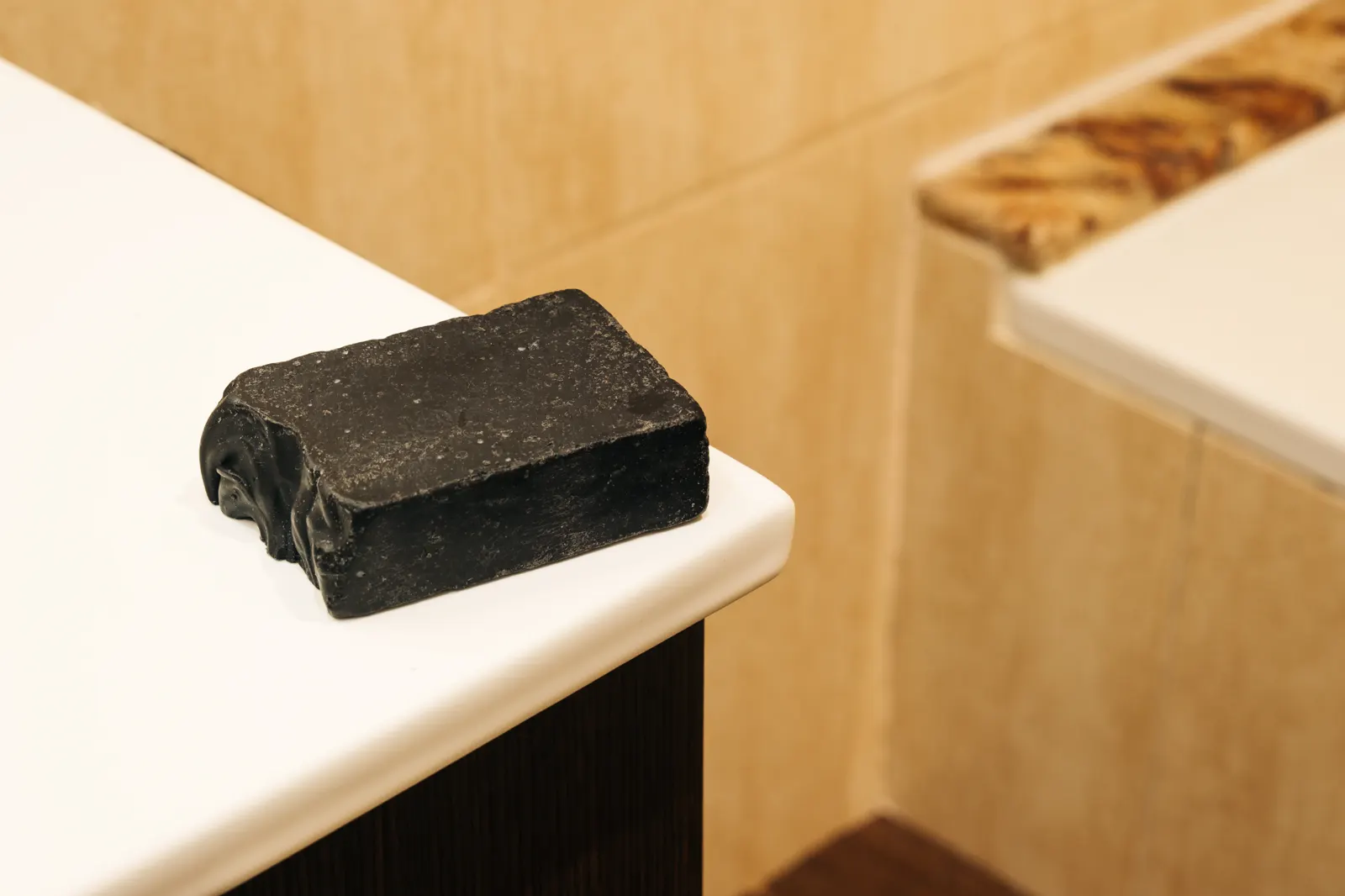 Ritual · BeginnerMoroccan Hammam Ritual at HomeBeldi black soap, the kessa glove, rhassoul clay, orange blossom water and argan oil: the traditional Moroccan hammam sequence, adapted safely for home.
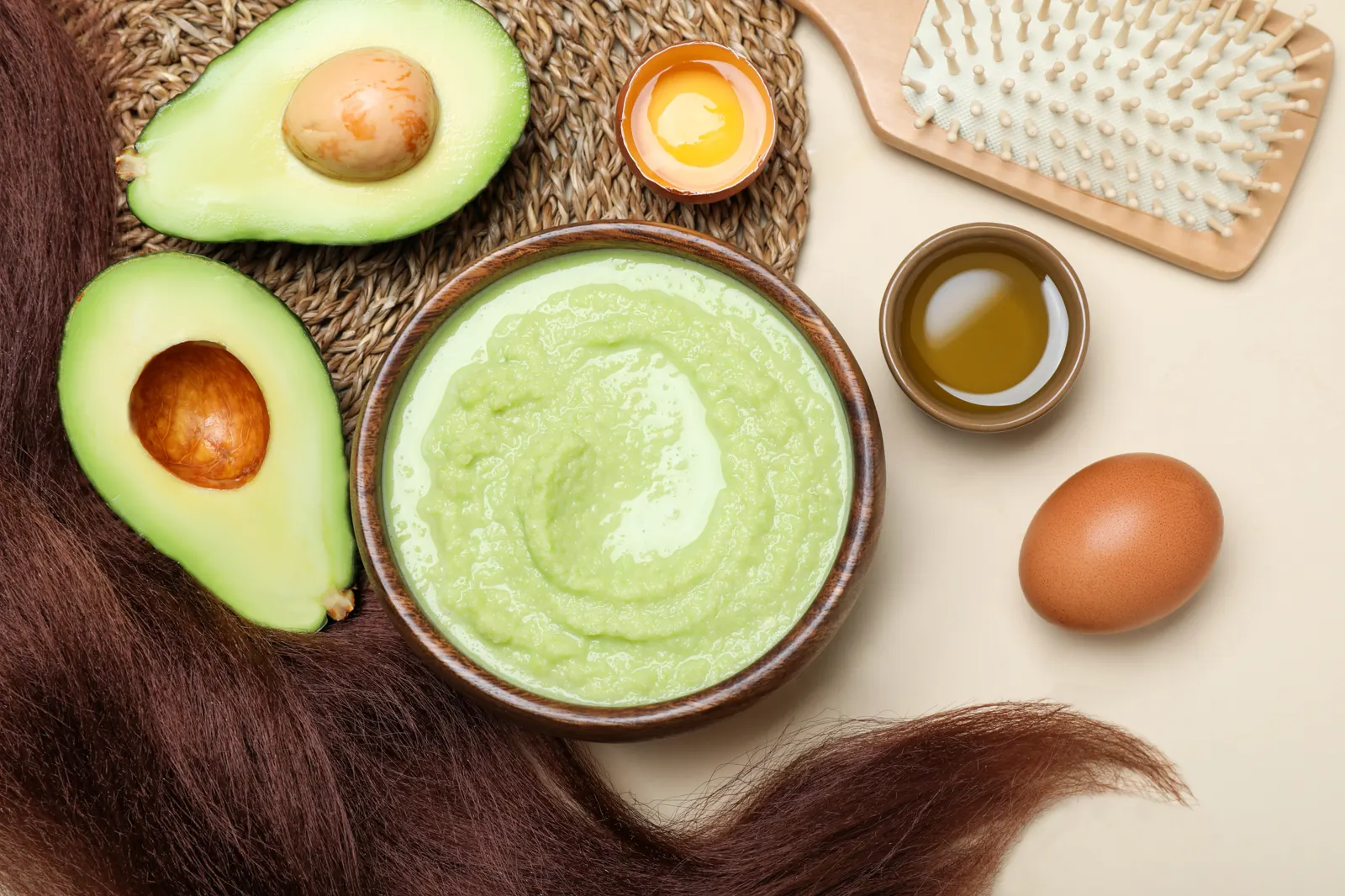 Hair care · BeginnerAvocado & Olive Oil Hair MaskA rich, kitchen-made pre-wash mask of ripe avocado, olive and avocado oils with a little honey for dry, rough or frizzy lengths.
Buying well
Sustainability
Spain is the world’s largest producer. Drought and heat have cut harvests and raised prices in recent seasons, and Xylella fastidiosa has killed millions of olive trees in Apulia. Olive oil is one of the most commonly adulterated foods — blending with cheaper oils and mislabeling grades — so buy from producers with traceable origin. Olive-derived squalane is a by-product of refining.
How to choose quality
For skin, virgin or extra virgin oil keeps more antioxidants; refined “light” olive oil is paler and milder-smelling but nutritionally poorer. Pomace oil is solvent-extracted from pressing residue. Look for a harvest date, a protected designation of origin (PDO) where possible, and dark glass. Store cool and dark; use within about 12–18 months of harvest.
The research For professionals
The chemistry, the studies and the evidence by concern, for practitioners, formulators and the curious.
Olive oil is dominated by oleic acid (typically 55–83%), with palmitic (about 7–20%) and linoleic acid (about 3–21%), according to trade standards. Extra virgin oil, mechanically extracted without refining, retains polyphenols (hydroxytyrosol, oleuropein derivatives, oleocanthal), tocopherols, chlorophyll and relatively high squalene; refined and pomace oils lose most of these. Its high monounsaturated content makes it fairly stable.
Oleic acid is a known penetration enhancer: it fluidizes the lipid lamellae of the stratum corneum, which can raise transepidermal water loss and irritate compromised skin. Danby and colleagues showed that four weeks of olive oil on adult forearms reduced stratum corneum integrity and caused mild redness, while sunflower oil preserved integrity and improved hydration. A pilot randomized trial in newborns also found changes in barrier lipid structure with oil use and did not support routine oiling. These findings matter most for babies and for people with eczema-prone skin.
In soap form, olive oil is saponified, so these leave-on concerns do not apply in the same way; olive soaps are mild but, being alkaline, still somewhat drying. Small trials found olive oil does not prevent stretch marks better than no treatment.
Evidence by concern
| Concern | Grade | What the evidence shows |
|---|---|---|
| Dry, Damaged & Frizzy Hair | D | Traditionally used across the Mediterranean as a pre-wash treatment; limited lab data suggest some penetration, less than coconut oil. |
| Scars, Wounds & Stretch Marks | D | Trials of massaging plain oils, including olive oil, in pregnancy have not shown clear prevention of stretch marks; massage itself is harmless and pleasant. |
Key studies
19 adults (with and without a history of atopic dermatitis), four weeks: olive oil significantly reduced stratum corneum integrity and induced mild erythema; sunflower seed oil preserved integrity and improved hydration.
Danby SG, et al. Pediatr Dermatol. 2013 Read it in the bibliography Find on PubMedPilot randomized trial in 115 healthy newborns: olive or sunflower oil improved hydration versus no oil, but was associated with less favorable lipid lamellae structure; authors did not recommend routine oiling pending larger trials.
Cooke A, et al. Acta Derm Venereol. 2016 Read it in the bibliography Find on PubMedIn adults with atopic dermatitis, virgin olive oil was less effective than virgin coconut oil at reducing S. aureus colonization and severity.
Verallo-Rowell VM, et al. Dermatitis. 2008 Read it in the bibliography Find on PubMed
MythOlive oil is the gentlest oil for baby massage and eczema.
EvidenceControlled studies show the opposite: repeated olive oil application reduced barrier integrity compared with sunflower oil. Pediatric dermatology guidance now generally avoids olive oil on newborn and eczema-prone skin.
In tradition
Across the Mediterranean and North Africa, olive oil is rubbed into hair and skin, used in the hammam as black soap, and mixed with herbs such as rosemary for scalp care; in the Levant, olive oil soap-making in Nablus and Aleppo goes back centuries.
Frequently asked questions
Is olive oil good for your face?
Should I use olive oil on my baby’s skin?
Does olive oil prevent stretch marks?
Is olive oil soap good for sensitive skin?
Cite this page
Herbs.Beauty. Olive Oil (Olea europaea L.): evidence-based monograph. Updated 26 November 2026. https://herbs.beauty/ingredients/olive-oil.html