The ingredient encyclopedia · flower
Hibiscus
Hibiscus sabdariffa (Roselle; also Chinese hibiscus (H. rosa-sinensis), used in Indian hair care) · Malvaceae
Ruby-red hibiscus makes a glossy final rinse that leaves hair shining with a hint of rosy warmth.
FR Hibiscus (bissap, oseille de Guinée)ES Flor de Jamaica (hibisco)AR الكركديهKarkadé (Egypt, Sudan); Bissap (West Africa); Gudhal/Jaswand (H. rosa-sinensis, India)
- How well proven
- DTraditional wisdom
- Safety
- Low topical risk
- Sun-sensitive
- No
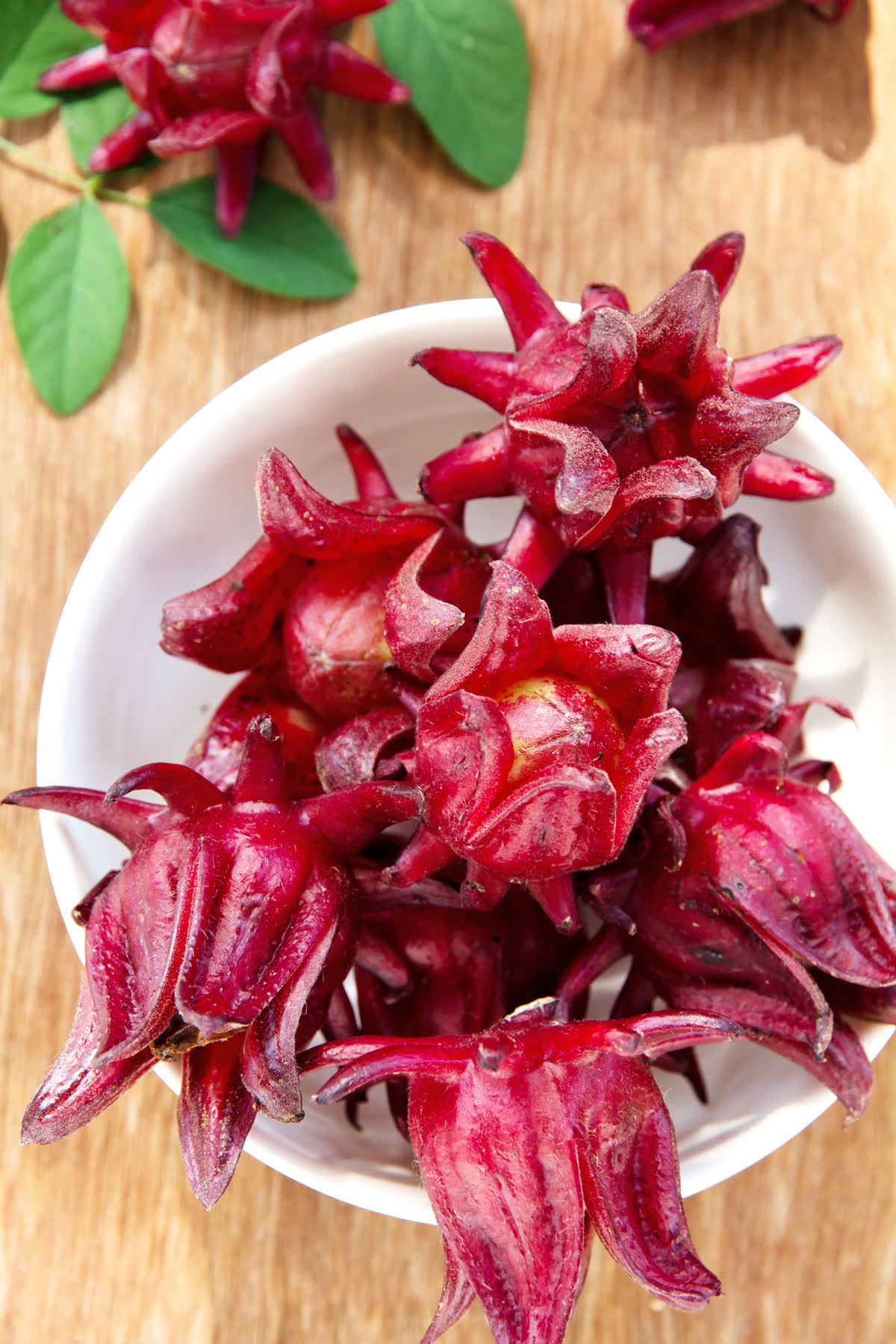
Also known as Hibiscus sabdariffa (Roselle; also Chinese hibiscus (H. rosa-sinensis), used in Indian hair care)
FR Hibiscus (bissap, oseille de Guinée)ES Flor de Jamaica (hibisco)AR الكركديهKarkadé (Egypt, Sudan); Bissap (West Africa); Gudhal/Jaswand (H. rosa-sinensis, India)
What the evidence says
Hair-growth data come from a rodent and follicle-culture study of H. rosa-sinensis; skin claims rest on in-vitro antioxidant and enzyme data.
- What it does
- Shine-boosting acidic rinse. Roselle infusion is around pH 3, which helps flatten the hair cuticle after alkaline cleansers, improving shine and reducing frizz.
- How to use it
- Final hair rinse (roselle calyces) · 5–10 g dried calyces per 250 ml hot water, steeped and cooled
- Watch out for
- Generally well tolerated; patch test if you have sensitive skin or plant allergies.
Checked against 1 cited study and our safety review · Updated 26 November 2026 · How we grade
Why you’ll love Hibiscus
Why you’ll love it
- Boosts shine with a gentle, naturally acidic final rinse
- Adds a subtle hint of red to your shine
- A ruby-colored ritual that feels like a little treat
Best forDull hair craving shine, and light hair that welcomes a pink-red tint.
Try it today
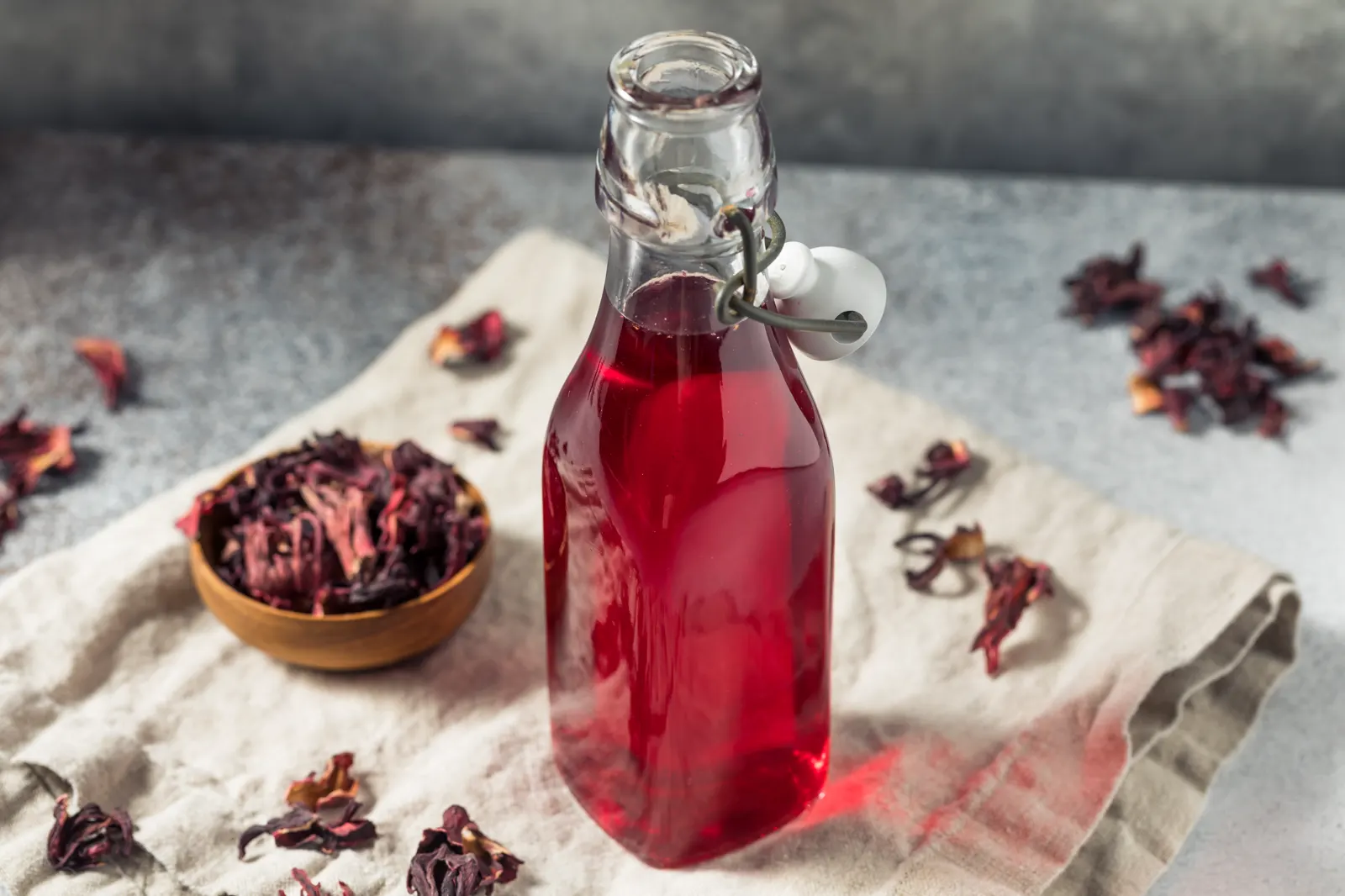
A ruby shine rinse
- Steep 5–10 g dried hibiscus calyces in 250 ml hot water, then let it cool.
- If your hair is light, bleached or gray, test on a hidden strand first.
- After conditioning, pour it through your hair, then discard any leftovers.
Good to know: Hibiscus can tint light hair, towels and grout pink, and may sting a scratched scalp. Dilute it if needed.
At a glance
| Parts used | Calyces (roselle); flowers and leaves (H. rosa-sinensis) |
|---|---|
| Key actives | Anthocyanins (delphinidin- and cyanidin-3-sambubioside), Organic acids (hibiscus acid, citric, malic), Polyphenols, Mucilage |
| INCI names | Hibiscus Sabdariffa Flower Extract Hibiscus Rosa-Sinensis Flower Extract Hibiscus Rosa-Sinensis Leaf Extract |
| Hair & scalp | curly, thick, dry scalp |
| Pairs well with | FenugreekAmla (Indian Gooseberry)Marshmallow RootAloe Vera |
| Evidence grade | DTraditional wisdom Hair-growth data come from a rodent and follicle-culture study of H. rosa-sinensis; skin claims rest on in-vitro antioxidant and enzyme data. |
What it does for skin and hair
Shine-boosting acidic rinse
Roselle infusion is around pH 3, which helps flatten the hair cuticle after alkaline cleansers, improving shine and reducing frizz. See Dry, Damaged & Frizzy Hair.
Antioxidant anthocyanins
Deep-red delphinidin and cyanidin glycosides are strong antioxidants in the lab.
Slip and softness
Leaves and flowers of H. rosa-sinensis are mucilaginous, giving the traditional Indian hair paste its conditioning feel.
Hair growth (animal data only)
Extracts of H. rosa-sinensis promoted hair growth in rodents and in follicle culture; this has not been confirmed in humans.
How to use it
Start low, be consistent, and give it four to eight weeks. These are the amounts that work in real products and home recipes.
| Form | Typical use level | Notes |
|---|---|---|
| Final hair rinse (roselle calyces) | 5–10 g dried calyces per 250 ml hot water, steeped and cooled | Pour through hair after conditioning; it may tint light, bleached or gray hair pink-red. Make fresh. See Hibiscus Shine Hair Rinse. |
| Hair mask (powder or crushed flowers/leaves) | 10–20% of a mask | Combine with fenugreek or amla (Indian gooseberry) for a traditional Indian-style pack; rinse well. |
| Extract in leave-on products | 1–3% (per supplier) | Color varies with pH; formulate acidic and protect from light. |
Use it safely
Low topical risk
- Generally well tolerated; patch test if you have sensitive skin or plant allergies.
- Can stain light or bleached hair, towels and grout pink; test on a hidden strand first.
- Strong acidic rinses can sting a scratched or freshly treated scalp; dilute if needed.
- Drinking large amounts of hibiscus tea can lower blood pressure and interact with some medicines; this does not apply to rinses.
- Pregnancy & breastfeeding
- Topical use is considered low-risk. Avoid large medicinal oral intakes in pregnancy, where data are limited. Pregnancy guide
- Phototoxicity
- Not phototoxic at normal use levels.
- Declared fragrance allergens
- None expected
New to an ingredient? Patch test first. Stop and seek advice if you get burning, swelling, blistering or a spreading rash.
Make it at home: recipes with hibiscus
Buying well
Sustainability
Roselle is an annual crop grown widely in Sudan, Egypt, Nigeria, Senegal, Mexico, China and Thailand, often by smallholders. Fair-trade and organic sources are available; not threatened.
How to choose quality
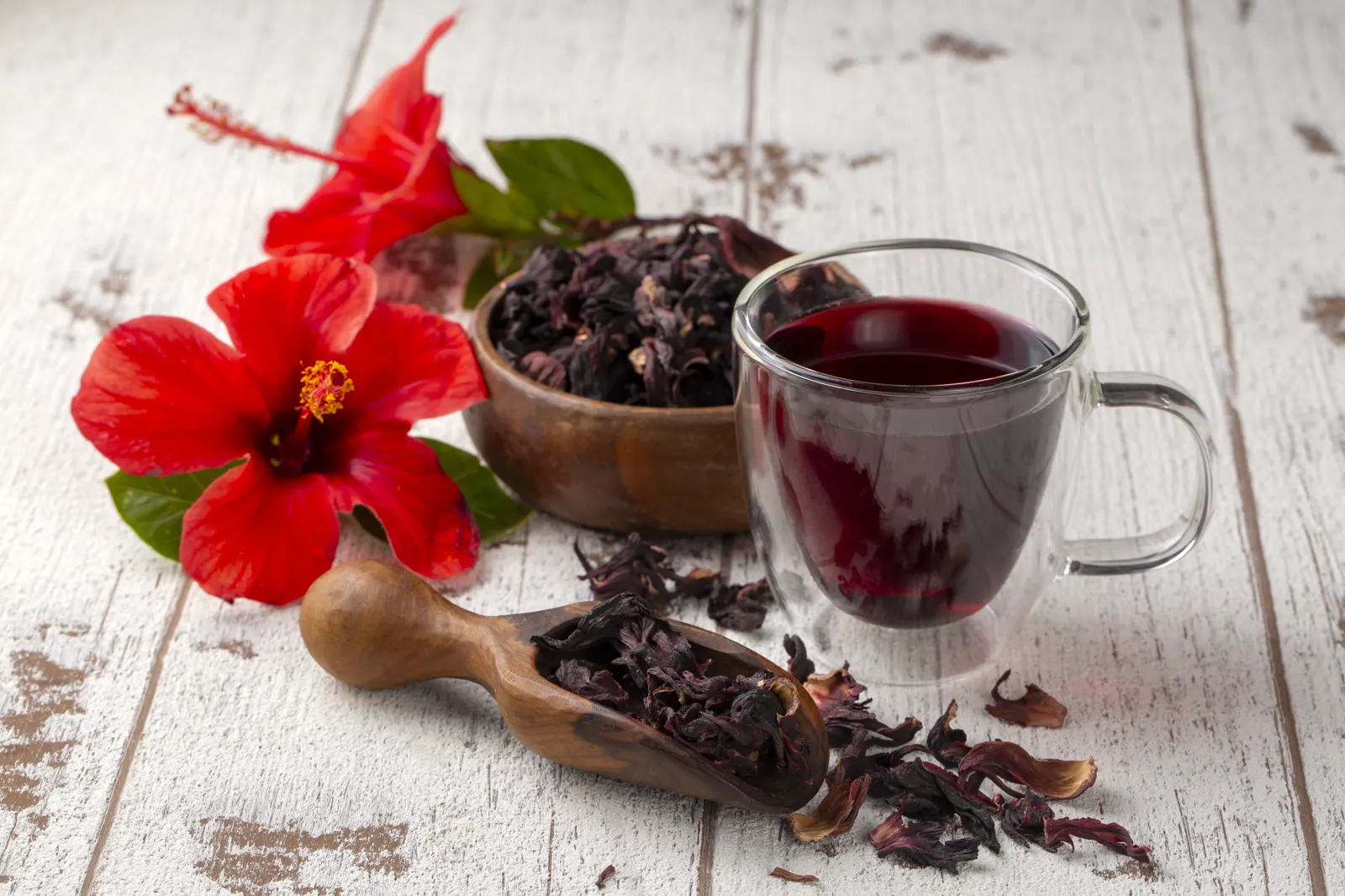
Buy whole or cut dried calyces that are deep crimson and tart-smelling, not brown or dusty. For H. rosa-sinensis powder, check the species on the label. For formulating, choose a cosmetic extract that states species and plant part.
The research For professionals
The chemistry, the studies and the evidence by concern, for practitioners, formulators and the curious.
Roselle calyces contain anthocyanins (chiefly delphinidin-3-sambubioside and cyanidin-3-sambubioside), organic acids including hibiscus acid (a lactone of hydroxycitric acid), citric and malic acids, polyphenols and polysaccharides. A strong infusion is quite acidic and deeply colored; anthocyanins are pH-sensitive, shifting from red in acid toward purple-blue and brown as pH rises, and they fade with light and heat.
Hair-growth claims rest largely on Adhirajan and colleagues (2003), who reported that leaf and flower extracts of H. rosa-sinensis promoted hair growth in a rodent model and in hair-follicle culture, with the leaf extract appearing more active. There are no controlled human trials of hibiscus for hair loss. “Natural AHA” claims refer to the fruit acids, but at the levels found in typical extracts they are unlikely to exfoliate meaningfully.
Some hibiscus-derived extracts are marketed as “natural Botox.” No cream ingredient blocks nerve-to-muscle signaling the way botulinum toxin does; any visible smoothing comes from hydration and film-forming effects.
Key studies
Leaf and flower extracts of Hibiscus rosa-sinensis promoted hair growth in a rodent model and in hair-follicle culture; leaf extract appeared more potent. Animal and in-vitro data only.
Adhirajan N, et al. J Ethnopharmacol. 2003 Read it in the bibliography Find on PubMed
MythHibiscus is “natural Botox.”
EvidenceNo hibiscus extract relaxes facial muscles. It can hydrate and leave a smoothing film, but it does not act like botulinum toxin.
In tradition
Karkadé is the celebratory drink of Egypt and Sudan, and in India hibiscus flowers and leaves (gudhal) are ground into hair packs and boiled into hair oils.
Frequently asked questions
Does hibiscus help hair growth?
Will hibiscus rinse dye my hair?
How do I make a hibiscus hair rinse?
Cite this page
Herbs.Beauty. Hibiscus (Hibiscus sabdariffa): evidence-based monograph. Updated 26 November 2026. https://herbs.beauty/ingredients/hibiscus.html