World traditions · Andalusia & southern Spain
The Andalusian Garden
Orange blossom, olive, almond and the scent of the sierra
Water first: the gardens of al-Andalus
Between 711 and 1492, much of the Iberian Peninsula was ruled by Muslim dynasties, and the land they called al-Andalus became one of the great horticultural laboratories of the medieval world. Irrigation channels, acequias, and water wheels, norias, carried rivers into orchards. Agronomists wrote detailed manuals: Ibn Bassal in Toledo in the eleventh century, Ibn al-Awwam in Seville in the twelfth, whose book of agriculture describes grafting, composting and hundreds of plants. In the thirteenth century the Málaga-born botanist Ibn al-Baytar compiled an encyclopedia of simple remedies drawing on Greek and Arabic sources.
The Alhambra in Granada shows what all that knowledge was for. The Nasrid palaces and the Generalife gardens above them are fed by the Acequia Real, a channel that brings water from the river Darro, and water is the organizing idea of the whole place: long pools that double the arcades, jets that hum in narrow channels, fountains set low enough to hear before you see them. The garden was meant to be cool, fragrant and enclosed, a private paradise of myrtle, roses, jasmine and citrus.
Bathing belonged to the same culture. Andalusian cities had public baths on the Roman and Islamic model, and some survive, such as El Bañuelo in Granada. After the conquest of Granada, royal decrees in the 1560s targeted the language, dress and customs of the Moriscos, including their baths, and the bathing culture of the south largely disappeared. What remained lived on in plants, place names and words: azahar for orange blossom, azafrán for saffron, aceite for oil, all from Arabic.
Seville’s bitter orange and the birth of neroli
The bitter orange, Citrus × aurantium, reached Iberia during the Islamic period, centuries before the sweet orange. It was prized for its scent, its shade and its sour juice, and it still lines the streets of Seville and fills the Patio de los Naranjos, the former mosque courtyard beside the cathedral. In late March and April the city smells of azahar, and on still evenings the scent is almost heavy. The fruit, too bitter to eat raw, is mostly shipped to Britain to become marmalade.
Each part of the tree yields a different material. The blossom, steam-distilled, gives neroli oil, named after a seventeenth-century princess of Nerola, near Rome, who is said to have loved it, and orange blossom (neroli) water, the hydrosol left behind. The leaves and twigs give petitgrain, green and woody. The peel, cold-pressed, gives bitter orange oil.
The distinction matters for safety. Neroli and orange flower water are not phototoxic. Cold-pressed bitter orange peel oil contains furocoumarins and can cause burns and lasting pigment marks when skin is exposed to sunlight, so it is restricted in leave-on products. If a label says “bitter orange” and you plan to go outdoors, check which part of the plant it means. Neroli and petitgrain contain linalool and limonene, labeled allergens, and belong at low levels; our Essential Oil Safety: The Complete Guide guide gives the numbers.
As for evidence: orange blossom water is a gentle, pleasant toner with no meaningful clinical data behind it, and neroli’s place in skin care is mainly as fragrance. That is no small thing. A scent that makes a routine feel like a ritual is a reason people keep doing it.
Olive: oil, soap and a reality check
Andalusia is the heart of the world’s olive oil production, and the province of Jaén in particular is an ocean of silvery trees in neat rows across the hills. The harvest runs through late autumn and winter, and for centuries the same oil that dressed bread was rubbed into dry hands, used on babies and massaged into hair. It was also the base of soap: hard olive-oil soaps from Castile became famous across Europe, part of the same family as the laurel soaps of Aleppo and the cube soaps of Marseille, and “Castile soap” is still used, loosely, to mean any plant-oil soap.
The science of olive oil on skin is more interesting than its reputation. Olive oil contains squalene, polyphenols such as hydroxytyrosol, and vitamin E, and it makes a comforting, occlusive body oil. But it is very high in oleic acid, which can loosen the lipids of the skin barrier. A small study in adult volunteers found that applying olive oil twice daily for four weeks weakened the barrier, while sunflower oil, richer in linoleic acid, did not. That is why many dermatologists now advise against olive oil for newborn skin and for anyone with eczema-prone skin.
The sensible conclusion is not to abandon olive oil but to use it where it shines: as a body oil on damp skin for those without eczema, in cleansing balms that are rinsed away, in a hair mask for dry lengths, and in its refined derivative, olive-derived squalane, which is light, stable and very well tolerated. Our Carrier Oils: The Formulator’s Guide explains how oleic and linoleic oils differ.
The oil on the table is not automatically the right oil for every skin. Tradition chose olive because it was there; evidence lets us choose with more care.
Almond blossom and the soft oils
Before the oranges, the almonds. From late January into February, the terraces of the Axarquía above Málaga, the slopes of the Alpujarras and the countryside of Almería and Murcia turn white and pale pink. Almond trees, grown here since antiquity, are the first sign that the southern winter is turning.
Sweet almond oil has been a soothing oil for skin and hair across the Mediterranean for as long as anyone has written about cosmetics. It is mild, slow to go rancid when well stored, and absorbs with a soft, satiny finish, which is why it appears in massage oils, baby oils and cleansing balms. The evidence is what you would expect for a good emollient: it reduces water loss and makes dry skin feel more comfortable. Claims that it lifts dark circles or “nourishes” skin in any deeper sense are not supported.
Two safety notes. Refined almond oil contains very little protein, and reactions in people with tree-nut allergy are uncommon, but they have been reported, so anyone with a nut allergy should choose another oil or ask their allergist. And bitter almond is a different matter entirely: its kernels contain amygdalin, which can release cyanide, and bitter almond essential oil is only permitted in cosmetics once that compound has been removed. If you see bitter almond oil for sale without a statement that it is free from prussic acid, leave it on the shelf.
The monte: cistus, rosemary and thyme
Leave the irrigated valleys and you are in the monte, the dry Mediterranean scrubland of the sierra. On a hot day the hills smell of resin, camphor and honey, and much of that scent comes from three plants.
The first is the gum rockrose, Cistus ladanifer, the jara that covers huge stretches of the Sierra Morena, Huelva and Extremadura. Its leaves sweat a sticky resin, labdanum, which in antiquity was combed from the beards of goats that had grazed the bushes. Today it is collected by boiling the branches, and southern Spain is one of the main sources of labdanum for perfumery, where its warm, leathery, ambery note is prized. Cistus (labdanum) extracts are rich in polyphenols and show antioxidant and antimicrobial activity in the laboratory, but human evidence on skin is thin.
The second is rosemary, whose honey is one of Spain’s most celebrated. Rosemary has better evidence than most herbs here: a randomized trial of one hundred people with androgenetic hair loss found that rosemary oil performed similarly to 2% minoxidil after six months, though the trial was small and had limitations, and the result needs repeating. Its antioxidant extract also protects oils in formulas from going rancid.
The third is thyme, gathered from the hills for cooking and folk remedies. Its oil, rich in thymol and carvacrol, is strongly antimicrobial and, for exactly that reason, strongly irritating. Thyme essential oil belongs at well under 1% on skin, if at all, and never undiluted.
Much of this harvest is still wild-gathered. Ask suppliers how and where they collect, because overcutting and the summer fires that sweep the sierra both put pressure on the monte.
Pomegranate and saffron: the red harvest
The pomegranate is the emblem of Granada, carved into its fountains and printed on its manhole covers. Whether the fruit also gave the city its name is debated by historians, but the association is centuries old. Pomegranate was known around the Mediterranean since antiquity and flourished in Andalusi orchards.
Cosmetic science uses two parts. The seed oil is unusual for its high content of punicic acid, a conjugated fatty acid, and makes a light, quickly absorbed facial oil. The peel and fruit extracts are rich in ellagitannins and ellagic acid, which are strongly antioxidant in the laboratory and have been studied as potential brightening and photoprotective agents. Human evidence is limited and early; pomegranate is a pleasant addition to a routine, not a replacement for sunscreen or proven brighteners.
In the high plains of La Mancha, the autumn brings the saffron crocus. For a few weeks around late October and November, families pick the flowers at dawn and spend the day on the monda, separating the three crimson stigmas from each bloom, a task traditionally shared around the kitchen table. Azafrán de La Mancha carries a protected designation of origin, and towns such as Consuegra celebrate the harvest with a festival. As in Morocco, saffron in skin care is mostly about color and ceremony; laboratory antioxidant data have not yet translated into convincing human results. Because it is costly, it is often adulterated, and a cream with a little saffron extract at the end of a long ingredient list is mostly marketing.
Carrying the garden home
The Andalusian garden was always a balance of abundance and restraint: a little water, carefully directed, makes a desert bloom. That is not a bad philosophy for a bathroom shelf. A good olive-oil soap for the body, a bottle of preserved orange blossom water, a light almond or sunflower oil, a rosemary-infused oil for the scalp and a sunscreen will do more for most people than a cabinet of far-fetched extracts.
When you buy, look for named regions and, for olive oil and saffron, protected designations, which at least guarantee origin. For essential oils, ask for the botanical name, the plant part and the chemotype, and expect a supplier to provide allergen data. For anything scented, follow the dilution limits in our Essential Oil Safety: The Complete Guide guide and patch test first.
And when the oranges flower in spring, it is worth simply going outside. The best thing in the Andalusian garden has never been for sale.
The signature plants
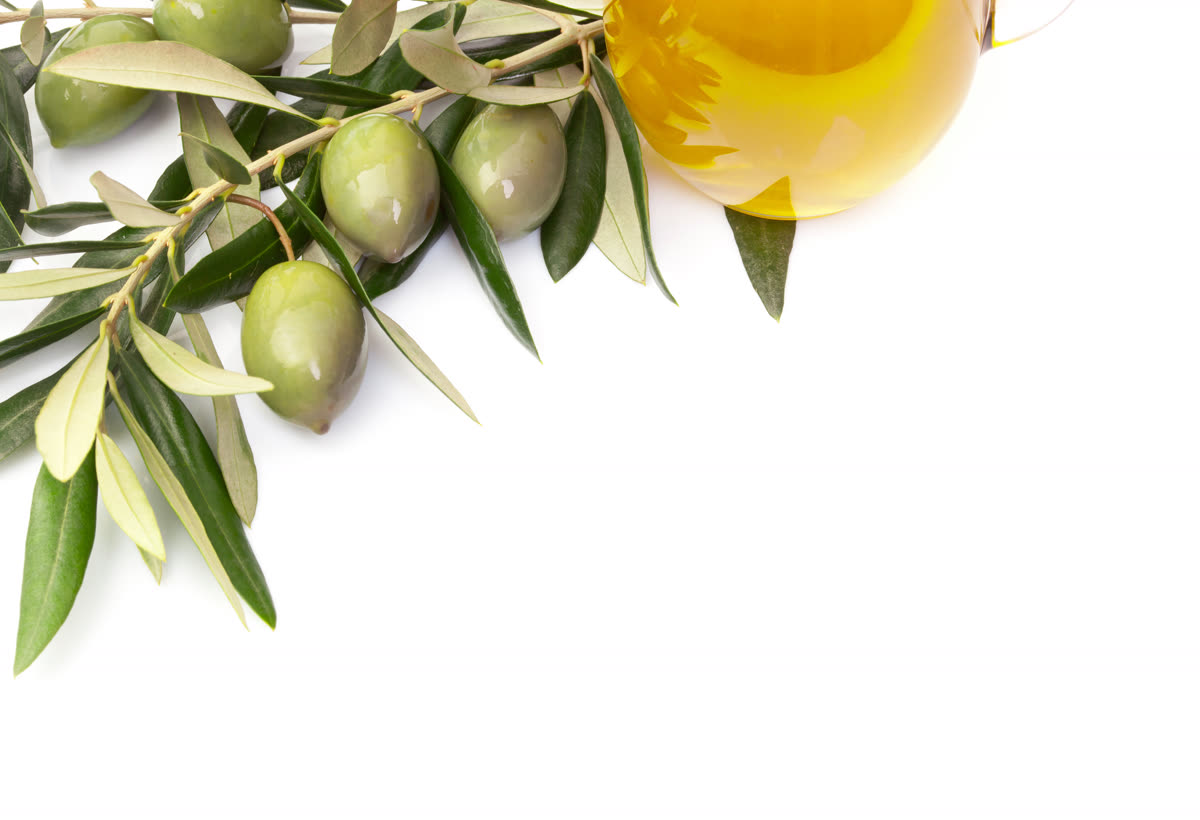
Olive OilCPromisingThe oil of Jaén and the soap of Castile: a comforting body oil and cleansing base, best kept away from eczema-prone and newborn skin.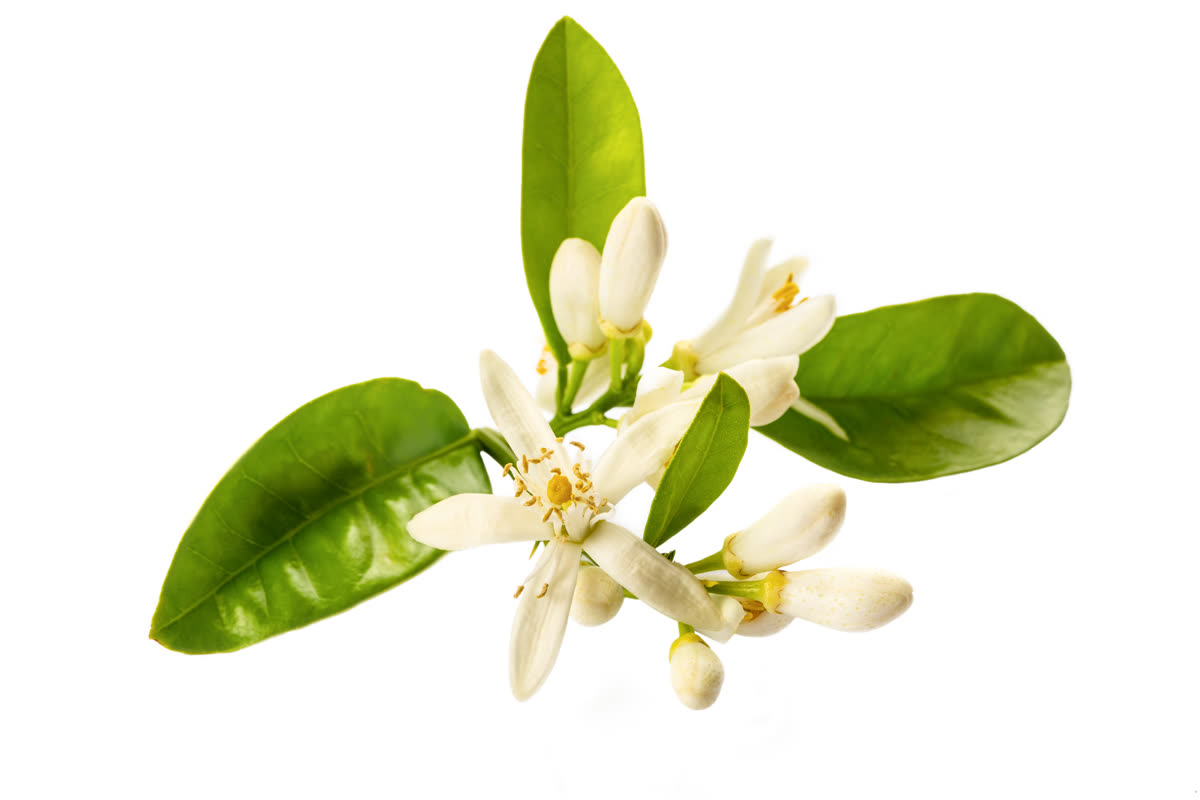 Orange Blossom (Neroli)DTraditional wisdomThe azahar of Seville’s bitter orange trees, distilled into neroli and a gentle flower water; not phototoxic, unlike the peel oil.
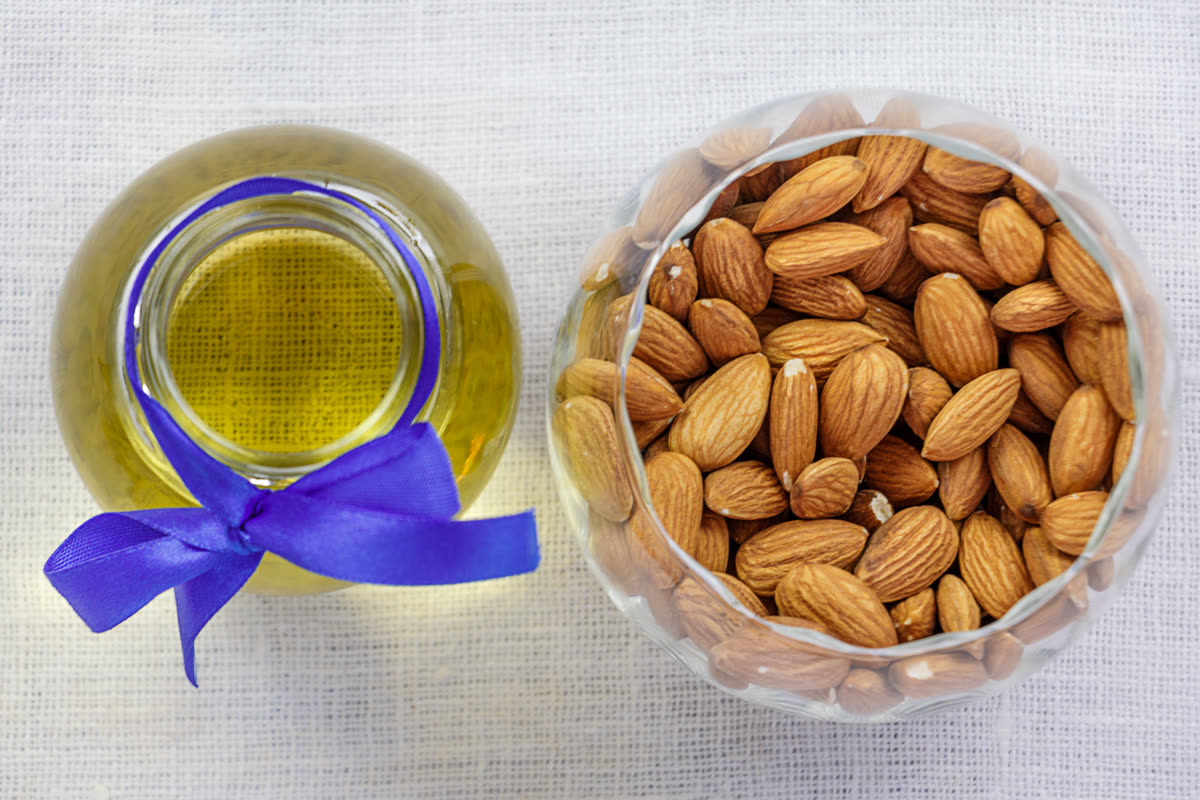 Sweet Almond OilCPromisingFrom the almond terraces of the Axarquía and Alpujarras: a mild, satiny emollient for body, massage and cleansing balms.
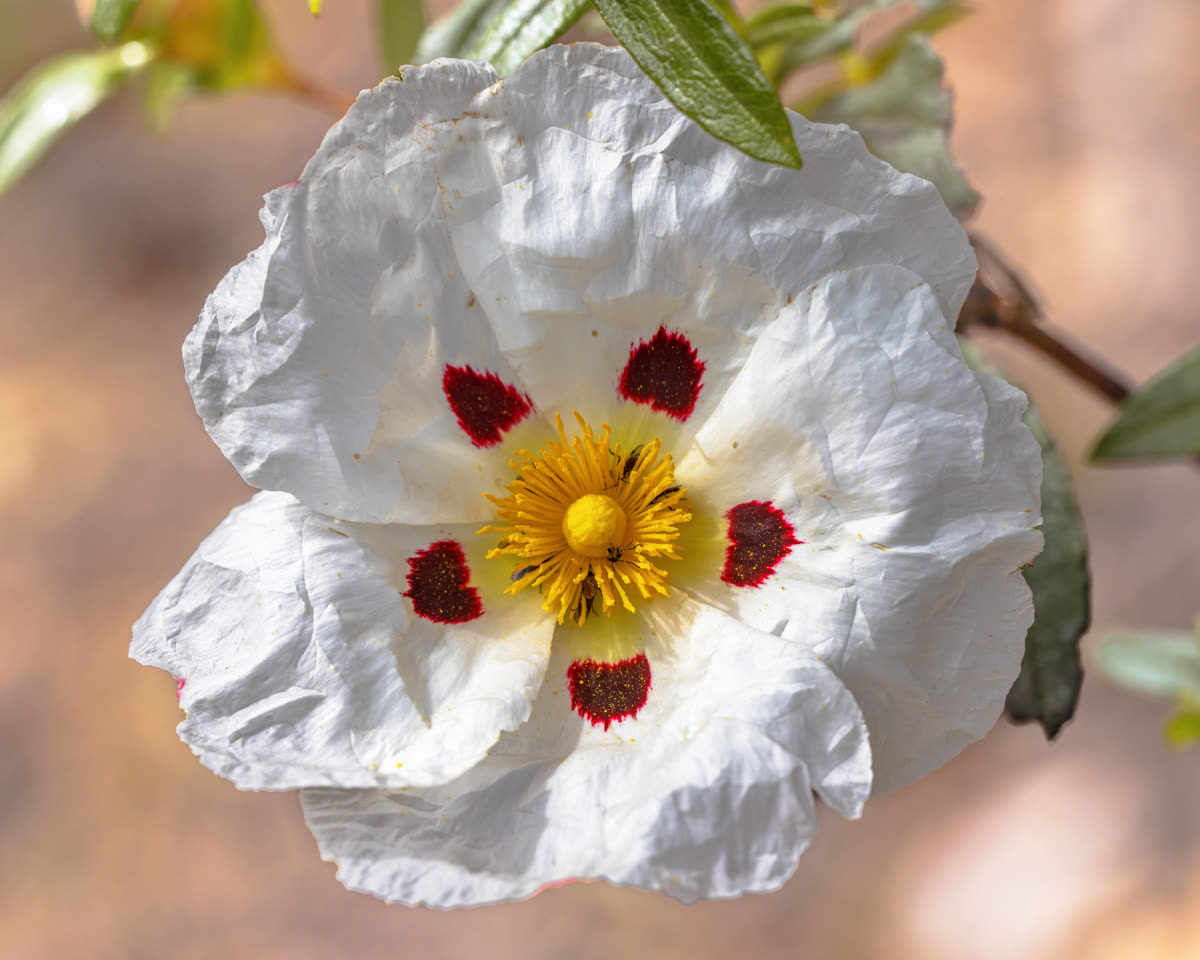 Cistus (Labdanum)DTraditional wisdomThe sticky jara of the Sierra Morena, source of labdanum resin for perfumery; promising lab data, little human evidence.
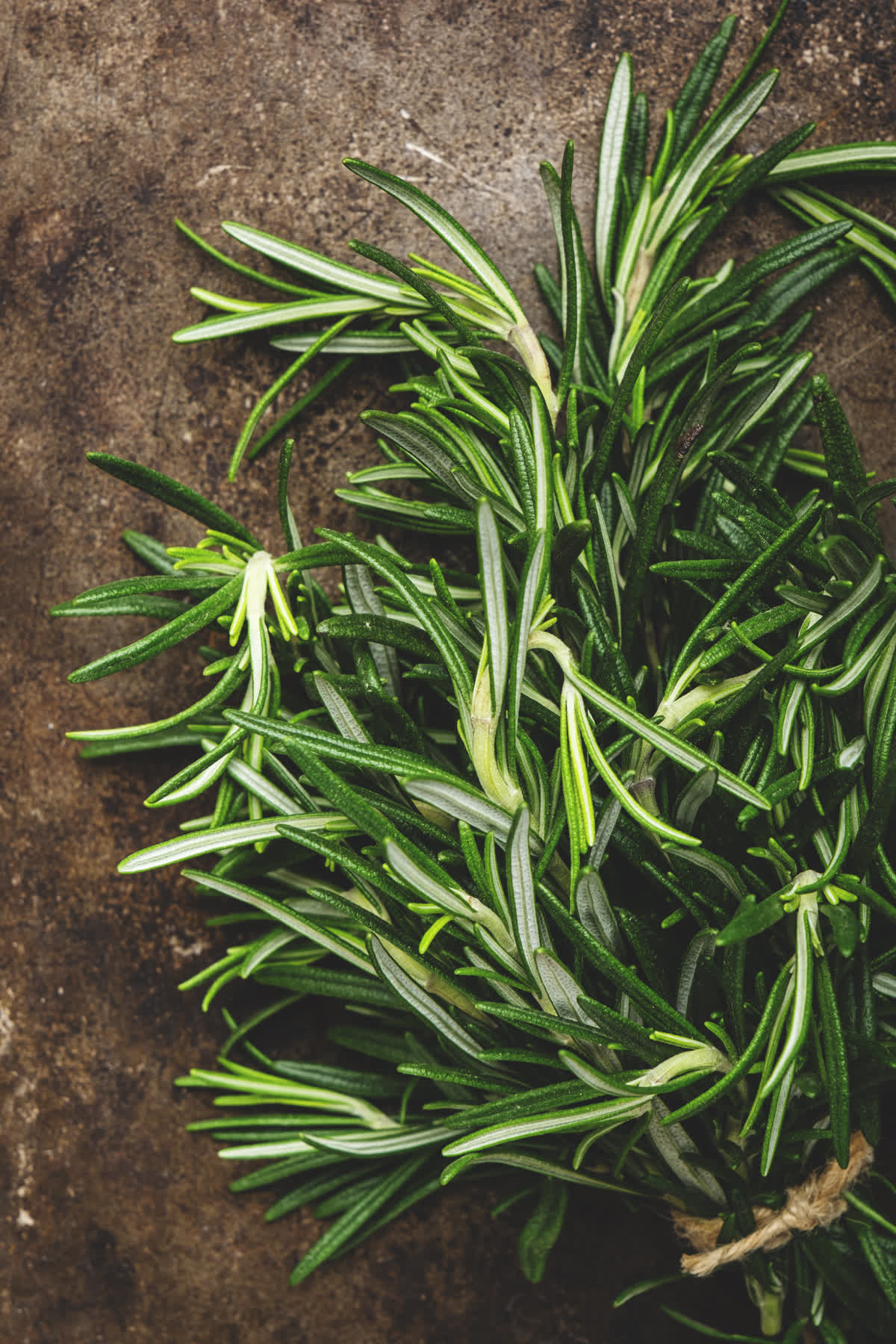 RosemaryCPromisingQueen of the monte and its honey; one of the few herbs with a randomized trial behind it for hair thinning.
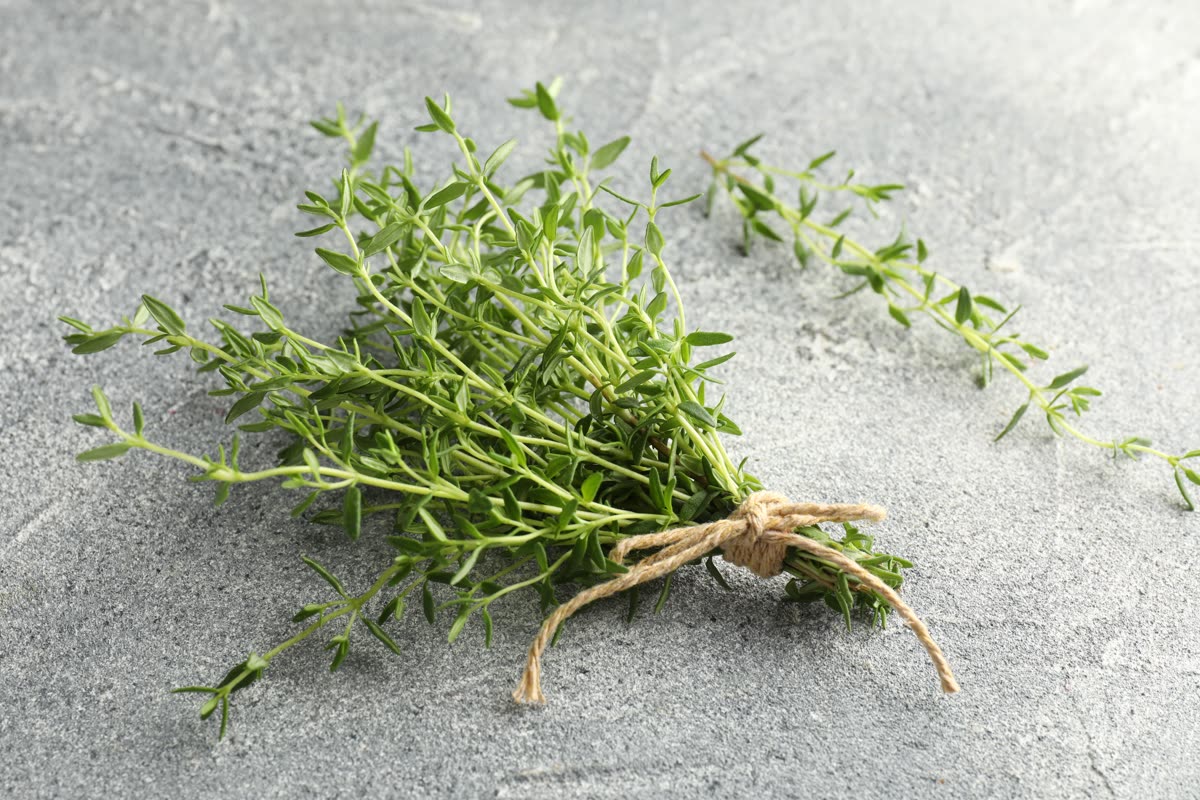 ThymeCPromisingWild thyme of the hills, used in folk remedies; its oil is antimicrobial and irritating, so only at very low levels.
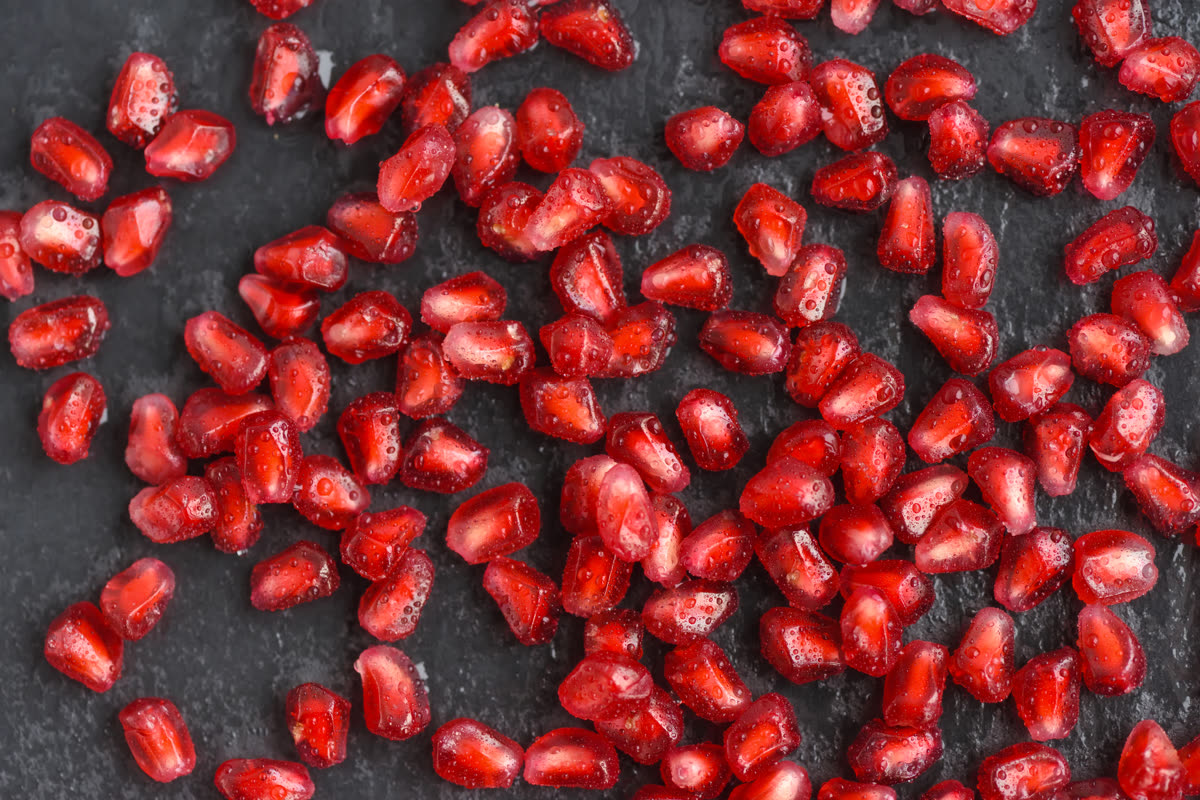 PomegranateCPromisingGranada’s emblem; its seed oil is light and rich in punicic acid, its peel extracts strongly antioxidant in the lab.
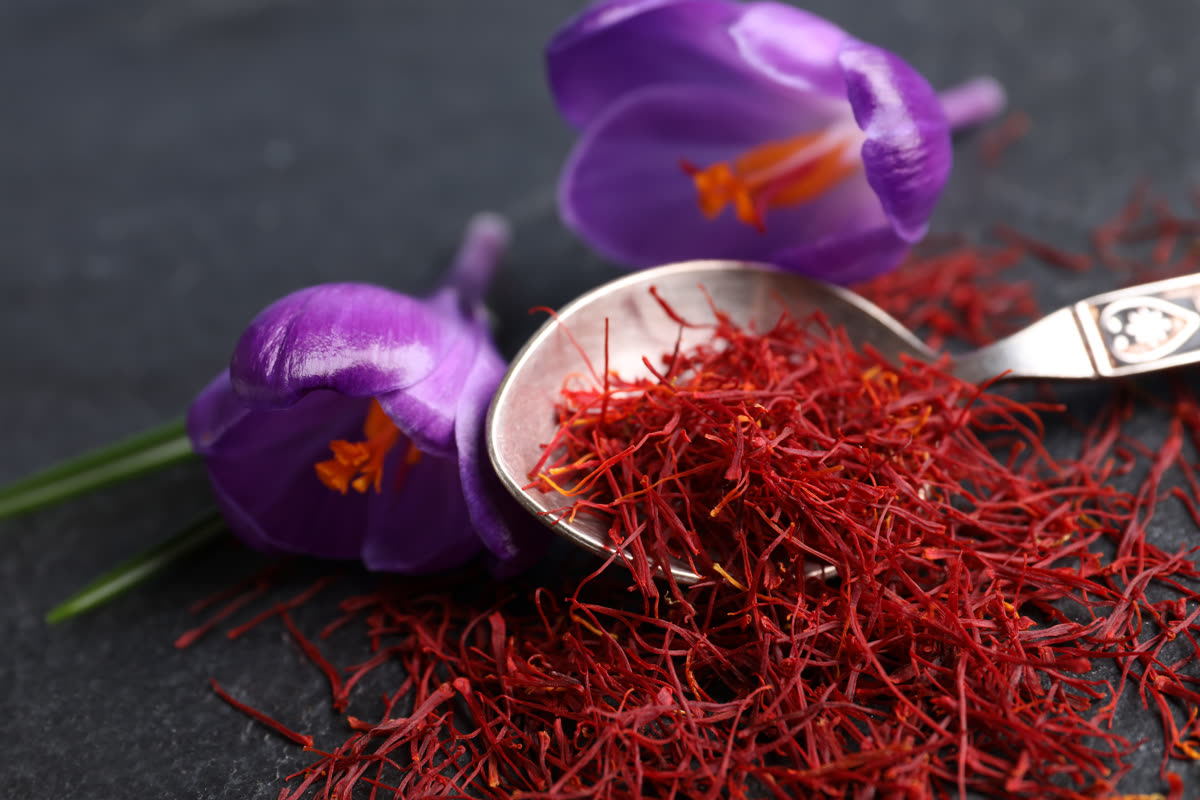 SaffronDTraditional wisdomHand-harvested in La Mancha under a protected designation; in skin care more ceremony than proven effect.
An evening in the patio
- Patch test any flower water or oil you have not used before on the inner arm as in our guide: twice daily for 7 days, read at 48 and 96 hours. If you have a nut allergy, swap the almond oil for sunflower oil.
- Wash your body with a mild cleanser or an olive-oil soap if your skin tolerates it, and your face with your usual gentle cleanser. Keep the water warm, not hot.
- While your face is still slightly damp, mist it with preserved orange blossom (neroli) water from a clean bottle you keep in the fridge, and let it settle for a minute.
- Warm a teaspoon of sweet almond oil between your palms and press it into damp arms, legs and shoulders with slow strokes toward the heart.
- If your scalp likes oil, massage in a few drops of rosemary-infused oil (not undiluted essential oil) with the pads of your fingers for three or four minutes.
- Finish outside or by an open window, with nothing scented for the next quarter of an hour but the air.
Continue the journey
 Orange Blossom Water, the Moroccan WayA cool mist of orange blossom water is a Moroccan welcome. How to use it, choose a cosmetic-grade hydrosol and keep it fresh and safe.
 Pick Your Body Oil: Sunflower, Jojoba or Olive?Not all plant oils treat the skin barrier alike. How to choose a body oil for dry skin, and a simple one-leg test to see what suits you.
 Rosemary Scalp Oil Night: What the Trial Did and Didn’t ShowA safe, diluted rosemary scalp oil routine, and an honest read of the 2015 trial that made rosemary famous for hair.
 The Halloween Double Cleanse with an Oil BalmFace paint, long-wear makeup or sunscreen? An oil cleansing balm then a gentle second cleanse lifts it all without scrubbing or stripping.
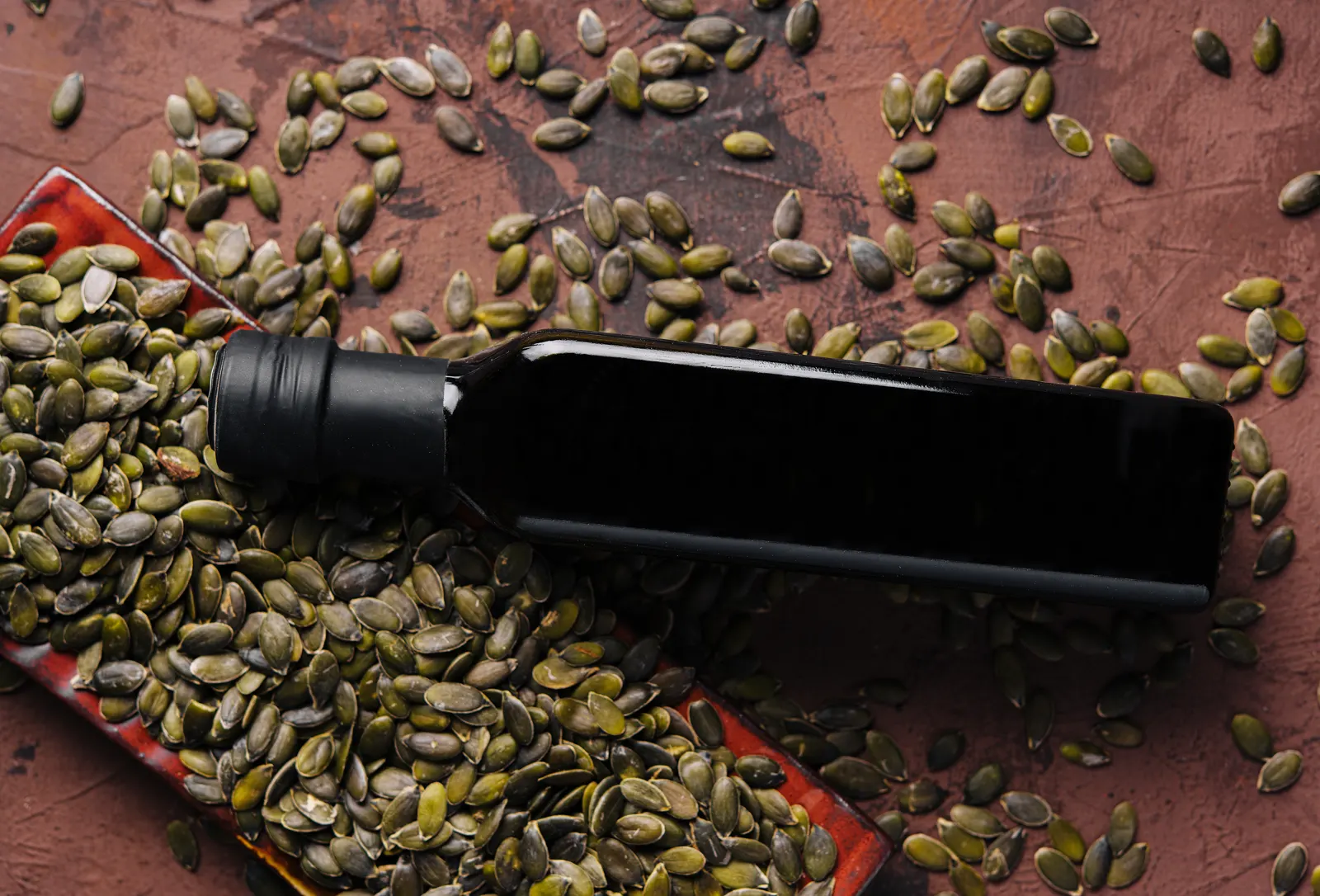 Hair care · BeginnerRosemary & Pumpkin Seed Scalp OilA pre-wash scalp massage oil with 2% rosemary essential oil in pumpkin seed, jojoba and argan oils — a supportive ritual, not a medical treatment.
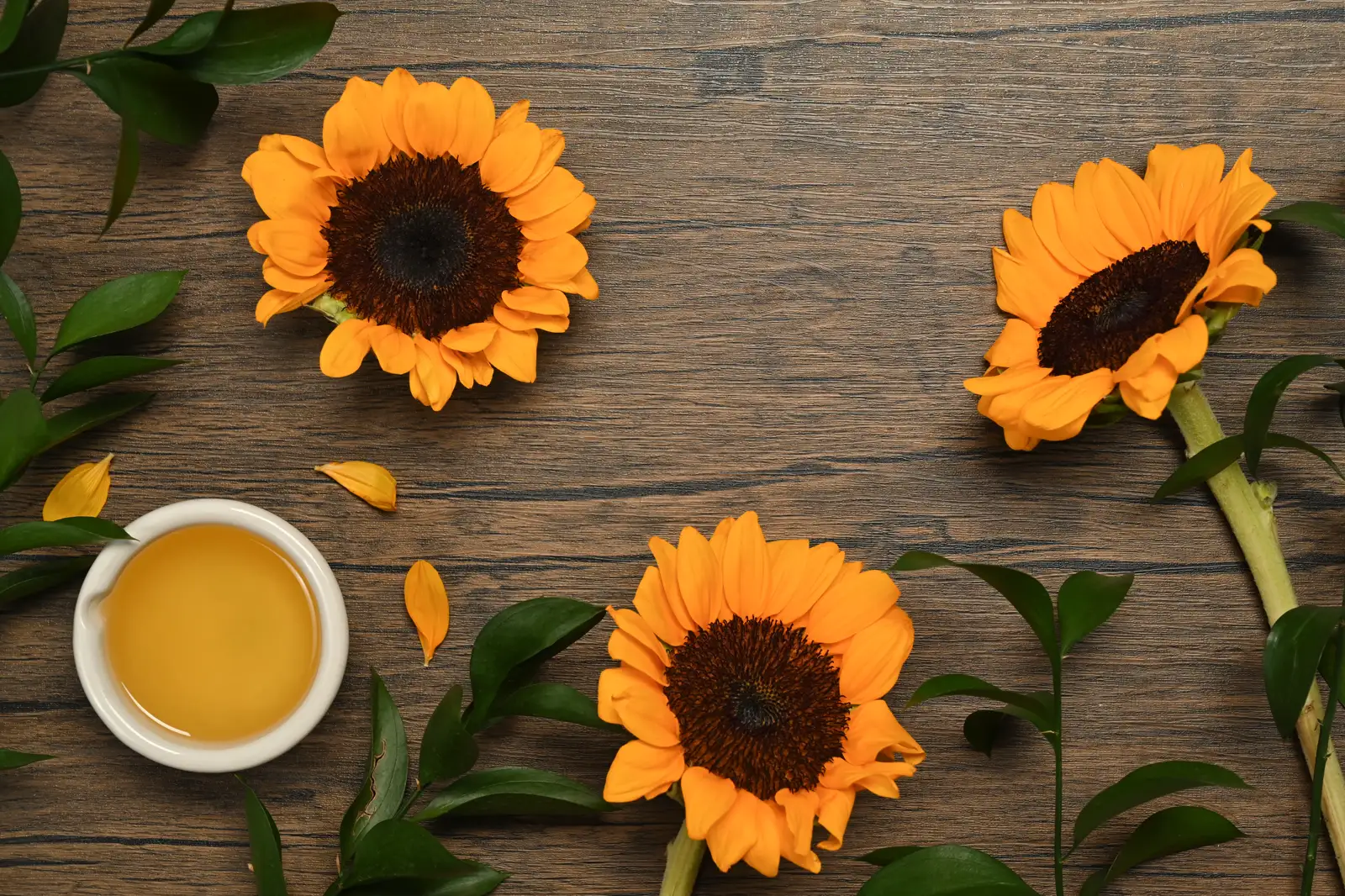 Cleanser · IntermediateSunflower Cleansing BalmA sherbet-textured cleansing balm of sunflower, shea and jojoba with a plant-derived emulsifier that turns milky and rinses clean, sunscreen included.
GuideCarrier Oils: The Formulator’s GuideFatty acid chemistry, oxidative stability and skin feel for 12 core oils, plus why comedogenic ratings mislead and how to store oils well.GuideEssential Oil Safety: The Complete GuideDilution by use, phototoxic citrus limits, oxidation and allergy, IFRA standards, and special care for children, pregnancy and pets.GuideSustainable & Ethical Botanical SourcingAt-risk botanicals, CITES and the IUCN Red List, argan cooperatives, RSPO palm, upcycled ingredients, adulteration and the questions to ask suppliers.