Mask · Make it at home
Moroccan Rhassoul & Orange Blossom Mask
Rhassoul clay whipped with orange blossom water, argan oil and honey: the Moroccan way to cleanse and soften without squeaky tightness.
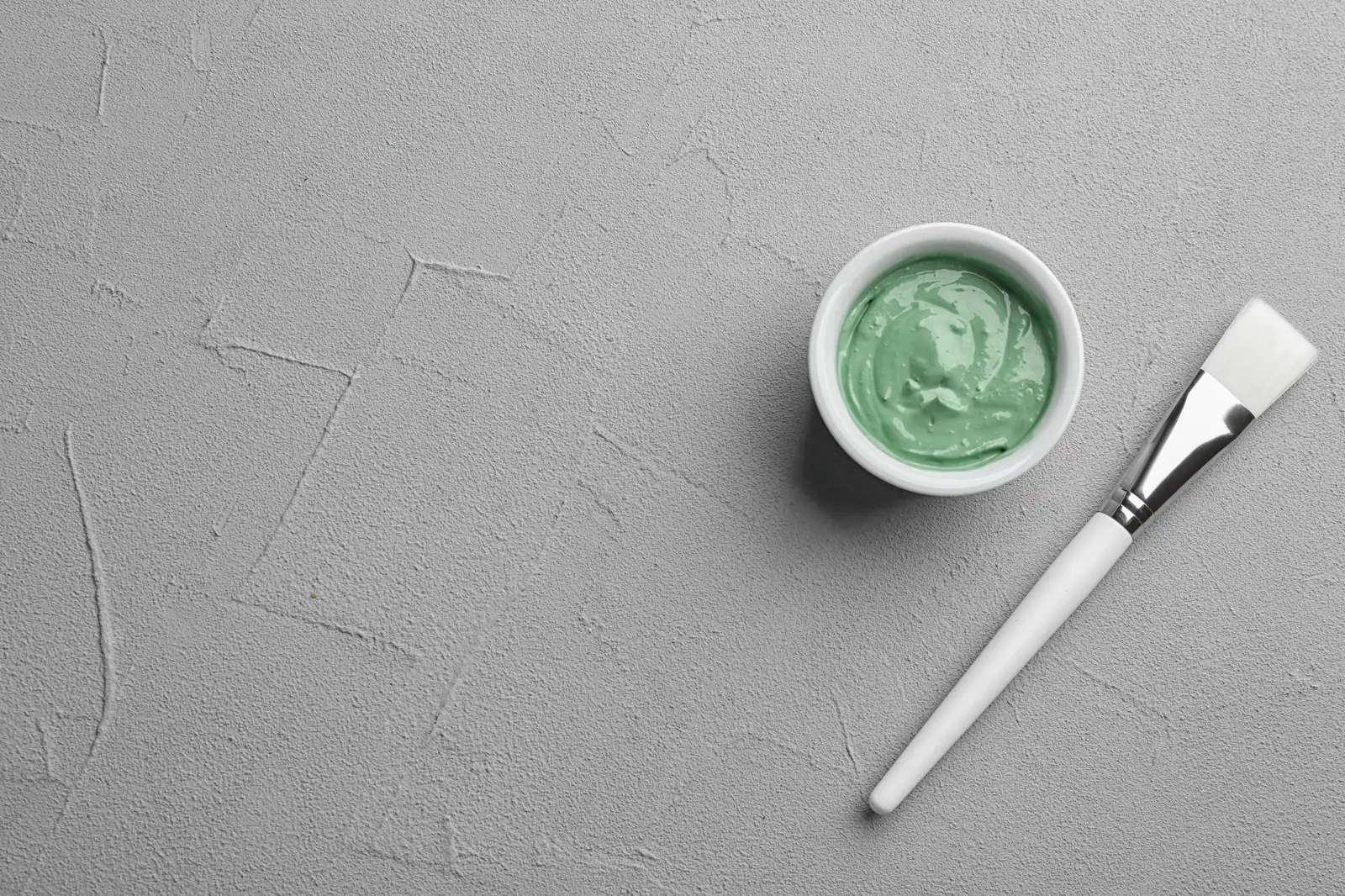
- Time
- 20 min
- Level
- Beginner
- Makes
- 30 g
- Type
- Fresh · single use
- Keeps
- Single use — mix fresh and discard leftovers (dry clay keeps for years, sealed)
Formula
| Phase | Ingredient | % | Grams |
|---|---|---|---|
| A | Rhassoul clay, fine cosmetic powder12 g | 40 | 12.00 |
| A | Orange blossom water (Citrus aurantium amara flower water, hydrosol)Pure hydrosol with no added alcohol or fragrance | 50 | 15.00 |
| A | Argan oil (cosmetic, unroasted) | 5 | 1.50 |
| A | Raw honey | 5 | 1.50 |
| Total | 100.0 | 30.00 |
Weigh everything on a 0.01 g scale; volume measures are not accurate enough for actives or preservatives. Open in the formula & cost calculator.
Equipment
- Digital scale (0.1 g)
- Ceramic, glass or wooden bowl (traditionally not metal)
- Wooden or silicone spatula
- Mask brush (optional)
- Small mister
- Soft face cloth
Method
- Wash your hands and clean the bowl and spatula.
- Weigh 12 g rhassoul into the bowl.
- Add 15 g orange blossom water gradually, stirring, then let it rest 3–5 minutes: rhassoul swells into a smooth, mousse-like paste.
- Stir in 1.5 g argan oil and 1.5 g honey. Add a little more flower water if it is too thick to spread.
- Apply a medium layer to clean, damp skin, avoiding the eyes and lips.
- Leave 5–10 minutes and rinse while still slightly damp — do not let it dry and crack. Mist with orange blossom water if it starts to dry.
- Rinse with lukewarm water using gentle circles (no scrubbing), pat dry and follow with moisturizer or a few drops of argan oil.
- Discard leftovers. Once a week is plenty (up to twice for very oily skin).
Why it works
Rhassoul clay is a magnesium-rich smectite (largely stevensite) with a strong ability to adsorb sebum and impurities; it swells in water into a slippery paste that cleanses without surfactants. Orange blossom (neroli) water adds a soft scent and light hydration, argan oil offsets the clay’s drying effect, and honey adds humectancy. Evidence is mainly traditional and laboratory-based; the realistic benefit is a gentle, effective cleanse.
Safety notes
- Patch test first, particularly if you are fragrance-sensitive: orange blossom water naturally contains linalool (How to Patch Test).
- Do not over-use: clay masks used too often, or left to dry, can leave skin tight and irritated.
- Skip it on broken, sunburned or freshly waxed skin, during eczema or rosacea flares, and on nights you use retinoids or exfoliating acids.
- Buy cosmetic-grade rhassoul from a supplier that tests for heavy metals and microbial counts; avoid inhaling the dry powder.
- Fresh and unpreserved: use once and discard leftovers.
Read DIY safety & preservation before making water-based products.
Variations
- Rose version: use Damask rose water instead of orange blossom water — equally traditional in Morocco.
- Hair wash: triple the batch, thin it to a yogurt texture, apply to a wet scalp and lengths, leave 5 minutes and rinse thoroughly.
- Full ritual: use it as the clay step of the Moroccan Hammam Ritual at Home (Moroccan Beauty Rituals: Hammam, Rhassoul & Argan).
Featured ingredients
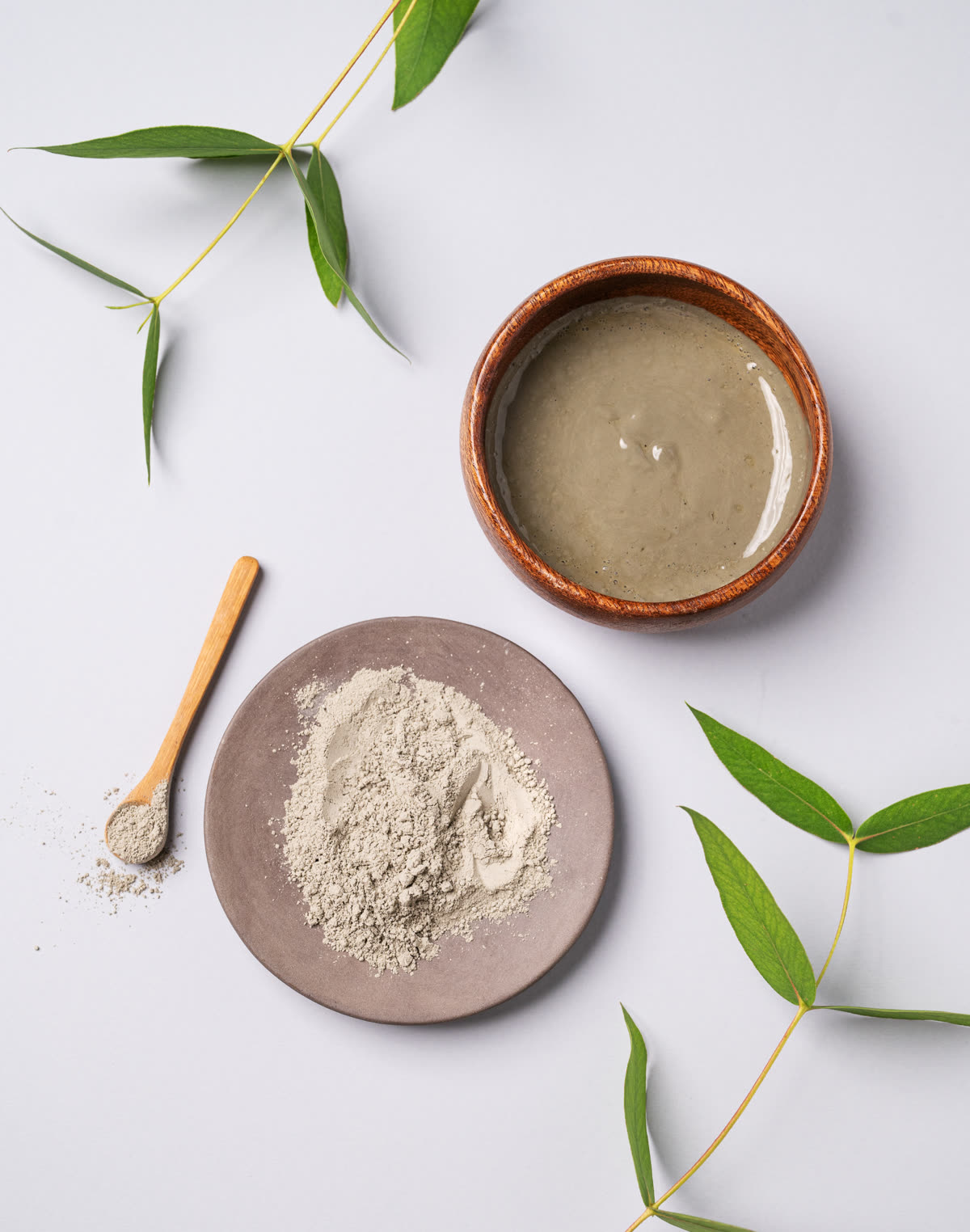 No. 040
Rhassoul ClayStevensite-rich magnesian claySilky Moroccan clay that cleanses without a single bubble, leaving skin fresh and matte and curls soft and defined.
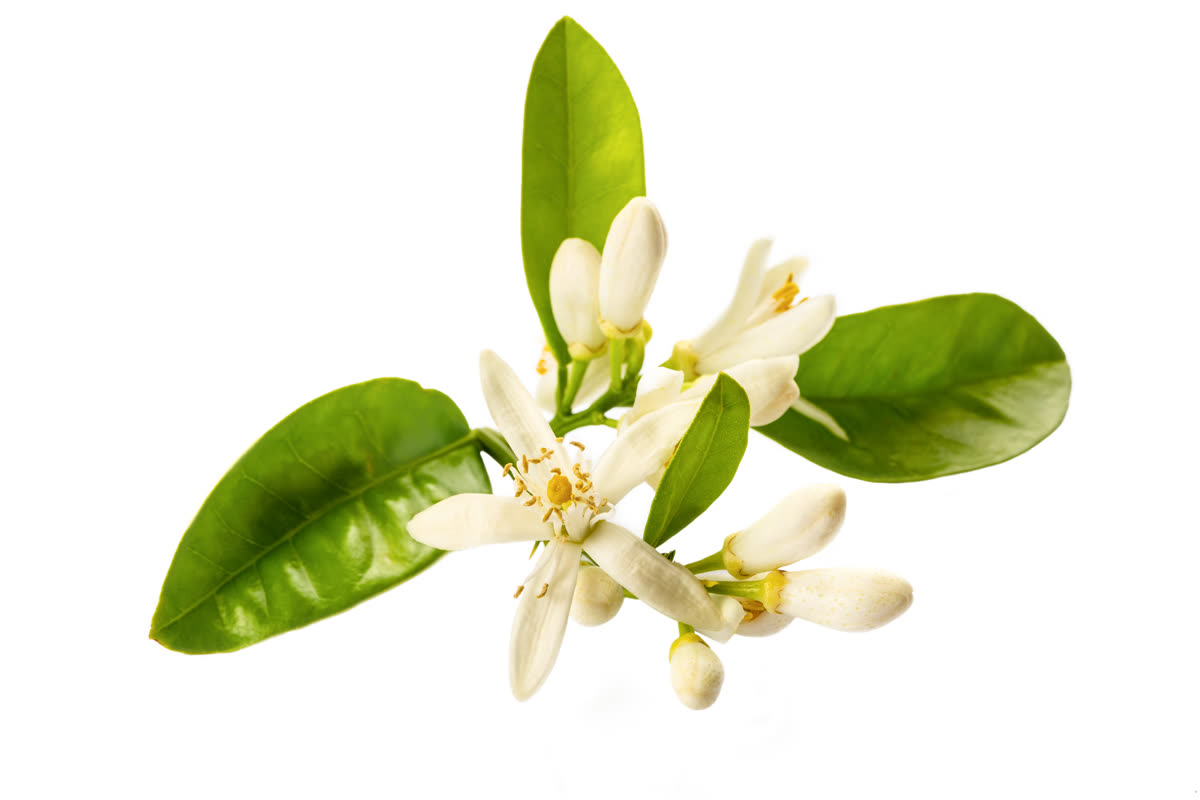 No. 026
Orange Blossom (Neroli)Citrus × aurantiumA mist of orange flower water brings the scent of a Seville courtyard in spring to your skin, softly, in one breath.
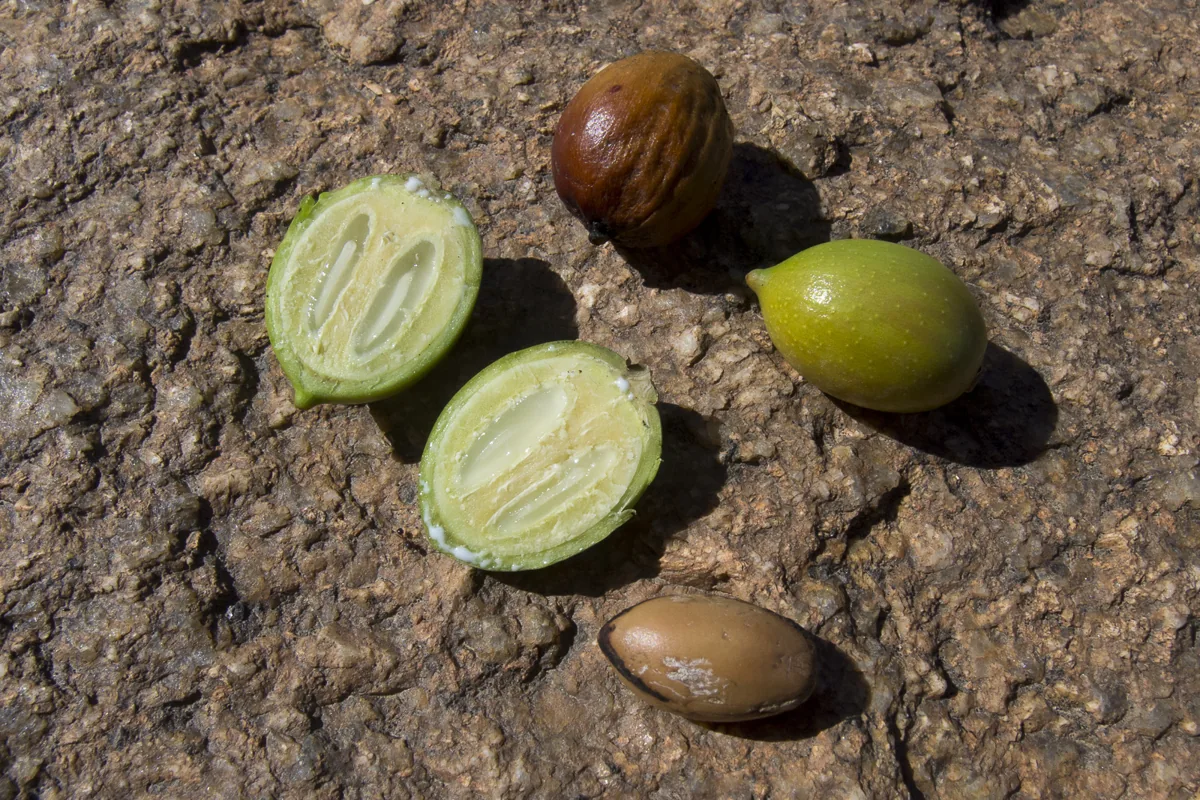 No. 027
Argan OilArgania spinosa (L.) SkeelsGolden, silky and quick to sink in, Moroccan argan oil is the easy everyday oil for soft skin and smoother, shinier ends.
 No. 041
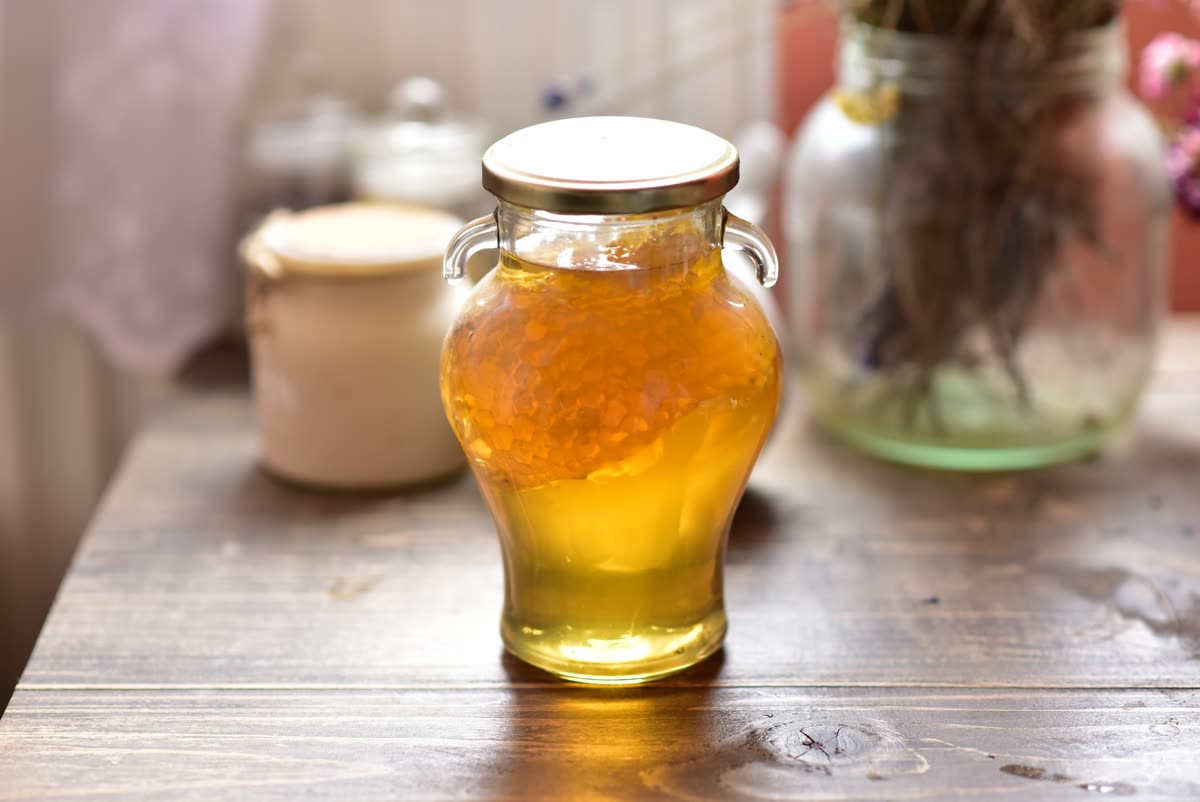
HoneyMel (product of Apis mellifera L.)A spoonful of raw honey is one of the simplest, loveliest masks there is: skin feels soft, plump and comforted.
Formulator
Selling what you make? Get the batch record, label template and cost sheet for this formula, plus a regulatory checklist for the EU, UK and US.
See Formulator membership