The ingredient encyclopedia · root
Marshmallow Root
Althaea officinalis · Malvaceae
Marshmallow root melts into a silky, slippery gel that gives curls effortless slip and skin a soft hug.
FR Guimauve officinaleES Malvavisco (altea)AR الخطميةKhatmi (Arabic and Persian herbalism)
- How well proven
- DTraditional wisdom
- Safety
- Low topical risk
- Sun-sensitive
- No
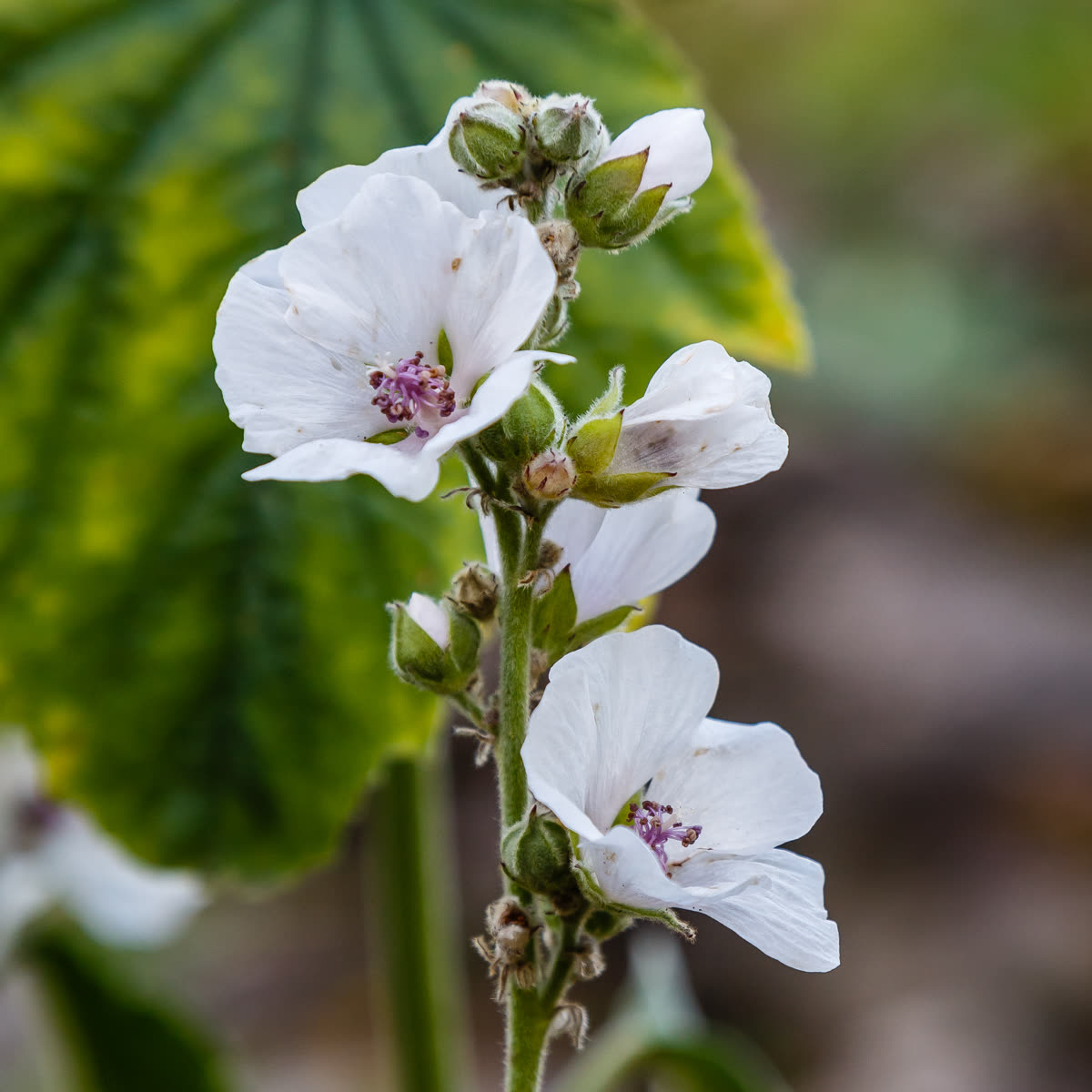
FR Guimauve officinaleES Malvavisco (altea)AR الخطميةKhatmi (Arabic and Persian herbalism)
What the evidence says
Film-forming and humectant properties are plausible and lab studies show effects on skin cells, but there are no meaningful human trials of topical use.
- Best supported for
- Dry & Dehydrated Skin DDry, Damaged & Frizzy Hair D
- How to use it
- Cold-water macerate (hair slip rinse) · 2–5 g cut root per 250 ml cool water, steeped 4–12 h in the fridge
- Watch out for
- Very well tolerated topically; allergy is rare but possible, so patch test if you have many plant allergies.
Checked against 1 cited study and our safety review · Updated 26 November 2026 · How we grade
Why you’ll love Marshmallow Root
Why you’ll love it
- Gives curly hair wonderful slip for easier detangling
- Leaves a soft, hydrating film on dry skin
- Gentle enough for even reactive skin
Best forCurly, coily or tangle-prone hair, and dry, easily irritated skin.
Try it today
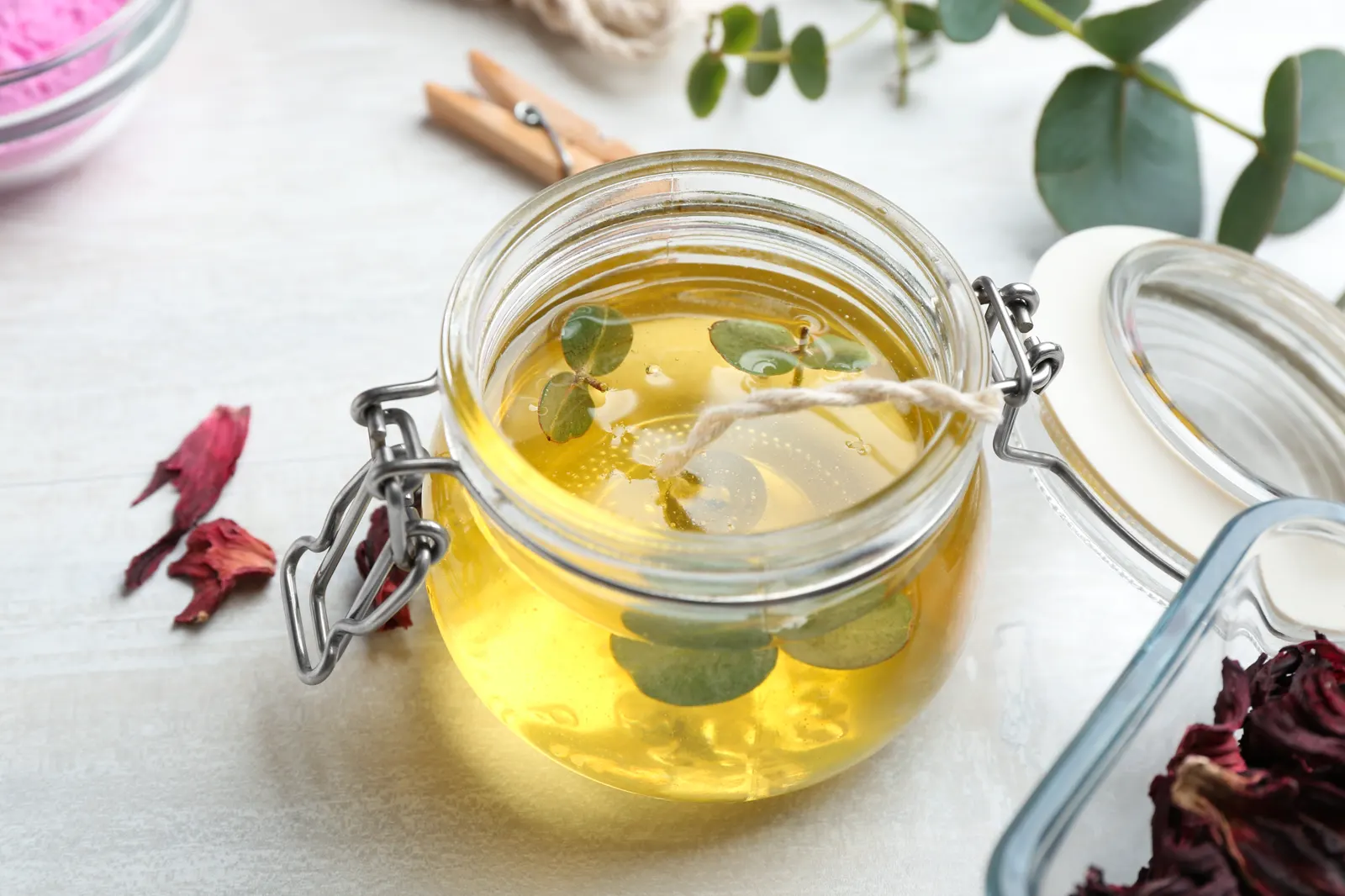
An overnight detangling rinse
- Steep 2–5 g cut marshmallow root in 250 ml cool water in the fridge for 4–12 hours.
- Strain, pour it through clean hair and gently finger-comb out the knots.
- Use it the same day and pour away leftovers, as the gel spoils quickly.
Good to know: Very well tolerated, but homemade infusions grow microbes within a day or two. Make it fresh, or choose a preserved product.
At a glance
| Parts used | Root (also leaf and flower) |
|---|---|
| Key actives | Mucilage polysaccharides (rhamnogalacturonans, arabinans, glucans), Pectin, Flavonoids, Scopoletin, Phenolic acids |
| INCI names | Althaea Officinalis Root Extract |
| Skin types | dry, sensitive |
| Hair & scalp | curly, thick |
| Pairs well with | Aloe VeraColloidal OatmealCalendulaHibiscus |
| Evidence grade | DTraditional wisdom Film-forming and humectant properties are plausible and lab studies show effects on skin cells, but there are no meaningful human trials of topical use. |
What it does for skin and hair
Soothing, hydrating film
Mucilage polysaccharides bind water and leave a soft film that reduces the feel of tightness on dry or irritated skin.
Slip for detangling
A cold-water extract makes hair slippery, helping combs and fingers glide through curls with less breakage. See Dry, Damaged & Frizzy Hair.
Gentle enough for reactive skin
Allergy is very rare, making it a good base for products for Sensitive Skin & Redness.
Supports skin cells (lab data)
Root extracts and polysaccharides stimulated keratinocyte activity in vitro, consistent with its traditional use on irritated skin and mucous membranes.
How to use it
Start low, be consistent, and give it four to eight weeks. These are the amounts that work in real products and home recipes.
| Form | Typical use level | Notes |
|---|---|---|
| Cold-water macerate (hair slip rinse) | 2–5 g cut root per 250 ml cool water, steeped 4–12 h in the fridge | Strain, use the same day as a detangling rinse or leave-in base, and discard leftovers: mucilage spoils quickly. |
| Extract or glycerite in creams, gels and toners | 1–5% (per supplier) | Any water-based product needs a broad-spectrum preservative; see DIY Safety: Water, Microbes & Preservatives. |
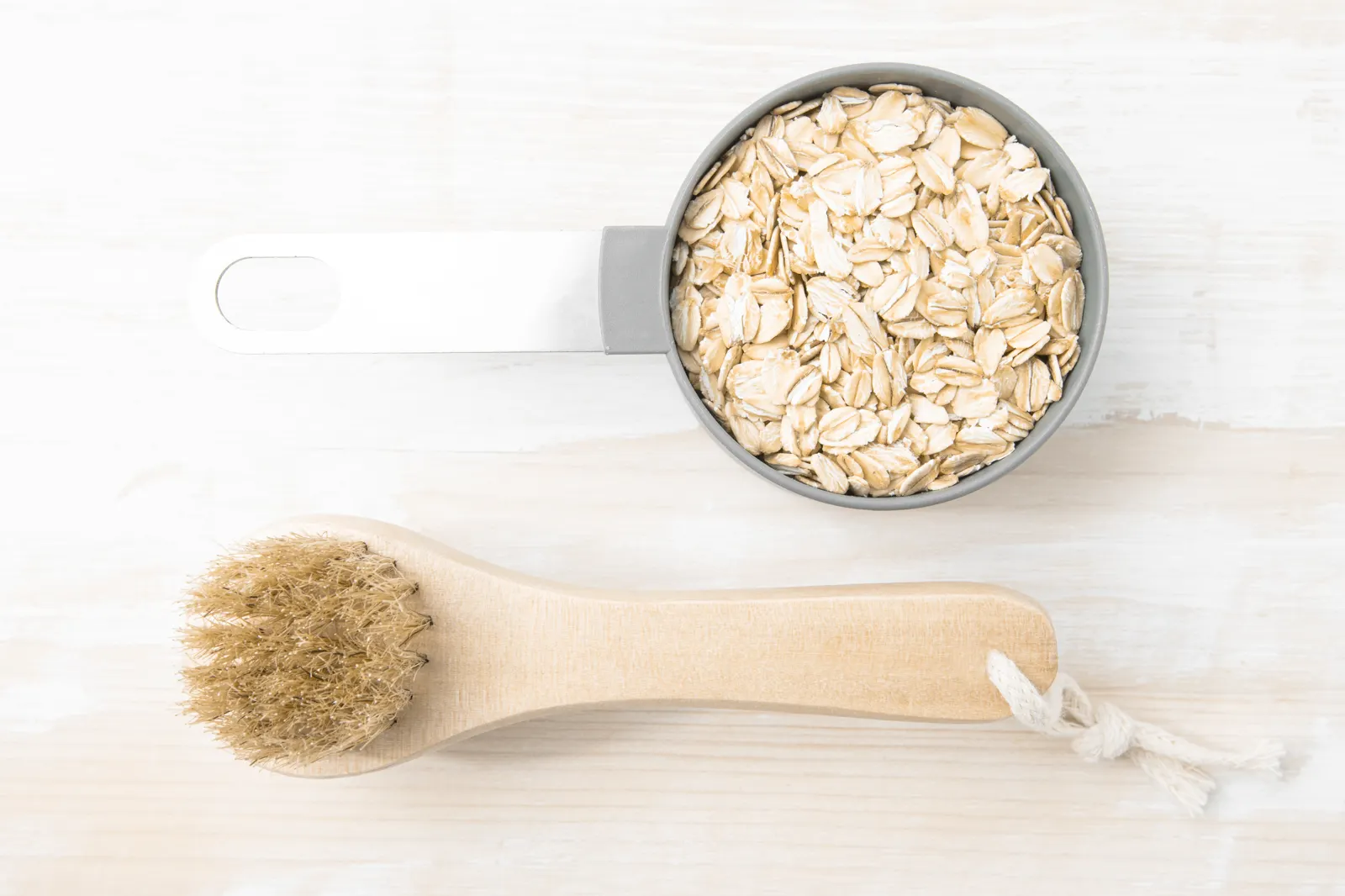
| Root powder in masks | 5–15% of a clay or oat mask | Adds slip and softness to colloidal oatmeal or clay masks; mix fresh. |
Use it safely
Low topical risk
- Very well tolerated topically; allergy is rare but possible, so patch test if you have many plant allergies.
- Water-based homemade infusions grow microbes within a day or two at room temperature: make fresh or preserve properly.
- When taken orally, mucilage can slow absorption of other medicines; this does not apply to topical use.
- Pregnancy & breastfeeding
- Topical use is considered low-risk; there are no specific safety studies in pregnancy. Pregnancy guide
- Phototoxicity
- Not phototoxic at normal use levels.
- Declared fragrance allergens
- None expected
New to an ingredient? Patch test first. Stop and seek advice if you get burning, swelling, blistering or a spreading rash.
Make it at home: recipes with marshmallow root
Buying well
Sustainability
Marshmallow is cultivated across Europe and is not threatened; it is also native to damp ground and salt marshes, where wild collection should be modest.
How to choose quality
Choose cut-and-sifted organic root for macerates (it should smell sweetish and earthy, not musty) or a preserved extract with INCI Althaea Officinalis Root Extract. Store dry root in a sealed jar away from moisture.
The research For professionals
The chemistry, the studies and the evidence by concern, for practitioners, formulators and the curious.
Marshmallow root contains a substantial fraction of mucilage (commonly quoted at roughly 5–20% of the dry root), a mix of acidic rhamnogalacturonans, arabinans, glucans and arabinogalactans, plus pectin, flavonoids and the coumarin scopoletin. In water these polysaccharides swell into a viscous, slippery solution. Cold maceration extracts mucilage while leaving behind much of the starch, which is why traditional recipes soak the root rather than boil it.
In laboratory work, Deters and colleagues (2010) showed that aqueous root extracts and isolated polysaccharides were taken up by human epithelial cells and stimulated cell viability and proliferation, supporting a soothing, barrier-friendly role. Mucilages also behave as humectants and film-formers, a physical effect that does not depend on any special bioactivity.
Clinical studies of topical marshmallow for skin or hair are lacking. Its oral use for dry cough and sore throat is better studied, but those findings do not transfer to cosmetic claims.
Evidence by concern
| Concern | Grade | What the evidence shows |
|---|---|---|
| Dry & Dehydrated Skin | D | Mucilage polysaccharides form a soothing, humectant film; evidence is traditional and lab-based. |
| Dry, Damaged & Frizzy Hair | D | Mucilage gives slip for detangling, popular in curly-hair routines; evidence is traditional and anecdotal. |
Key studies
Aqueous marshmallow root extracts and polysaccharides were internalized by human epithelial cells and stimulated cell physiology in vitro. Lab data only.
Deters A, et al. J Ethnopharmacol. 2010 Read it in the bibliography Find on PubMed
MythMarshmallow sweets contain marshmallow root.
EvidenceHistorically they did; modern marshmallows are made with gelatin and sugar and contain none of the plant.
In tradition
Khatmi (marshmallow) appears in classical Arabic and Persian medicine for soothing skin and throat, and European herbalists used the root as an emollient poultice.
Frequently asked questions
What does marshmallow root do for hair?
How do I make a marshmallow root hair rinse?
Is marshmallow root good for sensitive skin?
Cite this page
Herbs.Beauty. Marshmallow Root (Althaea officinalis): evidence-based monograph. Updated 26 November 2026. https://herbs.beauty/ingredients/marshmallow-root.html