World traditions · India & South Asia
The Ayurvedic Shelf
Turmeric, neem, amla and the art of oiling
A system, not a shelf
Ayurveda, roughly “the knowledge of life”, is one of the oldest organized systems of medicine still in use. Its foundational Sanskrit texts, the Charaka Samhita and Sushruta Samhita, were compiled over centuries around the turn of the common era, and later works such as the Ashtanga Hridaya distilled them. In India it is taught in colleges, regulated by its own government ministry and practiced alongside conventional medicine, while related traditions such as Siddha in Tamil Nadu and Unani, brought by Persian and Arab physicians, share many of the same plants.
Beauty, in this tradition, is not a separate department. It flows from dinacharya, the daily routine: rising early, cleaning the teeth with a twig, scraping the tongue, massaging the body with warm oil (abhyanga), bathing, eating at regular times. Seasonal routines, ritucharya, adjust all of this through the year. Much of it is quietly sensible, and very little of it requires buying anything.
That matters, because what reaches Western shelves as “Ayurvedic” is often a single ingredient pulled out of this context and wrapped in a promise. Respecting the tradition means describing it on its own terms, crediting the families and vaidyas who keep it, and not dressing up its plants as more proven than they are.
The doshas, described honestly
At the heart of Ayurvedic theory are the three doshas: vata, associated with air and movement; pitta, with fire and transformation; and kapha, with earth, water and structure. According to tradition, everyone is born with a particular balance of the three, their prakriti, and illness reflects imbalance. Skin is read through the same lens: vata skin as thin and dry, pitta as warm, reactive and prone to redness, kapha as thick and oily.
As a description of how a tradition thinks, this is coherent and often perceptive; the categories overlap with familiar ideas of dry, sensitive and oily skin. But there is no scientific evidence that dosha types predict how skin will respond to an ingredient, or that choosing products by dosha leads to better outcomes than choosing them by skin type and concern. Online quizzes that assign a dosha and then sell a matching serum are marketing, not Ayurveda and not dermatology.
The most useful lesson from the dosha framework may be its attention to seasons and routine: richer care in cold, dry months, lighter care in humid heat, regular habits rather than dramatic fixes. That is advice any dermatologist would recognize. For anything persistent, painful or spreading, see a doctor, whatever your constitution.
Gold on the skin: turmeric and the ubtan
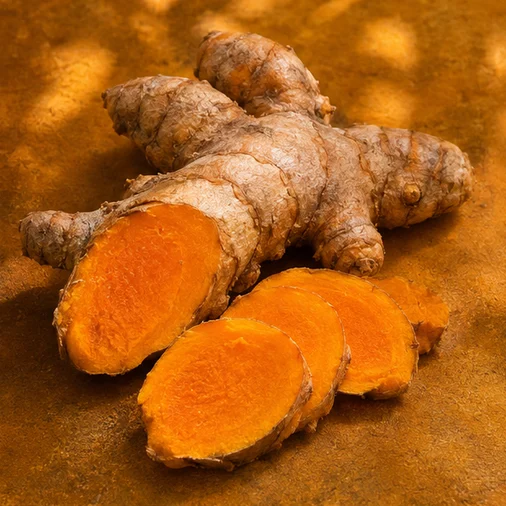
On the morning of many Hindu weddings, and in related ceremonies across communities and faiths, family members smear the bride and groom with a yellow paste of turmeric, chickpea flour and oil or milk. The haldi ceremony is joyful, messy and full of teasing. The paste, an ubtan, is also an everyday cleanser in many homes: chickpea flour to absorb oil and gently polish, turmeric for color and, according to tradition, glow, with sandalwood, rose water or yogurt depending on the family recipe.
Turmeric’s main active, curcumin, is strongly anti-inflammatory and antioxidant in the laboratory, and it has been studied for many skin conditions. A systematic review of the clinical evidence found encouraging but early results, mostly from small studies of varying quality. The obstacles are real: curcumin is poorly absorbed through skin, unstable in light and, as anyone who has tried a turmeric mask knows, a vivid yellow stain on skin, nails, towels and grout.
Safety is generally good on the skin, but allergic contact dermatitis to turmeric is reported, so patch test before a full mask. Turmeric supplements are a different matter: concentrated curcumin products, especially those combined with black pepper extract to boost absorption, have been linked to cases of liver injury, and they can interact with blood thinners. Cooking with turmeric is not the same as taking high-dose capsules. Our Turmeric & Honey Glow Mask keeps the dose modest and rinses away.
Neem and babchi: the bitter seeds
Neem, Azadirachta indica, is sometimes called the village pharmacy. Its twigs are chewed into toothbrushes, its leaves steeped in bath water or burned to repel insects, its bitter seed oil rubbed on the scalp and skin. In the laboratory neem extracts are antibacterial and antifungal, and there are small studies of neem-containing products for acne and dandruff, but no strong trials of neem alone. Neem oil can irritate and sensitize, so dilute it and patch test. One warning is absolute: neem oil must never be given by mouth to children, in whom it has caused severe poisoning.
The seeds of babchi, Cullen corylifolium (long known as Psoralea corylifolia), have been used in Ayurveda and Chinese medicine for skin pigment disorders, especially vitiligo, often combined with sun exposure. The reason it works is also the reason for caution: the seeds contain psoralens, compounds that make skin intensely sensitive to ultraviolet light and are the basis of medical PUVA therapy. Raw babchi on the skin followed by sunlight can cause severe burns.
Modern cosmetic bakuchiol is a single compound purified from these seeds, free of psoralens. It is one of the better-studied botanicals: a small twelve-week randomized trial in 44 people found that bakuchiol twice daily improved wrinkles and pigmentation about as much as retinol once daily, with less stinging and scaling. That is promising, not definitive, and its safety in pregnancy has not been established. Read our Skincare in Pregnancy & Breastfeeding guide before reaching for it as a “safe retinol”.
Oiling the hair: coconut, amla, hibiscus, fenugreek and henna
The English word shampoo comes from the Hindi champo, to press or knead, and originally described a head massage, not a bottle of detergent. Hair oiling, champi, remains one of the most loved rituals in South Asian families: warm oil worked into the scalp and lengths, often by a mother or grandmother on a weekend morning, left on for a while, then washed out. In the south and along the coasts the oil is usually coconut oil; in the north, mustard or sesame; in many homes, a herbal oil cooked with leaves, flowers and fruit.
Here the evidence is unusually good. Laboratory studies have shown that coconut oil, thanks to its small, straight-chained lauric acid, penetrates the hair shaft and reduces protein loss during washing, unlike mineral oil or sunflower oil. Applied before shampooing, it also reduces the swelling of hair with water that roughens the cuticle. For dry, long, curly or chemically treated hair, a pre-wash oil is one of the simplest protective habits there is.
The herbs cooked into those oils are less proven. Amla (Indian gooseberry), the sour Indian gooseberry that is one of the three fruits of triphala, is rich in tannins and vitamin C and traditionally used to darken and strengthen hair; the evidence is mostly laboratory and animal work. The red flowers and leaves of hibiscus give a slippery, conditioning rinse. Soaked fenugreek seeds turn to a mucilage that makes a gentle slip-rich mask, though anyone allergic to peanuts or chickpeas should be cautious, as fenugreek is a legume. Henna, mehndi, colors hair and decorates hands for weddings and festivals, but only pure henna is safe: “black henna” containing PPD can cause serious allergic reactions, and henna should not be used on babies or people with G6PD deficiency. Our Hair Science for Natural Hair Care guide explains what oils can and cannot do inside the hair fiber.
Sandalwood and the cost of scent
Indian sandalwood, Santalum album, is woven into the religious and domestic life of South Asia: ground into paste on a stone for the forehead mark of worship, burned as incense, carved into boxes and fans, added to ubtan for its cooling scent. The finest wood came for generations from the forests of Karnataka, and the soft, milky, lasting aroma of sandalwood oil, dominated by santalols, has made it one of the most valued materials in perfumery.
That value has cost the tree dearly. Decades of overharvesting and illegal felling hollowed out the wild population, and the species is listed as Vulnerable by the IUCN. Sandalwood is a slow-growing semi-parasite that needs host plants, so it cannot simply be replanted at speed. Most legitimate sandalwood oil now comes from plantations, including in Australia, where Indian sandalwood is grown alongside the native Santalum spicatum. Many “sandalwood” fragrances use synthetic aroma chemicals, which take the pressure off the trees.
On the skin, alpha-santalol has shown anti-inflammatory and other activity in laboratory studies, but human evidence is limited. Sandalwood can cause allergic reactions in sensitized people. If you buy the oil, ask for the species, origin and legal documentation, and expect to pay a great deal; cheap sandalwood oil is almost always something else.
The heavy-metal question
One branch of classical Ayurveda, rasa shastra, deliberately incorporates metals and minerals such as mercury, lead and arsenic into preparations called bhasmas, processed in ways its practitioners believe render them safe. Studies in the mid-2000s that tested Ayurvedic medicines sold in the United States, both in shops and online, found that roughly one in five contained detectable lead, mercury or arsenic, some at levels well above safety limits. Cases of lead poisoning linked to such products continue to be reported.
Cosmetics are affected too. Some sindoor, the red powder worn in the hair parting, and some traditional kajal and surma eye cosmetics have been found to contain lead. Children are the most vulnerable to lead, and there is no safe level of exposure.
- Do not take Ayurvedic medicines by mouth without telling your doctor, especially in pregnancy or for children.
- Choose cosmetics sold under cosmetic regulations, with full ingredient lists, and avoid unlabelled powders.
- Never use traditional kajal or surma on babies.
- Prefer herbal powders such as henna and amla from suppliers who test for heavy metals.
None of this diminishes the tradition. It simply asks the same of Ayurvedic products as of any other: proof of what is in the jar.
The signature plants
TurmericCPromisingThe gold of the haldi ceremony and the everyday ubtan; strongly anti-inflammatory in the lab, early and modest in human skin studies.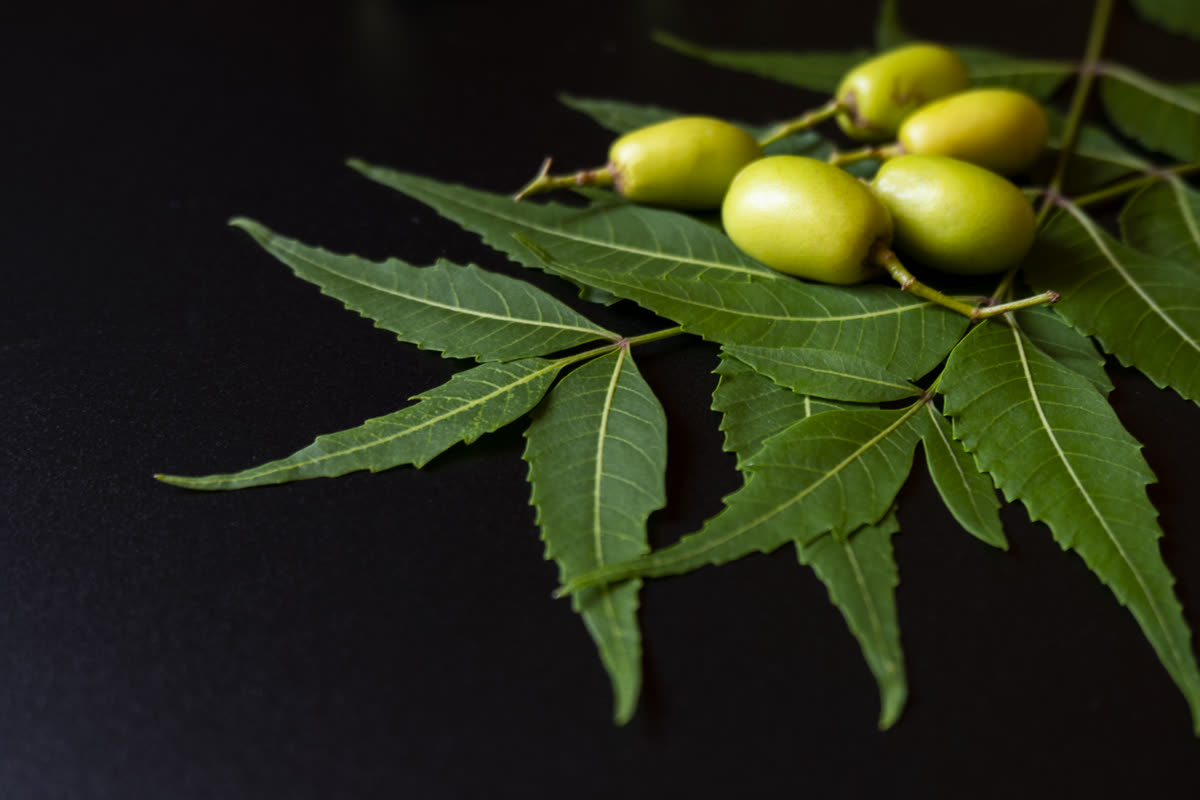 NeemDTraditional wisdomThe bitter “village pharmacy” of twigs, leaves and seed oil; antimicrobial in the lab, irritating at high doses and never for children to swallow.
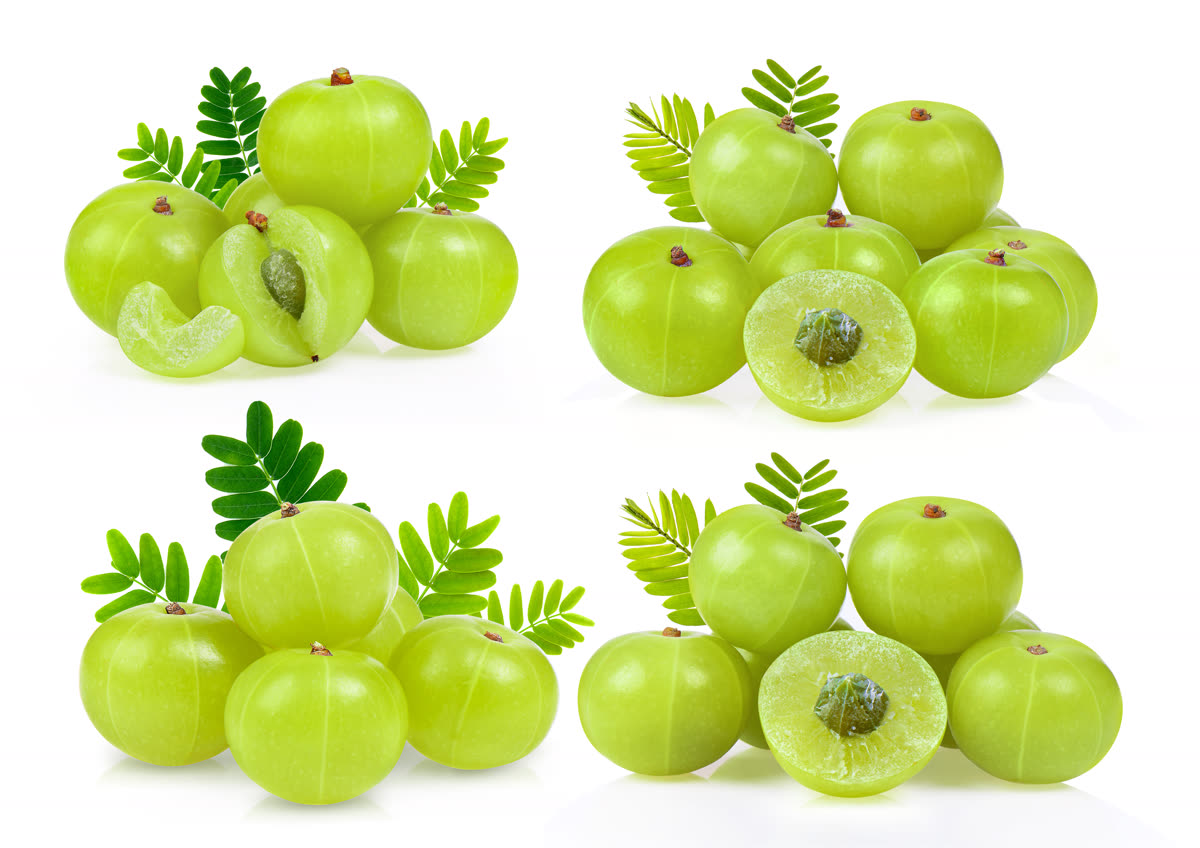 Amla (Indian Gooseberry)DTraditional wisdomThe sour gooseberry of triphala, cooked into hair oils to strengthen and darken according to tradition.
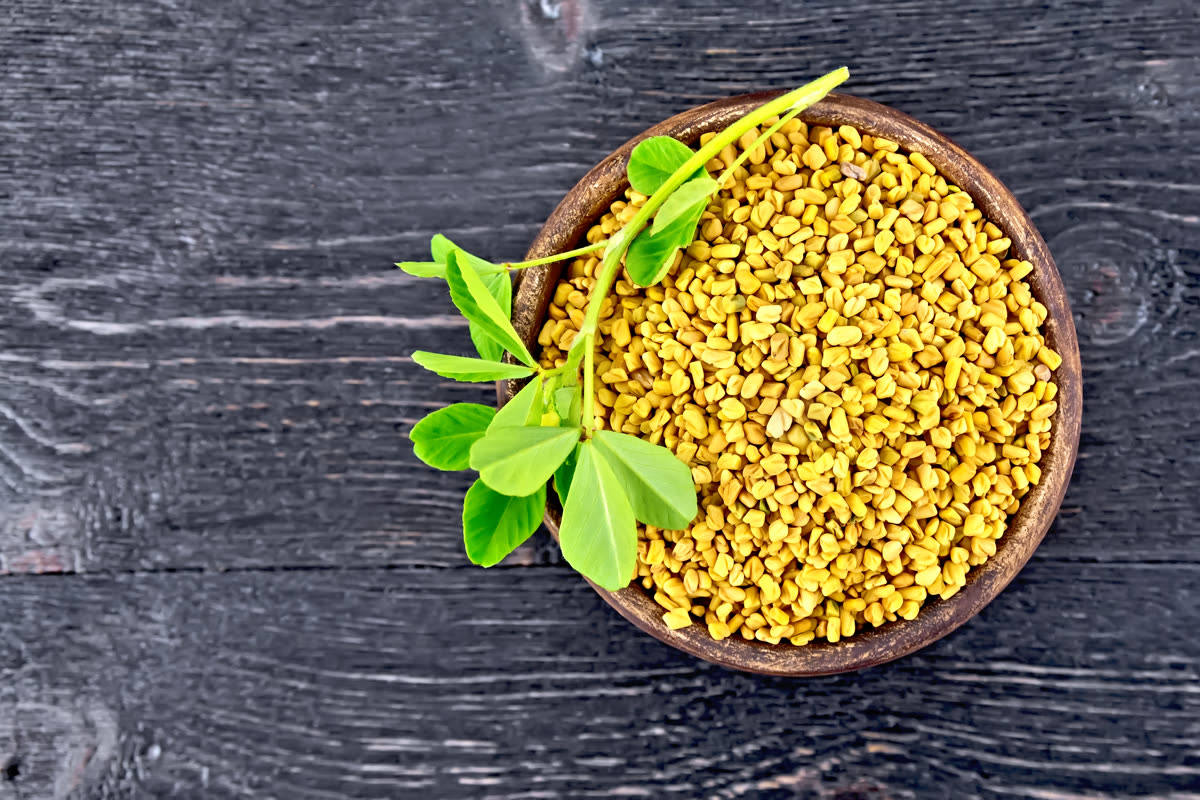 FenugreekDTraditional wisdomMethi seeds soaked into a slippery hair mask; a legume, so take care with peanut or chickpea allergy.
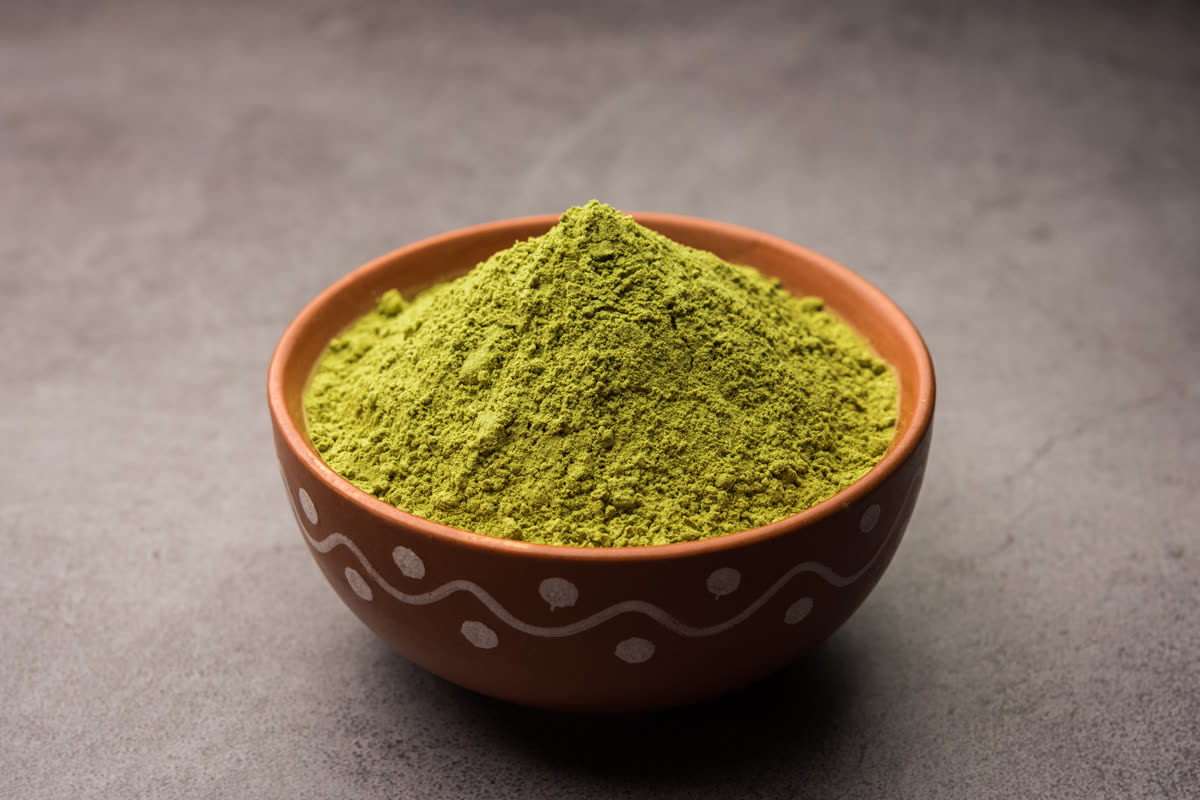 HennaBGood evidenceMehndi for hair, hands and weddings; pure henna only, never “black henna”.
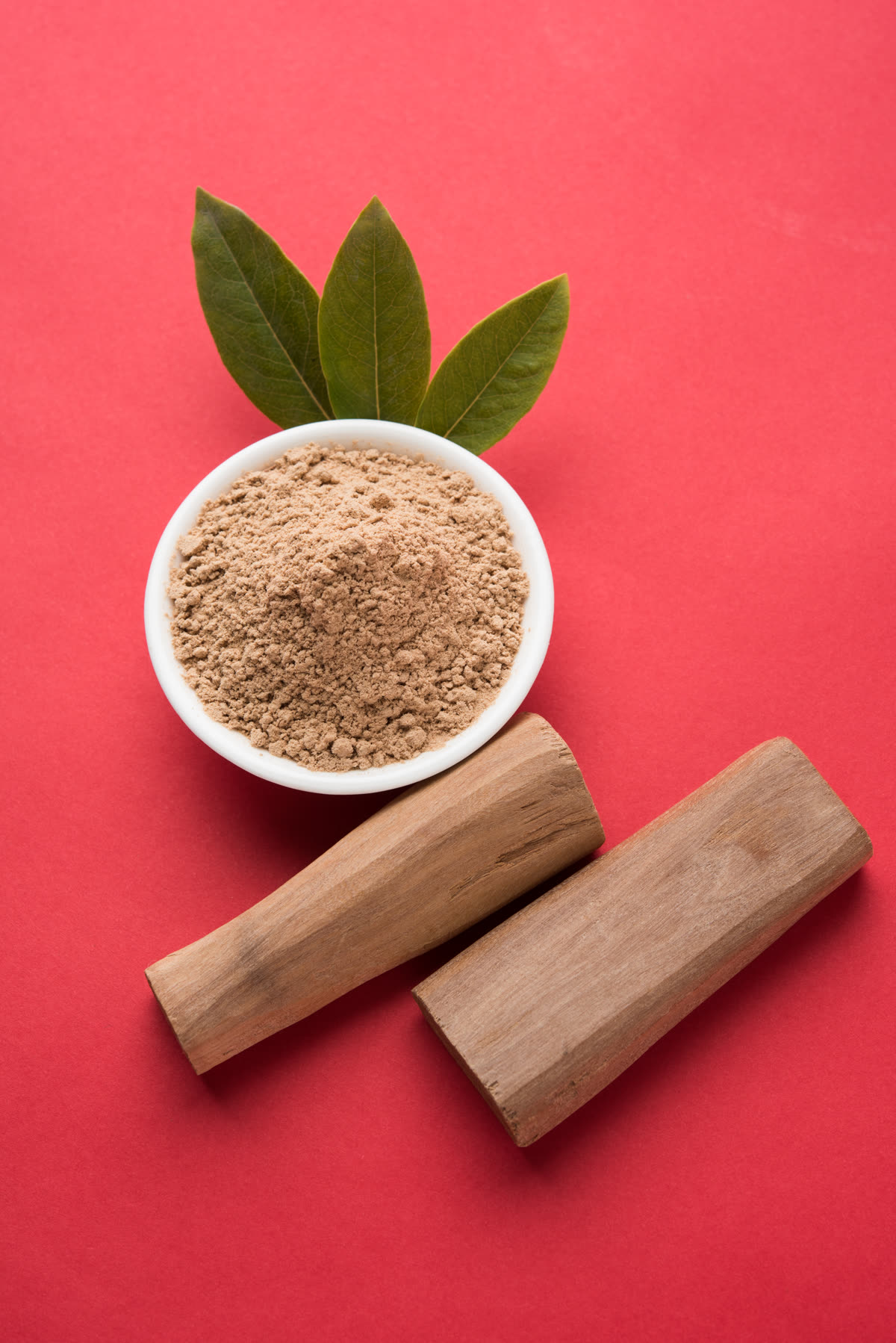 SandalwoodCPromisingSacred, cooling, beautifully scented and threatened in the wild; buy plantation-grown with paperwork or choose synthetics.
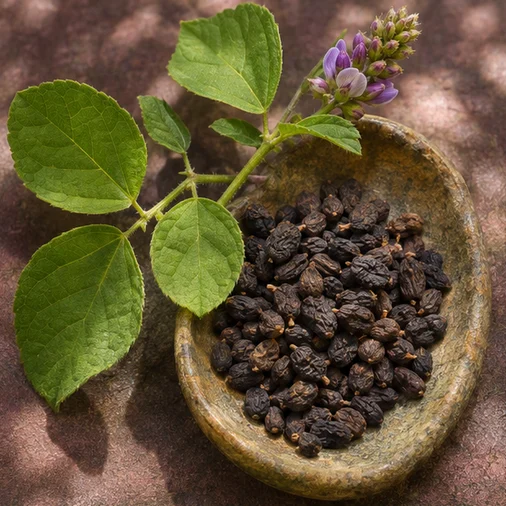 BakuchiolBGood evidenceA purified compound from babchi seeds; one of the few botanicals with a head-to-head trial against retinol.
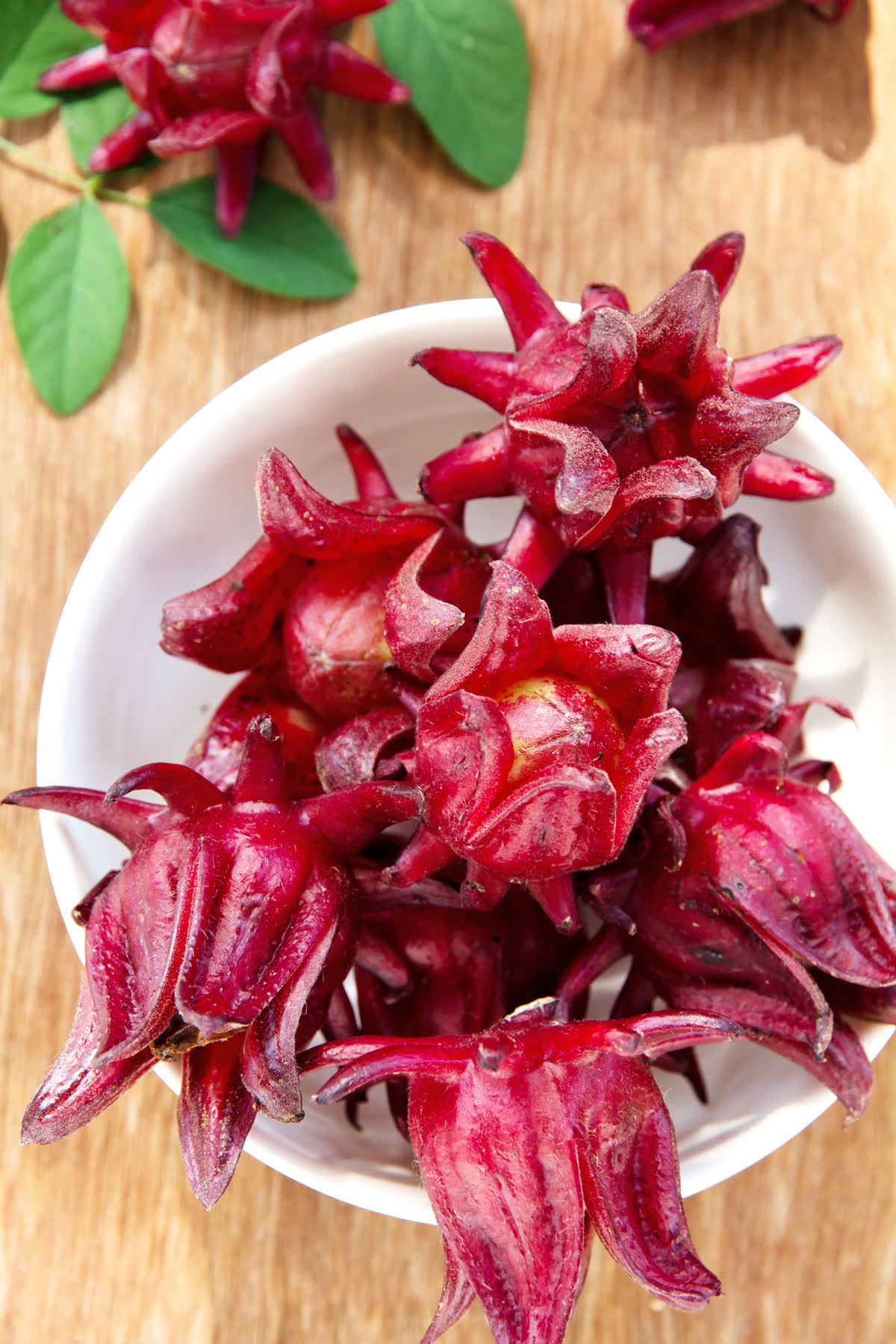 HibiscusDTraditional wisdomRed flowers and leaves steeped into conditioning hair rinses and oils across South India.
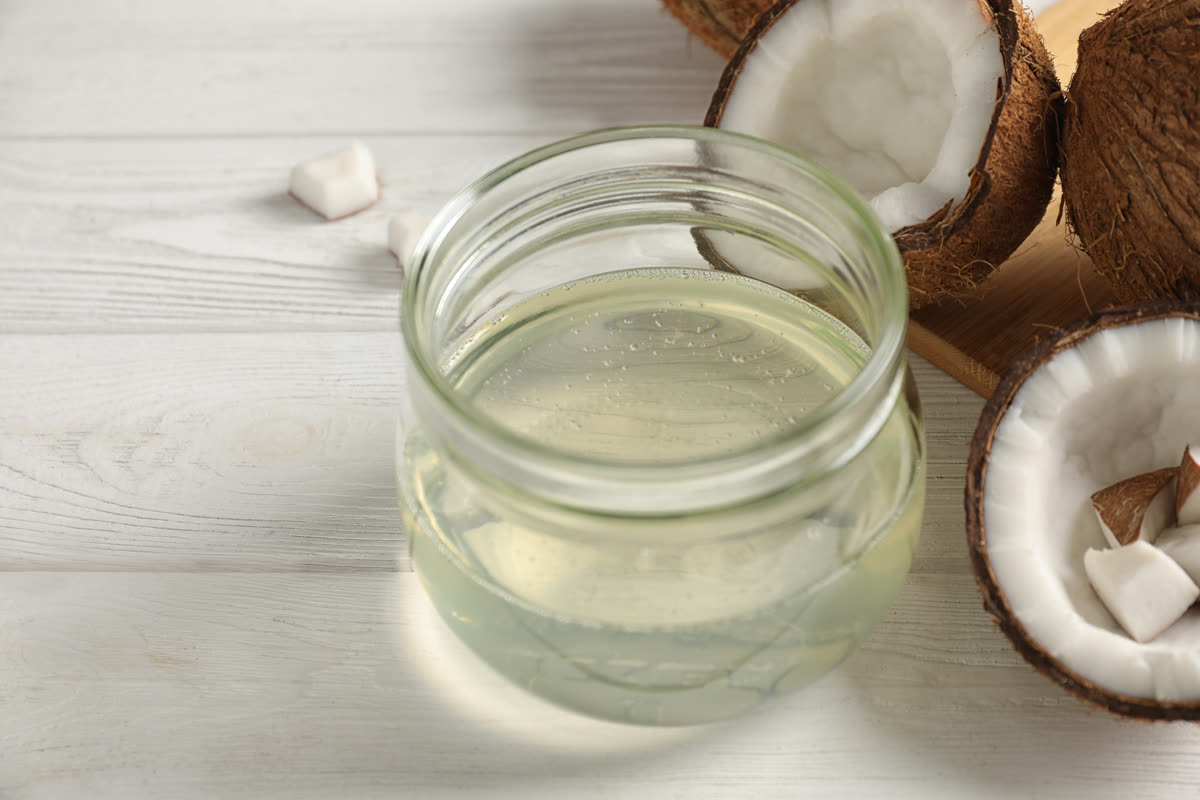 Coconut OilBGood evidenceThe oil of champi in the south; good evidence that it reduces protein loss when used before washing.
A Sunday champi
- Melt one to two tablespoons of virgin coconut oil (more for very long hair) by standing the jar in a bowl of warm water. Test a drop on your inner wrist: it should feel warm, never hot.
- Part dry hair into sections and smooth the oil along the lengths and ends first, where it protects most. If your scalp is oily or dandruff-prone, keep the scalp portion very light.
- With the pads of your fingers, not your nails, massage the scalp in small circles for three to four minutes, working from the hairline to the crown and the nape.
- Twist the hair loosely and leave the oil on for thirty minutes to two hours. Avoid leaving it overnight if you are prone to forehead breakouts or scalp flaking.
- Shampoo twice to remove the oil, then condition the lengths as usual. Once a week is enough for most hair.
- If you would like to add herbs, choose a commercially made amla or hibiscus hair oil with a full ingredient list, and patch test it first.
Continue the journey
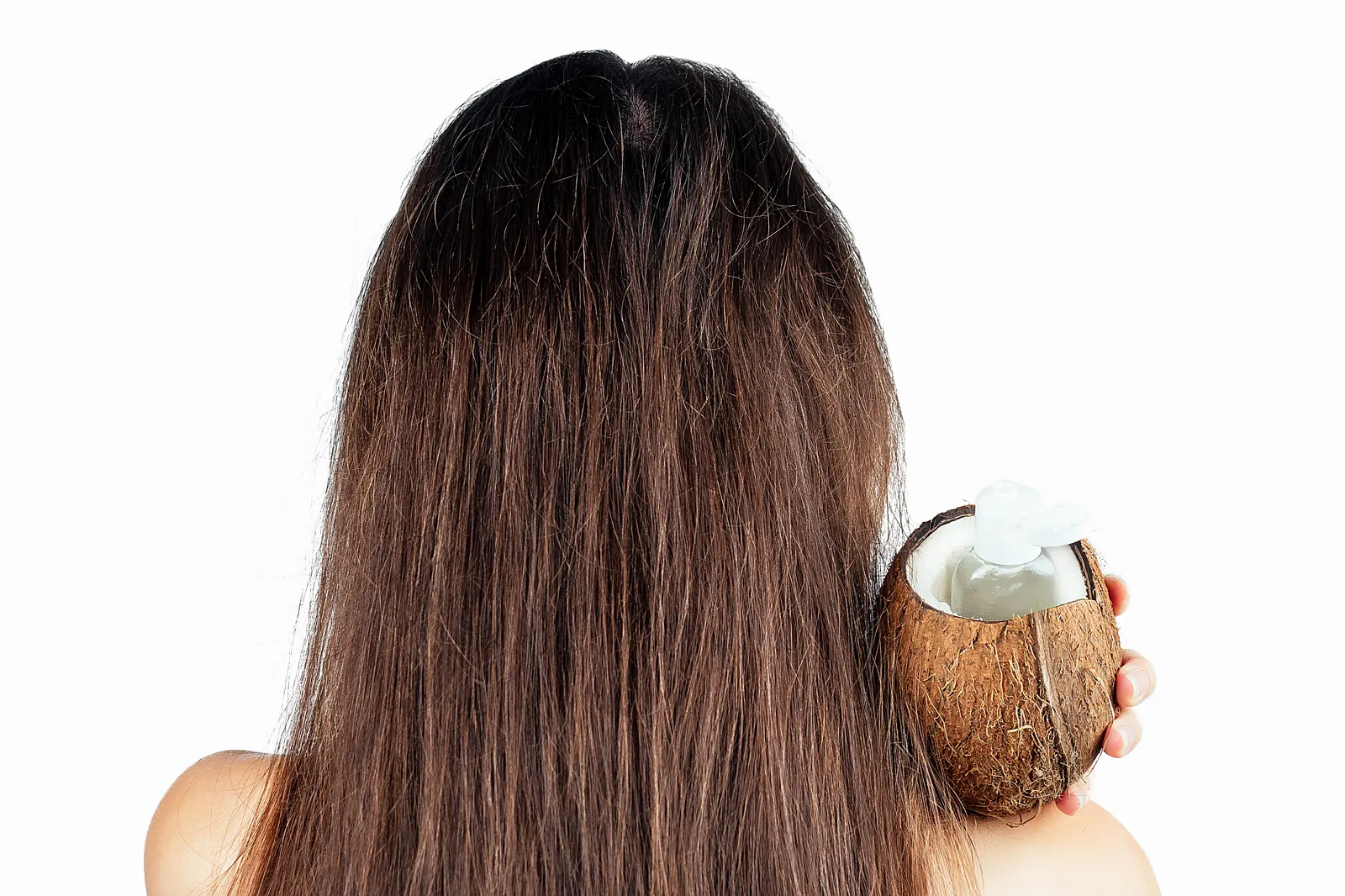 Coconut Oil Before ShampooA pre-shampoo coconut step using a labeled hair product and its own amount and contact time. Fiber evidence, yes; hair-growth evidence, no.
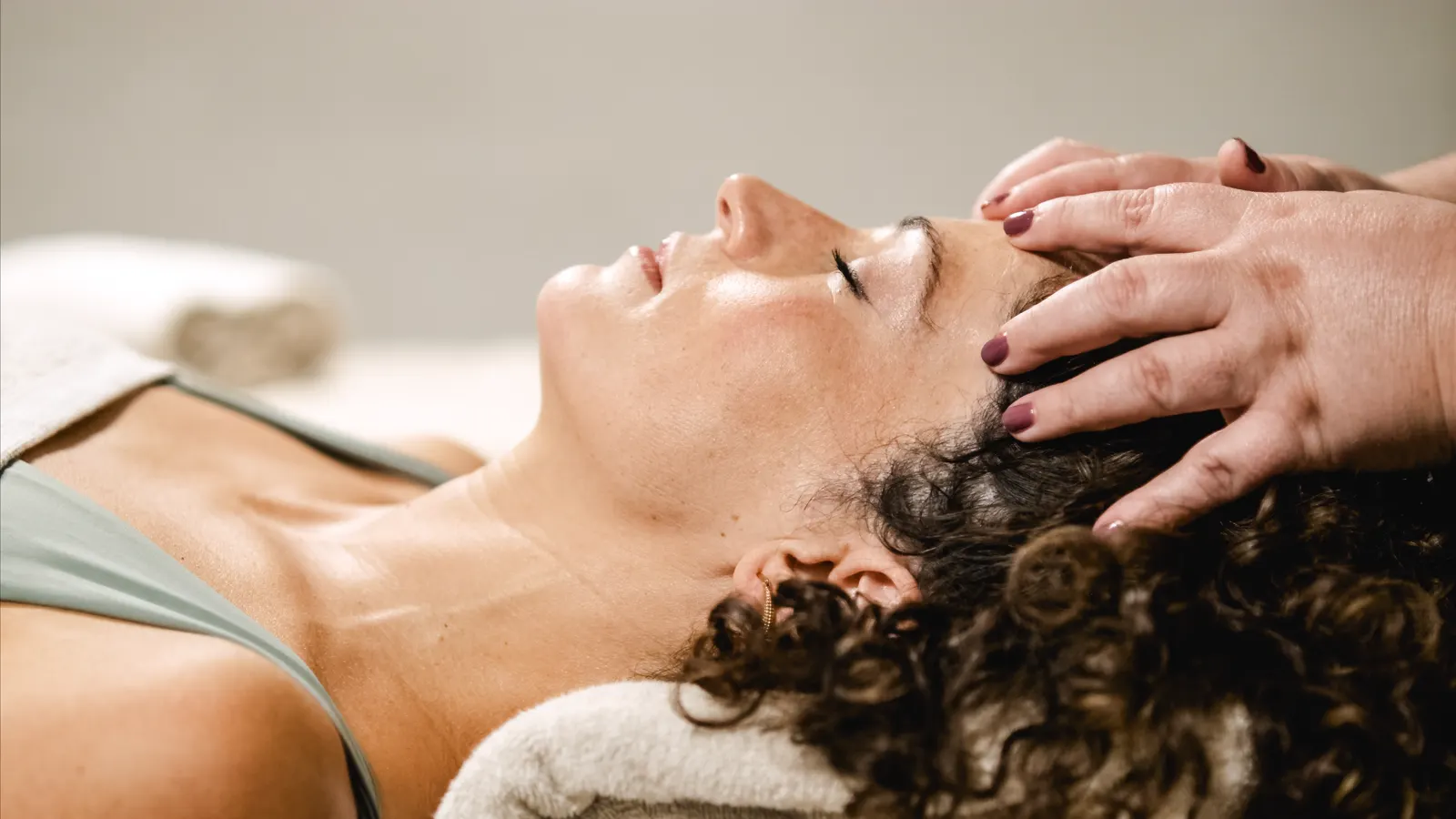 The Four-Minute Scalp MassageA daily four-minute scalp massage: relaxing, free, and backed by one small study on hair thickness. Here is how to do it and what it can’t promise.
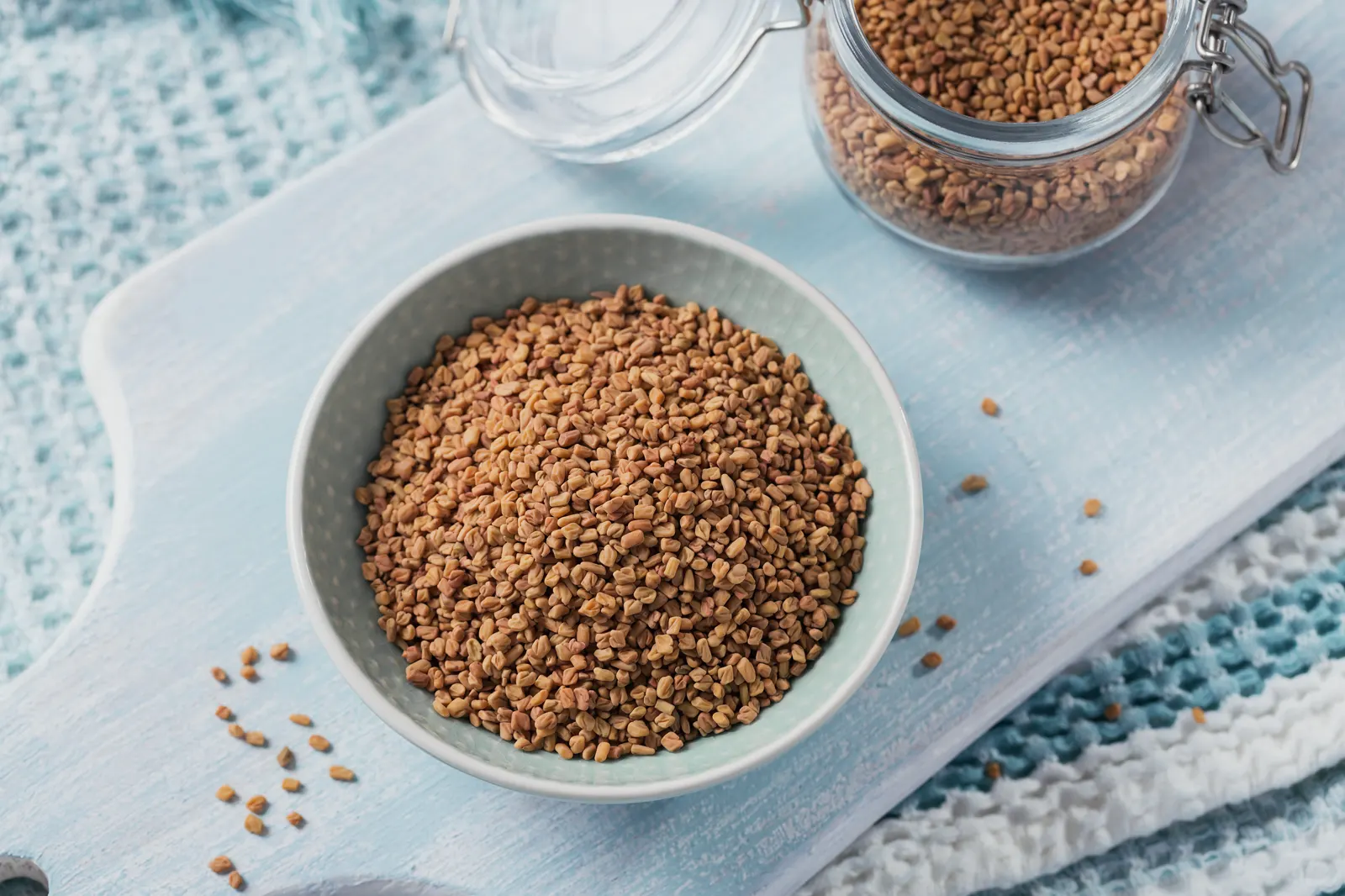 A Fenugreek and Amla SundayAn Ayurvedic-inspired weekly hair mask of soaked fenugreek and amla: slippery, conditioning, fresh and single use.
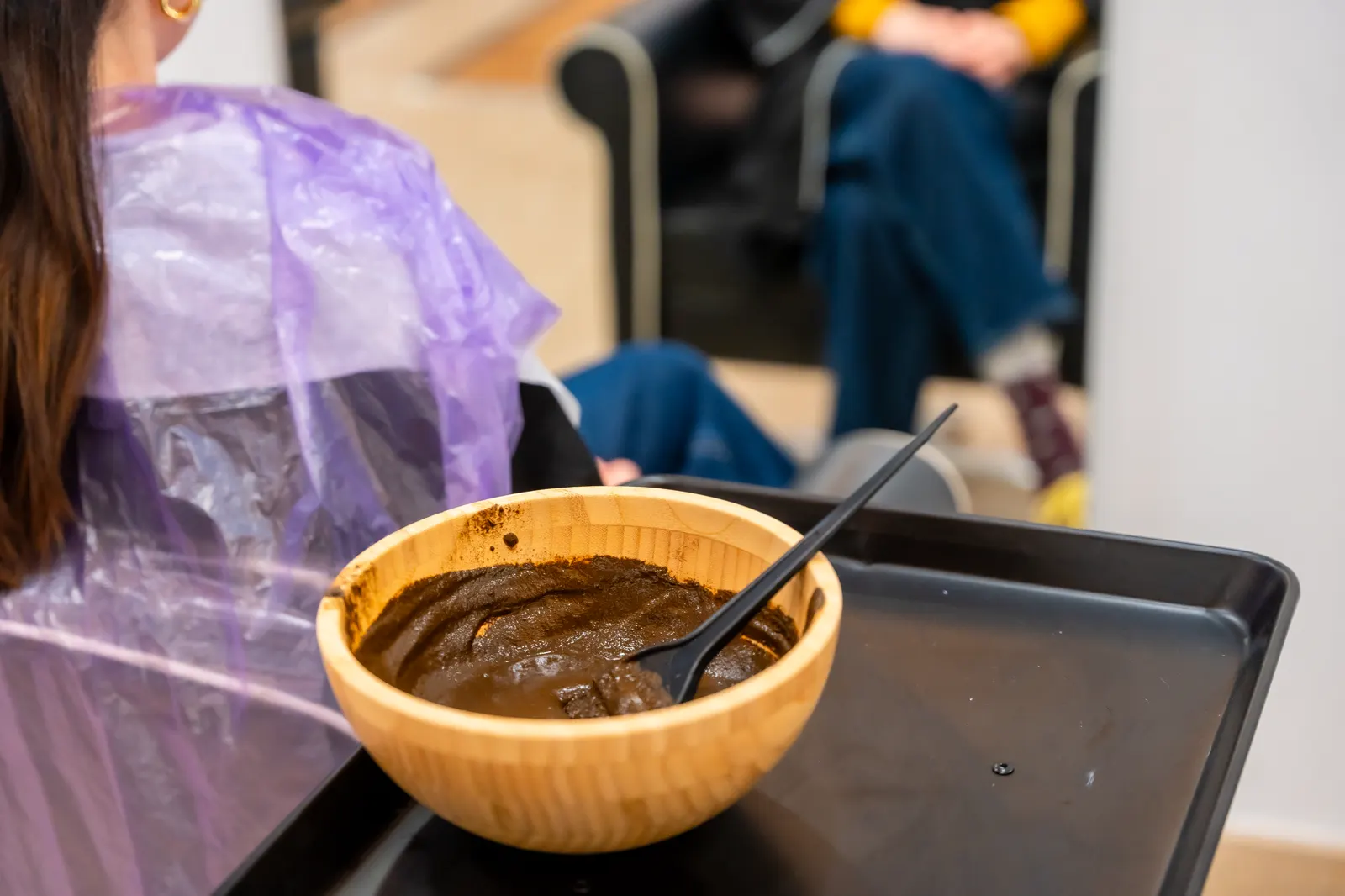 Henna Day, the Pure WayHow to plan a pure henna hair day, why real henna is never black, and how to spot the dangerous PPD “black henna” that can scar.
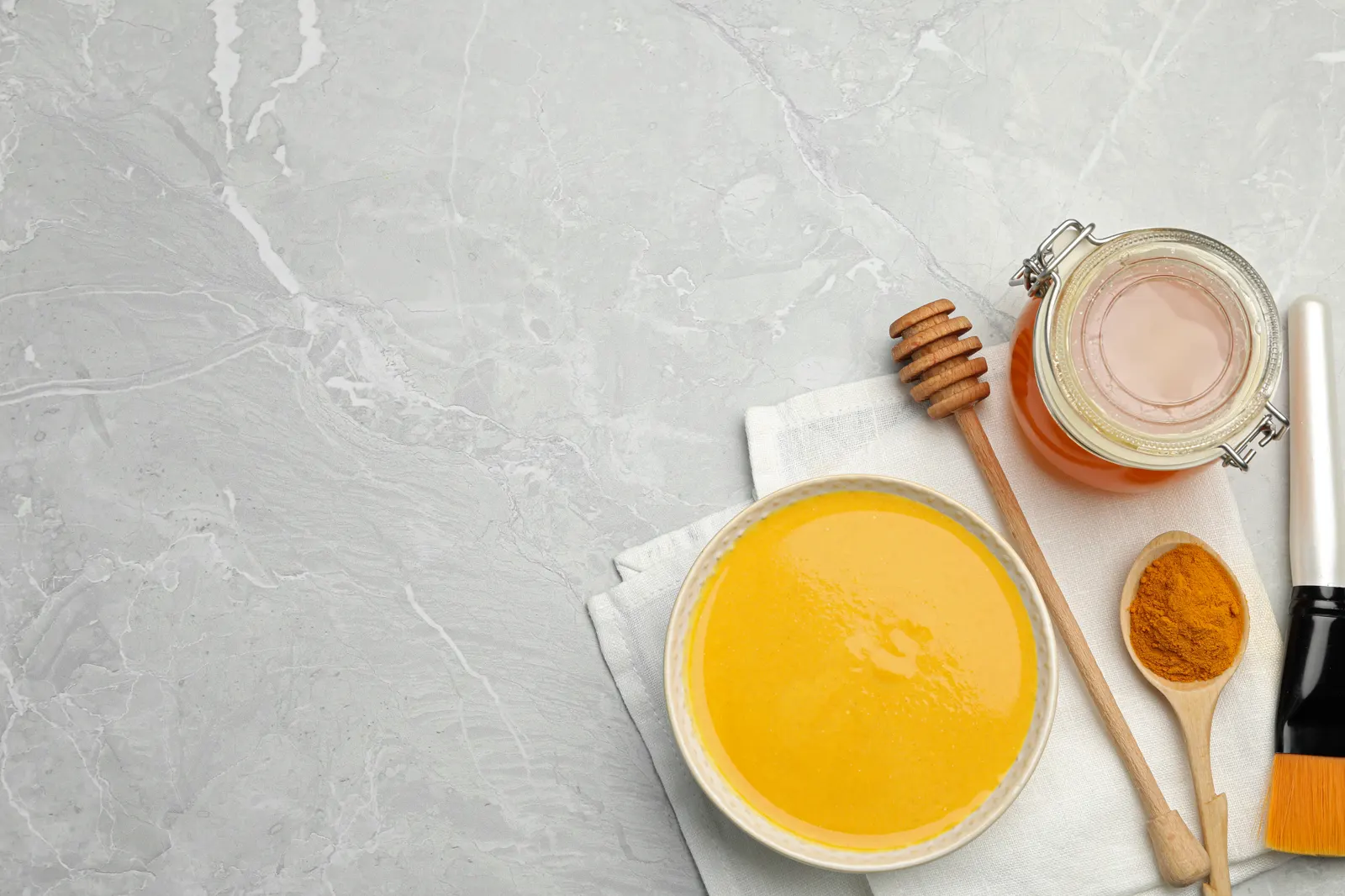 Mask · BeginnerTurmeric & Honey Glow MaskA quick ubtan-inspired mask of honey, yogurt, chickpea flour and a pinch of turmeric. Mind the yellow stain and patch test first.
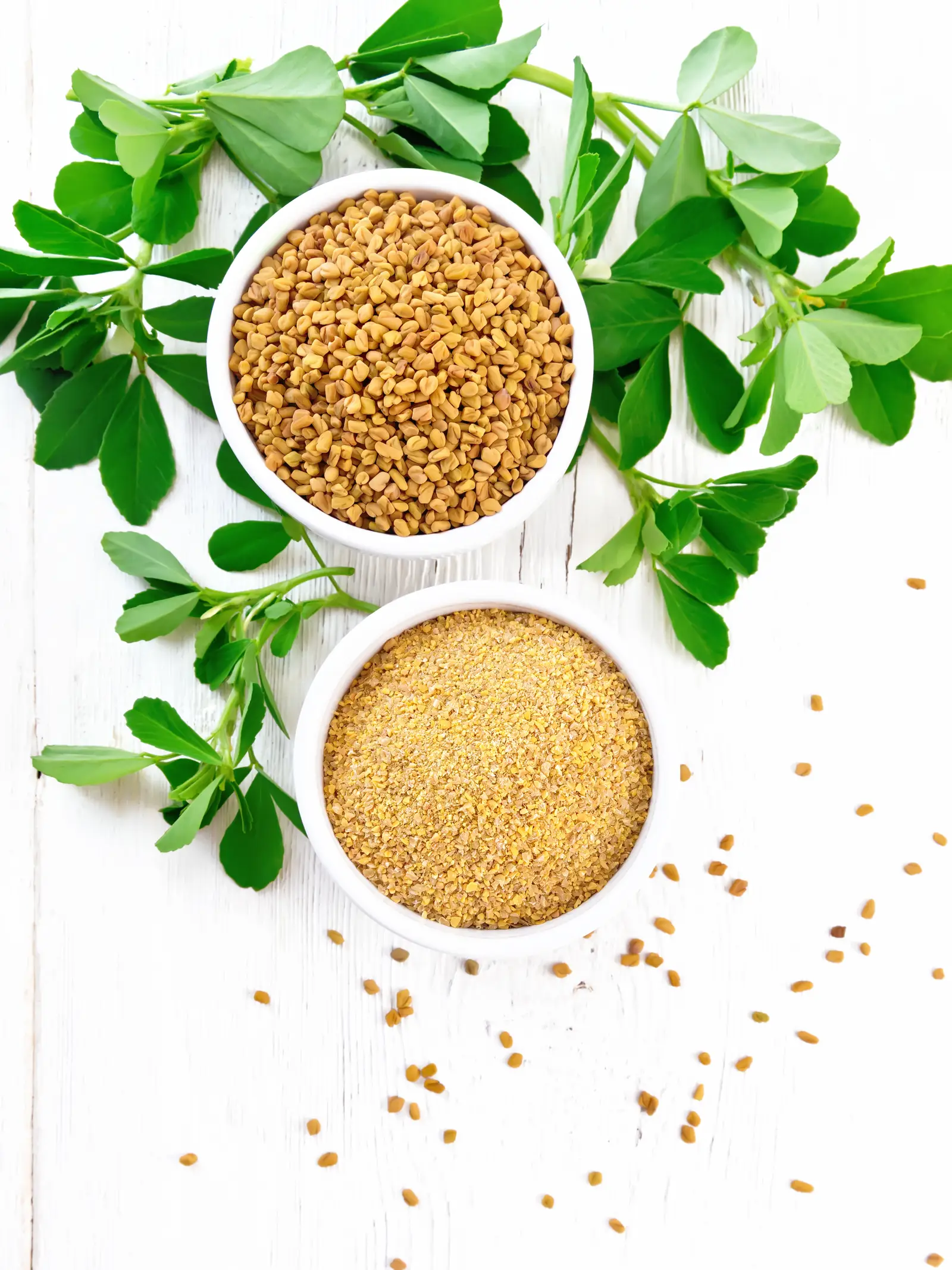 Hair care · BeginnerFenugreek & Amla Hair MaskAn Ayurveda-inspired pre-wash mask of fenugreek, amla, yogurt and coconut oil to soften, add slip and condition dry or frizzy hair.
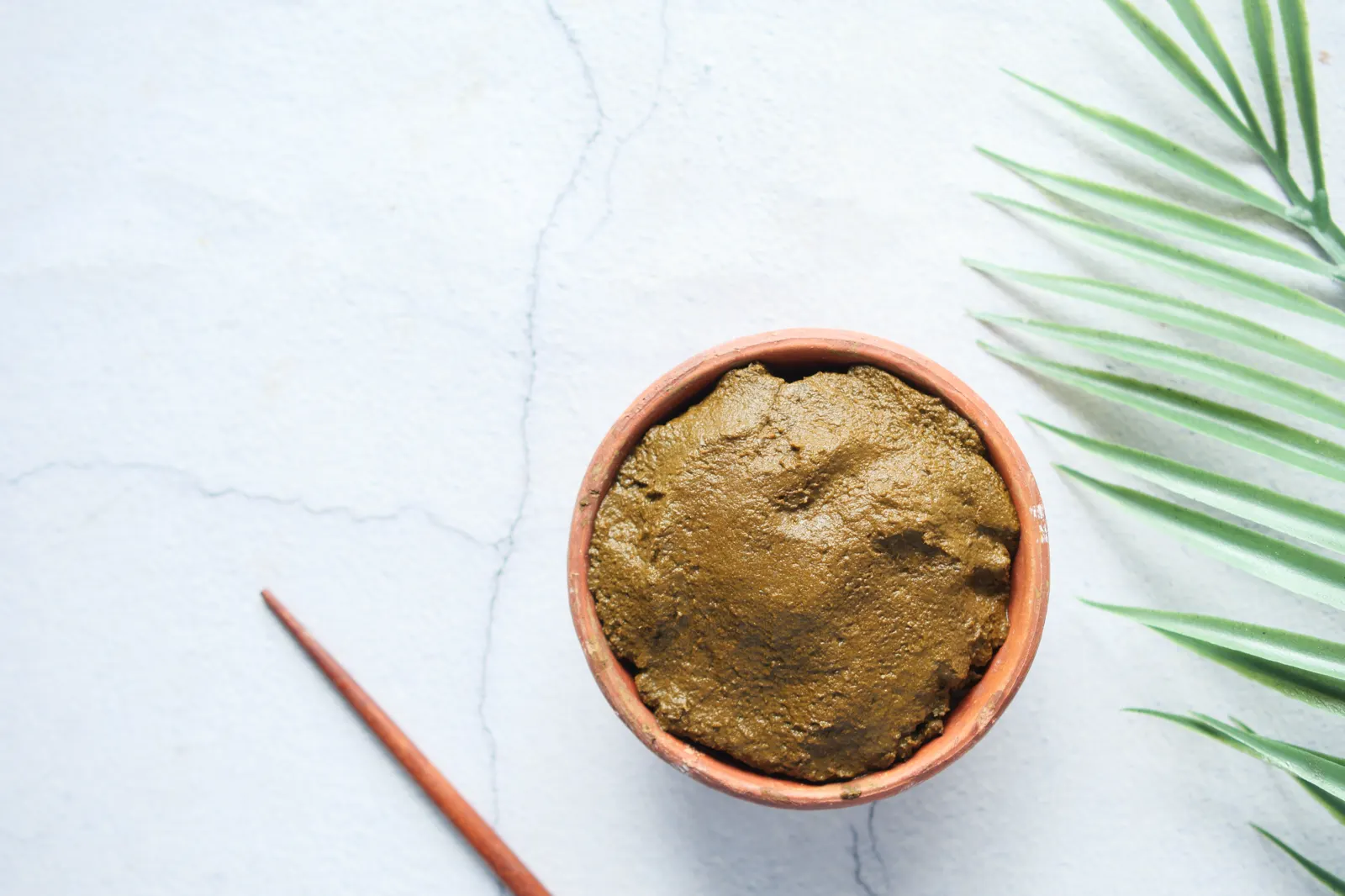 Hair care · IntermediatePure Henna Hair ColorHow to dye hair with body-art-quality henna: dye release, strand and patch tests, gray coverage, the indigo two-step, and why to avoid “black henna”.
GuideHair Science for Natural Hair CareCuticle, cortex and growth cycle; why coconut oil penetrates; porosity myths; scalp health; protein vs moisture; curly hair; heat and chemical damage.GuideSkincare in Pregnancy & BreastfeedingWhat’s generally considered fine, what to avoid (retinoids, high-strength peels, hydroquinone), plus melasma, acne and stretch-mark evidence.GuideHow to Patch Test (and Read the Result)A step-by-step at-home patch test (ROAT), how to tell irritation from allergy, and when you need proper dermatologist patch testing.