Concern guide
Dry, Damaged & Frizzy Hair
Hair science made simple: cuticle damage, porosity and frizz, why some oils penetrate and others do not, and how to protect fragile curls and colored hair.
Start here
Your routine, starting tonight
Simple, gentle and consistent beats complicated. Follow this for six to eight weeks before you judge it.
Morning
- Detangle gently from ends to roots, with a wide-tooth comb on wet curly hair (with conditioner in) or a soft brush on dry straight hair.
- A few drops of argan oil or a leave-in conditioner on the ends to tame frizz.
- Heat protectant before any hot tool; air-dry or use a diffuser on low when you can.
Evening
- Loose braid or bun; sleep on a smooth (satin or silk) pillowcase or wrap to reduce friction.
- Optional overnight pre-wash oil on the lengths (coconut oil penetrates best) before tomorrow’s wash.
Weekly
- A conditioning mask such as Fenugreek & Amla Hair Mask.
- An acidic rinse such as Hibiscus Shine Hair Rinse to smooth the cuticle and boost shine.
- A Moroccan Hammam Ritual at Home for a slow, nourishing wash day.
- Trim the ends every 8–12 weeks if they split.
What is going on
In plain language: each hair has a protective outer layer of overlapping scales (the cuticle), like roof tiles, over a strong inner core (the cortex). When the scales are lifted or worn away by heat, bleach, brushing or sun, the hair loses moisture and shine, tangles easily and frizzes.
Expert detail: the cuticle is 5–10 layers of flattened cells coated with a covalently bound lipid, 18-methyleicosanoic acid (18-MEA), that makes healthy hair hydrophobic and smooth. The cortex contains keratin bundles held by disulfide, hydrogen and salt bonds, plus melanin; some hair has a central medulla. Bleaching and oxidative dyes remove 18-MEA and oxidize cystine to cysteic acid, making hair more negatively charged, hydrophilic and porous. Permanent waves and relaxers break disulfide bonds. Heat tools at high temperatures can denature keratin. Weathering accumulates toward the ends, which are the oldest part of the hair; split ends (trichoptilosis) cannot be repaired, only trimmed or temporarily sealed.
Porosity and frizz: damaged, porous hair absorbs and loses water quickly and swells unevenly (repeated swelling is sometimes called hygral fatigue). Frizz appears when lifted cuticles and humidity make individual fibers swell and separate, and when static charges repel. Curly and coily hair is more prone to dryness because sebum travels less easily down a curved shaft and each bend is a point of mechanical weakness. See Hair Science for Natural Hair Care.
The plants most worth trying
 No. 031
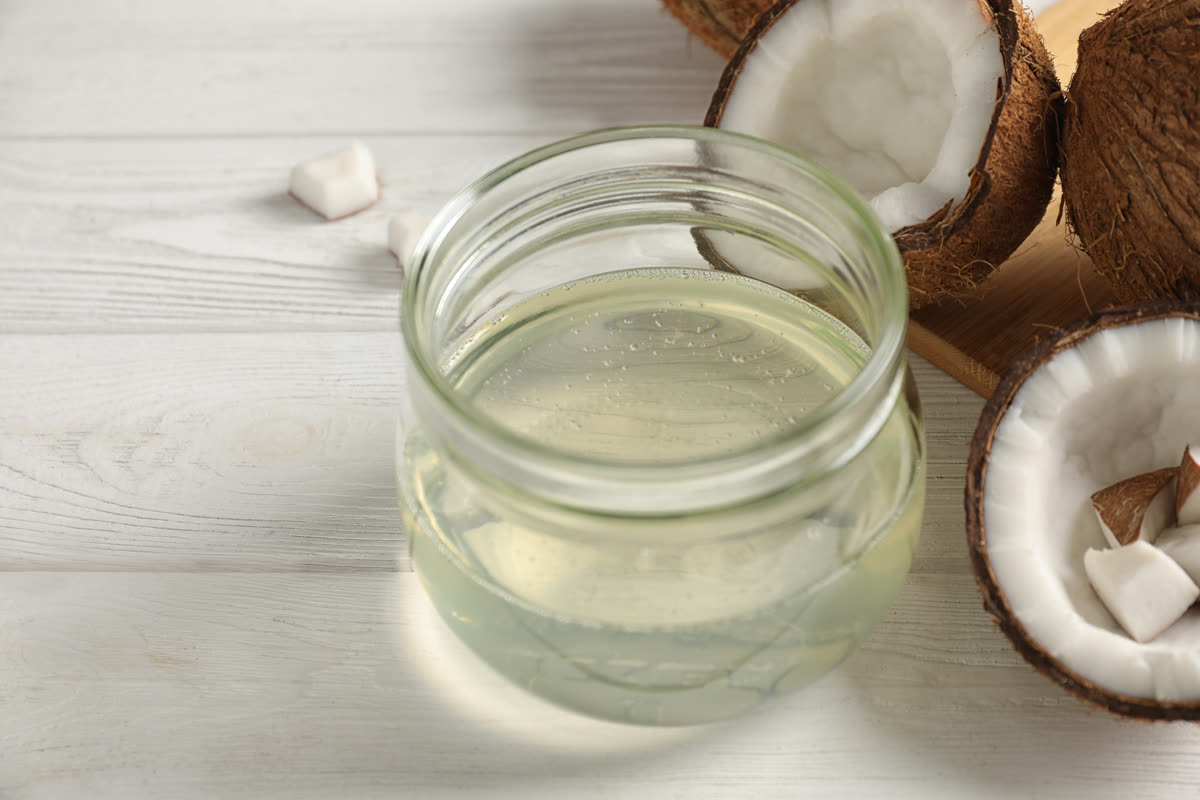
Coconut OilCocos nucifera L.Hair-fiber lab studies show coconut oil penetrates the shaft and reduces protein loss when used before and after washing — unlike mineral or…
 No. 027
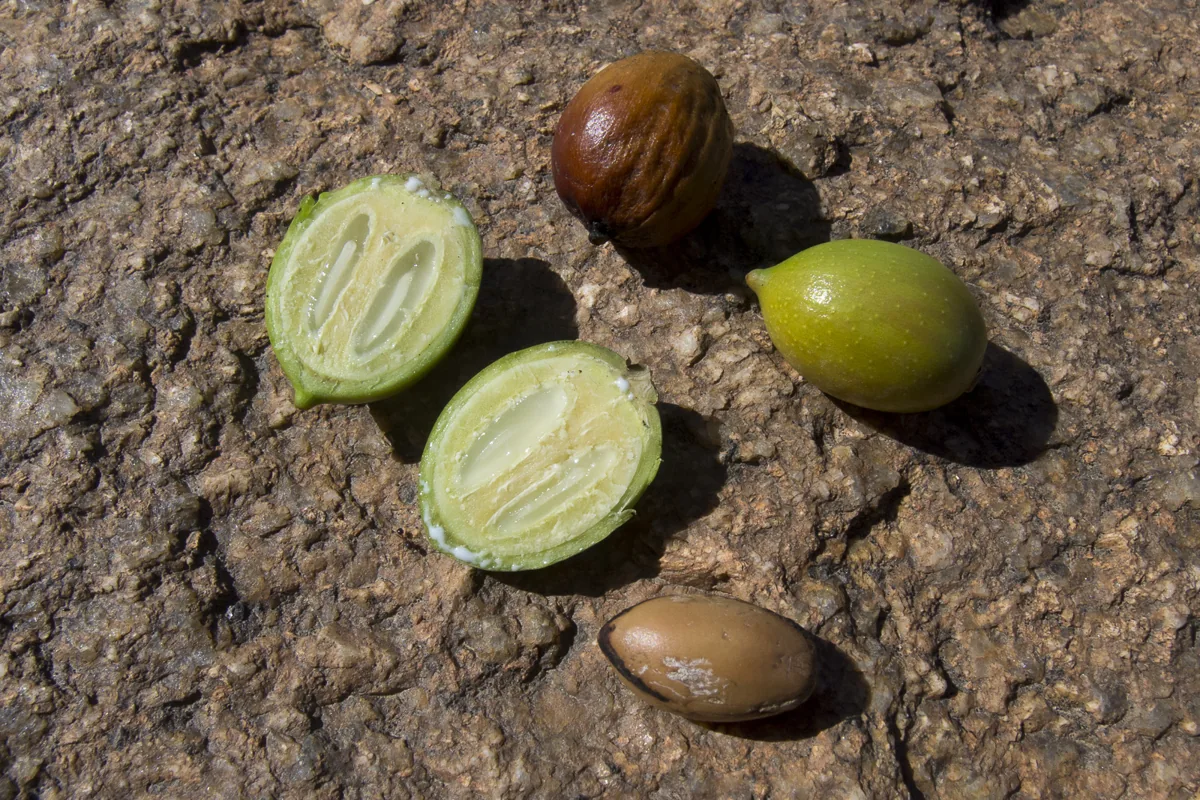
Argan OilArgania spinosa (L.) SkeelsA lab study on dyed hair fibers found argan oil improved fiber quality after repeated coloring; supports its use as a finishing and pre-wash oil.
 No. 030
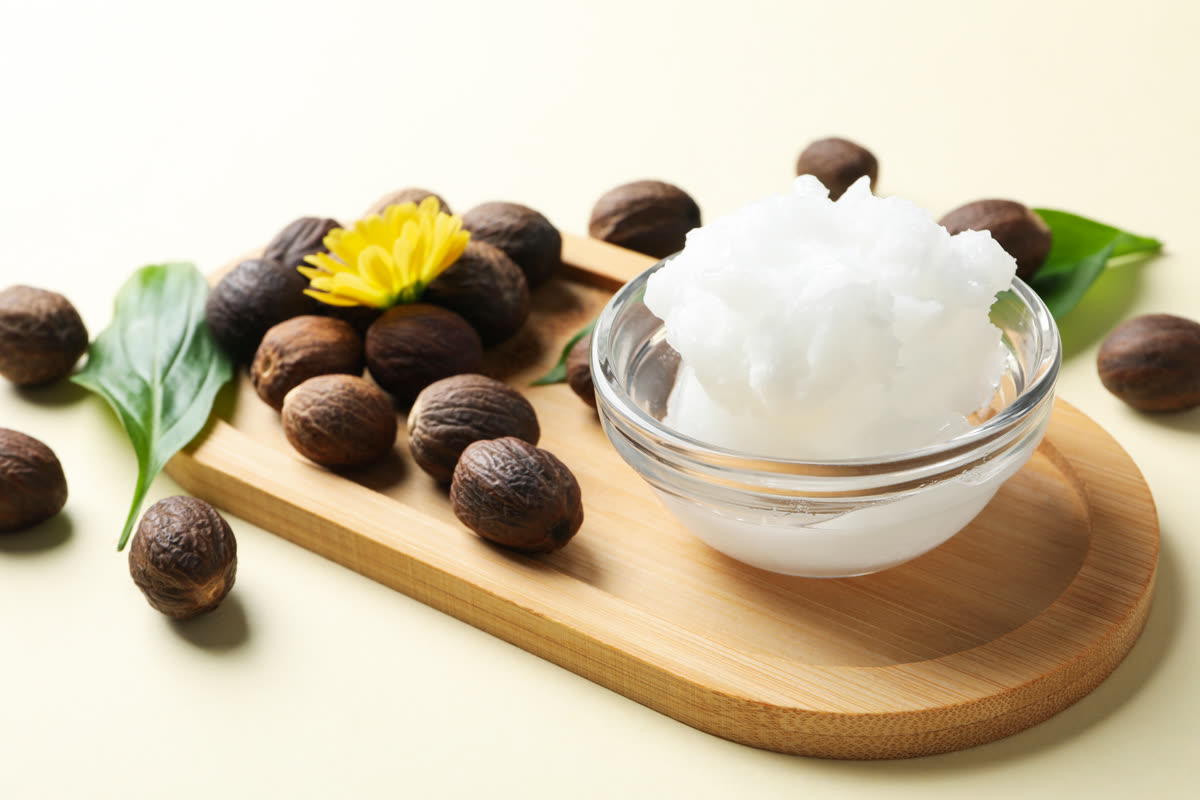
Shea ButterVitellaria paradoxa C.F.Gaertn.A rich sealant that reduces frizz and adds softness, especially for coily hair; evidence is practical and traditional.
The full list, best proven first:
| Ingredient | Grade | What the evidence shows |
|---|---|---|
| Coconut Oil | C | Hair-fiber lab studies show coconut oil penetrates the shaft and reduces protein loss when used before and after washing — unlike mineral or sunflower oil; human trials are lacking. |
| Argan Oil | C | A lab study on dyed hair fibers found argan oil improved fiber quality after repeated coloring; supports its use as a finishing and pre-wash oil. |
| Shea Butter | D | A rich sealant that reduces frizz and adds softness, especially for coily hair; evidence is practical and traditional. |
| Olive Oil | D | Traditionally used across the Mediterranean as a pre-wash treatment; limited lab data suggest some penetration, less than coconut oil. |
| Marshmallow Root | D | Mucilage gives slip for detangling, popular in curly-hair routines; evidence is traditional and anecdotal. |
| Jojoba | D | A light liquid wax that adds shine without much weight, suiting fine hair; little formal evidence. |
Proven partners beyond plants
Modern hair cosmetics are very good at protecting damaged hair, and they are worth using:
- Conditioners with cationic conditioning agents (e.g. behentrimonium chloride, polyquaterniums) bind to damaged, negatively charged areas and reduce friction.
- Silicones (dimethicone, amodimethicone) are among the most effective, well-studied anti-frizz and heat-protective ingredients and are safe for hair.
- Bond-building treatments (e.g. based on maleic acid or bis-aminopropyl diglycol dimaleate) can reduce breakage during and after bleaching.
- Heat protectants, using the lowest effective heat setting, and regular trims of split ends.
- Professional advice before combining bleach, relaxers or keratin smoothing. Some smoothing treatments release formaldehyde when heated, which regulators have warned about.
Plant oils like coconut oil and argan oil are excellent pre-wash treatments and finishing oils; they complement rather than replace conditioner and heat protection.
What tends to make it worse
- Hot tools at maximum heat, or on wet hair (water boils inside the fiber and causes “bubble hair”).
- Frequent bleaching or overlapping bleach onto already-lightened lengths.
- Rough towel-drying and brushing wet hair aggressively.
- Tight elastics with metal parts.
- Chlorine and salt water without rinsing; long sun exposure without a hat.
- Heavy henna applications on very dry or bleached hair without conditioning — and “black henna” (PPD) completely.
When to see a doctor
- Hair that breaks easily together with brittle nails, fatigue, heavy periods or feeling cold (possible iron deficiency or thyroid disease).
- Breakage in patches, or hair loss with scalp symptoms — it may not be breakage at all; see Thinning Hair & Hair Loss.
- Scalp burns, blisters or severe itching after relaxers, dyes or bleach.
- Hair that has always been fragile or breaks at a short length since childhood (possible hair shaft disorder).
Find a dermatologist or report a reaction to a cosmetic, wherever you live.
Myths and evidence
MythProducts can repair split ends.
EvidenceSplit ends cannot be fused back permanently. Some conditioners and polymers glue them temporarily until the next wash; trimming is the only fix.
MythSilicones are bad for hair.
EvidenceSilicones are safe, effective conditioning and heat-protecting agents. Heavy ones can build up on fine hair; a clarifying wash every so often solves that.
MythAll oils penetrate and moisturize hair.
EvidencePenetration depends on the oil. In fiber studies, coconut oil penetrated and reduced protein loss, while mineral and sunflower oils mostly coated the surface. Oils seal; water (via conditioner) hydrates.
Recipes to try at home
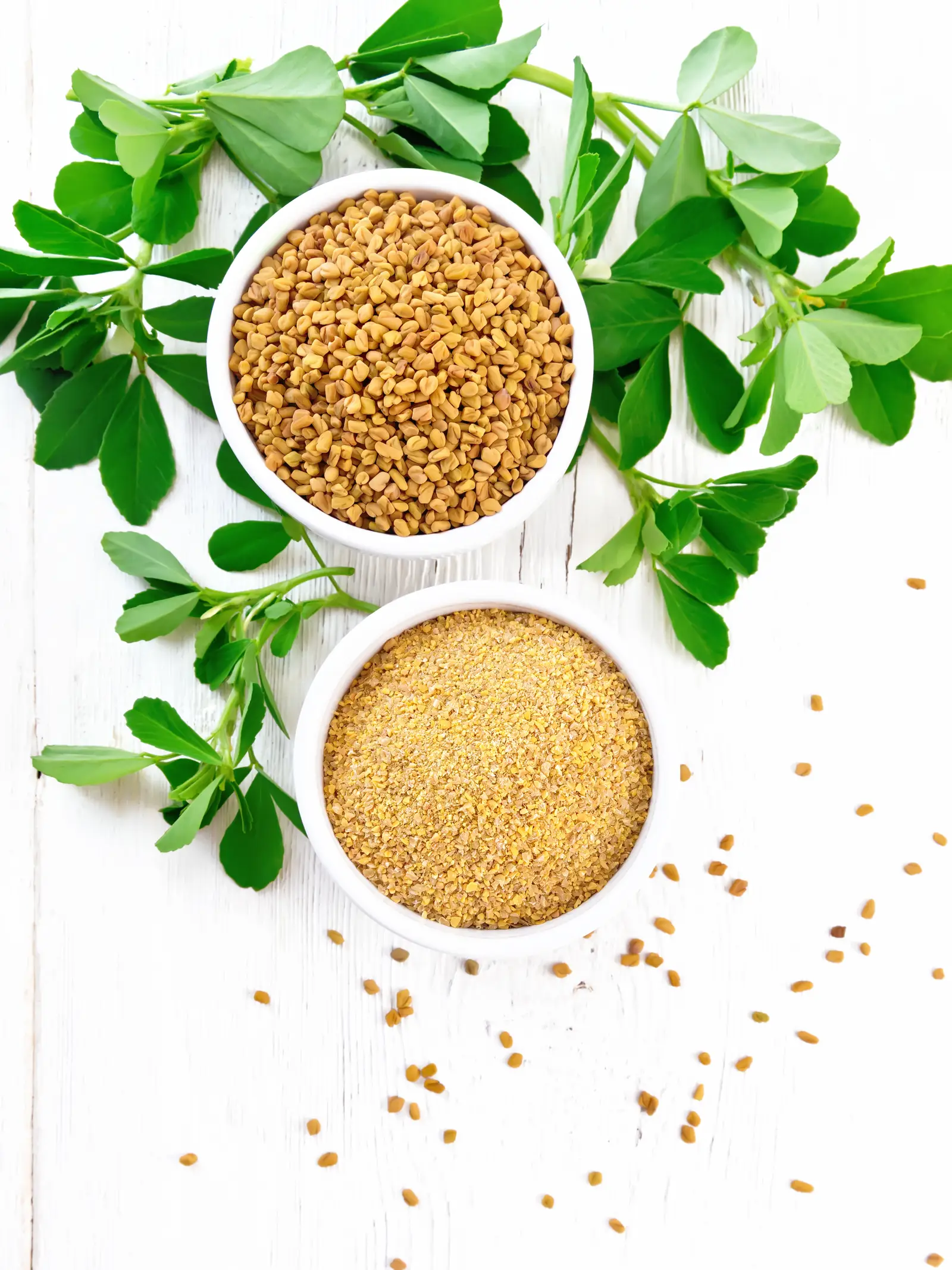 Hair care · BeginnerFenugreek & Amla Hair MaskAn Ayurveda-inspired pre-wash mask of fenugreek, amla, yogurt and coconut oil to soften, add slip and condition dry or frizzy hair.
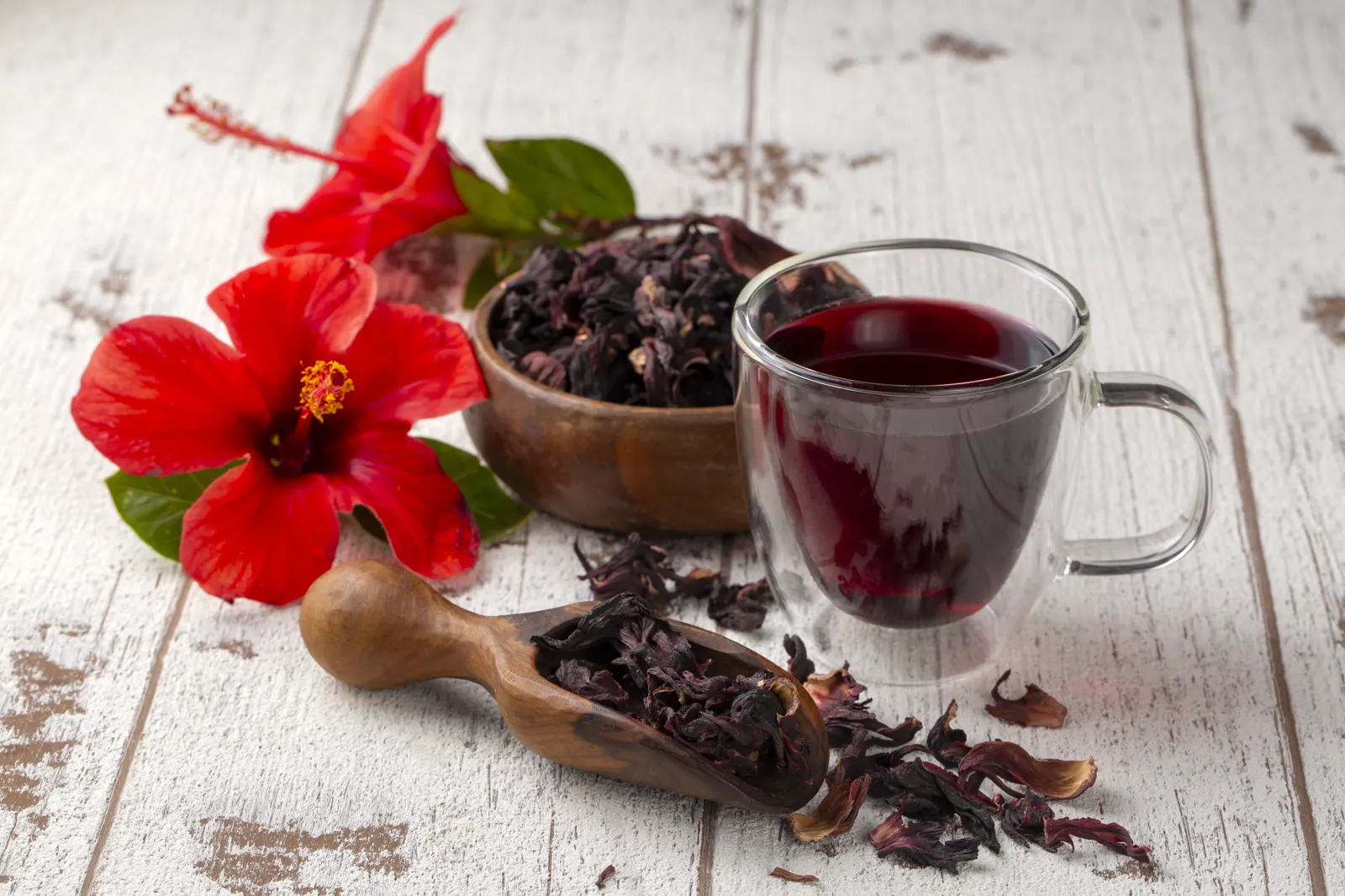 Hair care · BeginnerHibiscus Shine Hair RinseA tangy hibiscus and rosemary infusion poured over clean hair as a final rinse to smooth the cuticle and boost shine. Make it fresh each time.
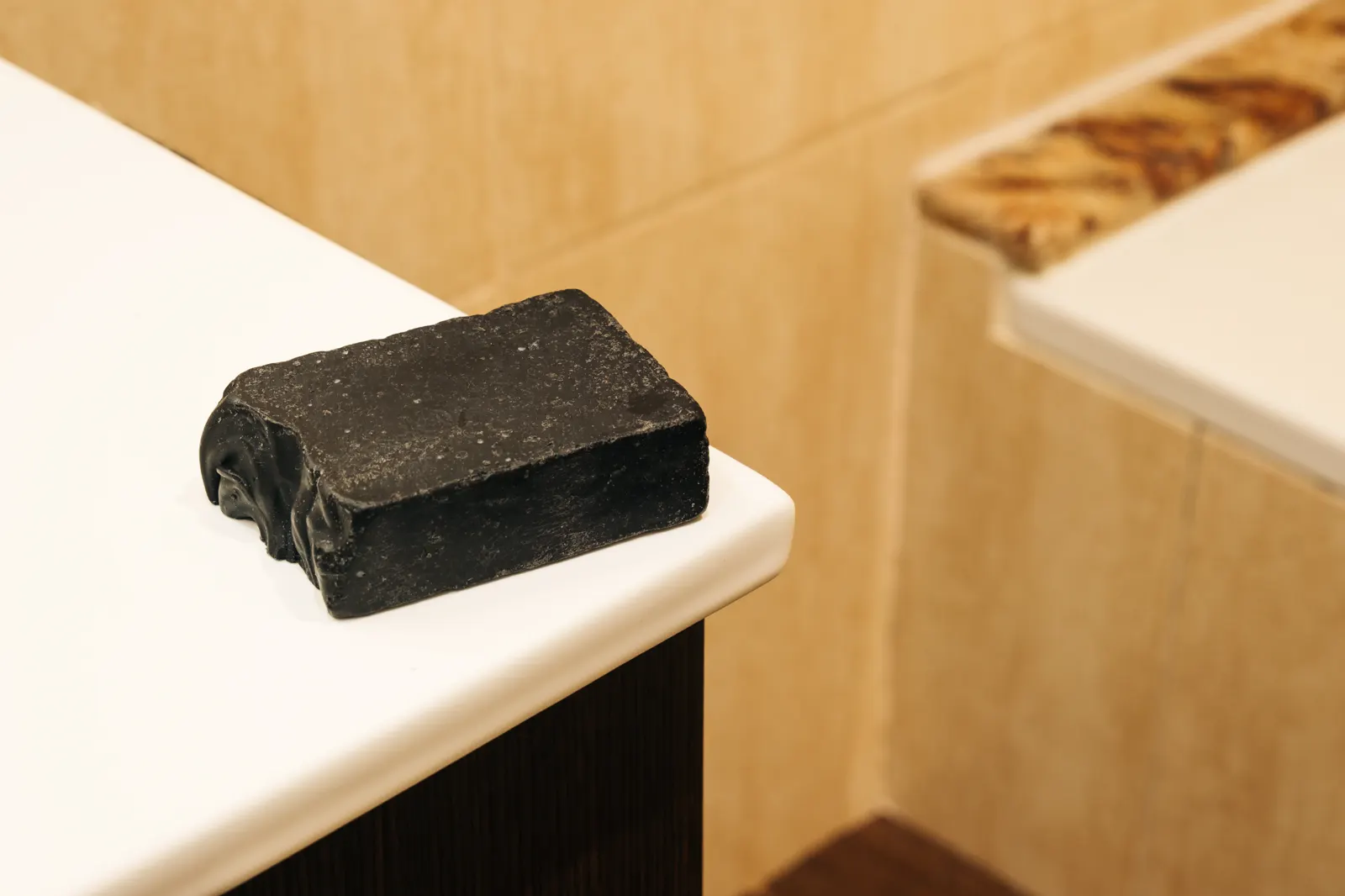 Ritual · BeginnerMoroccan Hammam Ritual at HomeBeldi black soap, the kessa glove, rhassoul clay, orange blossom water and argan oil: the traditional Moroccan hammam sequence, adapted safely for home.