Concern guide
Scars, Wounds & Stretch Marks
How skin heals, why keloids form, what silicone gel does, and where honey, aloe, centella and calendula fit in safe wound and scar care.
Start here
Your routine, starting tonight
Simple, gentle and consistent beats complicated. Follow this for six to eight weeks before you judge it.
Morning
- Fresh wounds: check for signs of infection, keep clean and covered with petrolatum and a dressing.
- Closed scars: silicone gel as directed, then broad-spectrum SPF 30+ (or cover with clothing or tape).
Evening
- Closed scars and stretch marks: gentle massage for a few minutes with a balm or oil such as Calendula Comfort Balm or Rosehip & Sea Buckthorn Glow Oil, then silicone if prescribed.
- During pregnancy: daily moisturizing of the belly, hips and breasts with a rich, fragrance-free cream or Whipped Shea Body Butter.
Weekly
- Photograph scars monthly; remodeling takes 12–18 months, so progress is slow.
- Replace silicone sheets as instructed and check skin under them for irritation.
What is going on
In plain language: healing happens in overlapping stages. The body first stops the bleeding, then cleans the wound with inflammation, then rebuilds it with new tissue and collagen, and finally remodels that collagen over months. A scar is the result of fast, functional repair rather than perfect regeneration.
The four phases: hemostasis (minutes: clotting and platelets); inflammation (roughly the first days: immune cells clear debris and bacteria); proliferation (days to about three weeks: granulation tissue, new vessels, collagen III deposition and re-epithelialization, which proceeds faster in a moist, covered wound); and remodeling (weeks to one to two years: collagen III is replaced by stronger collagen I and the scar flattens and fades). A mature scar regains only around 80% of the original skin’s strength.
Scar types:
- Atrophic scars sit below the surface — acne scars (ice-pick, boxcar, rolling) and chickenpox scars.
- Hypertrophic scars are raised, red and itchy but stay within the wound borders and often improve over 6–12 months; they are common after burns and wounds under tension.
- Keloids grow beyond the original wound, do not regress on their own, and often recur after simple removal. They are more common in people of African, Asian and Hispanic descent and on the earlobes, chest, shoulders and upper back.
- Contractures tighten skin across joints, usually after burns.
Stretch marks (striae distensae) are dermal scars from stretching and hormonal effects on fibroblasts — common in pregnancy, puberty, rapid weight change, bodybuilding and with corticosteroid use. They start red or purple (striae rubrae, more treatable) and fade to pale, silvery lines (striae albae). Darker skin often develops post-inflammatory hyperpigmentation in healing wounds — see Dark Spots & Hyperpigmentation.
The plants most worth trying
 No. 041
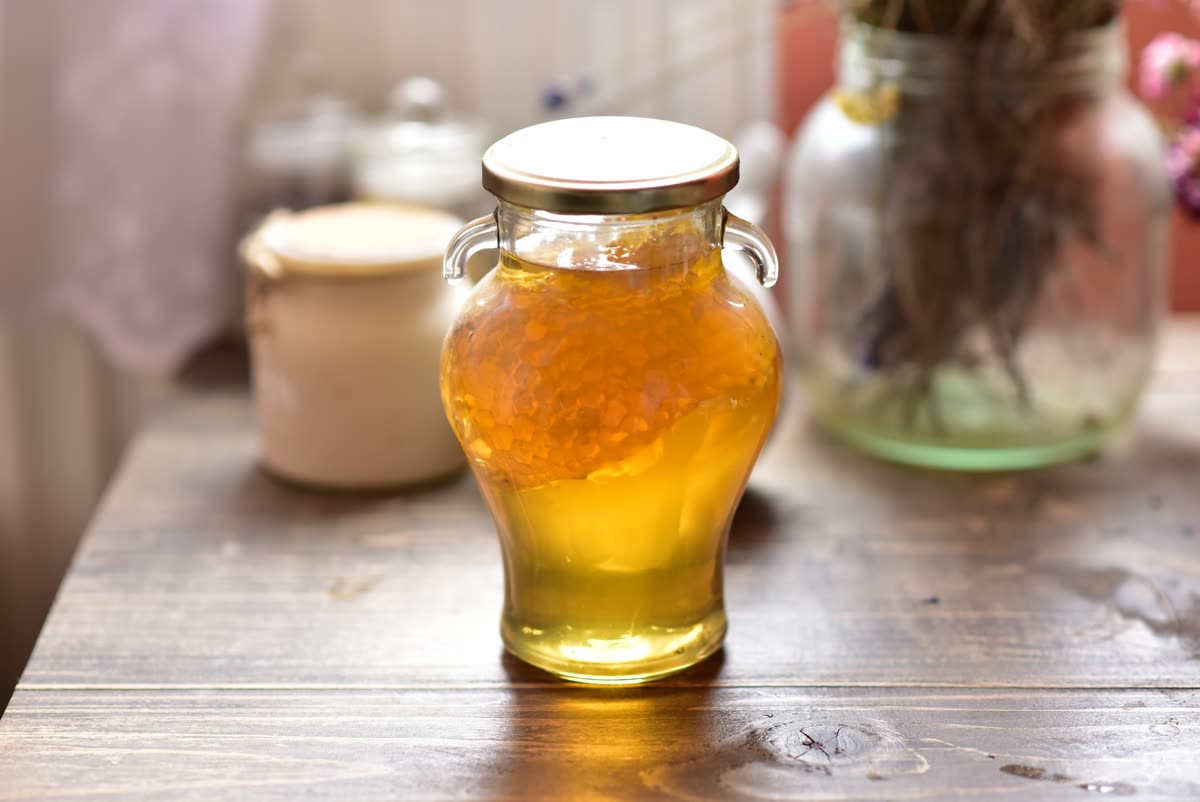
HoneyMel (product of Apis mellifera L.)Systematic reviews suggest sterile, medical-grade honey dressings heal partial-thickness burns faster than some conventional dressings, though trial…
 No. 001
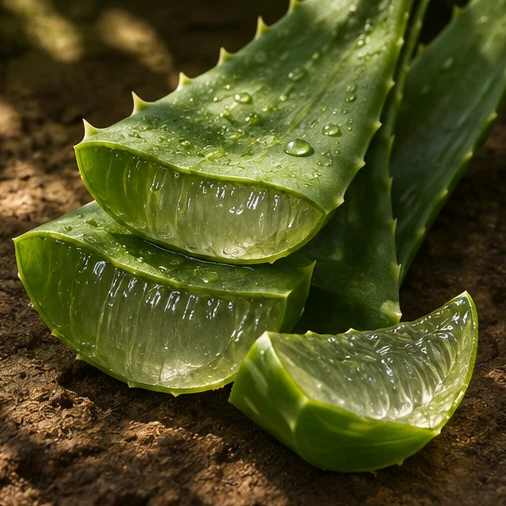
Aloe VeraAloe veraSeveral trials and a systematic review suggest aloe preparations may shorten healing time of superficial burns; evidence for surgical wounds is…
 No. 004
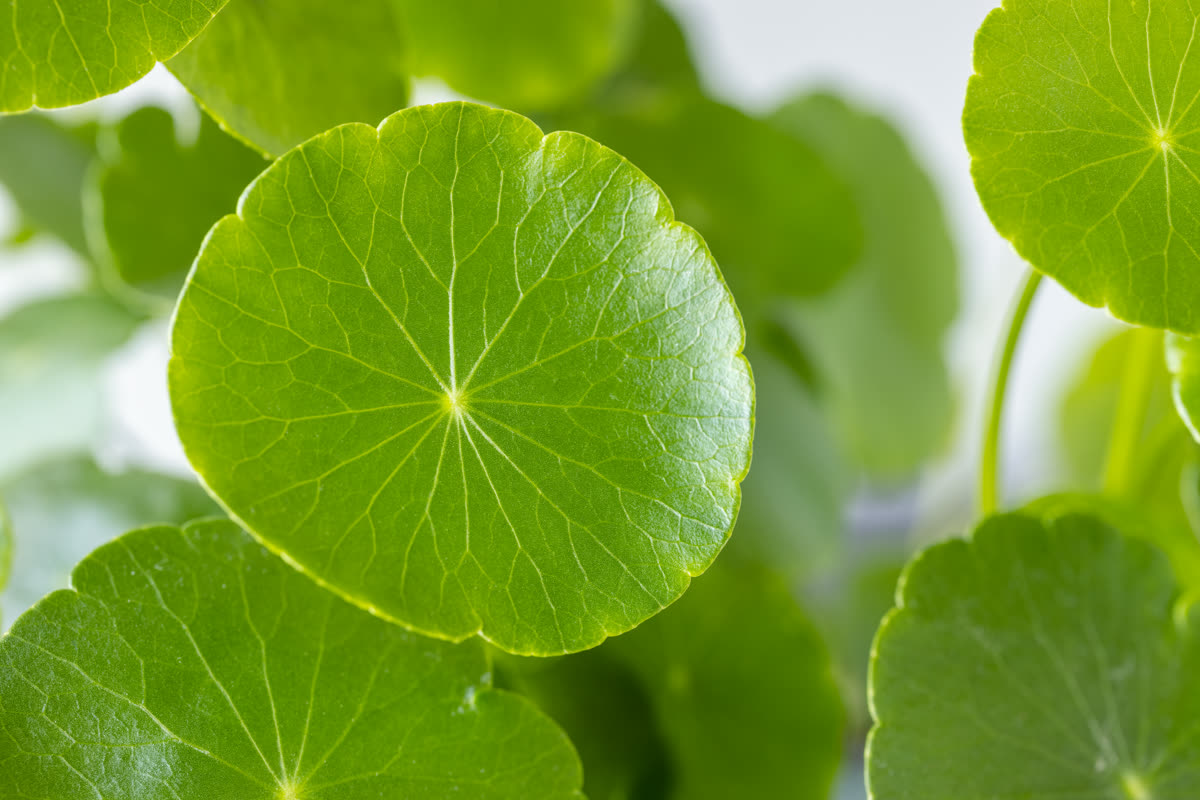
Centella Asiatica (Cica)Centella asiaticaAsiaticoside and madecassoside promote collagen organization; small trials (mostly of combination creams) support use for stretch-mark prevention…
The full list, best proven first:
| Ingredient | Grade | What the evidence shows |
|---|---|---|
| Honey | B | Systematic reviews suggest sterile, medical-grade honey dressings heal partial-thickness burns faster than some conventional dressings, though trial quality varies; kitchen honey is not for open wounds. |
| Aloe Vera | B | Several trials and a systematic review suggest aloe preparations may shorten healing time of superficial burns; evidence for surgical wounds is inconclusive. |
| Centella Asiatica (Cica) | B | Asiaticoside and madecassoside promote collagen organization; small trials (mostly of combination creams) support use for stretch-mark prevention and scar appearance. |
| Calendula | C | Small trials suggest benefit for skin reactions to radiotherapy and minor wounds; daisy-family allergy is possible. |
| Rosehip Oil | C | A small controlled study suggested rosehip oil improved the color and appearance of post-surgical scars after the wound had closed. |
| Helichrysum (Immortelle) | D | Popular in aromatherapy for scars, but evidence is anecdotal or from lab studies; as an essential oil it must be diluted and never used on open wounds. |
| Olive Oil | D | Trials of massaging plain oils, including olive oil, in pregnancy have not shown clear prevention of stretch marks; massage itself is harmless and pleasant. |
Proven partners beyond plants
For wounds and scars, the most effective measures are not botanical:
- Moist wound healing: rinse minor wounds with clean water, apply plain petrolatum and cover with a dressing until closed. Avoid repeated hydrogen peroxide or alcohol, which damage healing tissue.
- Silicone gel or silicone sheets are first-line, guideline-recommended treatment for preventing and improving hypertrophic scars and keloids. Start once the wound has fully closed (usually around two weeks after surgery) and use daily for at least two to three months.
- Sun protection of new scars for at least a year prevents them darkening.
- Pressure garments (burns), corticosteroid injections, 5-fluorouracil, cryotherapy, laser treatment (pulsed dye, fractional) and surgical revision, sometimes with radiotherapy for keloids.
- Acne scars: microneedling, fractional laser, subcision, chemical reconstruction (TCA CROSS) and fillers. Stretch marks: early prescription tretinoin may modestly help red striae; lasers and microneedling help some people.
Plants support these approaches: medical-grade honey dressings for selected wounds under medical guidance, aloe vera for minor superficial burns, and centella asiatica (cica) or rosehip oil massaged into closed scars and stretching skin.
What tends to make it worse
- Essential oils, raw kitchen honey, homemade balms, comfrey and herbal pastes on open, deep or infected wounds.
- Comfrey on broken skin — its pyrrolizidine alkaloids can be absorbed; it is for intact skin only.
- Picking scabs, which delays healing and worsens scarring.
- Sun exposure on healing or new scars.
- Ear or body piercings and elective cosmetic surgery without discussing the risk if you have had keloids before.
- Repeated hydrogen peroxide, iodine or alcohol cleansing of healing wounds.
When to see a doctor
- Signs of infection: spreading redness or warmth, red streaks, increasing pain or swelling, pus, a bad smell, or fever.
- Deep, gaping or long cuts, wounds on the face, hands or joints, or bleeding that does not stop with 10 minutes of firm pressure — stitches work best within hours.
- Animal or human bites, puncture wounds, dirty wounds, or if your tetanus vaccination is not up to date.
- Burns larger than your palm, or any burn on the face, hands, feet, genitals or over joints, or with white, leathery or charred skin.
- Wounds not healing within two weeks, especially if you have diabetes, poor circulation or a weakened immune system.
- A scar that keeps growing beyond its edges, is painful or itchy (possible keloid), or an old scar that ulcerates, bleeds or changes.
- New, wide purple stretch marks together with weight gain, a rounded face, easy bruising or muscle weakness.
Find a dermatologist or report a reaction to a cosmetic, wherever you live.
Myths and evidence
MythLet wounds “breathe” and dry out to heal faster.
EvidenceCovered, moist wounds re-epithelialize faster and scar less than wounds left to dry and scab.
MythCocoa butter or oil massage prevents stretch marks.
EvidenceControlled trials of cocoa butter and plain oils, including olive oil, have not shown clear prevention. Moisturizing may ease itch and feels good; genetics and hormones play a large role.
MythVitamin E oil fades scars.
EvidenceStudies of topical vitamin E on surgical scars show little benefit, and it causes contact dermatitis in some people. Silicone and sun protection have far better evidence.
Recipes to try at home
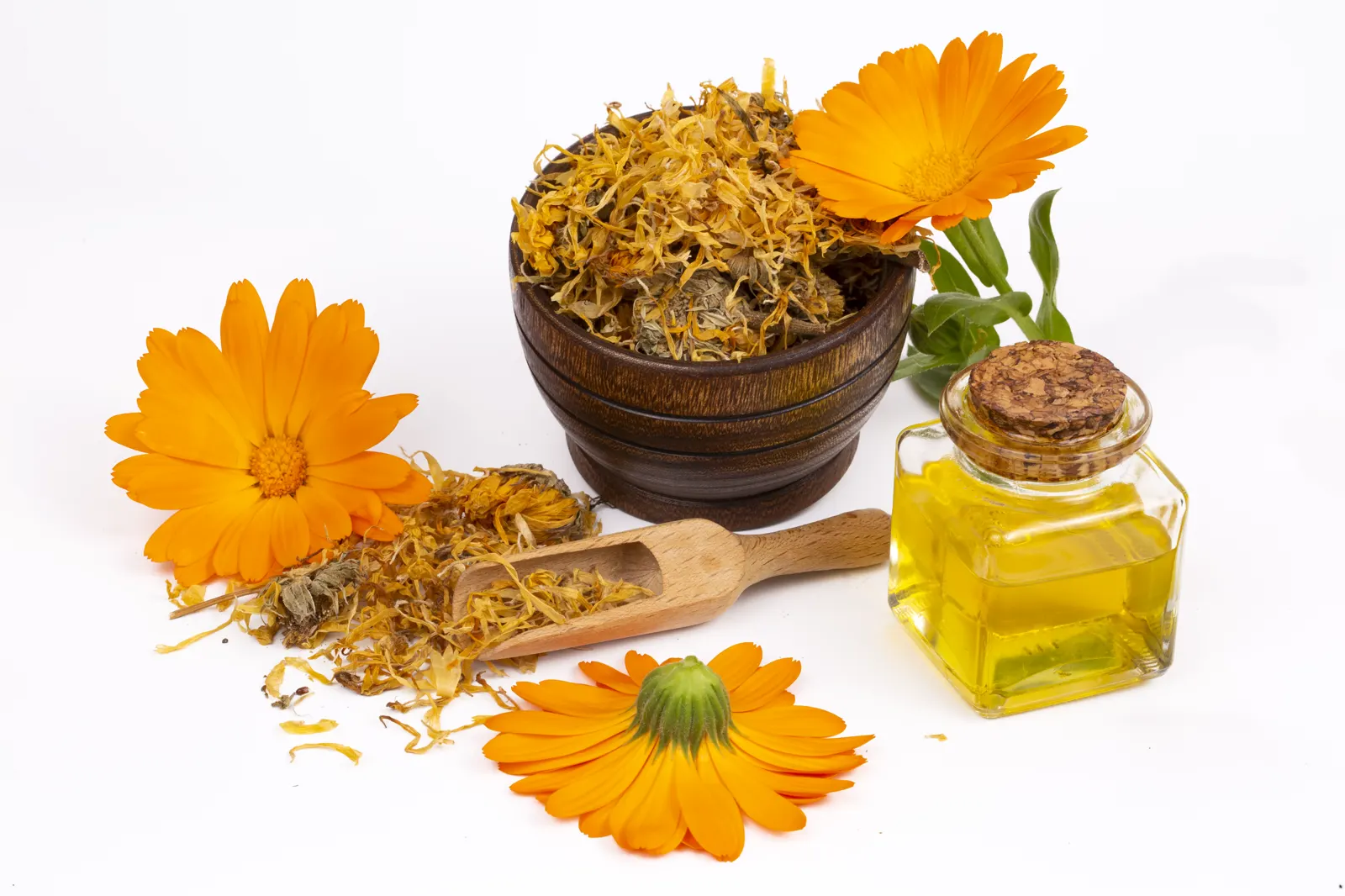 Balm · BeginnerCalendula Comfort BalmA rich, fragrance-free balm of calendula-infused oil, shea and beeswax for chapped hands, dry patches and minor scrapes once they have closed.
 Body care · BeginnerWhipped Shea Body ButterCloud-light whipped shea with coconut and sunflower oils and a hint of lavender — rich care for dry skin, with the trick that prevents graininess.
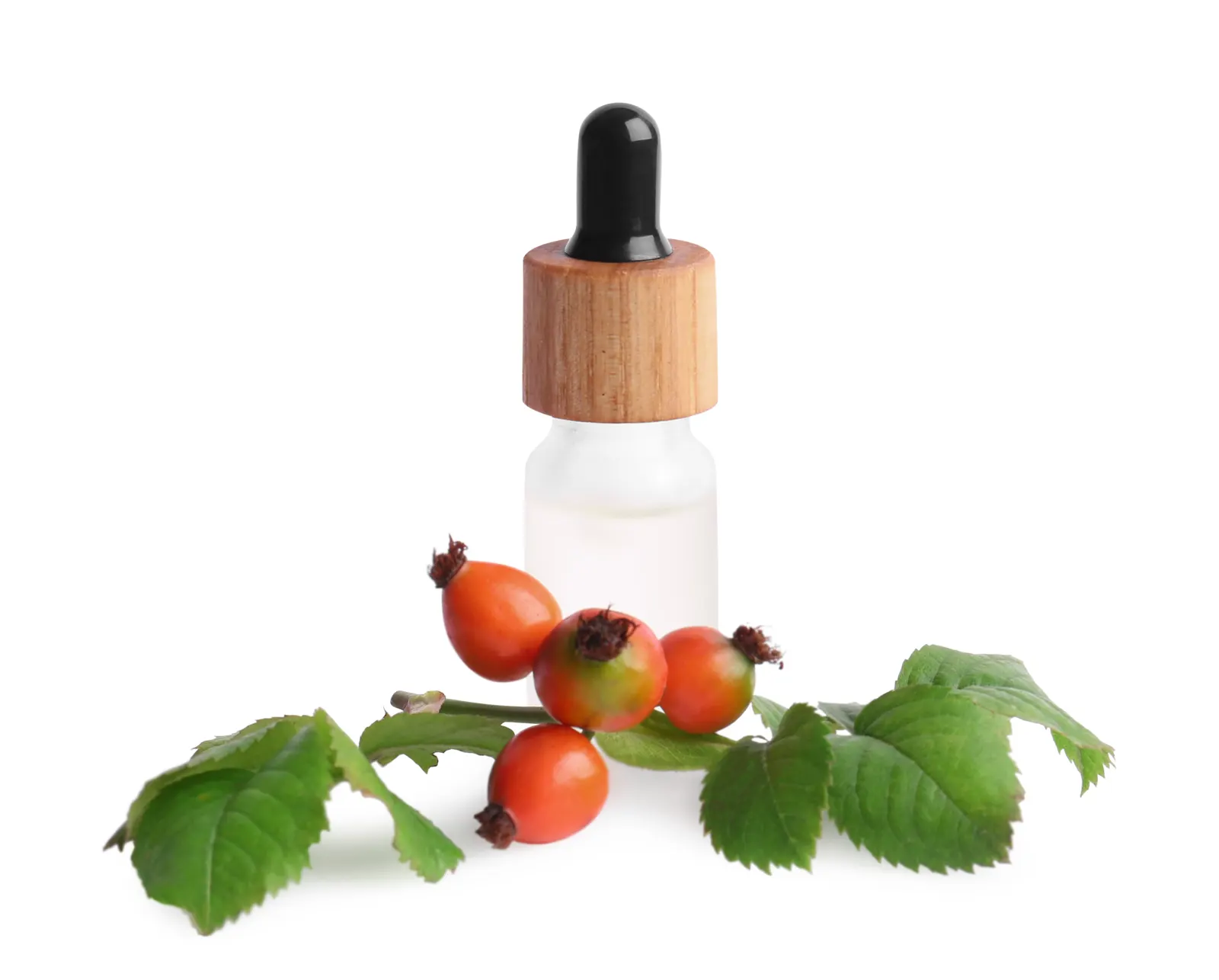 Face oil · BeginnerRosehip & Sea Buckthorn Glow OilA light face oil of rosehip, jojoba and squalane with a touch of sea buckthorn, protected with vitamin E. Three or four drops at night.