· Seasonal · 5 min
Soak and Seal: The Three-Minute Rule for Eczema-Prone Skin
Moisturize within three minutes of bathing, on still-damp skin. A simple winter habit for eczema-prone and very dry skin, with the evidence behind it.
- Time
- 5 min
- Evidence
- BGood evidence
- Time
- 5 min
- Evidence
- BGood evidence
You’ll need
- A plain, fragrance-free emollient cream or ointment (thicker is better in winter)
- A soft towel
- Lukewarm water: comfortable on the inside of your wrist, never hot
- Optional: a Colloidal Oat Soothing Bath on itchy days
Good evidence: Regular emollient use in eczema is supported by a Cochrane review; the specific three-minute timing is expert convention rather than trial-tested.
Formulator’s tip
Keep a pump bottle of the same emollient by every sink in the house. People who rely on one jar in the bedroom almost always under-apply.
Step by step
- Before you shower, open the emollient and set it on the edge of the sink, so nothing slows you down afterwards.
- Wash in lukewarm water for 5–10 minutes. Use a soap-free wash only where you need it (underarms, groin, hands); plain water is enough elsewhere.
- Step out and pat, do not rub, leaving the skin visibly damp, with a faint dewy sheen.
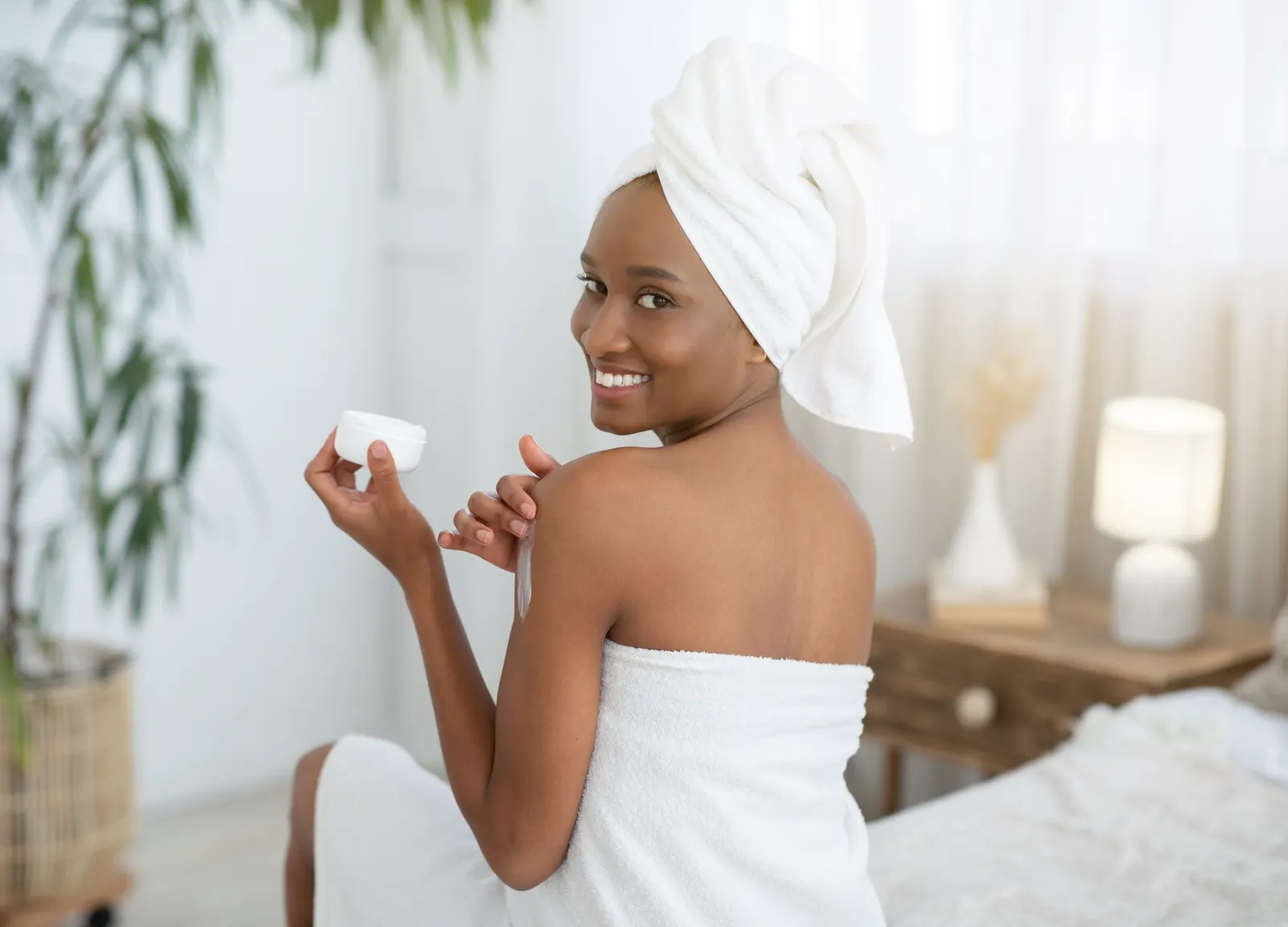
- Within about three minutes, apply a generous layer of emollient to face and body, smoothing it on in the direction of hair growth rather than rubbing it in hard.
- Give the face and neck at least a fingertip’s length of cream, more on rough patches. If the skin looks matte within minutes, you used too little.
- Dress in soft cotton and leave the bathroom door open so the room does not stay steamy and then dry out fast.
- Repeat the emollient at least twice a day, including any time hands or face have been washed.
Why it works
Water that sits on the skin after bathing either soaks into the outer layer or evaporates, and evaporation in a dry, heated room pulls moisture out with it. An emollient applied promptly traps that water and adds lipids the eczema-prone barrier is short of. A Cochrane review (van Zuuren and colleagues, 2017) concluded that emollients reduce eczema severity and flares and lower the amount of steroid people need.
Choose the oil carefully: a controlled study (Danby and colleagues, Pediatric Dermatology, 2013) found that olive oil disrupted the adult skin barrier while sunflower oil did not. Colloidal oatmeal and shea butter are well-tolerated, soothing partners. The exact three-minute window is clinical convention rather than something trials have tested minute by minute; the principle, damp skin plus prompt emollient, is what matters. See The Skin Barrier, Explained.
Enjoy it safely
- Skin that is weeping, crusted, very painful or rapidly worsening may be infected; see a doctor promptly.
- If you use a prescribed steroid or other eczema treatment, follow your prescriber’s advice on the order and gap between it and your emollient.
- Avoid “aqueous cream” as a leave-on moisturizer; it contains sodium lauryl sulfate, which can irritate eczema-prone skin.
- For babies and children with eczema, ask your health visitor or doctor before adding oils, food-derived ingredients or bath additives.
Ingredients in this ritual
 No. 033
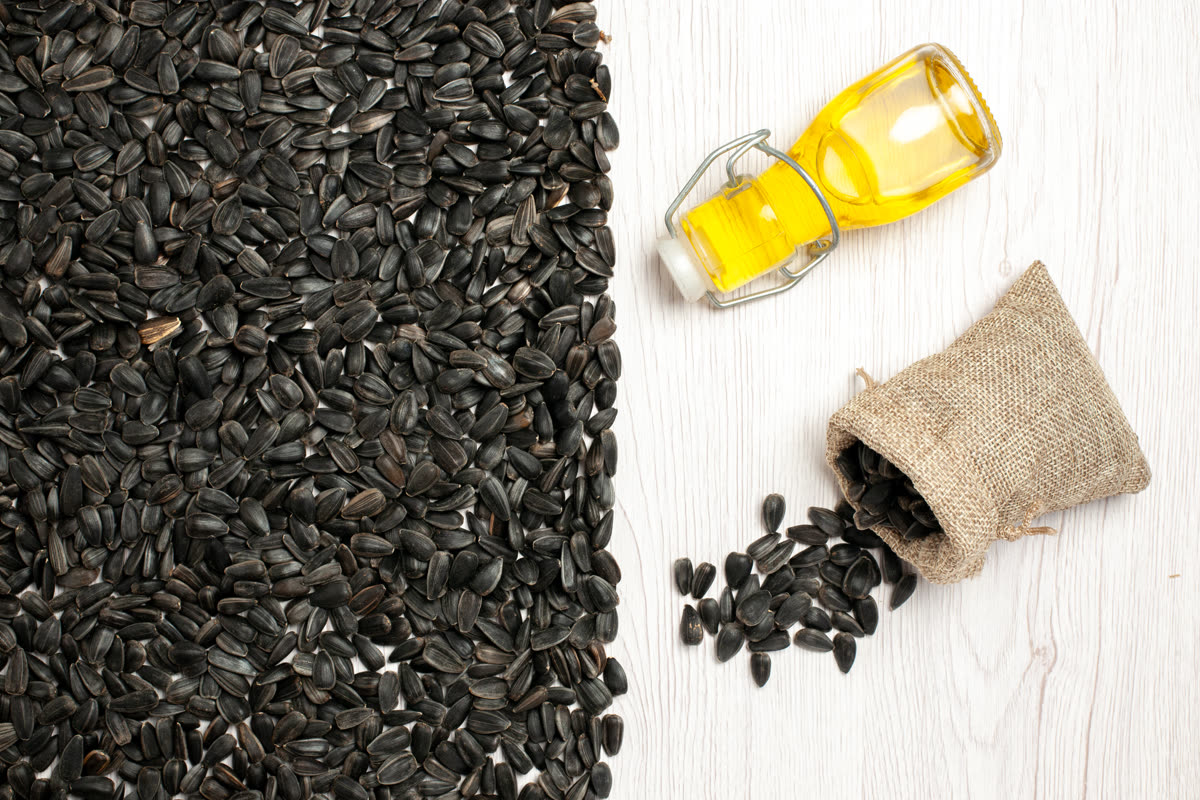
Sunflower OilHelianthus annuus L.The humble kitchen oil with some of the best barrier evidence of any plant oil: gentle, affordable and kind to dry skin.
 No. 042
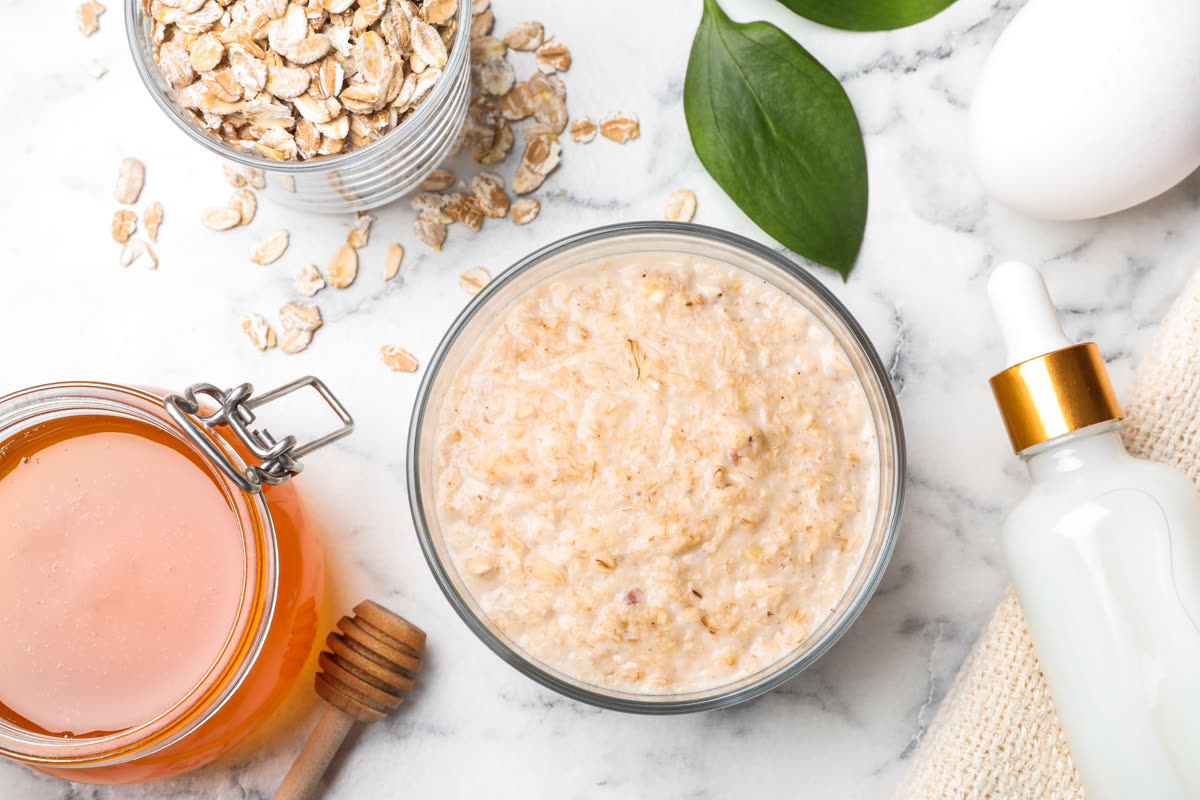
Colloidal OatmealAvena sativa L.Finely milled oats turn a lukewarm bath milky and soothing: an officially recognized skin protectant for itchy, irritated skin.
 No. 030
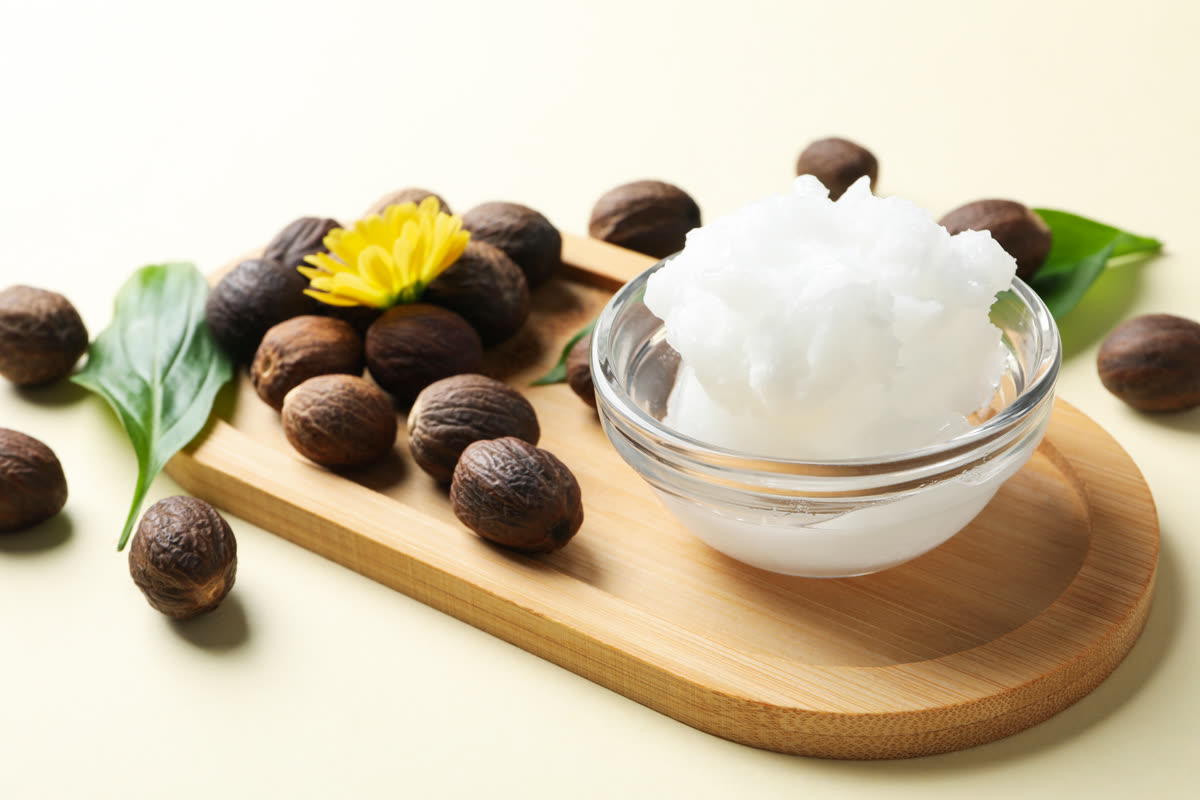
Shea ButterVitellaria paradoxa C.F.Gaertn.Rich, creamy and melting at skin temperature, shea butter is pure comfort for very dry hands, heels, lips and curls.
Go further
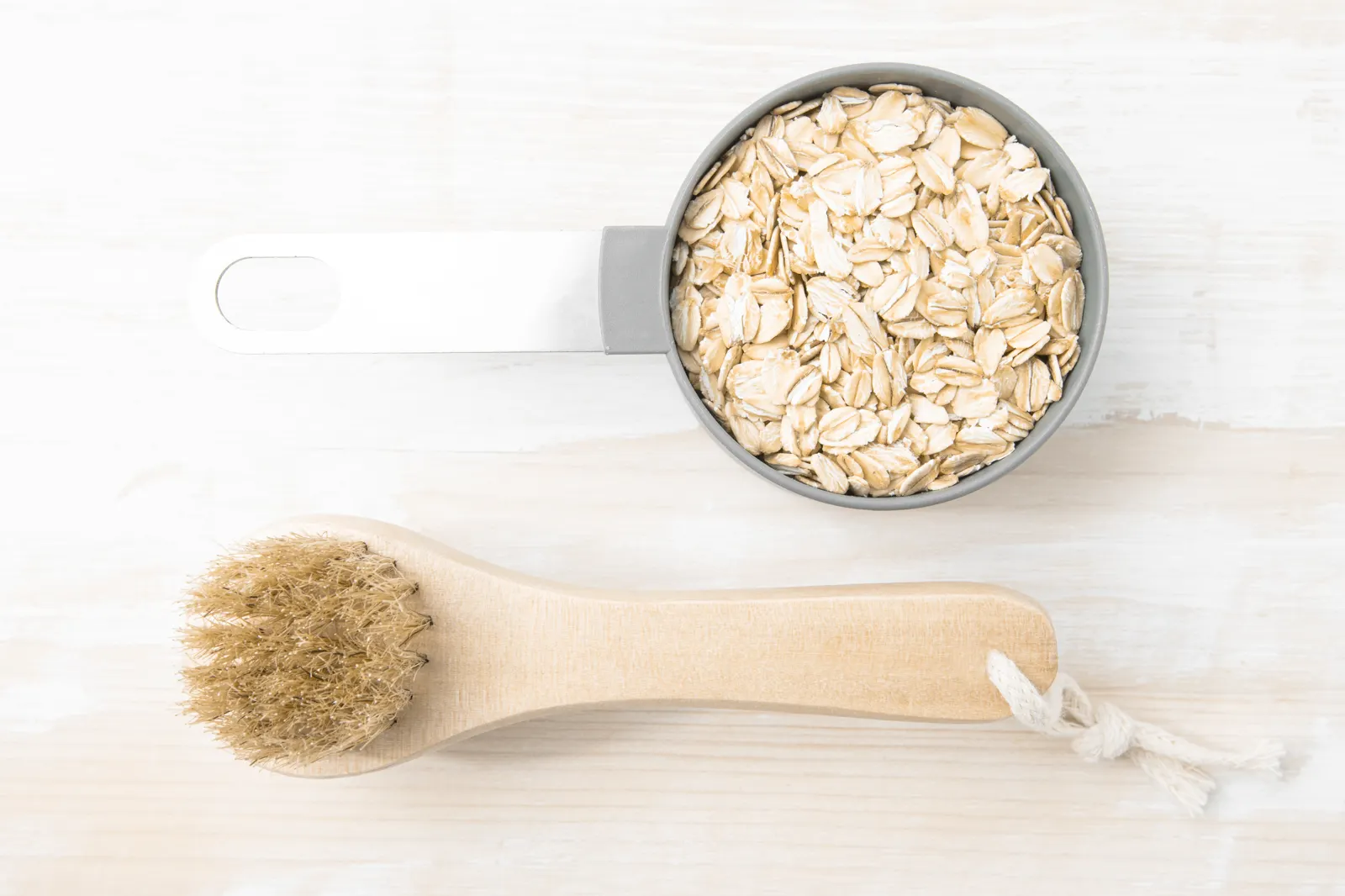 Bath · BeginnerColloidal Oat Soothing BathA lukewarm colloidal oatmeal soak with a little sunflower oil and marshmallow root to calm itchy, dry or eczema-prone skin.
ConcernEczema-Prone SkinAtopic dermatitis explained: filaggrin, the itch-scratch cycle and emollient therapy — plus the botanicals that help and the ones to avoid on broken skin.ConcernDry & Dehydrated SkinWhy skin loses water, how the barrier works, and how to layer humectants, emollients and occlusives — with oatmeal, shea and oils that help.GuideThe Skin Barrier, ExplainedBricks, mortar, acid mantle and microbes: how your skin barrier works, what damages it, and a calm, evidence-based plan to repair it.