The ingredient encyclopedia · herb
Aloe Vera
Aloe vera (syn. Aloe barbadensis) · Asphodelaceae
Cool, clear and quietly soothing, aloe gel is the after-sun friend your skin reaches for first.
FR Aloès / Aloe veraES Aloe vera / SábilaAR الصبر (ألوفيرا)
- How well proven
- BGood evidence
- Safety
- Low topical risk
- Sun-sensitive
- No
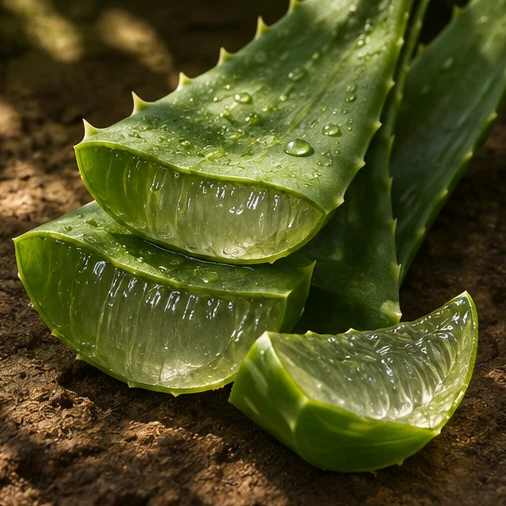
Also known as Aloe vera (syn. Aloe barbadensis)
FR Aloès / Aloe veraES Aloe vera / SábilaAR الصبر (ألوفيرا)
What the evidence says
Several small controlled trials and a 2007 systematic review support faster healing of minor burns, but trial quality is low and results for radiation dermatitis, psoriasis and chronic wounds are mixed or negative.
- Best supported for
- Scars, Wounds & Stretch Marks BAcne & Breakouts CDark Spots & Hyperpigmentation C
- How to use it
- Fresh gel from a home plant · Single use; apply a thin layer, discard leftovers
- Watch out for
- Use inner-leaf, decolorized gel on skin.
Checked against 4 cited studies and our safety review · Updated 26 November 2026 · How we grade
Why you’ll love Aloe Vera
Why you’ll love it
- Feels instantly cool on hot, sun-tired skin
- Light, non-sticky hydration that sinks in fast
- Calms the sting of minor kitchen burns once they’re cooled
Best forSun-warmed, oily or easily irritated skin that wants light, cooling hydration.
Try it today
A cool after-sun moment
- Pick a fragrance-free aloe gel with aloe juice listed first, and keep it in the fridge.
- After a day outdoors, smooth a thin layer over sun-warmed shoulders, arms and legs.
- Reapply two to four times a day, and keep wearing sunscreen, because aloe isn’t one.
Good to know: Aloe is an after-sun, not a sunscreen. Use clear inner-leaf gel on skin, and never drink homemade aloe.
At a glance
| Parts used | Inner-leaf gel (the clear fillet); leaf juice and freeze-dried juice powder. The bitter yellow latex under the rind is a separate fraction that quality skin-care aloe removes. |
|---|---|
| Key actives | Acemannan (acetylated mannans), Glycoproteins, Aloesin, Amino acids and minerals, Aloin and aloe-emodin (latex only; unwanted) |
| INCI names | Aloe Barbadensis Leaf Juice Aloe Barbadensis Leaf Juice Powder Aloe Barbadensis Leaf Extract |
| Skin types | oily, combination, normal, sensitive |
| Pairs well with | CalendulaGreen TeaColloidal OatmealHoney |
| Evidence grade | BGood evidence Several small controlled trials and a 2007 systematic review support faster healing of minor burns, but trial quality is low and results for radiation dermatitis, psoriasis and chronic wounds are mixed or negative. |
What it does for skin and hair
Soothes minor burns and sunburn
A systematic review of small trials found first- and second-degree burns treated with aloe healed faster than with comparison dressings. The cool, water-rich gel also gives immediate comfort on sun-reddened skin.
Light, non-greasy hydration
Aloe’s polysaccharides bind water and leave a thin film, so it hydrates without heaviness. On its own it does not seal moisture in, so dry skin still needs an oil or cream on top.
A gentle water phase for formulas
Decolorized aloe juice can replace part or all of the water in toners, gels and lotions, adding a soothing skin-feel. Like water, it must be preserved.
Supports acne treatment tolerance
In one randomized trial, aloe gel used alongside prescription tretinoin improved results and reduced irritation compared with tretinoin plus a plain gel. It is an add-on, not a stand-alone acne treatment.
How to use it
Start low, be consistent, and give it four to eight weeks. These are the amounts that work in real products and home recipes.
| Form | Typical use level | Notes |
|---|---|---|
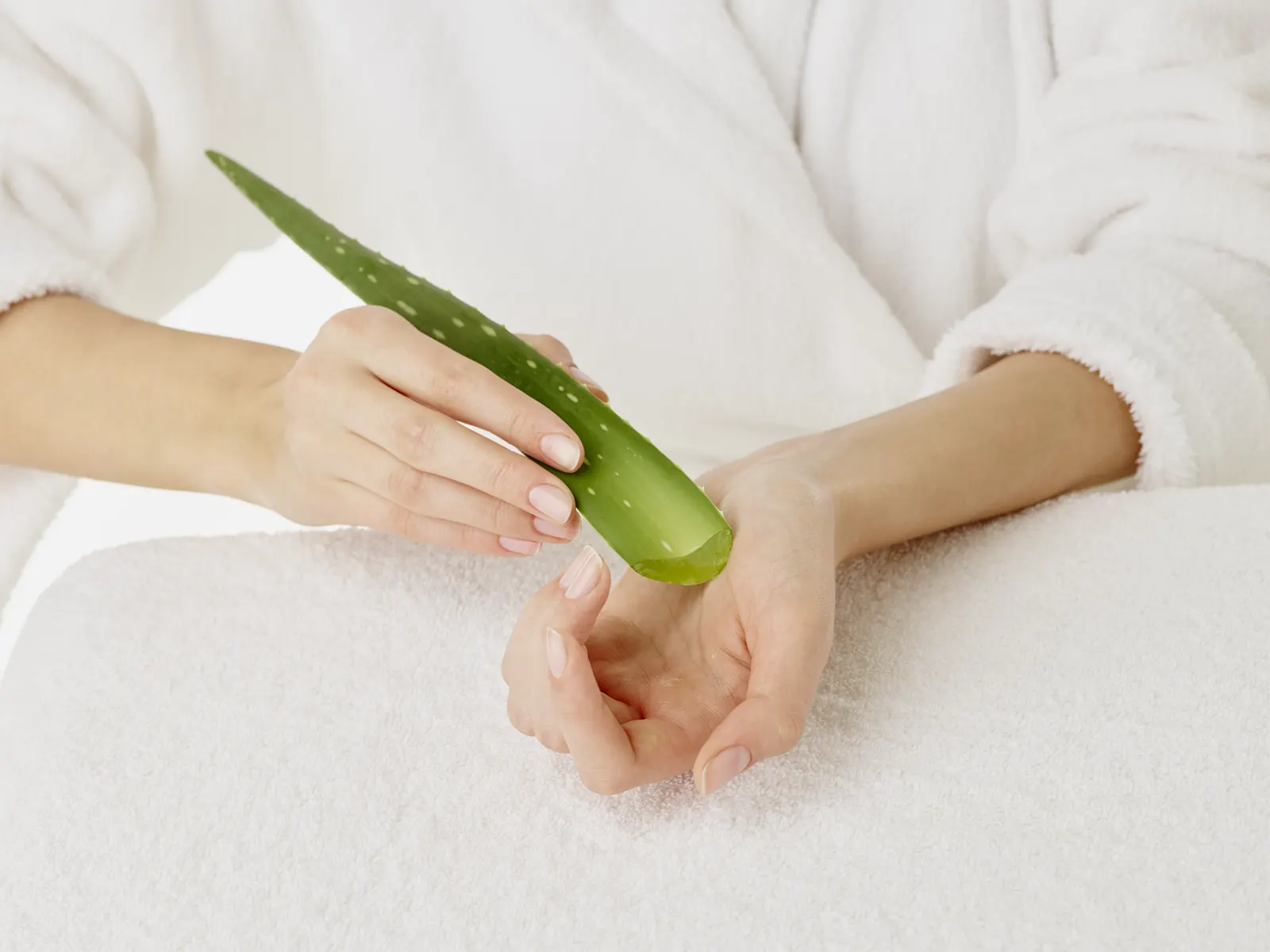
| Fresh gel from a home plant | Single use; apply a thin layer, discard leftovers | Cut a mature lower leaf, stand it cut-end down for 10–15 minutes to drain the yellow latex, then fillet out the clear gel and rinse it. Use immediately on sunburn or a kitchen burn (after cooling under running water). Unpreserved gel spoils within a day or two — see DIY Safety: Water, Microbes & Preservatives. |
| Decolorized aloe juice (1:1) or 200:1 powder | Juice: 10–100% of the water phase. Powder: 0.1–0.5% (≈ 20–100% juice equivalent) | Use in toners, gels and lotions with a broad-spectrum preservative at the supplier’s level, and check final pH (aloe juice is usually mildly acidic). See Cooling Aloe After-Sun Gel. |
| Ready-made aloe gel | 2–4 times daily on sun-exposed or irritated skin | Choose fragrance-free gels with aloe juice as the first ingredient and little or no alcohol; keep in the fridge for extra cooling. |
Use it safely
Low topical risk
- Use inner-leaf, decolorized gel on skin. The yellow latex (aloin, aloe-emodin) irritates skin and is a strong laxative. Non-decolorized whole-leaf extract caused intestinal tumors in rats in a two-year US National Toxicology Program study and is classed by IARC as possibly carcinogenic to humans (Group 2B) when taken orally. Do not drink homemade aloe.
- Contact allergy is uncommon but documented; patch test before wide use, especially on already damaged skin (How to Patch Test).
- Aloe is for minor burns only. Seek medical care for burns that blister over an area larger than the person’s palm, involve the face, hands, feet, genitals or joints, are chemical or electrical, or look white, leathery or charred.
- Aloe has negligible SPF. It is an after-sun, not a sunscreen.
- Pregnancy & breastfeeding
- Topical inner-leaf gel is considered safe in pregnancy and while breastfeeding. Avoid oral aloe latex or whole-leaf products, which are stimulant laxatives. Pregnancy guide
- Phototoxicity
- Not phototoxic at normal use levels.
- Declared fragrance allergens
- None expected
New to an ingredient? Patch test first. Stop and seek advice if you get burning, swelling, blistering or a spreading rash.
Make it at home: recipes with aloe vera
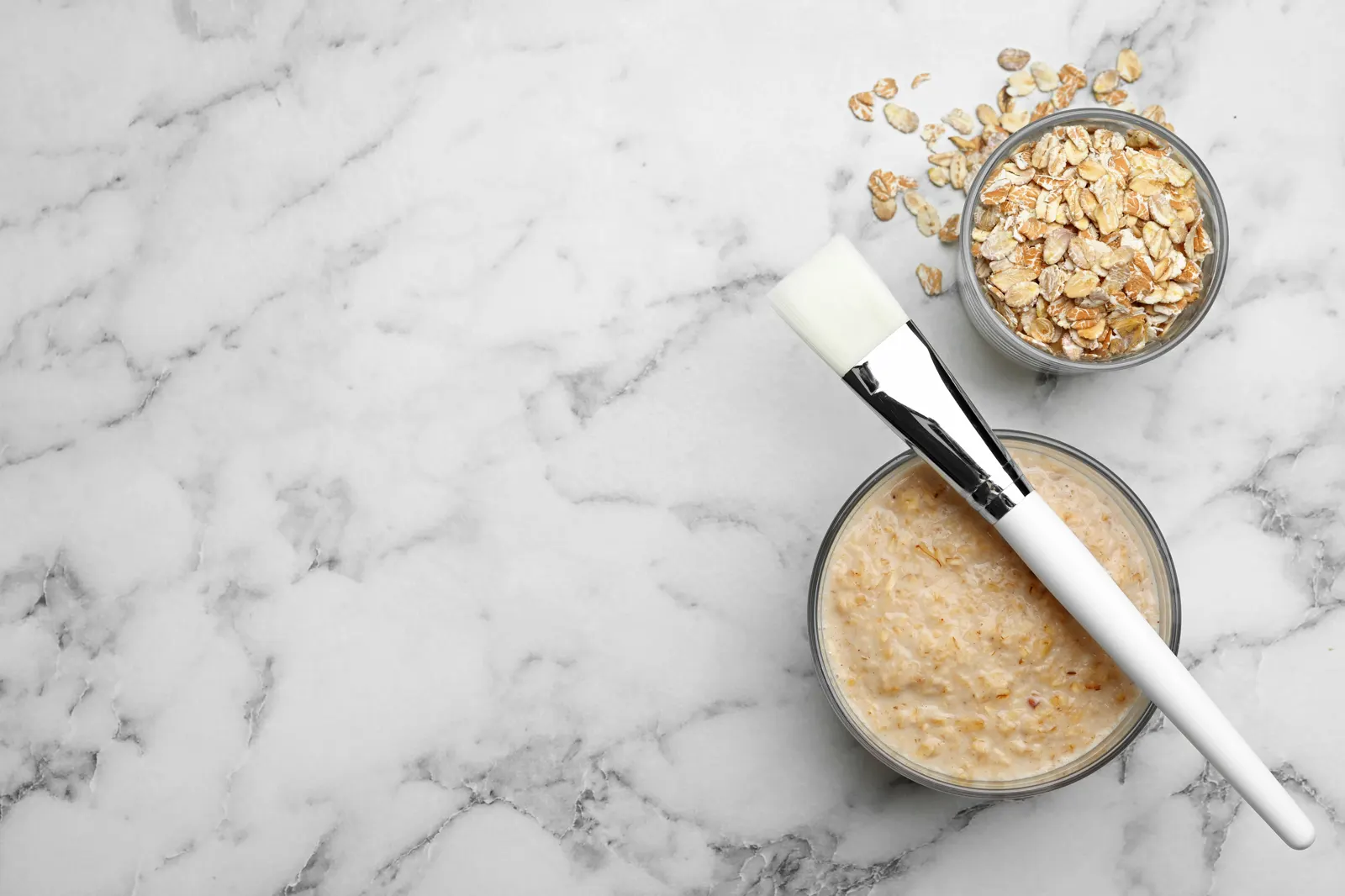 Mask · BeginnerCalming Oat & Chamomile MaskA soothing single-use paste of colloidal oatmeal, cooled chamomile tea, honey and aloe for skin that feels hot, tight or reactive.
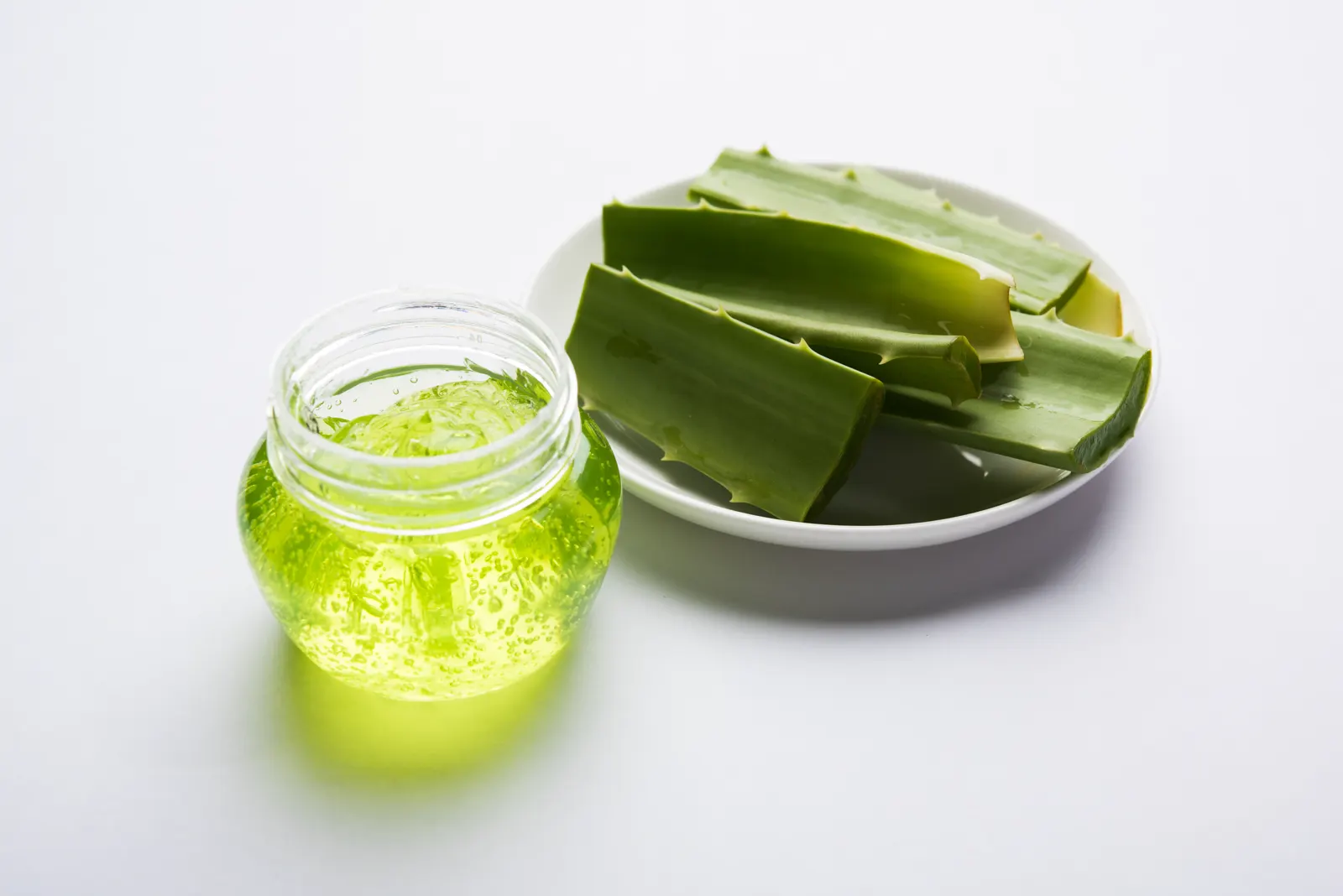 Body care · IntermediateCooling Aloe After-Sun GelA preserved aloe vera gel with panthenol and glycerin to cool and comfort skin after a day outdoors. Not a sunscreen; gives no sun protection.
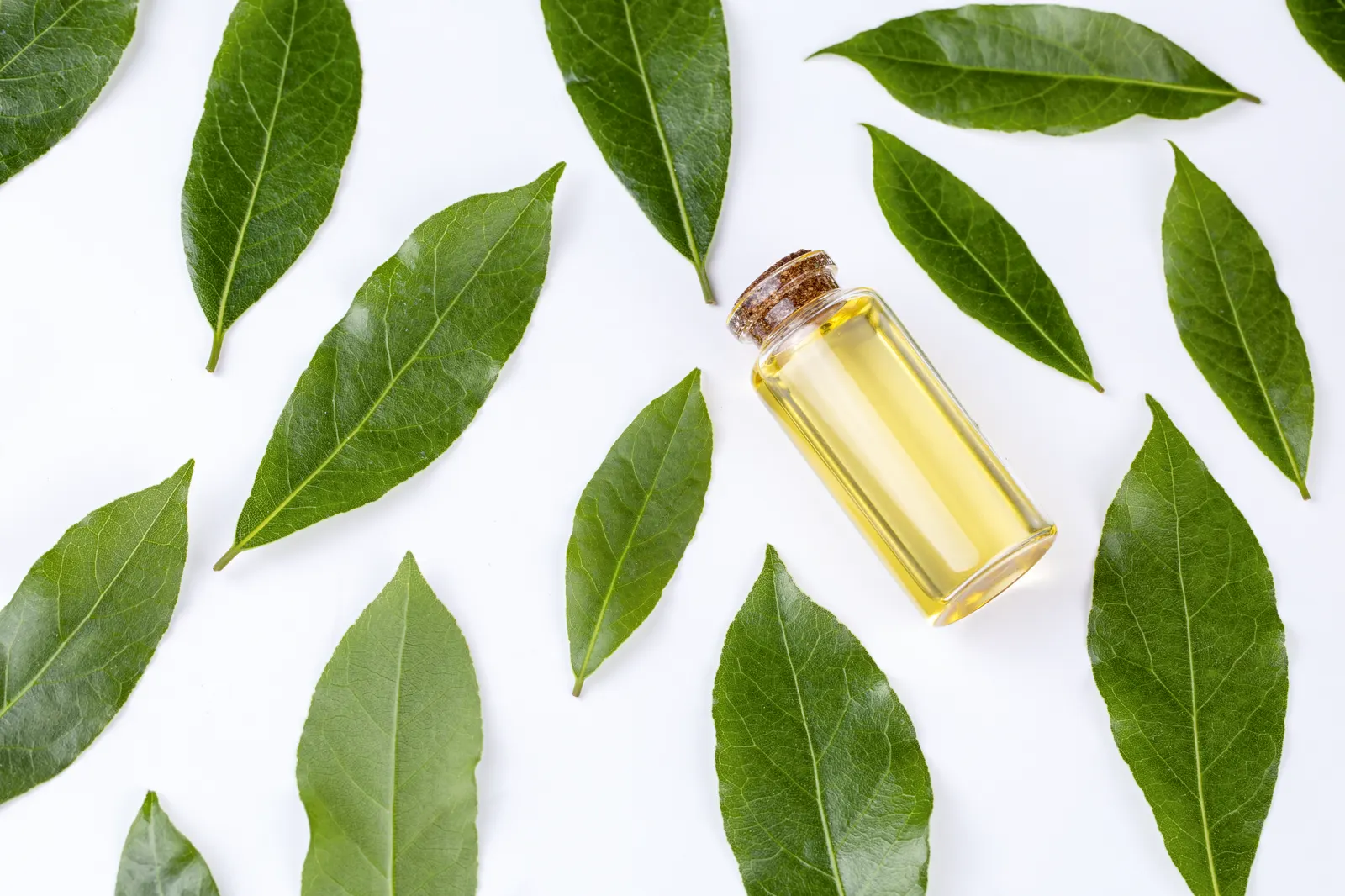 Serum · IntermediateTea Tree Blemish Spot GelA 5% tea tree oil spot gel — the strength used in the classic acne trial — solubilized and preserved for dabbing on individual blemishes.
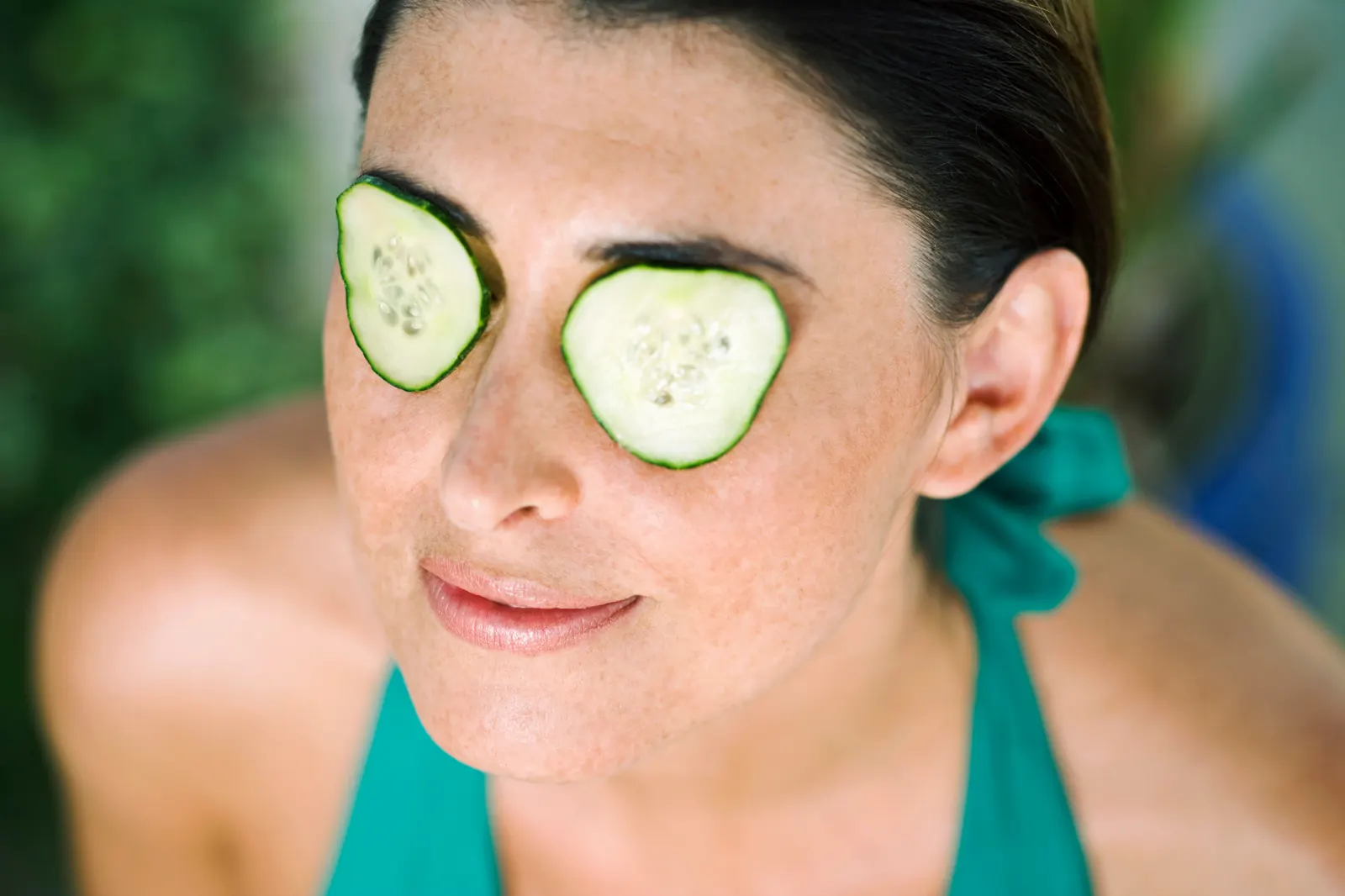 Mask · BeginnerCucumber & Aloe Cooling Eye PadsChilled cucumber juice and pure aloe gel soaked into cotton pads: a ten-minute cool-down for puffy, tired-looking eyes. Fresh, single use.
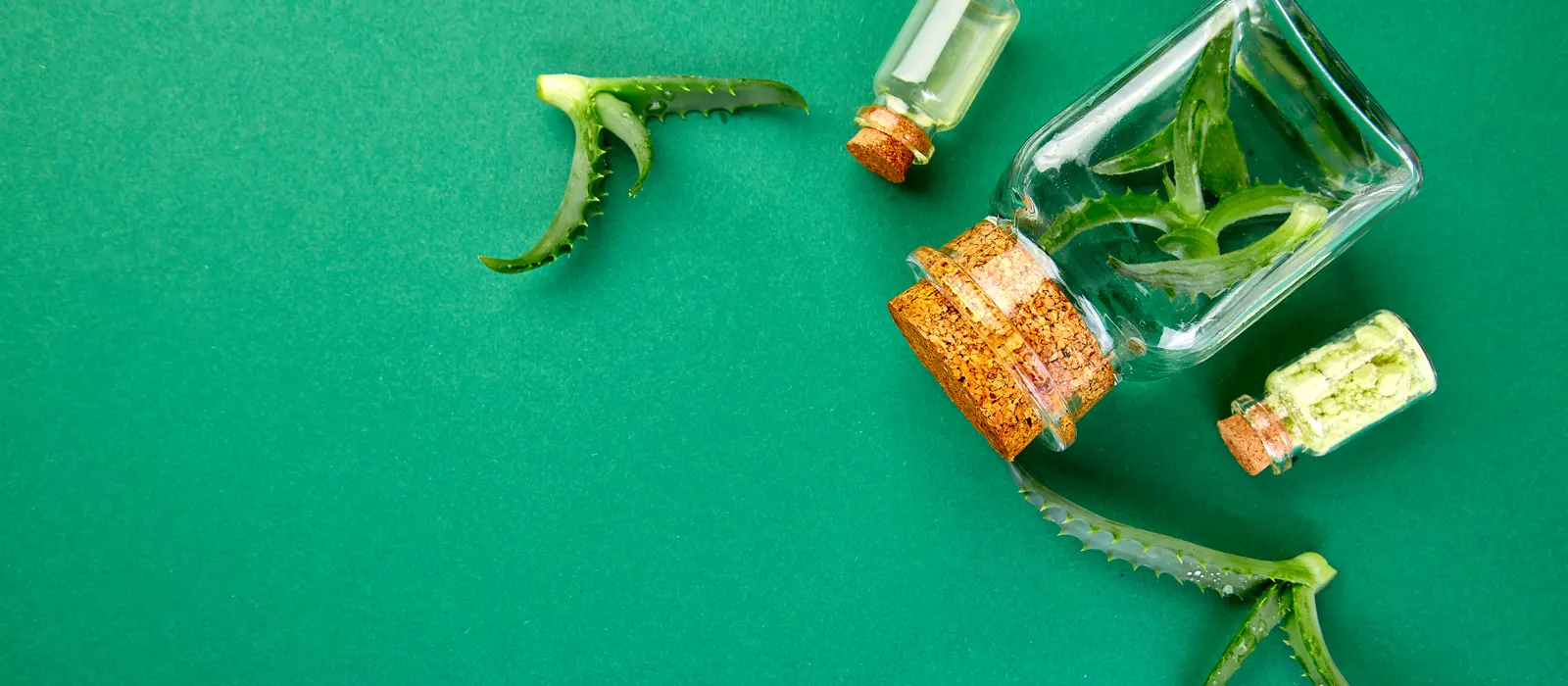 Toner · BeginnerOat & Aloe Post-Shave SplashA cool, milky splash of oat water and pure aloe gel to calm razor-tingled face, legs or underarms. Made fresh and used within the hour.
Buying well
Sustainability
Aloe vera is widely cultivated (Mexico, the southern US, the Caribbean, Spain’s Canary Islands and Andalusia) and is not threatened; it is the one aloe exempt from the CITES Appendix II listing that covers the genus. The real issue is adulteration: diluted juice, maltodextrin-padded powders and gels with little intact acemannan. Look for third-party certification such as the International Aloe Science Council (IASC) seal.
How to choose quality
Check that Aloe Barbadensis Leaf Juice (or the powder) is the first ingredient, and look for “inner leaf” and “decolorized”. For anything taken by mouth, aloin should be below 10 ppm (the IASC standard). Avoid after-sun gels that are bright green or blue, heavily fragranced or high in denatured alcohol — they sting broken skin. Powders labeled 100:1 or 200:1 are reconstitution ratios; store them sealed and dry, and refrigerate opened juice.
The research For professionals
The chemistry, the studies and the evidence by concern, for practitioners, formulators and the curious.
Aloe leaves have three layers: the green rind, a thin band of yellow latex in the vascular tubules just beneath it, and the colorless inner-leaf parenchyma we call the gel. The gel is roughly 99% water; its dry matter is dominated by polysaccharides, especially acemannan (a β-1,4‑linked, partly acetylated mannan), plus glycoproteins, enzymes, sterols, small amounts of salicylates and the chromone aloesin, which inhibits tyrosinase in lab assays. The latex contains anthraquinone glycosides — chiefly aloin (barbaloin) and aloe-emodin — which are stimulant laxatives and skin irritants. Commercial producers filter gel through activated charcoal (“decolorized”) to strip most aloin.
In cell and animal work, aloe polysaccharides stimulate fibroblast activity and collagen deposition, modulate macrophage signaling and reduce some inflammatory mediators. Much of the immediate relief on a burn, though, is physical: a cool, hydrating gel that reduces friction and evaporative loss. Acemannan is fragile — heat, time and enzymes break it down — so two products both labeled “aloe” can differ enormously in what they actually deliver.
Clinically, the best evidence is for burns: a 2007 systematic review (Maenthaisong, Burns) pooled four small controlled trials and found aloe-treated superficial and partial-thickness burns healed around nine days sooner than comparators, while warning that the trials were small and heterogeneous. A later Cochrane review of acute and chronic wounds judged the evidence too weak for firm conclusions. Trials of aloe for preventing radiation dermatitis have largely been negative. In psoriasis, an early trial reported striking results that a better-controlled trial did not reproduce — the placebo gel performed almost as well. For acne, aloe gel improved tolerance and results when combined with tretinoin.
The honest summary: aloe is a well-tolerated, plausible soothing agent with modest human evidence for minor burns. It is not a treatment for deep wounds, and its UV-protective effect is negligible.
Evidence by concern
| Concern | Grade | What the evidence shows |
|---|---|---|
| Acne & Breakouts | C | In one randomized trial, aloe gel combined with tretinoin improved results and tolerability versus tretinoin alone — useful as a soothing partner to retinoids. |
| Dark Spots & Hyperpigmentation | C | Aloesin inhibits tyrosinase in the lab, and small human studies of aloe-based products suggest mild lightening, including a small trial in pregnancy melasma. |
| Dry & Dehydrated Skin | C | A humectant gel that improved skin hydration in small studies; on its own it is not enough for very dry skin and needs an emollient on top. |
| Sensitive Skin & Redness | C | Soothing and cooling with small supportive studies; choose stabilized gels without alcohol or fragrance, as some products irritate. |
| Dandruff & Itchy Scalp | C | A small double-blind trial found an aloe emulsion reduced scaling and itch in seborrheic dermatitis. |
| Sun Care & After-Sun | C | Soothing and cooling on sunburn, but controlled trials found aloe gel did not prevent sunburn or speed sunburn recovery compared with placebo; its value is comfort. |
| Scars, Wounds & Stretch Marks | B | Several trials and a systematic review suggest aloe preparations may shorten healing time of superficial burns; evidence for surgical wounds is inconclusive. |
Key studies
Systematic review of four controlled trials (about 370 participants) with first- and second-degree burns: healing was roughly 9 days faster with aloe than with comparison treatments, but trials were small and varied in design.
Maenthaisong R, et al. Burns. 2007 Read it in the bibliography Find on PubMedReview of aloe for acute and chronic wounds (including burns and surgical wounds): evidence was limited and of low quality; no firm conclusions on benefit.
Dat AD, et al. Cochrane Database Syst Rev. 2012 Read it in the bibliography Find on PubMedAbout 60 people with mild-to-moderate acne: tretinoin plus aloe gel reduced lesions and irritation more than tretinoin plus vehicle over 8 weeks.
Hajheydari Z, et al. J Dermatolog Treat. 2014 Read it in the bibliography Find on PubMedPlacebo-controlled trial in roughly 40 people with mild-to-moderate psoriasis: aloe gel was not meaningfully better than placebo gel, which itself produced a high response.
Paulsen E, et al. J Eur Acad Dermatol Venereol. 2005 Read it in the bibliography Find on PubMed
MythAloe vera is a natural sunscreen.
EvidenceAloe gel absorbs almost no UV and offers negligible SPF. Use a tested sunscreen before exposure and keep aloe for afterwards, when its cooling, hydrating feel genuinely helps. Homemade “sunscreens” of any kind are unsafe.
In tradition
Aloe appears in Dioscorides’ first-century De Materia Medica as a wound remedy, and Arab traders long carried Socotran aloe around the Mediterranean. In Andalusia and the Canary Islands, a potted sábila by the kitchen door is still the household first-aid kit for small burns.
From the first-edition dossier
From study to shelf
Inner-leaf gel, whole leaf and what a product label reveals.
On this page
What the studies found
Hajheydari et al. (2014) PubMed
- Study design
- The eight-week, randomized double-blind trial allocated 75 people with mild to moderate acne to 0.05% tretinoin plus a formulated 50% aloe gel or tretinoin plus the vehicle. The efficacy analysis included 60 women who finished the study, 30 per group.
- Result
- At eight weeks, reductions from baseline in inflammatory, non-inflammatory and total lesion scores were greater with the combination. Redness was less severe at week eight, with no statistically significant difference at weeks two or four.
- Limitations
- The efficacy analysis excluded 15 randomized participants. Both groups used tretinoin, so the study cannot estimate how aloe alone performs. The tested gel is a specific preparation.
When the ingredient name leaves a question open
Aloe products can use the inner gel, the latex layer or the whole leaf. NCCIH reports that topical gel is generally well tolerated and that burning, itching, rash and eczema have occasionally occurred. When a product only says aloe on the front, use the ingredient list and ask the maker which material the formula contains.
Checks before you buy
- Distinguish inner-leaf gel from whole-leaf and latex preparations. If the label is ambiguous, ask the manufacturer.
- Read past the percentage on the front. The supporting ingredients affect feel and tolerability.
- Ask your prescriber before changing a prescribed routine in response to irritation.
Questions readers ask
Does a 99% aloe claim mean the same thing as the trial’s 50% gel?
No. Percentages are meaningful only with a defined raw material and formula. A higher marketing percentage alone does not predict performance.
Is fresh leaf automatically gentler?
The raw leaf differs from a formulated inner-leaf product. The yellow latex layer and the clear gel are separate fractions.
Compare the preparations
Inner-leaf gel, latex and whole-leaf preparations have different compositions. A bottled gel can include preservatives, fragrance or alcohol.
| Preparation | What to check |
|---|---|
| Leaf juice | Check the plant part or species declared and the manufacturer’s specification. |
| Leaf juice powder | Check whether the same preparation appears in the study or the formula you are comparing. |
| Finished aloe gel | Read this term separately and check the rest of the ingredient list. |
The research
NCCIH summarizes topical studies including burns and acne. The evidence varies by condition and preparation, and it gives no basis for treating every aloe cosmetic as a remedy. For cosmetic use, consider the gel as one component of the texture and feel of the finished product.
Safety and tolerance
Topical aloe can occasionally cause burning, itching, rash or eczema. For a new cosmetic, follow its directions and consider the AAD small-area use test.
What to look for on the label
Look for “Aloe Barbadensis Leaf Juice” or “Aloe Barbadensis Leaf Extract”. Review the other ingredients.
A real label example
Spain ·
The Ordinary Aloe 2% + NAG 2% Solution
- Aloe Barbadensis Leaf Juice Powder
- N-Acetyl Glucosamine
The declared aloe preparation is leaf juice powder, in a serum with other ingredients. Do not read the product name as a declaration of pure aloe gel.
Sources
Continue reading
First published in the original Herbs.Beauty atlas on 11 November 2026, with its sources as checked on that date.
Frequently asked questions
Is aloe vera good for sunburn?
Can I put aloe straight from the plant on my face?
Does aloe vera help acne or acne scars?
Is it safe to drink aloe vera juice?
Cite this page
Herbs.Beauty. Aloe Vera (Aloe vera): evidence-based monograph. Updated 26 November 2026. https://herbs.beauty/ingredients/aloe-vera.html