The ingredient encyclopedia · oil
Marula Oil
Sclerocarya birrea (A.Rich.) Hochst. (Cosmetic oil comes mainly from subsp. caffra (Sond.) Kokwaro) · Anacardiaceae
Silky, light and slow to spoil: the savanna oil that sinks in and leaves a soft, satin glow.
FR Huile de marulaES Aceite de marulaAR زيت المارولاMorula (Setswana); umGanu (isiZulu, siSwati); omugongo (Oshiwambo)
- How well proven
- CPromising
- Safety
- Low topical risk
- Sun-sensitive
- No
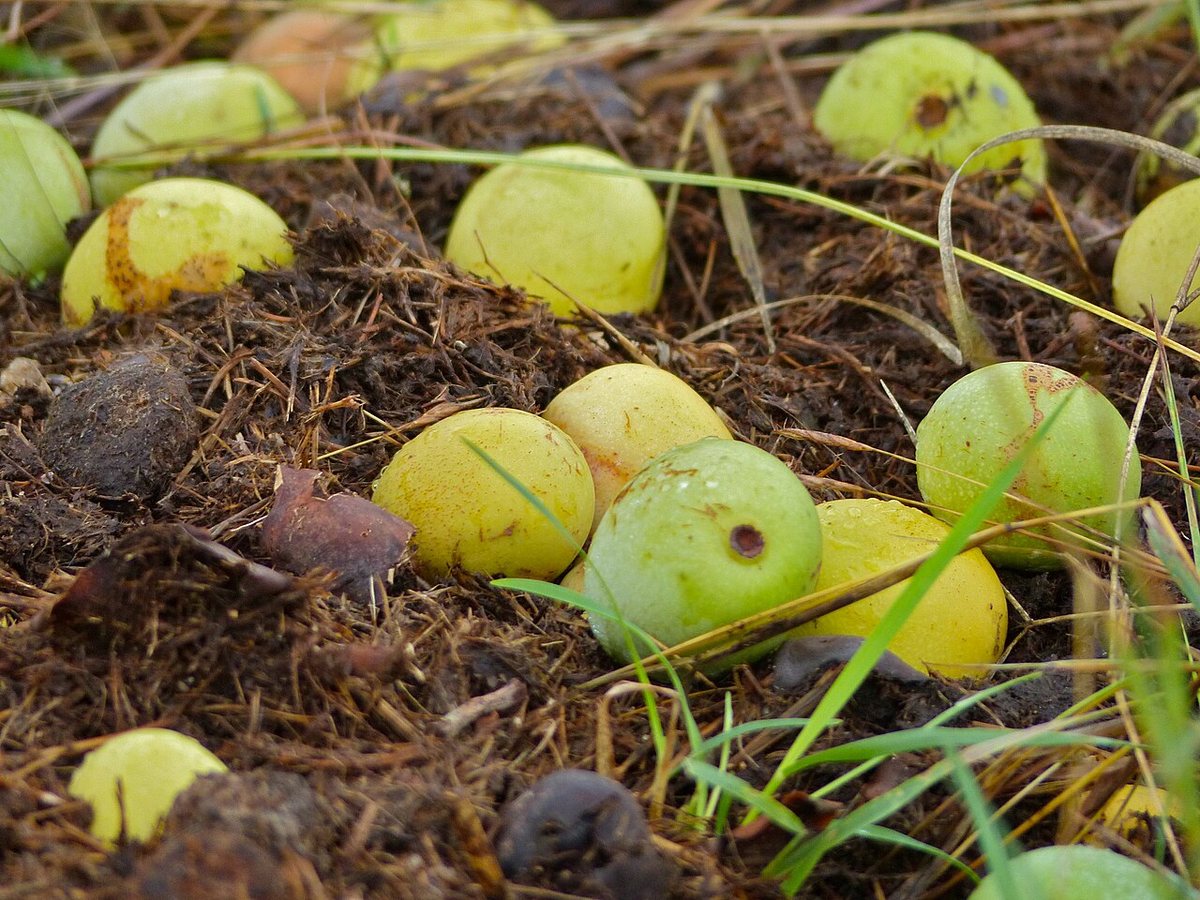
Also known as Sclerocarya birrea (A.Rich.) Hochst. (Cosmetic oil comes mainly from subsp. caffra (Sond.) Kokwaro)
FR Huile de marulaES Aceite de marulaAR زيت المارولاMorula (Setswana); umGanu (isiZulu, siSwati); omugongo (Oshiwambo)
What the evidence says
One small clinical study found marula oil non-irritating and moisturizing on skin; other benefits are inferred from its composition and general emollient science.
- What it does
- Softens dry skin without heaviness. An oleic-rich oil that spreads easily and leaves a supple, satin finish — a reliable emollient for dry and mature skin, alone or under a moisturizer.
- How to use it
- Face oil or serum · 2–4 drops neat, or 20–100% of an anhydrous face oil
- Watch out for
- Irritation and allergy are uncommon; patch test if your skin is reactive.
Checked against 1 cited study and our safety review · Updated 26 November 2026 · How we grade
Why you’ll love Marula Oil
Why you’ll love it
- Spreads easily and leaves skin supple with a satin finish
- Smooths frizz and brings a gloss to dry ends
- Stays fresh far longer than most liquid plant oils
Best forDry and mature skin, frizzy or color-treated hair, and everyday face oils.

Try it today
A two-minute satin glow
- New to marula? Patch test first, then splash your face with water so it is slightly damp.
- Warm 2–4 drops between your fingertips and press them gently onto your skin.
- Smooth whatever is left on your hands over dry hair ends for extra shine.
Good to know: Choose traceable or fair-trade oil: much marula is cracked by hand by rural women. Severe tree-nut allergy? Ask your allergist first.
At a glance
| Parts used | Kernel oil, cold-pressed from kernels hand-extracted from the hard fruit stones; fruit pulp (food and fermented drinks) |
|---|---|
| Key actives | Oleic acid, Palmitic acid, Stearic acid, Linoleic acid (minor), Tocopherols, Phytosterols (mainly β-sitosterol), Minor phenolic compounds |
| INCI names | Sclerocarya Birrea Seed Oil |
| Skin types | dry, normal, combination, mature |
| Hair & scalp | curly, thick, color treated |
| Pairs well with | Baobab OilRosehip OilArgan OilShea Butter |
| Evidence grade | CPromising One small clinical study found marula oil non-irritating and moisturizing on skin; other benefits are inferred from its composition and general emollient science. |
What it does for skin and hair
Softens dry skin without heaviness
An oleic-rich oil that spreads easily and leaves a supple, satin finish — a reliable emollient for dry and mature skin, alone or under a moisturizer.
Exceptionally slow to go rancid
Very little polyunsaturated fat plus natural antioxidants make marula one of the most oxidation-resistant liquid plant oils, a real advantage in serums, balms and products that must last.
Smooths frizz and adds shine
A few drops on damp or dry lengths lubricate the cuticle and cut friction, helping dry, curly or color-treated hair look glossier.
A good partner for fragile oils
Blending marula with oxidation-prone oils such as rosehip oil dilutes their polyunsaturated content and extends the life of the blend.
How to use it
Start low, be consistent, and give it four to eight weeks. These are the amounts that work in real products and home recipes.
| Form | Typical use level | Notes |
|---|---|---|
| Face oil or serum | 2–4 drops neat, or 20–100% of an anhydrous face oil | Press onto slightly damp skin, or over a water-based moisturizer. Blends well with rosehip oil or jojoba. |
| Creams and lotions | 2–10% of the formula (oil phase) | Its stability makes it a good backbone oil; still add tocopherol at 0.1–0.5%. Balance phases with the Formula & Cost Calculator. |
| Hair finishing oil | 2–5 drops on ends; 1–5% in leave-in products | Light enough for medium hair; use less on fine hair. |
Use it safely
Low topical risk
- Irritation and allergy are uncommon; patch test if your skin is reactive.
- Marula belongs to the cashew family (Anacardiaceae) and is a kernel oil. Cosmetic oils carry little protein, but people with severe tree-nut allergy should ask an allergist before using unrefined kernel oils.
- Very oleic oils can aggravate a compromised barrier in some people; if eczema-prone skin stings or flares, switch to a linoleic-rich or occlusive option.
- Discard oil that smells sharp, waxy or paint-like.
- Pregnancy & breastfeeding
- No specific concerns for topical use in pregnancy or breastfeeding. Patch test new products, as skin can become more reactive in pregnancy. Pregnancy guide
- Phototoxicity
- Not phototoxic at normal use levels.
- Declared fragrance allergens
- None expected
New to an ingredient? Patch test first. Stop and seek advice if you get burning, swelling, blistering or a spreading rash.
Buying well
Sustainability
Marula is wild-harvested from trees on communal land; only female trees bear fruit. Extracting kernels from the stone-hard pits is slow hand work done mostly by women, and cooperatives in countries such as Namibia, South Africa and Eswatini have built fair-trade and benefit-sharing supply chains around it. Because the fruit is also food and drink, ask suppliers how much fruit is left for local use and wildlife. See Sustainable & Ethical Botanical Sourcing.
How to choose quality
Look for cold-pressed, unrefined oil: pale yellow to light gold with a mild, nutty smell. Refined marula is paler and nearly odorless. The INCI should read only Sclerocarya Birrea Seed Oil (plus tocopherol). Red flags: unusually low prices, “marula” products where the oil is near the end of the INCI list, or an oil that is thin and scentless at an unrefined price. Prefer traceable cooperative or fair-trade sourcing; store cool and dark and use within 18–24 months.
The research For professionals
The chemistry, the studies and the evidence by concern, for practitioners, formulators and the curious.
Marula kernel oil is a monounsaturated oil: oleic acid typically makes up around 70–78% of its fatty acids, with palmitic (roughly 9–12%), stearic (roughly 5–8%) and only a small amount of linoleic acid (roughly 4–8%). Its unsaponifiable fraction contains tocopherols, phytosterols dominated by β-sitosterol, and small amounts of phenolic compounds. Exact figures vary with region, subspecies and pressing method.
That profile explains its best-known property: oxidative stability. Rancidity begins mainly at the double bonds of polyunsaturated fatty acids, and marula has few of them. In accelerated-oxidation comparisons (such as Rancimat testing) marula consistently ranks among the most stable liquid plant oils, ahead of argan and far ahead of linoleic-rich oils. Marketing multiples (“ten times more stable than…”) come from specific test conditions and should not be read as shelf-life guarantees — light, heat and air still degrade it.
On skin, marula behaves like other oleic-rich oils: it softens the stratum corneum and forms a light emollient film that slows water loss. Oleic acid in high concentrations can loosen barrier lipids, which is why very oleic oils are best used in moderation on reactive or eczema-prone skin and balanced with linoleic-rich oils. The main human study (Komane and colleagues, 2015) found marula oil non-irritating on patch testing and reported improved skin hydration and smoothness; it was small and short, and there are no robust trials for anti-aging or acne claims.
Key studies
Clinical safety and efficacy study: marula oil was non-irritating on patch testing and showed moisturizing effects on the skin of healthy volunteers. Small and short-term.
Komane B, et al. J Ethnopharmacol. 2015 Read it in the bibliography Find on PubMed
MythElephants get drunk on fermented marula fruit.
EvidenceA popular story, but a 2006 physiological analysis (Morris and colleagues) concluded that an elephant would need to eat an implausible quantity of fermenting fruit to become intoxicated. Elephants do love marula fruit; the drunken-elephant tale is folklore.
In tradition
Across Southern Africa the marula is a tree of plenty: the fruit is eaten fresh or brewed into seasonal beer (celebrated in Eswatini’s Buganu festival and Namibia’s Omagongo festival), the kernels are eaten as nuts, and the oil has long been used to moisturize skin through the dry season.
Frequently asked questions
Is marula oil good for oily or acne-prone skin?
Marula oil vs argan oil: which is better?
Does marula oil reduce wrinkles?
How long does marula oil last?
Cite this page
Herbs.Beauty. Marula Oil (Sclerocarya birrea (A.Rich.) Hochst.): evidence-based monograph. Updated 26 November 2026. https://herbs.beauty/ingredients/marula-oil.html