World traditions · Polynesia, Melanesia, Australia & New Zealand
The Pacific Apothecary
Tamanu, monoi, kakadu plum and mānuka
A sea of islands
On a map the Pacific looks empty. To the people who have lived there for thousands of years, it is a road. The Tongan writer and anthropologist Epeli Hauʻofa famously described it as “our sea of islands”, a connected world rather than scattered specks in an ocean. Voyagers in great canoes reached Tonga and Samoa around three thousand years ago and later Hawaiʻi, Rapa Nui and finally Aotearoa New Zealand, roughly eight centuries ago.
They carried their gardens with them. Coconut, breadfruit, taro, kukui (candlenut), ti and paper mulberry are often called “canoe plants”, because voyagers brought them from island to island. Several became the backbone of Pacific skin and hair care: oils against sun, salt and wind, flowers for scent, leaves for healing.
This essay spans very different worlds: the islands of Polynesia and Melanesia, the Māori of Aotearoa, and the Aboriginal and Torres Strait Islander peoples of Australia. They share an ocean, not a single tradition, and each keeps knowledge that belongs to it.
Tamanu: the tree by the shore
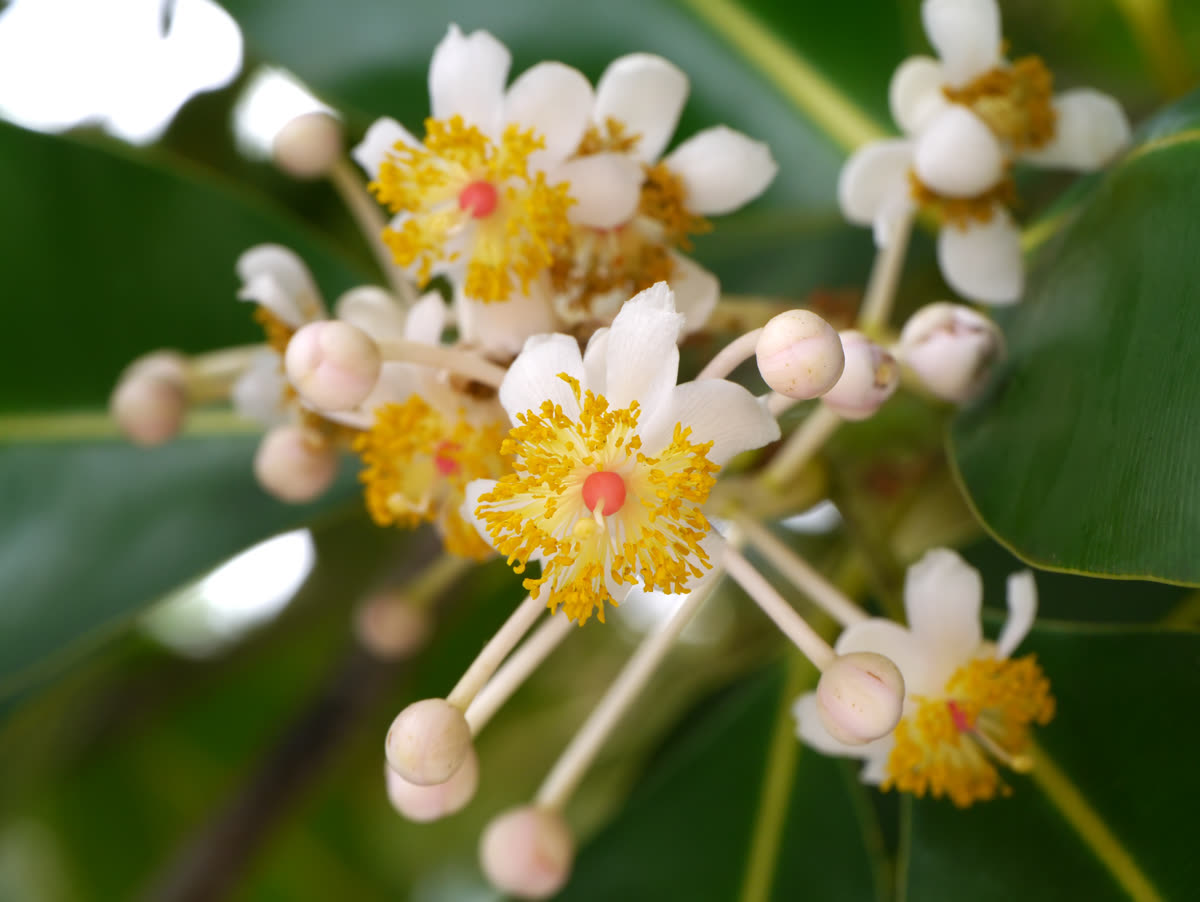
Walk along many tropical Pacific beaches and you may stand under a tamanu: a broad, leaning tree with glossy leaves, sweetly scented white flowers and round green fruit that floats on the tide. Calophyllum inophyllum grows from East Africa and India across Southeast Asia to the islands of the Pacific, and it has many names: tamanu in Tahiti, dilo in Fiji, kamani in Hawaiʻi, fetau in Samoa. In parts of Polynesia it is said to have been planted near marae, sacred ceremonial sites, and its hard wood was valued for canoes and carving.
The oil is a patient craft. The nuts are cracked and the kernels dried for weeks until they turn brown and sticky with oil, then pressed. What comes out is thick, dark green and unmistakable in smell: nutty, earthy, a little like forest floor. In island homes it has long been used on cuts, rashes, insect bites and rough skin.
The science is genuinely interesting and genuinely early. Tamanu oil contains unusual compounds, including coumarins such as calophyllolide and the inophyllums, that are anti-inflammatory, antimicrobial and wound-healing in laboratory and animal studies. Good human trials are few, so it is best described as a traditional favorite with promising early research. Most people find a few drops blended into a lighter oil easier to love than the pure oil.
A friendly caution: allergic skin reactions to tamanu have been reported, and it comes from a nut. Patch test first, use it on small scrapes and dry patches rather than deep or infected wounds, and see a doctor for anything that is not healing.
Coconut and monoi: the scent of tiare
For island peoples, the coconut palm, Cocos nucifera, was food, drink, rope, thatch and oil. Grated coconut flesh was left to release its oil, sometimes in the sun, and the oil was smoothed into skin and hair to protect them from sun, salt and wind, and used to massage babies.
In Tahiti and the Society Islands, that oil was perfumed with flowers to make monoi (mono‘i), “scented oil” in Tahitian. The flower of choice is the tiare, Gardenia taitensis, a small, creamy white star with a heady, sweet scent that is worn behind the ear and given as a welcome. The buds are picked before they open and steeped in coconut oil until the oil carries their perfume. Monoi has been used on newborns, on the hair, in massage and in ceremony.
Since the early 1990s, Monoï de Tahiti has carried a French appellation of origin, widely described as the first for a cosmetic product. To use the name, it must be made in French Polynesia from local coconuts and fresh tiare flowers by an approved method. If you want the real thing, look for that wording; a “monoi-scented” lotion made elsewhere is not the same.
On skin, coconut oil is a good body and hair oil. Small trials in children with eczema-prone skin found virgin coconut oil improved dryness, and on hair its main fatty acid, lauric acid, gets into the strand better than most oils and may reduce protein loss during washing. On the face it can clog pores for some people. And monoi is a beauty oil, not a sunscreen, whatever holiday habit says. The tiare scent can also trouble fragrance-sensitive skin. Compare the classics in our coconut vs olive oil guide.
Aotearoa: mānuka, harakeke and rongoā
In Aotearoa New Zealand, traditional Māori healing is called rongoā. It cares for body, mind, spirit and family together, and it draws on native plants such as kawakawa, a shrub with peppery, heart-shaped leaves used for cuts and aches, and harakeke, New Zealand flax, whose clear gel from the leaf base was applied to burns and wounds. Rongoā is practiced today by trained healers, and some of it is now offered alongside public health services. It belongs to Māori, and much of it is passed on within families and communities rather than written down.
The plant the world knows best is mānuka, Leptospermum scoparium, a tough, white-flowered shrub that colonizes cleared land. Its leaves and bark were used in rongoā, and its nectar gives honey with a strong, almost medicinal flavor and an unusually high level of methylglyoxal, a compound that helps explain its antibacterial activity in the lab. Sterile, medical-grade mānuka honey is used in wound dressings in hospitals. At home, honey is a gentle humectant that draws water into the skin, and any good honey does that; mānuka’s premium matters most in medical products.
Two things to know. Kitchen honey is not sterile, so never put it on open or deep wounds; medical-grade products exist for that. And the name itself is contested: New Zealand producers, including Māori-led groups, argue that “mānuka” is a Māori word for a New Zealand plant, while Australian producers say they have long sold honey from related Leptospermum species under the same name. The dispute is about livelihoods, and about who owns a word.
In 2011 the Waitangi Tribunal published its report on the Wai 262 claim, a long-running case about Māori rights in native plants, animals and traditional knowledge, mātauranga Māori. It recommended much stronger protection and a far greater Māori voice in how that knowledge is used. Any brand working with native New Zealand plants should know it.
Australia: kakadu plum, tea tree and sandalwood
Aboriginal and Torres Strait Islander peoples have cared for the Australian continent for tens of thousands of years, and their knowledge of its plants is immense, specific to Country, and often held under cultural rules about who may know and share it.
Kakadu plum, Terminalia ferdinandiana, is a small, pale green fruit of the open woodlands of northern Australia, known by many names in different languages, among them gubinge in the Kimberley. It has long been eaten as bush food. Analyses have found it among the richest natural sources of vitamin C known, which is why it now appears in serums. Keep expectations honest: an extract in a cream is not the same as a stable vitamin C serum, and evidence on skin is still mostly laboratory work. Many harvests are now run by Aboriginal-owned enterprises and communities, and buying from them keeps more of the value on Country. Find it under Kakadu plum.
Tea tree, Melaleuca alternifolia, grows in the swampy coastal country of northern New South Wales, the land of the Bundjalung people, who used crushed leaves for wounds, coughs and skin troubles. In the twentieth century it became an industry, and tea tree oil is now one of the better-studied botanicals for mild acne: trials of a 5% gel found it reduced spots, more slowly but more gently than benzoyl peroxide. Never use it neat, and keep the bottle closed and cool, because oxidized tea tree oil is a well-known cause of skin allergy. Our tea tree vs benzoyl peroxide comparison has the detail.
Sandalwood has a Pacific story, too. In the early nineteenth century, traders stripped the fragrant sandalwood of Fiji and Hawaiʻi for the China market within a few decades. Western Australia’s own sandalwood, Santalum spicatum, used by Aboriginal people for food and medicine, has been exported since the 1800s and is now harvested under license alongside plantations, and the sandalwood of Vanuatu and New Caledonia is managed more carefully than in the past. Ask for legal, sustainable sources and use the oil well diluted.
Seaweed and the sea
Seaweed is food across the Pacific. In Hawaiʻi, dozens of kinds of limu are gathered and eaten, and families know which reef gives which limu. Māori gathered karengo, a delicate red seaweed much like nori, and used the great leathery fronds of bull kelp, rimurapa, to make airtight bags called pōhā for storing preserved muttonbirds.
In beauty, seaweed (brown algae) extracts are prized for their sugars: slippery polysaccharides such as alginates and carrageenans that hold water, form a light film and leave skin feeling smooth. That effect is real and pleasant. Bigger promises about firming, slimming or drawing out impurities are not supported. Wild seaweed beds are part of fragile reef and kelp ecosystems and, in places, of customary rights, so harvest licensing and local consent matter.
Knowledge that belongs to someone
The Pacific has seen both the worst and the best of how the beauty industry uses Indigenous knowledge. In 2007 the US cosmetics company Mary Kay applied to patent skin-care uses of kakadu plum extract. A formal challenge in 2009 and protests from Aboriginal communities and lawyers pointed out that the fruit and its value were Aboriginal knowledge long before any laboratory, and the company withdrew its Australian application in October 2011, although a related European patent was granted in 2015. Today some Australian states and territories regulate bioprospecting and expect benefit-sharing agreements, and the Nagoya Protocol sets the same principle internationally.
Good practice is easy to describe: the community is asked first, agrees freely, sets terms and shares in the income, and its name and Country are credited. The Monoï de Tahiti appellation shows another approach, using the law to keep a traditional product tied to its place and people.
- Look for named Aboriginal-owned, Māori-owned and Pacific Island producers and cooperatives.
- Be wary of brands that use sacred words, designs or ceremonies as decoration.
- Ask where the oil, fruit or honey was grown, and who was paid.
Our Sustainable & Ethical Botanical Sourcing guide has more questions to ask.
Respect is not a mood on a label. It is a contract, a credit and a fair share.
The signature plants
Tamanu OilCPromisingThe thick green oil of a sacred shore tree, slowly pressed from dried kernels and long used across Polynesia on scrapes, bites and rough skin.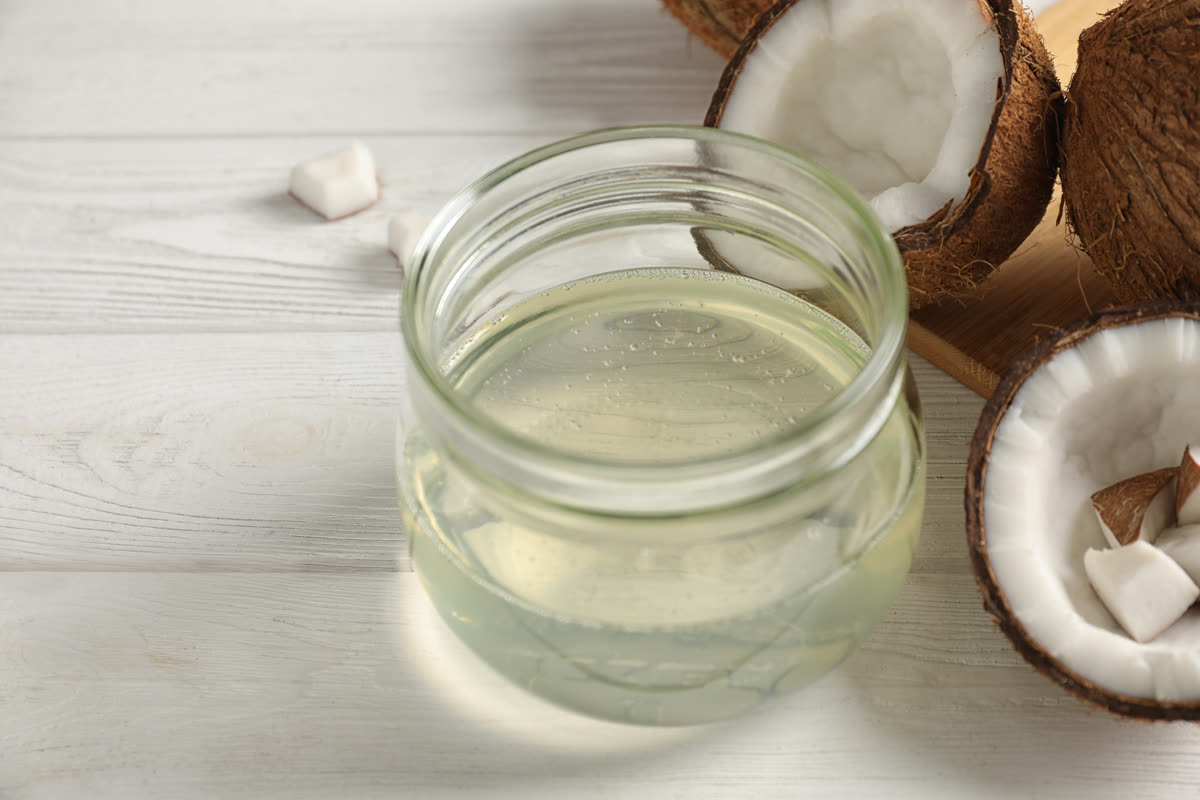 Coconut OilBGood evidenceA canoe plant carried from island to island; the oil behind Polynesian skin and hair care and the base of Monoï de Tahiti.
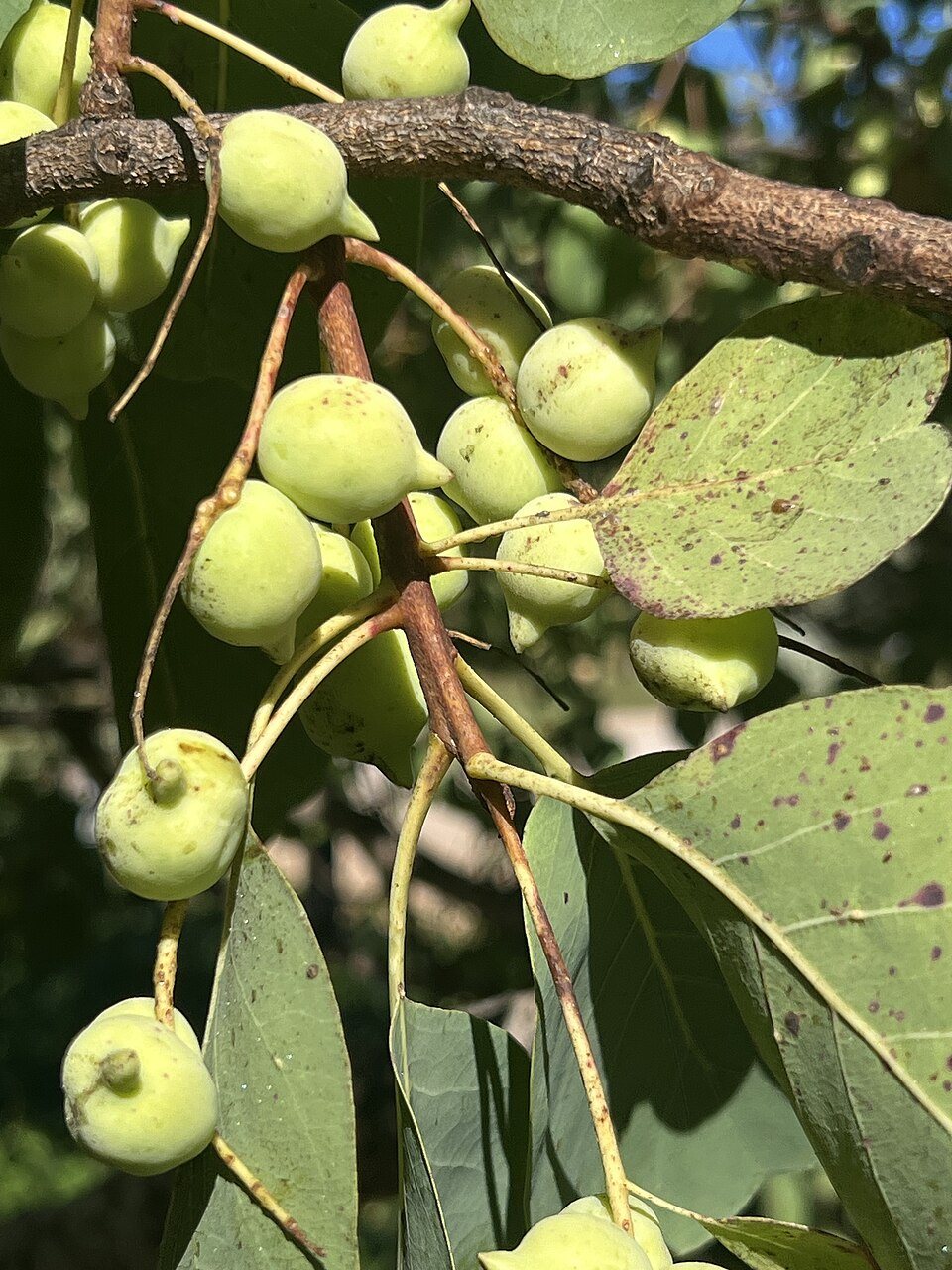 Kakadu PlumDTraditional wisdomA bush food of northern Australia, exceptionally rich in vitamin C; best bought from Aboriginal-owned harvests.
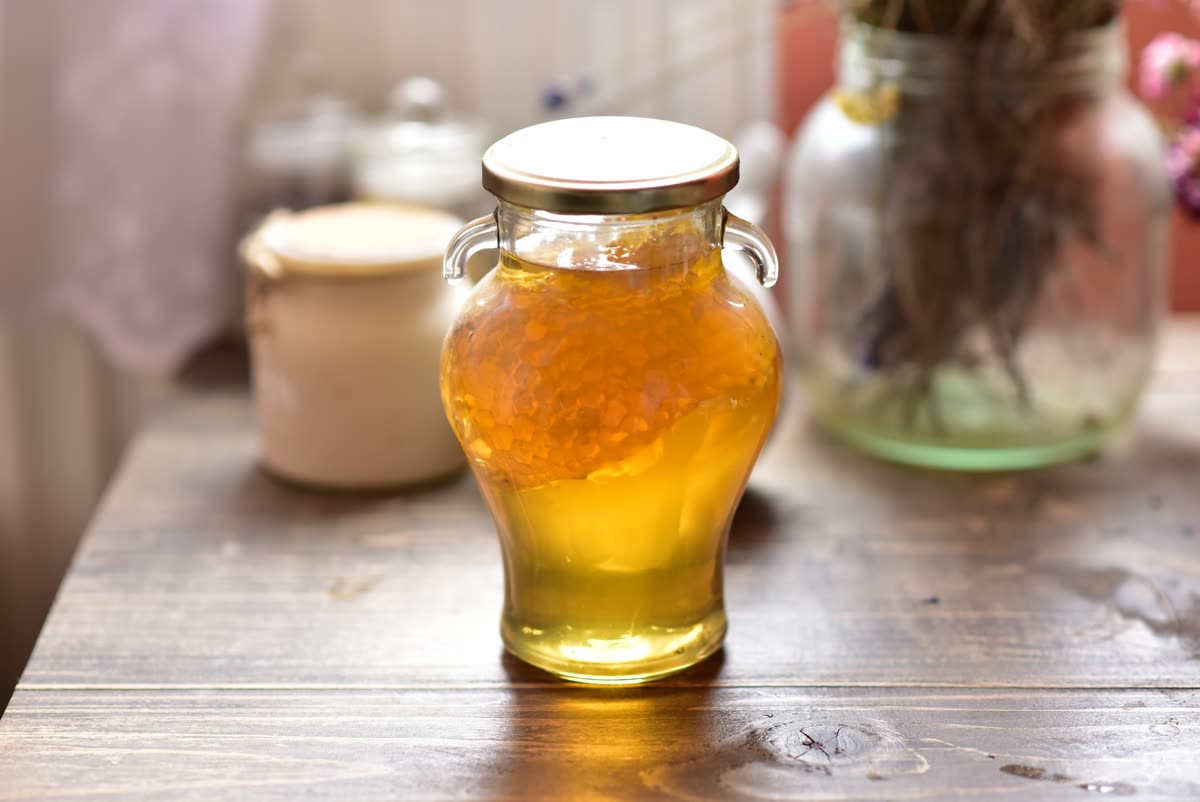 HoneyBGood evidenceMānuka honey of Aotearoa, rich in methylglyoxal and used in medical-grade wound dressings; any good honey is a gentle humectant at home.
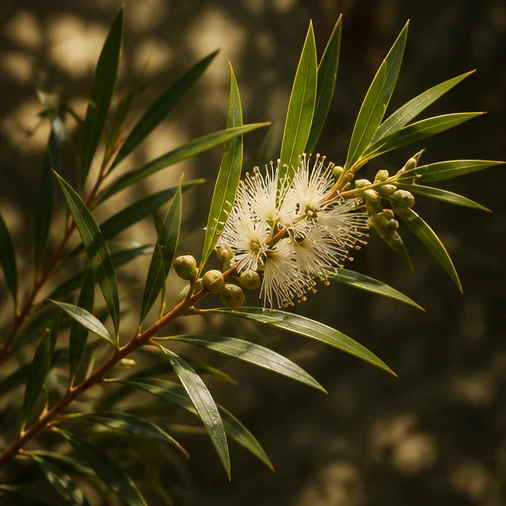 Tea TreeBGood evidenceA Bundjalung remedy turned global antiseptic oil, with real trial evidence for mild acne when well diluted and kept fresh.
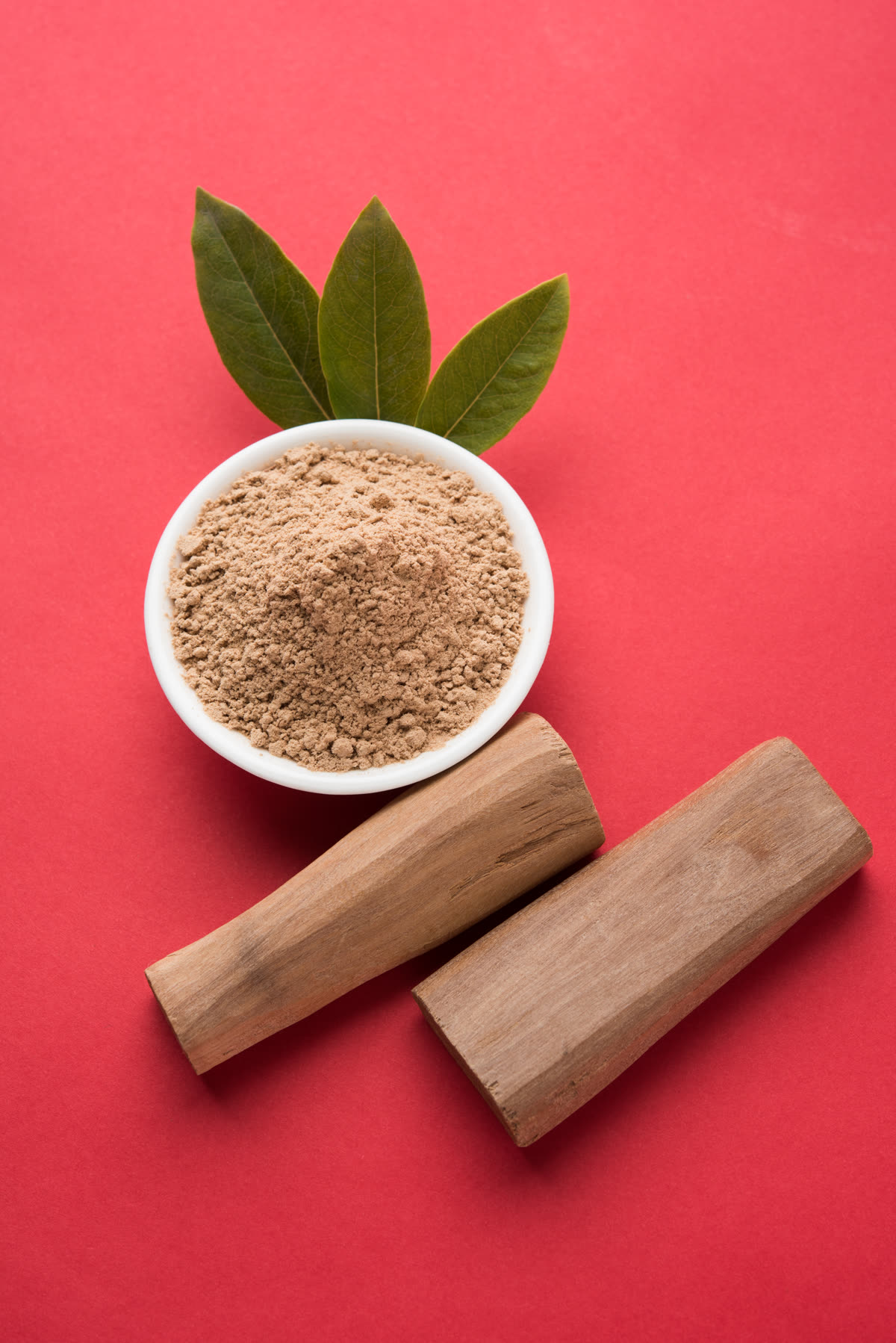 SandalwoodCPromisingThe fragrant wood of Pacific islands and Western Australia, once stripped by traders and now harvested under license.
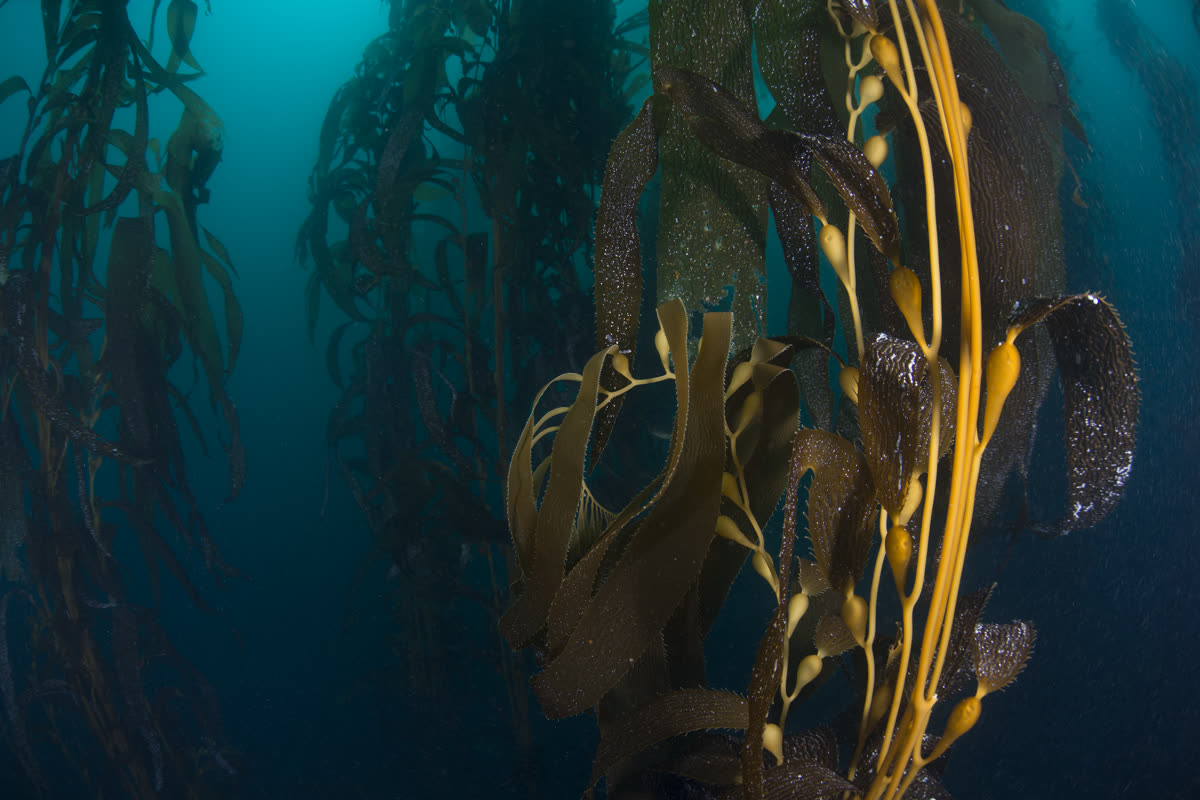 Seaweed (Brown Algae)CPromisingLimu, karengo and kelp: food and craft material across the Pacific, and a water-binding, skin-smoothing extract in beauty.
After the sea, the island way
- A week before, patch test tamanu oil and any monoi on your inner arm as in our guide (twice daily for 7 days, read at 48 and 96 hours). Skip tamanu if you have a tree-nut allergy until you have checked with your doctor.
- After a day of sun and sea, rinse off salt and sand in a cool shower. If your skin is sunburned, skip the oils tonight and use a cool compress and plain aloe vera gel instead; blistering burns need a doctor.
- Before washing your hair, warm a teaspoon of coconut oil or monoi between your palms and smooth it through dry lengths and ends. Leave it for twenty to thirty minutes, then shampoo as usual.
- Pat your body until damp and smooth a little monoi or coconut oil over arms, legs and shoulders.
- For small rough patches, stir one or two drops of tamanu oil into a teaspoon of a lighter oil and press it in. Keep it off broken or infected skin.
- In the morning, put on a broad-spectrum sunscreen before you head out again. Monoi smells of holidays, but it is not sun protection.
Continue the journey
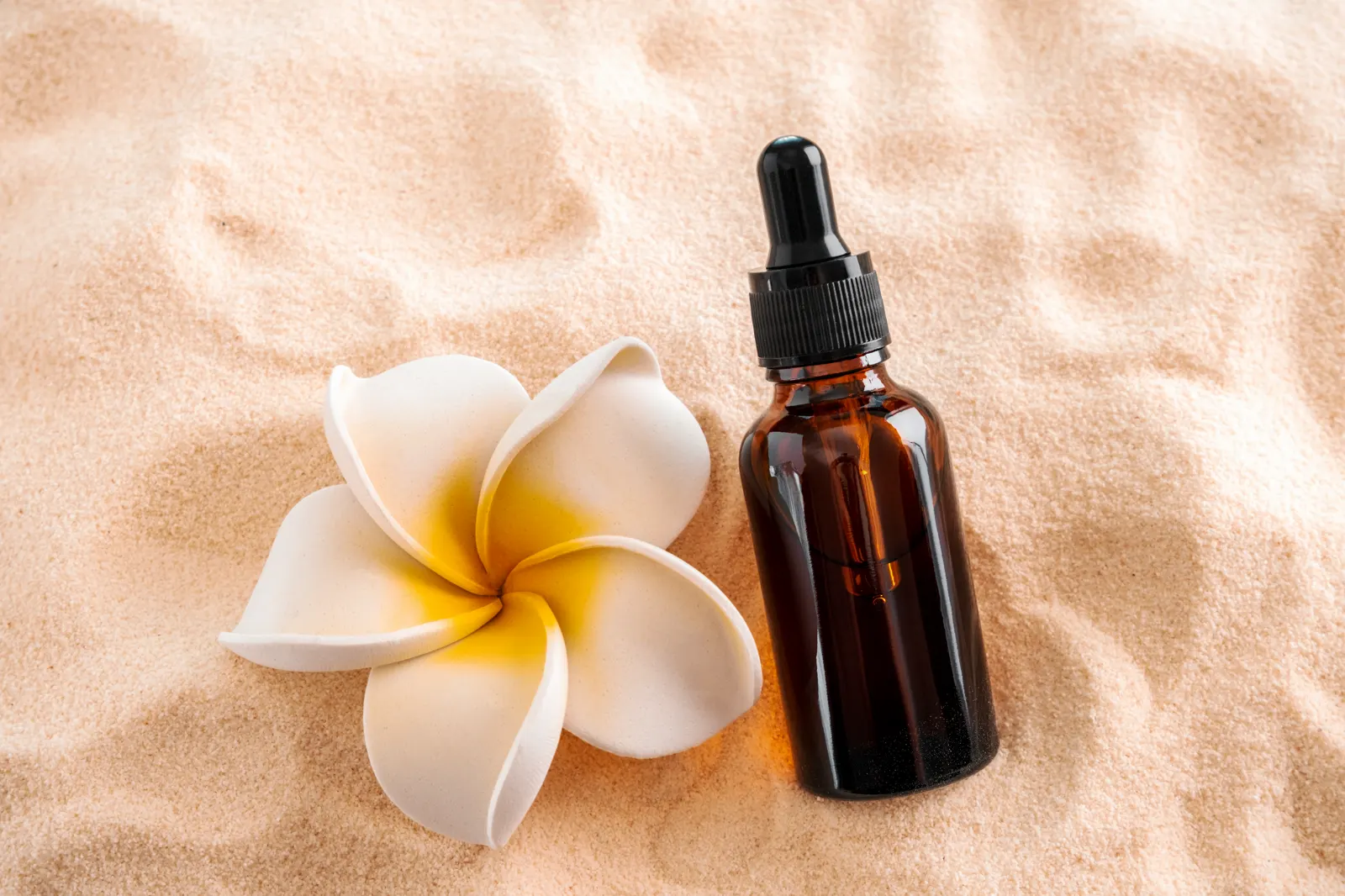 A Monoï Glow, the Polynesian WayTiare flowers steeped in coconut oil: Tahiti’s monoï is a scented body and hair oil with deep roots. How to use it well, and why it isn’t sun care.
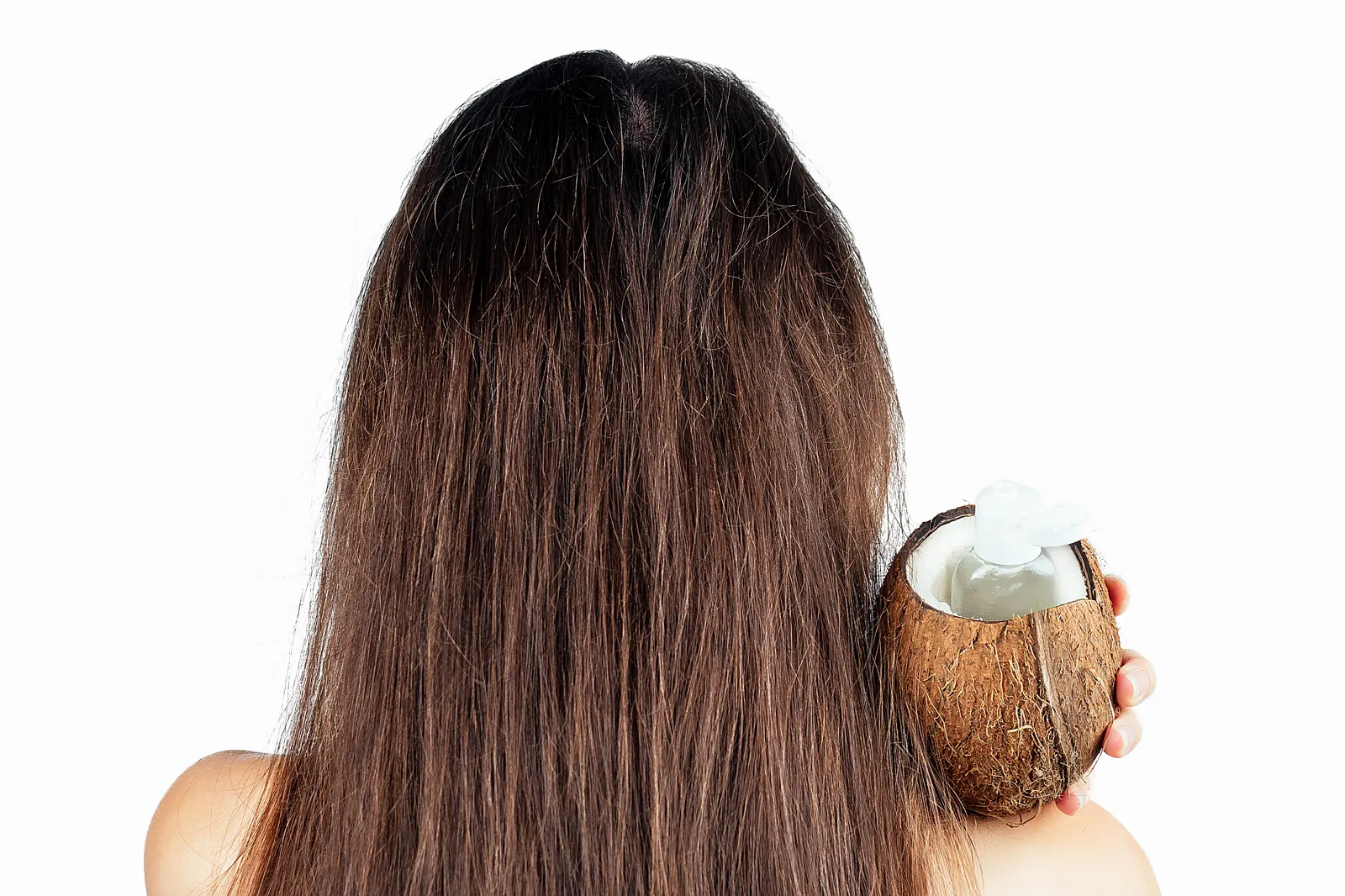 Coconut Oil Before ShampooA pre-shampoo coconut step using a labeled hair product and its own amount and contact time. Fiber evidence, yes; hair-growth evidence, no.
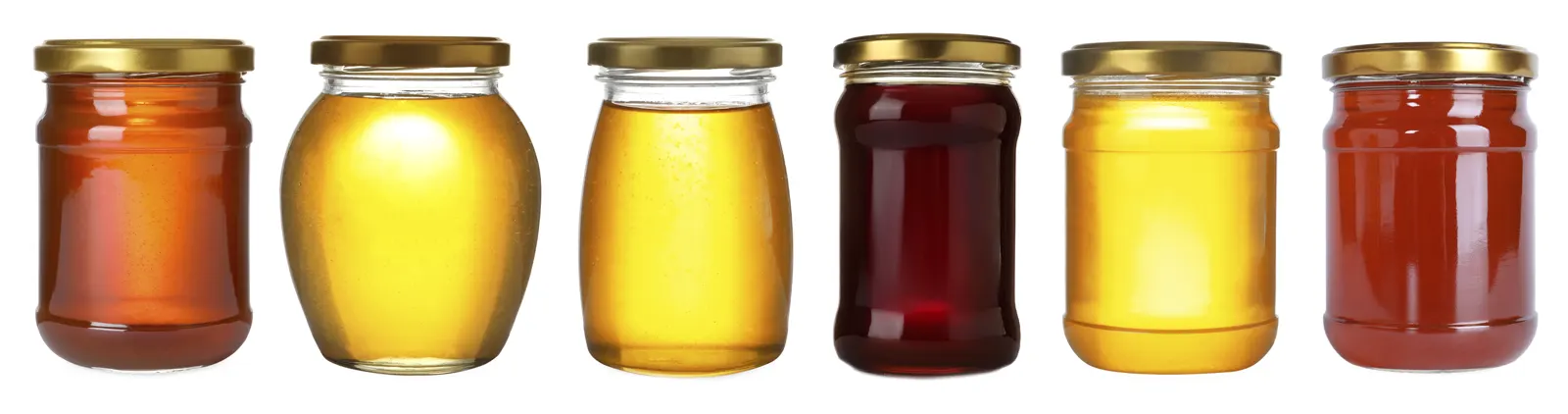 The Honey Mask: Medical-Grade or Supermarket Jar?A weekly honey mask for dry, dull or redness-prone skin, and the honest difference between medical-grade honey and the jar in your kitchen.
 Pick Your Body Oil: Sunflower, Jojoba or Olive?Not all plant oils treat the skin barrier alike. How to choose a body oil for dry skin, and a simple one-leg test to see what suits you.
 Soak and Seal: The Three-Minute Rule for Eczema-Prone SkinMoisturize within three minutes of bathing, on still-damp skin. A simple winter habit for eczema-prone and very dry skin, with the evidence behind it.
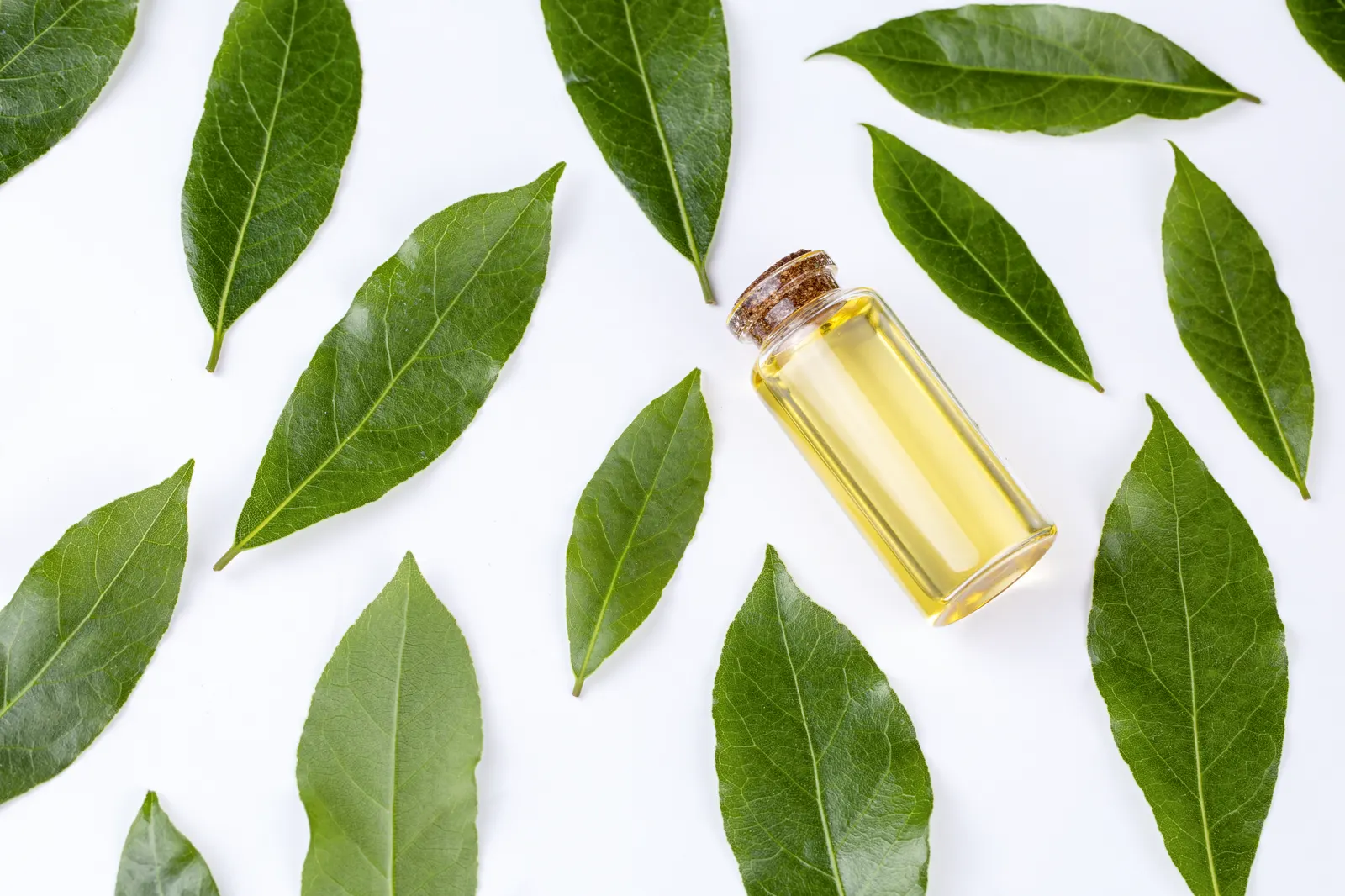 Serum · IntermediateTea Tree Blemish Spot GelA 5% tea tree oil spot gel — the strength used in the classic acne trial — solubilized and preserved for dabbing on individual blemishes.
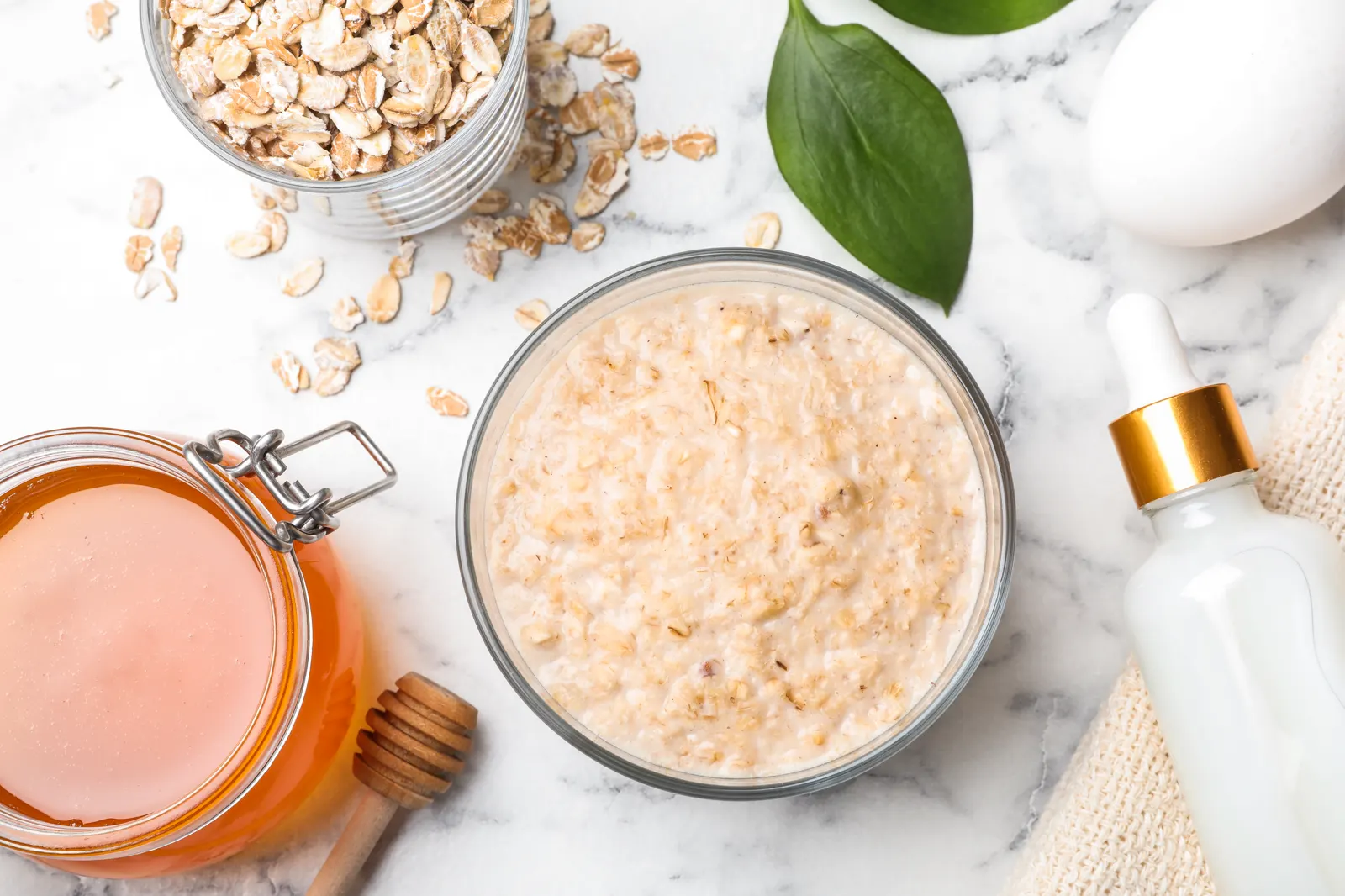 Cleanser · BeginnerHoney & Oat Gentle CleanserA no-foam, single-use cleansing paste of raw honey, colloidal oatmeal, rose water and jojoba for dry or sensitive skin that hates feeling squeaky.
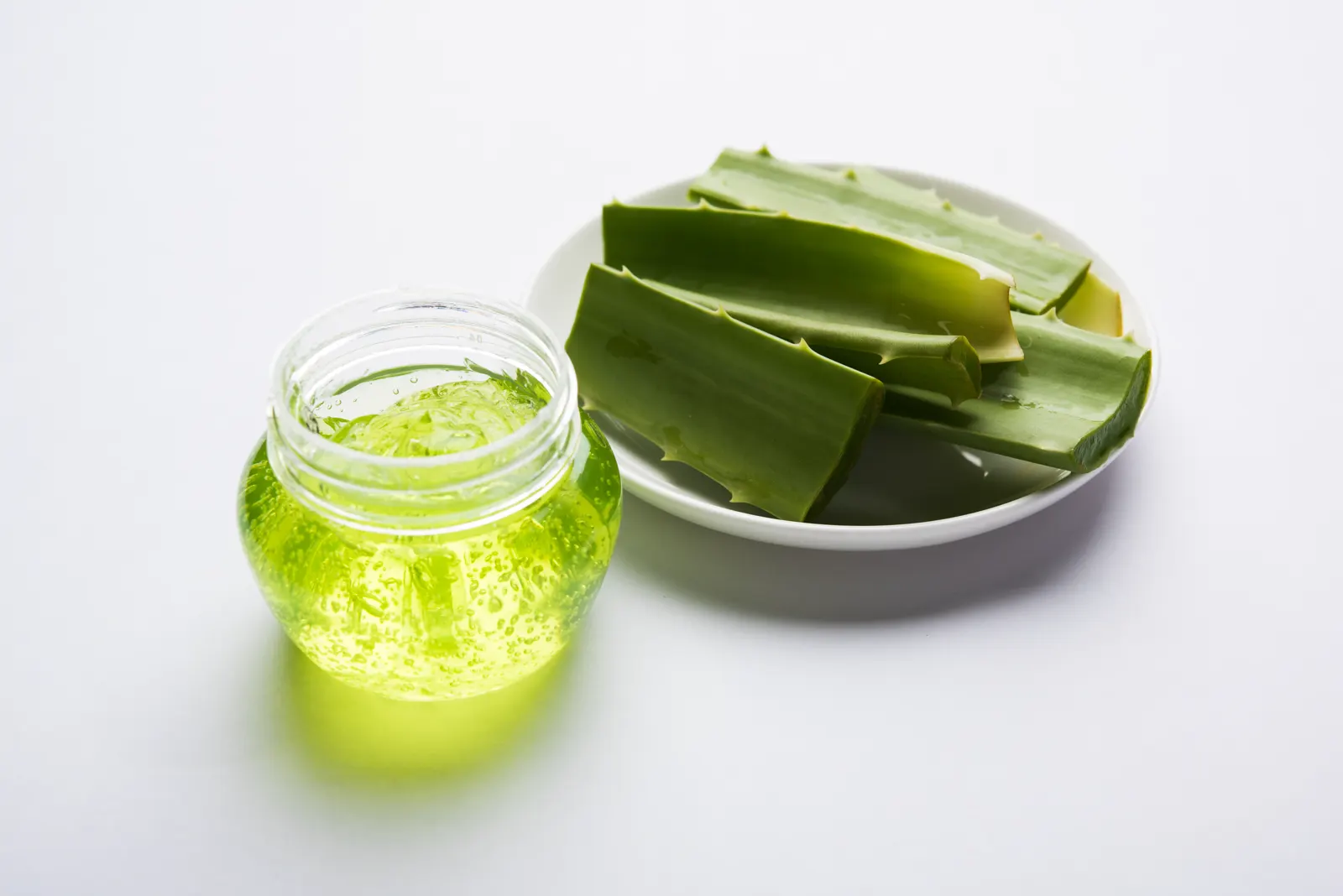 Body care · IntermediateCooling Aloe After-Sun GelA preserved aloe vera gel with panthenol and glycerin to cool and comfort skin after a day outdoors. Not a sunscreen; gives no sun protection.
GuideSustainable & Ethical Botanical SourcingAt-risk botanicals, CITES and the IUCN Red List, argan cooperatives, RSPO palm, upcycled ingredients, adulteration and the questions to ask suppliers.GuideEssential Oil Safety: The Complete GuideDilution by use, phototoxic citrus limits, oxidation and allergy, IFRA standards, and special care for children, pregnancy and pets.GuideCarrier Oils: The Formulator’s GuideFatty acid chemistry, oxidative stability and skin feel for 12 core oils, plus why comedogenic ratings mislead and how to store oils well.