· Hair & scalp · 30 min
Champi, Shared: An Oil Head Massage for Someone You Love
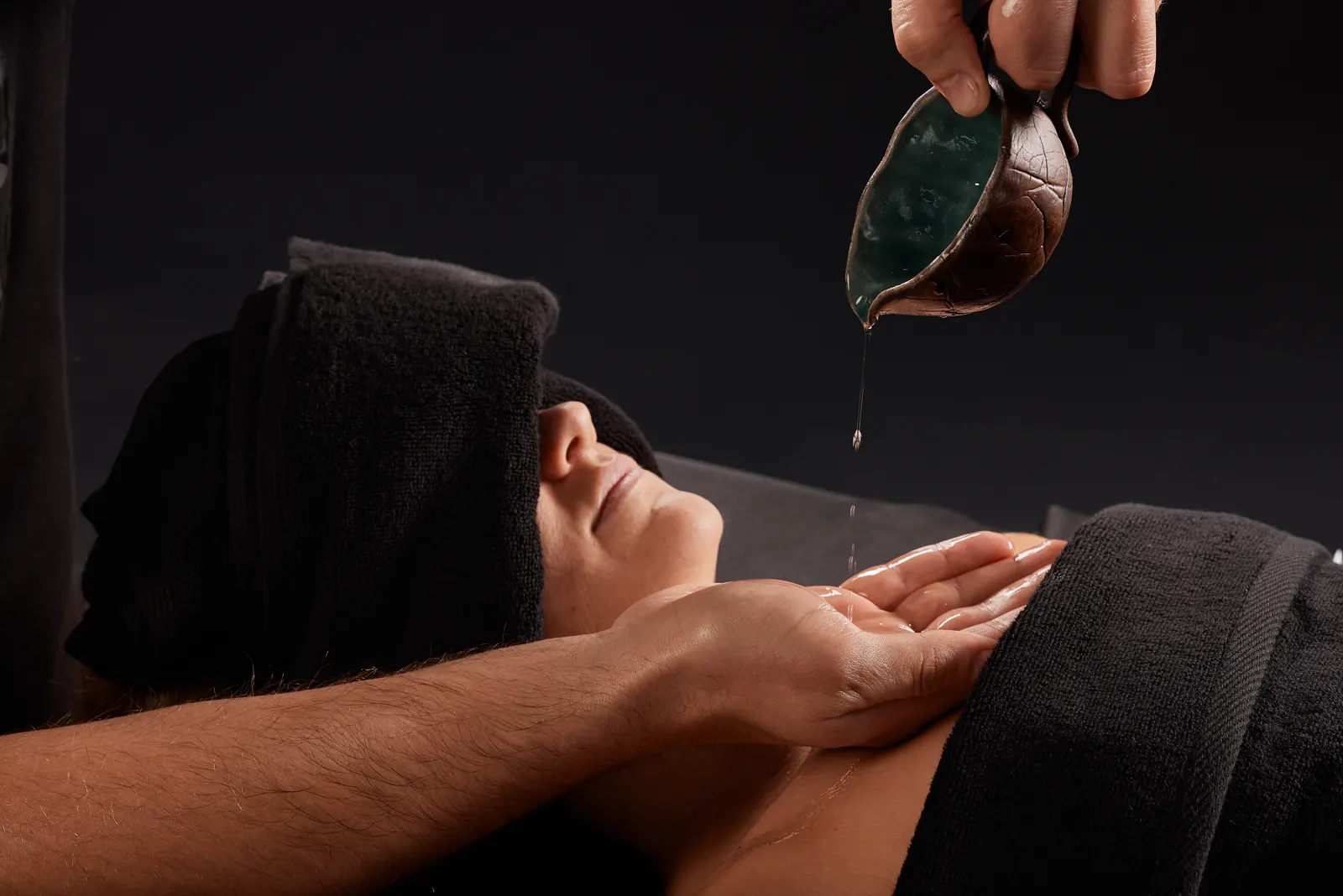
The Indian champi is often given, not done alone. Warm oil, slow fingertips and quiet company: a family ritual for the scalp and for calm.
- Time
- 30 min
- Evidence
- CPromising
- Time
- 30 min
- Evidence
- CPromising
You’ll need
- 2–3 tablespoons of coconut oil, or an amla-infused hair oil
- A small bowl set inside a larger bowl of hot water, to warm the oil
- A comb, a towel for the shoulders and a low stool or cushion
- Your usual shampoo for later
Promising: Small human and lab studies support scalp massage and coconut oil for hair condition; the calming effect rests on tradition and experience.
Formulator’s tip
Let the parts do the work, not the oil. Oil dabbed along neat parts reaches the scalp with a fraction of the amount you would use pouring it on top.
Step by step
- Warm the oil gently in its water bath. Test a drop on the inside of your wrist: it should feel pleasantly warm, never hot.
- Seat your person comfortably below you, shoulders draped in the towel. Comb the hair and make parts about two finger-widths apart.
- Dip your fingertips and dab oil along each part, then work it into the scalp with small, firm circles of the finger pads, never the nails.
- Move around the head: hairline, temples, crown, behind the ears and down to the nape. Ask “More or less pressure?” and listen.
- Finish with a few slow strokes down the neck and over the shoulders, then smooth any leftover oil through the ends.
- Leave the oil in for 30 minutes to an hour, then shampoo, lathering twice if needed.
Why it works
A champi brings together two things with some evidence behind them. Regular scalp massage was linked with thicker-looking hair in one small study, and lab work suggests coconut oil can reduce protein loss from hair during washing. Amla (Indian gooseberry) is a classic Ayurvedic hair herb, loved for centuries and supported mostly by tradition and lab studies.
The most reliable benefit is simpler: slow, caring touch is deeply relaxing, and regular oiling leaves lengths softer and shinier. It won’t treat hair loss on its own; see Thinning Hair & Hair Loss if shedding worries you.
Where it comes from
Champi (from the Hindi chāmpo, “to press, to knead”) is the root of the English word “shampoo”. Across India, coconut oil is the favorite in the south, mustard oil is common in the north, and oils infused with amla or hibiscus are family staples.
Enjoy it safely
- Always test the oil temperature on your wrist before it touches anyone’s scalp, especially a child’s.
- With dandruff or a flaky, itchy scalp, oil the lengths only; heavy oils can make flaking worse for some people.
- Skip the scalp if there are cuts, sores or a rash, and use very light pressure for young children and older adults.
Ingredients in this ritual
 No. 031
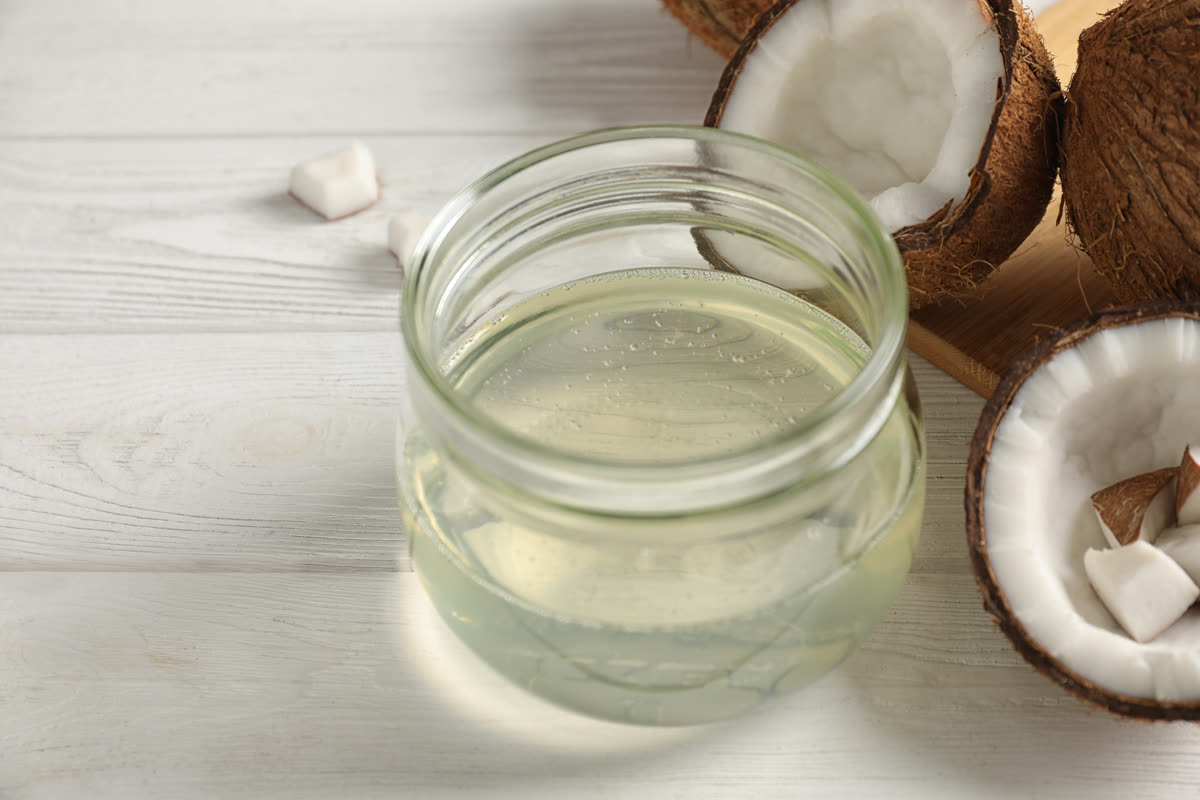
Coconut OilCocos nucifera L.The kitchen-cupboard classic with real trial support for dry skin, plus a pre-wash hair coat that helps protect every strand.
 No. 023
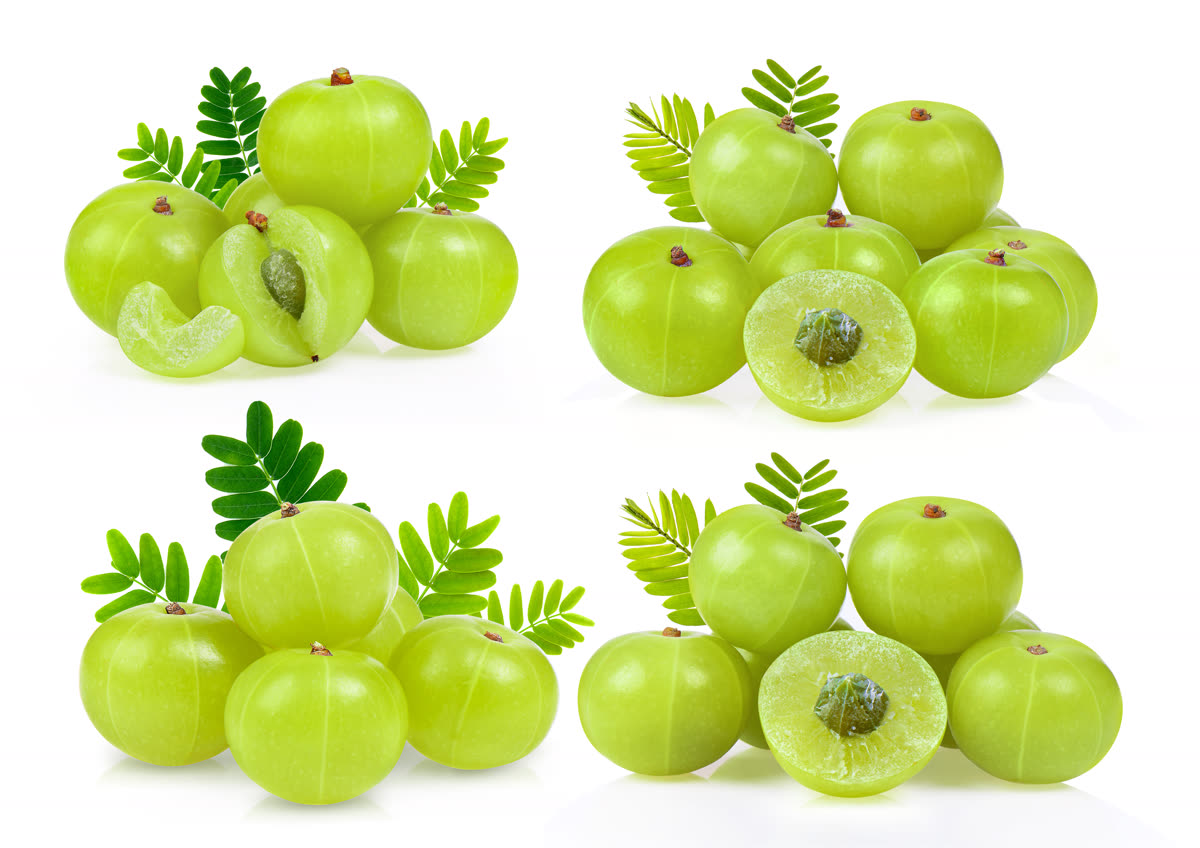
Amla (Indian Gooseberry)Phyllanthus emblicaTangy amla, the Indian gooseberry, is an Ayurvedic hair tonic that leaves lengths soft, glossy and cared for.
Go further
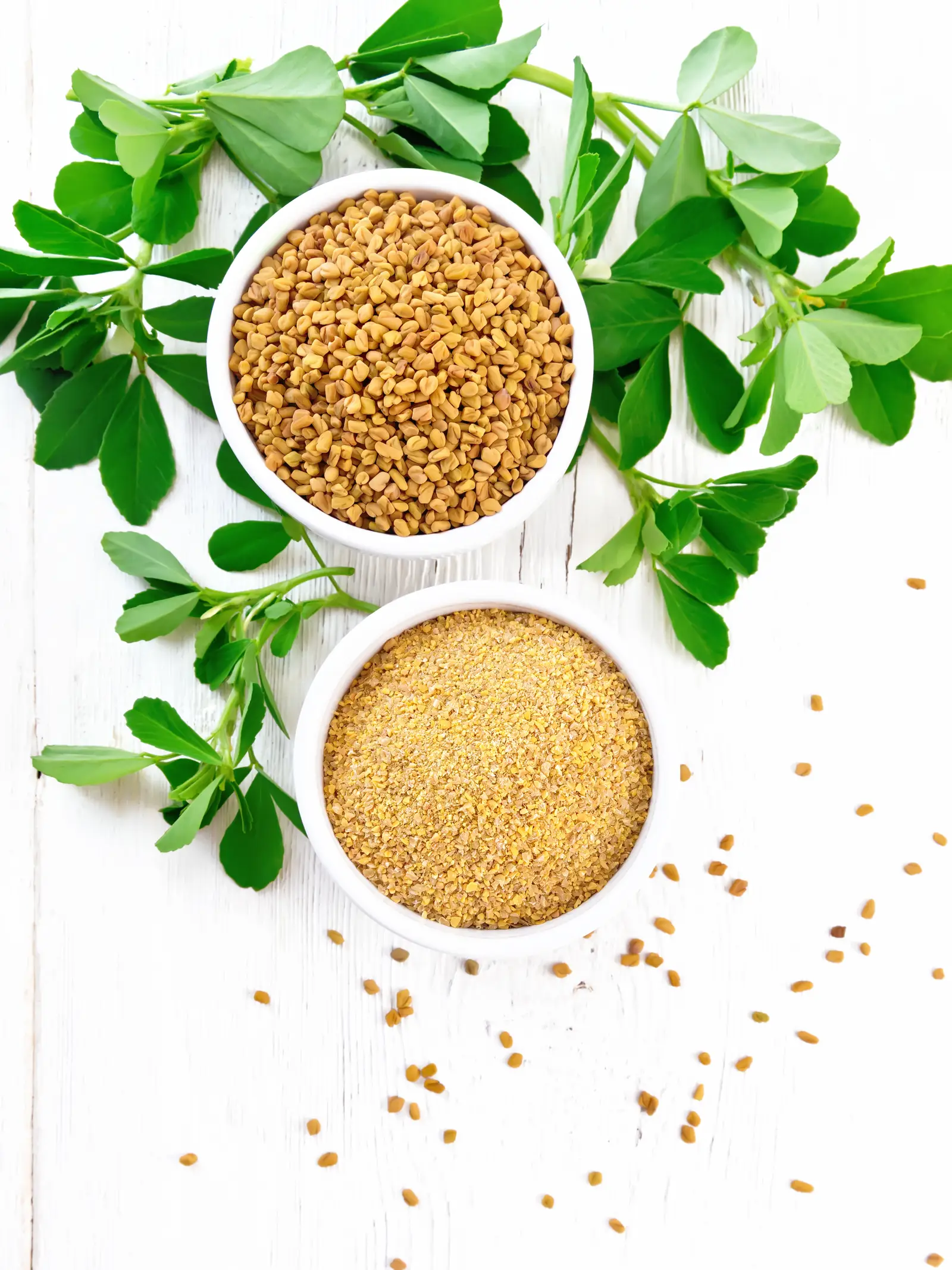 Hair care · BeginnerFenugreek & Amla Hair MaskAn Ayurveda-inspired pre-wash mask of fenugreek, amla, yogurt and coconut oil to soften, add slip and condition dry or frizzy hair.
TraditionThe Ayurvedic ShelfTurmeric, neem, amla, sandalwood and the loving art of hair oiling: South Asia’s beauty traditions, how to enjoy them today and what to know to use them safely.
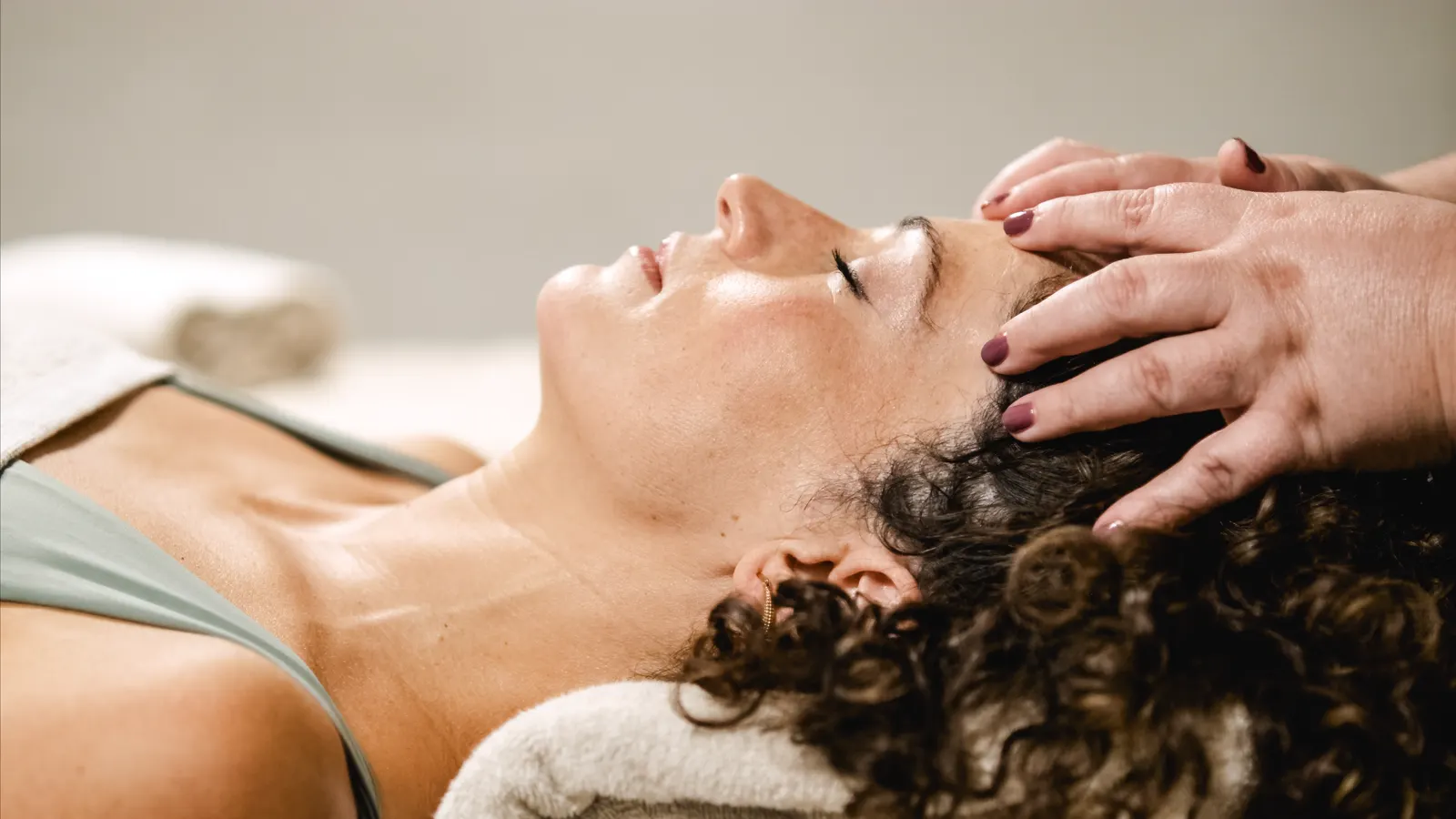 The Four-Minute Scalp MassageA daily four-minute scalp massage: relaxing, free, and backed by one small study on hair thickness. Here is how to do it and what it can’t promise.
ConcernThinning Hair & Hair LossPattern hair loss, telogen effluvium and alopecia areata explained — what rosemary can and cannot do, and why minoxidil remains the benchmark.