· Evening · 5 min
Korean Layering, Kept Simple
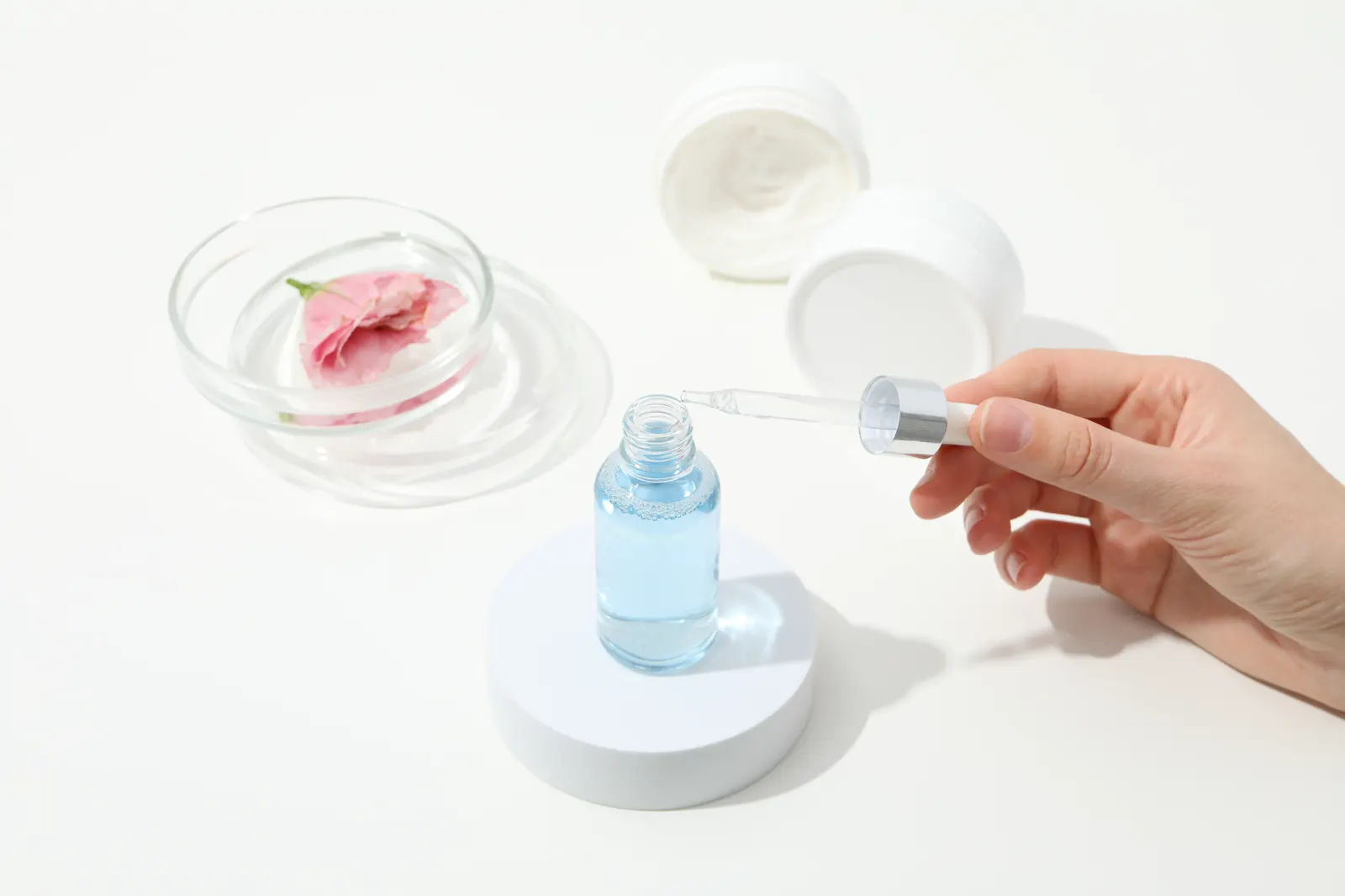
Thin to thick, press don’t rub: the heart of Korean skincare layering in four calm evening steps, no ten-step shelf required.
- Time
- 5 min
- Evidence
- CPromising
- Time
- 5 min
- Evidence
- CPromising
You’ll need
- A gentle cleanser
- A hydrating toner or essence (watery and alcohol-free)
- Optional: one serum you already use and like
- A moisturizer or a richer sleeping cream
Promising: Combining humectants and emollients is well supported; layering order and multi-step routines themselves have not been tested in trials.
Formulator’s tip
Use your palms, not a cotton pad. Pressing toner in by hand wastes less product and avoids the friction of repeated wiping.
Step by step
- Cleanse gently and pat your face almost dry, leaving it a little damp.
- Pour a few drops of toner or essence into your palms and press it into your skin. Pat, don’t rub. One layer is enough; add a second only if your skin still feels thirsty.
- If you use a serum, apply it next, again pressing it in with flat palms.
- Finish with moisturizer. On dry nights, a slightly thicker cream seals everything in.
- If products start to pill or feel sticky, wait a minute between layers. Fewer, thinner layers beat more, thicker ones.
- In the morning, keep it shorter: toner, moisturizer and sunscreen.
Why it works
Layering works because of one simple rule: watery, humectant layers (glycerin, hyaluronic acid, plant extracts) draw water into the top of the skin, and richer, oilier layers slow it from evaporating. Put them on in reverse and a heavy cream can stop thinner products spreading evenly. That logic is solid. The idea that more steps mean better skin is not, and every extra product is one more chance of irritation.
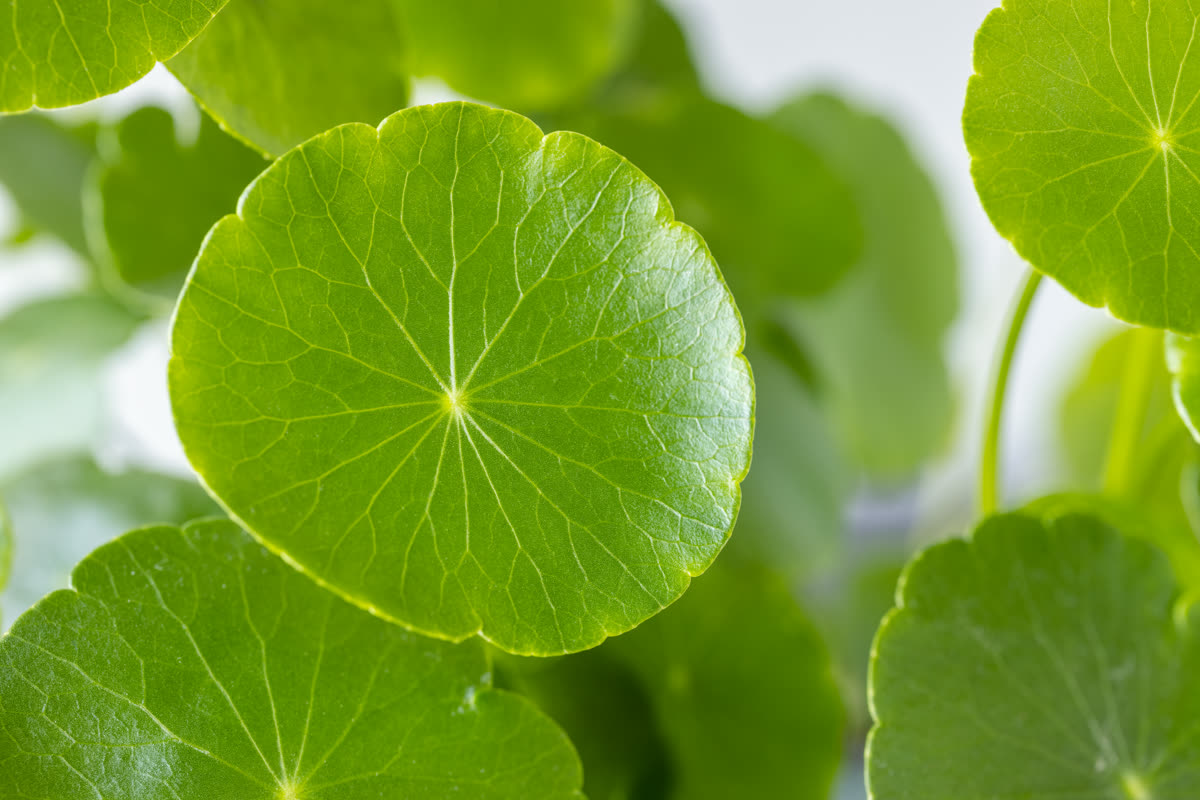
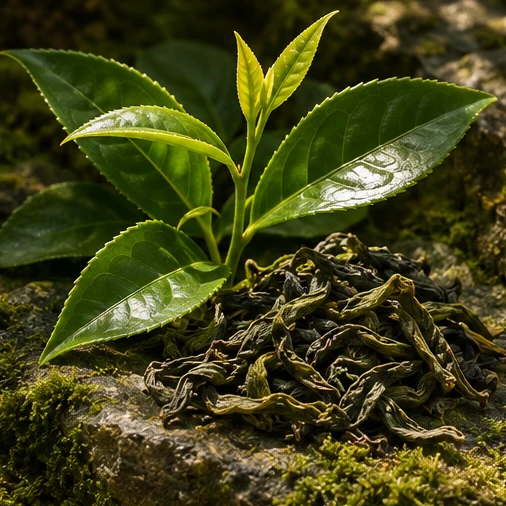
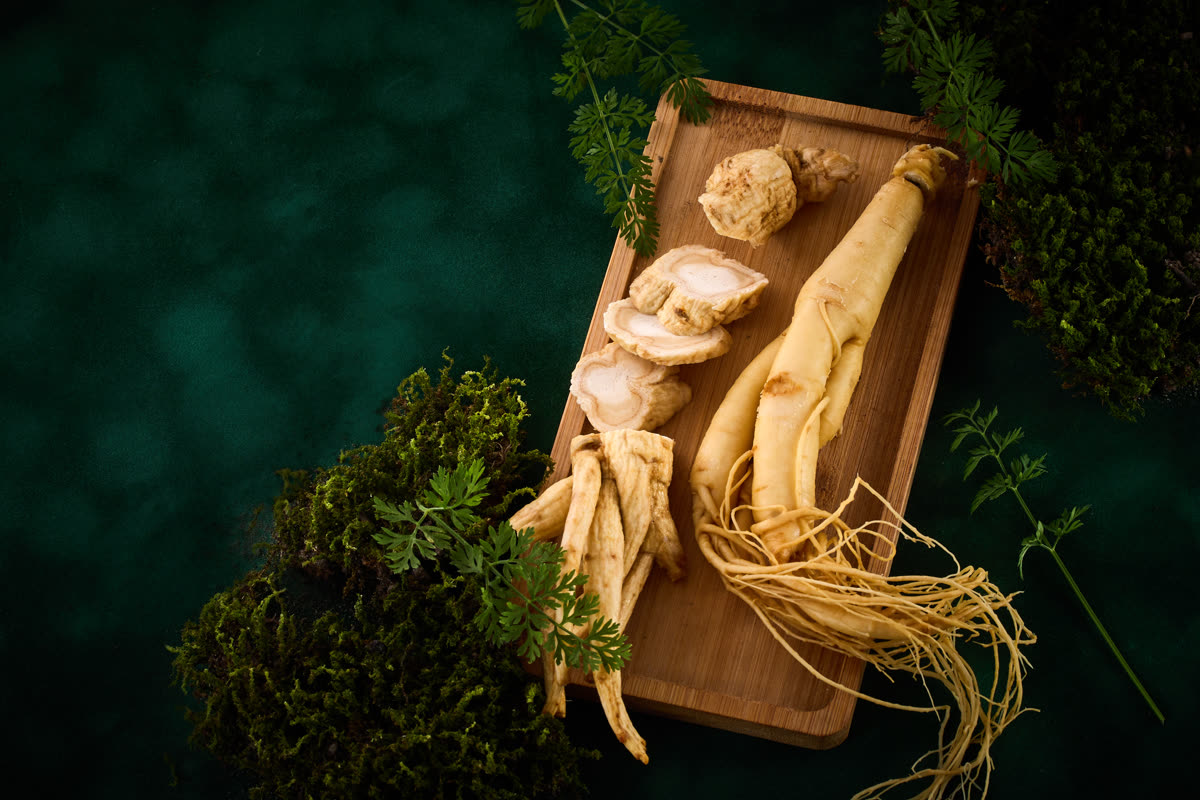
Favorite Korean ingredients include centella asiatica (cica) (often labeled “cica”), green tea and ginseng. Centella has the most supportive research for soothing and barrier support, though most studies are small. To build your own short list, see Build a Routine That Works (Minimal & Evidence-Based).
Where it comes from
Korean skincare draws on hanbang, Korea’s herbal medicine tradition, which treasures ingredients like ginseng, and on an everyday culture of gentle cleansing and daily sun protection.
Enjoy it safely
- Add one new product at a time and patch test it first (How to Patch Test).
- Choose alcohol-free, lightly fragranced or fragrance-free toners if your skin is sensitive.
- If you use a prescription treatment, ask where it fits; usually on clean, dry skin before moisturizer.
Ingredients in this ritual
 No. 004
Centella Asiatica (Cica)Centella asiaticaCica, the beloved “tiger grass” of Asian skincare, brings calm and comfort to stressed, reactive skin.
 No. 005
Green TeaCamellia sinensisThe morning cup that doubles as a skin ally: green tea brings antioxidant calm to oily, breakout-prone skin.
 No. 064
GinsengPanax ginseng C.A.Mey.The prized root of Korean beauty rituals, bringing antioxidant care to essences, toners and creams.
Go further
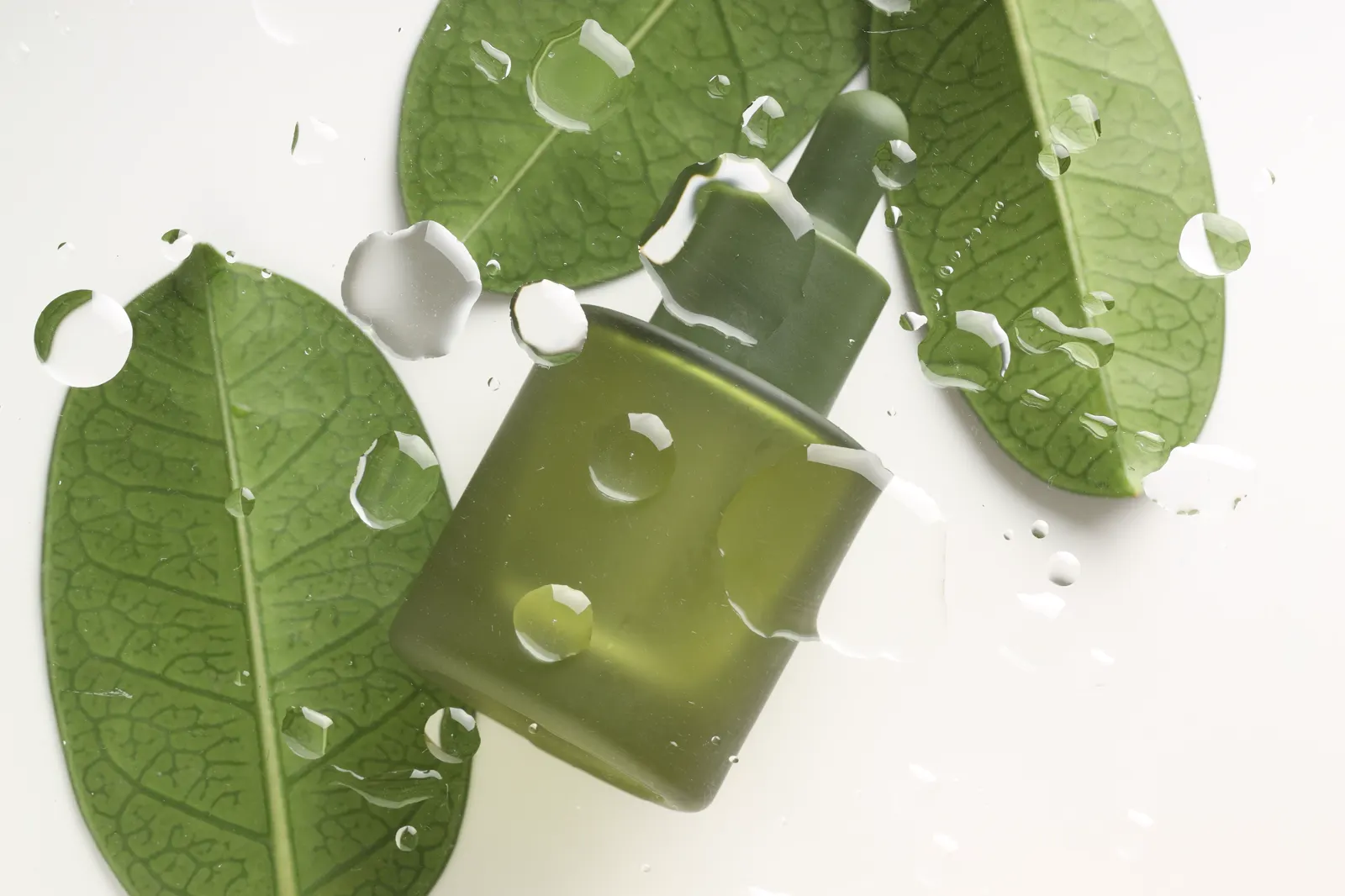 Toner · IntermediateGreen Tea & Centella Soothing TonerA preserved, alcohol-free toner with green tea, centella, witch hazel and panthenol to hydrate and calm, formulated to pH 5.0–5.5.
TraditionThe East Asian ShelfGreen tea, camellia oil, rice, yuzu baths, ginseng and centella: the plants behind Chinese, Japanese and Korean beauty, and the gentle art of layering.GuideBuild a Routine That Works (Minimal & Evidence-Based)Cleanse, treat, moisturize, protect: application order, introducing products one at a time, how long to wait for results and sample routines by skin type.GuideHow to Patch Test (and Read the Result)A step-by-step at-home patch test (ROAT), how to tell irritation from allergy, and when you need proper dermatologist patch testing.