· Seasonal · 2 min
Lip Care for Cold, Windy Days
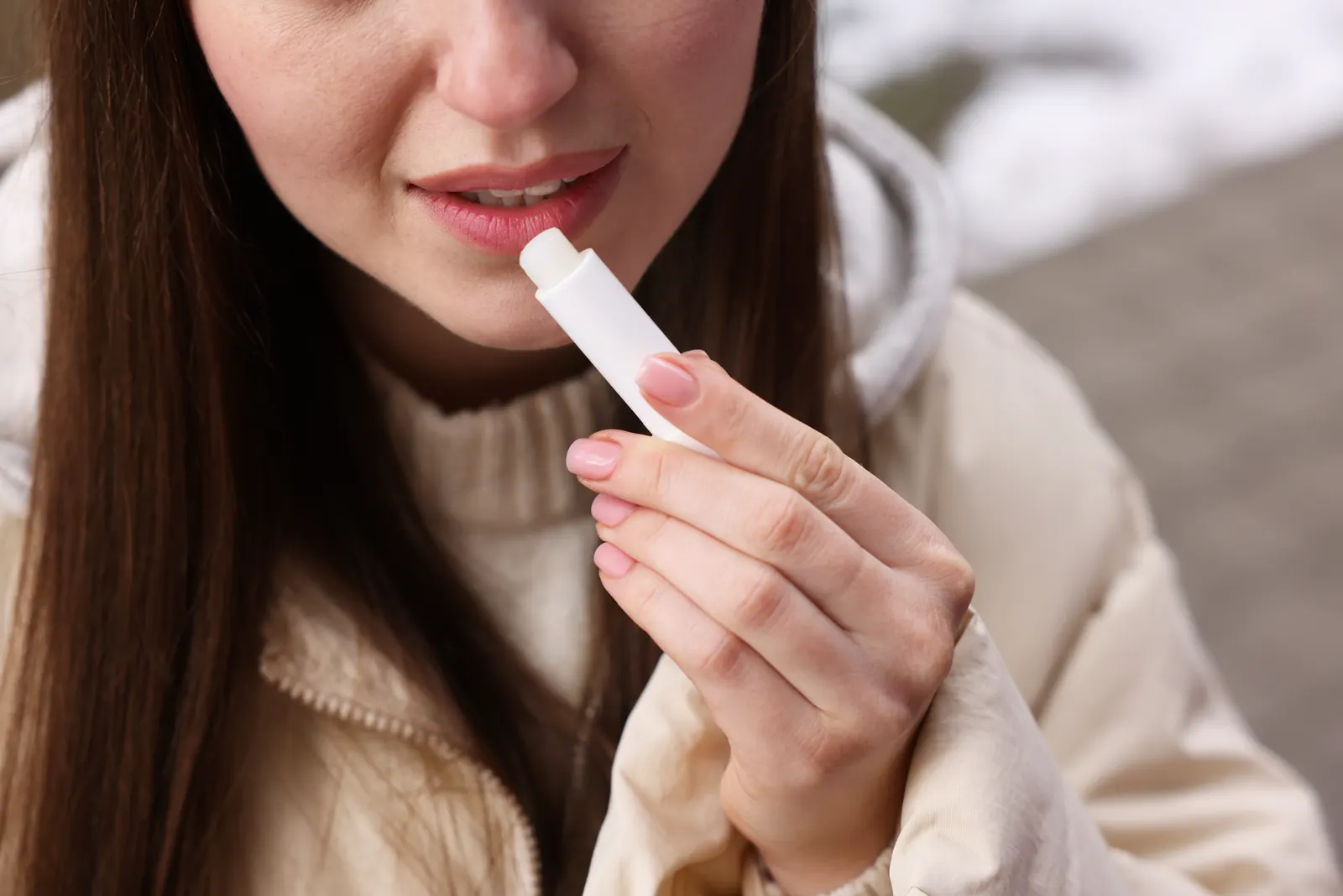
Chapped lips in the cold wind? Stop licking, seal before you step out, and choose a plain balm over minty ones. A two-minute routine that works.
- Time
- 2 min
- Evidence
- CPromising
- Time
- 2 min
- Evidence
- CPromising
You’ll need
- A plain, fragrance-free lip balm, such as Shea & Calendula Lip Balm or a simple petrolatum balm
- An SPF lip balm for daytime outdoors
- A clean, soft, damp washcloth
Promising: Occlusion and avoiding irritants are well-grounded dermatology advice, but trials comparing lip balm ingredients are few and small.
Formulator’s tip
Keep one balm in your coat pocket and one by your bed. The overnight layer does more for chapped lips than ten daytime swipes.
Step by step
- Morning: after brushing your teeth, pat your lips with lukewarm water so they are just damp.
- Apply a thin layer of balm right away, pressing it on rather than dragging it.
- Before going outside, add an SPF lip balm, or wear a scarf over your mouth on bitter days.
- Through the day, reapply whenever lips feel tight, and especially after eating and drinking. Do not lick them, even when they feel dry.
- At night, apply a thick layer and leave it on as an overnight mask.
- If flakes have lifted after a few days, soften them with the damp washcloth and let them come away on their own. Do not pick, and skip lip scrubs while lips are cracked.
Why it works
Saliva feels soothing for a second, then evaporates and takes more water with it, and its digestive enzymes irritate the lip surface, which is why licking makes chapping worse. An occlusive balm traps water instead. Shea butter and beeswax give staying power, castor oil adds a glossy, clinging film, and calendula is a traditional soothing botanical.
Many lip balms contain menthol, camphor, peppermint or cinnamon flavors that create a cooling tingle; on chapped lips these can irritate and encourage the reapply-and-lick cycle. Evidence for specific lip ingredients is limited, but the principle of occlusion and avoiding irritants is sound. The lower lip also takes a lot of sun over a lifetime, so SPF lip balm is worth the habit year-round. See Dry & Dehydrated Skin.
Enjoy it safely
- Contact allergy to lip products is not rare; fragrance, flavorings, propolis and occasionally castor oil are known culprits. Patch test a new balm on the inner arm first.
- Cracks at the corners of the mouth that last more than two weeks may be angular cheilitis and can need treatment; see a doctor or pharmacist.
- A persistent rough, scaly or sore patch on the lip, especially the lower lip, should be checked by a doctor.
Ingredients in this ritual
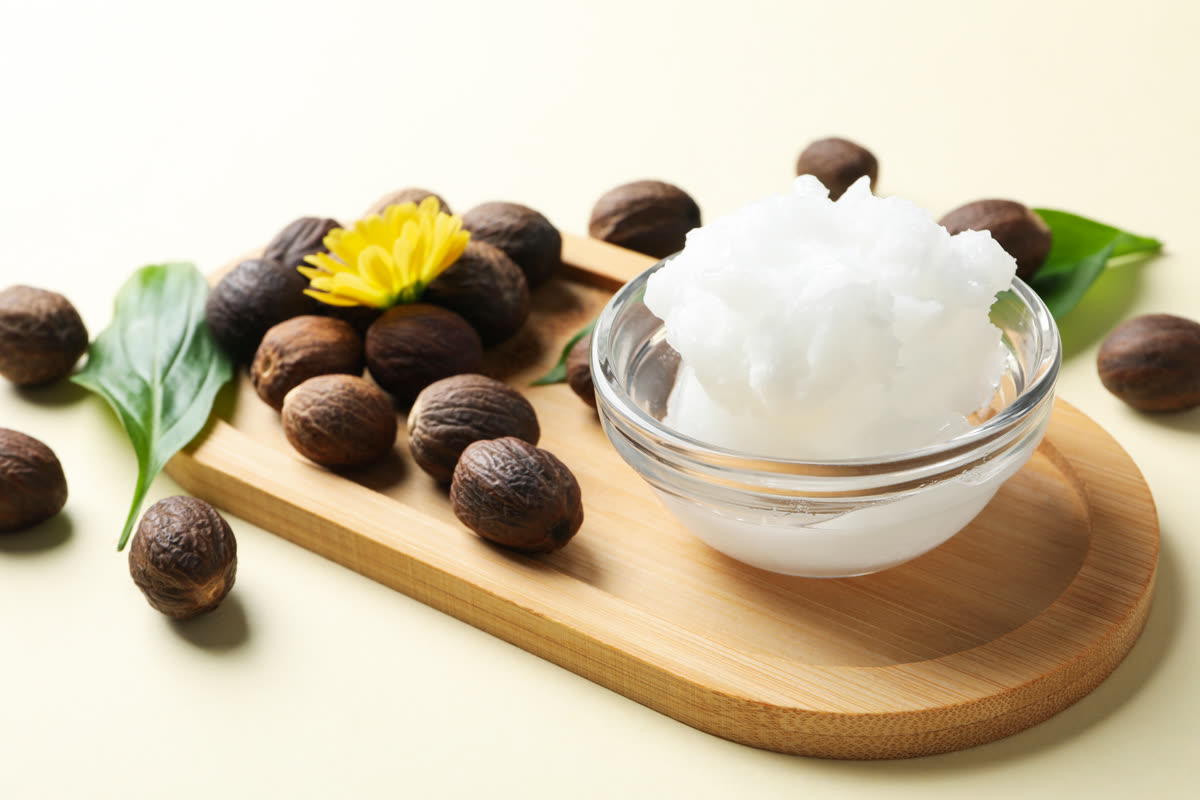 No. 030
Shea ButterVitellaria paradoxa C.F.Gaertn.Rich, creamy and melting at skin temperature, shea butter is pure comfort for very dry hands, heels, lips and curls.
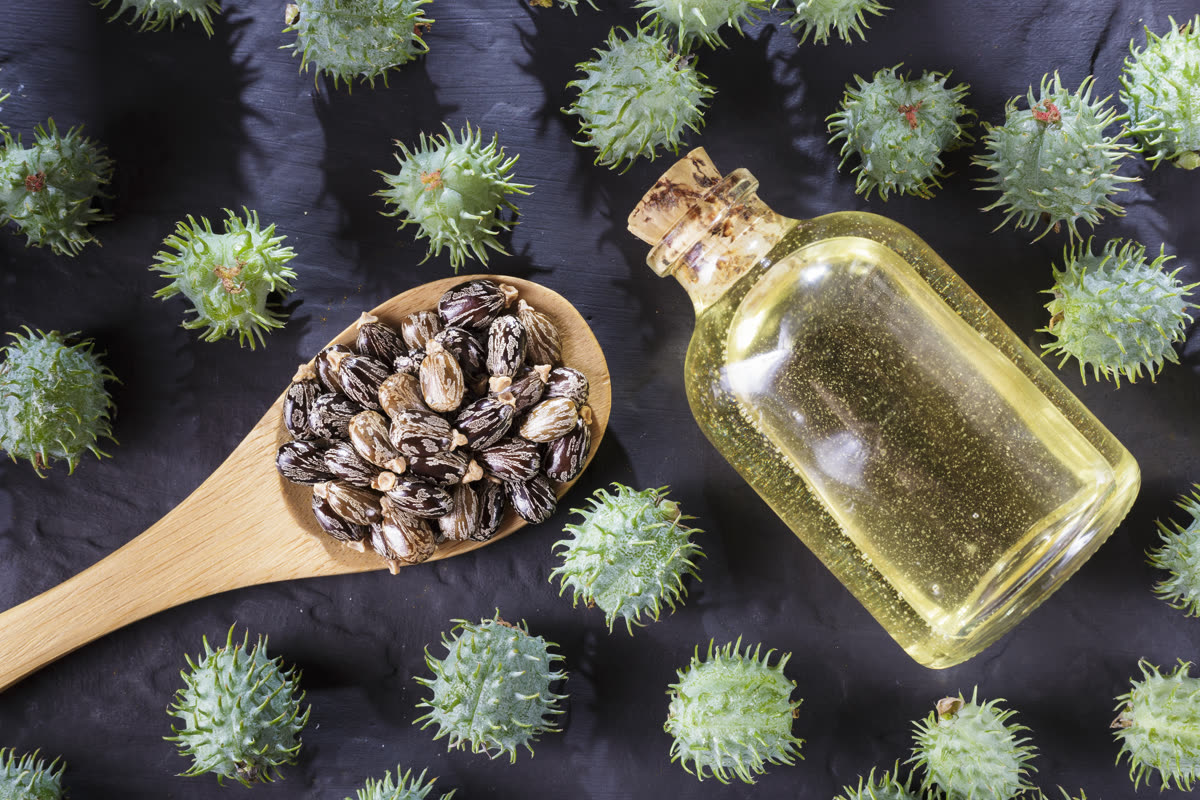 No. 034
Castor OilRicinus communis L.Thick, glossy and wonderfully cushiony, castor oil is the secret behind shiny lip balms and a sleek finish on dry ends.
 No. 002
CalendulaCalendula officinalisSunny pot marigold petals, steeped in oil, make one of the gentlest balms for dry, chapped skin.
Go further
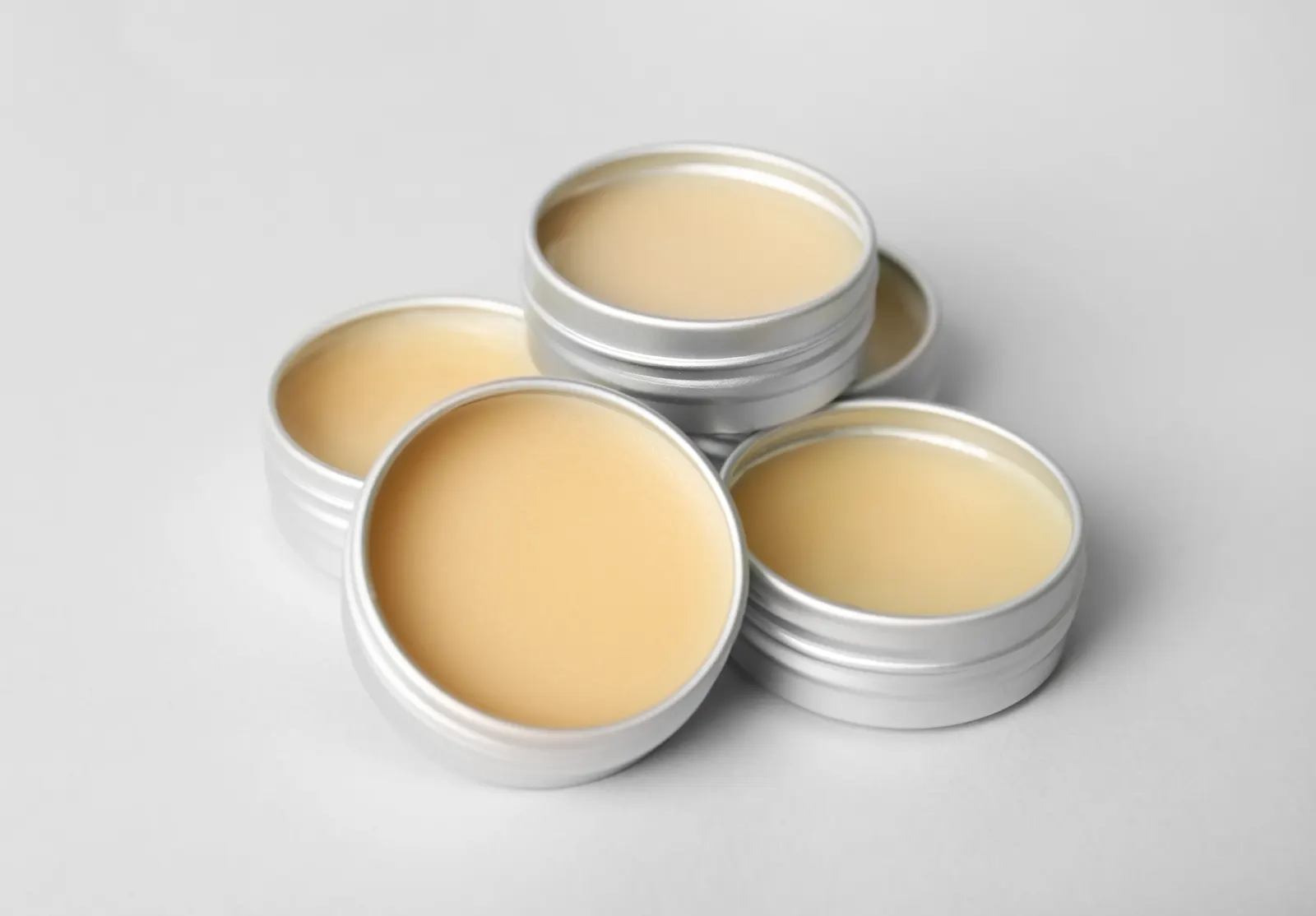 Lip care · BeginnerShea & Calendula Lip BalmA classic fragrance-free beeswax lip balm with shea, castor oil and calendula-infused oil — glossy, protective and easy to make.
ConcernDry & Dehydrated SkinWhy skin loses water, how the barrier works, and how to layer humectants, emollients and occlusives — with oatmeal, shea and oils that help.ConcernSun Care & After-SunUVA, UVB, SPF and visible light explained. No plant oil gives reliable SPF: use tested broad-spectrum SPF 30+, never DIY sunscreen — then soothe with aloe.GuideHow to Patch Test (and Read the Result)A step-by-step at-home patch test (ROAT), how to tell irritation from allergy, and when you need proper dermatologist patch testing.