Culture & Sustainability · 6 min read · Everyone
Sustainable & Ethical Botanical Sourcing
At-risk botanicals, CITES and the IUCN Red List, argan cooperatives, RSPO palm, upcycled ingredients, adulteration and the questions to ask suppliers.
What you’ll take away
- Sandalwood, rosewood, spikenard, goldenseal, agarwood and some frankincense species are under real pressure; choose documented, cultivated sources or alternatives.
- CITES regulates international trade; the IUCN Red List assesses extinction risk. They are different tools.
- Fair trade and cooperative models can help argan-producing women in Morocco, but ask how much value actually reaches them.
- Many “plant-based” cosmetic ingredients are palm-derived; RSPO certification models differ widely in what they guarantee.
- Adulteration is common in argan, prickly pear seed and essential oils; certificates of analysis and testing are your best defense.
- Plants in this guide
- Argan Oil CFrankincense CPrickly Pear Seed Oil D
Guides explain how things work; the grade for each plant is on its own page. How we grade
Why sourcing is also a quality and safety issue
Ethical sourcing is usually framed as an environmental choice, and it is. But it is also about quality. Scarce, expensive botanicals attract fraud, and a cheap “sandalwood” or “argan” may be diluted, synthetic or contaminated. A supply chain you can trace is one you can test, document and stand behind if a customer reacts or a regulator asks. For brands, this documentation is part of the product information file; see Starting a Natural Beauty Brand: The Practical Roadmap.
At-risk botanicals
| Botanical | Why it is at risk | What to do |
|---|---|---|
| Indian sandalwood (Santalum album) | Listed as Vulnerable on the IUCN Red List after decades of overharvesting and illegal felling; trade tightly controlled in India | Use only documented plantation sources (for example Australian-grown S. album or Australian sandalwood, S. spicatum) |
| Rosewood (Aniba rosaeodora) | Listed in CITES Appendix II, with the listing covering essential oil; assessed as Endangered by IUCN | Avoid unless fully documented; ho wood leaf oil is a common linalool-rich substitute |
| Frankincense (Boswellia spp.) | Overtapping, grazing, fire and land-use change are shrinking populations, especially of B. papyrifera; a 2019 analysis in Nature Sustainability (Bongers and colleagues) warned production could halve within decades | Ask for species, origin and tapping practices; favor community-managed or certified sources |
| Spikenard / jatamansi (Nardostachys jatamansi) | Himalayan root harvested from the wild; CITES Appendix II and assessed as Critically Endangered by IUCN | Avoid wild-harvested material; buy only with CITES paperwork, or choose another oil |
| Goldenseal (Hydrastis canadensis) | Wild-dug North American root; CITES Appendix II | Choose cultivated (“woods-grown”) material |
| Agarwood / oud (Aquilaria spp.) | CITES Appendix II; wild trees felled for resinous heartwood | Plantation-sourced and documented only |
| Atlas cedar (Cedrus atlantica) | Assessed as Endangered by IUCN; a Moroccan and Algerian native | Ask whether the oil comes from sawdust or by-products of legal, managed forestry |
| Arnica (Arnica montana) | Wild collection is regulated in parts of Europe (listed in Annex V of the EU Habitats Directive) | Prefer cultivated arnica |
Conservation status changes, so check the current IUCN and CITES listings for any species before you commit to it.
CITES, the IUCN Red List and benefit-sharing, in plain terms
CITES (the Convention on International Trade in Endangered Species of Wild Fauna and Flora) is a treaty that regulates trade. Appendix I species are effectively banned from commercial trade; Appendix II species can be traded with export permits showing the trade is legal and not detrimental to survival. Each listing has an annotation that says which parts and derivatives (logs, extracts, oils, finished products) are covered, so read it carefully.
The IUCN Red List assesses extinction risk (Least Concern through Near Threatened, Vulnerable, Endangered and Critically Endangered). It has no legal force on its own but is the best guide to whether a species should be bought at all.
The Nagoya Protocol, implemented in the EU by Regulation (EU) No 511/2014, requires users of genetic resources and associated traditional knowledge to show they were accessed legally and that benefits are shared. It mainly affects research and development on botanicals, so brands developing new plant actives should take advice. For wild-collected plants, the FairWild standard and the Union for Ethical BioTrade (UEBT) offer frameworks for sustainable harvest and fair pay.
Argan, women’s cooperatives and fair trade
The argan tree grows almost only in southwestern Morocco, where the Arganeraie was declared a UNESCO Biosphere Reserve in 1998, and argan know-how was inscribed on UNESCO’s intangible cultural heritage list in 2014. Cracking the hard nuts by hand has traditionally been women’s work among Amazigh communities. From the 1990s, women’s cooperatives were set up to bring that income into women’s hands, and Morocco later protected argan oil with a geographical indication.
The results are real but mixed. Cooperatives have brought wages, literacy programs and social standing to many women; researchers have also documented middlemen capturing much of the export value, mechanization reducing hand-work jobs, and pressure on the forest from goats, drought and land conversion. Fair-trade and cooperative certifications (such as Fairtrade or Fair for Life) help, but the best signals are specific: named cooperatives, price transparency and long-term contracts. Read more about argan oil and the culture behind it in Moroccan Beauty Rituals: Hammam, Rhassoul & Argan.
Palm, RSPO and upcycled ingredients
Even products with no visible palm oil often contain palm (or palm kernel) derivatives: glycerin, fatty alcohols such as cetearyl alcohol, stearic acid, sodium lauryl sulfate, many glucosides and emulsifiers. The Roundtable on Sustainable Palm Oil (RSPO) certifies under several supply-chain models. Identity Preserved and Segregated keep certified material physically separate; Mass Balance mixes certified and uncertified material while tracking volumes; Book and Claim credits support certified growers without any physical link to your product. Mass Balance is the most common option for derivatives. Ask suppliers which model applies, and be precise in your marketing.
Upcycled ingredients turn food and agricultural by-products into cosmetic materials: grape seed and other fruit-seed oils, olive-derived squalane, coffee grounds, oat by-products and fruit pomace. Prickly pear seed oil itself is a by-product of fruit processing. Upcycling can lower footprint, but check the processing route, solvent use and whether the “waste” would otherwise have had a use.
Adulteration and fraud
- Argan oil may be cut with cheaper oils such as sunflower or blended with roasted (culinary) argan. Fatty acid and sterol profiles help detect dilution.
- Prickly pear seed oil is very expensive because seeds yield little oil, which makes it a prime target for dilution or mislabeling. A price far below the market is a red flag.
- Essential oils are adulterated with cheaper oils (lavandin in lavender), isolated or synthetic constituents (linalool, linalyl acetate, citral) or carrier oils. Sandalwood, rose, neroli, frankincense and helichrysum are frequent targets.
Defenses include gas chromatography–mass spectrometry (GC-MS), chiral analysis for some oils, comparison with ISO standards for essential oils and, for high-value materials, isotope testing. The non-profit Botanical Adulterants Prevention Program publishes useful bulletins on common frauds.
Questions to ask your supplier
- What is the exact botanical species, plant part and country of origin?
- Is it cultivated or wild-harvested? If wild, under what permits and harvest plan?
- Is it CITES-listed, and can you provide permits?
- Can you share a batch-specific certificate of analysis (with GC-MS for essential oils), plus heavy-metal, pesticide and microbial results where relevant?
- How was it extracted or refined, and which solvents were used?
- Which certifications apply (organic, fair trade, RSPO model, FairWild, UEBT), and can you provide the certificates?
- Who are the producers, and how are they paid?
Frequently asked questions
Is sandalwood oil sustainable?
How can I tell if argan oil is real?
Is frankincense endangered?
Keep reading
 No. 027
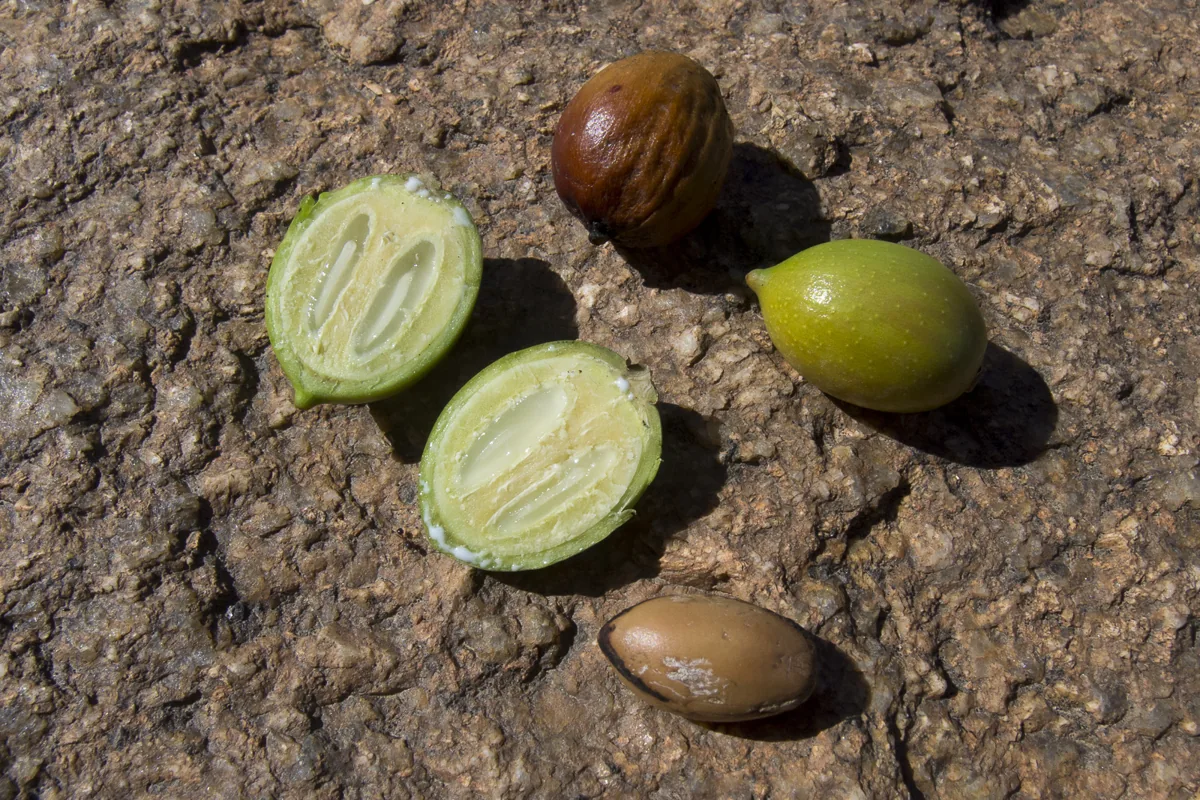
Argan OilArgania spinosa (L.) SkeelsGolden, silky and quick to sink in, Moroccan argan oil is the easy everyday oil for soft skin and smoother, shinier ends.
 No. 017
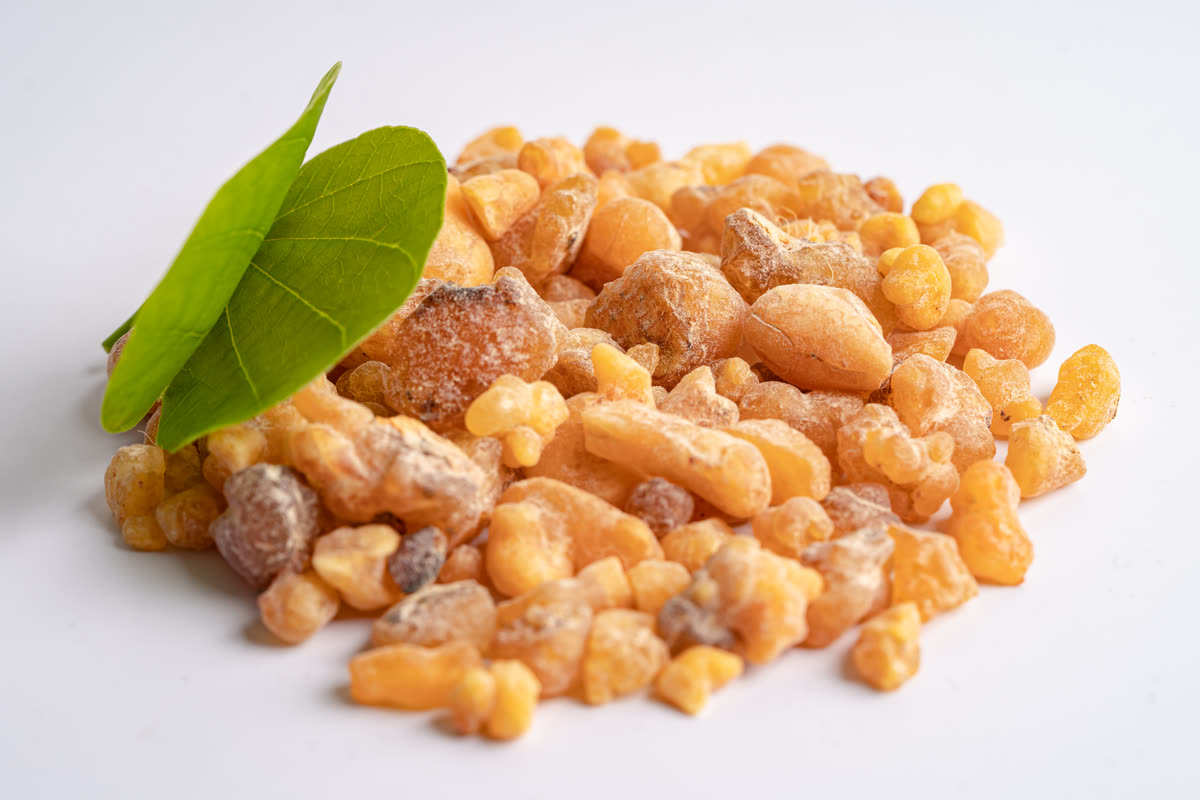
FrankincenseBoswellia sacraWarm, resinous and grounding, frankincense brings an ancient incense calm to your evening skincare.
 No. 037
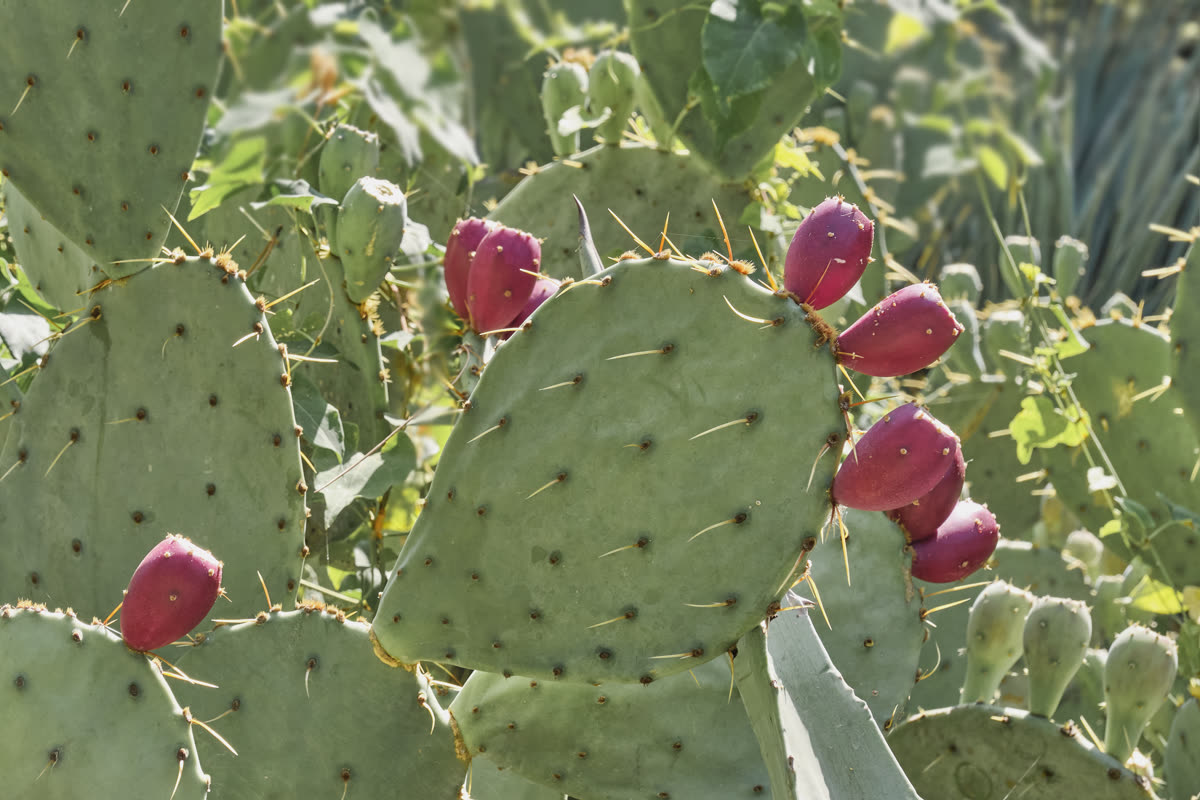
Prickly Pear Seed OilOpuntia ficus-indica (L.) Mill.Pressed drop by precious drop in southern Morocco, prickly pear seed oil is a rare, feather-light luxury that melts into skin.GuideMoroccan Beauty Rituals: Hammam, Rhassoul & ArganThe hammam, beldi soap, kessa, rhassoul, argan, flower waters, henna and kohl: their history, cultural meaning and what science says about each.GuideStarting a Natural Beauty Brand: The Practical RoadmapEU, UK and US cosmetic rules, cosmetic vs drug claims, stability and challenge testing, costing, certifications and insurance for indie founders.