Lip care · Make it at home
Shea & Calendula Lip Balm
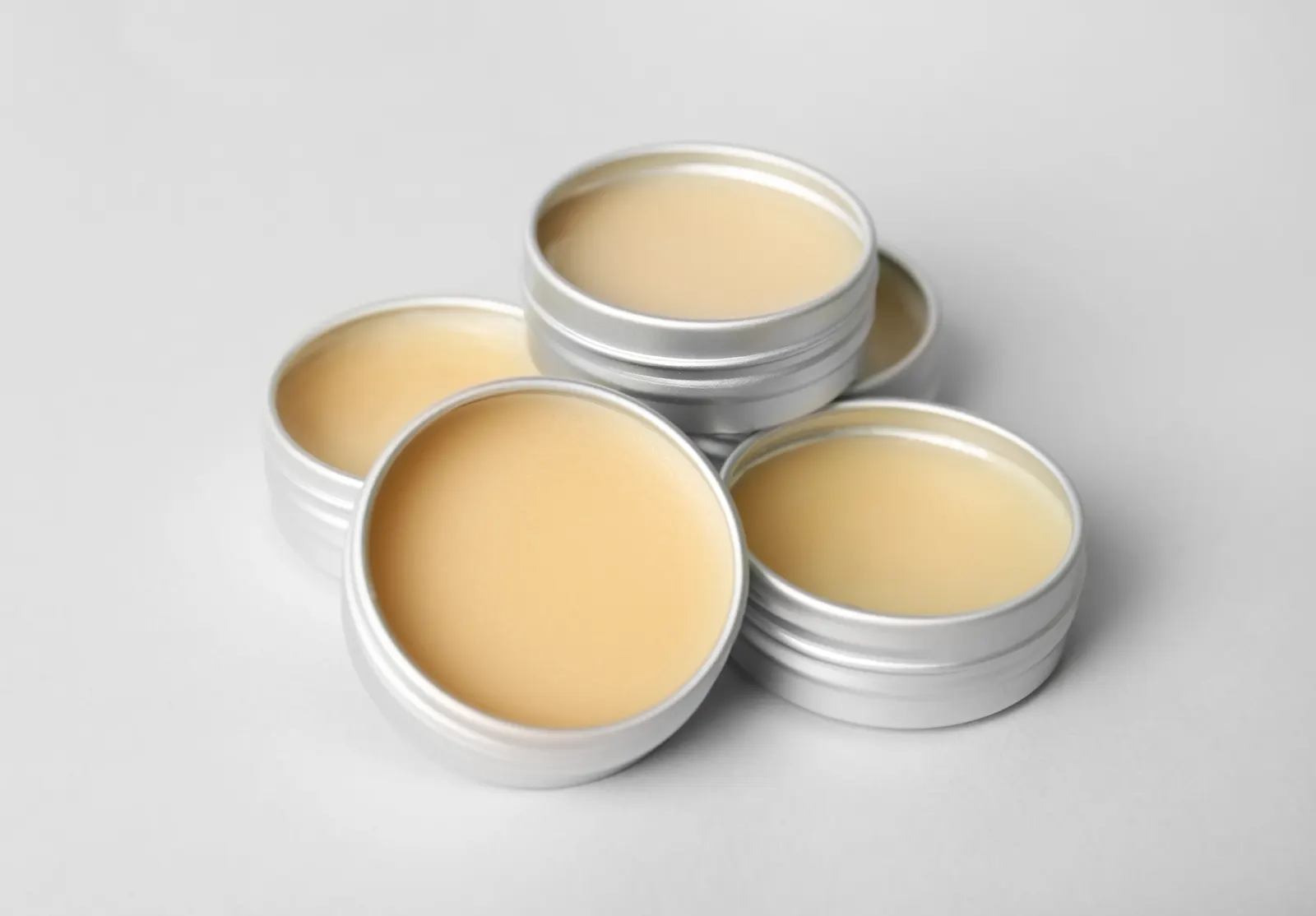
A classic fragrance-free beeswax lip balm with shea, castor oil and calendula-infused oil — glossy, protective and easy to make.
- Time
- 30 min
- Level
- Beginner
- Makes
- 30 g
- Type
- Anhydrous
- Keeps
- Up to 12 months, cool and dark
What you need
- Calendula-infused sunflower oil
- Beeswax
- Shea butter
- Castor oil
- Jojoba oil
- Vitamin E
Formula
| Phase | Ingredient | % | Grams |
|---|---|---|---|
| A | Calendula-infused sunflower oilInfuse as in the Calendula Comfort Balm, or buy ready-made | 30 | 9.00 |
| A | Beeswax (Cera alba) | 25 | 7.50 |
| A | Shea butter (Butyrospermum parkii butter) | 25 | 7.50 |
| A | Castor oil (Ricinus communis seed oil) | 10 | 3.00 |
| A | Jojoba oil | 9 | 2.70 |
| B | Vitamin E (tocopherol, antioxidant) | 1 | 0.30 |
| Total | 100.0 | 30.00 |
Weigh everything on a 0.01 g scale; volume measures are not accurate enough for actives or preservatives. Open in the formula & cost calculator.
Equipment
- Digital scale (0.01 g)
- Small heat-proof beaker with pouring spout
- Water bath
- Thermometer
- Spatula
- 6 lip balm tubes (4.5 g) or two 15 ml tins
- 70% isopropyl alcohol
- Labels
Method
- Sanitize the beaker, spatula, tubes and caps with 70% isopropyl alcohol and let them dry. Stand the tubes upright in a tray.
- Phase A: weigh 9 g calendula oil, 7.5 g beeswax, 7.5 g shea butter, 3 g castor oil and 2.7 g jojoba into the beaker.
- Melt in a water bath at about 70 °C, stirring, until completely clear.
- Remove from the heat and stir in 0.3 g vitamin E. Do a quick freezer-spoon test and adjust with a little wax (firmer) or oil (softer).
- Pour into the tubes in one steady stream, slightly domed. If a crater forms as it sets, top up with a little re-melted balm.
- Leave to set at room temperature, then 10 minutes in the fridge to keep the shea smooth; cap.
- Label with the name, ingredients and date.
Why it works
Lips have a very thin outer layer and no oil glands, so they lose water quickly; occlusion is what lets chapped lips heal. Beeswax provides that protective film, shea butter cushions, castor oil (rich in ricinoleic acid) adds gloss and staying power, and calendula-infused oil brings its traditional soothing reputation.
Safety notes
- Patch test on the inner arm as in our guide: twice daily for 7 days, read at 48 and 96 hours.
- No SPF: this balm does not protect from UV. Lips burn easily, so use a tested SPF lip product outdoors.
- Calendula is in the daisy family; if you are allergic, use plain sunflower oil instead. If you react to bee products, use candelilla wax.
- Cracking at the corners of the mouth, or chapping that does not heal within 2–3 weeks, deserves a doctor’s look — it can be infection, eczema, contact allergy or a nutritional deficiency.
- Avoid licking your lips: saliva makes chapping worse.
Read DIY safety & preservation before making water-based products.
Variations
- Vegan: replace the beeswax with 13% candelilla wax and raise the calendula oil to 42%.
- Minty: add 0.5% peppermint essential oil, reducing jojoba. Not for young children — menthol near a small child’s nose can affect breathing.
- Tinted: replace part of the calendula oil with alkanet-root-infused oil for a soft rose tint.
Featured ingredients
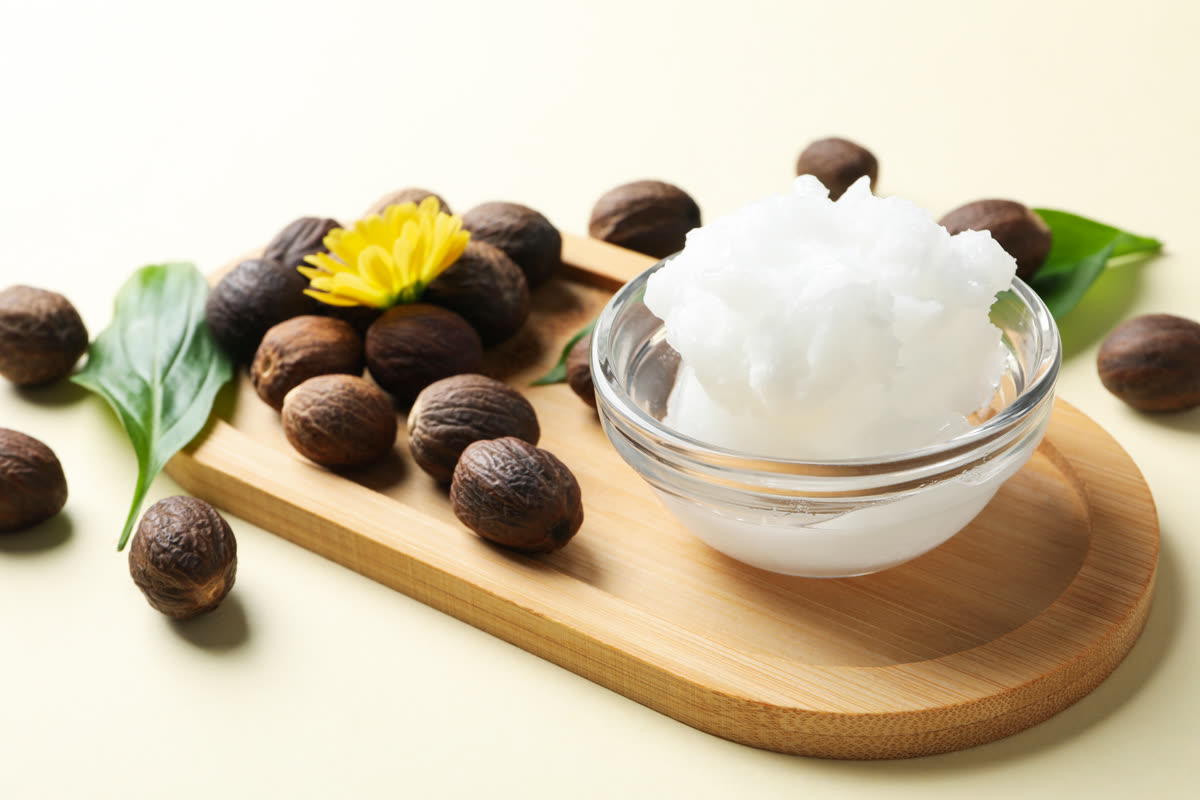 No. 030
Shea ButterVitellaria paradoxa C.F.Gaertn.Rich, creamy and melting at skin temperature, shea butter is pure comfort for very dry hands, heels, lips and curls.
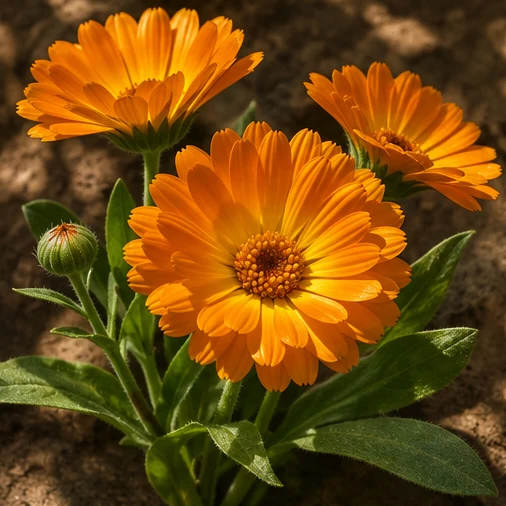 No. 002
CalendulaCalendula officinalisSunny pot marigold petals, steeped in oil, make one of the gentlest balms for dry, chapped skin.
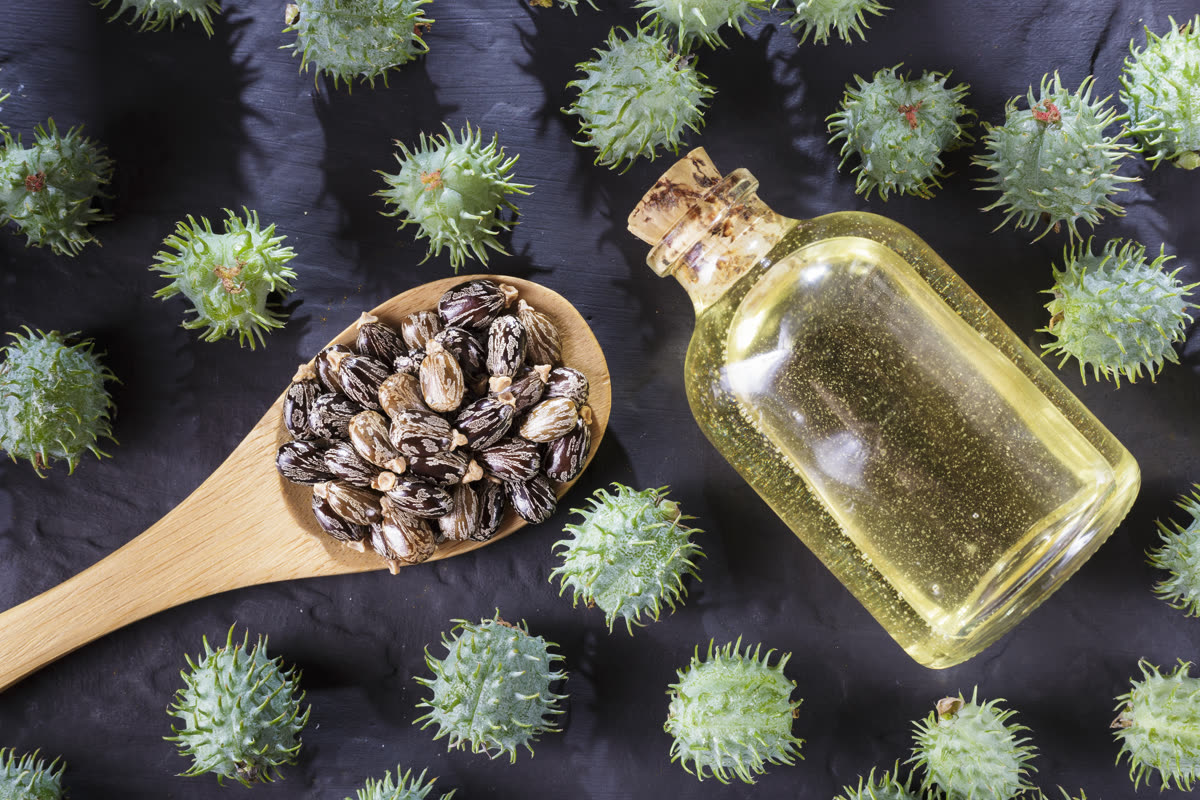 No. 034
Castor OilRicinus communis L.Thick, glossy and wonderfully cushiony, castor oil is the secret behind shiny lip balms and a sleek finish on dry ends.
 No. 028
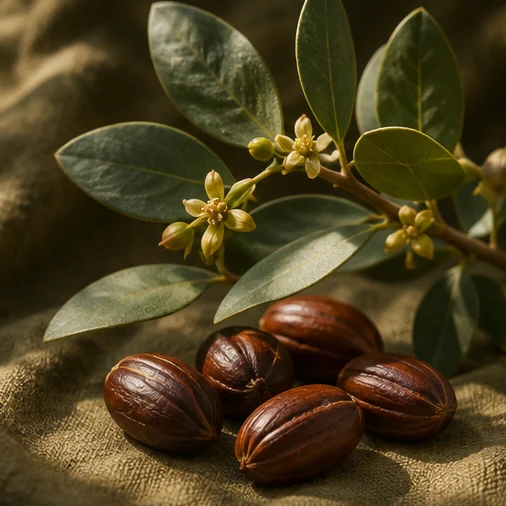
JojobaSimmondsia chinensis (Link) C.K.Schneid.Jojoba is really a liquid wax, which is why it feels so silky, sinks in with a satin finish and keeps for years.
Formulator
Selling what you make? Get the batch record, label template and cost sheet for this formula, plus a regulatory checklist for the EU, UK and US.
See Formulator membership