Safety · 7 min read · Everyone
Skincare in Pregnancy & Breastfeeding
What’s generally considered fine, what to avoid (retinoids, high-strength peels, hydroquinone), plus melasma, acne and stretch-mark evidence.
What you’ll take away
- Avoid all retinoids: oral isotretinoin is a known cause of severe birth defects, and topical retinoids are contraindicated in pregnancy as a precaution.
- Avoid high-strength salicylic acid peels and hydroquinone; low-strength salicylic acid in a cleanser or small area is generally considered acceptable.
- Azelaic acid, benzoyl peroxide (small areas), glycolic and lactic acid at cosmetic strengths, niacinamide, vitamin C and sunscreen are generally considered compatible.
- No cream reliably prevents stretch marks; cocoa butter and olive oil have not outperformed placebo in trials.
- Severe itching of the palms and soles, especially at night, needs prompt medical review. Always confirm your routine with your doctor, midwife or pharmacist.
- Plants in this guide
- Bakuchiol BCentella Asiatica (Cica) C
Guides explain how things work; the grade for each plant is on its own page. How we grade
How safety is judged in pregnancy
For ethical reasons, pregnant people are rarely included in clinical trials, so advice relies on how much of an ingredient is absorbed through skin, animal studies, pregnancy registries and case reports. The guiding principle is to keep systemic exposure low: avoid ingredients with known or suspected risk, prefer well-studied options, and treat large areas and high concentrations with more caution than a small patch.
This page reflects mainstream dermatology and obstetric guidance in Europe and North America as of 2026. It is a starting point for a conversation, not a substitute for one: always confirm with your doctor, midwife or pharmacist, particularly for prescription treatments.
Quick reference
| Ingredient or treatment | General guidance | Notes |
|---|---|---|
| Oral isotretinoin, acitretin | Avoid — contraindicated | Strongly teratogenic; strict pregnancy-prevention programs apply |
| Topical retinoids (tretinoin, adapalene, tazarotene, trifarotene) | Avoid | Contraindicated as a precaution |
| Cosmetic retinol, retinal, retinyl esters | Avoid as a precaution | Pause from conception until after pregnancy |
| Hydroquinone | Avoid | Higher skin absorption than most topicals; banned from EU cosmetic skin products, prescription-only |
| Salicylic acid | Low strength, small areas only | Avoid peels, high strengths and large-area use |
| Azelaic acid | Generally considered compatible | Useful for acne, rosacea and melasma |
| Benzoyl peroxide | Generally considered compatible | Limited areas; minimal absorption |
| Glycolic and lactic acid (cosmetic strengths) | Generally considered compatible | Postpone professional peels |
| Niacinamide, vitamin C, hyaluronic acid, glycerin, ceramides | Generally considered compatible | — |
| Sunscreen | Recommended | Mineral filters often preferred for extra caution |
| Essential oils | Caution | ≤1%; some oils to avoid entirely |
| Bakuchiol | Unknown | No pregnancy safety data |
| Oral tetracyclines, spironolactone, oral tranexamic acid | Avoid unless specialist-directed | Prescription medicines with pregnancy risks |
| Botulinum toxin, fillers, lasers | Postpone | Lack of safety data |
Retinoids — and the “safe alternative” question
Oral isotretinoin causes a pattern of severe birth defects affecting the face, heart and brain, and a high rate of miscarriage. It is prescribed only within a pregnancy prevention program, with contraception continued for one month after the last dose (acitretin, used for psoriasis, requires a far longer gap — three years in the EU). Never use these medicines if you might become pregnant without specialist guidance.
Topical retinoids are absorbed in very small amounts, and studies have not shown a clear increase in birth defects. Nevertheless, after a 2018 review the European Medicines Agency concluded that prescription topical retinoids are contraindicated in pregnancy and in women planning pregnancy, as a precaution. Most dermatologists extend this to over-the-counter retinol and retinyl esters. If you used a retinoid before you knew you were pregnant, stop and tell your doctor — the risk from topical use is considered very low.
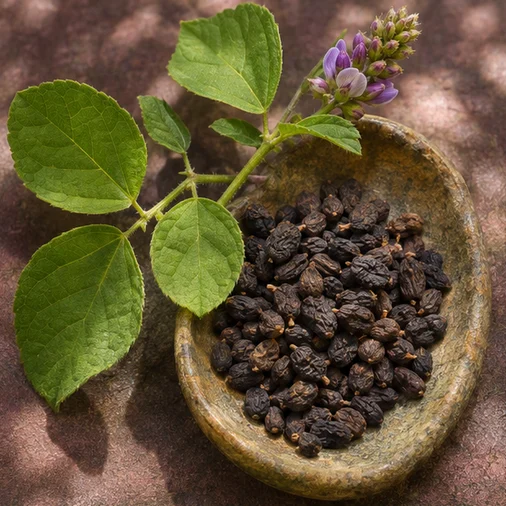
Bakuchiol is often marketed as a “pregnancy-safe retinol alternative.” There are no human pregnancy safety data. It comes from the seeds of Cullen corylifolium (syn. Psoralea corylifolia), which also contain psoralens; well-purified bakuchiol should be free of them, but the safety question is unanswered. Most experts suggest waiting.
Acne in pregnancy
Hormonal shifts, particularly in the first and second trimesters, can trigger or worsen Acne & Breakouts. Options generally considered compatible:
- Azelaic acid (15–20% prescription, or lower-strength cosmetic versions): antibacterial, anti-inflammatory and anti-pigment — often the first choice.
- Benzoyl peroxide on limited areas; your doctor may combine it with topical clindamycin or erythromycin.
- Glycolic or lactic acid products at everyday strengths, and salicylic acid in a rinse-off cleanser.
- Niacinamide, gentle non-comedogenic moisturizers and a non-greasy sunscreen.
Tea tree gel has some acne evidence outside pregnancy but no pregnancy data; if you use it, keep to a small area at low concentration. Avoid oral tetracyclines (doxycycline, minocycline), spironolactone and isotretinoin.
Melasma and pigmentation
Melasma — symmetrical brown patches on the cheeks, forehead and upper lip, sometimes called the “mask of pregnancy” — is common, especially in medium to darker skin tones. It is driven by hormones, UV and visible light. The darkening of the linea nigra and nipples is part of the same process.
- Prevention is the most effective treatment: daily broad-spectrum SPF 30–50, reapplied outdoors; a tinted sunscreen with iron oxides adds visible-light protection; wear a wide-brimmed hat. See Sun Care & After-Sun.
- Generally considered compatible: azelaic acid, vitamin C, niacinamide.
- Avoid hydroquinone and oral tranexamic acid, and postpone peels and lasers.
Melasma often fades over the months after delivery but can persist; stronger treatments can be discussed once you have finished breastfeeding. More in Dark Spots & Hyperpigmentation.
Stretch marks and itch
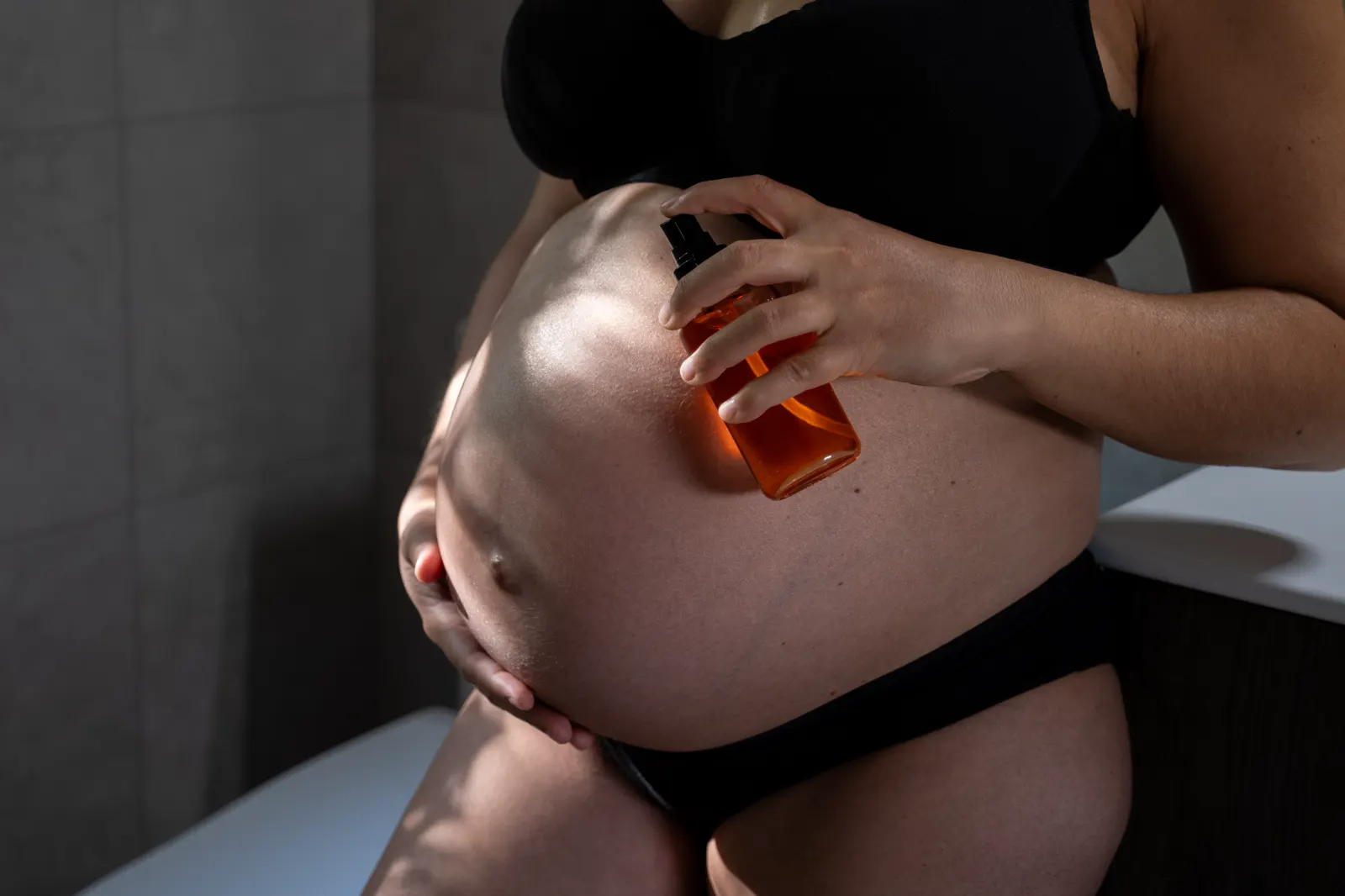
Stretch marks (striae gravidarum) affect a large share of pregnancies; genetics, younger age and rapid weight gain increase the likelihood. A Cochrane review (Brennan M, et al., 2012) found no high-quality evidence that any topical product prevents them. Randomized trials of cocoa butter and of olive oil did not show a benefit over placebo or no treatment. A small older trial of a cream combining centella asiatica (cica) extract with vitamin E and collagen-elastin hydrolysates reported fewer stretch marks, but because the product had several ingredients and the trial was small, the evidence is weak.
Moisturizing — for example with shea butter, as in our Whipped Shea Body Butter — is still worthwhile: it eases the itch and tightness of stretching skin. Established stretch marks fade over time and can be treated after pregnancy and breastfeeding.
When itch is a warning sign: intense itching, particularly of the palms and soles and worse at night, without a rash, can signal intrahepatic cholestasis of pregnancy, a liver condition that needs blood tests and monitoring. Contact your maternity team promptly. Also report widespread itchy rashes or blisters.
Essential oils and “natural” products
Natural does not automatically mean pregnancy-safe. If you use essential oils, keep the total to 1% or less, consider avoiding them in the first trimester, and avoid oils with known concerns, including wintergreen and birch, pennyroyal, rue, mugwort, sage, parsley seed, and anise or fennel. Full details are in Essential Oil Safety: The Complete Guide. Many people find fragrance-free products more comfortable anyway, as smell sensitivity and nausea are common.
Breastfeeding
- Most topical skincare reaches milk in negligible amounts. The bigger risk is the baby ingesting product directly, so don’t apply anything to the nipple and areola that isn’t intended for it, and wipe off balms before feeds unless the product says otherwise.
- Keep peppermint, menthol and eucalyptus products away from your chest and your baby’s face.
- Oral isotretinoin remains contraindicated. Topical retinoids on small facial areas are generally considered low risk, but many clinicians still advise waiting; discuss with your doctor.
- Postpartum hair shedding (telogen effluvium) usually starts two to four months after delivery and settles within months — see Thinning Hair & Hair Loss.
Professionals can check individual medicines in breastfeeding databases such as the US National Library of Medicine’s LactMed or the Spanish e-lactancia resource.
Frequently asked questions
Can I use retinol while pregnant?
Is salicylic acid safe during pregnancy?
Is bakuchiol safe in pregnancy?
What really works for stretch marks in pregnancy?
Keep reading
 No. 014
BakuchiolCullen corylifoliumBakuchiol offers retinol-like smoothing with a softer touch, plant-derived and, in a small trial, gentler than retinol.
 No. 004
Centella Asiatica (Cica)Centella asiaticaCica, the beloved “tiger grass” of Asian skincare, brings calm and comfort to stressed, reactive skin.