Body care · Make it at home
Whipped Shea Body Butter
Cloud-light whipped shea with coconut and sunflower oils and a hint of lavender — rich care for dry skin, with the trick that prevents graininess.
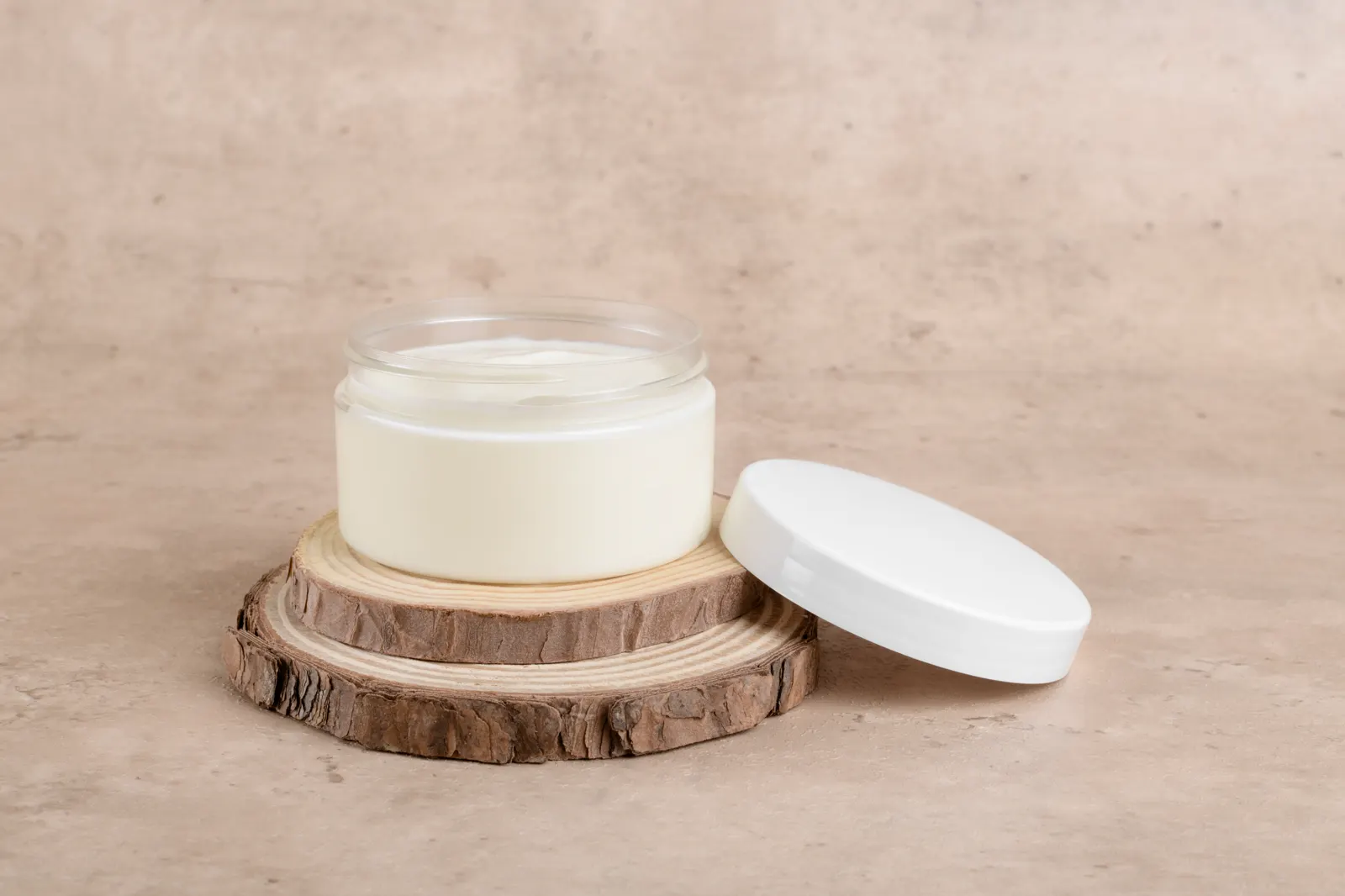
- Time
- 1 h (including chilling)
- Level
- Beginner
- Makes
- 100 g
- Type
- Anhydrous
- Keeps
- Up to 12 months; keep below about 24 °C or it may deflate
What you need
- Shea butter
- Virgin coconut oil
- High-oleic sunflower oil
- Tapioca starch
- Lavender essential oil
- Vitamin E
Formula
| Phase | Ingredient | % | Grams |
|---|---|---|---|
| A | Shea butter, unrefined (Butyrospermum parkii butter) | 60 | 60.00 |
| A | Virgin coconut oil (Cocos nucifera oil) | 15 | 15.00 |
| A | High-oleic sunflower oil (Helianthus annuus seed oil)Chosen for oxidative stability over a long shelf life | 15.5 | 15.50 |
| B | Tapioca starchCuts the greasy feel; arrowroot works too | 8 | 8.00 |
| B | Lavender essential oil (Lavandula angustifolia)Optional; omit for eczema-prone skin and add 1% more sunflower oil | 1 | 1.00 |
| B | Vitamin E (tocopherol, antioxidant) | 0.5 | 0.50 |
| Total | 100.0 | 100.00 |
Weigh everything on a 0.01 g scale; volume measures are not accurate enough for actives or preservatives. Open in the formula & cost calculator.
Equipment
- Digital scale (0.1 g)
- Heat-proof glass bowl
- Saucepan for a water bath
- Thermometer
- Hand or stand mixer with whisk
- Spatula
- Wide-mouth glass or PET jars (about 200 ml in total — it roughly doubles in volume)
- 70% isopropyl alcohol
- Labels
Method
- Sanitize the bowl, whisk, spatula and jars with 70% isopropyl alcohol and let them dry.
- Phase A: weigh 60 g shea and 15 g coconut oil into the bowl. Melt in a water bath and hold at 75–80 °C for 15–20 minutes — this melts every crystal form of shea and is the key to a smooth, non-grainy butter.
- Remove from heat and stir in the 15.5 g sunflower oil. Cool quickly: set the bowl in iced water or the fridge, stirring every few minutes.
- When the blend is opaque and soft-set like thick custard (about 20–30 minutes in the fridge), take it out.
- Whip on high for 3–5 minutes until pale and fluffy.
- Add Phase B — 8 g tapioca starch, 1 g lavender oil and 0.5 g vitamin E — and whip for 2–3 more minutes until soft peaks hold.
- Spoon into the jars, tapping to settle, then cap and label with the name, ingredients and date.
- To use: warm a small amount between your palms and smooth over damp skin after bathing.
Why it works
Shea butter is rich in stearic and oleic acids and an unusually large unsaponifiable fraction (triterpene esters) that makes it a cushiony emollient. Virgin coconut oil improved dry skin and mild childhood atopic dermatitis in small trials, and sunflower oil lightens the texture. Occlusive butters work best on damp skin, sealing in the water you just added.
Safety notes
- Patch test as in our guide: twice daily for 7 days, read at 48 and 96 hours.
- Lavender oil contains linalool and linalyl acetate, which become sensitizing when oxidized. Leave it out for eczema-prone skin and children (Essential Oil Safety: The Complete Guide).
- Shea is a tree-nut seed fat. Refined shea contains very little protein and reactions are rare, but ask your allergist if you have a severe nut allergy.
- Rich butters can clog pores on the face, chest and back of acne-prone people — this is a body product.
- Anhydrous, so no preservative is needed, but scoop with a clean, dry spatula; if water gets in, mold can grow. Oils also make bath and shower floors slippery.
Read DIY safety & preservation before making water-based products.
Variations
- Fragrance-free / eczema-prone: omit the lavender and add 1% more sunflower oil.
- Warm climates: replace the coconut oil (it melts at about 24 °C) with cocoa butter for a firmer butter that holds its whip.
- Short shelf life, barrier focus: use classic linoleic-rich sunflower oil instead of high-oleic and use it within 3–4 months.
Featured ingredients
 No. 030
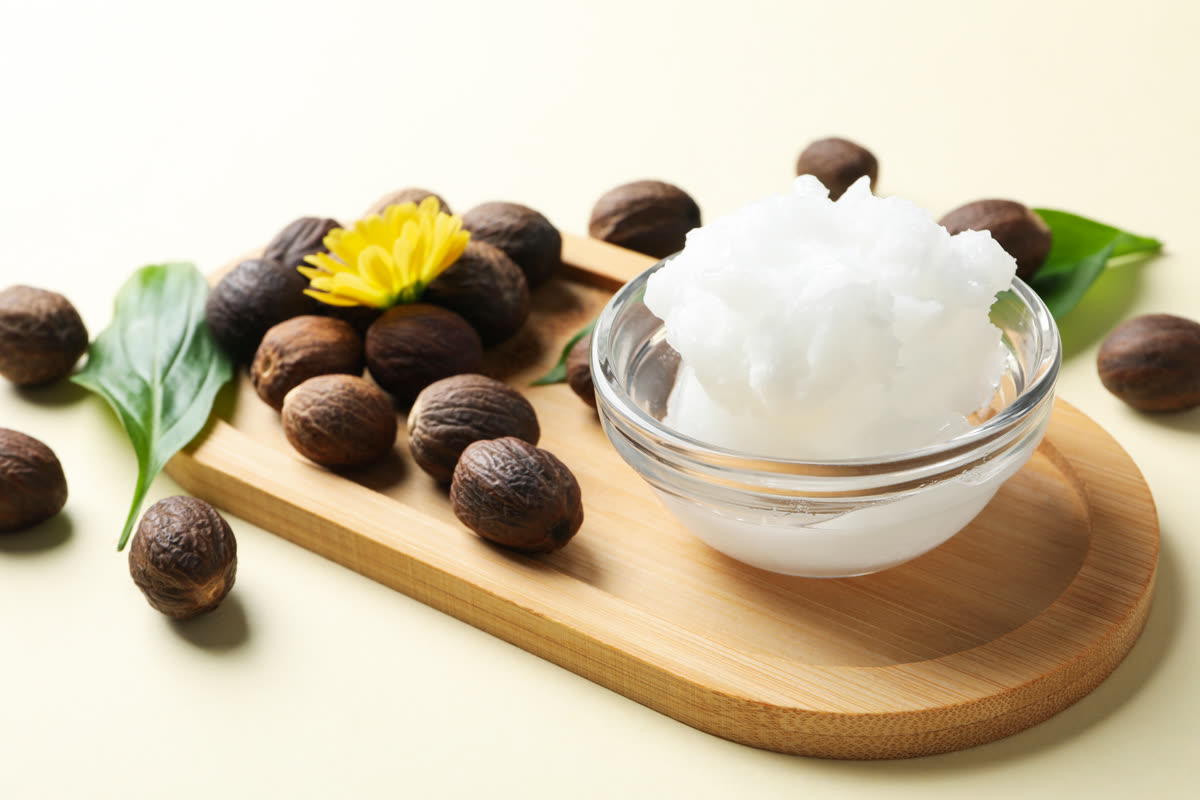
Shea ButterVitellaria paradoxa C.F.Gaertn.Rich, creamy and melting at skin temperature, shea butter is pure comfort for very dry hands, heels, lips and curls.
 No. 031
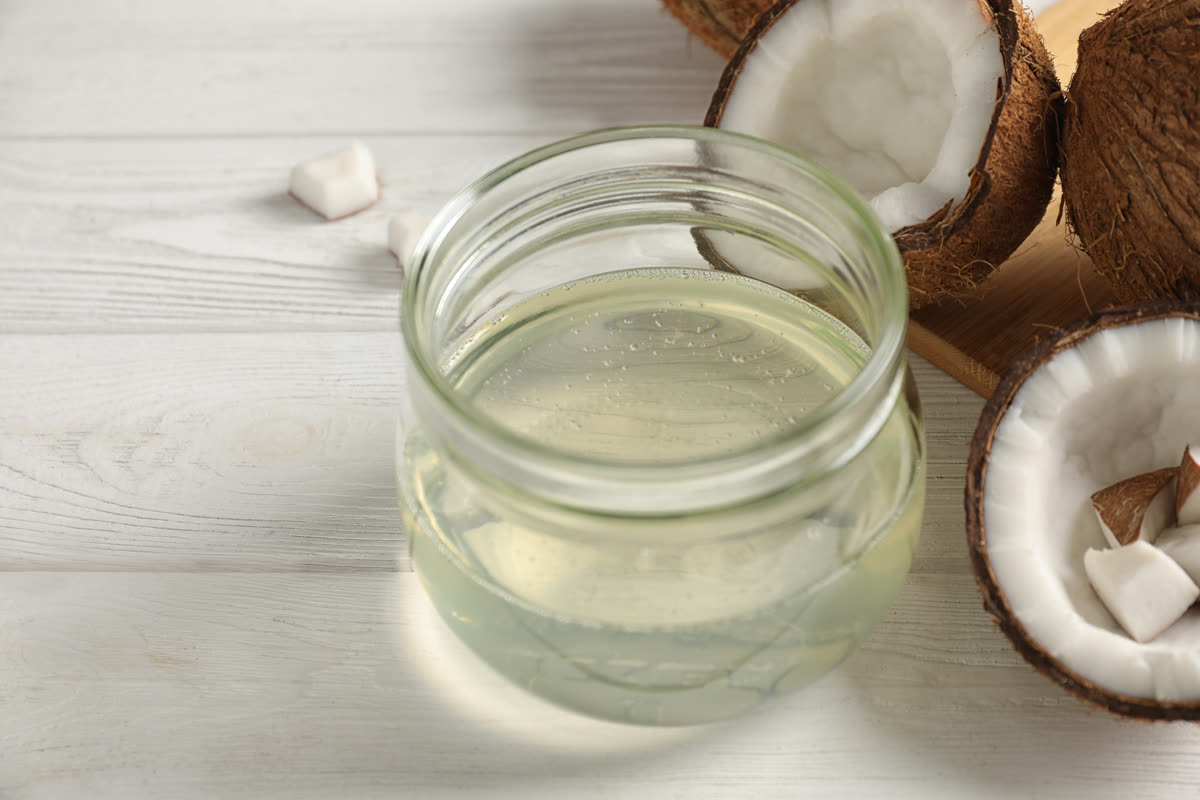
Coconut OilCocos nucifera L.The kitchen-cupboard classic with real trial support for dry skin, plus a pre-wash hair coat that helps protect every strand.
 No. 033
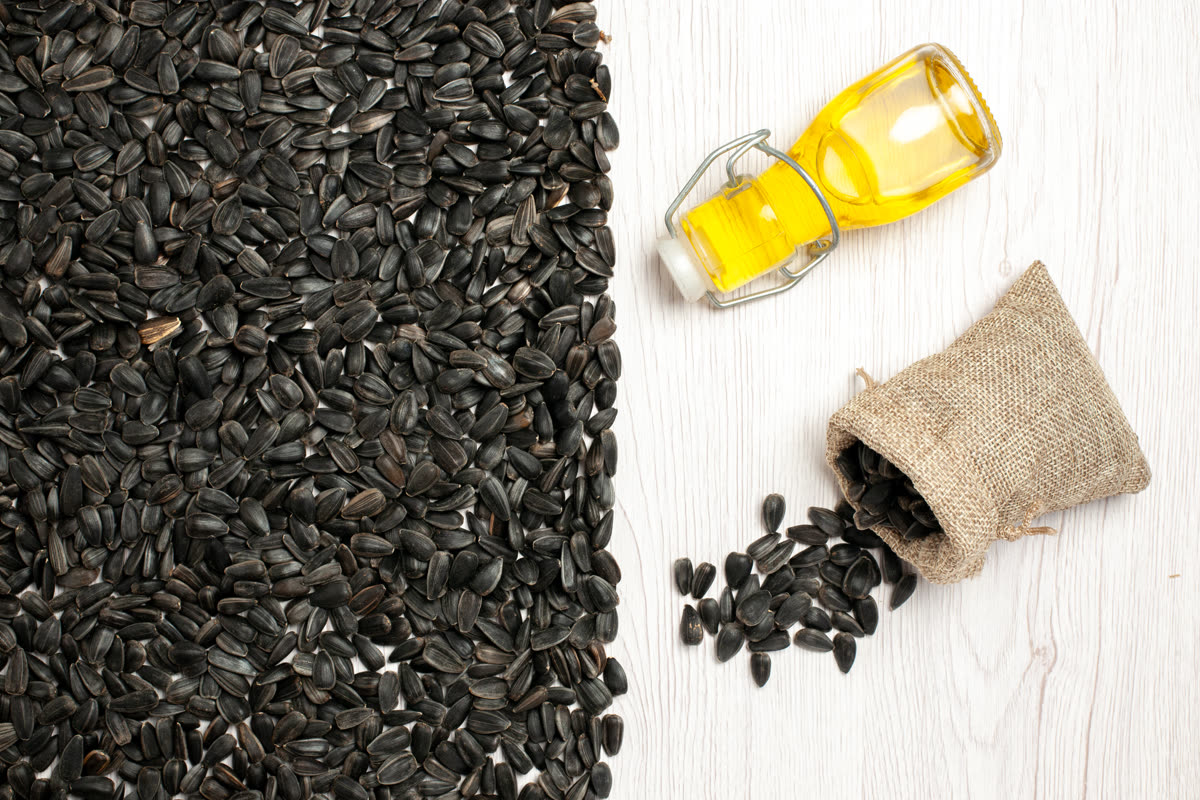
Sunflower OilHelianthus annuus L.The humble kitchen oil with some of the best barrier evidence of any plant oil: gentle, affordable and kind to dry skin.
 No. 007
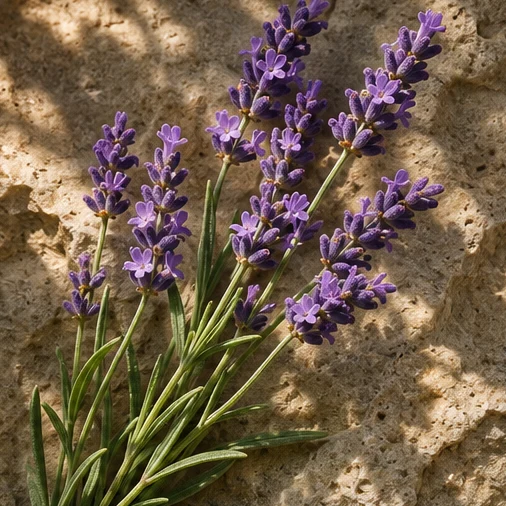
LavenderLavandula angustifoliaLavender’s soft, floral calm turns an ordinary evening into a slow, scented wind-down.
Formulator
Selling what you make? Get the batch record, label template and cost sheet for this formula, plus a regulatory checklist for the EU, UK and US.
See Formulator membership