· Weekly reset · 30 min
The Slow Sunday Shelf Audit
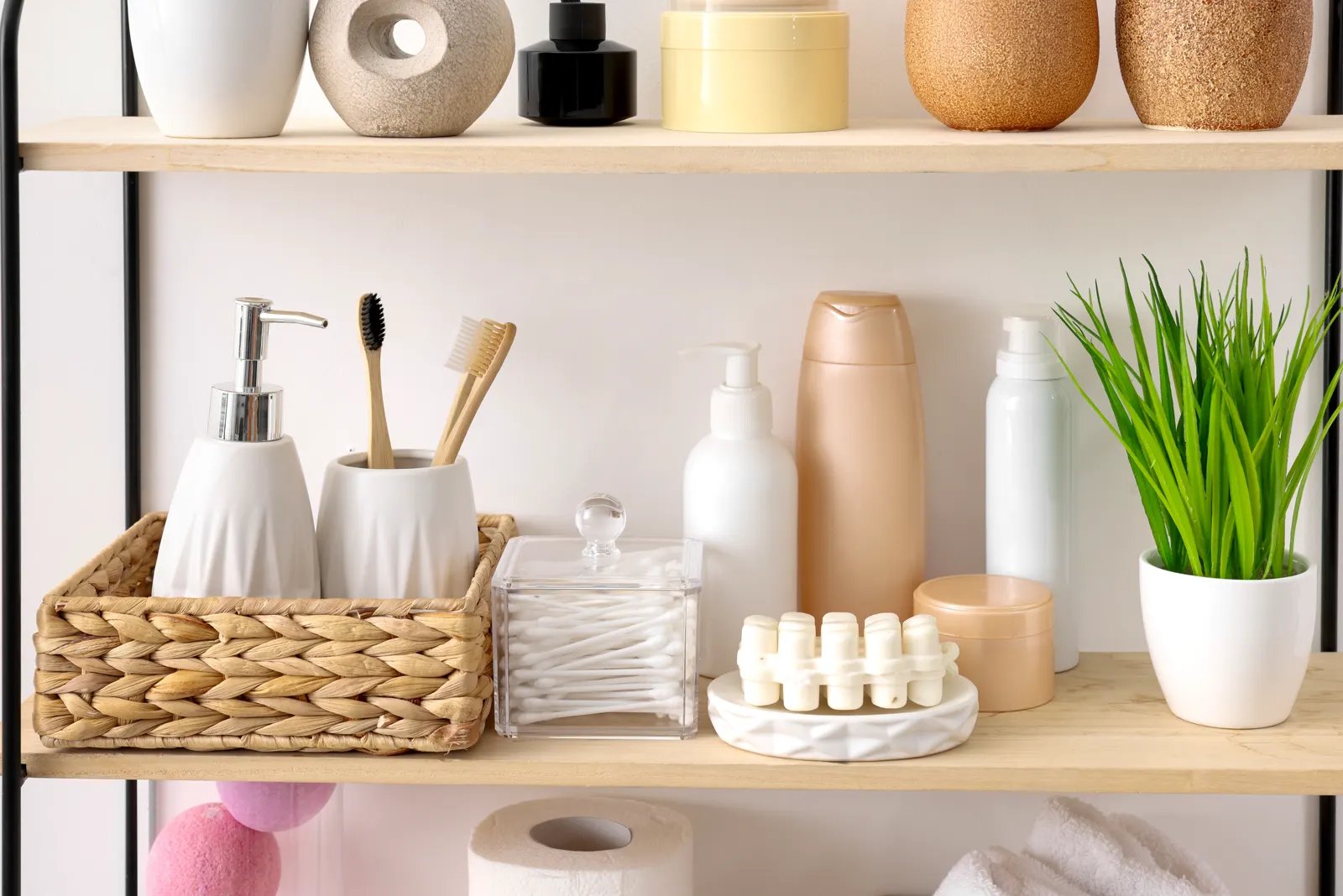
Thirty minutes with your bathroom shelf: read the PAO symbols, sniff out rancid oils, and decide what to keep, move to the fridge or throw away.
- Time
- 30 min
- Evidence
- CPromising
- Time
- 30 min
- Evidence
- CPromising
You’ll need
- Every skincare product you own, gathered on a towel
- A permanent marker and small labels
- Good light and your nose
- A bag for recycling and one for general waste (check local rules)
Promising: Oxidation of plant oils and contamination of in-use cosmetics are documented in laboratory and survey studies; the PAO symbol is a regulatory estimate rather than a clinical finding.
Formulator’s tip
Buy face oils in the smallest size you can finish in three months. A fresh 15 mL bottle beats a half-rancid 50 mL every time.
Step by step
- Sort into three piles: daily use, occasional, and “I forgot I had this”.
- Find the Period After Opening symbol on each: a small open jar with a number such as 6M or 12M. Compare it with when you opened the product; if you cannot remember, it is probably past it.
- Smell every oil and balm. Fresh oils smell mild, nutty or of the plant; rancid ones smell of crayons, old paint or stale nuts. Rancid goes.
- Look for separation that will not stir back, color changes, mold, cloudiness in toners or a sour smell in creams. Any of these goes.
- Check sunscreen expiry dates, and discard any that are past their date, have separated or have been baking in a hot car or windowsill.
- Discard homemade water-based products older than their stated shelf life, and anything homemade with water but no preservative.
- Label what stays with the date opened. Move rosehip and other delicate oils to the fridge; keep everything else cool, dark and capped, away from steamy shower ledges.
Why it works
Under EU cosmetics law, products that keep for more than 30 months must show a Period After Opening symbol: a manufacturer’s estimate of how long the product stays stable and safe once air, fingers and bathroom humidity get in. It is a guide, not a cliff edge, but it is a sensible default.
Oils rich in polyunsaturated fats, such as rosehip oil and sunflower oil, oxidize relatively quickly, and oxidized oils can irritate the skin. Jojoba (technically a liquid wax) and squalane are far more stable. Water-based products depend on preservatives, which can be overwhelmed by repeated contamination. The full reasoning, including how to label homemade products, is in DIY Safety: Water, Microbes & Preservatives, and How to Read a Cosmetic Ingredient List (INCI) helps you decode what you keep.
Enjoy it safely
- Never “rescue” a spoiled product by adding essential oils or preservative after the fact.
- Eye products are the strictest: replace mascara and liquid eyeliner about every three months, and immediately after an eye infection.
- Do not pour oils down the sink; wipe jars out with paper and follow local recycling guidance.
Ingredients in this ritual
 No. 029
Rosehip OilRosa canina L.Light, fast-absorbing and full of essential fatty acids, rosehip is the night oil that leaves skin soft and supple by morning.
 No. 028
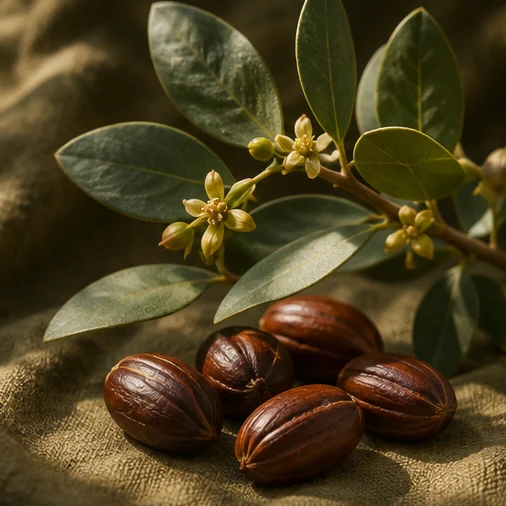
JojobaSimmondsia chinensis (Link) C.K.Schneid.Jojoba is really a liquid wax, which is why it feels so silky, sinks in with a satin finish and keeps for years.
 No. 039
SqualaneSqualane (C30H62)Weightless, silky and barely there once it sinks in, squalane is the perfect first oil for people who think they hate oils.
 No. 033
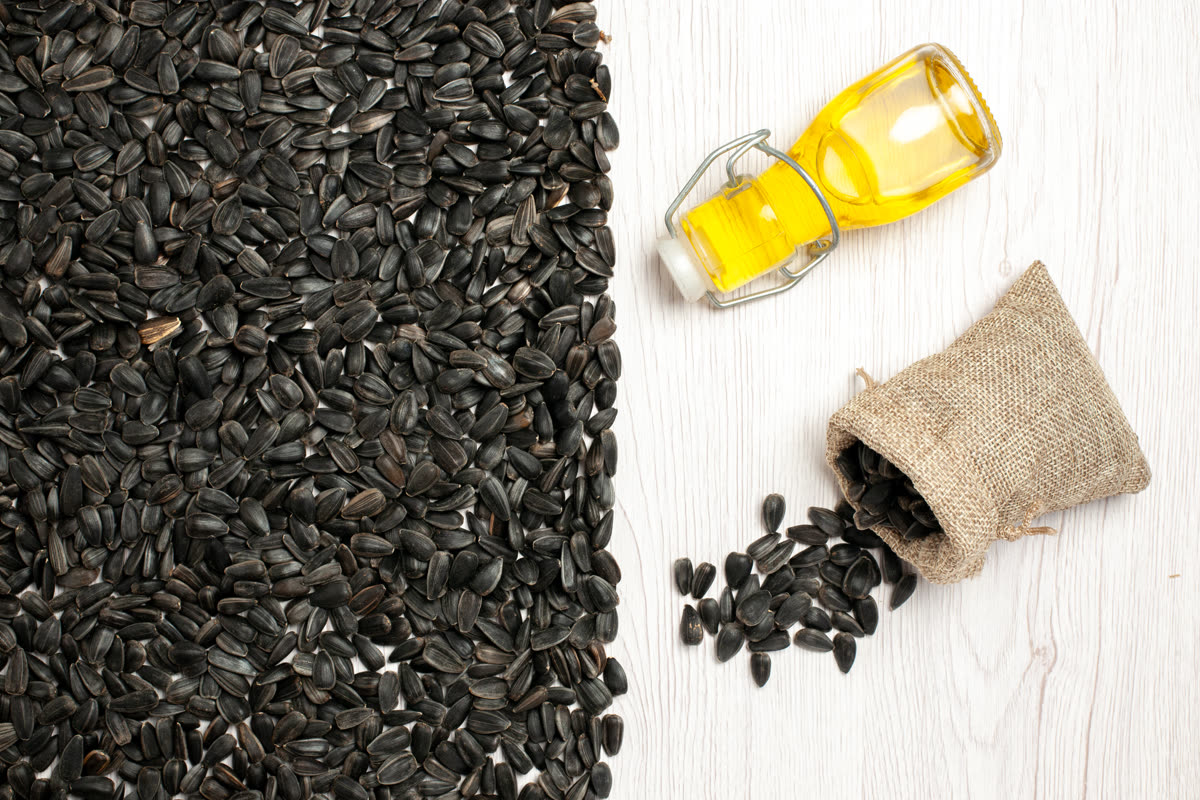
Sunflower OilHelianthus annuus L.The humble kitchen oil with some of the best barrier evidence of any plant oil: gentle, affordable and kind to dry skin.