· Weekly reset · 45 min
The Home Hammam, Once a Week
Beldi black soap, a kessa glove, rhassoul and argan: a Moroccan weekly bath ritual adapted for home, with honest limits on scrubbing.
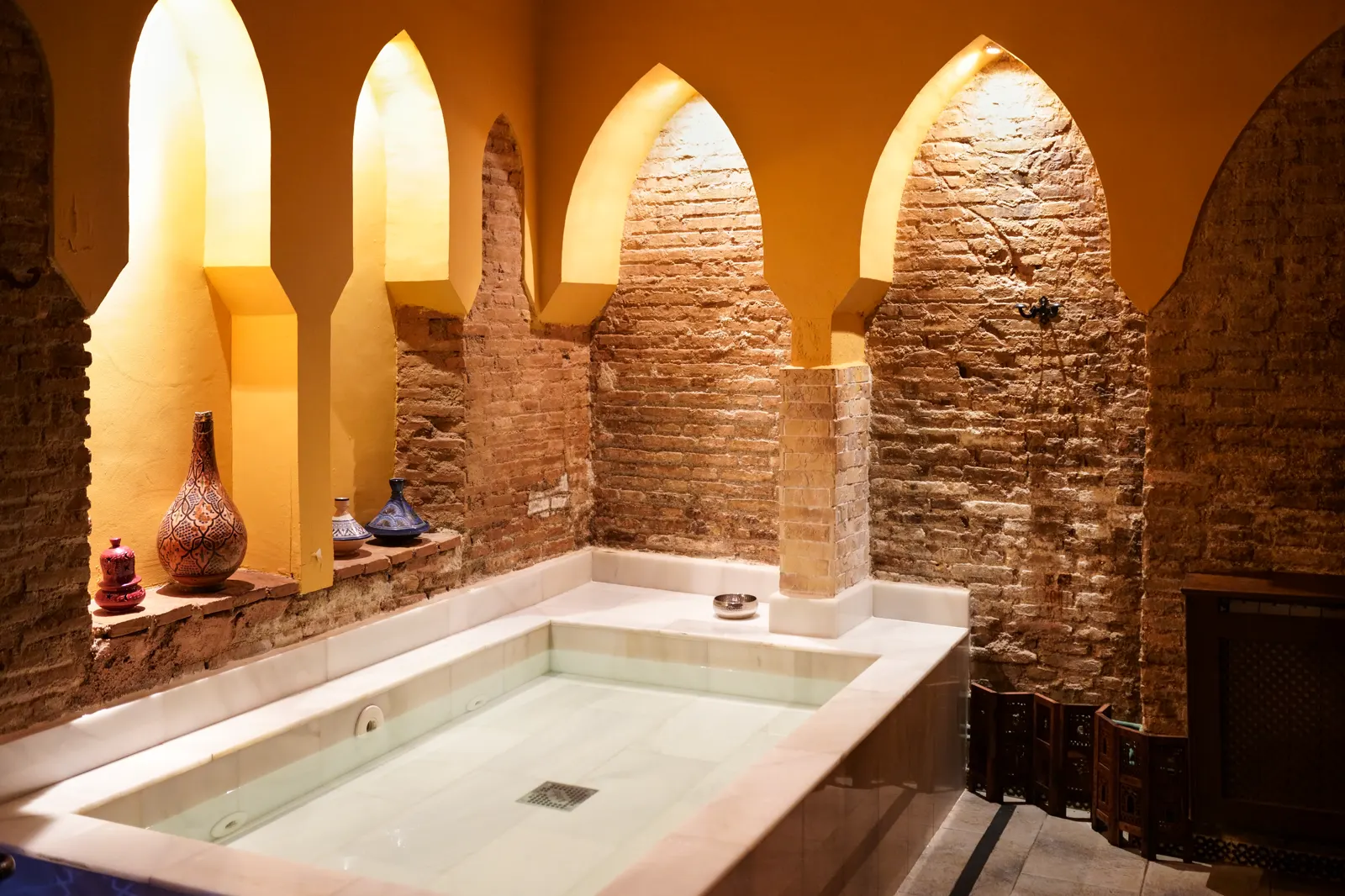
- Time
- 45 min
- Evidence
- DTraditional wisdom
- Time
- 45 min
- Evidence
- DTraditional wisdom
You’ll need
- Beldi black soap (an olive-oil soap paste), about a teaspoon
- A kessa exfoliating glove, clean and dry
- 1–2 tablespoons rhassoul clay and enough orange blossom water or plain water to make a paste
- A few drops of argan oil for afterward
- A large glass of water and a non-slip mat
Traditional wisdom: Traditional practice with plausible mechanics (softening, mechanical exfoliation, emollients); no clinical studies of the routine.
Formulator’s tip
Let the soap sit before you scrub. Five minutes of softening means far less pressure is needed, which is kinder to your skin.
Step by step
- Run a warm (not scalding) shower with the door closed for 5–10 minutes to steam the room and soften the skin.
- Smooth a thin layer of black soap over damp body skin, avoiding the face, eyes and intimate areas. Leave for about 5 minutes, then rinse well.
- Wet the kessa glove and use long, light strokes over arms, legs, back and torso. Do each area only a few passes. Stop at pinkness, never at redness or stinging.
- Mix the rhassoul with water or orange blossom water into a smooth paste. Use it as a wash on body or hair, leave a few minutes, then rinse. Discard any leftover paste.
- Pat dry and press a few drops of argan oil into still-damp skin.
- Drink your water, dress warmly, and rest. Rinse the glove and hang it to dry completely.
Why it works
The hammam works through warmth, water and friction. Steam and soaking soften the outer layer of skin, and the kessa lifts loose surface cells; the famous gray rolls are mostly those cells mixed with soap residue, not “impurities”. Rhassoul is a mineral clay that cleanses with little lather, and argan oil on damp skin helps hold in water. None of this has been tested as a routine in trials; it is a tradition with sensible mechanics. Read Moroccan Beauty Rituals: Hammam, Rhassoul & Argan and the full Moroccan Hammam Ritual at Home.
Where it comes from
In Moroccan cities and villages, the public hammam has long been a weekly social and cleansing space, especially for women, with beldi soap, the kessa and ghassoul (rhassoul) as its tools.
Enjoy it safely
- Once a week at most. Skip the kessa on broken, sunburned, freshly shaved or waxed skin, on eczema or psoriasis patches, and on areas treated with retinoids or acids.
- Black soap is alkaline and can be drying or stinging for sensitive skin; patch test new soap and clay first.
- Heat: if you are pregnant, have heart disease, low blood pressure or feel faint, keep the water lukewarm and the session short.
- Choose cosmetic-grade rhassoul from a seller who tests for heavy metals and microbes.
Ingredients in this ritual
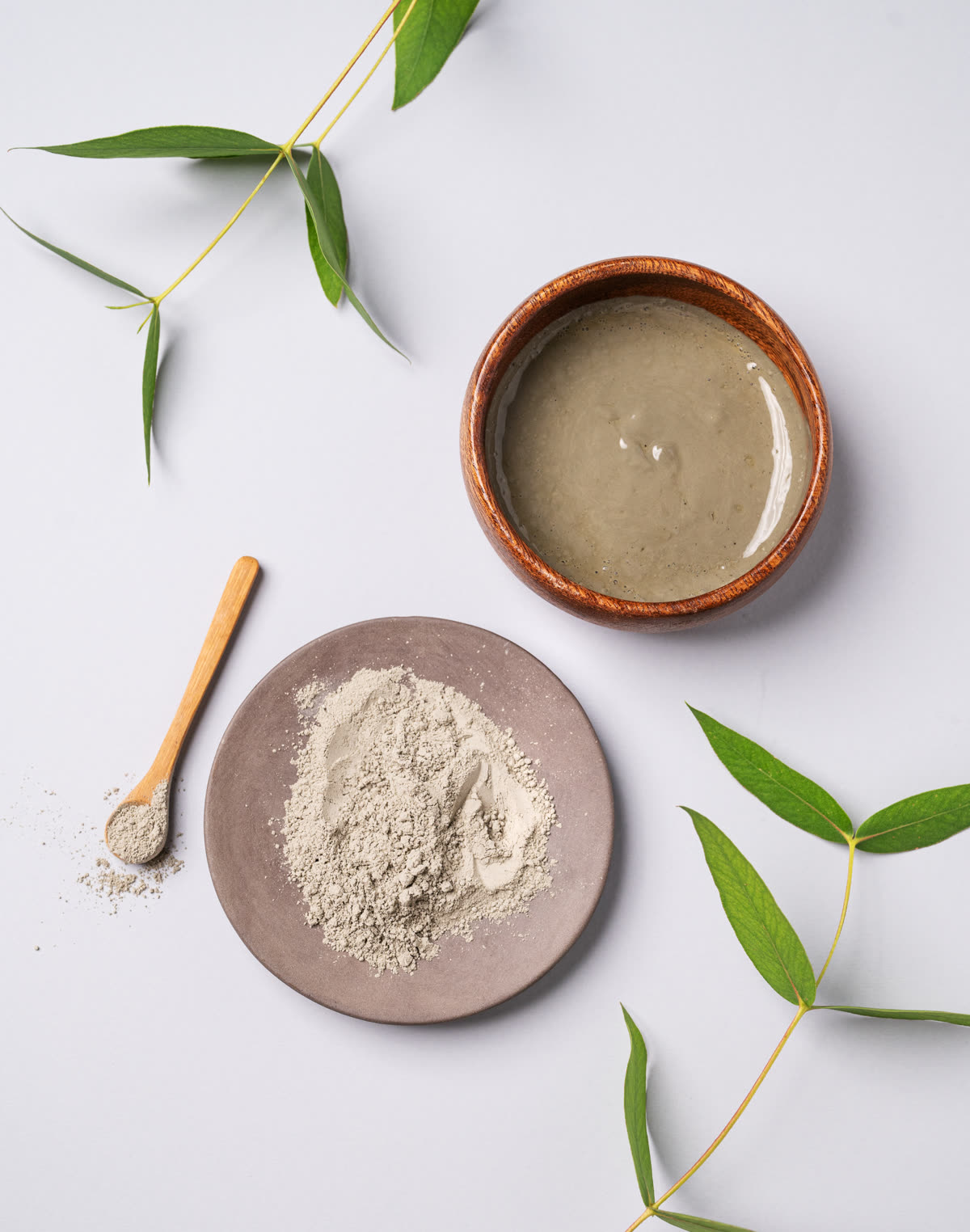 No. 040
Rhassoul ClayStevensite-rich magnesian claySilky Moroccan clay that cleanses without a single bubble, leaving skin fresh and matte and curls soft and defined.
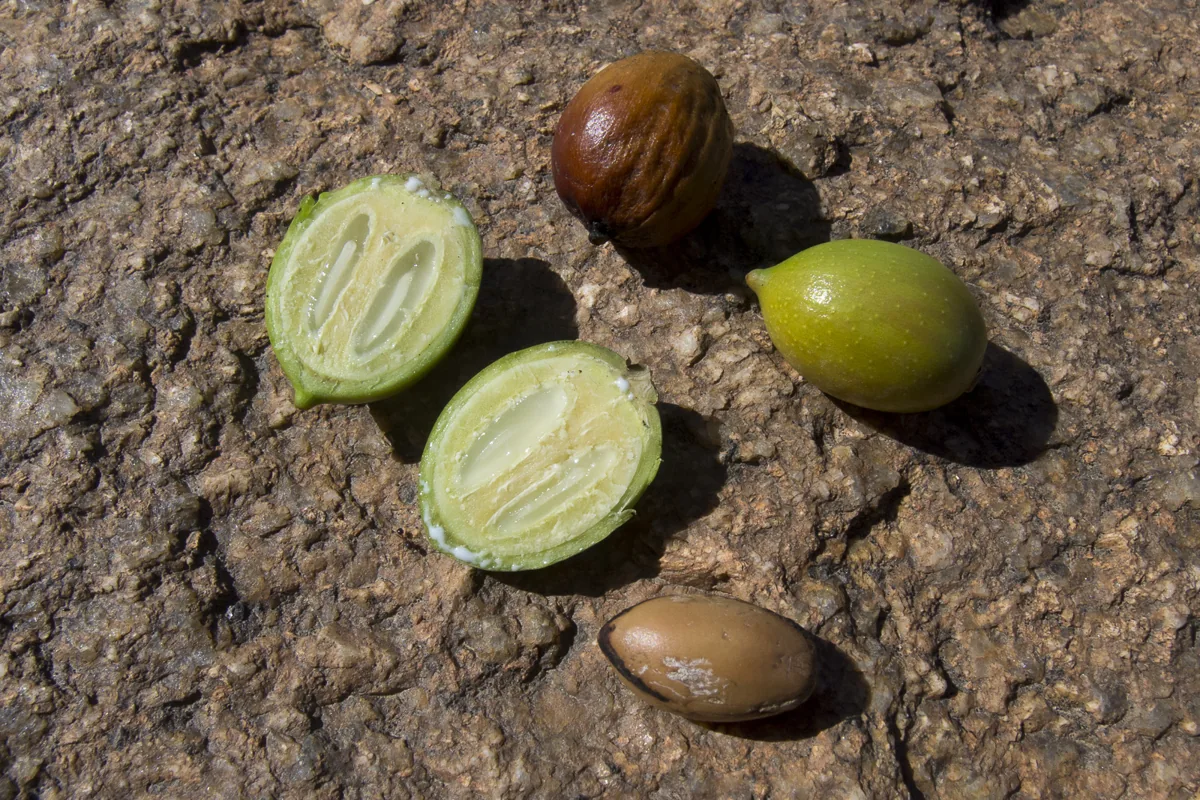 No. 027
Argan OilArgania spinosa (L.) SkeelsGolden, silky and quick to sink in, Moroccan argan oil is the easy everyday oil for soft skin and smoother, shinier ends.
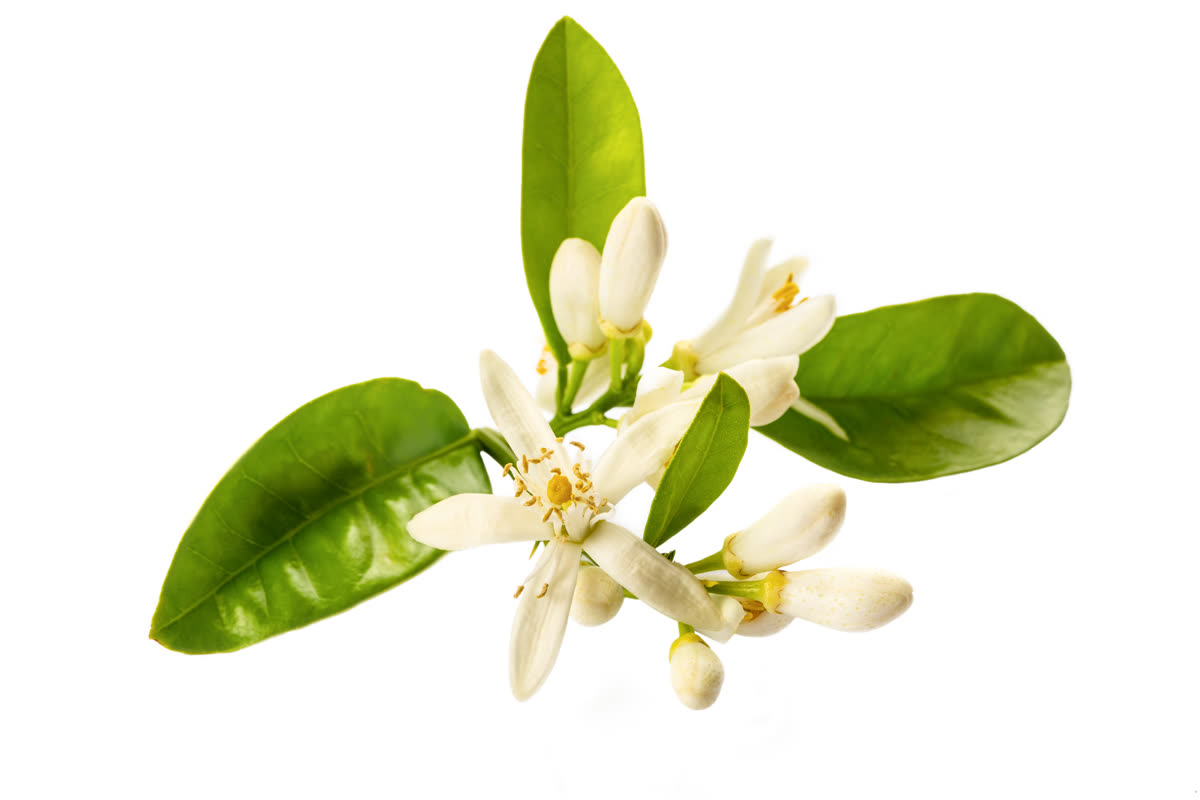 No. 026
Orange Blossom (Neroli)Citrus × aurantiumA mist of orange flower water brings the scent of a Seville courtyard in spring to your skin, softly, in one breath.
 No. 032
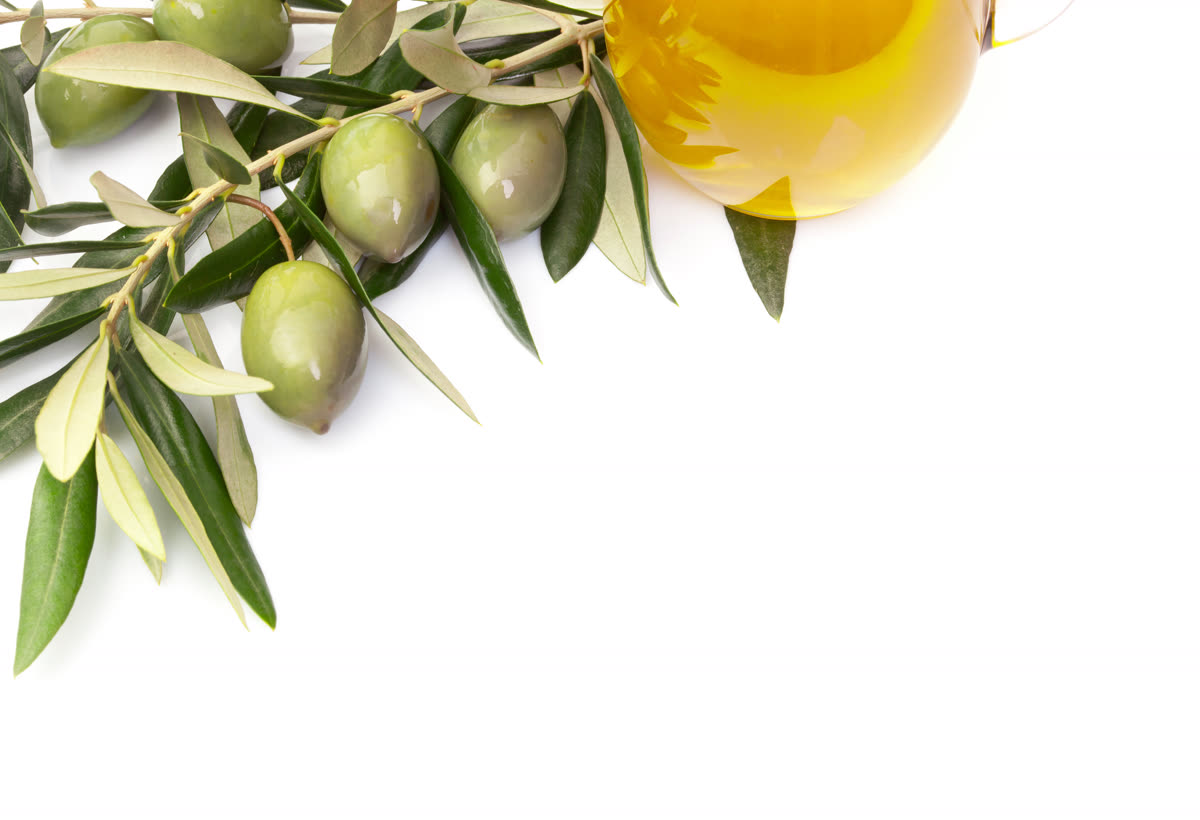
Olive OilOlea europaea L.Liquid gold of the Mediterranean: the heart of hammam black soap and a rich, comforting oil for dry elbows, knees and feet.
Go further
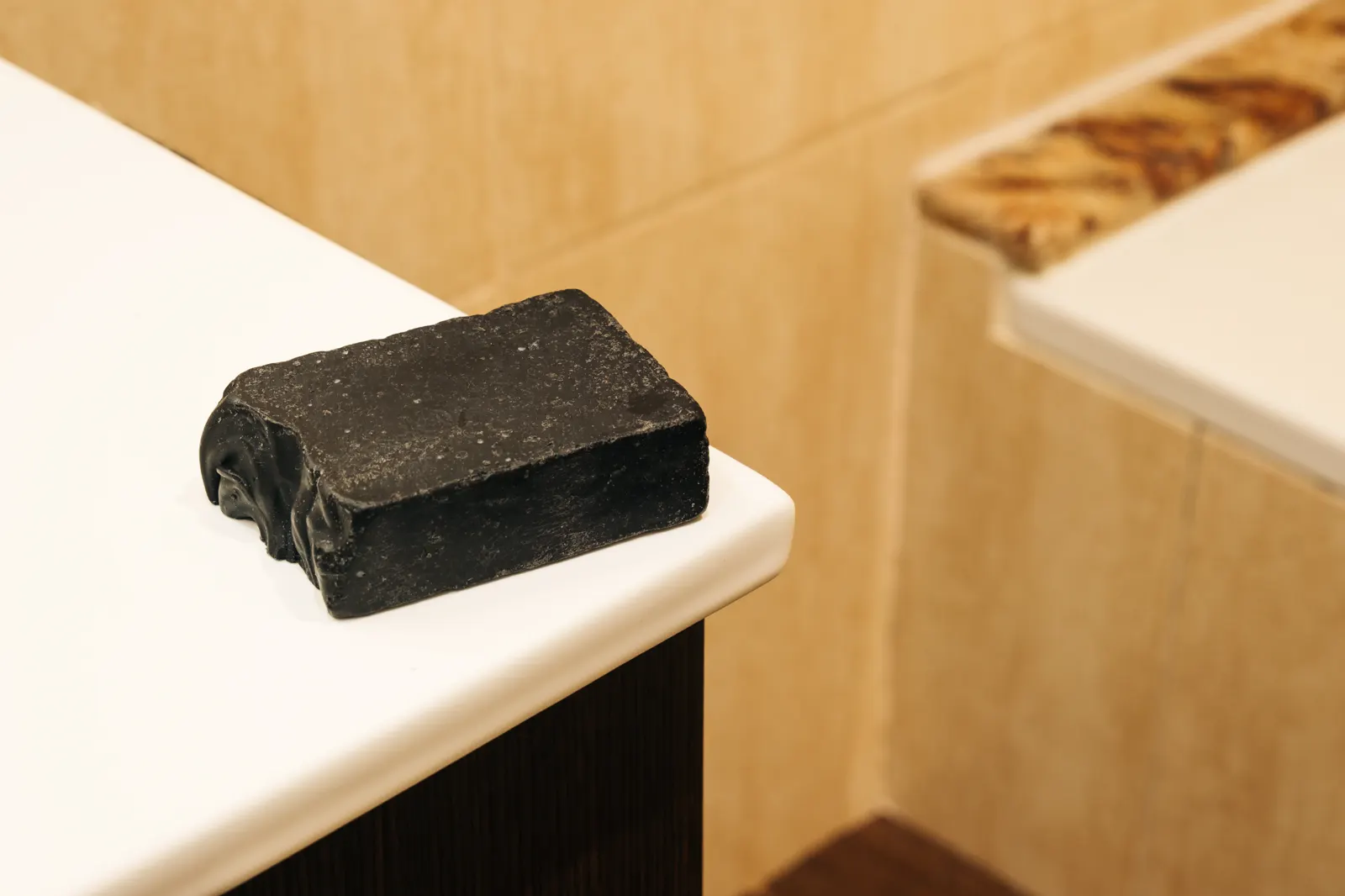 Ritual · BeginnerMoroccan Hammam Ritual at HomeBeldi black soap, the kessa glove, rhassoul clay, orange blossom water and argan oil: the traditional Moroccan hammam sequence, adapted safely for home.
GuideMoroccan Beauty Rituals: Hammam, Rhassoul & ArganThe hammam, beldi soap, kessa, rhassoul, argan, flower waters, henna and kohl: their history, cultural meaning and what science says about each.GuideHow to Patch Test (and Read the Result)A step-by-step at-home patch test (ROAT), how to tell irritation from allergy, and when you need proper dermatologist patch testing.