· Seasonal · 10 min, then overnight
The Overnight Glove Method for Winter Hands
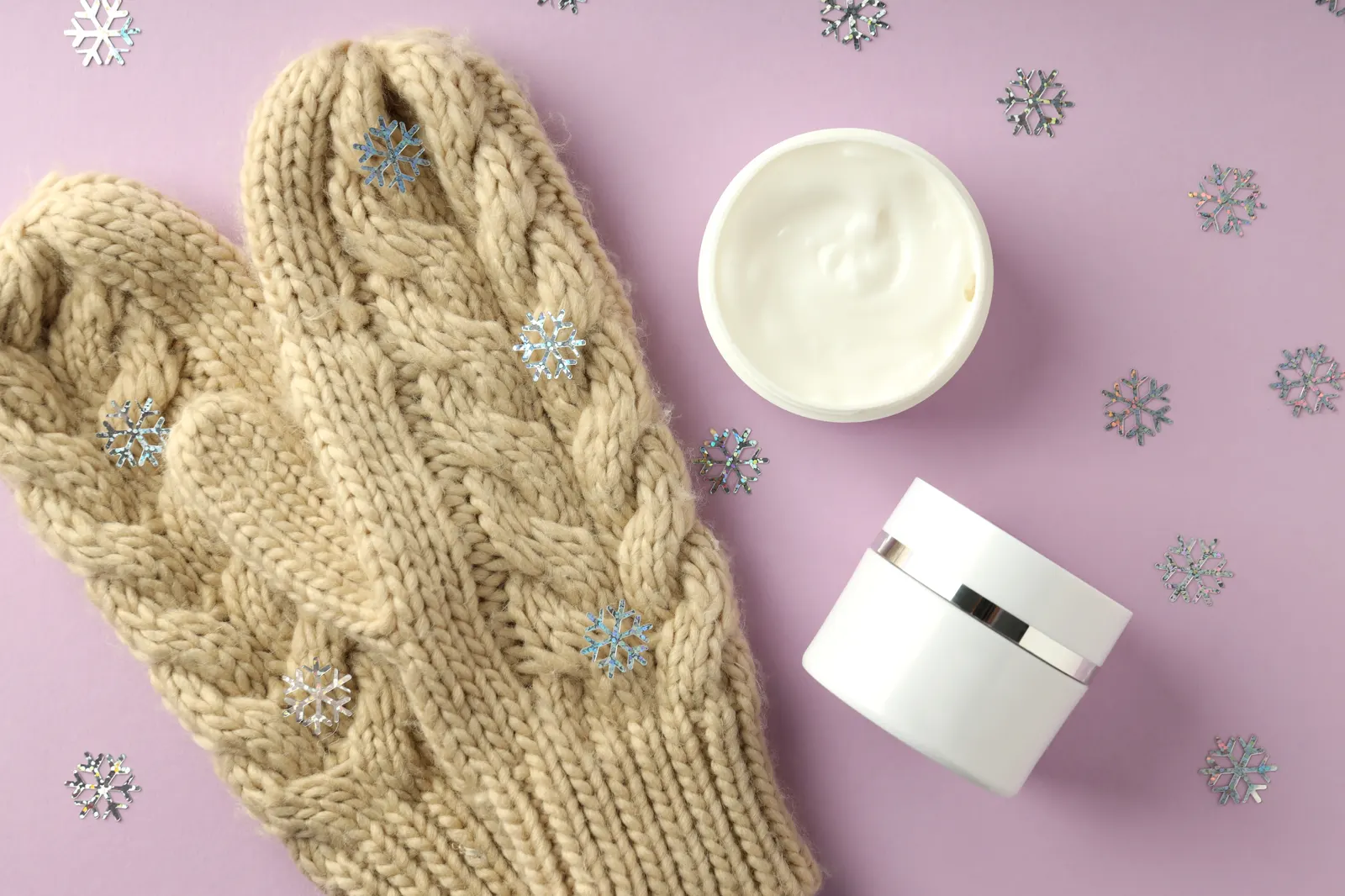
Cracked knuckles and rough fingertips? A thick balm under cotton gloves overnight, plus three daytime habits, rescues winter hands within days.
- Time
- 10 min, then overnight
- Evidence
- BGood evidence
- Time
- 10 min, then overnight
- Evidence
- BGood evidence
You’ll need
- A thick balm or ointment, such as Calendula Comfort Balm, Whipped Shea Body Butter or plain petrolatum
- A pair of clean, soft cotton gloves
- A gentle, soap-free hand wash
- A tube of hand cream for daytime
Good evidence: Emollients, occlusion and protection from wet work are well supported for hand dryness and dermatitis, though trials of specific botanical balms are small.
Formulator’s tip
Do the glove method on three nights in a row, then twice a week as maintenance. It works best before the cracks start.
Step by step
- Before bed, wash your hands in lukewarm water with a soap-free wash. Pat dry, leaving them slightly damp.
- Scoop about a teaspoon of balm and warm it between your palms until it softens.
- Massage it in: backs of hands, between the fingers, around each cuticle and over the knuckles, about two minutes in total.
- Add an extra dab to any cracks or split fingertips.
- Put on the cotton gloves and wear them for at least an hour, ideally overnight.
- In the morning, wash off any excess, then apply a light hand cream.
- By day: cream after every wash (keep a tube by each sink), wear warm gloves outdoors, and wear rubber gloves with cotton liners for dishes and cleaning.
Why it works
Hand skin loses water fast in cold, dry air, and every wash strips a little more lipid. A thick occlusive layer slows that water loss, and the glove keeps it on the skin for hours instead of transferring it to your pillow, which is why overnight occlusion works better than a quick rub of cream. Dermatology guidance for hand dermatitis consistently puts frequent emollients and protection from wet work at the center of treatment.
Shea butter is a rich, well-tolerated occlusive, sunflower oil supports the barrier, and calendula is a traditional soothing botanical with modest wound-care evidence. A useful surprise: in healthcare settings, alcohol hand rubs containing emollients are generally less irritating than repeated soap-and-water washing, so a moisturizing sanitizer can be the kinder choice when your hands are not visibly dirty.
Enjoy it safely
- If you have a known allergy to lanolin, beeswax, calendula or other daisy-family plants, check the balm’s label first.
- Cracks that bleed, ooze, become hot or painful, or hand rash that is not improving after two weeks need a doctor; hand eczema linked to work may need formal patch testing.
- Wash the cotton gloves often, and use a fresh pair if the skin is cracked.
Ingredients in this ritual
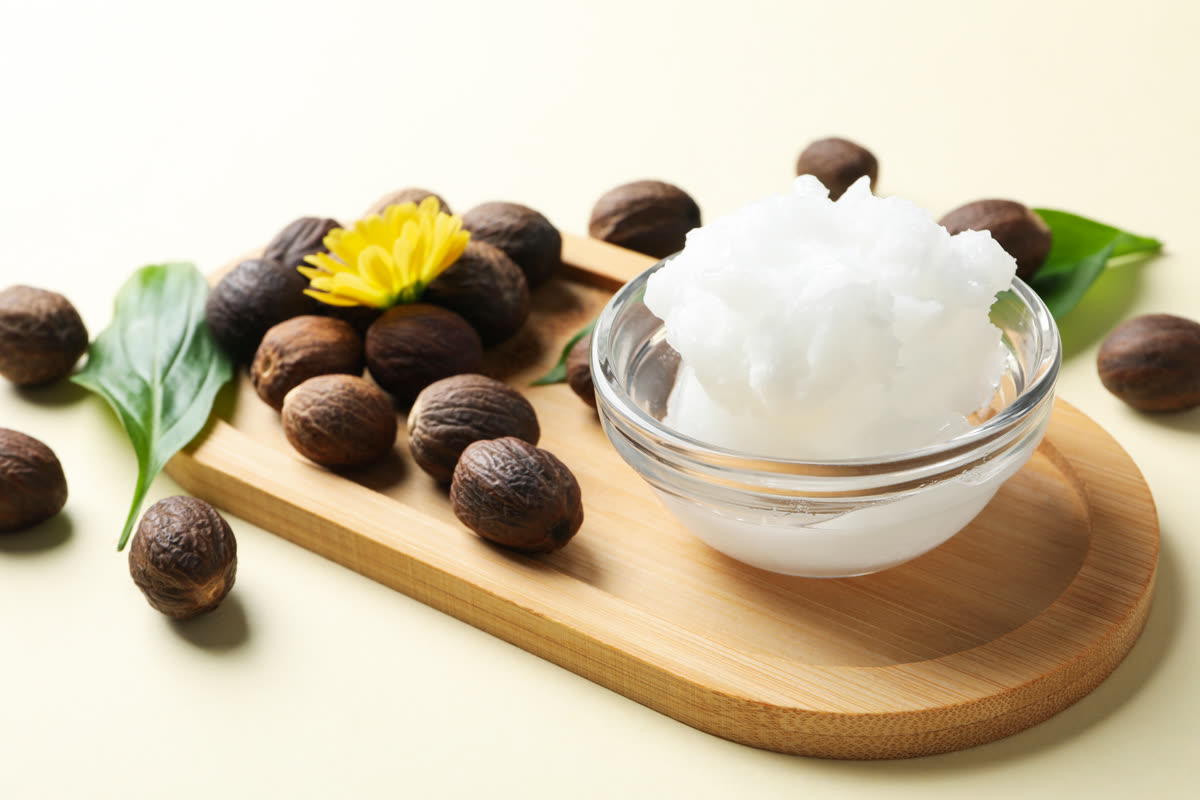 No. 030
Shea ButterVitellaria paradoxa C.F.Gaertn.Rich, creamy and melting at skin temperature, shea butter is pure comfort for very dry hands, heels, lips and curls.
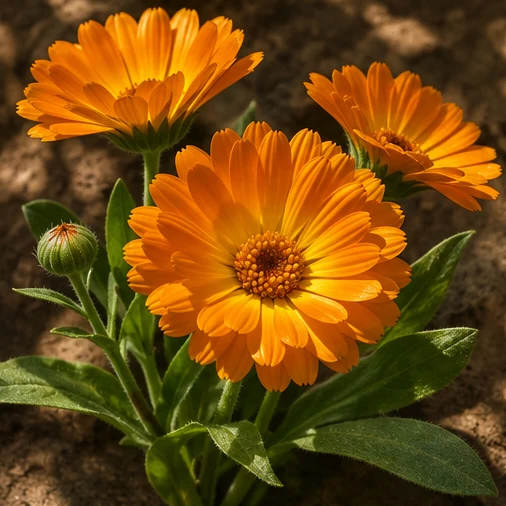 No. 002
CalendulaCalendula officinalisSunny pot marigold petals, steeped in oil, make one of the gentlest balms for dry, chapped skin.
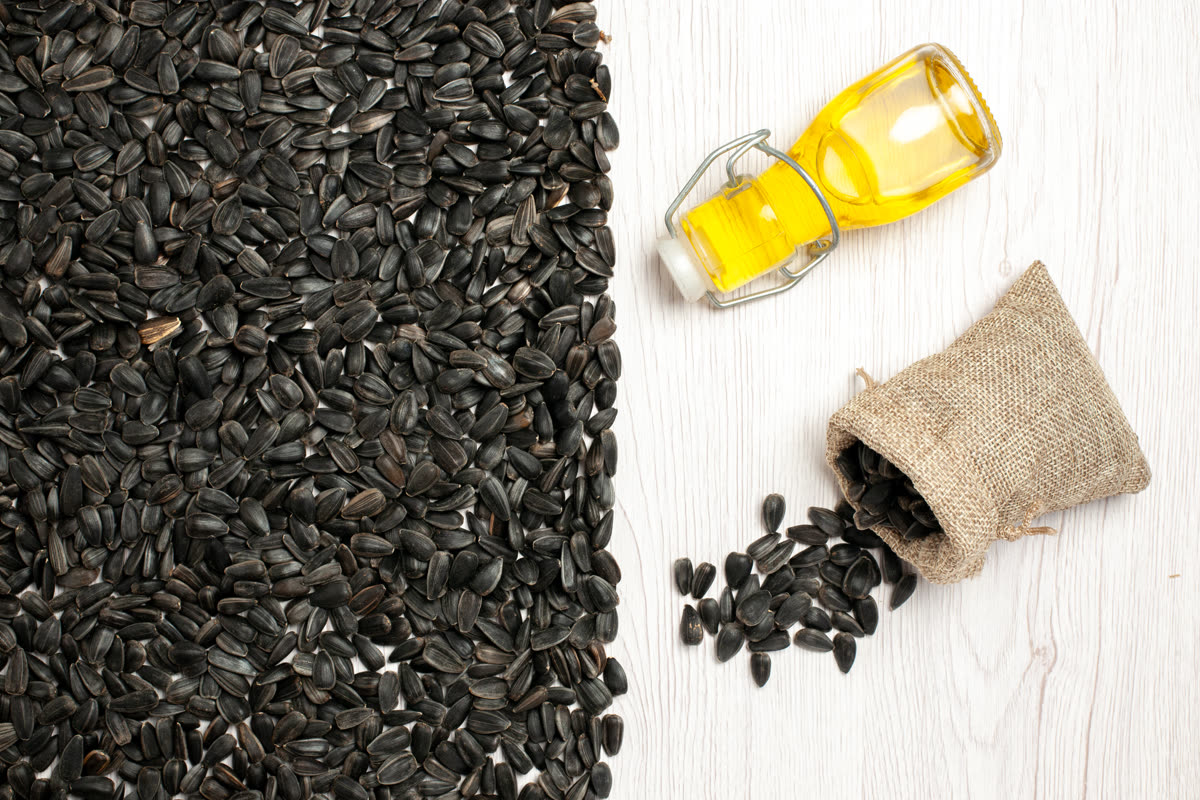 No. 033
Sunflower OilHelianthus annuus L.The humble kitchen oil with some of the best barrier evidence of any plant oil: gentle, affordable and kind to dry skin.
Go further
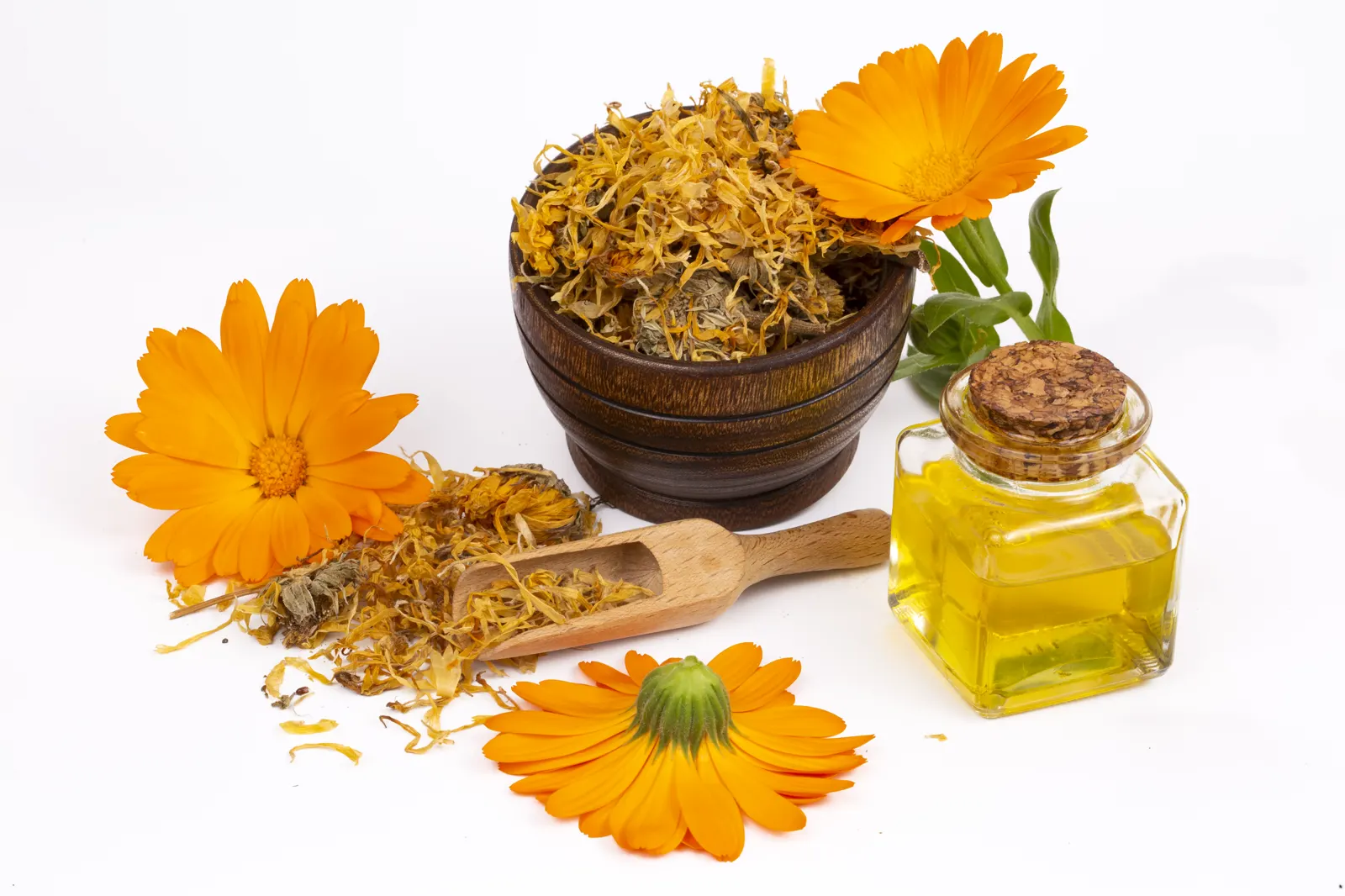 Balm · BeginnerCalendula Comfort BalmA rich, fragrance-free balm of calendula-infused oil, shea and beeswax for chapped hands, dry patches and minor scrapes once they have closed.
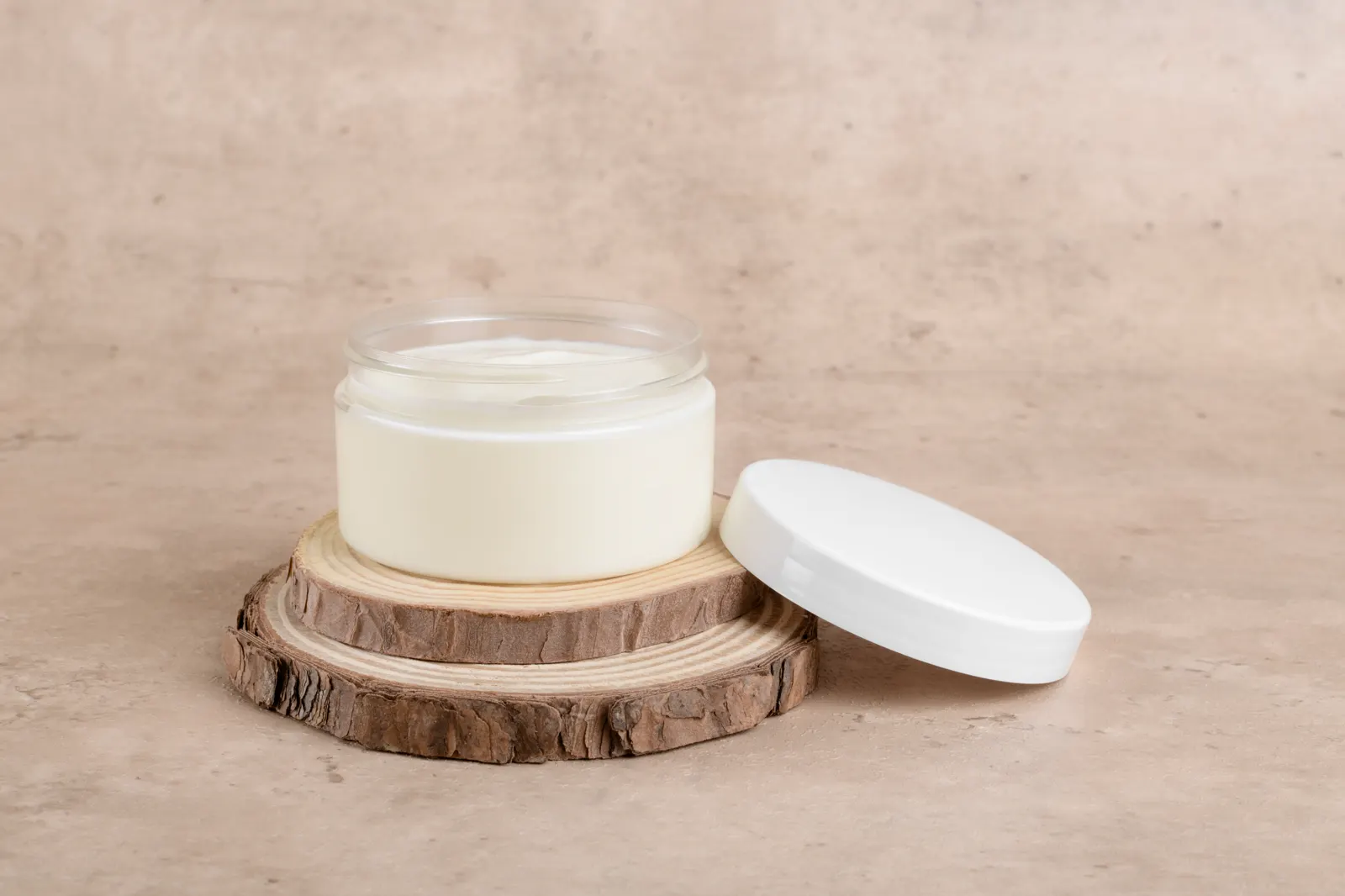 Body care · BeginnerWhipped Shea Body ButterCloud-light whipped shea with coconut and sunflower oils and a hint of lavender — rich care for dry skin, with the trick that prevents graininess.
ConcernDry & Dehydrated SkinWhy skin loses water, how the barrier works, and how to layer humectants, emollients and occlusives — with oatmeal, shea and oils that help.ConcernEczema-Prone SkinAtopic dermatitis explained: filaggrin, the itch-scratch cycle and emollient therapy — plus the botanicals that help and the ones to avoid on broken skin.GuideThe Skin Barrier, ExplainedBricks, mortar, acid mantle and microbes: how your skin barrier works, what damages it, and a calm, evidence-based plan to repair it.