· Seasonal · 20 min
The Autumn Equinox Skin Reset
Summer’s over, the sunscreen stays. A twenty-minute equinox reset: check skin and moles, swap textures, and bring back actives slowly.
- Time
- 20 min
- Evidence
- CPromising
- Time
- 20 min
- Evidence
- CPromising
You’ll need
- Good daylight and a hand mirror
- Your current products
- A richer moisturizer for the cooler months
- Your phone, for notes and a few photos
Promising: Seasonal moisturizer changes and skin self-checks are standard advice; licorice extract’s brightening evidence comes from small studies.
Formulator’s tip
Photograph any mole you want to keep an eye on next to a coin, in the same spot and light. Next season’s comparison then takes ten seconds.
Step by step
- In daylight, check your skin, including your back, hairline and feet; a partner or a second mirror helps. Note any mole that is new, changing, itchy or bleeding.
- Check your sunscreen’s expiry date and where it spent the summer. A bottle that baked in a beach bag is worth replacing.
- Swap textures: a creamier cleanser if your skin feels tight, and a slightly richer moisturizer at night.
- If you paused retinoids or acids over summer, bring back one at a time, two or three nights a week at first.
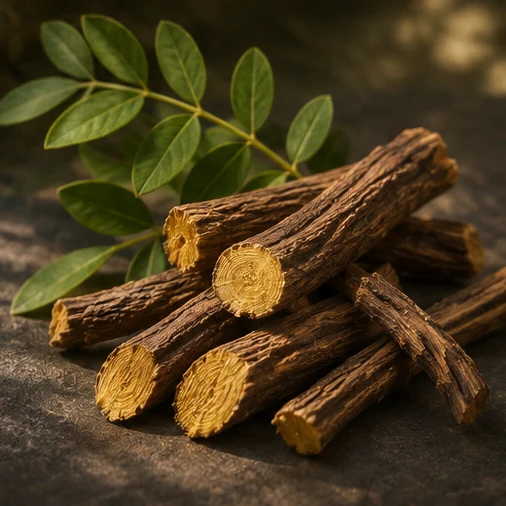
- For summer dark spots, choose one targeted serum, for example with licorice root extract, niacinamide or vitamin C, and give it two to three months.
- Keep wearing sunscreen every day. UVA, the rays most linked to skin aging, is around all year.
- Book a trim for sun- and sea-dried ends.
Why it works
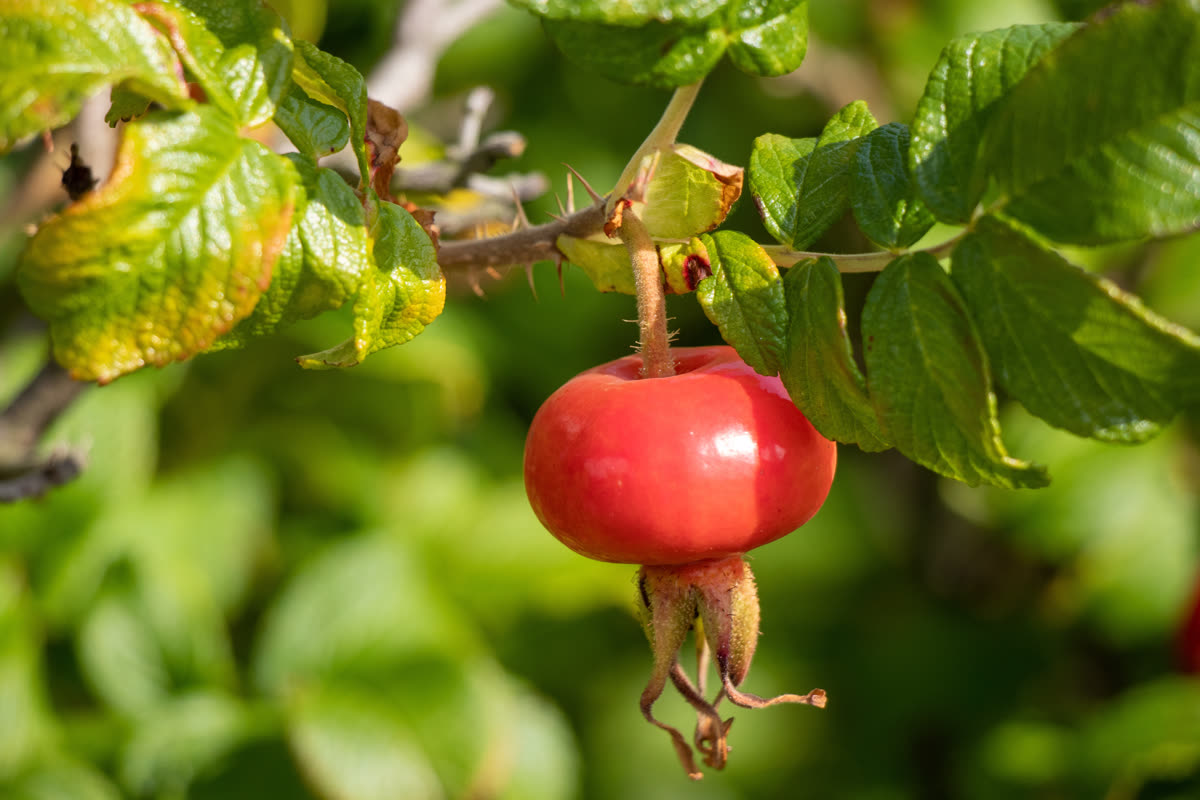
Cooler, drier air increases water loss from skin, so many people need richer textures from autumn onwards. Late summer is also when sun-induced pigmentation is most visible. A gentle brightening ingredient such as licorice root may help over time, alongside daily sunscreen, which stops spots getting darker. Rosehip oil is a soft, comforting addition for dry patches.
A seasonal skin check is simple and worthwhile: many skin cancers are first noticed as a new or changing spot. See Dark Spots & Hyperpigmentation and Sun Care & After-Sun.
Enjoy it safely
- See a doctor promptly about any mole that changes in size, shape or color, or any spot that bleeds or won’t heal.
- Reintroduce actives one at a time and patch test new serums (How to Patch Test).
- Brightening products can irritate; stop if your skin stings or reddens.
Ingredients in this ritual
Go further
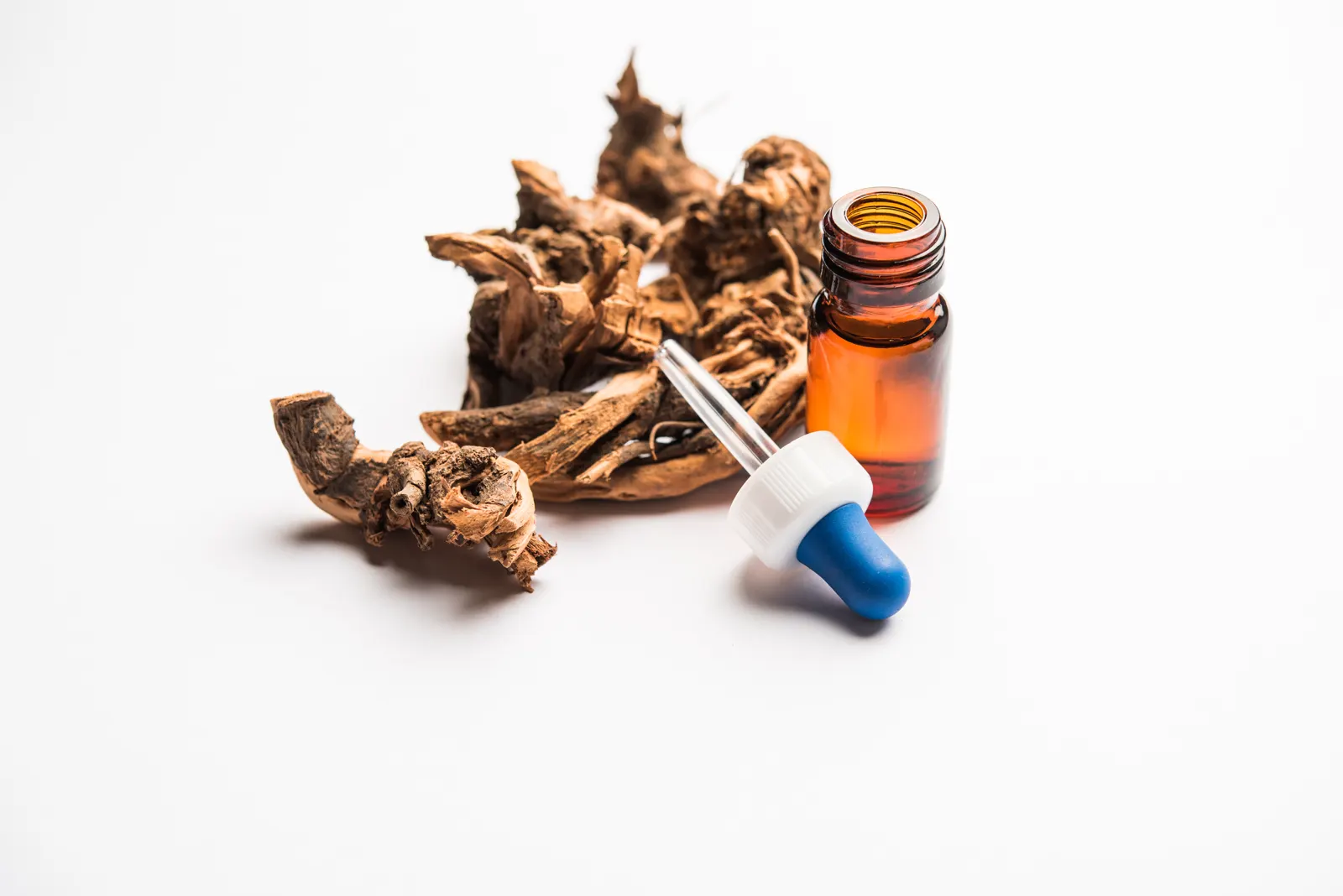 Serum · IntermediateLicorice & Niacinamide Brightening SerumA lightweight serum with licorice root extract and 4% niacinamide to help even out the look of dark marks over time, always paired with daily SPF.
ConcernDark Spots & HyperpigmentationMelasma, post-acne marks and sun spots explained: why sunscreen comes first, what licorice and other botanicals can add, and when to see a dermatologist.ConcernSun Care & After-SunUVA, UVB, SPF and visible light explained. No plant oil gives reliable SPF: use tested broad-spectrum SPF 30+, never DIY sunscreen — then soothe with aloe.
 The Slow Sunday Shelf AuditThirty minutes with your bathroom shelf: read the PAO symbols, sniff out rancid oils, and decide what to keep, move to the fridge or throw away.