Smart shopping · 6 min read ·
How to Choose a Natural Face Oil in Five Minutes
Skin type, the label, the bottle, the price and your nose: a five-step shop-floor method for finding a face oil you will actually love.
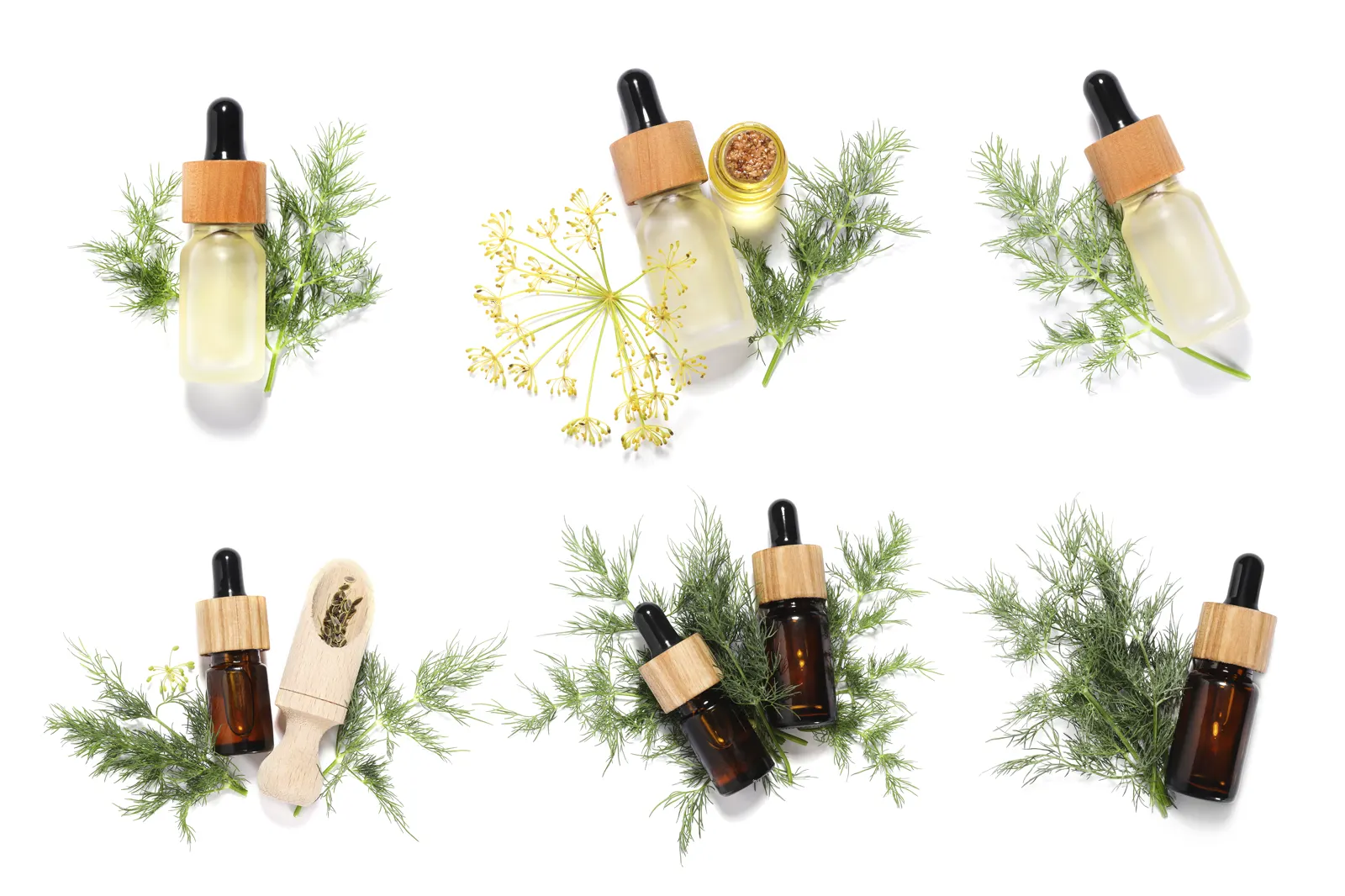
A wall of little amber bottles, each promising glow, and a price range from pocket money to a weekend away. Choosing a face oil should be a pleasure, not a puzzle. Give yourself five minutes, one per question, and you will walk out with the right bottle.
First, what a face oil can and cannot do
A face oil is a softener and a sealant. Plant oils fill the tiny gaps between dry surface cells, so skin feels smoother and more supple, and they slow water loss when pressed over a moisturizer or onto damp skin. Many also bring their own fatty acids and natural antioxidants such as vitamin E, which help the skin’s own barrier fats and help the oil itself stay fresh.
What an oil does not do is hydrate on its own: it contains no water. On very dry skin, it works best as the last step, on top of something water-based. It is also not a sunscreen, whatever you may read online, and it will not erase wrinkles or scars. Some oils, such as rosehip oil, have promising early research for texture and marks, but the honest summary for most oils is “lovely to use, good for comfort, gently supportive.” That is plenty.
Our Carrier Oils: The Formulator’s Guide goes deep on chemistry. Here is the quick version for the shop aisle.
Minute one: match the oil to your skin
Oils differ mainly in their balance of fatty acids. Oils richer in linoleic acid feel lighter and are often preferred by oily and breakout-prone skin; oils richer in oleic acid feel richer and suit dry and mature skin. A rough map:
- Oily or breakout-prone: squalane (weightless and very stable), jojoba (technically a liquid wax that resembles skin’s own oils), hemp seed oil or sunflower oil.
- Normal or combination: argan oil, camellia oil (Tsubaki oil), prickly pear seed oil.
- Dry or mature: rosehip oil, marula oil, avocado oil, or a blend with a little sea buckthorn.
- Sensitive or reactive: a single, unscented oil such as squalane or jojoba, nothing more.
Treat “comedogenic” ratings with caution. Many old lists come from tests on rabbit ears with neat oils, and they predict real faces poorly. Your own skin, tested slowly, is the better guide. Not sure of your type? Watch how your face feels two hours after washing with nothing on it: tight, shiny, or somewhere in between.
Minute two: turn the bottle over
Read the ingredient list, which is printed in a standard international format called INCI. Botanicals appear under their Latin names, so rosehip appears as Rosa Canina Fruit Oil and jojoba as Simmondsia Chinensis Seed Oil. Our How to Read a Cosmetic Ingredient List (INCI) guide decodes the rest.
What you want to see:
- A short list. One to five oils is plenty. A bottle labeled “rosehip oil” should have rosehip first, not buried behind cheaper oils.
- Tocopherol (vitamin E) or rosemary extract near the end: antioxidants that keep delicate oils from going rancid.
- No “Parfum” or “Fragrance” if your skin is sensitive. Many face oils are scented with essential oils too; you will see their Latin names and a short list of allergens such as linalool or limonene. They smell beautiful, but they are the commonest reason a face oil stings.
A good oil you use beats a perfect oil you avoid. Choose with your skin, read with your eyes and finish with your nose.
Minute three: look at the bottle itself
Delicate oils go stale quickly in light and air. The packaging tells you how much the maker cares about that.
- Dark glass (amber, cobalt or violet) or an opaque bottle, not clear plastic on a sunny shelf.
- A dropper or pump, so you are not pouring air into the bottle every morning.
- A batch number and a date: a best-before date, or the small open-jar symbol showing how many months it lasts once opened, such as 6M or 12M.
- A sensible size. A face uses only three or four drops at a time, so a 30 ml bottle lasts months. Rosehip, hemp and other oils rich in linoleic acid are best used within six months or so of opening, and stored somewhere cool.
If you can, open the tester and smell it. Fresh plant oils smell faintly nutty, green or of almost nothing. A smell of crayons, old paint or stale nuts means the oil has oxidized: leave it on the shelf.
Minute four: price, origin and honesty
Some oils really are expensive to make. Argan kernels are cracked by hand, and it takes a great many prickly pear seeds to fill a small bottle. Others, like sunflower and jojoba, are affordable. A bargain-basement “pure prickly pear” oil is a reason for curiosity, not celebration, because cheap oils are sometimes diluted with cheaper ones.
Compare price per ml, not per bottle. Look for the country of origin, a cold-pressed or virgin grade where it applies, and any certification you trust, such as organic or fair-trade schemes. With argan in particular, buying from women’s cooperatives supports the communities who make it; our Sustainable & Ethical Botanical Sourcing guide explains what the labels can and cannot guarantee.
Be politely skeptical of big claims. “Erases wrinkles”, “clinically proven to reverse aging” or “heals scars overnight” on a single plant oil are marketing, not evidence.
Minute five: trust your nose, then patch test at home
The last minute is for you. Put a drop on the back of your hand. Does it sink in within a minute or sit on top? Do you like the scent, or the lack of one? Will you enjoy reaching for it at night? A good oil you use beats a perfect oil you avoid.
At home, patch test before going all in: a little on the inner forearm, twice a day for 7 days, reading it at 48 and 96 hours. The One-New-Product Patch-Test Week makes this easy, and the How to Patch Test (and Read the Result) guide explains what a reaction looks like.
Then use it well. Three or four drops, warmed between the palms and pressed, not rubbed, over moisturizer at night. The Evening Press-and-Pat with Rosehip Oil shows the technique. Introduce it alone, without other new products, so you know what is working. A few friendly notes: orange sea buckthorn can tint pale towels and pillowcases, so use a drop or two in a blend; and if you have acne, rosacea or eczema, keep it simple and stop at the first sign of stinging or new spots.
Keep going
Put it into practice
 No. 029
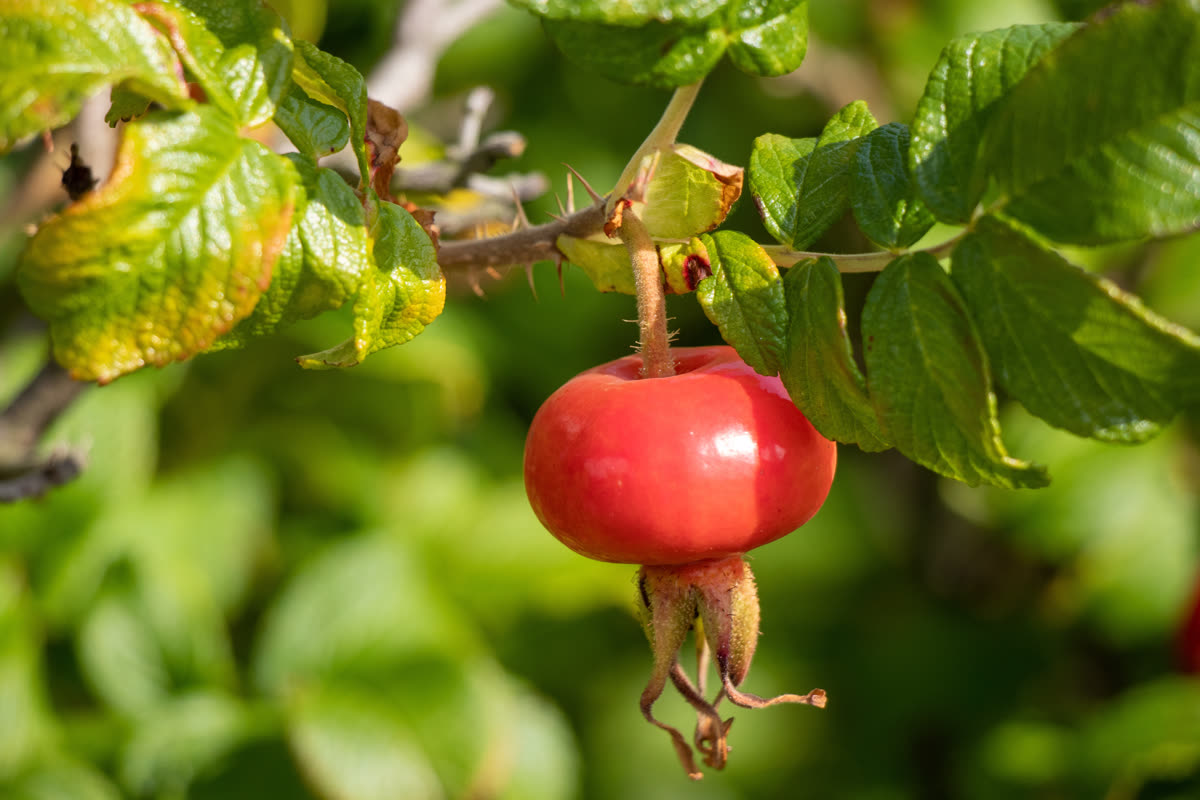
Rosehip OilRosa canina L.Light, fast-absorbing and full of essential fatty acids, rosehip is the night oil that leaves skin soft and supple by morning.
 No. 028
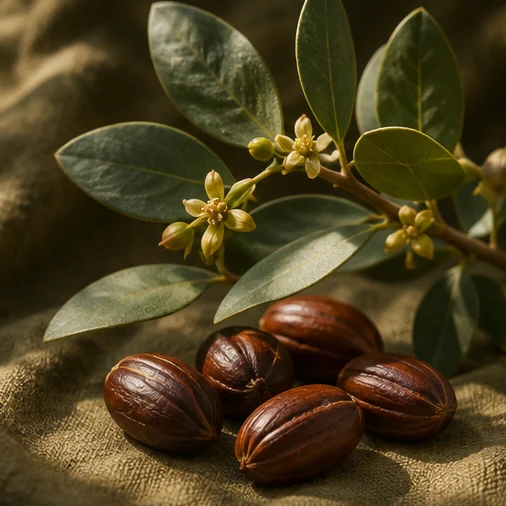
JojobaSimmondsia chinensis (Link) C.K.Schneid.Jojoba is really a liquid wax, which is why it feels so silky, sinks in with a satin finish and keeps for years.
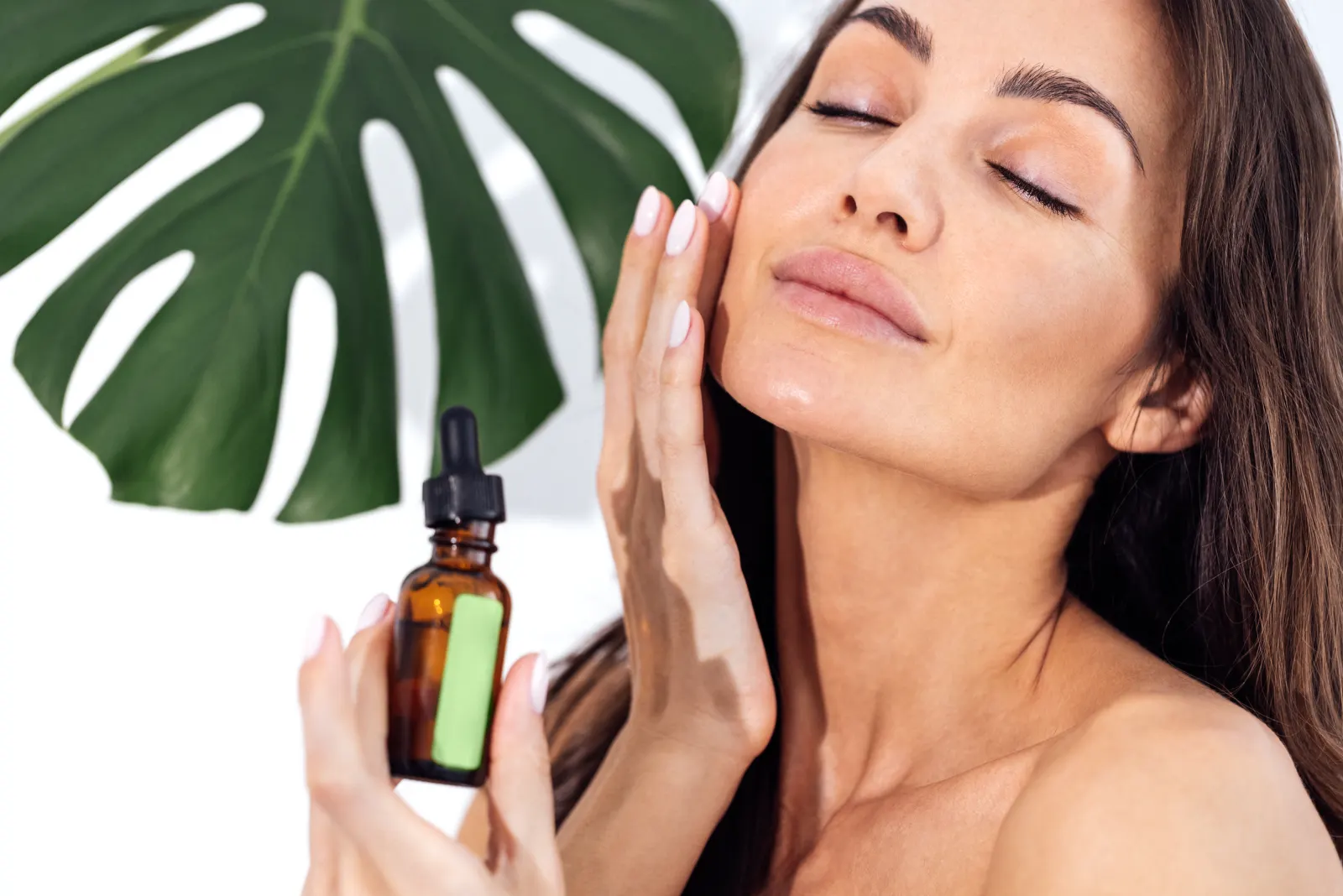 The Evening Press-and-Pat with Rosehip OilThree drops, warm palms, press and hold: the evening face-oil technique that uses less rosehip and sea buckthorn oil and leaves skin soft, not greasy.
The magazine
More stories you’ll enjoy
 Smart shopping · 6 minReading a Label in the Shop AisleYou do not need a chemistry degree to read the back of a bottle. Five things to look for, five claims to take lightly, and a sixty-second habit that saves money.
 Seasonal living · 6 minA Winter Skin Plan, Week by WeekCold air outside, dry heat inside: a calm, four-week plan to keep skin soft, lips whole and hands comfortable until spring.
 Self-care & wellbeing · 6 minThe Ten-Minute Evening That Changes Your Skin and Your SleepA short, unhurried wind-down for the end of the day: clean skin, a little oil, softer light and a calmer mind before bed.