· Evening · 3 min
The Evening Press-and-Pat with Rosehip Oil
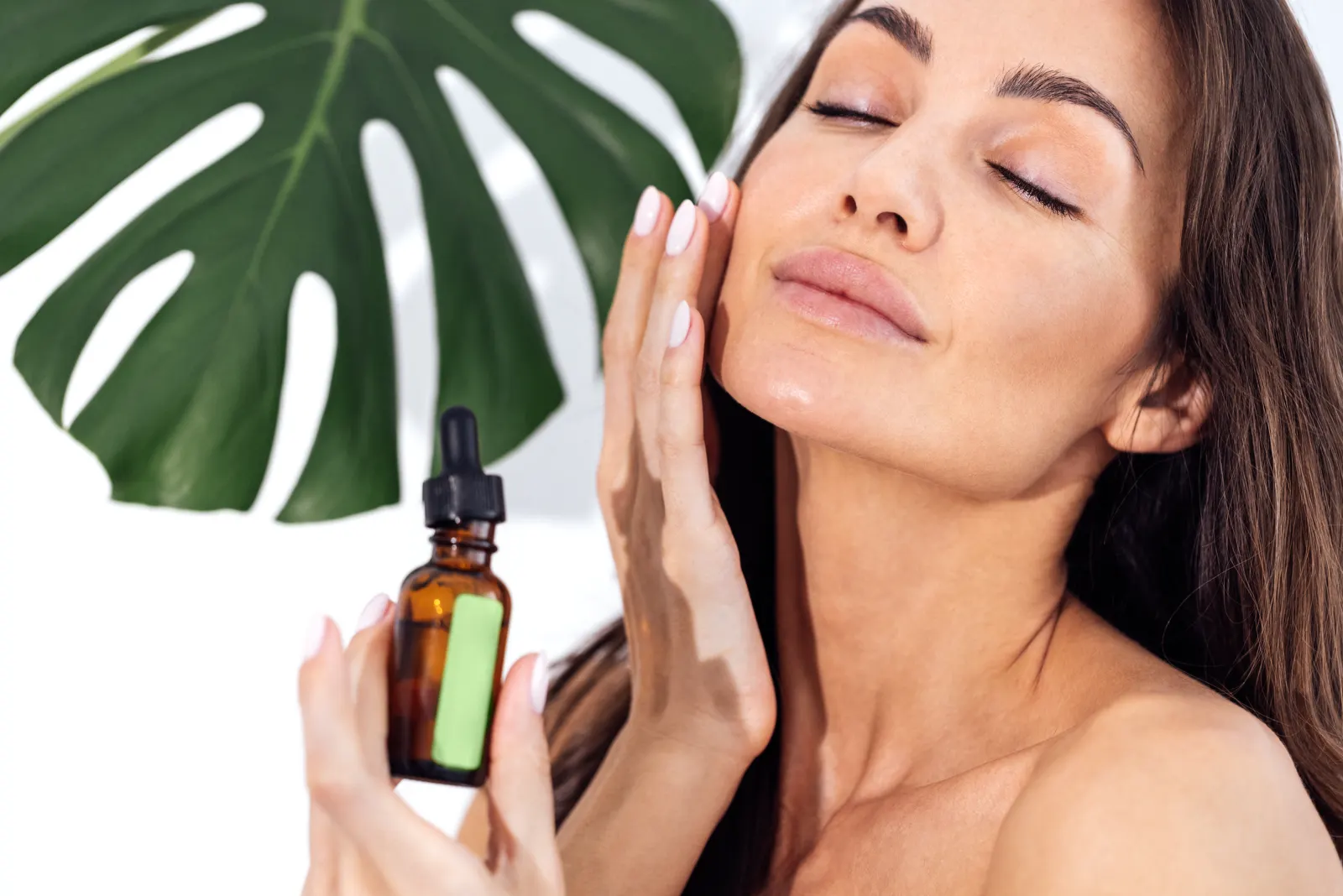
Three drops, warm palms, press and hold: the evening face-oil technique that uses less rosehip and sea buckthorn oil and leaves skin soft, not greasy.
- Time
- 3 min
- Evidence
- CPromising
- Time
- 3 min
- Evidence
- CPromising
You’ll need
- 2–4 drops of rosehip oil, or the Rosehip & Sea Buckthorn Glow Oil blend
- A water-based serum or a light mist of water (optional)
- Clean, dry hands
Promising: Based on fatty-acid chemistry and small, mostly uncontrolled human studies of rosehip oil; topical sea buckthorn trials are scarce.
Formulator’s tip
Press, do not rub. Three drops pressed onto damp skin usually do more than six drops rubbed onto dry skin.
Step by step
- Cleanse gently and pat your face so it is still slightly damp, or apply your usual water-based serum first.
- Drip 2–4 drops into one palm. Rub your palms together for a few seconds to warm and spread the oil.
- Press your palms flat onto your cheeks and hold for three slow seconds. Lift, then press again on the forehead, then the chin and jaw.
- Use whatever remains on your fingertips to pat lightly over the nose, neck and the backs of your hands.
- If your skin is dry, follow with a moisturizer; if it is oily or combination, the oil alone may be enough.
- Wait a few minutes before your head meets the pillow, especially if your blend contains sea buckthorn.
Why it works
Rosehip seed oil is rich in linoleic and alpha-linolenic acids, fatty acids the skin barrier uses, and it absorbs relatively quickly. Pressing onto damp skin lets the oil act as a light seal over water already in the skin, rather than sitting on a dry surface. Sea buckthorn fruit oil adds carotenoids and its distinctive orange color; it is kept to a small fraction of a blend because it can tint skin and fabric.
Honest grading: rosehip oil is supported by mechanistic data and small, mostly uncontrolled studies, and the popular claim that it delivers a meaningful dose of retinoic acid is not well supported, so do not treat it as a retinoid. It is a pleasant, barrier-friendly oil. Jojoba and squalane stabilize and lighten the blend. See Carrier Oils: The Formulator’s Guide.
Where it comes from
Rosehip oil has been pressed from wild rose seeds in Chile’s southern Andes for generations, and sea buckthorn has a long folk history in Tibet, Mongolia and Russia.
Enjoy it safely
- Patch test any new oil as in our guide: twice daily for 7 days, read at 48 and 96 hours. Rosehip can occasionally trigger breakouts or irritation.
- These oils oxidize quickly: store cool and dark (the fridge is ideal), use within a few months of opening, and discard if they smell of crayons or old paint.
- No essential oils are needed; if you add any to a face oil, keep the total at or below 1% (Essential Oil Dilution Calculator).
Ingredients in this ritual
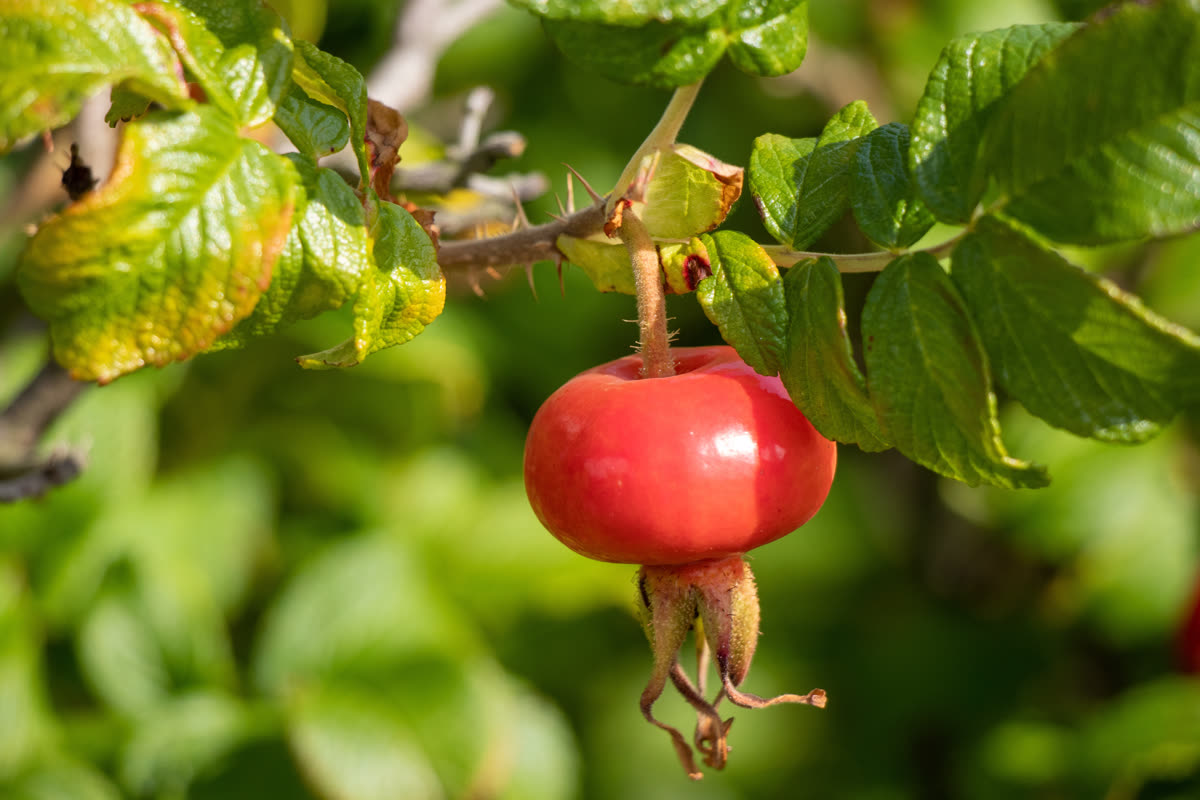 No. 029
Rosehip OilRosa canina L.Light, fast-absorbing and full of essential fatty acids, rosehip is the night oil that leaves skin soft and supple by morning.
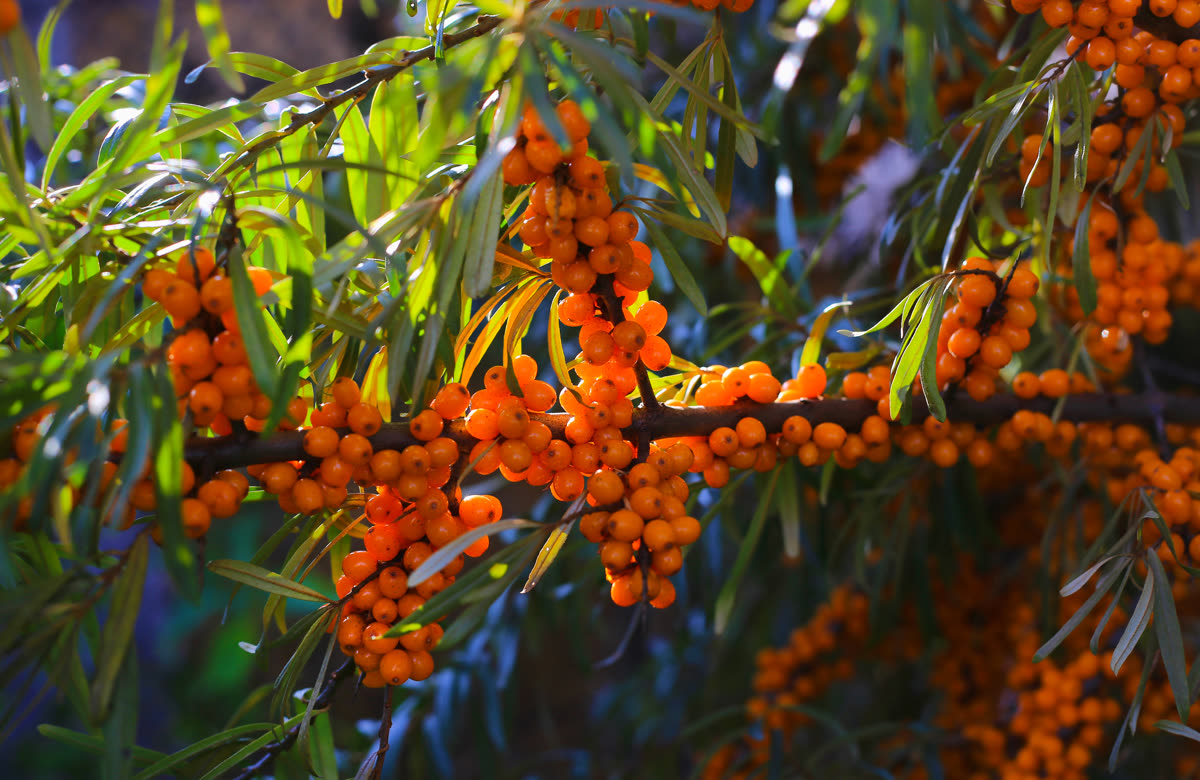 No. 038
Sea BuckthornHippophae rhamnoides L.A drop of sunset-orange sea buckthorn oil gives a face oil or balm a golden glow and a comforting feel for dry, weathered skin.
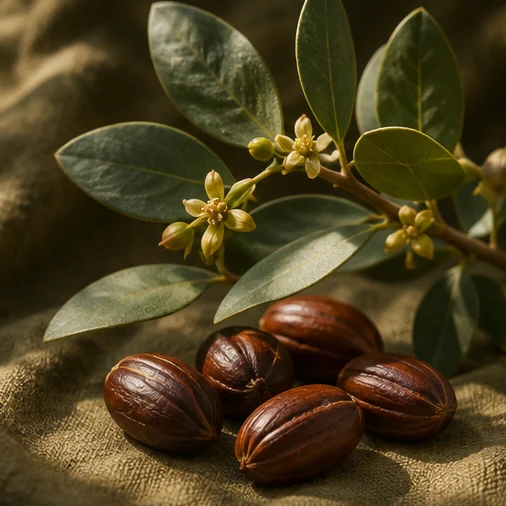 No. 028
JojobaSimmondsia chinensis (Link) C.K.Schneid.Jojoba is really a liquid wax, which is why it feels so silky, sinks in with a satin finish and keeps for years.
 No. 039
SqualaneSqualane (C30H62)Weightless, silky and barely there once it sinks in, squalane is the perfect first oil for people who think they hate oils.
Go further
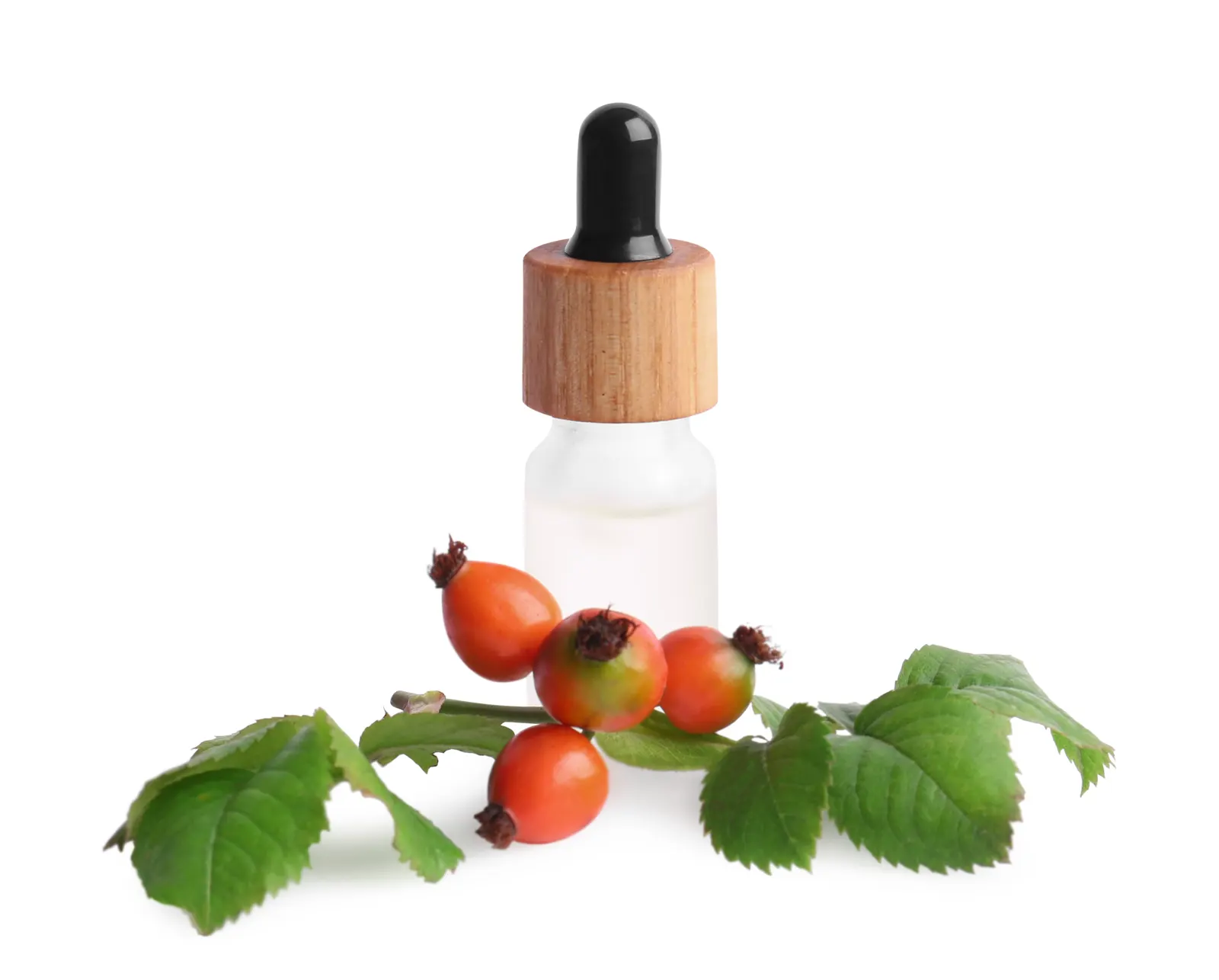 Face oil · BeginnerRosehip & Sea Buckthorn Glow OilA light face oil of rosehip, jojoba and squalane with a touch of sea buckthorn, protected with vitamin E. Three or four drops at night.
GuideCarrier Oils: The Formulator’s GuideFatty acid chemistry, oxidative stability and skin feel for 12 core oils, plus why comedogenic ratings mislead and how to store oils well.ConcernDry & Dehydrated SkinWhy skin loses water, how the barrier works, and how to layer humectants, emollients and occlusives — with oatmeal, shea and oils that help.ConcernAging & PhotoagingIntrinsic aging vs sun damage, why sunscreen and retinoids lead the evidence, and where bakuchiol, green tea and nourishing plant oils fit.