Does it work?
Rosehip Oil for Scars, Wounds & Stretch Marks
Light, fast-absorbing and full of essential fatty acids, rosehip is the night oil that leaves skin soft and supple by morning.
The short answer: A small controlled study suggested rosehip oil improved the color and appearance of post-surgical scars after the wound had closed.
What Rosehip Oil can do for Scars, Wounds & Stretch Marks
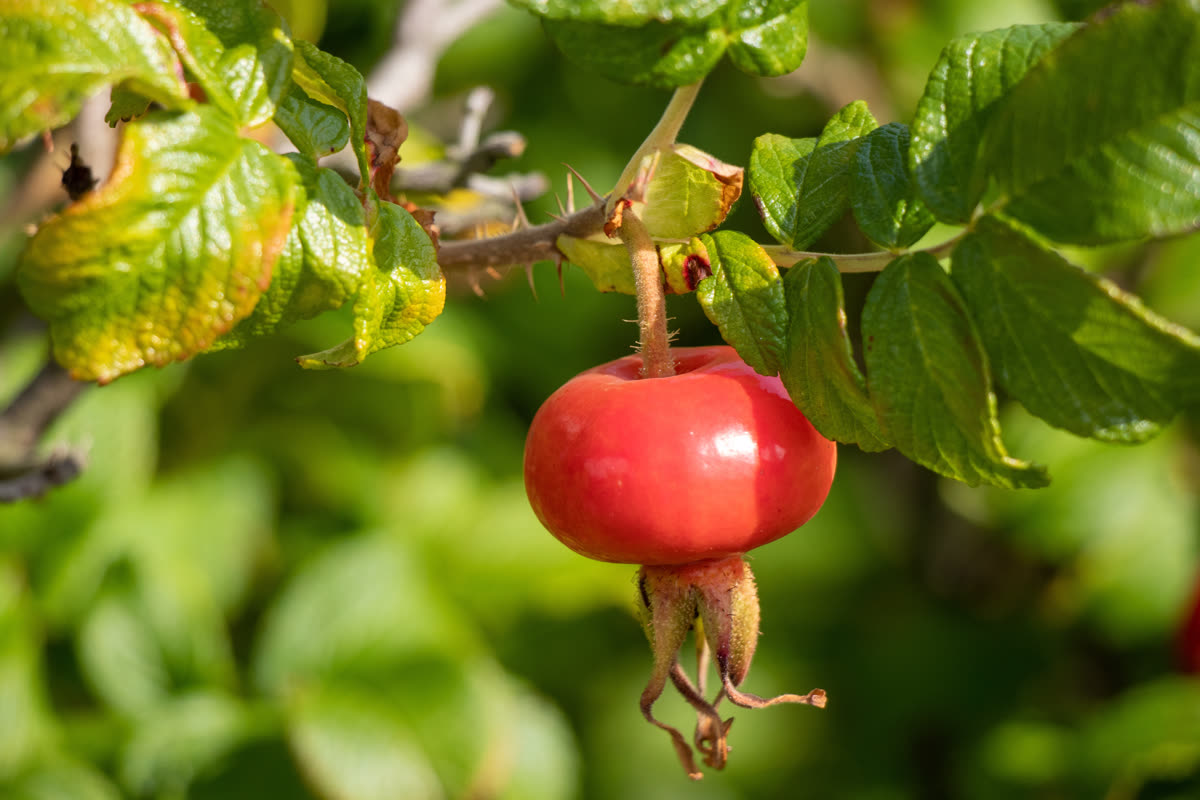
Rosehip oil is pressed from the seeds of wild roses, chiefly in Chile, Argentina and southern Africa. It is one of the richest common sources of the essential fatty acids linoleic and α-linolenic acid, giving a light, quick-absorbing feel that suits most skin types. It is widely used for scars and texture, but the evidence is small, and it is a fragile oil that goes rancid quickly if mishandled.
Why people reach for it
- Rich in essential fatty acids. Linoleic acid feeds the synthesis of barrier ceramides, and topical linoleic acid may help the skin of acne-prone people, whose sebum tends to be low in it.
- Light texture for most skin types. Absorbs quickly with little shine, so it suits normal and combination skin as well as dry skin.
- Comfort for healing scars. Massaging a non-irritating oil into a closed, healed scar keeps it supple; small studies suggest benefits, but rosehip has not been shown to beat silicone gel, the evidence-based standard.
- Antioxidant carotenoids (in some grades). Deep-orange CO₂ extracts carry carotenoids and tocopherols, which mainly protect the oil and give provitamin-A content.
How to use it
Try it today
A simple night oil ritual
- After cleansing at night, warm 2–3 drops of rosehip oil between your fingertips.
- Press over face and neck; on healed, closed scars, massage gently for two to three minutes.
- Close the bottle tightly and store it in the fridge to keep it fresh.
| Form | Typical use | Notes |
|---|---|---|
| Face oil | 2–3 drops neat, or 10–30% in a face-oil blend | Best at night. Blend with stable carriers such as jojoba or squalane; see Rosehip & Sea Buckthorn Glow Oil. |
| Scar massage | A few drops, massaged for 2–3 minutes twice daily | Only on fully closed, healed skin — never on open wounds. See Scars, Wounds & Stretch Marks. |
| Creams and serums | 2–10% of a formula | Add tocopherol at 0.2–0.5% and use airless or dark packaging. |
Recipes for Scars, Wounds & Stretch Marks with Rosehip Oil
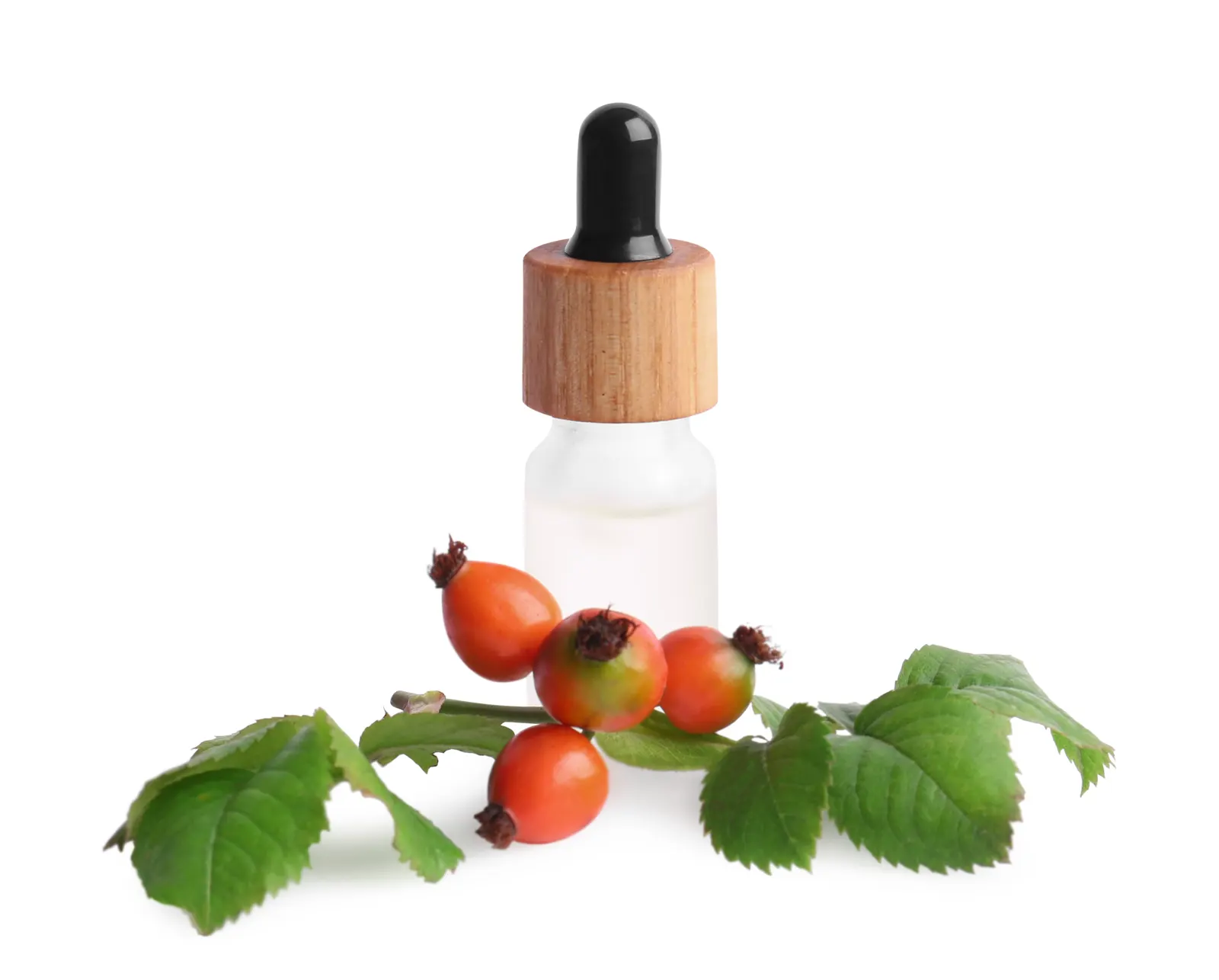
Daily rituals with Rosehip Oil
 The Slow Sunday Shelf AuditThirty minutes with your bathroom shelf: read the PAO symbols, sniff out rancid oils, and decide what to keep, move to the fridge or throw away.
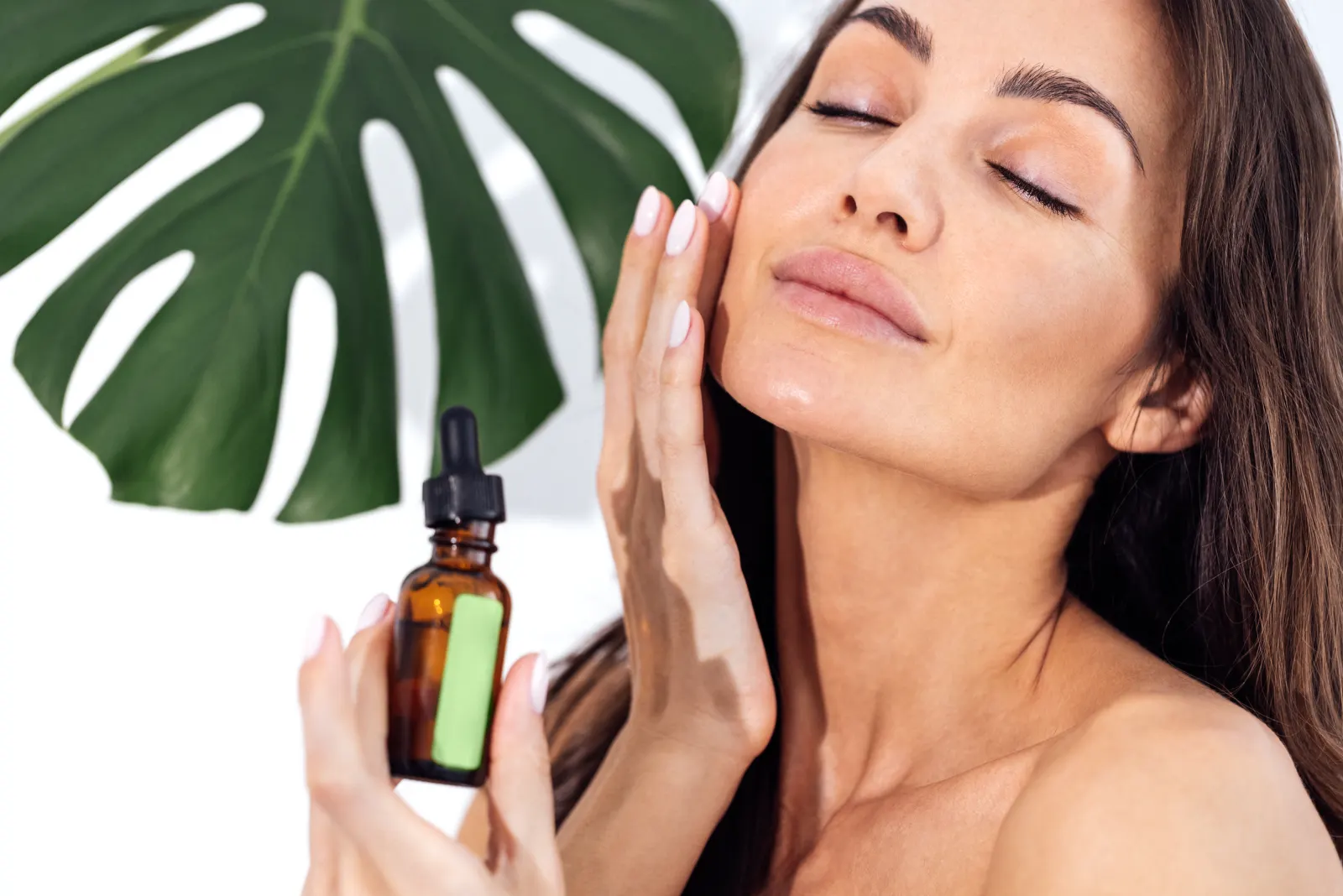 The Evening Press-and-Pat with Rosehip OilThree drops, warm palms, press and hold: the evening face-oil technique that uses less rosehip and sea buckthorn oil and leaves skin soft, not greasy.
Use it safely
- Rancid rosehip oil smells sharp, fishy or like paint and can irritate — buy small bottles and refrigerate after opening.
- Allergic reactions are rare; patch test, especially with orange CO₂ extracts that contain more fruit material.
- It is not a sunscreen and does not replace a broad-spectrum SPF — see Sun Care & After-Sun.
- Do not apply to open or infected wounds; see a doctor for wounds that are not healing.
Pregnancy and breastfeeding: Considered safe topically in pregnancy and breastfeeding; it contains no meaningful retinoid. Evidence that it prevents stretch marks is lacking.
New to an ingredient? Patch test first.
When to see a doctor
- Signs of infection: spreading redness or warmth, red streaks, increasing pain or swelling, pus, a bad smell, or fever.
- Deep, gaping or long cuts, wounds on the face, hands or joints, or bleeding that does not stop with 10 minutes of firm pressure — stitches work best within hours.
- Animal or human bites, puncture wounds, dirty wounds, or if your tetanus vaccination is not up to date.
- Burns larger than your palm, or any burn on the face, hands, feet, genitals or over joints, or with white, leathery or charred skin.
- Wounds not healing within two weeks, especially if you have diabetes, poor circulation or a weakened immune system.
- A scar that keeps growing beyond its edges, is painful or itchy (possible keloid), or an old scar that ulcerates, bleeds or changes.
- New, wide purple stretch marks together with weight gain, a rounded face, easy bruising or muscle weakness.
Other plants for Scars, Wounds & Stretch Marks
| Ingredient | Grade | What the evidence shows |
|---|---|---|
| Honey | B | Systematic reviews suggest sterile, medical-grade honey dressings heal partial-thickness burns faster than some conventional dressings, though trial quality varies; kitchen honey is not for open wounds. |
| Aloe Vera | B | Several trials and a systematic review suggest aloe preparations may shorten healing time of superficial burns; evidence for surgical wounds is inconclusive. |
| Centella Asiatica (Cica) | B | Asiaticoside and madecassoside promote collagen organization; small trials (mostly of combination creams) support use for stretch-mark prevention and scar appearance. |
| Calendula | C | Small trials suggest benefit for skin reactions to radiotherapy and minor wounds; daisy-family allergy is possible. |
| Helichrysum (Immortelle) | D | Popular in aromatherapy for scars, but evidence is anecdotal or from lab studies; as an essential oil it must be diluted and never used on open wounds. |
| Olive Oil | D | Trials of massaging plain oils, including olive oil, in pregnancy have not shown clear prevention of stretch marks; massage itself is harmless and pleasant. |