Smart shopping · 6 min read ·
Reading a Label in the Shop Aisle
You do not need a chemistry degree to read the back of a bottle. Five things to look for, five claims to take lightly, and a sixty-second habit that saves money.

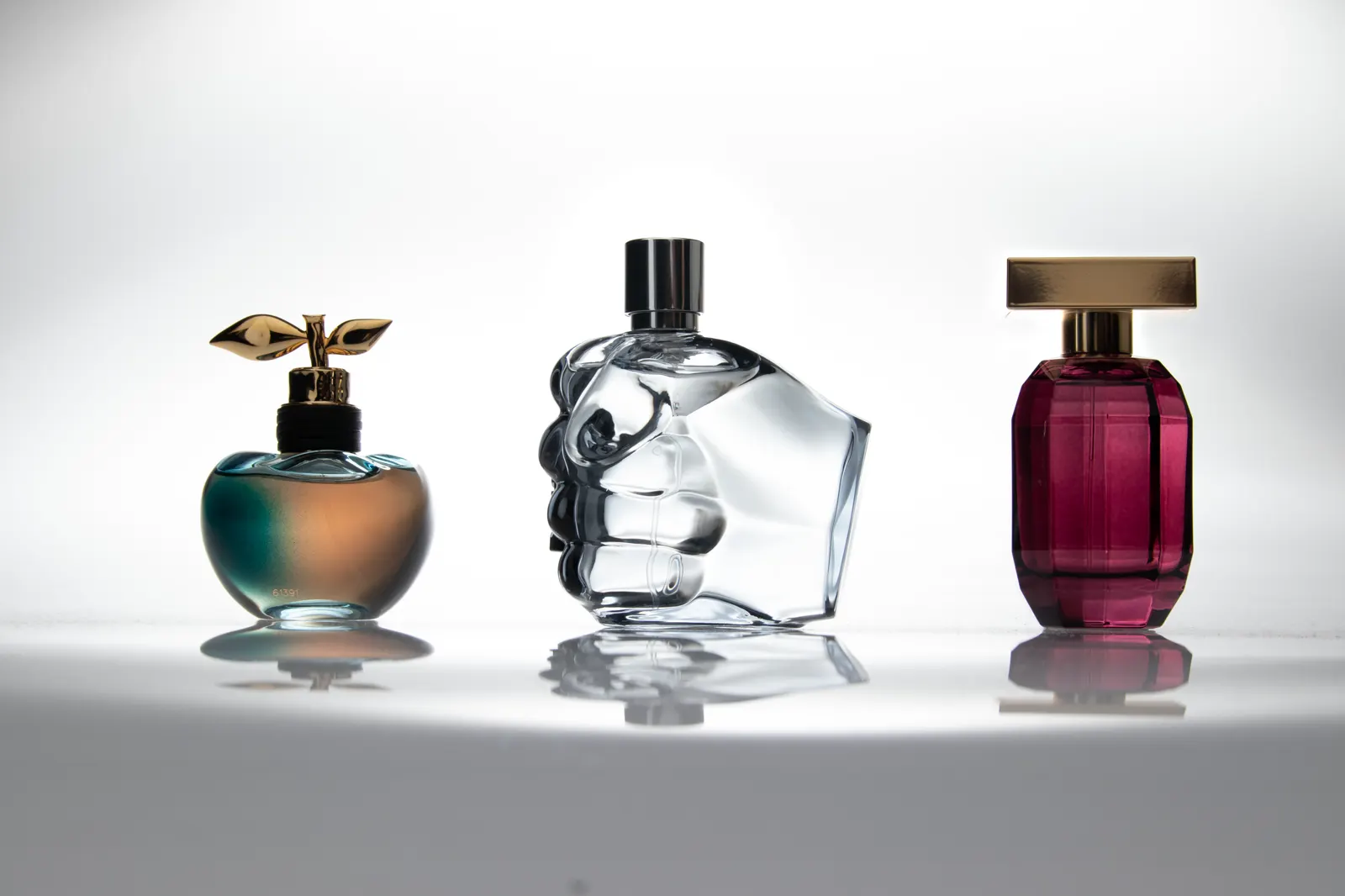
The front of the bottle is for selling. The back is for telling. Somewhere between the soft-focus photo of a lavender field and the tiny print on the reverse lies the truth about what you are buying, and with a little practice you can read it in under a minute.
Front of pack: enjoy it, then turn it over
Words like “natural”, “botanical”, “clean”, “pure” and “gentle” are not legally defined for cosmetics in most countries. A product can say “with aloe” and contain a drop. A product can say “clean” and mean whatever its marketing team decided. That does not make them bad products; it just means the front is not where the information lives.
The back is different. In the European Union, the UK, the United States and many other countries, cosmetics must list their ingredients using a standardized international naming system called INCI. That list is regulated, and it is the most honest thing on the pack.
Our full How to Read a Cosmetic Ingredient List (INCI) guide goes into the detail. Here is the shop-aisle version.
Five things to look for
- The order. Ingredients are listed from most to least. The first five usually make up most of the product. If a cream is sold as an argan cream, argan (Argania Spinosa Kernel Oil) should appear reasonably high, not after the preservative. Below about 1%, ingredients may be listed in any order, so the tail end is less informative.
- Latin names for plants. Botanicals appear under their Latin names: Aloe Barbadensis Leaf Juice for aloe vera, Butyrospermum Parkii Butter for shea butter, Calendula Officinalis Flower Extract for calendula. Once you know a few, the list starts to read like a recipe.
- Water first. Aqua at the top is normal for creams, lotions and gels. It is not a trick.
- A preservative in anything watery. Phenoxyethanol, sodium benzoate, potassium sorbate, benzyl alcohol and others keep water-based products free of mold and bacteria. A cream with water and no preservative is a concern, not a selling point.
- The open-jar symbol. A little pot with a number such as “12M” tells you how many months it keeps once opened. Write the opening date on the pack.
Fragrance: the line that matters most for sensitive skin
“Parfum” or “Fragrance” covers a blend of scent ingredients that companies do not have to list one by one. Natural essential oils are fragrance too. In the EU and UK, certain common fragrance allergens, such as linalool, limonene, geraniol, citral and eugenol, must be named individually on the label when they are above a set level, and that list is being expanded. You will often see them at the very end of the list.
For most people, fragrance is fine. For sensitive, eczema-prone or reactive skin, it is one of the most common causes of trouble, and choosing fragrance-free products is one of the simplest kind things you can do. Note that “unscented” is not always the same thing: it can mean a masking fragrance was added to cancel out other smells. Look for no parfum, no essential oils and no listed allergens. See Sensitive Skin & Redness for more.
The front of the bottle is for selling. The back is for telling.
Five claims to take lightly
- “Free from chemicals.” Everything, including water and lavender, is made of chemicals. It is a meaningless phrase, and we do not use it.
- “Hypoallergenic.” There is no shared legal standard. It suggests the maker has tried to reduce allergens, but it is no guarantee.
- “Dermatologically tested.” It tells you a test happened, not what it found or how many people took part.
- “Free from” lists. Often they name ingredients that were never a real problem in that kind of product. What matters is what is in it.
- “Clinically proven.” Sometimes true and meaningful, sometimes a small in-house test measuring something vague. Ask: proven to do what, in whom?
Certification logos are different. Recognized organic and natural standards, such as COSMOS or NATRUE, have published rules and independent checks. They tell you about sourcing and processing, not about how well the product works, but they are a real signal. Our piece on Natural vs Synthetic: What Actually Matters explains why natural and synthetic are not good and bad.
The sixty-second aisle habit
Next time you pick something up, try this:
- Ten seconds: read the product type and directions. Is it what you actually need?
- Twenty seconds: scan the first five ingredients. Do they match the story on the front?
- Ten seconds: check the end of the list for parfum and allergens, if fragrance matters to you.
- Ten seconds: look for the open-jar symbol, a batch number and sensible packaging.
- Ten seconds: compare price per 100 ml or per 100 g with the alternative on the shelf.
That last step surprises people. Two creams with near-identical ingredient lists can differ hugely in price; you are often paying for the jar, the brand and the photograph. A simple, well-made product is often the better buy.
At home, a quick The Slow Sunday Shelf Audit helps you spot what you already own, what has expired and what you never use, so the next shopping trip is shorter.
When the label is not enough
A label tells you what is in a product, not how your skin will feel about it. Always patch test something new, especially on the face, and introduce one product at a time; the One-New-Product Patch-Test Week makes this painless.
If you have a known allergy, such as to a particular preservative or fragrance ingredient, keep a photo of its INCI name on your phone and check every new product against it. A dermatologist can arrange patch testing to identify allergies if you keep reacting to products. And if you are pregnant or breastfeeding, our Skincare in Pregnancy & Breastfeeding guide covers the handful of ingredients worth checking.
It also helps to know that labels vary by country. Products bought abroad or online may list ingredients in a different language, or follow different rules on what must be shown. If a product has no ingredient list at all, or the list is hard to find, treat that as a reason to look elsewhere.
The more labels you read, the faster it gets. Within a month, you will find yourself turning over every bottle, and feeling far more confident about what you take home.
Keep going
Put it into practice
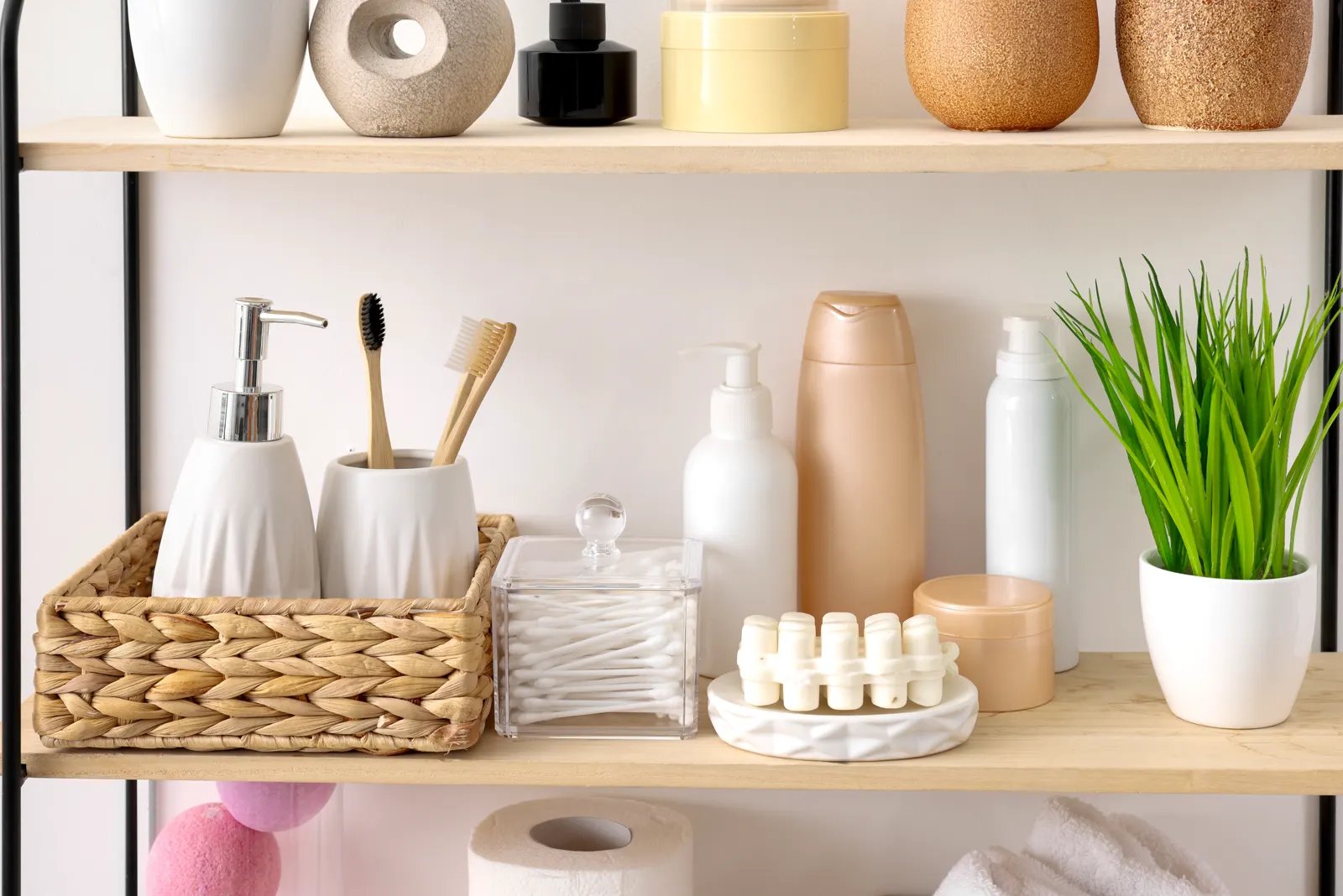 The Slow Sunday Shelf AuditThirty minutes with your bathroom shelf: read the PAO symbols, sniff out rancid oils, and decide what to keep, move to the fridge or throw away.
GuideNatural vs Synthetic: What Actually MattersWhy “natural” doesn’t mean safe and “synthetic” doesn’t mean toxic — where botanicals genuinely win, where they don’t, and how to judge a claim.
The magazine
More stories you’ll enjoy
 Smart shopping · 6 minHow to Choose a Natural Face Oil in Five MinutesSkin type, the label, the bottle, the price and your nose: a five-step shop-floor method for finding a face oil you will actually love.
 Seasonal living · 6 minA Winter Skin Plan, Week by WeekCold air outside, dry heat inside: a calm, four-week plan to keep skin soft, lips whole and hands comfortable until spring.
 Self-care & wellbeing · 6 minThe Ten-Minute Evening That Changes Your Skin and Your SleepA short, unhurried wind-down for the end of the day: clean skin, a little oil, softer light and a calmer mind before bed.