· Hair & scalp · 25 min
A Plain Herbal Hair Rinse
A cooled rosemary, nettle or hibiscus tea poured through hair as a final rinse. Fresh, single use and honest about what it can do.
- Time
- 25 min
- Evidence
- DTraditional wisdom
- Time
- 25 min
- Evidence
- DTraditional wisdom
You’ll need
- 2 tablespoons dried herb: rosemary, stinging nettle or hibiscus (or a mix)
- 500 mL boiled water and a heat-safe jug
- A sieve and a basin to catch the rinse
Traditional wisdom: Traditional use only; no clinical trials of herbal teas as hair rinses.
Formulator’s tip
If you have hard water, the final rinse is where the difference shows. Brew the tea with filtered or bottled water, so the last thing on your hair is soft water rather than mineral deposits.
Step by step
- Pour the boiled water over the herb, cover, and steep 15–20 minutes.
- Strain and let it cool to lukewarm or cooler.
- Shampoo and condition as usual, rinse thoroughly.
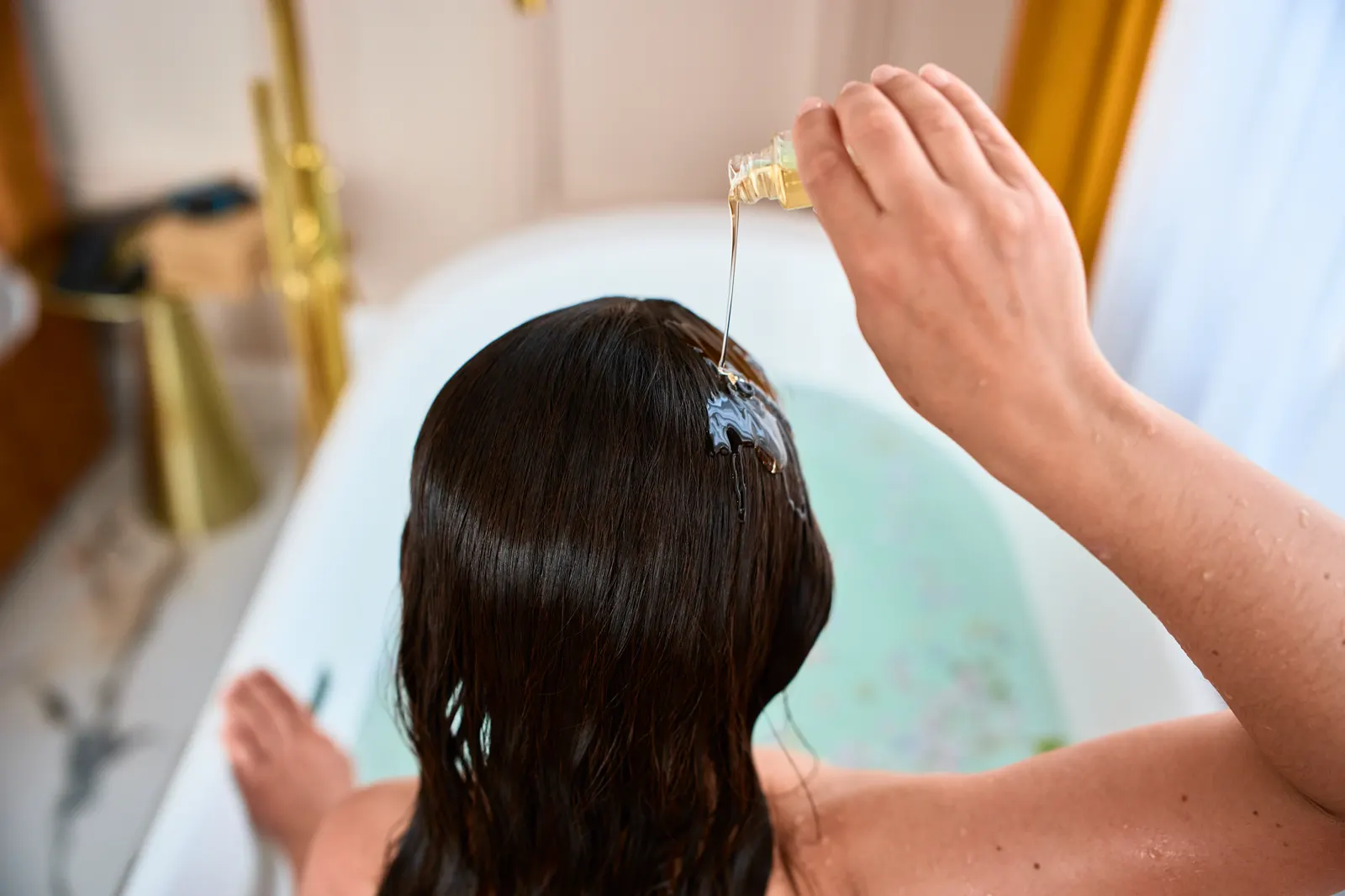
- Lean over a basin, pour the rinse slowly through hair, catching it to pour again.
- Squeeze out gently, then blot with a towel. There is no need to rinse it out, though you can if your hair feels stiff or the color tints.
- Discard any leftover tea: it is a fresh, unpreserved preparation.
Why it works
Herbal rinses are traditional, and there is little human research on them as rinses. Hibiscus tea is mildly acidic, and acidic rinses may help the cuticle lie flatter, which can add shine; that is plausible but unproven. Rosemary and nettle bring scent and tradition rather than proven benefits at tea strength. Part of the pleasure is simply the slow, cool final pour and the scent, which makes the ritual feel unhurried. For a formulated version, see Hibiscus Shine Hair Rinse or Nettle & Rosemary Scalp Tonic, and for why fresh means single use, see DIY Safety: Water, Microbes & Preservatives.
Where it comes from
Herbal rinses are found across the Mediterranean, North Africa and India; rosemary rinses are an old European kitchen habit.
Enjoy it safely
- Hibiscus can tint light, gray or bleached hair pink, and stain towels; strand test first.
- Stop if your scalp itches or stings, and avoid any herb you are allergic to.
- Don’t store leftover rinse, even in the fridge.
Ingredients in this ritual
 No. 006
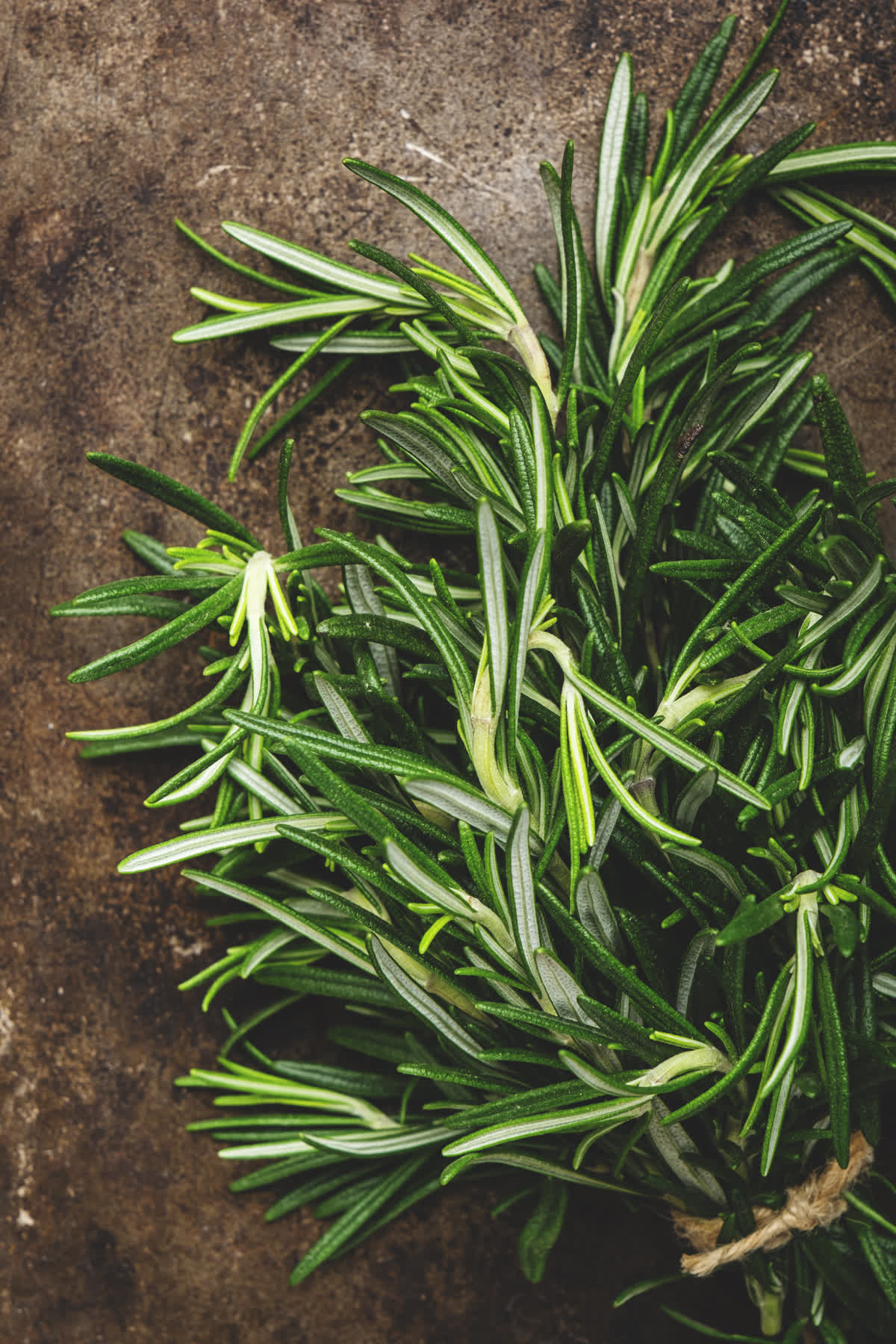
RosemarySalvia rosmarinusBright, herbal and invigorating, rosemary turns a simple scalp massage into a ritual worth keeping.
 No. 024
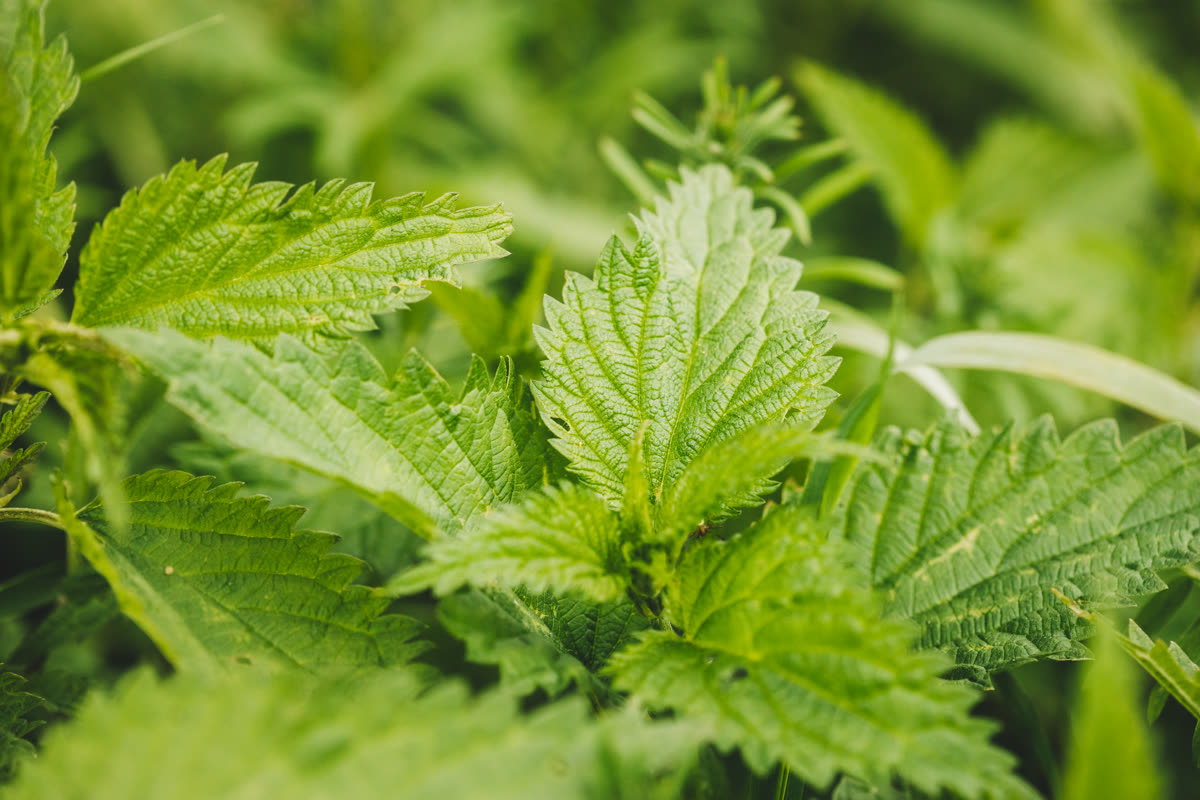
Stinging NettleUrtica dioicaStinging nettle, tamed and dried, makes a fresh, green scalp rinse straight from the European herbal tradition.
 No. 025
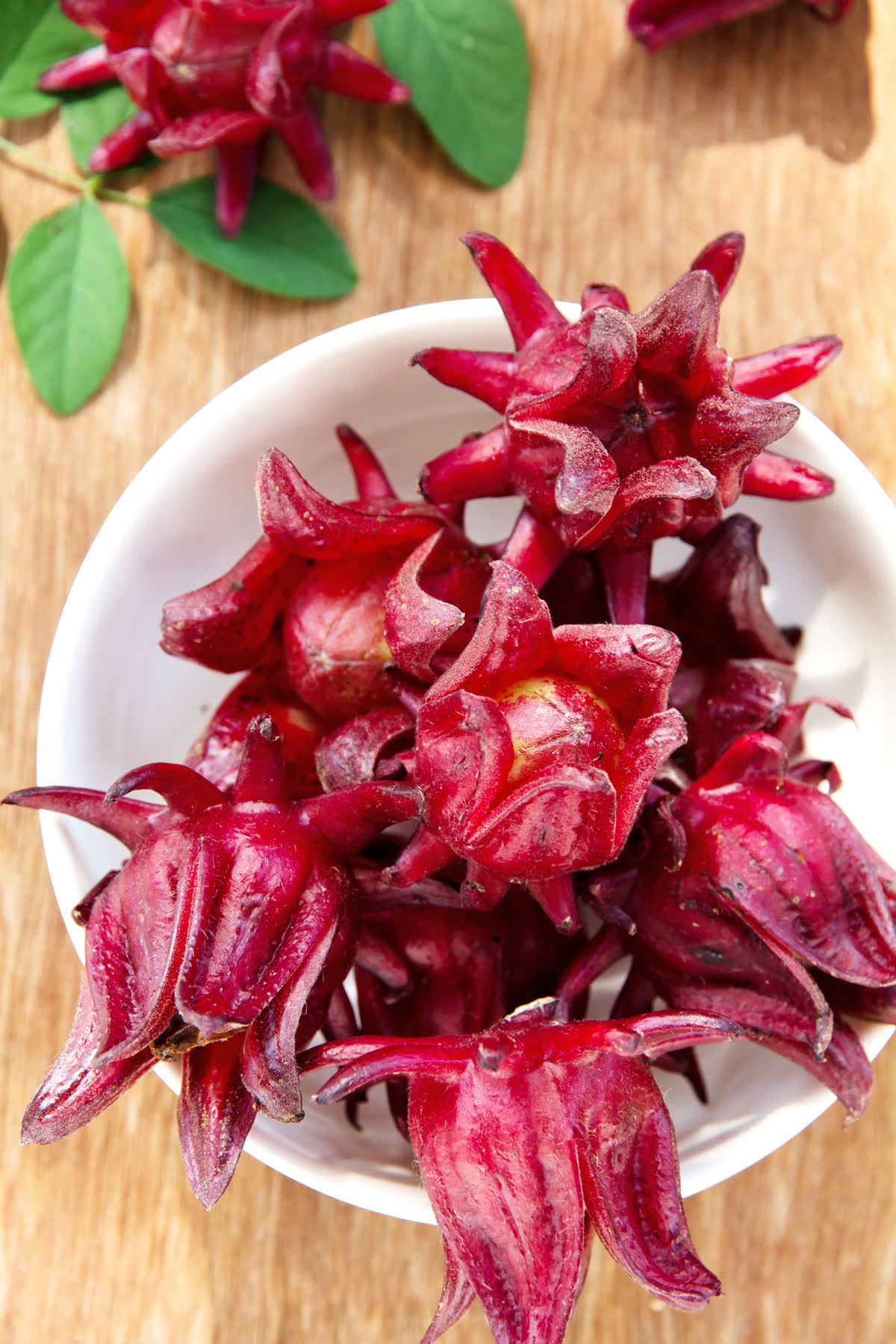
HibiscusHibiscus sabdariffaRuby-red hibiscus makes a glossy final rinse that leaves hair shining with a hint of rosy warmth.
Go further
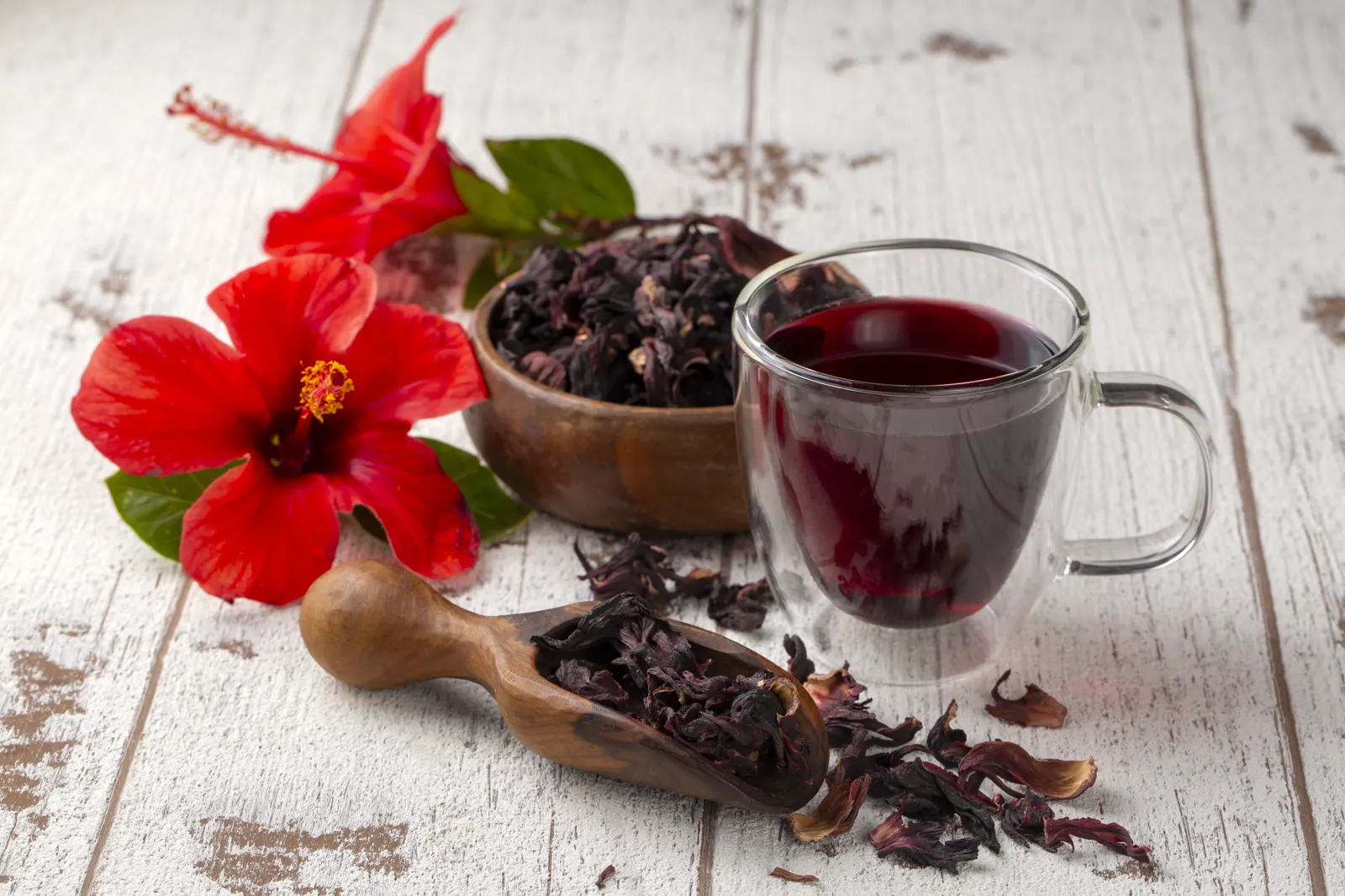 Hair care · BeginnerHibiscus Shine Hair RinseA tangy hibiscus and rosemary infusion poured over clean hair as a final rinse to smooth the cuticle and boost shine. Make it fresh each time.
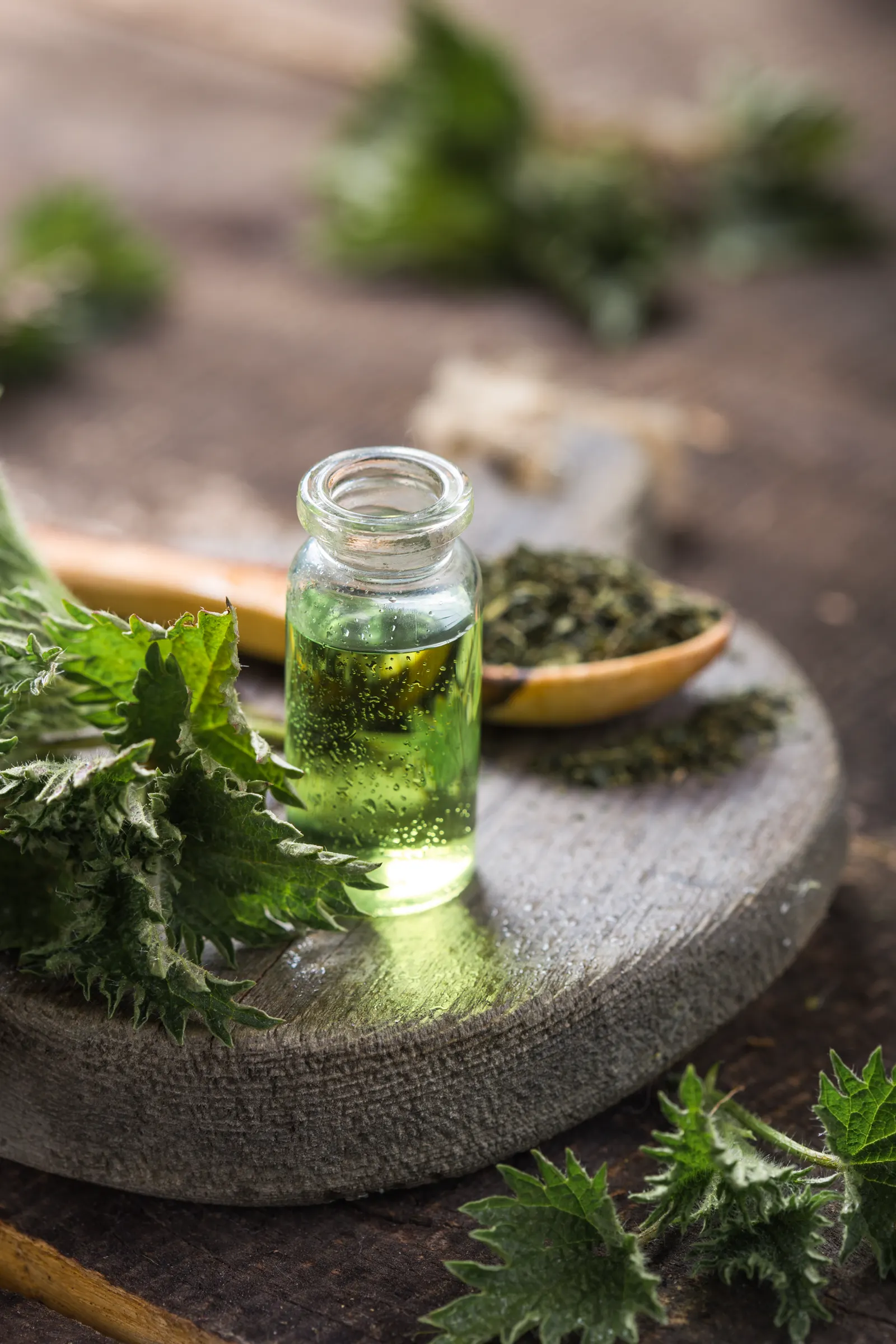 Hair care · IntermediateNettle & Rosemary Scalp TonicA preserved leave-on scalp tonic with nettle and rosemary extracts, solubilized rosemary oil and panthenol, at a scalp-friendly pH of 4.5–5.5.
GuideDIY Safety: Water, Microbes & PreservativesWhy anything with water needs a real preservative, how pH and water activity work, which preservatives fit natural standards, and what doesn’t work.ConcernDry, Damaged & Frizzy HairHair science made simple: cuticle damage, porosity and frizz, why some oils penetrate and others do not, and how to protect fragile curls and colored hair.