Formulation · 6 min read · Enthusiast
Infused Oils, Hydrosols & Extracts
Macerates, glycerites, tinctures, hydrosols, CO₂ and standardized extracts: what each captures, how to make them safely and how they appear in INCI.
What you’ll take away
- Like dissolves like: oils pull out carotenoids and terpenes; water and alcohol pull out polyphenols, glycosides and mucilage.
- Make infused oils with thoroughly dried herbs only; fresh plant material brings water and the risk of microbial growth.
- Hydrosols are mostly water and are not self-preserving; store them cold or use a broad-spectrum preservative.
- CO₂ and standardized extracts offer consistency and concentration that home methods cannot match.
- On an ingredient list, the extract and its solvent appear separately, often near the end.
- Plants in this guide
- Calendula B
Guides explain how things work; the grade for each plant is on its own page. How we grade
Polarity: what goes into oil, water or alcohol
Chemists summarize it as “like dissolves like”. Oils are non-polar and dissolve non-polar molecules; water is highly polar; ethanol and glycols sit in between and can carry both kinds to some extent. That is why a calendula oil and a calendula tincture are different products with different chemistry.
| Compound class | Extracts best into | Examples |
|---|---|---|
| Carotenoids, chlorophyll | Oil, CO₂ | Calendula, sea buckthorn |
| Terpenes and essential oil constituents | Oil, alcohol, CO₂ | Bisabolol in chamomile; carnosic acid in rosemary |
| Triterpene esters | Oil, alcohol, CO₂ | Faradiol esters in calendula |
| Triterpene glycosides and saponins | Water–alcohol | Madecassoside and asiaticoside in centella asiatica (cica) |
| Polyphenols, catechins, flavonoid glycosides | Water, alcohol, glycols, glycerin | EGCG in green tea; rosmarinic acid in rosemary |
| Mucilage and polysaccharides | Water (often cold) | Marshmallow root, aloe vera, fenugreek |
| Tannins | Water, alcohol | Witch hazel |
So an oil infusion of green tea or centella captures little of what makes those plants interesting, while calendula, chamomile and rosemary suit oil well.
Infused oils (macerates)
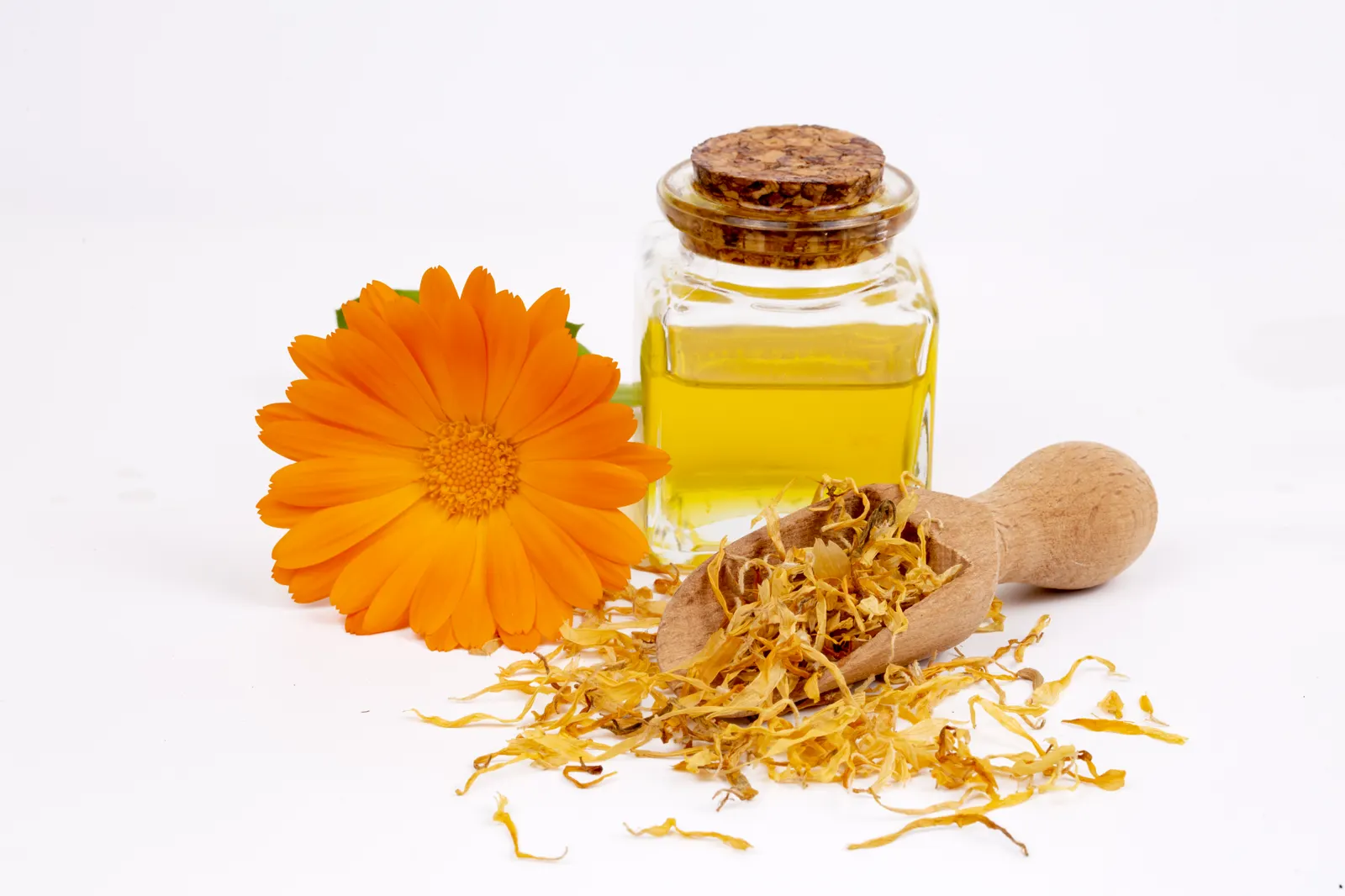
A macerate is dried plant material steeped in a carrier oil and then strained. Use thoroughly dried herbs only. Fresh plants carry water into the oil, creating pockets where mold and bacteria can grow; in food, fresh garlic or herbs in oil are also a recognized botulism risk. Store-bought dried herbs should be crisp, not leathery.
- Ratio: about 1 part dried herb to 5–10 parts oil by weight, enough to cover the herb fully.
- Cold method: steep in a sealed jar away from direct sun for 2–6 weeks, shaking daily. Gentle, but slow.
- Warm method: hold in a double boiler or low oven at roughly 40–60 °C for 2–4 hours. Faster, but keep temperatures low to protect fragile oils and volatile compounds.
- Finish: strain through muslin, then filter through coffee filter paper; let any sediment settle and decant. Add tocopherol at about 0.2–0.5% and label with herb, oil, method and date.
Choose a stable base: jojoba, high-oleic sunflower or olive keep far longer than rosehip. The infused oil’s shelf life is roughly that of the carrier, or shorter. See Calendula Comfort Balm for a classic use.
Glycerites and tinctures
A tincture uses ethanol and water, typically somewhere between 25% and 90% ethanol depending on the target compounds. Above roughly 20–25% ethanol it resists microbial growth on its own. Tinctures capture a broad spectrum, but alcohol can be drying, and in a cosmetic the alcohol counts toward the formula.
A glycerite uses glycerin, often blended with water. Glycerin is a weaker solvent than alcohol but gentle and alcohol-free. Commercial glycerites are made with a high proportion of glycerin, which lowers water activity enough to slow microbes. Once you dilute a glycerite or tincture into a water-based product, that protection disappears and the whole formula needs a broad-spectrum preservative. Read DIY Safety: Water, Microbes & Preservatives before working with any water phase.
Hydrosols: beautiful, and fragile
A hydrosol (also called a floral water or distillate) is the condensed water left after steam-distilling a plant for its essential oil. It carries water-soluble aromatic compounds and a tiny amount of dissolved essential oil, typically well under 0.1%. Rose water, orange blossom water and witch hazel distillate are classic examples.
Hydrosols are not self-preserving. They are mostly water with nutrients for microbes, and unpreserved hydrosols often show bacterial or fungal growth after opening, sometimes without visible change. Good practice:
- Buy from suppliers who state microbial testing and either a preservative system or sterile filtration with cold-chain storage.
- Refrigerate after opening and use within the supplier’s window; discard if cloudy, slimy or off-smelling.
- In your own products, treat hydrosol exactly like water: it needs a preservative at the supplier’s recommended level.
CO₂ extracts and standardized extracts
Supercritical CO₂ extraction uses carbon dioxide above its critical point (about 31 °C and 74 bar), where it behaves like a non-polar solvent. When pressure is released the CO₂ evaporates, leaving no solvent residue. CO₂ extracts capture essential oil plus heavier molecules that steam cannot carry: carotenoids, waxes, triterpenes and antioxidants such as carnosic acid. “Select” extracts are lighter and more aromatic; “total” extracts include waxes and are often semi-solid. Rosemary CO₂ extract is a workhorse antioxidant for oils; calendula and sea buckthorn CO₂ extracts deliver concentrated color and lipophilic actives.
Standardized extracts are adjusted to contain a guaranteed amount of a marker compound, for example a centella extract specified for madecassoside and asiaticoside, a green tea extract for EGCG, or a licorice extract for glabridin. Standardization gives professionals reproducible dosing, but a marker is only as trustworthy as the certificate of analysis behind it, and the marker is not always the whole active story.
Essential oils vs absolutes
Essential oils are steam-distilled (lavender, rosemary, tea tree) or, for citrus peels, cold-expressed. Expressed citrus oils can contain non-volatile furocoumarins, which is why cold-pressed bergamot, lemon and lime can cause phototoxic burns.
Absolutes are made for delicate flowers that do not survive distillation, such as jasmine and tuberose, and are also produced for rose. The plant is extracted with a solvent (usually hexane) to make a waxy “concrete”, which is washed with ethanol to give the absolute. Absolutes are richer and truer to the flower, may contain trace solvent residues and are often more sensitizing per drop. Rose otto (distilled) and rose absolute are not interchangeable. All of these are potent; follow Essential Oil Safety: The Complete Guide and use the Essential Oil Dilution Calculator.
How extracts appear in INCI
Botanicals are named Genus species + plant part + preparation type, for example Calendula Officinalis Flower Extract, Rosa Damascena Flower Water or Lavandula Angustifolia Oil. The solvent is listed separately in its own place by weight:
- Infused oil: Helianthus Annuus Seed Oil, Calendula Officinalis Flower Extract.
- Glycerite: Glycerin, Aqua, Chamomilla Recutita Flower Extract.
- Hydrosol: Citrus Aurantium Amara Flower Water (orange blossom water).
- CO₂ extract: usually “Extract”, e.g. Rosmarinus Officinalis Leaf Extract.
- Essential oils: the oil name plus, in the EU, any listed fragrance allergens above the labeling threshold, such as Linalool and Limonene.
Because ingredients under 1% may appear in any order, a hero extract near the end is normal and not necessarily a sign of “fairy dusting”, but ask the brand for use levels if it matters. Decode any list with the Ingredient List Decoder and How to Read a Cosmetic Ingredient List (INCI).
Frequently asked questions
Can I use fresh herbs to make infused oil?
Do hydrosols need a preservative?
Is a CO₂ extract better than an essential oil?
Why is the plant extract listed so far down the ingredients?
Keep reading
 No. 002
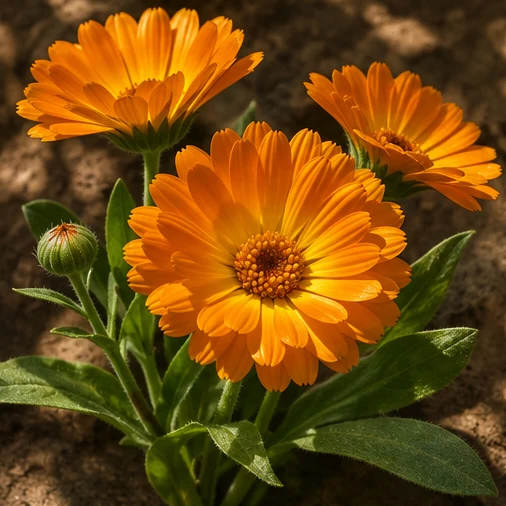
CalendulaCalendula officinalisSunny pot marigold petals, steeped in oil, make one of the gentlest balms for dry, chapped skin.GuideCarrier Oils: The Formulator’s GuideFatty acid chemistry, oxidative stability and skin feel for 12 core oils, plus why comedogenic ratings mislead and how to store oils well.
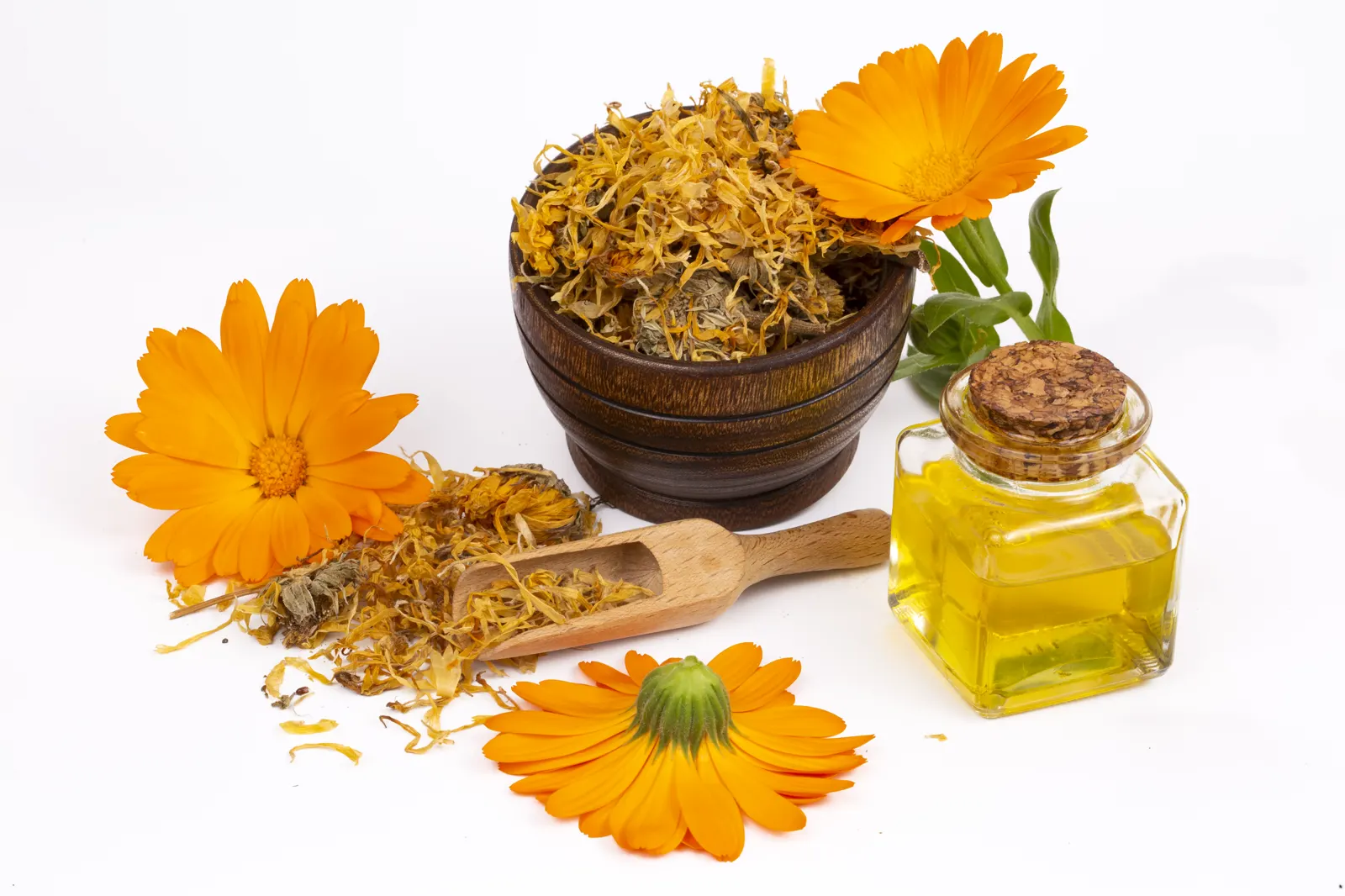 Balm · BeginnerCalendula Comfort BalmA rich, fragrance-free balm of calendula-infused oil, shea and beeswax for chapped hands, dry patches and minor scrapes once they have closed.