Foundations · 6 min read · Everyone
Natural vs Synthetic: What Actually Matters
Why “natural” doesn’t mean safe and “synthetic” doesn’t mean toxic — where botanicals genuinely win, where they don’t, and how to judge a claim.
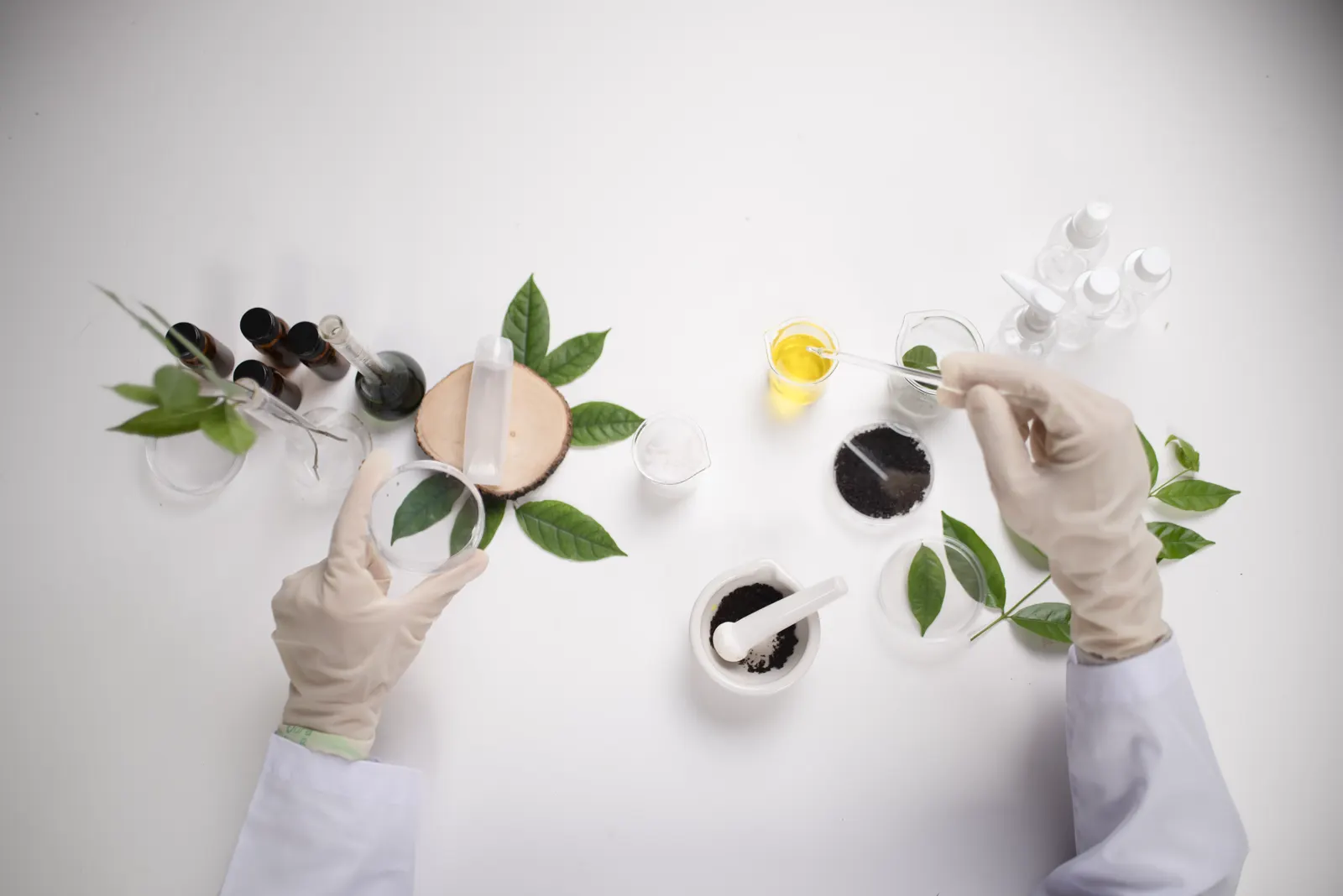
What you’ll take away
- Everything in a cosmetic — and in a plant — is a chemical. Safety depends on the molecule, the dose and the exposure, not on its origin.
- A nature-identical molecule made in a lab is the same molecule; it can be purer, more consistent and sometimes more sustainable.
- Natural ingredients genuinely shine as complex, multi-functional matrices and, when well sourced, as renewable materials.
- They lose out on allergen load, batch variability and contamination risk — all manageable with good sourcing and formulation.
- Fear-based “clean” marketing has pushed out well-studied preservatives, sometimes for less safe ones.
- Plants in this guide
- Colloidal Oatmeal BSqualane C
Guides explain how things work; the grade for each plant is on its own page. How we grade
The appeal-to-nature fallacy
The idea that natural means safe and synthetic means harmful is called the appeal to nature. It is emotionally powerful and logically empty. Poison ivy, deadly nightshade, ricin from castor seeds, aflatoxins from moldy nuts and arsenic are all natural. So are some of the strongest skin allergens known: urushiol, Compositae sesquiterpene lactones, oxidized citrus terpenes.
Traditional products remind us of this too. Kohl and surma eyeliners — part of beauty traditions from Morocco to South Asia — have in many tested samples contained high levels of lead from galena (lead sulfide), and have been linked to lead poisoning in children. Respecting tradition means keeping the ritual and updating the materials, which is how we approach our Moroccan Beauty Rituals: Hammam, Rhassoul & Argan.
The reverse fallacy is just as common: that anything with a long chemical name is suspect. Tocopherol is vitamin E. Sodium hyaluronate is a salt of a molecule your skin makes every day.
Everything is chemistry
Water is a chemical; so is the linalool in lavender and the vitamin C in an orange. A molecule has no memory of where it came from: L-ascorbic acid made in a fermentation tank is identical to that in citrus. These are called nature-identical ingredients, and they are often purer and more consistent than the plant-derived versions.
What does differ between sources is everything around the molecule: impurities, accompanying compounds and environmental footprint. (Analytical chemists can even tell bio-based from petroleum-based carbon by radiocarbon testing — the molecule itself is the same.) The old principle that “the dose makes the poison,” attributed to Paracelsus, still applies: glycerin is harmless at almost any cosmetic level; cinnamon bark oil sensitizes at very low ones.
Where natural genuinely wins
- Complex matrices. Some botanicals do several jobs at once in a way a single molecule can’t. Colloidal oatmeal combines soothing avenanthramides, film-forming beta-glucans, lipids and starches; shea butter adds anti-inflammatory triterpene esters to its emollient fats; honey is humectant, mildly antimicrobial and healing-supportive.
- Renewable feedstocks. Plant oils, sugars and starches can replace petroleum-derived ingredients, and many are readily biodegradable.
- Discovery. Traditional plant use has pointed researchers toward useful molecules — the salicylates of willow bark, the triterpenes of centella asiatica (cica), the glycyrrhizin and glabridin of licorice root.
- Sensory and cultural value. Texture, scent and ritual matter to how people care for their skin, and that is legitimate.
Where natural doesn’t win
- Allergen load. Essential oils and plant extracts bring fragrance allergens, Compositae allergens and propolis-related allergens. Fragrance is one of the commonest causes of cosmetic allergy, whatever its source — see Essential Oil Safety: The Complete Guide.
- Variability. The same species varies by chemotype, climate, harvest and extraction; adulteration of expensive oils is common.
- Contamination. Raw botanicals carry microbes, pesticide residues, mycotoxins or heavy metals; clays and pigments may contain metals. Testing and specification fix this — but they cost money.
- Stability and preservation. Unsaturated plant oils go rancid; botanical water phases spoil (see DIY Safety: Water, Microbes & Preservatives).
- Phototoxicity. Furocoumarins in citrus peel oils and some other plants cause sun burns.
- Sustainability isn’t automatic. Wild-harvested frankincense, sandalwood and rosewood have suffered from over-harvesting; rosewood (Aniba rosaeodora) is listed on CITES Appendix II. Nature-identical linalool, biotech sandalwood molecules and sugarcane-derived squalane (replacing shark squalane) show that the lab can sometimes be the greener choice. More in Sustainable & Ethical Botanical Sourcing.
“Clean beauty” and fear marketing
“Clean” has no legal meaning; it is usually defined by a list of excluded ingredients, often chosen for marketing rather than evidence.
Parabens are the classic example. Much of the fear traces back to a 2004 study (Darbre PD, et al., Journal of Applied Toxicology) that detected parabens in 20 samples of breast tumor tissue; it had no comparison with healthy tissue and did not show that parabens caused cancer. Parabens have weak estrogen-like activity in laboratory tests, many thousands of times weaker than the body’s own estradiol. EU regulators reviewed them: methylparaben and ethylparaben remain permitted, propyl- and butylparaben were restricted to lower limits (and excluded from leave-on nappy-area products for children under three), and five less-studied parabens were banned in 2014 because safety data were lacking — not because harm had been shown. Parabens also have a notably low rate of contact allergy on intact skin.
Phenoxyethanol was reviewed by the EU’s Scientific Committee on Consumer Safety, which concluded in 2016 that it is safe at the permitted maximum of 1%, including for children. Allergy to it is rare.
Ironically, “paraben-free” pressure contributed to wider use of methylisothiazolinone, which caused a European epidemic of contact allergy in the 2010s and was then banned from leave-on cosmetics. Removing a well-understood preservative is not automatically a safety win; an under-preserved product is a genuine hazard.
How to evaluate a claim
- Which molecule, at what dose, by what route? Effects in a cell dish or in animals fed large amounts rarely translate to a 0.5% cream on skin.
- Is it hazard or risk? Hazard is what a substance can do; risk is how likely it is at real exposure levels.
- What kind of evidence? Randomized human trials and systematic reviews outweigh lab studies, case reports and testimonials. Our evidence grades (A–D) make this explicit on every ingredient page.
- Who is saying it? Independent expert bodies (the EU Scientific Committee on Consumer Safety, national regulators, dermatology societies) versus someone selling the alternative.
- What replaces it? Every “free-from” claim implies a substitute. Ask whether that substitute is better studied.
- Does it make sense biologically? “Strong enough to work” usually also means “strong enough to cause side effects.”
What actually matters
When choosing a product, ask: Does my skin tolerate it? Is there decent evidence it does what it claims? Is it well formulated — properly preserved, at a sensible pH, in protective packaging? Does it protect me from the sun when it needs to? Can the brand back up its sustainability claims? Whether each ingredient grew in a field or a fermenter matters much less than these questions. For practical label-reading, see How to Read a Cosmetic Ingredient List (INCI).
Frequently asked questions
Are natural cosmetics safer than synthetic ones?
Do parabens cause breast cancer?
Is phenoxyethanol safe?
What does “nature-identical” mean?
Keep reading
 No. 042
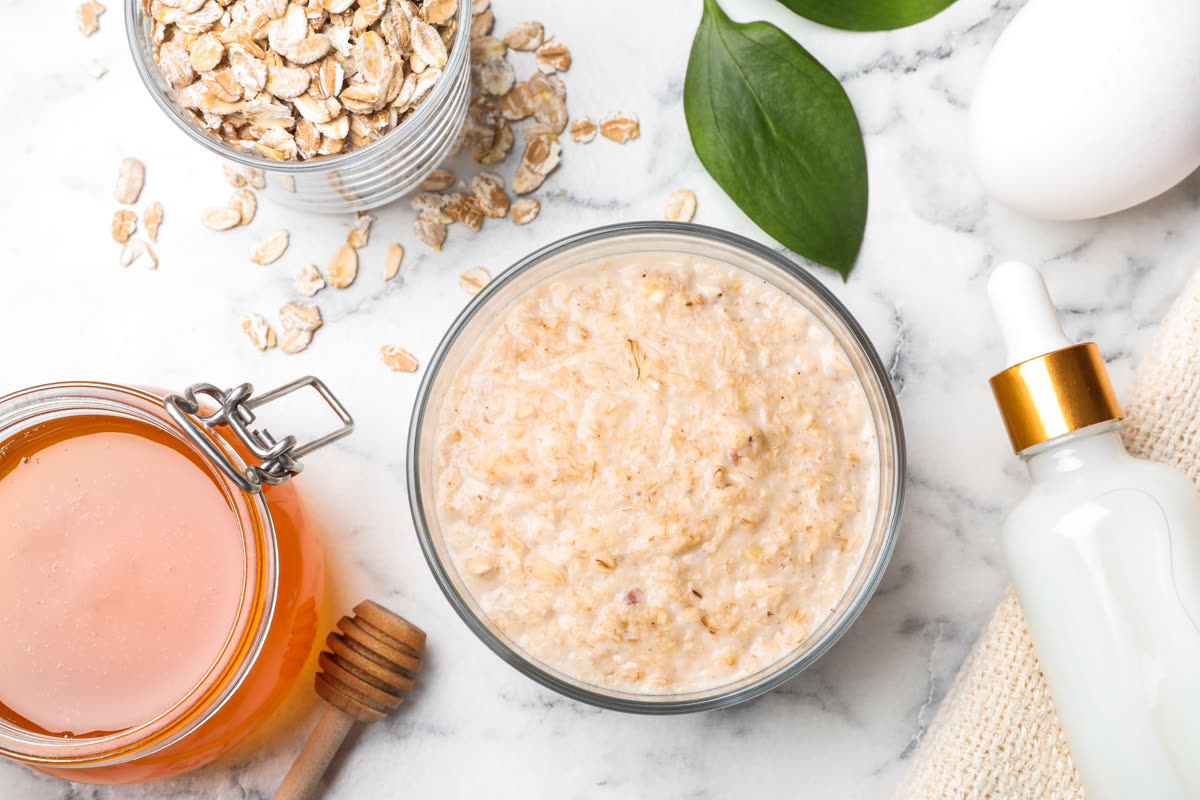
Colloidal OatmealAvena sativa L.Finely milled oats turn a lukewarm bath milky and soothing: an officially recognized skin protectant for itchy, irritated skin.
 No. 039
SqualaneSqualane (C30H62)Weightless, silky and barely there once it sinks in, squalane is the perfect first oil for people who think they hate oils.