Hair care · Make it at home
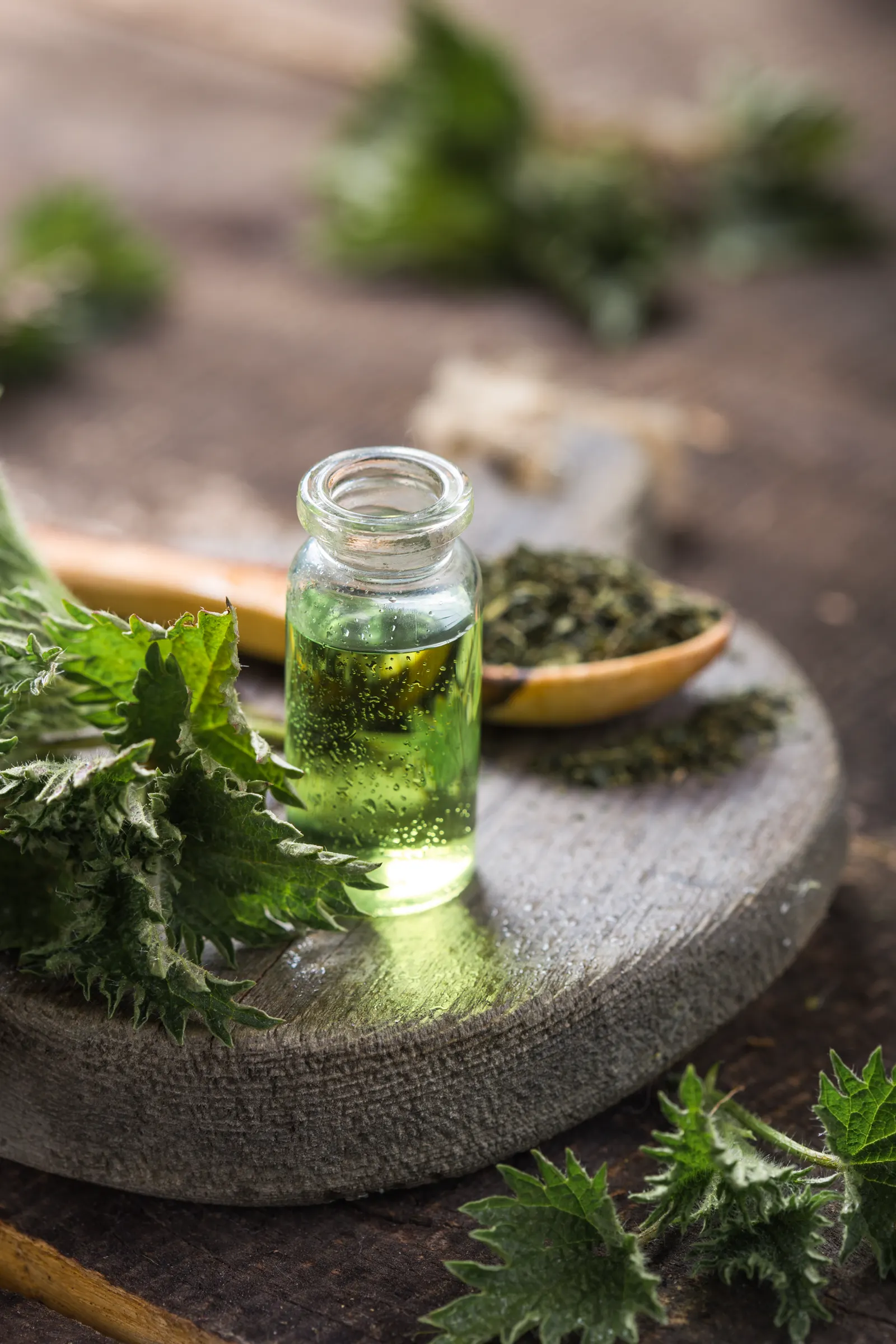
Nettle & Rosemary Scalp Tonic
A preserved leave-on scalp tonic with nettle and rosemary extracts, solubilized rosemary oil and panthenol, at a scalp-friendly pH of 4.5–5.5.
- Time
- 40 min
- Level
- Intermediate
- Makes
- 100 g
- Type
- Water-based · preserved
- Keeps
- Up to 3 months (home-made and untested)
What you need
- Distilled water
- Glycerin
- Sodium phytate
- Nettle leaf extract
- Rosemary leaf extract
- Panthenol
- Polysorbate 20
- Rosemary essential oil
- Phenoxyethanol & Ethylhexylglycerin
- Citric acid
Formula
| Phase | Ingredient | % | Grams |
|---|---|---|---|
| A | Distilled water (Aqua) | 85.3 | 85.30 |
| A | Glycerin | 2 | 2.00 |
| A | Sodium phytate (chelator) | 0.1 | 0.10 |
| B | Nettle leaf extract (Urtica dioica, water/glycerin-soluble liquid)At the supplier’s level, typically 2–5% | 5 | 5.00 |
| B | Rosemary leaf extract (water-soluble liquid) | 3 | 3.00 |
| B | Panthenol (provitamin B5) | 1 | 1.00 |
| C | Polysorbate 20 (solubilizer)4:1 ratio to the essential oil | 2 | 2.00 |
| C | Rosemary essential oil (Salvia rosmarinus leaf oil) | 0.5 | 0.50 |
| D | Phenoxyethanol & Ethylhexylglycerin (broad-spectrum preservative) | 1 | 1.00 |
| E | Citric acid, 10% solution (pH adjuster)As needed for pH 4.5–5.5; balance with water | 0.1 | 0.10 |
| Total | 100.0 | 100.00 |
Weigh everything on a 0.01 g scale; volume measures are not accurate enough for actives or preservatives. Open in the formula & cost calculator.
Equipment
- Digital scale (0.01 g)
- Glass beaker and small cup
- Glass rod or mini whisk
- pH strips (narrow range 4.0–7.0) or a calibrated pH meter
- Pipettes
- 100 ml amber bottle with dropper or nozzle applicator
- 70% isopropyl alcohol
- Nitrile gloves
Method
- Sanitize all equipment and the bottle with 70% isopropyl alcohol and let it evaporate; wear gloves.
- Phase A: weigh the water, glycerin and sodium phytate into the beaker and stir until dissolved. Everything here is cold-process, so no heating is needed.
- Phase B: add the nettle extract, rosemary extract and panthenol, stirring after each.
- Phase C: in a small cup, weigh 0.5 g rosemary essential oil and 2 g polysorbate 20 and stir until clear and uniform. Add it slowly to the beaker while stirring. The tonic should stay clear or faintly hazy with no oil droplets; if droplets float, add polysorbate 20 in 0.5% steps (taking the same from the water).
- Phase D: stir in the preservative.
- Phase E — pH: test with a strip or meter; target 4.5–5.5. Adjust with drops of 10% citric acid solution, or 10% sodium bicarbonate solution if too low.
- Top up with distilled water to 100 g, fill the amber bottle and label with the name, ingredients, preservative and date.
- To use: part dry or towel-dried hair and apply about 1 ml along the partings. Massage for 2–3 minutes and leave in; once daily.
Why it works
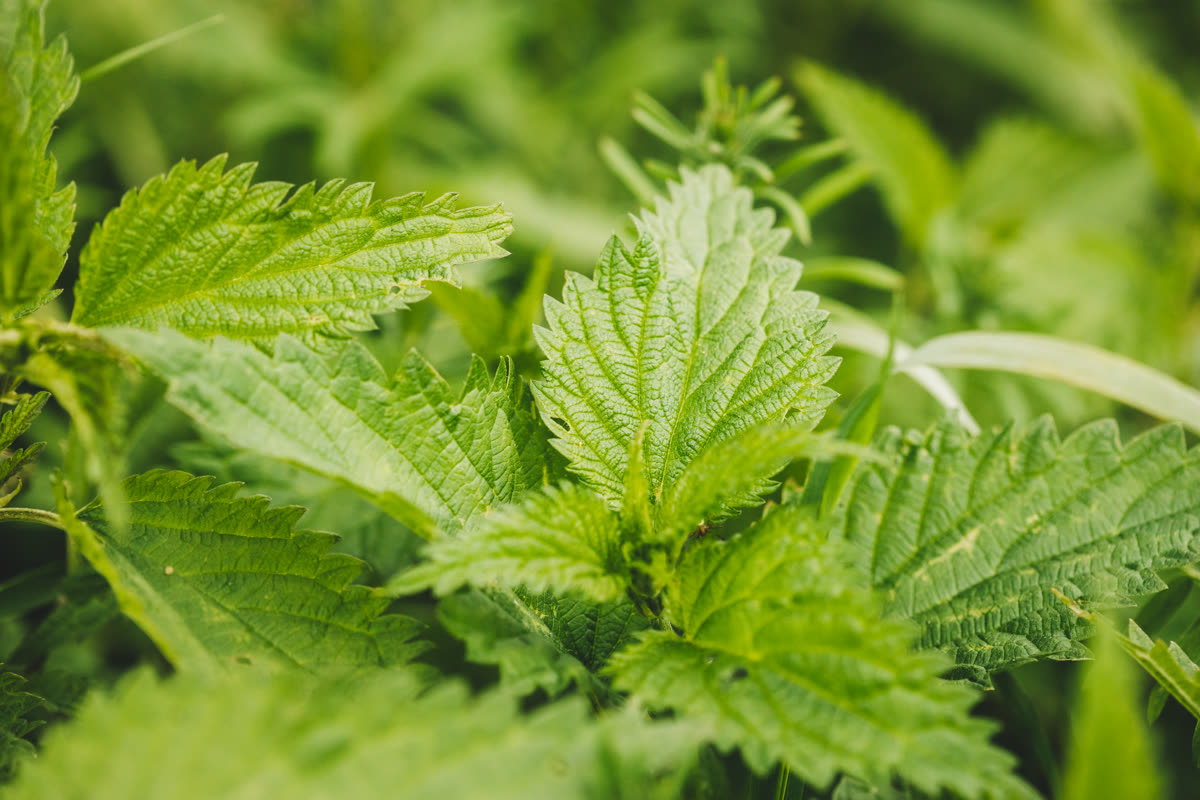
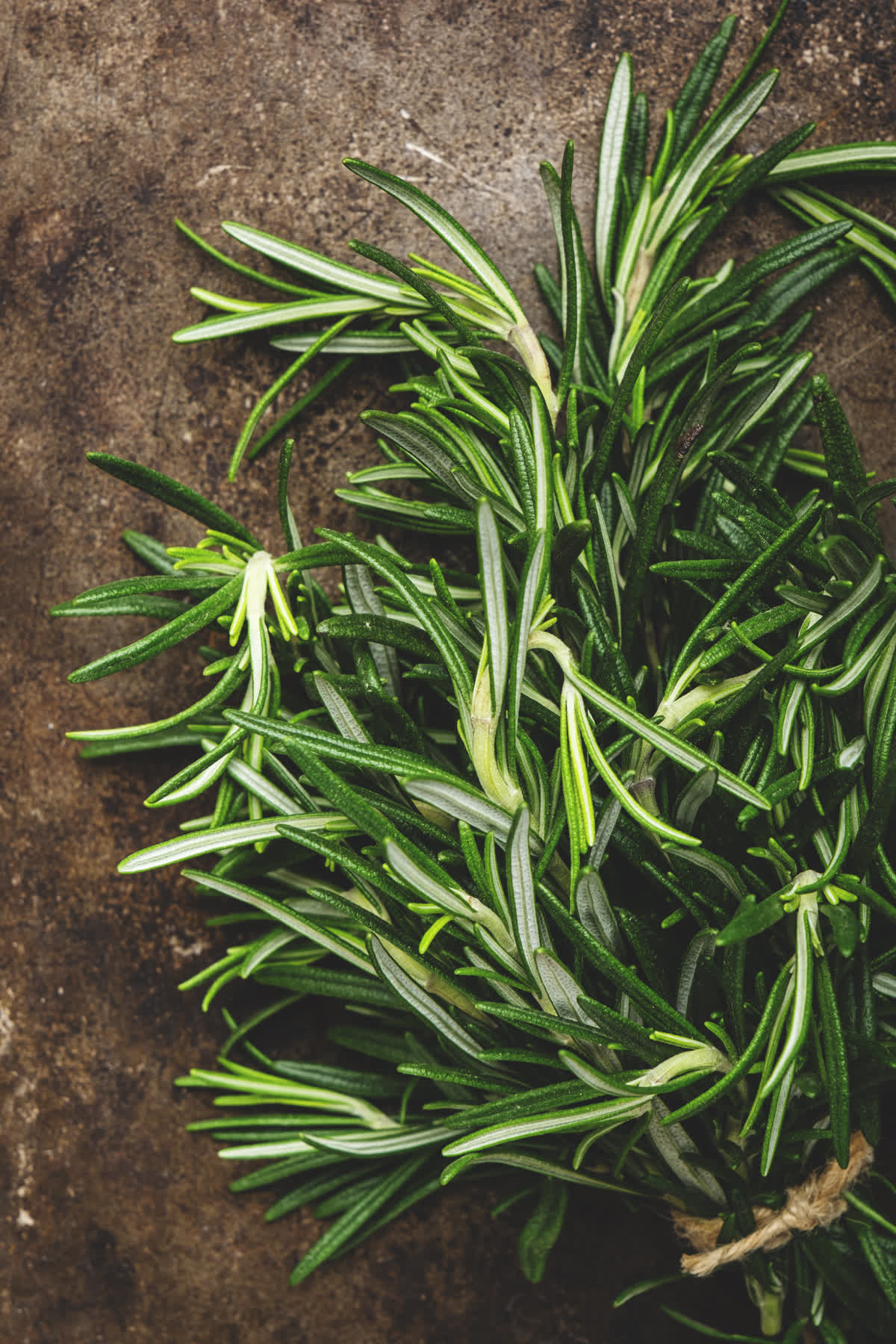
Stinging nettle leaf supplies minerals and flavonoids and has a long European tradition as a hair tonic, but topical hair-growth evidence is lacking (nettle root studies concern oral use). Rosemary oil was compared with minoxidil in one small randomized trial; this tonic uses a lower leave-on dose for daily comfort. Panthenol conditions the scalp and hair, and the daily massage may matter as much as the herbs. For a stronger rosemary dose, use the Rosemary & Pumpkin Seed Scalp Oil as a pre-wash treatment.
Safety notes
- Patch test as in our guide: twice daily for 7 days, read at 48 and 96 hours.
- Avoid rosemary essential oil in pregnancy and breastfeeding, if you have epilepsy, and for babies and young children; make it without the oil and polysorbate in those cases.
- Keep out of the eyes.
- Home-made aqueous products are not stability- or challenge-tested. Make small batches, use within 3 months and discard at once if it turns cloudy, grows specks or smells off (DIY Safety: Water, Microbes & Preservatives).
- See a doctor for sudden, patchy or heavy hair loss, or a painful, scaly or red scalp (Thinning Hair & Hair Loss).
Read DIY safety & preservation before making water-based products.
Variations
- Caffeine tonic: add 1% caffeine powder (dissolved in Phase A, reducing water). It reaches hair follicles in laboratory studies and is common in commercial tonics.
- Cooling: replace 0.2% of the rosemary oil with peppermint essential oil.
- No-preservative version: brew a strong nettle and rosemary infusion and use it fresh the same day as a final rinse, as in the Hibiscus Shine Hair Rinse.
Featured ingredients
Formulator
Selling what you make? Get the batch record, label template and cost sheet for this formula, plus a regulatory checklist for the EU, UK and US.
See Formulator membership