Head to head
Marula oil versus Argan oil
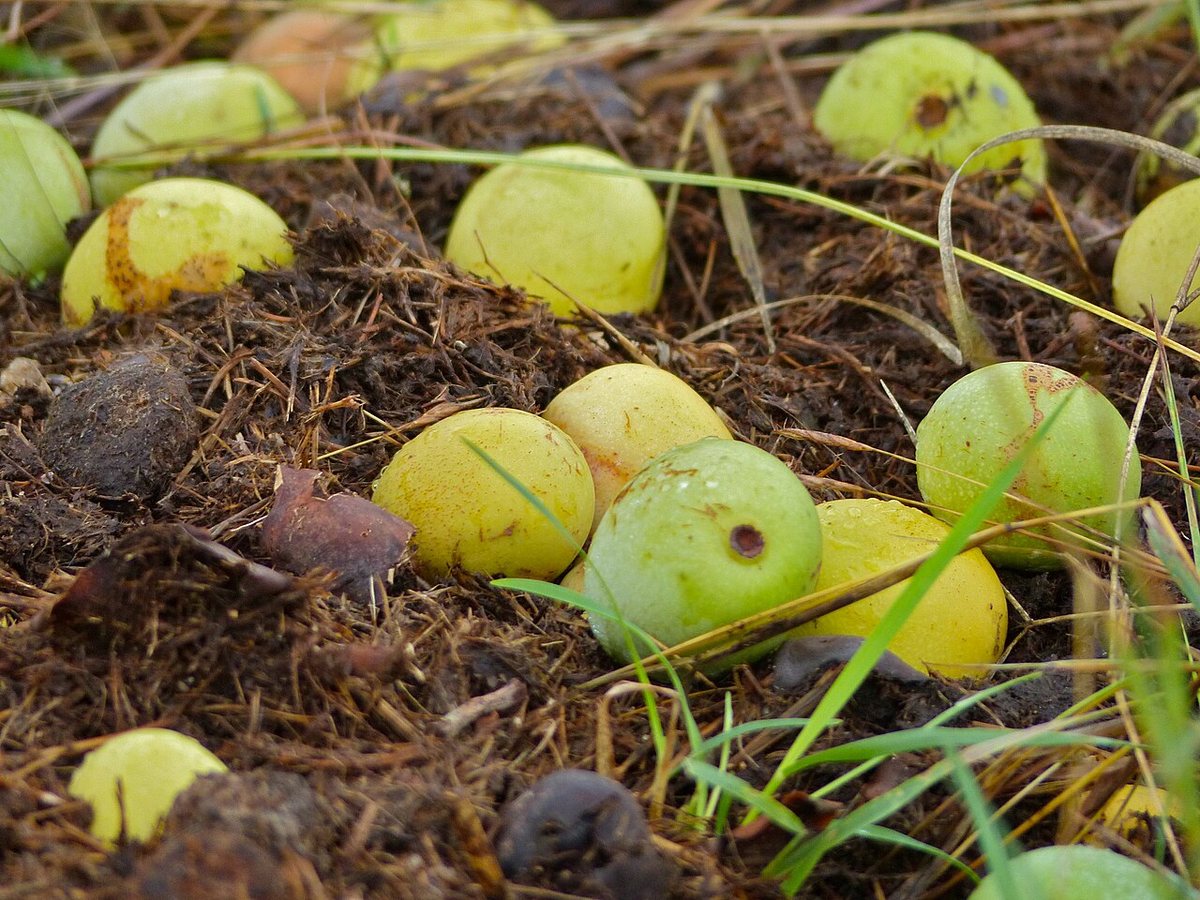 vs
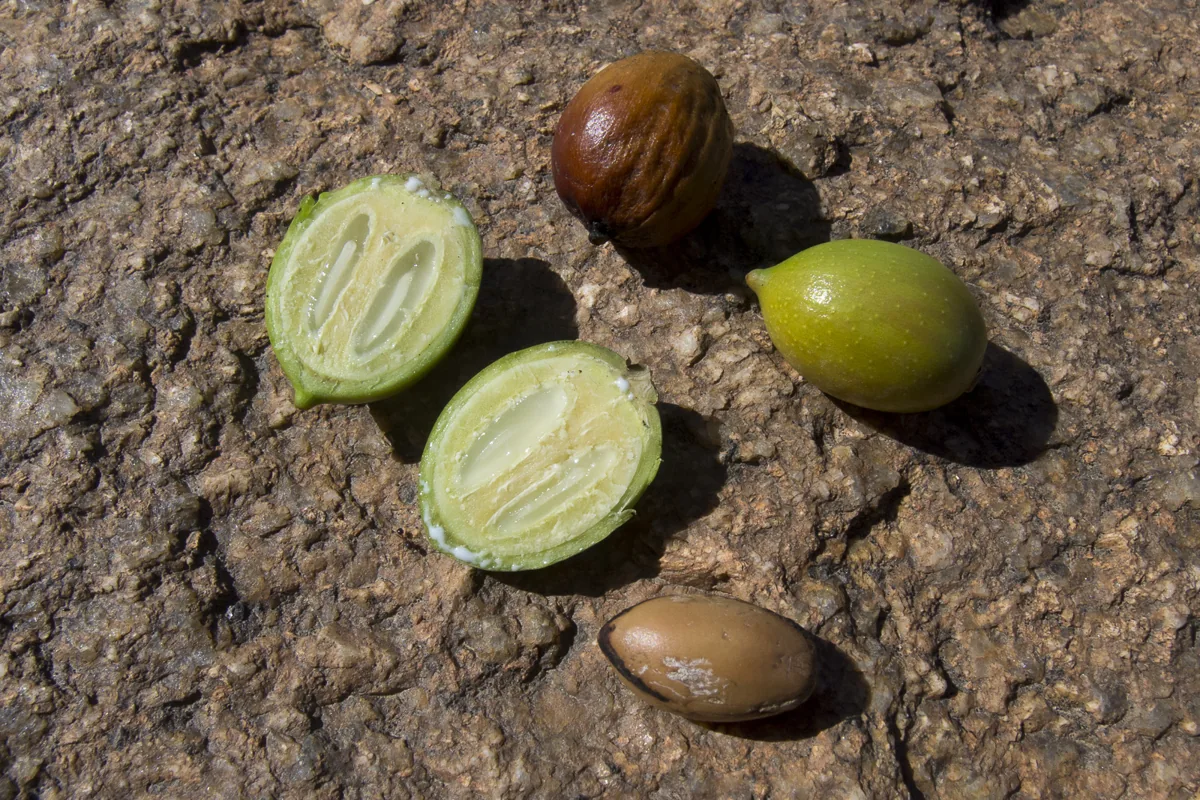
The verdict
Marula is richer in oleic acid and more resistant to rancidity, so it suits dry, mature skin and buyers who want a bottle that keeps. Argan has more linoleic acid and a slightly lighter feel, making it the more versatile pick for combination skin and hair. Neither has strong clinical evidence; choose on skin type, freshness and fair sourcing.
| Attribute | Marula oil | Argan oil |
|---|---|---|
| Evidence grade | C to D — chemistry and lab data, small human studies; no robust trials | C — small, mostly unblinded human studies plus emollient data |
| Source | Kernels of Sclerocarya birrea, southern Africa | Kernels of Argania spinosa, southwest Morocco |
| Key chemistry | High oleic acid (around 70%+), low polyunsaturates; tocopherols, phenolics | Oleic and linoleic acids roughly in balance; tocopherols (mainly gamma), sterols |
| Feel | Rich but absorbs well; slightly heavier | Silky, medium weight |
| Oxidative stability | High; one of the more stable unsaturated oils | Moderate; keep cool and use within about a year |
| Best for | Dry, mature and weathered skin; dry hair ends | Dry to combination skin; hair of most types; nails |
| Acne-prone skin | Use cautiously; high oleic content may not suit | Use cautiously; a few drops only |
| Allergy | Rare; patch test | Rare; patch test |
| Pregnancy | No specific concerns for topical use | No specific concerns for topical use |
| Cost and sourcing | High; look for community-harvested, traceable supply | High; look for cooperative-sourced, cold-pressed cosmetic grade |
Choose Marula oil if
Choose marula oil if your skin is dry, mature or weathered, you like a rich but quickly absorbed oil, and you want a bottle that will stay fresh for longer.
Choose Argan oil if
Choose argan oil if your skin is dry to combination, you want a versatile oil for both face and hair, and you will use it within about a year.
Oleic versus linoleic
The main difference is the balance of fatty acids. Marula oil is dominated by oleic acid, a monounsaturated fat that feels rich and nourishing and can help dry, tight skin feel supple. Oleic acid can also loosen the barrier’s lipid structure, which is why very oleic oils are not always ideal for eczema-prone or acne-prone skin. Its low polyunsaturated content gives marula excellent shelf stability.
Argan has much more linoleic acid, an essential fatty acid the skin uses to make ceramides. That makes it a little lighter and more broadly suitable, but also more prone to oxidation. Neither oil is “better”; they suit different skin.
What we actually know
Both oils have more marketing than clinical data. Argan has a small, unblinded study in postmenopausal women suggesting improved elasticity. Marula has laboratory studies showing antioxidant and moisturizing properties and small sensory and hydration studies, but no robust trials. Both are good emollients, and both contain vitamin E and plant antioxidants that also protect the oil itself. Claims of dramatic anti-aging or scar-erasing effects go beyond the evidence. See Dry & Dehydrated Skin and Aging & Photoaging.
Using them
- Face: two to four drops pressed onto damp skin as the last evening step. Marula for very dry or mature skin; argan for dry to combination skin.
- Hair: a drop or two on damp or dry lengths to smooth frizz. Argan is the classic choice; marula suits thick, dry or coily hair.
- Body and nails: either, massaged into cuticles, elbows and heels.
- Storage: dark glass, cool and away from sunlight; refrigerate argan in hot climates.
Two traditions, two sourcing stories
The marula tree is culturally important across southern Africa; its fruit is eaten, brewed and celebrated, and the oil has long been used by women to protect skin and hair from sun and wind. Much marula oil today is produced by women’s harvesting groups who crack the hard nuts by hand. Argan has a parallel story in Morocco, where Amazigh (Berber) women have cracked argan nuts for generations; the practices and know-how around argan are recognized by UNESCO as intangible cultural heritage. For both, buying traceable, fairly traded oil keeps more value with the women who produce it. See Sustainable & Ethical Botanical Sourcing and Moroccan Beauty Rituals: Hammam, Rhassoul & Argan.
Both trees are slow-growing parts of fragile dryland ecosystems. Argan trees help hold soil against desertification in southwest Morocco and have faced pressure from overgrazing and land clearance; marula is generally harvested by gathering fallen fruit, which, done well, leaves the trees unharmed. Growing global demand is a mixed blessing for both: it brings income to rural women, but it can also concentrate value with intermediaries and exporters. Certifications, named cooperatives and transparent supplier stories are the best signals you have as a buyer, and price alone is not a reliable sign of either quality or fairness. If a brand cannot tell you where its oil comes from, that is a reasonable reason to choose another.
Buying and quality checks
Luxury oils attract adulteration, and both marula and argan are sometimes diluted with cheaper oils or sold under misleading labels. A few checks help.
- INCI names: marula is Sclerocarya Birrea Seed Oil; argan is Argania Spinosa Kernel Oil. A “marula” or “argan” product listing a different oil first is mostly that other oil.
- Process: choose cold-pressed and unrefined for the fullest antioxidant content, or refined if you prefer no scent. Cosmetic argan is pressed from unroasted kernels; roasted argan is a culinary oil with a toasty smell.
- Color and scent: marula is pale yellow with a light, slightly nutty scent; argan is golden with a faint nutty note. Either smelling sharp, sour or like crayons has oxidized.
- Packaging: dark glass, a batch number and a best-before date are signs of a careful supplier; clear plastic and no dates are warning signs.
- Price: both are labor-intensive; an oil dramatically cheaper than others deserves questions.
Size the bottle to your habit: a 30 ml bottle used at a few drops a night lasts roughly two to three months, comfortably inside argan’s freshness window. Larger bottles make more sense for body and hair use, or for the more stable marula.
For formulators, ask for a certificate of analysis with the fatty-acid profile and peroxide value. Marula’s stability makes it a useful partner for fragile oils such as rosehip oil, while argan pairs naturally with prickly pear seed oil in Moroccan-style serums, as in our Argan & Prickly Pear Night Serum.
Using them together
Yes. A blend balances oleic and linoleic acids and improves argan’s shelf life; equal parts make a comfortable night oil for dry skin. Patch test new oils (How to Patch Test) and see Carrier Oils: The Formulator’s Guide for blending ideas.