· Body & bath · 5 min
Pick Your Body Oil: Sunflower, Jojoba or Olive?
Not all plant oils treat the skin barrier alike. How to choose a body oil for dry skin, and a simple one-leg test to see what suits you.
- Time
- 5 min
- Evidence
- BGood evidence
- Time
- 5 min
- Evidence
- BGood evidence
You’ll need
- Two candidate oils, for example high-linoleic sunflower oil and jojoba (or a ready blend such as Lavender Calm Body Oil)
- Two small, clean bottles or pumps, labeled
- A week of after-shower minutes
Good evidence: Emollients for dry skin are well supported; the sunflower-versus-olive difference rests on one small but well-designed volunteer study.
Formulator’s tip
Keep the bottle in a mug of warm water while you shower. Warm oil spreads further, so you use less and feel less greasy.
Step by step
- Read the labels. For body use, look for cold-pressed, cosmetic-grade oil with a best-before date; for sunflower, “high-linoleic” is the barrier-friendly type.
- Patch test each oil on the inner arm as in our guide: twice daily for 7 days, read at 48 and 96 hours.
- After your shower, pat dry and apply oil A to the left leg and oil B to the right, about half a teaspoon each, on still-damp skin.
- Repeat daily for a week. Note which leg feels less tight in the evening, which oil absorbed better and which you actually enjoyed using.
- Keep the winner; give the other to the kitchen.
- Store oils away from light and heat, and smell them now and then: a crayon or stale-nut smell means rancid, so throw it out.
Why it works
Oils are emollients: they soften skin and slow water loss, but they don’t add water, so they work best on damp skin. Their fatty-acid profiles differ. In Danby and colleagues’ study (Pediatric Dermatology, 2013), adult volunteers applied oils to their forearms for four weeks: sunflower seed oil preserved barrier integrity and improved hydration, while neat olive oil weakened the barrier and caused mild redness. Linoleic-rich oils are thought to support the skin’s own lipids, whereas oleic-rich oils can loosen them.
Jojoba is technically a liquid wax, very stable and lightweight. Olive oil remains lovely in soaps and balms, but think twice about using it neat every day, especially on eczema-prone skin. More in Carrier Oils: The Formulator’s Guide.
Where it comes from
Oiling after bathing is old Mediterranean practice: in Greek and Roman bathhouses, olive oil was applied after washing and scraped off with a strigil.
Enjoy it safely
- Oiled feet and floors are slippery: oil up on a mat, not in the tub.
- For eczema-prone or sensitive skin, choose fragrance-free oil; if you add essential oils, keep them at 2% or less and avoid phototoxic citrus oils on sun-exposed skin.
- Nut and seed allergies: check the source plant, and patch test first.
Ingredients in this ritual
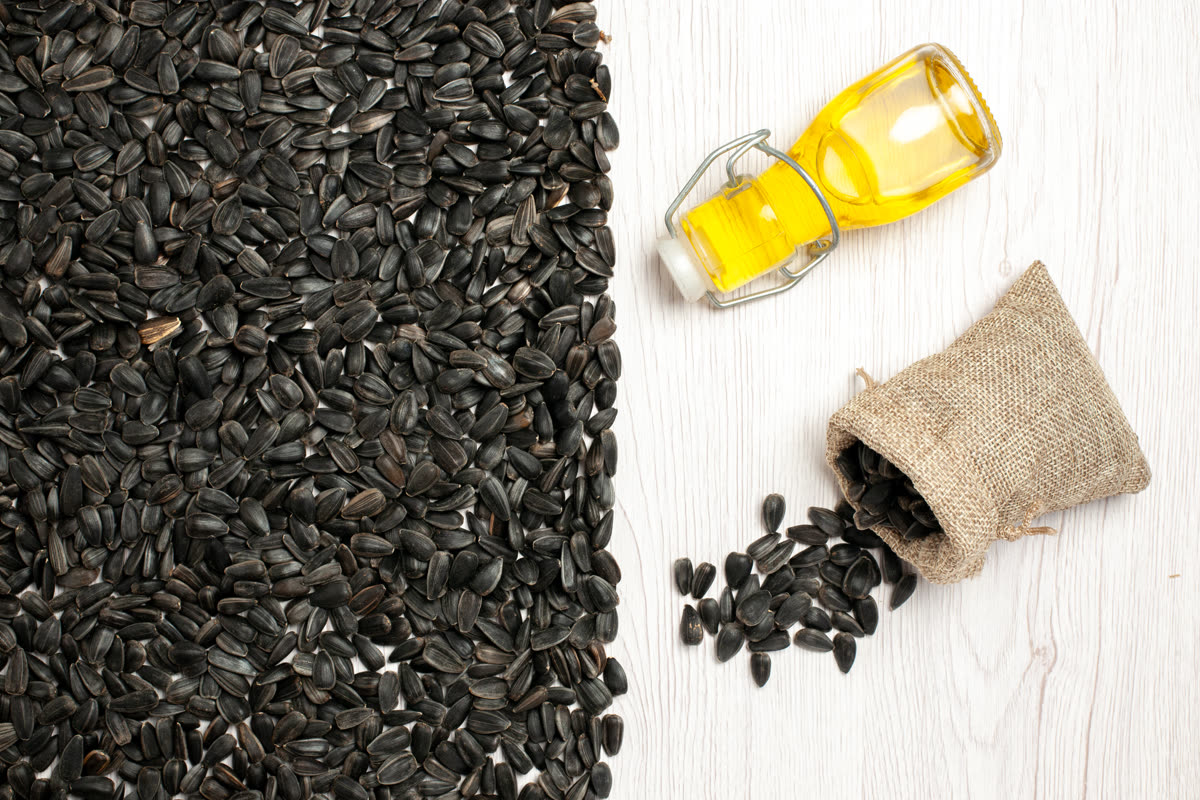 No. 033
Sunflower OilHelianthus annuus L.The humble kitchen oil with some of the best barrier evidence of any plant oil: gentle, affordable and kind to dry skin.
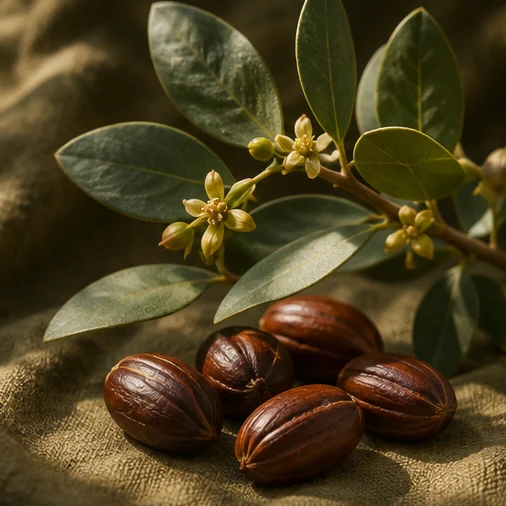 No. 028
JojobaSimmondsia chinensis (Link) C.K.Schneid.Jojoba is really a liquid wax, which is why it feels so silky, sinks in with a satin finish and keeps for years.
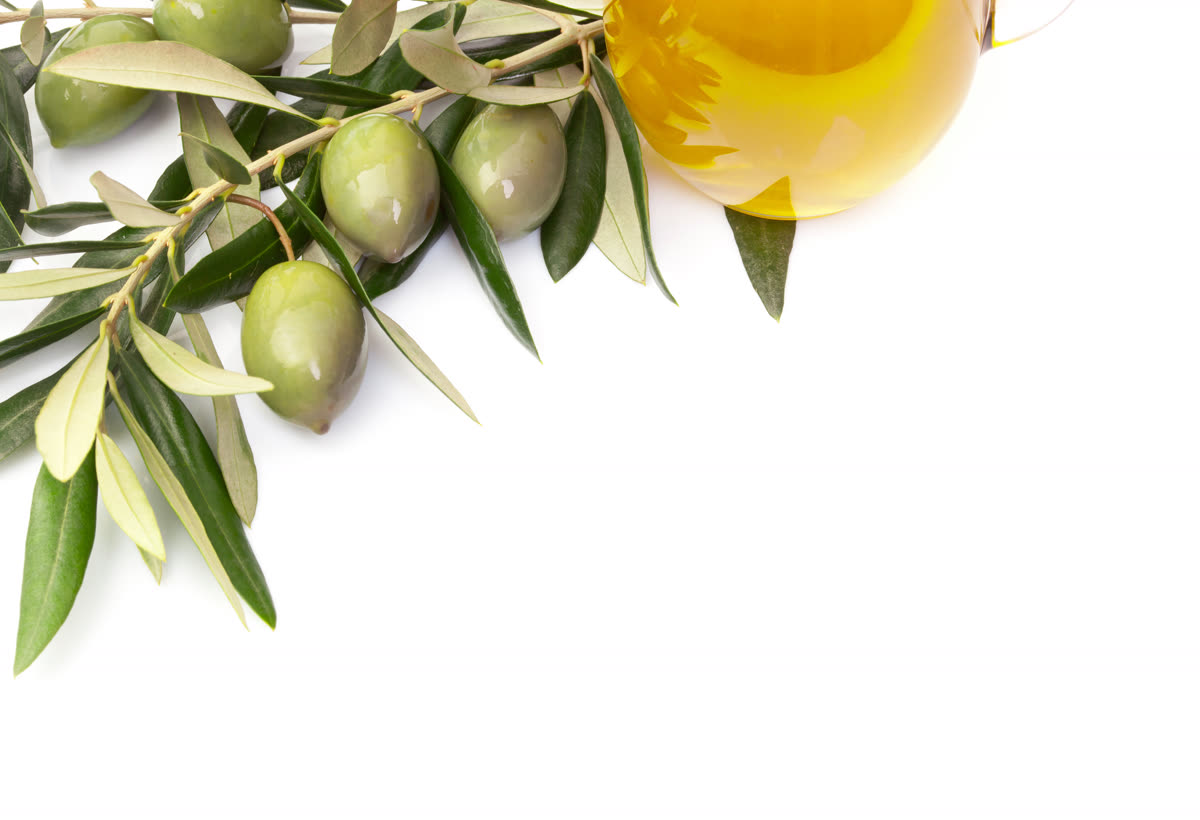 No. 032
Olive OilOlea europaea L.Liquid gold of the Mediterranean: the heart of hammam black soap and a rich, comforting oil for dry elbows, knees and feet.
Go further
 Body care · BeginnerLavender Calm Body OilA silky after-bath body oil of sunflower, apricot kernel and jojoba with 2% true lavender — the maximum we recommend for body use.
GuideCarrier Oils: The Formulator’s GuideFatty acid chemistry, oxidative stability and skin feel for 12 core oils, plus why comedogenic ratings mislead and how to store oils well.ConcernDry & Dehydrated SkinWhy skin loses water, how the barrier works, and how to layer humectants, emollients and occlusives — with oatmeal, shea and oils that help.GuideHow to Patch Test (and Read the Result)A step-by-step at-home patch test (ROAT), how to tell irritation from allergy, and when you need proper dermatologist patch testing.