Does it work?
Squalane for Acne & Breakouts
What the research says about squalane for acne & breakouts, how to use it at home and how to stay safe.
The short answer: Well-understood emollient chemistry and excellent tolerability data, but few clinical trials of squalane on its own.
Our Acne & Breakouts guide does not rank Squalane for this use yet, so this is the overall grade for Squalane.
What it does
Squalane is a light, colorless, odorless emollient made by fully hydrogenating squalene, a lipid found in human sebum, olives and shark liver. Hydrogenation makes it extremely stable and non-irritating, with a weightless feel that suits even oily and acne-prone skin. Plant- or fermentation-derived squalane is now widely available, but shark-derived squalane is still traded — check the source.
Why people reach for it
- Weightless moisture. Spreads instantly and leaves a soft, non-greasy finish, making it a good first oil for people who dislike oils.
- Very low irritation and comedogenic potential. Saturated and inert, it does not oxidize to irritating by-products — suitable for sensitive and acne-prone skin.
- Perfect diluent. Stabilizes and lightens blends of fragile or heavy oils such as rosehip oil or sea buckthorn pulp oil.
- Shine without weight for hair. A drop smooths flyaways on fine or color-treated hair without greasiness.
How to use it
| Form | Typical use | Notes |
|---|---|---|
| Face oil | 2–4 drops neat | Use alone, over serums, or mixed into a moisturizer. |
| Serums and face-oil blends | 20–70% of a blend | An excellent base for fragile oils and for oil-soluble actives such as bakuchiol. |
| Creams and lotions | 2–10% of a formula | Adds lightness and spreadability to the oil phase. |
| Hair and cuticles | 1–2 drops | Smooth over dry ends or massage into cuticles. |
Recipes with Squalane
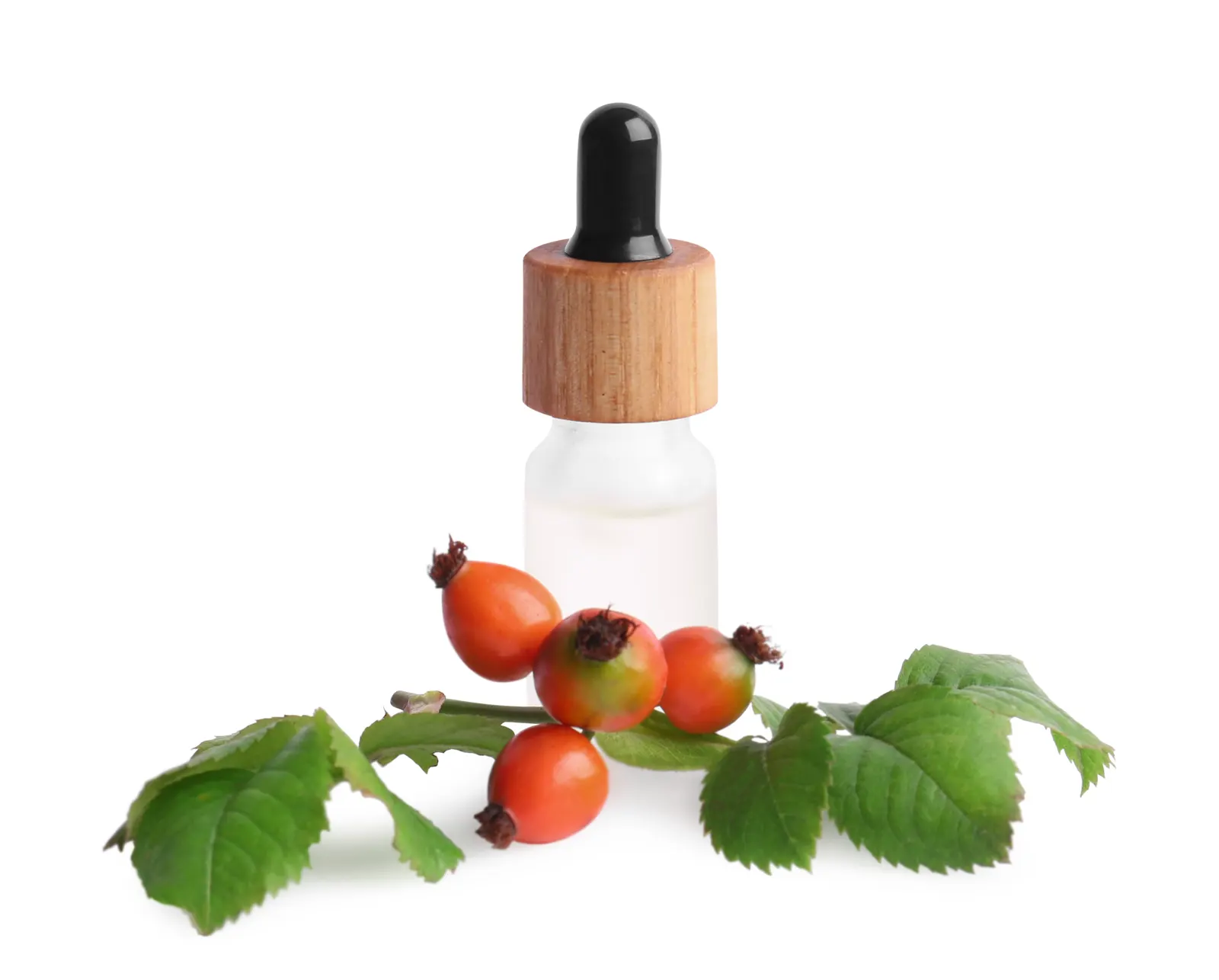 Face oil · BeginnerRosehip & Sea Buckthorn Glow OilA light face oil of rosehip, jojoba and squalane with a touch of sea buckthorn, protected with vitamin E. Three or four drops at night.
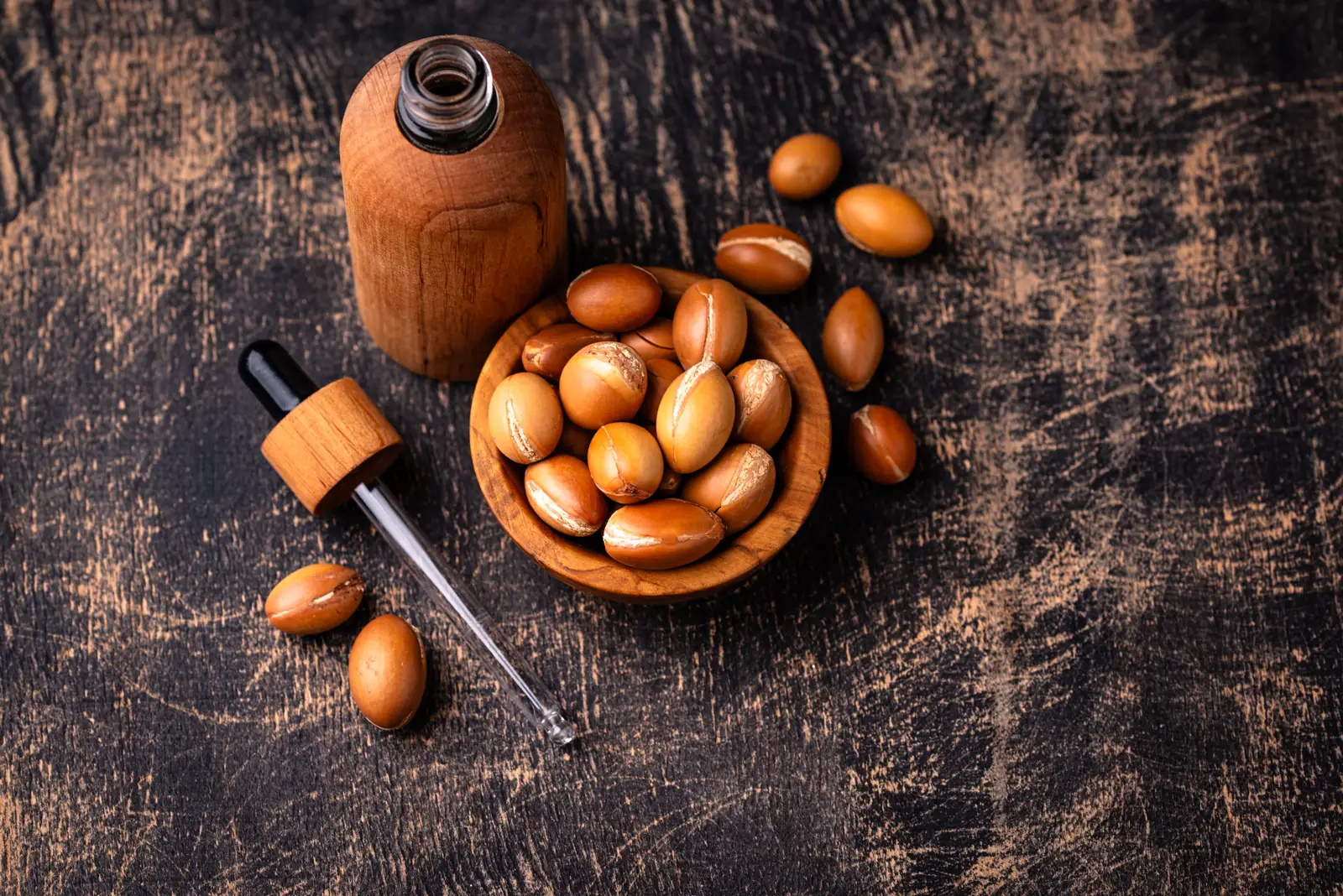 Serum · BeginnerArgan & Prickly Pear Night SerumA Moroccan night oil-serum of argan, prickly pear seed oil and squalane with 1% bakuchiol, a gentle alternative to retinol.
Daily rituals with Squalane
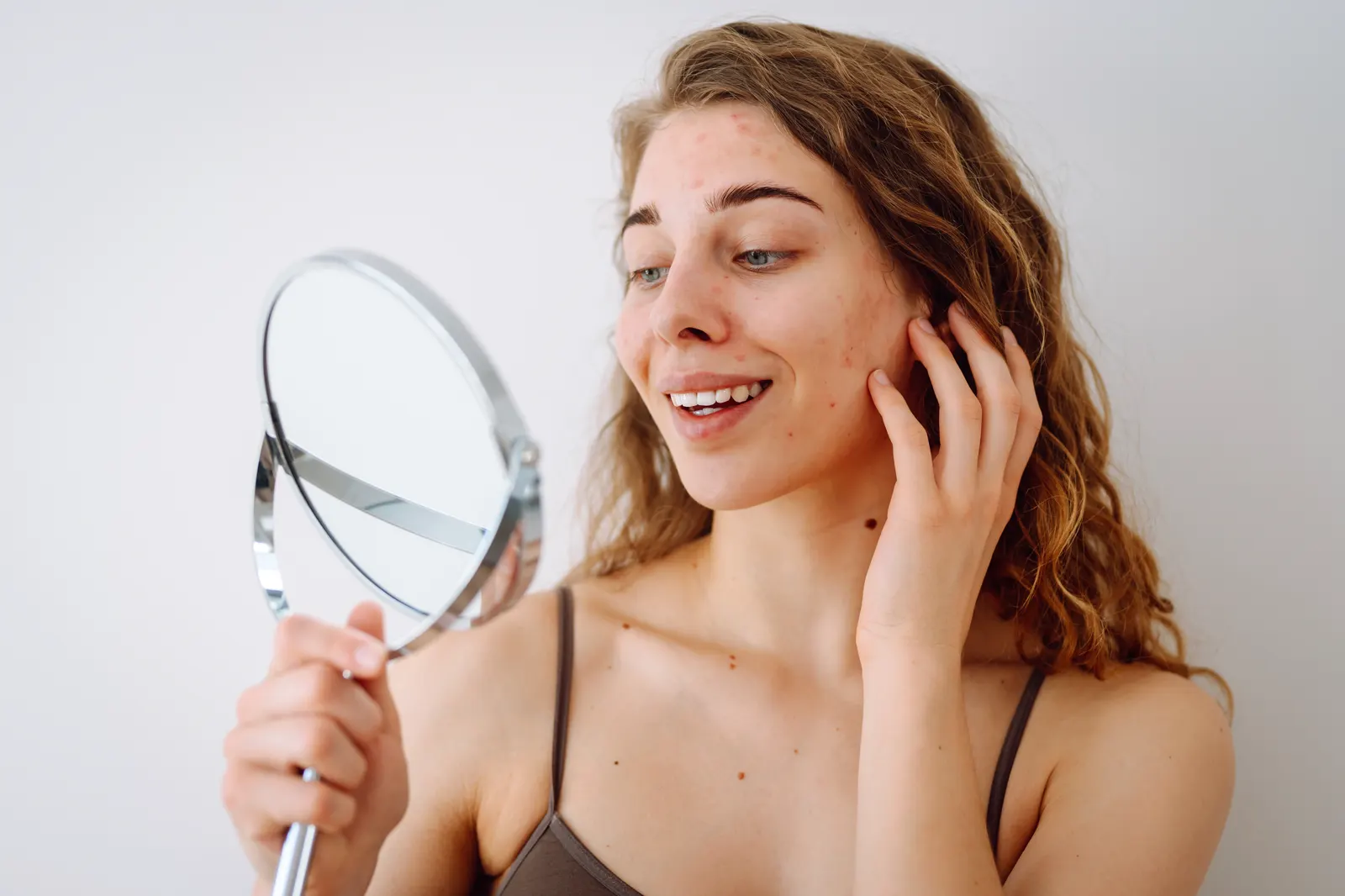 The Two-Minute Barrier CheckTight, stinging, flaky and shiny at once? A two-minute morning check tells you when to pause actives and give your skin barrier a calm week.
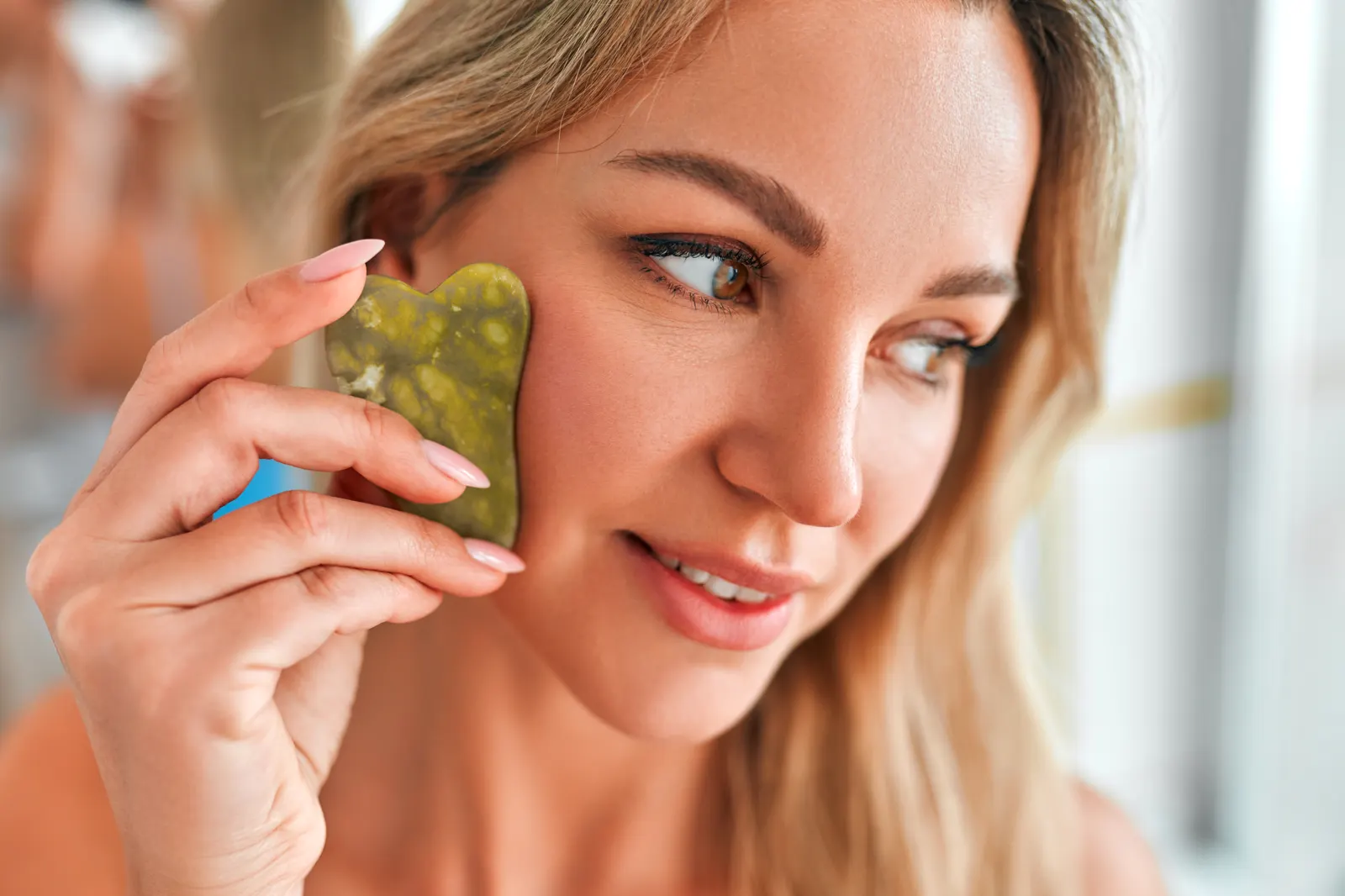 Gua Sha and Facial Massage, HonestlyA five-minute evening facial massage with gua sha or clean hands: what it really does (comfort, temporary de-puffing) and what the lymphatic claims miss.
Use it safely
- One of the best-tolerated cosmetic emollients; allergy is very rare.
- Squalane is not squalene: products listing Squalene contain the unsaturated, oxidation-prone form.
- Lower-purity grades may contain residual unsaturated hydrocarbons; choose a reputable supplier.
Pregnancy and breastfeeding: No known concerns; squalane is widely used in pregnancy-safe routines. See Skincare in Pregnancy & Breastfeeding.
New to an ingredient? Patch test first.
When to see a doctor
- Deep, painful nodules or cysts, or any acne that is leaving scars (pitted, rolling or raised) — early treatment prevents permanent scarring.
- No meaningful improvement after 2–3 months of consistent over-the-counter treatment.
- Acne with irregular periods, excess facial or body hair, scalp hair thinning or rapid weight gain, which can point to polycystic ovary syndrome or another hormonal cause.
- Sudden, severe, ulcerating acne with fever, joint pain or feeling unwell (acne fulminans) — seek prompt care.
- Acne that started after a new medicine or supplement (e.g. corticosteroids, anabolic steroids, some anticonvulsants).
- Acne affecting your mood, sleep or confidence — this is a valid reason to seek treatment.
Other plants for Acne & Breakouts
| Ingredient | Grade | What the evidence shows |
|---|---|---|
| Tea Tree | B | Several small randomized trials of 5% tea tree oil gel show fewer inflammatory and total lesions than placebo, with slower onset but better tolerability than 5% benzoyl peroxide. |
| Green Tea | B | Small randomized trials of 2–3% green tea extract lotions reduced lesion counts and sebum in mild to moderate acne; effects are modest. |
| Aloe Vera | C | In one randomized trial, aloe gel combined with tretinoin improved results and tolerability versus tretinoin alone — useful as a soothing partner to retinoids. |
| Bakuchiol | C | Small, mostly open-label studies suggest benefit in mild acne, often in combination products; plausible anti-inflammatory and anti-sebum effects. |
| Willow Bark | C | Contains salicin and other salicylates that may gently exfoliate and calm, but it is far weaker than salicylic acid and human data are limited. |
| Honey | C | Antimicrobial in the lab, but a randomized trial of medical-grade kanuka honey added to routine cleansing found no significant extra benefit. |
| Witch Hazel | D | Tannins are astringent and anti-inflammatory in vitro; there are no meaningful acne trials, and alcohol-based distillates can irritate. |
| Rhassoul Clay | D | Absorbs surface oil temporarily for a matte finish; no evidence it treats acne lesions. |