Does it work?
Rhassoul Clay for Acne & Breakouts
What the research says about rhassoul clay for acne & breakouts, how to use it at home and how to stay safe.
The short answer: Absorbs surface oil temporarily for a matte finish; no evidence it treats acne lesions.
What it does
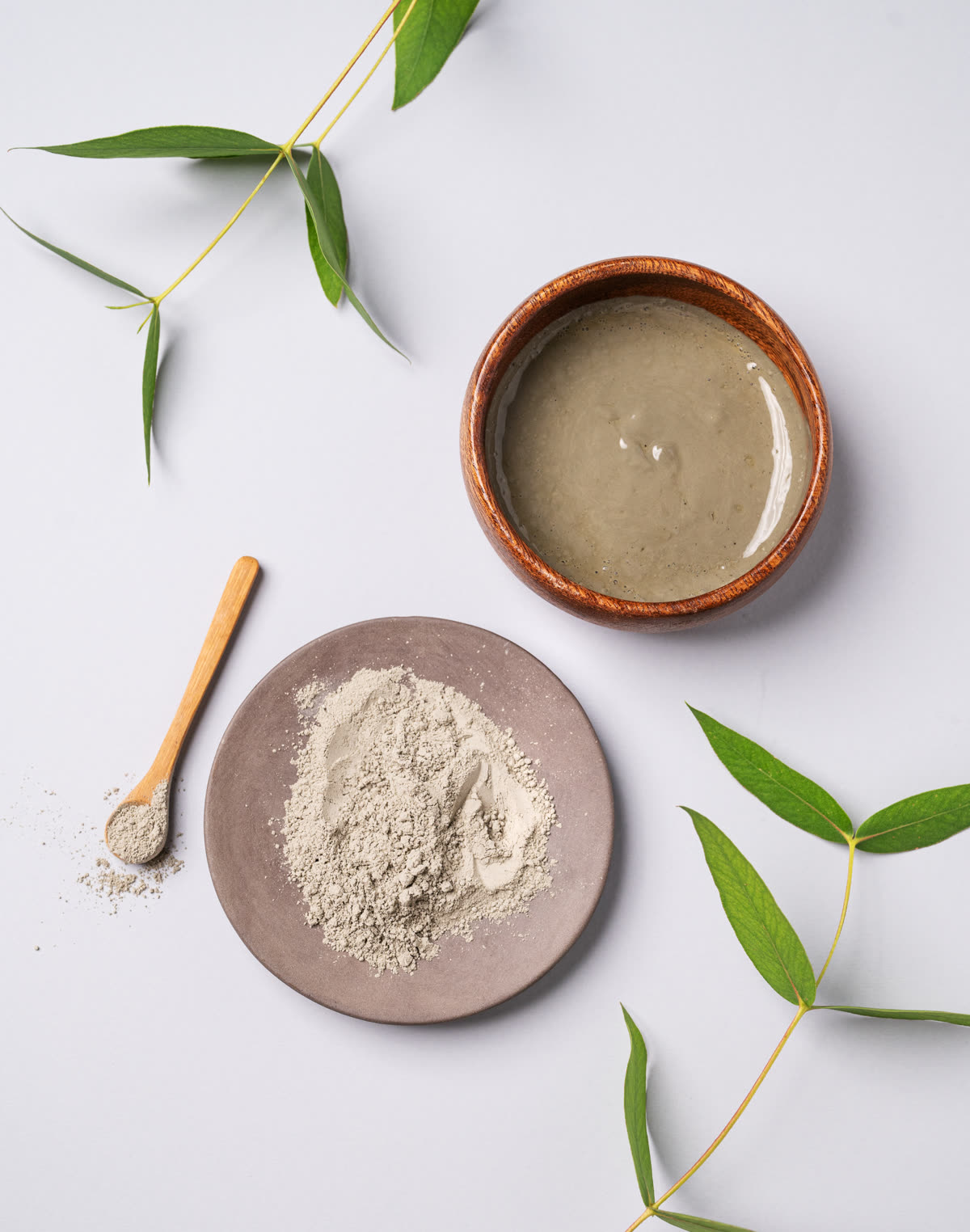
Rhassoul, or ghassoul, is a soft, brown magnesium-rich clay mined only in the Moulouya valley of Morocco, on the edge of the Middle Atlas. Its name comes from the Arabic verb “to wash,” and for centuries it has been the cleanser of the Moroccan hammam, used on both skin and hair. It absorbs excess oil and lifts away dirt without lather, but scientific evidence is limited to mineral chemistry and tradition.
Why people reach for it
- Gentle, lather-free cleansing. Clay particles adsorb sebum and grime and rinse away with them, cleansing without surfactants.
- Oil control for oily skin. A short mask leaves oily and combination skin matte and refreshed.
- Hair and scalp wash. Used as a traditional “no-poo” wash that cleans the scalp while leaving curls soft and defined.
- Silky texture. Swells into a smooth, slippery paste that is easy to spread and rinse — less gritty than many clays.
How to use it
| Form | Typical use | Notes |
|---|---|---|
| Face mask | 1 part clay to about 1.5–2 parts liquid (water, rose or orange-blossom water) | Apply for 5–10 minutes and rinse before it fully dries and cracks. Mix fresh each time — see Moroccan Rhassoul & Orange Blossom Mask. |
| Hair and scalp wash | 2–4 tablespoons in warm water to a thin, creamy paste | Massage into a wet scalp and lengths, leave 5 minutes, rinse thoroughly. |
| Hammam body cleanse | A paste after black soap and kessa scrub | See Moroccan Hammam Ritual at Home and Moroccan Beauty Rituals: Hammam, Rhassoul & Argan. |
| Formulations | 5–20% in masks; 1–5% in cleansers | Any water-containing product needs a broad-spectrum preservative; see DIY Safety: Water, Microbes & Preservatives. |
Recipes for Acne & Breakouts with Rhassoul Clay
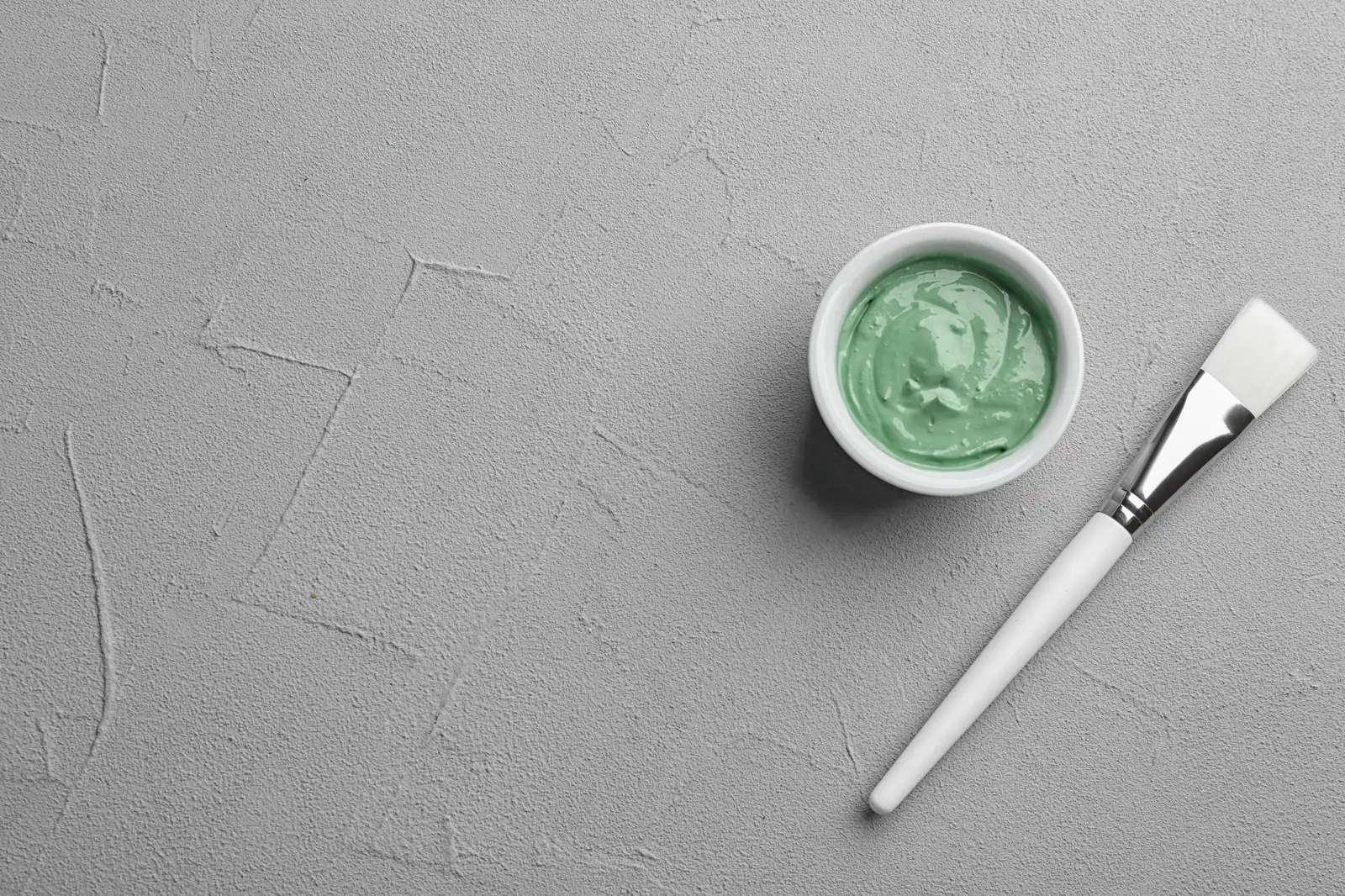
Daily rituals with Rhassoul Clay
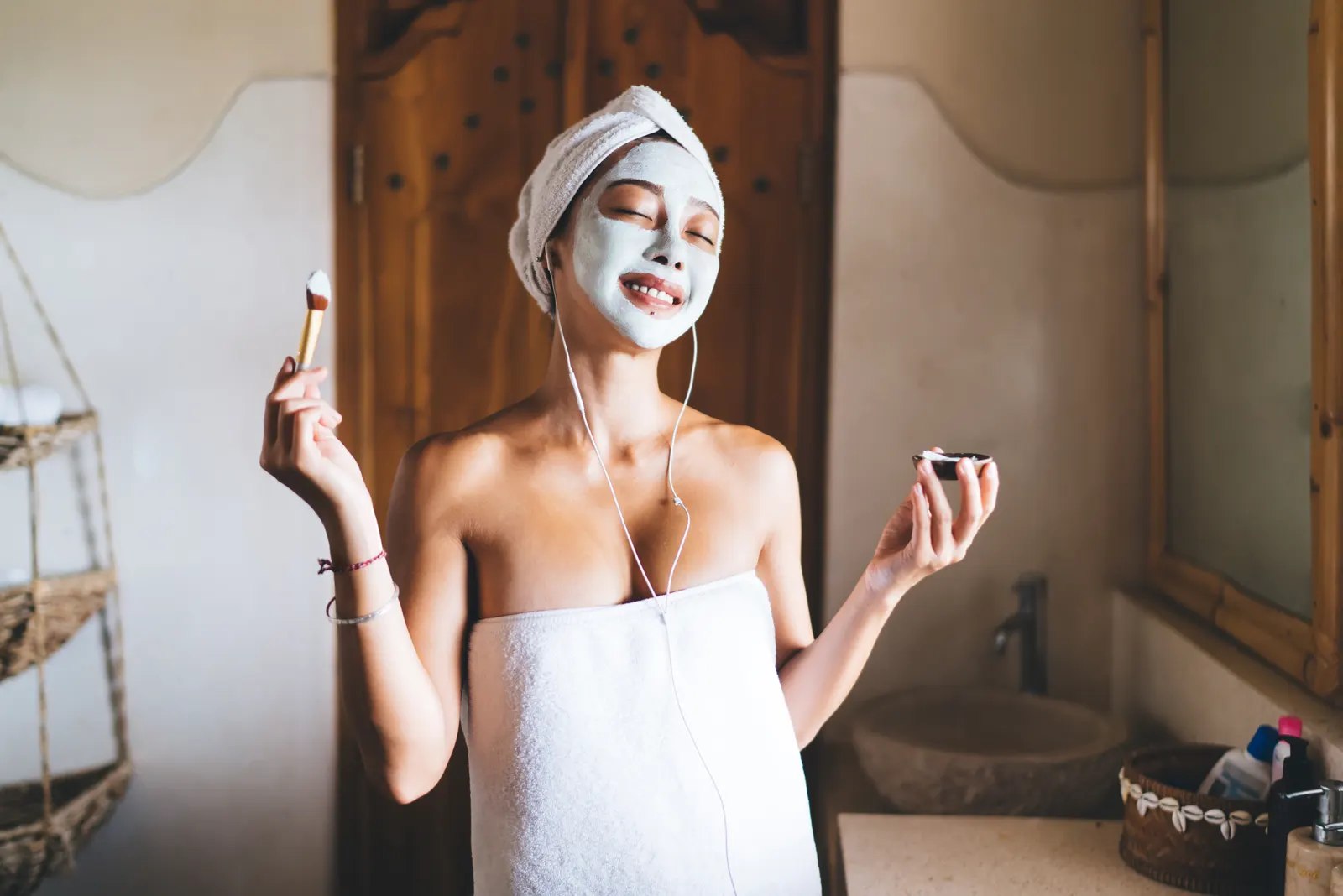 A Weekly Rhassoul Reset for Oily SkinA once-a-week Moroccan rhassoul clay mask for oily and combination skin, with the winter rule that keeps it from over-drying.
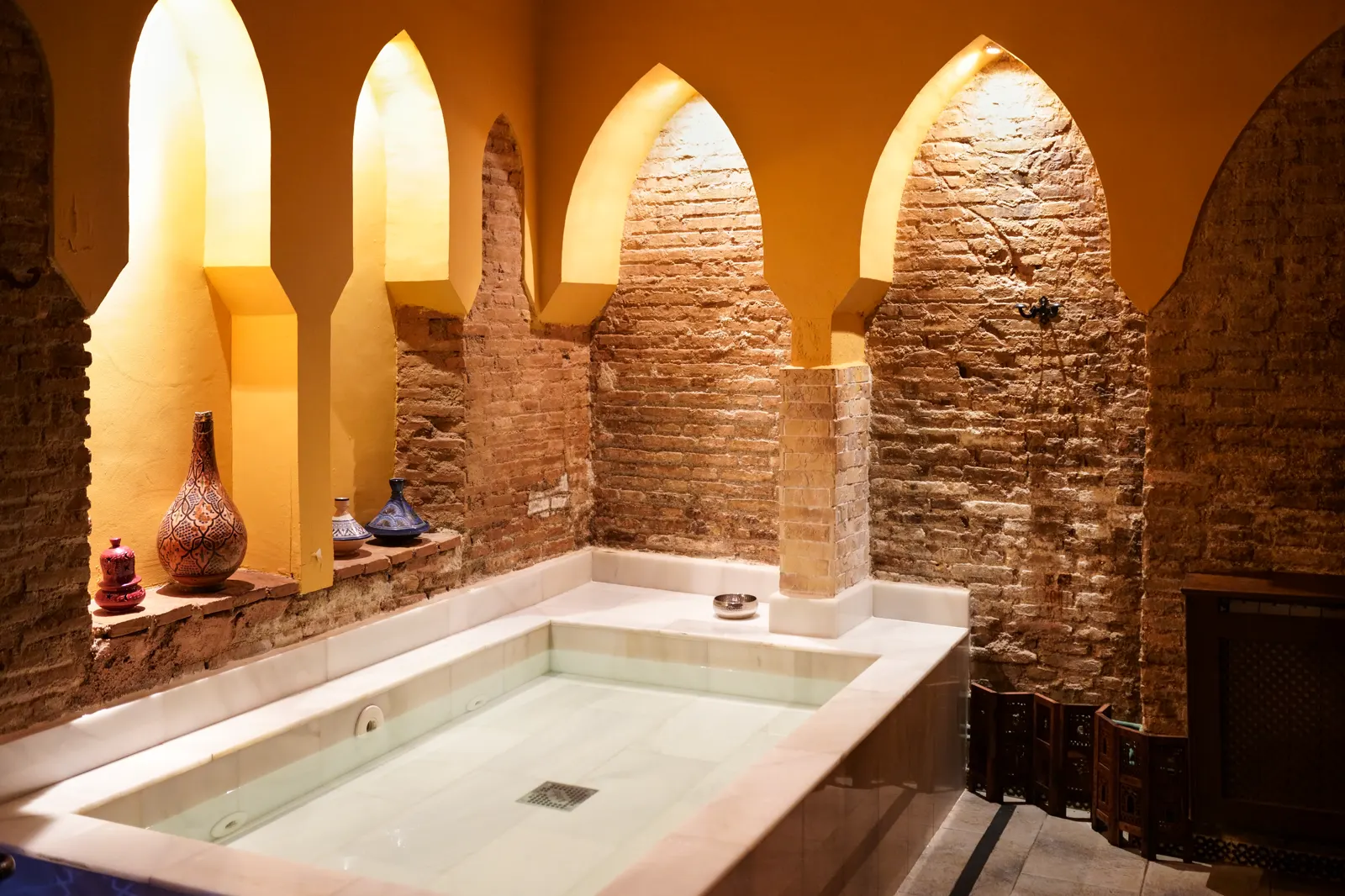 The Home Hammam, Once a WeekBeldi black soap, a kessa glove, rhassoul and argan: a Moroccan weekly bath ritual adapted for home, with honest limits on scrubbing.
Use it safely
- Never eat clay. Natural clays can contain lead and arsenic, and eating them (geophagy) has caused lead poisoning.
- Buy clay with heavy-metal and microbiological test certificates.
- A wet clay paste is a fresh product: mix a single use and discard leftovers.
- Avoid inhaling dry powder — mix gently and do not create dust clouds.
- It can be drying on dry, sensitive or eczema-prone skin; limit to once or twice a week and moisturize afterwards.
Pregnancy and breastfeeding: External use is generally considered fine in pregnancy and breastfeeding. Do not eat clay; if you crave clay or earth in pregnancy (pica), tell your midwife or doctor.
New to an ingredient? Patch test first.
When to see a doctor
- Deep, painful nodules or cysts, or any acne that is leaving scars (pitted, rolling or raised) — early treatment prevents permanent scarring.
- No meaningful improvement after 2–3 months of consistent over-the-counter treatment.
- Acne with irregular periods, excess facial or body hair, scalp hair thinning or rapid weight gain, which can point to polycystic ovary syndrome or another hormonal cause.
- Sudden, severe, ulcerating acne with fever, joint pain or feeling unwell (acne fulminans) — seek prompt care.
- Acne that started after a new medicine or supplement (e.g. corticosteroids, anabolic steroids, some anticonvulsants).
- Acne affecting your mood, sleep or confidence — this is a valid reason to seek treatment.
Other plants for Acne & Breakouts
| Ingredient | Grade | What the evidence shows |
|---|---|---|
| Tea Tree | B | Several small randomized trials of 5% tea tree oil gel show fewer inflammatory and total lesions than placebo, with slower onset but better tolerability than 5% benzoyl peroxide. |
| Green Tea | B | Small randomized trials of 2–3% green tea extract lotions reduced lesion counts and sebum in mild to moderate acne; effects are modest. |
| Aloe Vera | C | In one randomized trial, aloe gel combined with tretinoin improved results and tolerability versus tretinoin alone — useful as a soothing partner to retinoids. |
| Bakuchiol | C | Small, mostly open-label studies suggest benefit in mild acne, often in combination products; plausible anti-inflammatory and anti-sebum effects. |
| Willow Bark | C | Contains salicin and other salicylates that may gently exfoliate and calm, but it is far weaker than salicylic acid and human data are limited. |
| Honey | C | Antimicrobial in the lab, but a randomized trial of medical-grade kanuka honey added to routine cleansing found no significant extra benefit. |
| Witch Hazel | D | Tannins are astringent and anti-inflammatory in vitro; there are no meaningful acne trials, and alcohol-based distillates can irritate. |