Does it work?
Squalane for Sensitive Skin & Redness
What the research says about squalane for sensitive skin & redness, how to use it at home and how to stay safe.
The short answer: Well-understood emollient chemistry and excellent tolerability data, but few clinical trials of squalane on its own.
Our Sensitive Skin & Redness guide does not rank Squalane for this use yet, so this is the overall grade for Squalane.
What it does
Squalane is a light, colorless, odorless emollient made by fully hydrogenating squalene, a lipid found in human sebum, olives and shark liver. Hydrogenation makes it extremely stable and non-irritating, with a weightless feel that suits even oily and acne-prone skin. Plant- or fermentation-derived squalane is now widely available, but shark-derived squalane is still traded — check the source.
Why people reach for it
- Weightless moisture. Spreads instantly and leaves a soft, non-greasy finish, making it a good first oil for people who dislike oils.
- Very low irritation and comedogenic potential. Saturated and inert, it does not oxidize to irritating by-products — suitable for sensitive and acne-prone skin.
- Perfect diluent. Stabilizes and lightens blends of fragile or heavy oils such as rosehip oil or sea buckthorn pulp oil.
- Shine without weight for hair. A drop smooths flyaways on fine or color-treated hair without greasiness.
How to use it
| Form | Typical use | Notes |
|---|---|---|
| Face oil | 2–4 drops neat | Use alone, over serums, or mixed into a moisturizer. |
| Serums and face-oil blends | 20–70% of a blend | An excellent base for fragile oils and for oil-soluble actives such as bakuchiol. |
| Creams and lotions | 2–10% of a formula | Adds lightness and spreadability to the oil phase. |
| Hair and cuticles | 1–2 drops | Smooth over dry ends or massage into cuticles. |
Recipes with Squalane
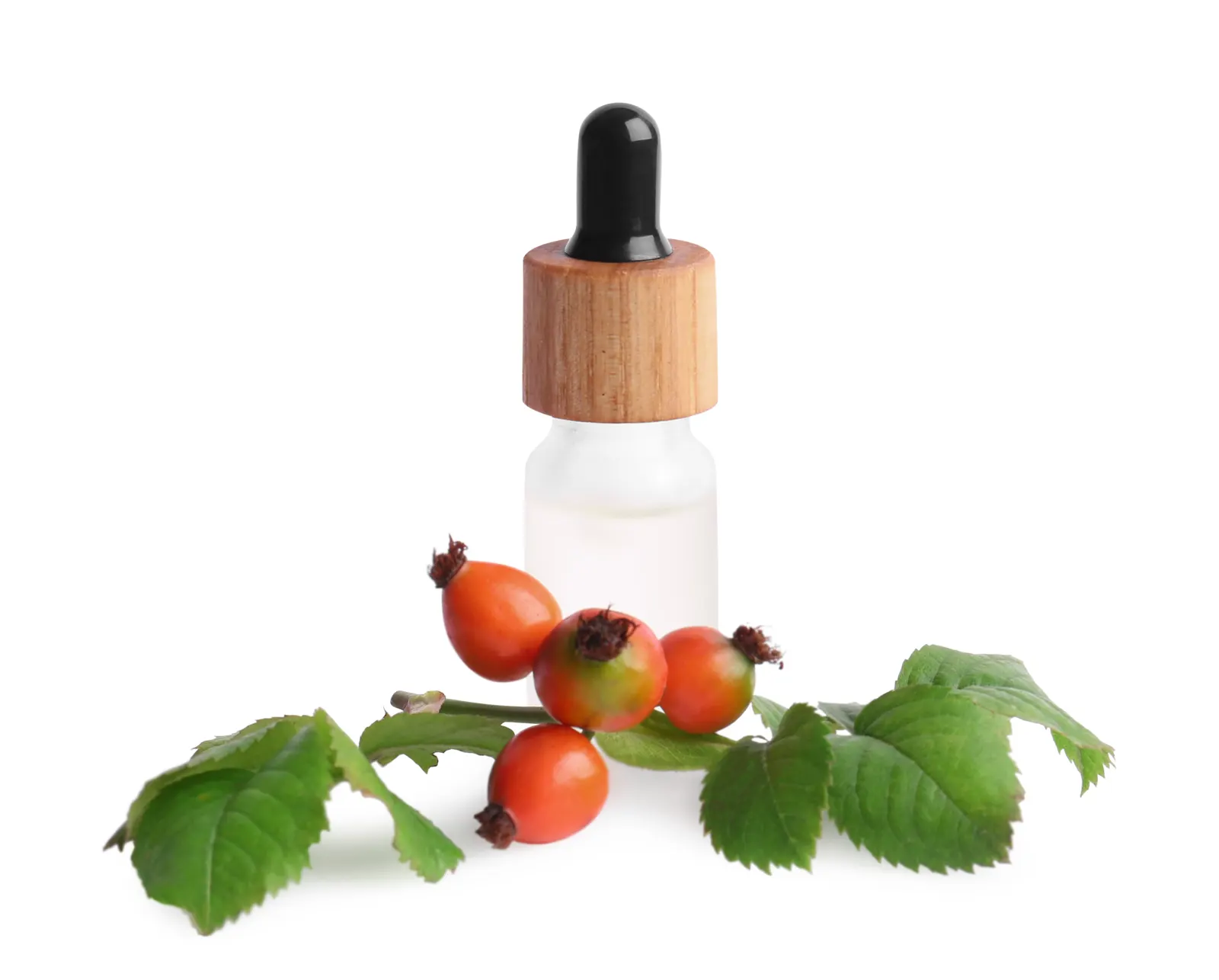 Face oil · BeginnerRosehip & Sea Buckthorn Glow OilA light face oil of rosehip, jojoba and squalane with a touch of sea buckthorn, protected with vitamin E. Three or four drops at night.
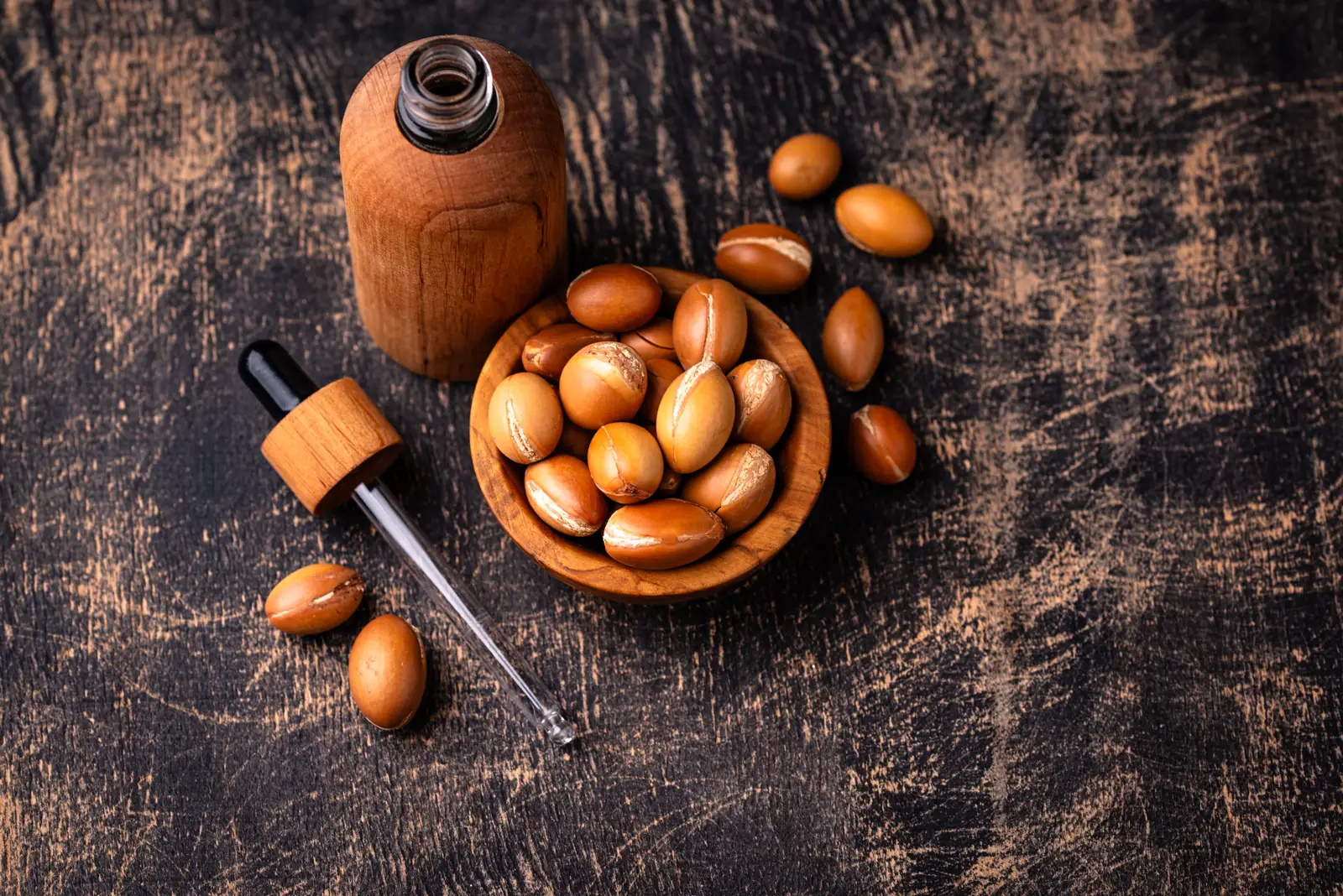 Serum · BeginnerArgan & Prickly Pear Night SerumA Moroccan night oil-serum of argan, prickly pear seed oil and squalane with 1% bakuchiol, a gentle alternative to retinol.
Daily rituals with Squalane
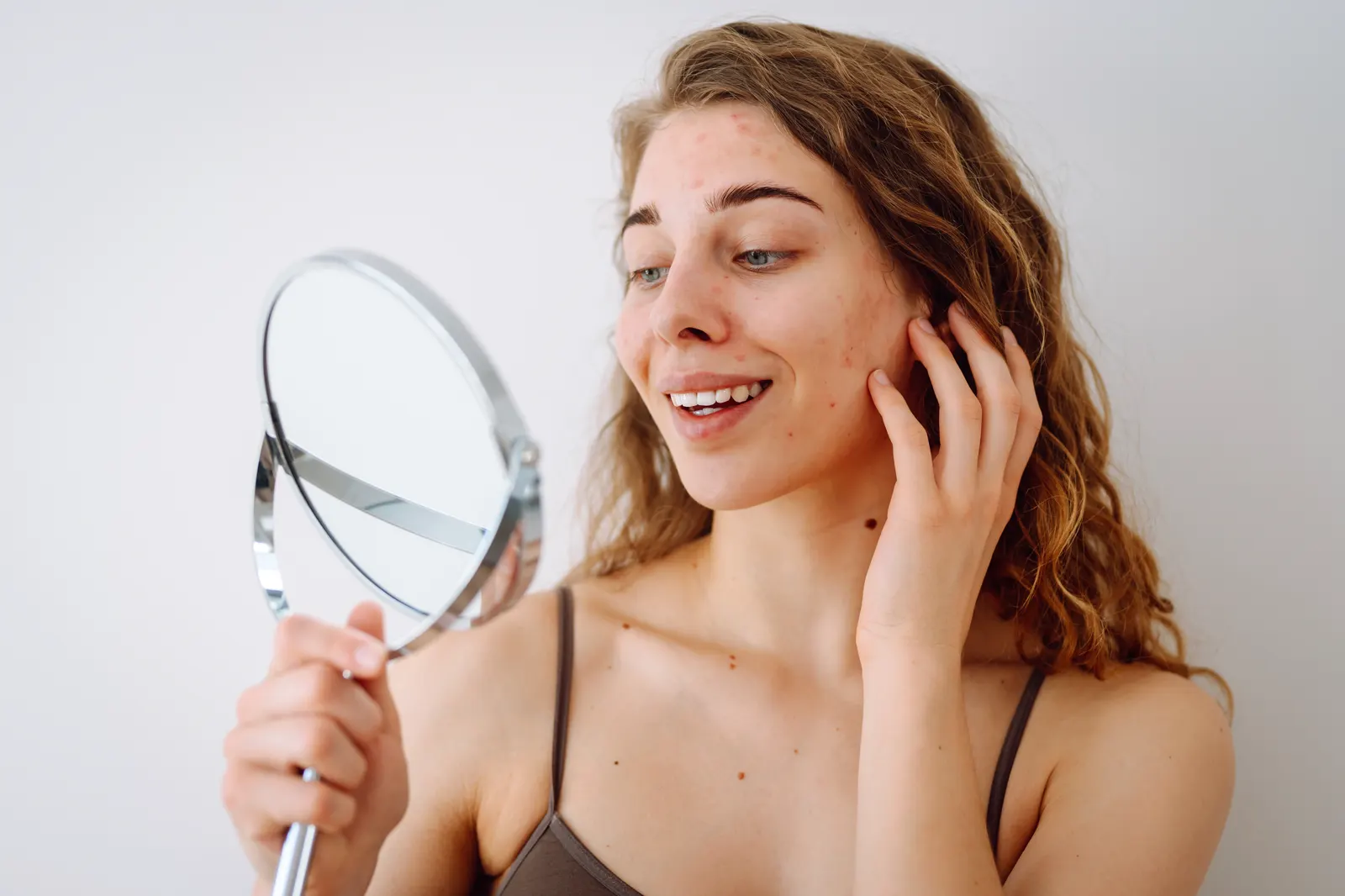 The Two-Minute Barrier CheckTight, stinging, flaky and shiny at once? A two-minute morning check tells you when to pause actives and give your skin barrier a calm week.
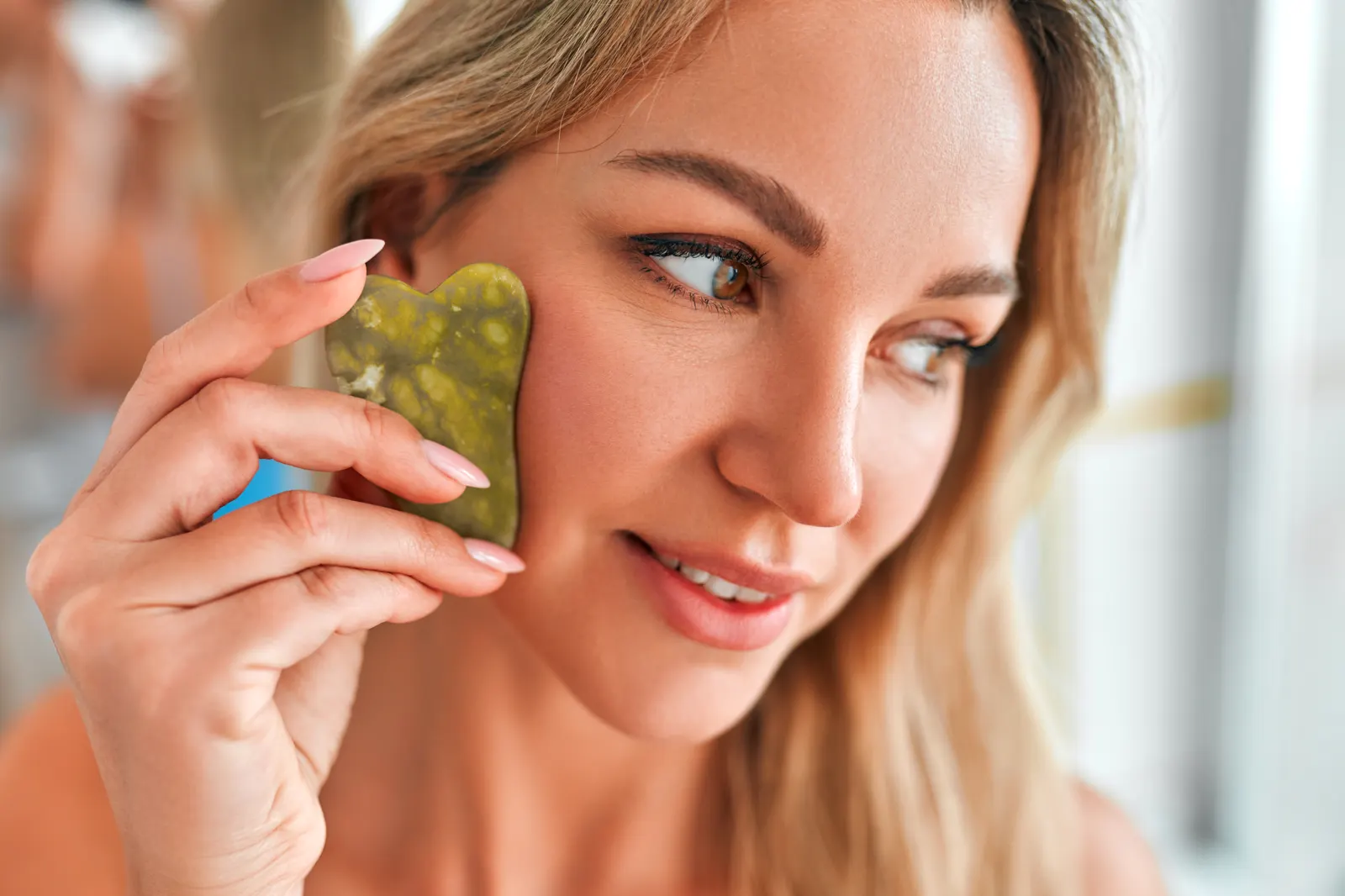 Gua Sha and Facial Massage, HonestlyA five-minute evening facial massage with gua sha or clean hands: what it really does (comfort, temporary de-puffing) and what the lymphatic claims miss.
Use it safely
- One of the best-tolerated cosmetic emollients; allergy is very rare.
- Squalane is not squalene: products listing Squalene contain the unsaturated, oxidation-prone form.
- Lower-purity grades may contain residual unsaturated hydrocarbons; choose a reputable supplier.
Pregnancy and breastfeeding: No known concerns; squalane is widely used in pregnancy-safe routines. See Skincare in Pregnancy & Breastfeeding.
New to an ingredient? Patch test first.
When to see a doctor
- Swelling of the lips, eyelids, tongue or throat, or difficulty breathing after using a product — this is an emergency.
- Persistent facial redness, visible vessels, flushing or bumps (possible rosacea), or burning, gritty, red eyes with facial redness (ocular rosacea).
- An itchy rash that spreads beyond where a product was applied or appears 1–3 days later (possible allergic contact dermatitis — ask about patch testing).
- A butterfly-shaped rash across the cheeks with joint pain, fatigue or sun sensitivity.
- Redness or stinging that continues despite a stripped-back routine for 4–6 weeks.
Other plants for Sensitive Skin & Redness
| Ingredient | Grade | What the evidence shows |
|---|---|---|
| Colloidal Oatmeal | B | Avenanthramides are anti-inflammatory and anti-itch; clinical studies support oatmeal products for irritated, itchy and reactive skin. |
| Licorice Root | B | Several small, mostly manufacturer-funded trials of licochalcone A products reduced facial redness, including in mild rosacea. |
| Centella Asiatica (Cica) | C | Madecassoside and asiaticoside reduce inflammation and support barrier repair in the lab; small human studies of centella creams show improved redness and comfort. |
| Green Tea | C | EGCG is anti-inflammatory and reduces UV-induced redness; a small trial suggested benefit in papulopustular rosacea. |
| Aloe Vera | C | Soothing and cooling with small supportive studies; choose stabilized gels without alcohol or fragrance, as some products irritate. |
| Chamomile | C | Bisabolol and chamazulene are anti-inflammatory, but chamomile is in the daisy family and can cause allergy in sensitized people. |