Does it work?
Tea Tree for Acne & Breakouts
Fresh, herbal and clinically studied, tea tree oil is a gentle, patient answer to mild breakouts.
The short answer: Several small randomized trials of 5% tea tree oil gel show fewer inflammatory and total lesions than placebo, with slower onset but better tolerability than 5% benzoyl peroxide.
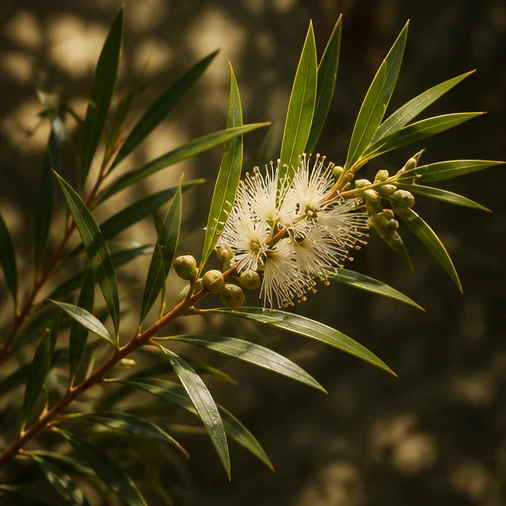
What Tea Tree can do for Acne & Breakouts
Tea tree oil is one of the few botanicals with randomized trial evidence for acne: a 5% gel worked about as well as 5% benzoyl peroxide, more slowly but with fewer side effects, and a 5% shampoo helped dandruff. Its active, terpinen-4-ol, is antimicrobial and anti-inflammatory. The main risks are irritation from neat use and allergy to oxidized oil.
Why people reach for it
- Treats mild-to-moderate acne. A 5% gel reduced inflamed and non-inflamed lesions comparably to 5% benzoyl peroxide over three months, and outperformed placebo in a separate trial. It acts more slowly than benzoyl peroxide.
- Fewer side effects than benzoyl peroxide. In the head-to-head trial, dryness, itching and stinging were much less common with tea tree oil gel than with benzoyl peroxide lotion.
- Reduces dandruff. A 5% tea tree oil shampoo improved dandruff severity significantly more than placebo over four weeks, consistent with its activity against Malassezia yeasts.
- Broad antimicrobial activity. Terpinen-4-ol is active against bacteria (including C. acnes and S. aureus) and fungi in the lab, and also reduces inflammatory mediators.
How to use it
Try it today
A targeted spot routine
- Choose a ready-made tea tree spot gel, or dilute the oil properly; never dab it on neat.
- Patch test first, then apply a tiny amount to blemishes only, once or twice a day.
- Give it 6–12 weeks, and keep the bottle cool, dark and away from children and pets.
| Form | Typical use | Notes |
|---|---|---|
| Spot or acne gel | Up to 5% (the concentration used in trials), on blemishes only | Apply once or twice daily to affected areas; expect results over 6–12 weeks. For whole-face leave-on products keep to about 1%. See Tea Tree Blemish Spot Gel and Essential Oil Dilution Calculator. |
| Shampoo for dandruff | 5% in a rinse-off shampoo | Lather into the scalp and leave 3–5 minutes before rinsing, daily or on alternate days. Use a solubilizer so the oil disperses evenly. |
| Cleanser or face wash | 0.5–1% | Rinse-off contact is short, so this is a gentler, lower-risk way to use tea tree on oily skin. |
Recipes for Acne & Breakouts with Tea Tree
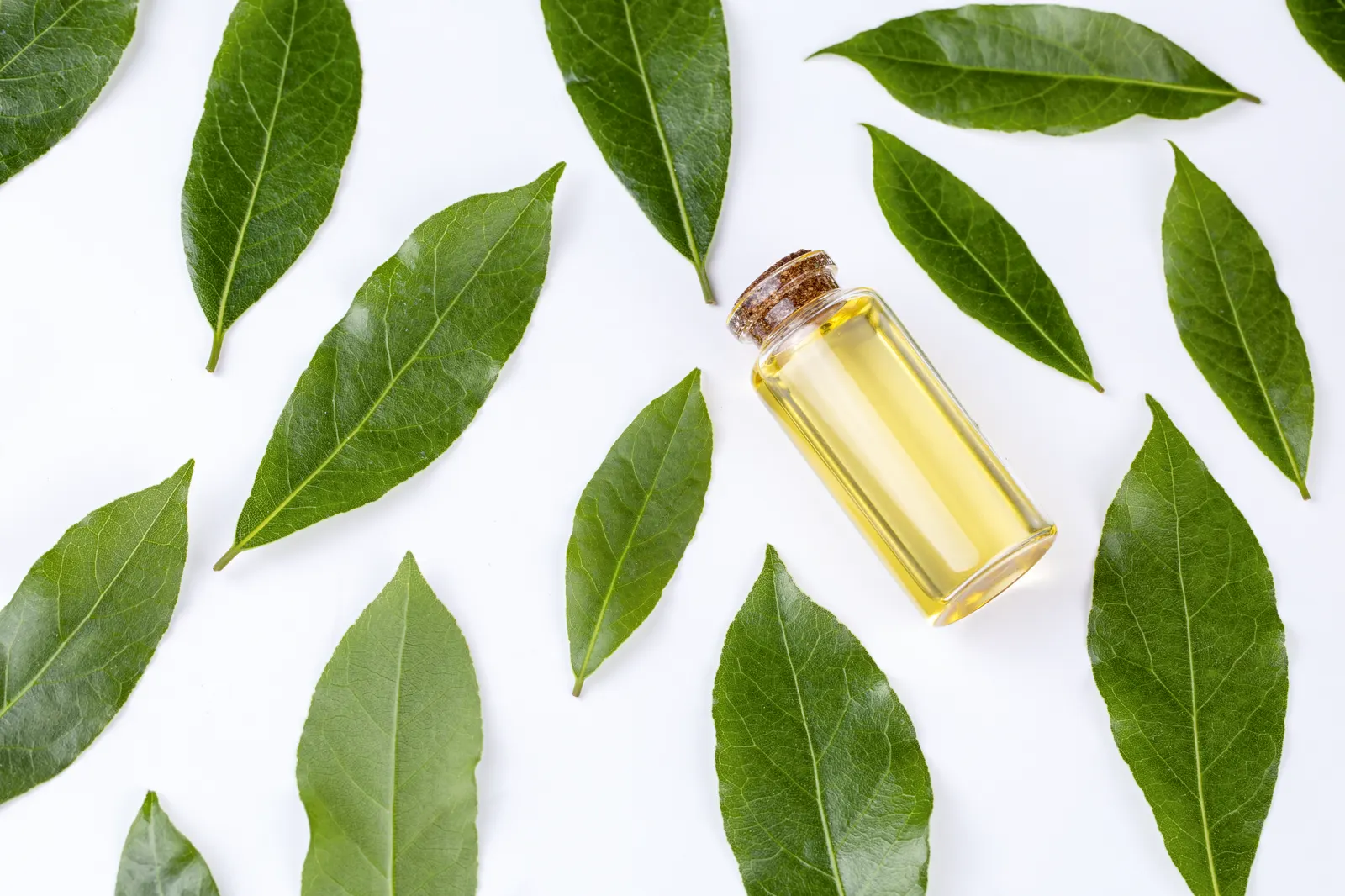
Daily rituals with Tea Tree
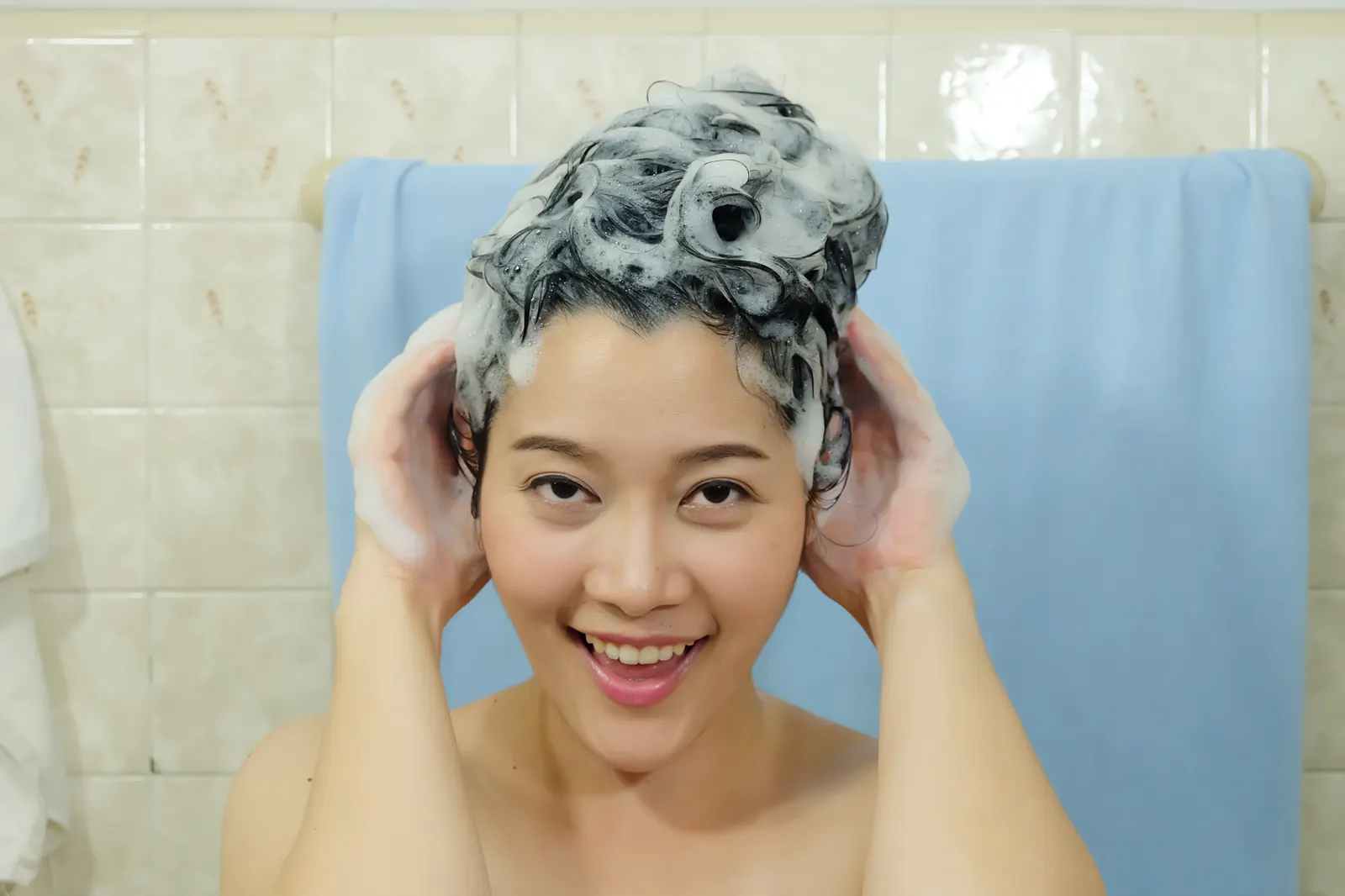 Give Your Dandruff Shampoo Five MinutesMedicated dandruff shampoos need contact time to work. Lather on the scalp, wait the minutes on the label, then rinse and condition the lengths.
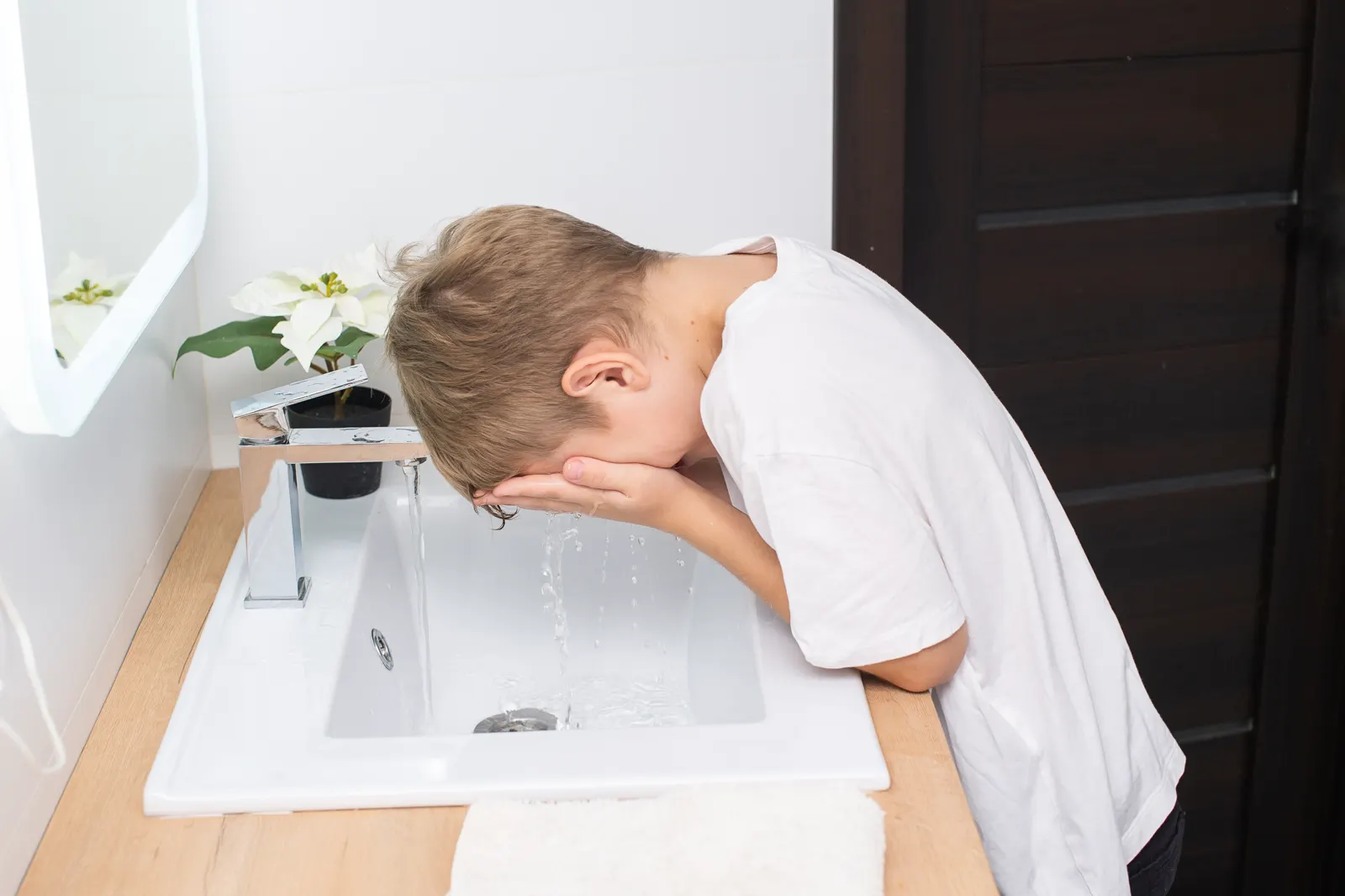 A First Skincare Routine for TeensCleanse, moisturize, sunscreen: a calm, three-step first routine for teenagers, with one simple add-on for spots and what to skip online.
Use it safely
- Oxidized oil is a sensitizer. Buy small bottles, keep them tightly closed in the fridge or a cool dark place, and discard after about 6–12 months or if the smell turns harsh or turpentine-like.
- Never apply neat to skin, ears or mucous membranes; undiluted oil commonly causes irritation and allergic dermatitis. Patch test first (How to Patch Test).
- Toxic if swallowed: even small amounts have caused drowsiness, confusion and loss of coordination in children. Keep out of reach of children and pets — cats are especially sensitive, even to skin application.
- Tea tree oil appears in case reports of reversible prepubertal breast enlargement (with lavender); avoid frequent liberal use on young children.
- See a doctor for nodular, cystic or scarring acne — these need prescription treatment. See Acne & Breakouts.
Pregnancy and breastfeeding: Diluted topical use is generally considered acceptable in pregnancy and breastfeeding. Never take it orally, and keep it away from the nipple area if breastfeeding.
New to an ingredient? Patch test first.
When to see a doctor
- Deep, painful nodules or cysts, or any acne that is leaving scars (pitted, rolling or raised) — early treatment prevents permanent scarring.
- No meaningful improvement after 2–3 months of consistent over-the-counter treatment.
- Acne with irregular periods, excess facial or body hair, scalp hair thinning or rapid weight gain, which can point to polycystic ovary syndrome or another hormonal cause.
- Sudden, severe, ulcerating acne with fever, joint pain or feeling unwell (acne fulminans) — seek prompt care.
- Acne that started after a new medicine or supplement (e.g. corticosteroids, anabolic steroids, some anticonvulsants).
- Acne affecting your mood, sleep or confidence — this is a valid reason to seek treatment.
Other plants for Acne & Breakouts
| Ingredient | Grade | What the evidence shows |
|---|---|---|
| Green Tea | B | Small randomized trials of 2–3% green tea extract lotions reduced lesion counts and sebum in mild to moderate acne; effects are modest. |
| Aloe Vera | C | In one randomized trial, aloe gel combined with tretinoin improved results and tolerability versus tretinoin alone — useful as a soothing partner to retinoids. |
| Bakuchiol | C | Small, mostly open-label studies suggest benefit in mild acne, often in combination products; plausible anti-inflammatory and anti-sebum effects. |
| Willow Bark | C | Contains salicin and other salicylates that may gently exfoliate and calm, but it is far weaker than salicylic acid and human data are limited. |
| Honey | C | Antimicrobial in the lab, but a randomized trial of medical-grade kanuka honey added to routine cleansing found no significant extra benefit. |
| Witch Hazel | D | Tannins are astringent and anti-inflammatory in vitro; there are no meaningful acne trials, and alcohol-based distillates can irritate. |
| Rhassoul Clay | D | Absorbs surface oil temporarily for a matte finish; no evidence it treats acne lesions. |