Does it work?
Green Tea for Acne & Breakouts
The morning cup that doubles as a skin ally: green tea brings antioxidant calm to oily, breakout-prone skin.
The short answer: Small randomized trials of 2–3% green tea extract lotions reduced lesion counts and sebum in mild to moderate acne; effects are modest.
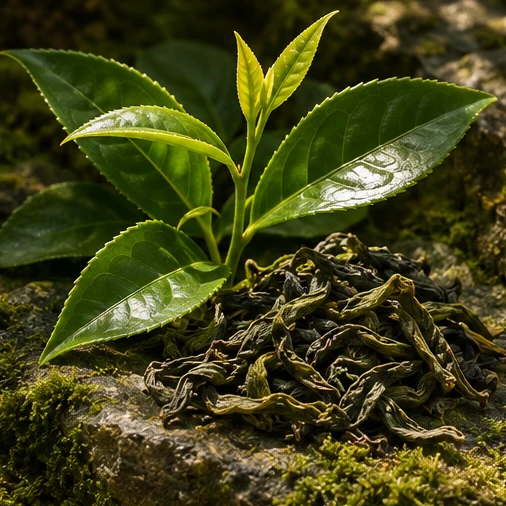
What Green Tea can do for Acne & Breakouts
Green tea is one of the best-researched botanical antioxidants. Its catechins, led by EGCG, reduce sebum and inflammation and limit some UV-induced damage in human studies, and small trials suggest topical green tea can reduce acne. It is fragile — catechins oxidize quickly — and it is never a replacement for sunscreen.
Why people reach for it
- Reduces acne lesions. Small trials of a 2% green tea lotion and of topical EGCG reduced acne lesion counts over 6–8 weeks, with EGCG also lowering sebum production and inhibiting acne bacteria in lab work.
- Helps control oiliness. EGCG down-regulates sebocyte lipid production in cell studies, and topical green tea has reduced sebum output in small human studies.
- Antioxidant support against UV damage. Green tea polyphenols applied before UV exposure reduced redness and DNA damage in human volunteers. This complements, but never replaces, sunscreen.
- Soothes and de-puffs. Caffeine and catechins have mild vasoconstrictive and anti-inflammatory effects, which is why green tea is common in eye creams and calming toners.
How to use it
Try it today
A matcha-honey mini mask
- Stir a teaspoon of matcha into a honey or clay mask, making just enough for one use.
- Patch test if it’s new to you, then smooth it on, relax a few minutes and rinse with lukewarm water.
- Discard any leftovers, and finish your morning with broad-spectrum sunscreen.
| Form | Typical use | Notes |
|---|---|---|
| Green tea leaf extract (standardized polyphenols) | 0.5–5% in serums, toners and creams | Formulate at roughly pH 4–5.5 with a chelator and vitamin E or ferulic acid; expect some color drift. Try Green Tea & Centella Soothing Toner. |
| Purified EGCG | 0.1–1% | More potent and more fragile; best in anhydrous or low-water systems, or in airless packaging. |
| Brewed tea or matcha (DIY) | Fresh, single use | A cooled brew makes a calming compress; 1 teaspoon of matcha can be stirred into a clay or honey mask. Use immediately and discard leftovers. |
Recipes with Green Tea
 Toner · IntermediateGreen Tea & Centella Soothing TonerA preserved, alcohol-free toner with green tea, centella, witch hazel and panthenol to hydrate and calm, formulated to pH 5.0–5.5.
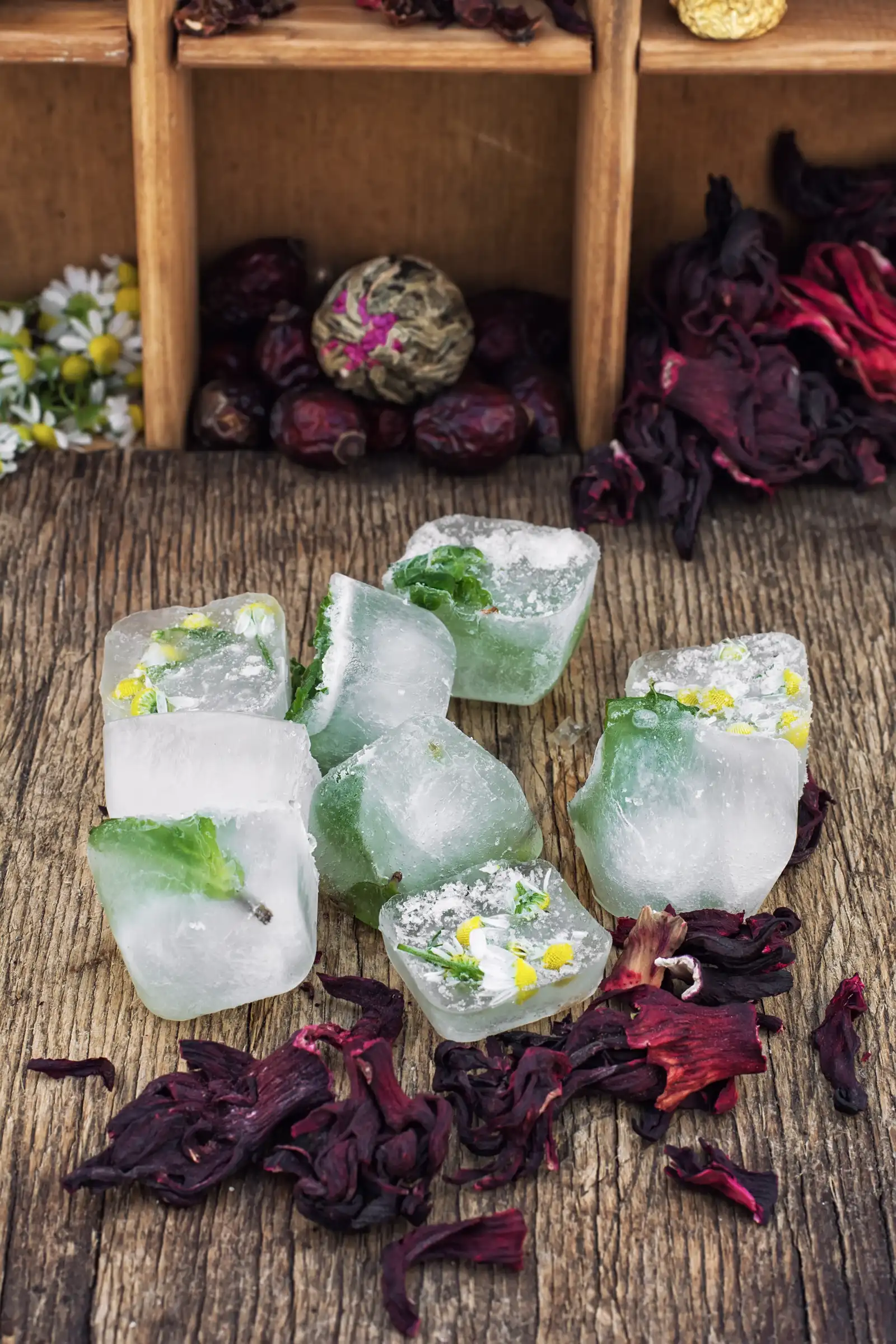 Ritual · BeginnerGreen Tea Morning Ice CubesBrewed green tea frozen into cubes for a sixty-second morning glide that wakes up puffy, sleepy skin. Kept frozen, one cube per use.
Daily rituals with Green Tea
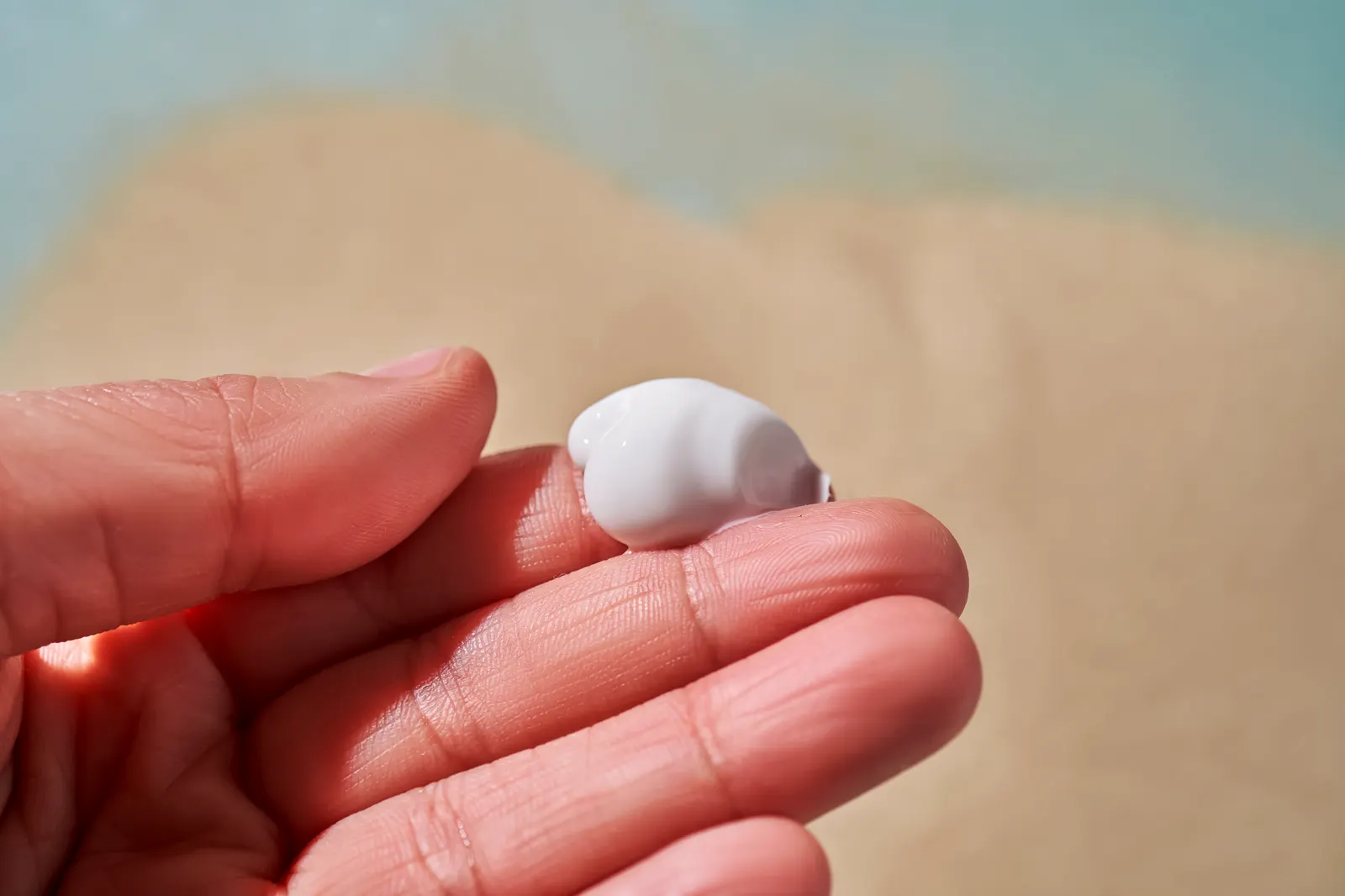 The Two-Finger Sunscreen Rule (and When to Reapply)Most of us apply a fraction of the sunscreen tested on the label. The two-finger rule fixes the dose for face and neck; here is how to reapply, too.
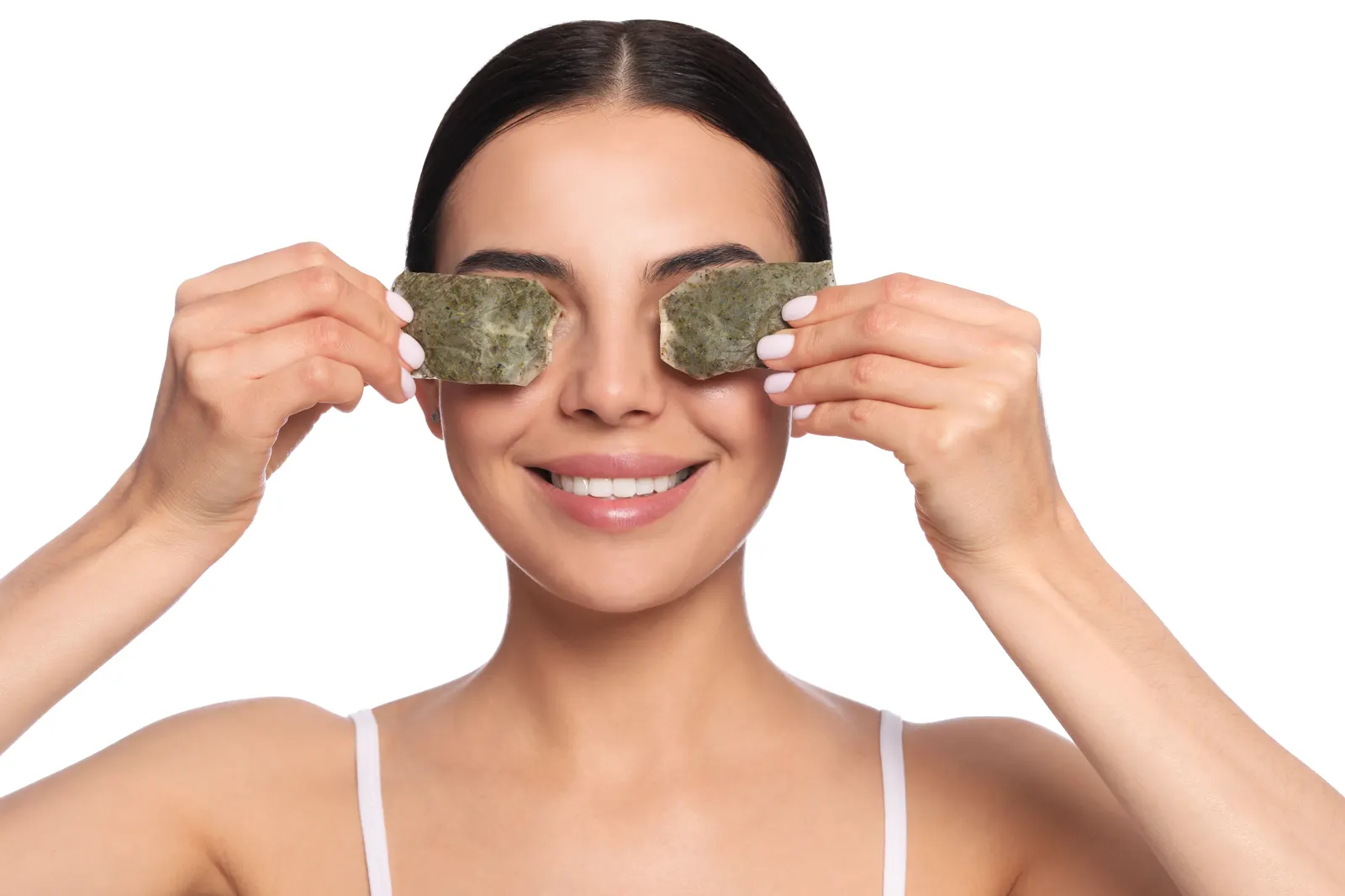 A Green Tea Cold Compress for Puffy Morning EyesChilled green tea bags on closed eyes for ten minutes: why the cold does most of the work, what caffeine adds, and when puffiness needs a doctor.
Use it safely
- Topical green tea is very well tolerated; contact allergy is rare.
- It is not a sunscreen. Use broad-spectrum SPF every day; antioxidants are an add-on.
- High-dose green tea extract supplements can cause liver injury. The European Food Safety Authority found intakes of 800 mg EGCG a day or more from supplements raised liver enzymes. Topical use does not carry this risk.
- Oxidized (brown) products have lost much of their activity; replace them.
Pregnancy and breastfeeding: Topical green tea is considered safe in pregnancy. Keep total caffeine intake within guidance (about 200 mg a day) and avoid concentrated green tea extract supplements.
New to an ingredient? Patch test first.
When to see a doctor
- Deep, painful nodules or cysts, or any acne that is leaving scars (pitted, rolling or raised) — early treatment prevents permanent scarring.
- No meaningful improvement after 2–3 months of consistent over-the-counter treatment.
- Acne with irregular periods, excess facial or body hair, scalp hair thinning or rapid weight gain, which can point to polycystic ovary syndrome or another hormonal cause.
- Sudden, severe, ulcerating acne with fever, joint pain or feeling unwell (acne fulminans) — seek prompt care.
- Acne that started after a new medicine or supplement (e.g. corticosteroids, anabolic steroids, some anticonvulsants).
- Acne affecting your mood, sleep or confidence — this is a valid reason to seek treatment.
Other plants for Acne & Breakouts
| Ingredient | Grade | What the evidence shows |
|---|---|---|
| Tea Tree | B | Several small randomized trials of 5% tea tree oil gel show fewer inflammatory and total lesions than placebo, with slower onset but better tolerability than 5% benzoyl peroxide. |
| Aloe Vera | C | In one randomized trial, aloe gel combined with tretinoin improved results and tolerability versus tretinoin alone — useful as a soothing partner to retinoids. |
| Bakuchiol | C | Small, mostly open-label studies suggest benefit in mild acne, often in combination products; plausible anti-inflammatory and anti-sebum effects. |
| Willow Bark | C | Contains salicin and other salicylates that may gently exfoliate and calm, but it is far weaker than salicylic acid and human data are limited. |
| Honey | C | Antimicrobial in the lab, but a randomized trial of medical-grade kanuka honey added to routine cleansing found no significant extra benefit. |
| Witch Hazel | D | Tannins are astringent and anti-inflammatory in vitro; there are no meaningful acne trials, and alcohol-based distillates can irritate. |
| Rhassoul Clay | D | Absorbs surface oil temporarily for a matte finish; no evidence it treats acne lesions. |