Does it work?
Sandalwood for Acne & Breakouts
Creamy, woody and long-lasting: a trace of true sandalwood turns a simple oil into an evening ritual.
The short answer: Anti-inflammatory and antimicrobial effects are documented in lab and animal studies, and small open-label pilot studies (mostly industry-sponsored) report benefits in acne and other conditions, but controlled trials are lacking.
Our Acne & Breakouts guide does not rank Sandalwood for this use yet, so this is the overall grade for Sandalwood.
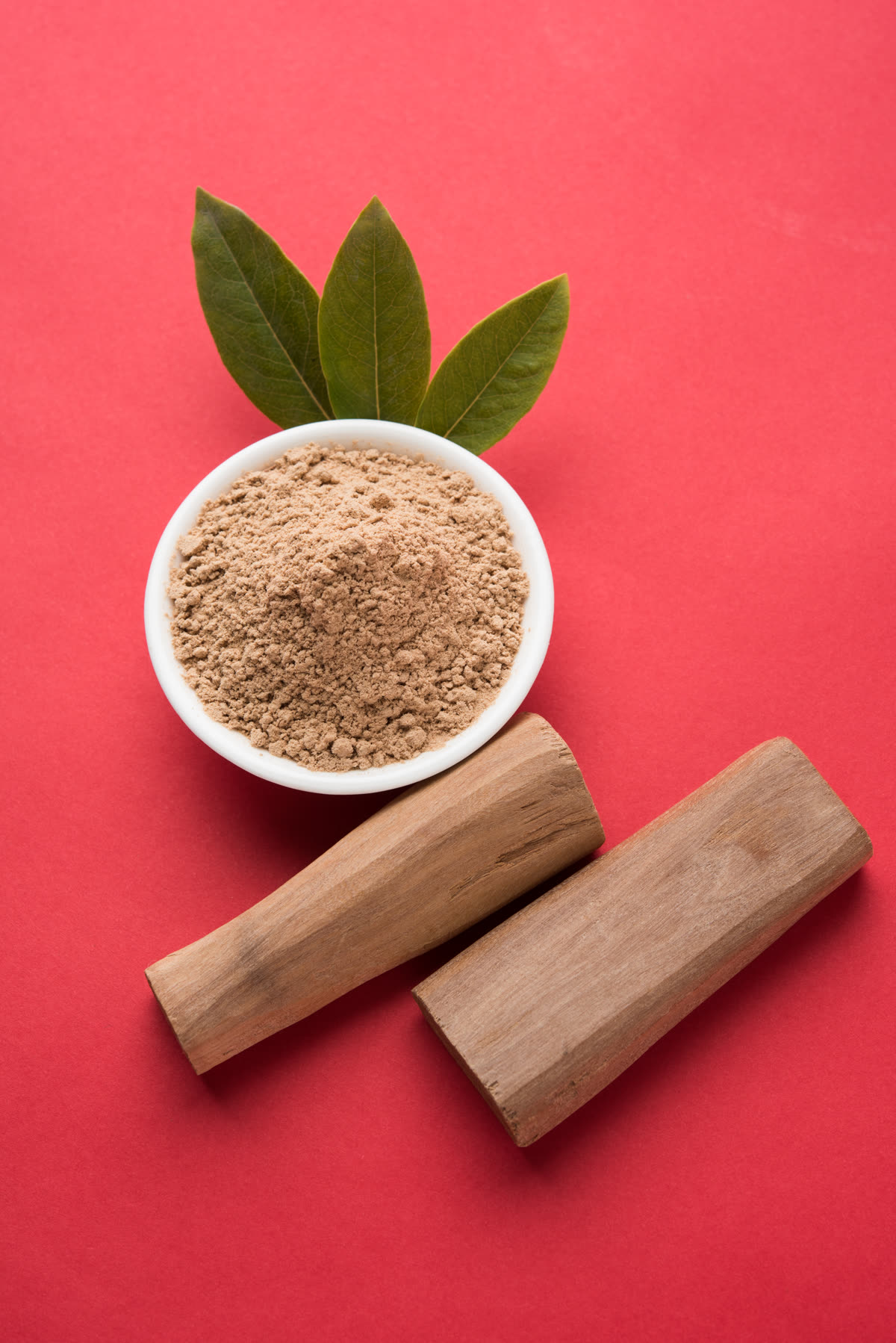
What Sandalwood can do for Acne & Breakouts
True sandalwood oil is distilled from the fragrant heartwood of Santalum album, a slow-growing tree of southern India and Southeast Asia. Its creamy, woody scent comes from the santalols, which also show anti-inflammatory activity in lab studies. Sandalwood is overharvested and listed as Vulnerable, heavily adulterated, and a known if uncommon skin allergen, so buying carefully matters as much as using it well.
Why people reach for it
- A grounding, long-lasting fragrance. Sandalwood is one of perfumery’s great base notes: soft, creamy, woody and long-lasting. A trace in a face oil, balm or body oil adds depth and fixes lighter notes.
- Anti-inflammatory activity in the lab. α-Santalol and sandalwood oil reduce inflammatory signaling in cell and animal models, which underpins interest in its use for inflamed, blemish-prone skin. Human evidence is still preliminary.
- A traditional cooling paste. In India, sandalwood powder mixed with water or rose water is a centuries-old cooling face pack for heat and blemishes — framed today as a traditional ritual rather than a proven treatment for Acne & Breakouts.
How to use it
Try it today
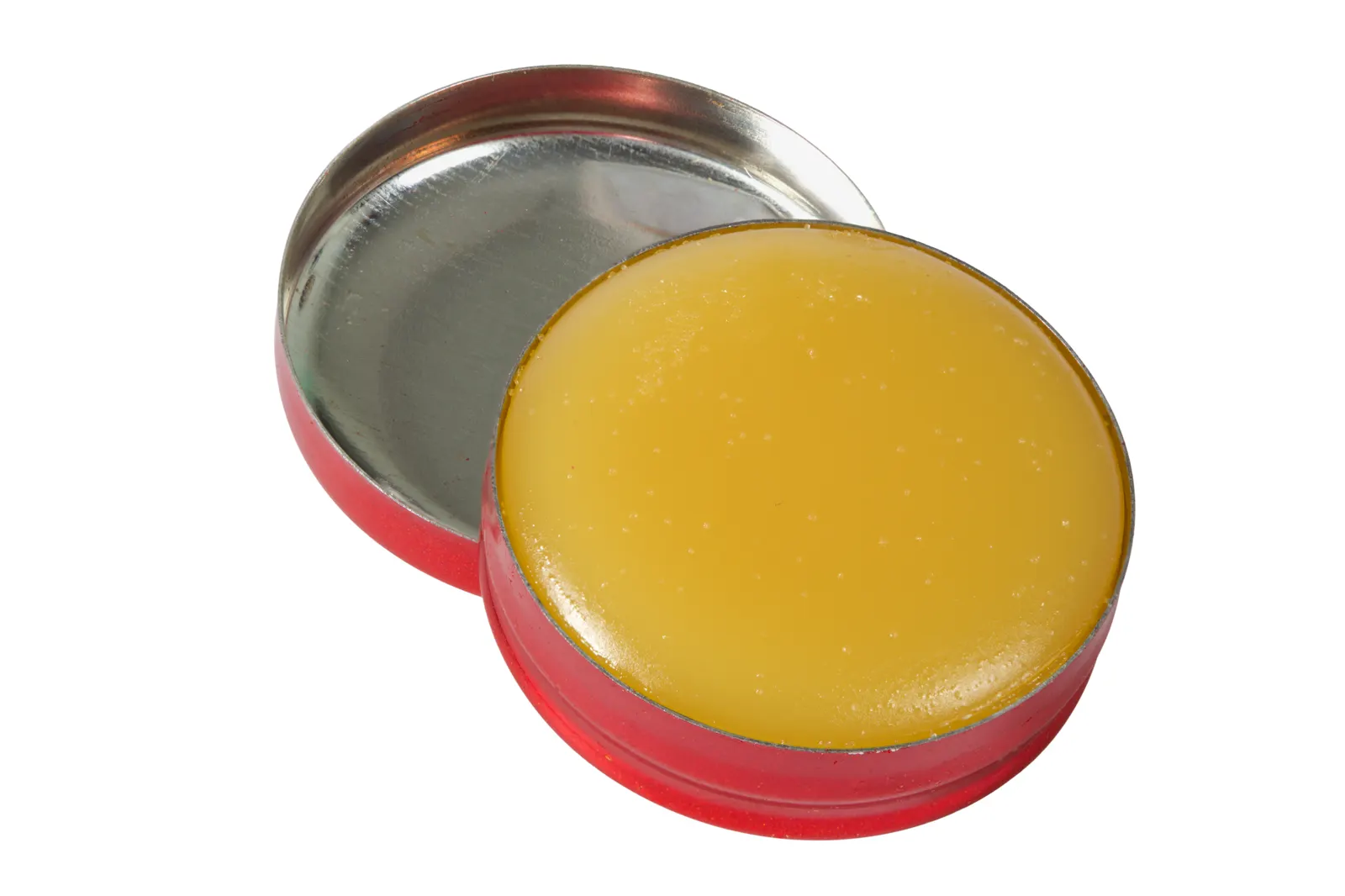
A pulse-point sandalwood oil
- Blend sandalwood into a carrier oil at 1–2% for body use; a dilution calculator makes it easy.
- Patch test on your inner arm first: it is an uncommon but known allergen.
- Dab a little on wrists and the base of your throat, skipping broken or sunburnt skin.
| Form | Typical use | Notes |
|---|---|---|
| Sandalwood essential oil in face products | Up to 0.5–1% of a face oil, serum or cream | A little goes a long way. Patch test first; it is a known, though uncommon, contact allergen. Use the Essential Oil Dilution Calculator and our Essential Oil Safety: The Complete Guide guide. |
| Body oil, balm or natural perfume | Body: 1–2%; solid or oil perfume: up to 5–10% of the fragrance blend for small-area use | Pairs beautifully with Damask rose, frankincense and orange blossom (neroli). Keep perfume use to pulse points, not large areas of skin. |
| Sandalwood powder face pack (traditional) | 1–2 teaspoons powder mixed to a paste with water or rose water; rinse after 10–15 minutes | Make fresh for each use and discard leftovers. Genuine S. album powder is scarce; much sold online is other wood dust or spent wood after distillation. Not for broken skin. |
Recipes with Sandalwood
Use it safely
- Sandalwood oil and santalol are recognized contact allergens. Reactions are uncommon but can be persistent; perfume-allergic people should patch test (How to Patch Test).
- Western Australian oil contains farnesol, an EU-labeled fragrance allergen. Sandalwood constituents also appear on the EU’s expanded fragrance-allergen labeling list.
- Keep essential oil out of reach of children and never take it internally.
- Not phototoxic, but avoid applying any fragrance oil to sunburnt, broken or freshly exfoliated skin.
Pregnancy and breastfeeding: Low-level use in cosmetics and perfume is generally considered acceptable in pregnancy and breastfeeding; avoid high-concentration blends and patch test, as skin can be more reactive (Skincare in Pregnancy & Breastfeeding).
New to an ingredient? Patch test first.
When to see a doctor
- Deep, painful nodules or cysts, or any acne that is leaving scars (pitted, rolling or raised) — early treatment prevents permanent scarring.
- No meaningful improvement after 2–3 months of consistent over-the-counter treatment.
- Acne with irregular periods, excess facial or body hair, scalp hair thinning or rapid weight gain, which can point to polycystic ovary syndrome or another hormonal cause.
- Sudden, severe, ulcerating acne with fever, joint pain or feeling unwell (acne fulminans) — seek prompt care.
- Acne that started after a new medicine or supplement (e.g. corticosteroids, anabolic steroids, some anticonvulsants).
- Acne affecting your mood, sleep or confidence — this is a valid reason to seek treatment.
Other plants for Acne & Breakouts
| Ingredient | Grade | What the evidence shows |
|---|---|---|
| Tea Tree | B | Several small randomized trials of 5% tea tree oil gel show fewer inflammatory and total lesions than placebo, with slower onset but better tolerability than 5% benzoyl peroxide. |
| Green Tea | B | Small randomized trials of 2–3% green tea extract lotions reduced lesion counts and sebum in mild to moderate acne; effects are modest. |
| Aloe Vera | C | In one randomized trial, aloe gel combined with tretinoin improved results and tolerability versus tretinoin alone — useful as a soothing partner to retinoids. |
| Bakuchiol | C | Small, mostly open-label studies suggest benefit in mild acne, often in combination products; plausible anti-inflammatory and anti-sebum effects. |
| Willow Bark | C | Contains salicin and other salicylates that may gently exfoliate and calm, but it is far weaker than salicylic acid and human data are limited. |
| Honey | C | Antimicrobial in the lab, but a randomized trial of medical-grade kanuka honey added to routine cleansing found no significant extra benefit. |
| Witch Hazel | D | Tannins are astringent and anti-inflammatory in vitro; there are no meaningful acne trials, and alcohol-based distillates can irritate. |
| Rhassoul Clay | D | Absorbs surface oil temporarily for a matte finish; no evidence it treats acne lesions. |